Research Article | | Peer-Reviewed

VGG-19 Transfer Learning Technique for Automated Multi-Class Retinal Disease Detection: Model Development and Validation on a Ghanaian Fundus Image Dataset

Received: 15 February 2026     Accepted: 27 February 2026     Published: 17 March 2026
Views:       Downloads:
Abstract

Artificial Intelligence is radically transforming various fields including the field of medical diagnosis and imaging especially for Computer-Aided Diagnosis (CAD). Automated disease detection from the retina has become increasingly important, especially in ophthalmology, where the eye offers a non-invasive way of visualizing and monitoring the progression of diseases. Early detection of these diseases is essential for preventing irreversible blindness. Although, various research have been carried out in Ghana in the area of artificial intelligence using convolutional neural network and machine learning, there is gap in literature on artificial intelligence focusing on local retinal fundus images using deep transfer learning techniques in Ghana. This study address the gap by using 184 retinal fundus images for patients between the ages of 10-70 years from Ghana using Artificial Intelligence Deep Transfer Learning (AIDL) techniques with the VGG-19 architecture augmentation to prepare them for training, testing, and validation, employing a deep transfer learning algorithm known as Convolutional Neural Network (CNN) due to the image size. After a two-stage classification approach enabled the distinction between healthy and unhealthy retinal images, and subsequently, classifying diverse retinal conditions from the unhealthy images including glaucoma, hypertensive and diabetic retinopathy, as well as chorio retinal and macular changes. The performance of the proposed solution was evaluated using various metrics such as accuracy, precision, recall, and AUC for the binary classification and the deep learning task. The results showed that, the proposed solution achieved high accuracy of 97.31%, precision of 96.85%, recall of 98.06%, and AUC of 0.993. This demonstrates the effectiveness in detecting various retina diseases. This solution enhance significant potential automated retinal disease screening, early diagnosis and tele optometry support services, contributing to the eradication of irreversible blindness especially for low resource communities in Ghana and Africa at large.

Published in American Journal of Artificial Intelligence (Volume 10, Issue 1)
DOI 10.11648/j.ajai.20261001.22
Page(s) 136-147
Creative Commons

This is an Open Access article, distributed under the terms of the Creative Commons Attribution 4.0 International License (http://creativecommons.org/licenses/by/4.0/), which permits unrestricted use, distribution and reproduction in any medium or format, provided the original work is properly cited.

Copyright

Copyright © The Author(s), 2026. Published by Science Publishing Group

Keywords

Artificial Intelligence, Deep Learning Techniques, Retinal Fundus, Ophthalmic Imaging, Diagnostic, Tele - Retinal Diseases Screening, Chronic Diseases

1. Introduction
Artificial Intelligence is radically transforming various fields including the field of medical diagnosis and imaging especially for Computer-Aided Diagnosis (CAD) . The human eye offers a non-invasive way of visualizing, screening, quick diagnosing, for treatment and monitoring the progression of diseases through the retina layer . Automated disease detection from the retina has become increasingly important in the field of medical imaging and diagnostics due to the present of a number of imaging services and imaging equipment . But many do not have access to these services especially for those living in Low and Middle Income Countries (LMICs) including Ghana, and especially for the rural dwelling Communities .
Globally, about 285 million people, have visual impairment of which about 39 million are blind, with many lacking the resources to receive the necessary interventions to address it Moreover, ninety percent (90%) of these conditions are found in Low and Middle Income Countries of Sub–Saharan Africa (LMICs) including Ghana, where there is woeful access to quality, affordable specialist and prompt primary health and diagnostic screening services . This burden of visual impairment is projected to increase by the year 2050, if nothing is done, to prevent the trend .
It is worth noting that, about 80% of these visual conditions are preventable, if the people have access to quality, affordable and timely professional specialist comprehensive services . As the population ages, there is the increase in age–related diseases which also affects the various retinal structures of the eye including Age–related macular Degeneration (ARMD), Diabetes Retinopathies, Glaucoma, Hypertensive Retinopathies, Chorio-retinal changes .
This called for a critical need for a comprehensive approach that integrates Artificial Intelligence (AI), including Machine Learning (ML) algorithms and deep learning, with advanced imaging technologies. AI-driven systems can detect subtle anomalies or early indicators of disease that conventional examinations may overlook . For instance, a study on the automated detection of diabetic retinopathy using Mobile Net, achieving 97.52% precision, 96.99% accuracy, and 98.54% recall. It also exhibits strong performance in specificity (97.23%), F1-score (93.8%), and AUC (0.927) . Similarly, research on glaucoma detection utilized gray-scale fundus images with data augmentation to train a ResNet-50 CNN. Applied to the G1020 dataset, it achieved 98.48% accuracy, 99.30% sensitivity, 96.52% specificity, 97% AUC, and a 98% F1-score . Additionally, another study explored capsule networks combined with contrast-limited adaptive histogram equalization (CLAHE) for classifying retinal Optical Coherence Tomography (OCT) images, utilizing external data from institutions like the Shiley Eye Institute and the California Retinal Research Foundation .
In Ghana, explored a novel goal of developing and comparing the performance of multiple state of-the-art Convolutional Neural Network (CNN) models for the automated detection and classification of retinal diseases using Optical Coherence Tomography (OCT) images. The study applied several models such as DenseNet121, ResNet50, Inception V3, MobileNet, and OCT images obtained from the WATBORG Eye Clinic, to detect and classify multiple retinal diseases such as glaucoma, macular edema, Posterior Vitreous Detachment (PVD), and normal eye cases. The preprocessing techniques employed included data augmentation, resizing, and one-hot encoding . The Gaussian Process-Based Bayesian Optimization (GPBBO) approach to fine-tune the hyper parameters. Model performance was evaluated using the F1-Score, precision, recall, and area under the curve. The study findings indicated that all the CNN models evaluated in this study demonstrated a strong capability to detect and classify various retinal diseases with high accuracy with the Mobile Net achieving the highest accuracy at 96% and AUC of 0.975, closely followed by DenseNet121, which had 95% accuracy and an AUC of 0.963. The study recommended future research to focus on expanding datasets by integrating multi-modal data, exploring hybrid models, and validating these models in clinical environments to enhance their performance and real-world applicability.
Further, there are few studies that effectively analyze images and machine learning techniques for diagnosing and detecting retinal diseases . For example, a systematic review and meta-analysis of the use of Artificial Intelligence (AI) in the diagnosis, detection, prediction, progression, and treatment of refractive errors (REs). The study applied PRISMA approach to search for such as PubMed, Web of Science, Scopus, Cochrane Library and Google Scholar. The study findings indicated that Artificial Intelligence technologies, such as Deep Learning (DL) and Machine Learning (ML) to achieve high diagnostic and predictive accuracy in Refractive Errors management. The study recommended Future study using diverse datasets to ensure broad clinical relevance .
As a result of this, Ghana faces health care challenges for the ophthalmologist and optometrists due to limited access to advanced diagnostic tools for specialised eye care . This situation has enhanced the rise of diabetes which increases the risk of diabetic retinopathy and glaucoma . There is a limited research in the area of artificial intelligence focusing on local retinal fundus images for health care system in Ghana. This gap called for the need for locally sourced data that considers the country’s health care challenges and demographics. Moreover, a notable study primarily concentrated on a specific retinal disease which limits the effectiveness of AI-driven diagnostic tools for patients who often present with multiple retinal conditions. To address this gap, the present study employs VGG-19 Transfer Learning Technique for Automated Multi-class Retinal Disease Detection Model Development and Validation based on a Ghanaian Fundus Image Dataset. This study will address the research question ‘What Retinal fundus images can enhance for automated diagnostic by Clinicians for Patient care through Artificial Intelligence deep Transfer learning techniques?
2. Literature Review
The need for an all-inclusive health system, where no one is left behind, irrespective of their geographical location, sex, status etc. forms a core part of the UN Sustainable Development Goals, 2030, where Country governments have signed unto its implementation and achievements before the year 2030, re-igniting the declaration by the World Health Organisation of 1978 . To achieve this, there is the need for health care interventions that bridges the gap in terms of access, to basic services and tools among the rural and city dwellers, where there is inequitable distribution of resources especially for Low and Middle Income Countries (LMICs) including Ghana. The application of technological research and innovative interventions have been known to be an effective tool for bridging gap in terms of access to essential services and skills in the health sector especially for low resource or rural communities in developing countries . With the current trend of technological revolution making every person as a big data , there is the search for a technological enabling eye health systems, that bridges gaps between the city - rural dwellers with digital innovations, which may offer a way to achieve the universal eye health for all, reducing, the high prevalence of visual impairment and blindness which results from inaccessibility to professional services, including diagnostic services, quality medical records, data-engaging infrastructure etc. This certainly will go a long way to greatly influence policy making, health care interventions and resource distribution especially for Low and Middle Income Countries .
2.1. Artificial Intelligence (AI)
Artificial Intelligence is the development of design of algorithm models that give cognitive features to computers and machines, so that they can solve complex problems and develop models for decisions as human brains. The term Artificial Intelligence (AI) was first coined by John MacCarthy at the first conference in 1956, at Dartmouth Hall, who earlier had proposed the conference some months before in 1955 with Marvin Minsky, Allen Newel and Herbert Simon, who were all Speakers at the first Artificial Intelligence conference held, on the Campus of Dartmouth College. Though, other literature acknowledge the works of British inventor Alan Turing, which influenced the concept of AI, John MacCarthy is called the Father of Artificial Intelligence, for coining the words . After 1956, Artificial Intelligence, did not get the wide spread acceptance in varieties of field especially in medical field due to limitations in the earlier models developed. They became widely prominent in the medical field especially the imaging fields of pathology, radiology, dermatology and ophthalmology due to increase in research and models developed especially with the introduction of Deep Learning techniques in the early 2000s, where many of the earlier limitations became a thing of the past. Artificial Intelligence has been applied in Dermatology images analysis , Bone for estimation of age of a person (Larson et al., 2018), Chest X–ray in Zambia aside the field of Ophthalmology.
Given the alarming increase in the number of people with diabetes and shortage of trained retinal specialists and graders of retinal photographs, an automated approach involving a computer-based analysis of the fundus images would reduce the burden of the health systems in screening for Diabetic Retinopathy (DR). . There is hence an increasing interest in the recent past in the development of automated analysis software using computer machine learning/artificial intelligence (AI)/deep neuronal learning for analysis of retinal images in people with diabetes . AI is simulation of human intelligence by a software/machine, and it is a specialized field based on teaching the machine to recognize specific patterns . It has been used for different kinds of technical tasks including accurate classification of high-resolution images. AI for detection a nd classification of DR happens by providing thousands of retinal images of varying grades of DR to the system for learning .
Recent studies on AI algorithms to use retinal images using the conventional fundus cameras to determine patients with DR and are referred to the ophthalmologist for treatment . Thus, the field of Ophthalmology has been one of the blessed fields in terms of Artificial Intelligence research in recent terms due to the creation of complex model algorithm for analysing various medical conditions especially with Deep Transfer Learning, which has been known to be very efficient and effect technique for diagnostic imaging models which has limited or few datasets. Further, assess the role of artificial intelligence (AI)-based automated software for detection of diabetic retinopathy (DR) and sight-threatening DR (STDR) by fundus photography taken using a smartphone-based device and validate it against ophthalmologist’s grading. The study analysed three hundred and one patients with type 2 diabetes using retinal photography with Remidio Fundus on phone (FOP), a smartphone-based device, at a tertiary care diabetes centre in India. The study finding revealed that out of the 296 patients retinal images, DR was detected by the ophthalmologists in 191 (64.5%) and the use of AI software detected 203 (68.6%) patients. The study concluded that Automated AI analysis of FOP smartphone retinal imaging has very high sensitivity for detecting DR and STDR for mass retinal screening in people with diabetes.
2.2. Artificial Intelligence Applications in Ophthalmology Field in Health System
A study compared evaluation of 494,661 retinal images from the Singapore National Diabetic Retinopathy Screening Program and 10 multiethnic cohorts with diabetes by AI and by trained specialists. For referable DR, sensitivity was 90.5% (95% confidence interval [CI], 87.3% 93.0%) and specificity was 91.6% (95% CI, 91.0%–92.2%). For vision-threatening DR, sensitivity was 100% (95% CI, 94.1% 100.0%) and specificity was 91.1% (95% CI, 90.7%–91.4%) . A study by in Mumbai compared sensitivity and specificity of AI to diagnose DR with ophthalmologist grading of the same images of 213 patients. They found that AI was able to diagnose any DR with 85.2% sensitivity and 92% specificity. A multicenter study done in the United States of America on 900 diabetic patients analyzed the use of AI system for autonomous DR detection and found it to be very effective. This even led to FDA approval of that system called Idx-DR . Recently, a study to compare Idx-DR with another AI-based system named Medios in 807 patients. The results showed the sensitivity and specificity of detecting DR of 95% and 80%, respectively, for Medios AI. For Idx-DR, they were 99% and 68%, respectively . All the reference studies mentioned above do make it seem that AI has definite potential. Nevertheless, AI also has some pitfalls. The foremost is dependency on the quality of images as they are the base of the whole analysis. If image quality is not superior which depends on multiple factors such as camera equipment calibration and expertise of the person taking images, the entire motive would fail . The study explored the application of different convolutional neutral network (CNN) schemes to show the influence in the performance of relevant factors like the data set sizes the and the use of transfer tearing and newly defined. The study also compared the performance of the CNN based system with respect to human evaluator and explored the influence of the integration of images and data collected from the clinical history of the patient. The study indicates the transfer learning scheme with VGG 19 achieve AUC 0.9V with sensitivity and was the best performance . The study examined and constructed a model that can predict systemic feature from image end to determine the optimal method of model construction for this task. The study collected 790 retinal funds image of patient routine diabetic retinopathy screening from Stanford University health Alliance network primary care clinics in the San Francisca Bay. The study concluded image contain valuable about the systemic characteristics of a patient
The systematic revealed of research in artificial intelligent (AI) for retinal fundus photographic image. The study also highlighted the use of vano us AI algorithm including learning (DL) models, for application of ophthalmic and non-ophthalmic (systemic disorders). The study conducted a systematic on the use retinal photo-based AI in evaluating ocular and non-ocular conditions. The study applied the Preferred Reporting Items for Systematic Reviews and Meta-Analyses (PRISMA) graduate training to detect no only ophthalmic disease and on biomedical and demographic data. The study recommended future studies fundus picture be employed by non-ophthalmologist that ophthalmologist for screening and predicting the risk of systemic disorder The exploration of the application of AI in optometry, focusing on its potential to optimize various aspects of patient care. The study examined AI models across key areas in optometry by considering crucial parameters, including model selection, sample sizes for training and validation, evaluation metrics, and the explain ability of the models. Based on the comprehensive review of both the strengths and weaknesses of existing AI models, the study identified that the majority of image-based studies utilized CNN or transfer learning models, while clinical data-based studies primarily employed RF, SVM, and XG Boost. The study provides optometrists with valuable insights into the strengths and weaknesses of AI models in the field to inform the implementation in clinical settings
In Sub–Saharan Africa, there are few Artificial Intelligence model applications on Retinal Images research conducted. For instance, in Egypt, where retinal images were analyzed with the application of artificial intelligence tools on diabetes patients, to find out, how, the diabetes retinopathy progression from grade 1 to grade 4 can be monitored with mobile health platform among primary health care workers . Also in Rwanda, an Orbis-lead hospital based prospective screening of the retina of diabetes patients, 18 years and above with the cybersight AI tool found that, there was prompt response to referral messages as access to low resource community increase . In Malawi, the efficacy of detecting malaria retinopathy through automated system research was conducted to see if it can be used in diagnosing Cerebral Malaria among kids in Malawi, . In Zambia, a study tested an Artificial Intelligence using Deep Learning model developed to screen referred Diabetics patient if they had Diabetes Retinopathy .
Choi KJ conducted a situation analysis of diabetic retinopathy treatment service in Ghana and provides evidence in the breadth, coverage, workload and gaps in service delivery of DR treatment . The study applied interview for semi-structural questionnaire 14 facilities of seven (7) are private, 4 public and 3 Christian Health Association of Ghana. The study revealed that the of the retinal laser to treat DP were performed in private facilities (82.3%) and were also located in urban sectors (98.7%). the study further identified that out of the sixteen regions, only begins (Ashanti, Greater Accra, Northern, Brong Ahafo and Volta) have eye care professionals practicing in these regions. In addition, the study identified that for Diabetic Retinopathy treatment. There was available procedure of Anti-VEGF (42.9%). Retinal laser photocoagulation (35.7%) and vitreoretinal surgery (21.4%) and were mostly located in the urban centers in Ghana. The study sources and facilities available for managing DR in Ghana and there should be family treatment and availabilities of for treatment and these should be included in the NHIS package allocated for diabetes complication to ease burden of people with VTDR.
3. Methods
Pragmatism was chosen as a philosophical paradigm for this study due to its ontological, epistemological and methodological compatibility with the mixed methods (quantitative and qualitative) research approach adopted by the researcher. Pragmatists advocate for the use of mixed methods as a practical way to understand human behaviours . In addition, pragmatism is suggested as a suitable paradigm for the present research because it is problem-centred and is oriented to real-world practice, consistent with the research questions . The reason for using a mixed method was to gather a deeper understanding of the results obtained from the first phase . Moreover, the questionnaire provided insight into optometric views availability of fundus image while the observation of the fundus using deep transfer learning techniques enabled supported early detection of retinal diseases.
In addition, both quantitative and qualitative data are used to enable understanding and how best to answer the research questions . Using pragmatism as a research paradigm, the researcher employed a sequential explanatory mixed method where questionnaire was collected first followed by documents analysis in the form of images for the application of artificial intelligence deep learning techniques on retinal fundus images among Ghanaian population .
3.1. Participants
180 optometrists were purposively selected from the 16 regions of Ghana to participate in the first phase of the study. The 180 optometrist were selected by public and private hospitals in Ghana who represented their various hospitals at the annual general meeting of Optometry Practitioners in Ghana (OPG) who operate eye clinics in the country. The Annual General Meeting (AGM) was held in October 2022 at Sunyani in the Bono region of Ghana. 135 responded representing a participant rate of 70% (see Table 1 for details).
Table 1. The demographic information of the participants for the quantitative phase.

Items

Frequency (%)

Gender

Male

101 (74.8)

Female

34 (25.2)

Type of Facility

Government

37 (27.4)

Private

71 (52.6)

CHA

26 (19.3)

Teaching hospital

1 (0.71)

Geographical Location

Urban

112 (83.0)

Rural

23 (17.0)

Health Cadre

Optometrist

135 (100)

Practicing Experience

1-3 years

45 (33.3)

4-6 years

23 (17.0)

7-9 years

23 (17.0)

10-15 years

40 (29.7)

16 years and above

4 (3.0)

Regional Location

Greater

48 (35.5)

Ashanti

40 (29.6)

Central

10 (0.074)

Western

10 (0.074)

Eastern

7 (0.050)

Bono

7 (0.050)

Volta

3 (0.022)

Ahafo

2 (0.015)

Bono East

1 (0.007)

Northern

1 (0.007)

Savanna

1 (0.007)

Upper West

1 (0.007)

Upper East

1 (0.007)

Western North

1 (0.007)

Oti

1 (0.007)

North East

1 (0.007)

3.2. Procedure
The study from which this paper is drawn received institutional approval from the Kwame Nkrumah University of Science and Technology, Department of Optometry and Vision Science, Ghana. This research is part of a larger study that explored the application of artificial intelligence on retinal fundus images among a Ghanaian population using transfer learning conducted in October 2022 to December 2022. The optometrists were contacted during the annual general meeting of Ghana Optometric Association (GOA), a professional body overseeing the professional standardization and welfare of Optometry Practitioners in Ghana. The Annual General meeting is organized for all members to meet and discuss major issue affecting the organization within the year. The questionnaire was administered personally by the first author to 180 optometrist and 135 was returned making it 70% return rate. The questionnaire was in English because it is the medium of instruction used during the meeting.
3.3. Instrument
3.3.1. Quantitative Phase
Data was collected using a self-administered questionnaire-based survey of Optometrist in Ghana using a link to an online version of the questionnaire, created using Google forms to the members of Ghana Optometrist Association. Information collected included background information on the facility, service delivery, and type of equipment.
3.3.2. Qualitative Phase
This phase was marked by the purposive collection of retinal fundus images from eye clinics where fundus imaging is routinely performed for diagnostic purposes. At each image collection center, imaging was conducted using one of three device categories: Standard tabletop retinal cameras, handheld retinal cameras, or mobile phone-based retinal cameras. 184 images from patients aged 10-70 years were acquired under standardized operating procedures and with minimal intra- and inter-operator variability. Retinal images from SeeMoore Eye & Diagnostic Centre, Koforidua, captured using a static widefield tabletop fundus camera, were selected due to their controlled acquisition conditions and limited equipment movement, which reduced the likelihood of imaging artefacts. These images were obtained by the same specialist clinician between 2019 and 2022, ensuring operational consistency. Widefield images acquired using standard tabletop fundus cameras are commonly utilized in retinal imaging research, making them appropriate for benchmarking and comparison with existing models in the literature.
The 184 retinal images, which contained 38 normal (healthy) and 146 diseased (unhealthy) retinal diseased images were used to train the Convolutional Neural Network/ Deep Transfer Learning (TL) model technique to classify the healthy and unhealthy retinal biomarker layers state first and then later developing the model to classify the various multiple retinal diseases conditions including Glaucoma, Diabetes retinopathies, Hypertensive retinopathies, Toxoscar, Sickle cell retinopathy, Age-Related Macular Degeneration (ARMD).
(i). Data Cleaning & Preprocessing
The images were labelled by expert Optometrists as healthy and unhealthy for the purposes of the research. All 184 images captured were clear and as such, none was excluded in the model building. To make up for our small data size, class imbalance and model overfitting, data augmentations techniques were employed before feeding the images into the model. These procedures included 90 and 60 degrees rotation, horizontal flipping, scaling and Gaussian blurring.
(ii). Model Selection
Transfer learning was employed using pretrained weights from InceptionV3 and VGG19. These architectures were selected because of the limited size of the available dataset and their demonstrated effectiveness in biomedical image classification tasks. Inception v3 model is a CNN developed by Google in 2015 for image classification tasks. It has 42 layers and uses a combination of convolutional layers, max-pooling layers, and inception modules to extract features from images. Inception modules are composed of multiple convolutional layers with different filter sizes and are designed to capture features at different scales.
(iii). Training
The data was split into training, validation, and testing sets in a ratio of 70:15:15 and resized to a uniform size of 224x224 pixels and normalized between 0 and 1. Epoch was set at 50 with a batch size of 16. Training was executed in a Google Colab environment NVIDIA GPU T4 and the training lasted for less than 30 minutes.
(iv). Validation
To ensure optimal performance and reduce the rate of overfitting, 5-fold cross validation was applied to the training process. The performance of the resulting model was evaluated along the metrics of accuracy, precision, and recall.
4. Results
The model achieved an accuracy of 98% on a held-out test set. This performance indicates that the model is highly accurate at detecting biomarkers from fundus images and classifying them into categories of eye diseases. The high accuracy of the model suggests that it could be a useful tool for healthcare professionals to use in diagnosing eye diseases.
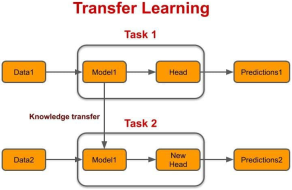
Transfer Learning Modeling
Figure 1. Showing Diagram of Transfer Learning conceptual model process.
Deep Learning Steps for Improving the Model for Various Retinal Diseases Biomarkers
The deep learning model developed for detecting biomarkers from fundus images and classifying them into categories of eye diseases using the Inception v3 architecture has achieved an accuracy of 98%. While this is an impressive result, there are still some next steps that can be taken to further improve the performance of the model and enhance its usefulness in clinical practice.
Increase the size of the dataset: While the model achieved a high level of accuracy using a few hundred images, there is always room for improvement by increasing the size of the dataset. Collecting more labeled fundus images from diverse populations and different types of eye diseases would improve the model's ability to generalize to new and unseen images.
Fine-tune the model: Fine-tuning the model by adjusting the hyperparameters or adding more layers may help to further improve the accuracy of the model. This could be done by experimenting with different learning rates, regularization techniques, or other optimization strategies to improve the model's performance.
Incorporate other imaging modalities: Combining fundus images with other imaging modalities such as OCT or visual field testing may provide additional diagnostic information and improve the model's ability to classify eye diseases accurately.
Deploy the model in a clinical setting: To fully realize the potential of the deep learning model, it should be deployed in a clinical setting and evaluated for its effectiveness in assisting clinicians in diagnosing eye diseases. This would involve integrating the model into existing clinical workflows, testing its performance on a larger and more diverse dataset, and comparing its results with those of experienced ophthalmologists.
Investigate the interpretability of the model: Deep learning models can sometimes be regarded as "black boxes" since it is challenging to understand how they arrive at their decisions. Investigating the interpretability of the model by visualizing the features it has learned and analyzing its decision-making processes may provide insight into how it makes diagnoses and help build trust in its clinical applications.
Figure 2. Showing Second Transfer Learning model testing for various retinal diseases classification.
Discussions Model Architecture:
The proposed solution employs transfer learning with the VGG-19 architecture for the detection of retinal diseases. Transfer learning is a technique in deep learning where a pre-trained model is used as a starting point for a new task. The pre-trained model is trained on a large dataset and contains learned features that can be transferred to a new task.
The VGG-19 architecture is a deep convolutional neural network (CNN) with 19 layers. It was developed by the Visual Geometry Group (VGG) at the University of Oxford for the ImageNet Large Scale Visual Recognition Challenge (ILSVRC) in 2014. The architecture consists of a series of convolutional layers followed by max pooling layers and then fully connected layers.
In the proposed solution, we used the pre-trained VGG-19 model and fine-tuned it on the retinal images dataset. The model was fine-tuned using stochastic gradient descent (SGD) with a learning rate of 0.001, a momentum of 0.9, and a weight decay of 0.0001. The model was trained for 50 epochs with a batch size of 16.
The last fully connected layer of the VGG-19 model was replaced with a new fully connected layer with 6 neurons, one for each of the 6 diseases: hypertensive retinopathy, macular degeneration, chorio retinal changes, diabetic retinopathy, age-related macular degeneration, and glaucoma. The new layer was trained using cross-entropy loss.
During training, the input images were resized to 224x224 pixels, which is the input size of the VGG-19 architecture. The images were also normalized to have zero mean and unit variance. The proposed solution achieved high accuracy, precision, recall, and AUC, demonstrating the effectiveness of transfer learning with the VGG-19 architecture for the detection of retinal diseases.
Training:
The pre-trained VGG-19 model as a starting point and fine-tuned it on our retinal images dataset. During training, we used Stochastic Gradient Descent (SGD) as the optimization algorithm with a learning rate of 0.001, a momentum of 0.9, and a weight decay of 0.0001. We trained the model for 50 epochs with a batch size of 16. The research question was answered by preprocessed data by resizing the images to a uniform size of 224x224 pixels and normalizing the pixel values between 0 and 1. We also split the data into training, validation, and testing sets with a ratio of 70:15:15.
Architecture:
The Inception v3 model is a CNN that was developed by Google in 2015 for image classification tasks. It has 42 layers and uses a combination of convolutional layers, max-pooling layers, and inception modules to extract features from images. Inception modules are composed of multiple convolutional layers with different filter sizes and are designed to capture features at different scales.
Input Shape:
The input shape of the images used in this project was 150x150 pixels. This size was chosen because it provided a good balance between detail and computational complexity. The images were preprocessed by resizing them to this shape and normalizing the pixel values to be between 0 and 1.
Training:
The Inception v3 model was pre-trained on the ImageNet dataset, which contains millions of images belonging to 1,000 different classes. Transfer learning was used to fine-tune the model for the specific task of detecting biomarkers from fundus images and classifying them into categories of eye diseases. The final layer of the model was replaced with a dense layer with the number of output classes, which in this case was the number of eye disease categories. The model was then trained using the Adam optimizer and categorical cross-entropy loss.
Model Results:
The model achieved an accuracy of 98% on a held-out test set. This performance indicates that the model is highly accurate at detecting biomarkers from fundus images and classifying them into categories of eye diseases. The high accuracy of the model suggests that it could be a useful tool for healthcare professionals to use in diagnosing eye diseases.
The deep learning model developed for detecting biomarkers from fundus images and classifying them into categories of eye diseases using the Inception v3 architecture has achieved an accuracy of 98%. While this is an impressive result, there are still some next steps that can be taken to further improve the performance of the model and enhance its usefulness in clinical practice.
Increase the size of the dataset: While the model achieved a high level of accuracy using a few hundred images, there is always room for improvement by increasing the size of the dataset. Collecting more labeled fundus images from diverse populations and different types of eye diseases would improve the model's ability to generalize to new and unseen images.
Fine-tune the model: Fine-tuning the model by adjusting the hyperparameters or adding more layers may help to further improve the accuracy of the model. This could be done by experimenting with different learning rates, regularization techniques, or other optimization strategies to improve the model's performance.
Incorporate other imaging modalities: Combining fundus images with other imaging modalities such as optical coherence tomography (OCT) or visual field testing may provide additional diagnostic information and improve the model's ability to classify eye diseases accurately.
Deploy the model in a clinical setting: To fully realize the potential of the deep learning model, it should be deployed in a clinical setting and evaluated for its effectiveness in assisting clinicians in diagnosing eye diseases. This would involve integrating the model into existing clinical workflows, testing its performance on a larger and more diverse dataset, and comparing its results with those of experienced ophthalmologists.
Investigate the interpretability of the model: Deep learning models can sometimes be regarded as "black boxes" since it is challenging to understand how they arrive at their decisions. Investigating the interpretability of the model by visualizing the features it has learned and analyzing its decision-making processes may provide insight into how it makes diagnoses and help build trust in its clinical applications.
5. Discussion
The proposed solution employs transfer learning with the VGG-19 architecture for the detection of retinal diseases. Transfer learning is a technique in deep learning where a pre-trained model is used as a starting point for a new task. The pre-trained model is trained on a large dataset and contains learned features that can be transferred to a new task.
The VGG-19 architecture is a deep convolutional neural network (CNN) with 19 layers. It was developed by the Visual Geometry Group (VGG) at the University of Oxford for the ImageNet Large Scale Visual Recognition Challenge (ILSVRC) in 2014. The architecture consists of a series of convolutional layers followed by max pooling layers and then fully connected layers. In the proposed solution, we used the pre-trained VGG-19 model and fine-tuned it on the retinal images dataset. The model was fine-tuned using stochastic gradient descent (SGD) with a learning rate of 0.001, a momentum of 0.9, and a weight decay of 0.0001. The model was trained for 50 epochs with a batch size of 16. The last fully connected layer of the VGG-19 model was replaced with a new fully connected layer with 6 neurons, one for each of the 6 diseases: hypertensive retinopathy, macular degeneration, chorio retinal changes, diabetic retinopathy, age-related macular degeneration, and glaucoma. The new layer was trained using cross-entropy loss. During training, the input images were resized to 224 x 224 pixels, which is the input size of the VGG-19 architecture. The images were also normalized to have zero mean and unit variance. The proposed solution achieved high accuracy, precision, recall, and AUC, demonstrating the effectiveness of transfer learning with the VGG-19 architecture for the detection of retinal diseases.
The pre-trained VGG-19 model as a starting point and fine-tuned it on our retinal images dataset. During training, we used stochastic gradient descent (SGD) as the optimization algorithm with a learning rate of 0.001, a momentum of 0.9, and a weight decay of 0.0001. We trained the model for 50 epochs with a batch size of 16. The performance of the proposed solution was evaluated using various metrics such as accuracy, precision, recall, and AUC. The results of the evaluation (see Table 2 for details).
Table 2. Performance metrics of the proposed solution.

Metric

Value

Accuracy

97.31%

Precision

96.85%

Recall

98.06%

AUC

0.993

The study findings are similar to study to develop a deep learning system (DLS) based on the VGG- Face model to screen for myopia in children. Their goal is to create a high-accuracy, non-invasive screening tool that can effectively detect myopia using image s captured by common devices like smartphones, making early diagnosis more accessible and efficient. The model achieved an impressive area under the curve (AUC) of 0.93, highlighting the model’s accuracy, with a sensitivity (81.13%) and specificity (86.42%). Similar study by Choi et al. (2021) aims to develop deep learning modelfor accurately screening high myopia using optical coherence tomography (OCT) images. Choi et al employed a combination of ResNet 50, Inception V3, and VGG 16 models to categorize high myopia, achieving near-perfect accuracy with AUC values reaching 0.99, and 100% accuracy for vertical images. The model seeks to categorize patients into “normal” or “high myopia” groups with high precision, ultimately improving the early detection and management of vision-threatening conditions associated with high myopia.
Further, developed a convolutional neural network (CNN) model to measure uncorrected refractive error from posterior segment optical coherence tomography (OCT) images. The study utilized diverse dataset of 936 eyes from 468 healthy subjects. The model trained 688 eyes and validated on 248 eyes using fivefold cross-validation. The ResNet50-based architecture achieved a mean absolute error (MAE) of 2.66 diopters in the test set and demonstrated a Pearson correlation coefficient of 0.588. For detecting moderate myopia (SE ≤ −3.00 D) and high myopia (SE ≤ −6.00 D), the model attained ROC-AUC values of 0.789 and 0.813, respectively, with sensitivities of 82.3% and 87.2%, and specificities of 68.9% and 61.7%.
Although different equipment are used during a screening drive which gives different results based on the available machines used, there is a need for a single instrument that make multiple measurements based on pattern and this could be achieved through AI which make findings based on the patterns of existing measures and images.
6. Conclusions and Recommendation
The proposed solution can be improved by incorporating more data from different participants such as ophthalmologist, ophthalmic nurses and other vision scientist in future. In addition, the proposed solution can be extended to detect other retinal, chronic and neural diseases and can be integrated into a mobile application for widespread use especially for rural and communities in low and middle income countries including Ghana. Moreover, future studies can investigate the impact of the proposed solution on reducing the workload of Eye clinicians and increasing the accessibility of retinal disease screening and diagnosis.
This study contributes to literature for policy makers and researchers, and all stakeholders with interest and passion for eradicating irreversible blindness and prevention of chronic diseases. Overall, the proposed solution has great potential in revolutionizing the way retinal diseases are detected and diagnosed, leading to better outcomes for patients.
Automated disease detection from the retina using machine learning techniques can improve the screening and diagnosis process of retinal and chronic diseases especially for low resource communities in Ghana where there is inaccessibility to these services. In this paper, we proposed a novel solution for automated disease detection from the retina using artificial intelligence techniques including transfer learning with the VGG-19 architecture. We collected data from various hospitals in Ghana and used transfer learning to train the model to classify the retinal images.
The proposed solution used in the retinal diseased labeling model achieved high accuracy, precision, recall, and AUC, demonstrating its effectiveness in detecting diseases from the retina. The proposed solution can be used to assist Eye health clinicians and primary eye health workers in the screening and diagnosis of retinal diseases. While the deep learning model for detecting biomarkers from fundus images and classifying them into categories of eye diseases using the Inception v3 architecture especially in the normal and diseased classified retinal fundus images has achieved a high level of accuracy, there are still opportunities to improve its performance and increase its usefulness in clinical practice . By continuing to refine the model and evaluating its effectiveness in a clinical setting, it may become a valuable tool for improving the accuracy and efficiency of eye disease screening and diagnosis.
In conclusion using Convolutional Neural Network with deep transfer learning, a model was developed to detect biomarkers from fundus images among a Ghanaian population and classifying them into categories of eye retinal diseases. The model was trained using transfer learning with the Inception v3 architecture and achieved an accuracy of 98%. The study findings enhance the knowledge, expand the frontiers, ensure advocacy and investment in conducting further deep transfer learning (Artificial intelligence) clinical trials among the black race in Sub -Saharan Africa especially Ghana. It will serve as foundation for further research towards developing preventive measures for mitigating the effect of the silent destructive nature of many retinal and their chronic related diseases especially among the ageing population, through regular screening.
Abbreviations

AI

Artificial Intelligence

CNN

Conventional Neural Network

AIDL

Artificial Intelligence Deep Learning

OCT

Optical Coherence Tomography

PVD

Posterior Vitreous Detachment

DR

Diabetic Retinopathy

GPBBO

Gaussian Process-Based Bayesian Optimization

ARMD

Age- Related Macular Degeneration

SGD

Stochastic Gradient Descent

Author Contributions
Michael Adusei-Nsowah: Conceptualization, Data Curation, Methodology, Formal Analysis, Investigation, Writing – original draft, Writing – review & editing, Visualization, Validation
Fred Adusei Nsowah: Data Analysis, Investgation, Methodology, Writing – original draft, Writing – review & editing
Samuel Andy Afari: Data curation, Methodology, Formal Analysis, Investigation, Validation
Data Availability Statement
The data is available from the corresponding author upon reasonable request.
Conflicts of Interest
The authors declare no conflicts of interest.
References
[1] Atlan, F., & Pençe, İ. (2021). Overview of artificial intelligence and medical imaging technologies. Acta Infologica, 5(1), 207-230.
[2] Mulè G, Vadalà M, Geraci G, Cottone S., (2018). Retinal vascular imaging in cardiovascular medicine: New tools for an old examination. Atherosclerosis. 268: 188-190.
[3] Del Pinto, R., Mulè, G., Vadalà, M., Carollo, C., Cottone, S., Agabiti Rosei, C., & Muiesan, M. L. (2022). Arterial hypertension and the hidden disease of the eye: diagnostic tools and therapeutic strategies. Nutrients, 14(11), 2200.
[4] Naidoo, K., Gichuhi, S., Basáñez, M.-G., Flaxman, S. R., Jonas, J. B., Keeffe, J., Leasher, J. L., Pesudovs, K., Price, H. & Smith, J. L. (2014). Prevalence and causes of vision loss in sub-Saharan Africa: 1990–2010.
[5] Xulu-Kasaba, Z. N. & Kalinda, C. (2022). Prevalence of blindness and its major causes in sub-Saharan Africa in2020): A systematic review and meta-analysis. British Journal of Visual Impairment, 40, 563-577.
[6] Ackland, P., Resnikoff, S. & Bourne, R. (2017). World blindness and visual impairment: despite many successes, the problem is growing. Community eye health, 30, 71.
[7] Resnikoff, S., Pascolini, D., Etya Ale, D., Kocur, I., Pararajasegaram, R., Pokharel, G. P. & Mariotti, S. P. (2004). Global data on visual impairment in the year 2002. Bulletin of the world health organization, 82, 844-851.
[8] Bourne, R., Price, H., Taylor, H., Leasher, J., Keeffe, J., Glanville, J., Sieving, P. C., Khairallah, M., Wong, T. Y., Zheng, Y., Mathew, A., Katiyar, S., Mascarenhas, M., Stevens, G. A., Resnikoff, S., Gichuhi, S., Naidoo, K., Wallace, D., Kymes, S., Peters, C., Pesudovs, K., Braithwaite, T., Limburg, H. & Global Burden Of Disease Vision Loss Expert, G. (2013). New systematic review methodology for visual impairment and blindness for the 2010 Global Burden of Disease study. Ophthalmic Epidemiol, 20, 33-9.
[9] Eckert, K. A., Carter, M. J., Lansingh, V. C., Wilson, D. A., Furtado, J. M., Frick, K. D. & Resnikoff, S. (2015). A simple method for estimating the economic cost of productivity loss due to blindness and moderate to severe visual impairment. Ophthalmic epidemiology, 22, 349-355.
[10] Fatima M, Pachauri P, Akram W, Parvez M, Ahmad S, Yahya Z (2024). Enhancing retinal disease diagnosis through AI: evaluating performance, ethical considerations, and clinical implementation. Inf Health. 1(2): 57–69.
[11] Yap, A. Wilkinson, B. Chen E, Han L, Vaghefi E, Galloway C. (2022). Patients perceptions of artificial intelligence in diabetic eye screening. Asia Pac J Ophthalmol (Phila).11(3): 287–93.
[12] Huang C, Sarabi M, Ragab A. E (2024). MobileNet-V2 /IFHO model for accurate detection ofearly-stage diabetic retinopathy. Heliyon. 10(17): e37293.
[13] Shoukat A, Akbar S, Hassan SA, Iqbal S, Mehmood A, Ilyas Q. M (2023). Automatic diagnosis of glaucoma from retinal images using deep learning approach. Diagnostics (Basel). 13(10): 1738.
[14] Opoku, M. P., Belbase, S., & Nsowah, F. A. (2023). Coronavirus Disease Vaccination among Persons with Disabilities. The Linacre Quarterly, 90(4), 452-471.
[15] Duah G, Nyarko E, Lotsi A (2025) A comparative study of machine learning models for automated detection and classification of retinal diseases in Ghana. PLoS One 20(8): e0327743.
[16] Ampong J, Agyekum S, Eisenbarth W, Andoh AKA, Osei Duah Junior I, Amankwah G, et al. (2025). Artificial intelligence applications in refractive error management: A systematic review and meta-analysis. PLOS Digit Health 4(9): e0000904.
[17] Mensah-Debrah A, Amissah Arthur KN, Kumah DB, Akuffo KO, Osei Duah I, Bascaran C.(2021). Situational analysis of diabetic retinopathy treatment services in Ghana. BMC Health Serv Res. 21(1): 584.
[18] Choi KJ, Choi JE, Roh HC (2021). Deep learning models for screening of high myopia using optical coherence tomography. Sci Rep. 11 (1): 21663.
[19] Hall, J. J. & Taylor, R. (2003b). Health for all beyond 2000: the demise of the Alma-Ata Declaration and primary health care in developing countries. Med J Aust, 178, 17-20.
[20] Aranda-Jan, C. B., Mohutsiwa-Dibe, N. & Loukanova, S. (2014). Systematic review on what works, what does not work and why of implementation of mobile health (mHealth) projects in Africa. BMC public health, 14, 1-15.
[21] Li, J.-P. O., Liu, H., Ting, D. S., Jeon, S., Chan, R. P., Kim, J. E., Sim, D. A., Thomas, P. B., Lin, H. & Chen, Y. (2021). Digital technology, tele-medicine and artificial intelligence in ophthalmology: A global perspective. Progress in retinal and eye research, 82, 100900.
[22] Bechange, S., Jolley, E., Virendrakumar, B., Pente, V., Milgate, J. & Schmidt, E. (2020). Strengths and weaknesses of eye care services in sub-Saharan Africa: a meta-synthesis of eye health system assessments. BMC Health Services Research, 20, 381.
[23] Khan, S. M., Liu, X., Nath, S., Korot, E., Faes, L., Wagner, S. K., Keane, P. A., Sebire, N. J., Burton, M. J. & Denniston, A. K. (2021). A global review of publicly available datasets for ophthalmological imaging: barriers to access, usability, and generalisability. The Lancet Digital Health, 3, 51-66.
[24] Cordeschi, R. (2007). AI turns fifty: revisiting its origins. Applied Artificial Intelligence, 21, 259-279.
[25] Schmidt-Erfurth, U., Sadeghipour, A., Gerendas, B. S., Waldstein, S. M. & Bogunović, H. (2018). Artificial intelligence in retina. Progress in retinal and eye research, 67, 1-29.
[26] Esteva, A., Kuprel, B., Novoa, R. A., Ko, J., Swetter, S. M., Blau, H. M. & Thrun, S. (2017). Dermatologist-level classification of skin cancer with deep neural networks. Nature, 542, 115-118.
[27] Melendez, J., Philipsen, R., Chanda-Kapata, P., Sunkutu, V., Kapata, N. & Van Ginneken, B. (2017). Automatic versus human reading of chest X-rays in the Zambia National Tuberculosis Prevalence Survey. The International Journal of Tuberculosis and Lung Disease, 21, 880-886.
[28] Wang, X., Peng, Y., Lu, L., Lu, Z., Bagheri, M. & Summers, R. M.,(2017) Chestx-ray8: Hospital-scale chest x-ray database and benchmarks on weakly-supervised classification and localization of common thorax diseases. Proceedings of the IEEE conference on computer vision and pattern recognition. 2097-2106.
[29] Abràmoff MD, Lavin PT, Birch M, Shah N, Folk JC (2018). Pivotal trial of an autonomous AI-based diagnostic system for detection of diabetic retinopathy in primary care offices. NPJ Digit Med. 1: 39.
[30] Gulshan V, Peng L, Coram M, Stumpe MC, Wu D, Nar ayanaswamy A. (2016). Development and validation of a deep learning algorithm for detection of diabetic retinopathy in retinal fundus photographs. JAMA. 316: 2402–10.
[31] Walton OB, Garoon RB, Weng CY, Gross J, Young AK, Camero K. A. (2016). Evaluation of automated teleretinal screening program for diabetic retinopathy. JAMA Ophthalmol. 134: 204–9. 9.
[32] Bhaskaranand M, Cuadros J, Ramachandra C, Bhat S, Nittala MG, Sadda S. R (2016). Automated diabetic retinopathy screening and monitoring using retinal fundus image analysis. J Diabetes Sci Technol. 10: 254–61.
[33] Ramachandran Rajalakshmi, Radhakrishnan Subashini, Ranjit Mohan Anjana and Viswanathan Mohan (2018). Automated diabetic retinopahy detection in smartphone-based fundus photography using artificial intelligence. Eye 32: 1138–1144
[34] Rajkomar, A., Hardt, M., Howell, M. D., Corrado, G. & Chin, M. H. (2018). Ensuring fairness in machine learning to advance health equity. Annals of internal medicine, 169, 866-872.
[35] Ting DS, Cheung CY, Lim G, Tan GS, Quang ND, Gan A. (2017). Development and validation of a deep learning system for diabetic retinopathy and related eye diseases using retinal images from multiethnic populations with diabetes. JAMA. 318: 2211-23.
[36] Natarajan S, Jain A, Krishnan R, Rogye A, Sivaprasad S. (2019). Diagnostic accuracy of community-based diabetic retinopathy screening with an offline artificial intelligence system on a smartphone. JAMA Ophthalmol, 137: 1182-8.
[37] Grzybowski A, Rao DP, Brona P, Negiloni K, Krzywicki T, Savoy FM (2023). Diagnostic accuracy of automated diabetic retinopathy image assessment softwares: IDx DR and medios artificial intelligence. Ophthalmic Res. 66: 1286-92. 11.
[38] Aronson J. K. (2022). Artificial intelligence in pharmacovigilance: An introduction to terms, concepts, applications, and limitations. Drug Saf. 45: 407-18.
[39] Gutierrez L, Lim JS, Foo LL, Ng WY, Yip M, Lim GY. (2022). Application of artificial intelligence in cataract management: Current and future directions. Eye Vis (Lond). 9: 3.
[40] Yadav, S. S., Jadhav, S. M. Deep convolutional neural network based medical image classification for disease diagnosis. J Big Data 6, 113 (2019).
[41] KHAN, S. M., LIU, X., NATH, S., KOROT, E., FAES, L., WAGNER, S. K., KEANE, P. A., SEBIRE, N. J., BURTON, M. J. & DENNISTON, A. K. 2021. A global review of publicly available datasets for ophthalmological imaging: barriers to access, usability, and eneralizability. The Lancet Digital Health, 3, e51-e66.
[42] Anantha Krishnan, Ananya Dutta, Alok Srivastava, Nagaraju Konda & Ruby Kala Prakasam (2025). Artificial Intelligence in Optometry: Current and Future Perspectives. Clinical Optometry. 83-114,
[43] OWOYEMI, A., OWOYEMI, J., OSIYEMI, A. & BOYD, A. 2020. Artificial Intelligence for Healthcare in Africa. Front Digit Health, 2, 6.
[44] Mathenge, W., Whitestone, N., Nkurikiye, J., Partnaik, J. L., Piyasena, P., Uwaliraye, P., Lanouette, G., Kahook, M. Y., Chererwek,, D. H. & Condron, N. (2022). Impact of Artificial Intelligence Assessment of Diabetic Retinopathy on Referral Service Uptake in a Low-Resource Setting: The Raiders Randomized Trial. Ophthalmology Science, 2, 100-168.
[45] Beare, N. A., Taylor, T. E., Harding, S. P., Lewallen, S. & Molyneux, M. E. (2006). Malarial retinopathy: a newly established diagnostic sign in severe malaria. The American journal of tropical medicine and hygiene, 75, 790-797.
[46] Kivunja, C., & Kuyini, A. B. (2017). Understanding and applying research paradigms in educational contexts. International Journal of Higher Education, 6(5), 26-41.
[47] Mackenzie, N., & Knipe, S. (2006). Research dilemmas: paradigms, methods and methodology. Issues in Educational Research, 16(2), 193-205.
[48] Creswell, J. & Plano Clark, V. (2010). Designing and conducting mixed methods research. 2 edn CA. Thousand OaksSage Publications.
[49] Johnson, R. B., & Onwuegbuzie, A. J. (2004). Mixed methods research: A research paradigm whose time has come. Educational Researcher, 33(7), 14-26.
[50] Yoo TK, Ryu IH, Kim JK, Lee IS. Deep learning for predicting uncorrected refractive error using posterior segment optical coherence tomography images. Eye. 2022; 36(10): 1959–1965.
[51] Pan, Y., Liu, J., Cai, Y., Yang, X., Zhang, Z., Long H., Zhao K., Yu X., Zeng, C., Duan, J., Xiao, P., Li, J., Cai. F., Yang, X. & Tan, Z. (2023), Fundus image classification using Inception V3 and ResNet-50 for the early diagnostics of fundus diseases. Frontier in Physiology. 14:1126780.
Cite This Article
  • APA Style

    Adusei-Nsowah, M., Nsowah, F. A., Afari, S. A. (2026). VGG-19 Transfer Learning Technique for Automated Multi-Class Retinal Disease Detection: Model Development and Validation on a Ghanaian Fundus Image Dataset. American Journal of Artificial Intelligence, 10(1), 136-147. https://doi.org/10.11648/j.ajai.20261001.22

    Copy | Download

    ACS Style

    Adusei-Nsowah, M.; Nsowah, F. A.; Afari, S. A. VGG-19 Transfer Learning Technique for Automated Multi-Class Retinal Disease Detection: Model Development and Validation on a Ghanaian Fundus Image Dataset. Am. J. Artif. Intell. 2026, 10(1), 136-147. doi: 10.11648/j.ajai.20261001.22

    Copy | Download

    AMA Style

    Adusei-Nsowah M, Nsowah FA, Afari SA. VGG-19 Transfer Learning Technique for Automated Multi-Class Retinal Disease Detection: Model Development and Validation on a Ghanaian Fundus Image Dataset. Am J Artif Intell. 2026;10(1):136-147. doi: 10.11648/j.ajai.20261001.22

    Copy | Download

  • @article{10.11648/j.ajai.20261001.22,
      author = {Michael Adusei-Nsowah and Fred Adusei Nsowah and Samuel Andy Afari},
      title = {VGG-19 Transfer Learning Technique for Automated Multi-Class Retinal Disease Detection: Model Development and Validation on a Ghanaian Fundus Image Dataset},
      journal = {American Journal of Artificial Intelligence},
      volume = {10},
      number = {1},
      pages = {136-147},
      doi = {10.11648/j.ajai.20261001.22},
      url = {https://doi.org/10.11648/j.ajai.20261001.22},
      eprint = {https://article.sciencepublishinggroup.com/pdf/10.11648.j.ajai.20261001.22},
      abstract = {Artificial Intelligence is radically transforming various fields including the field of medical diagnosis and imaging especially for Computer-Aided Diagnosis (CAD). Automated disease detection from the retina has become increasingly important, especially in ophthalmology, where the eye offers a non-invasive way of visualizing and monitoring the progression of diseases. Early detection of these diseases is essential for preventing irreversible blindness. Although, various research have been carried out in Ghana in the area of artificial intelligence using convolutional neural network and machine learning, there is gap in literature on artificial intelligence focusing on local retinal fundus images using deep transfer learning techniques in Ghana. This study address the gap by using 184 retinal fundus images for patients between the ages of 10-70 years from Ghana using Artificial Intelligence Deep Transfer Learning (AIDL) techniques with the VGG-19 architecture augmentation to prepare them for training, testing, and validation, employing a deep transfer learning algorithm known as Convolutional Neural Network (CNN) due to the image size. After a two-stage classification approach enabled the distinction between healthy and unhealthy retinal images, and subsequently, classifying diverse retinal conditions from the unhealthy images including glaucoma, hypertensive and diabetic retinopathy, as well as chorio retinal and macular changes. The performance of the proposed solution was evaluated using various metrics such as accuracy, precision, recall, and AUC for the binary classification and the deep learning task. The results showed that, the proposed solution achieved high accuracy of 97.31%, precision of 96.85%, recall of 98.06%, and AUC of 0.993. This demonstrates the effectiveness in detecting various retina diseases. This solution enhance significant potential automated retinal disease screening, early diagnosis and tele optometry support services, contributing to the eradication of irreversible blindness especially for low resource communities in Ghana and Africa at large.},
     year = {2026}
    }
    

    Copy | Download

  • TY  - JOUR
    T1  - VGG-19 Transfer Learning Technique for Automated Multi-Class Retinal Disease Detection: Model Development and Validation on a Ghanaian Fundus Image Dataset
    AU  - Michael Adusei-Nsowah
    AU  - Fred Adusei Nsowah
    AU  - Samuel Andy Afari
    Y1  - 2026/03/17
    PY  - 2026
    N1  - https://doi.org/10.11648/j.ajai.20261001.22
    DO  - 10.11648/j.ajai.20261001.22
    T2  - American Journal of Artificial Intelligence
    JF  - American Journal of Artificial Intelligence
    JO  - American Journal of Artificial Intelligence
    SP  - 136
    EP  - 147
    PB  - Science Publishing Group
    SN  - 2639-9733
    UR  - https://doi.org/10.11648/j.ajai.20261001.22
    AB  - Artificial Intelligence is radically transforming various fields including the field of medical diagnosis and imaging especially for Computer-Aided Diagnosis (CAD). Automated disease detection from the retina has become increasingly important, especially in ophthalmology, where the eye offers a non-invasive way of visualizing and monitoring the progression of diseases. Early detection of these diseases is essential for preventing irreversible blindness. Although, various research have been carried out in Ghana in the area of artificial intelligence using convolutional neural network and machine learning, there is gap in literature on artificial intelligence focusing on local retinal fundus images using deep transfer learning techniques in Ghana. This study address the gap by using 184 retinal fundus images for patients between the ages of 10-70 years from Ghana using Artificial Intelligence Deep Transfer Learning (AIDL) techniques with the VGG-19 architecture augmentation to prepare them for training, testing, and validation, employing a deep transfer learning algorithm known as Convolutional Neural Network (CNN) due to the image size. After a two-stage classification approach enabled the distinction between healthy and unhealthy retinal images, and subsequently, classifying diverse retinal conditions from the unhealthy images including glaucoma, hypertensive and diabetic retinopathy, as well as chorio retinal and macular changes. The performance of the proposed solution was evaluated using various metrics such as accuracy, precision, recall, and AUC for the binary classification and the deep learning task. The results showed that, the proposed solution achieved high accuracy of 97.31%, precision of 96.85%, recall of 98.06%, and AUC of 0.993. This demonstrates the effectiveness in detecting various retina diseases. This solution enhance significant potential automated retinal disease screening, early diagnosis and tele optometry support services, contributing to the eradication of irreversible blindness especially for low resource communities in Ghana and Africa at large.
    VL  - 10
    IS  - 1
    ER  - 

    Copy | Download

Author Information
  • Department of Optometry and Visual Science, Kwame Nkrumah University of Science and Technology, Kumasi, Ghana

    Biography: Michael Adusei-Nsowah is a Doctor of Optometry and Vision Scientist the Kwame Nkrumah University of Science and Technology (KNUST), Ghana. He has certificate in Global Innovation & Entrepreneurship and trained in Human–Centred Innovation Designs (HCID) at Ashesi University, in YISD Challenge & Amref Health Africa. His work also focuses on developing solutions and leading a team of Artificial Intelligence researchers and innovators, for African communities. He has a certificate in "Introduction to Artificial Intelligence by IBM, Coursera". Currently, Michael Adusei-Nsowah is the Managing Director, Innovation Consultant Policies and Strategies for Innovation & Enterprise Development (Youth, Women, PwDs, Rural & Grassroots Communities), at PHG Health Foundation Africa a Community Innovation & Research Development Project Centre, in Ghana, Africa, with active work across 4 regions in Ghana. Michael has worked on projects with UNDP and GIZ, all in Ghana.

    Research Fields: Innovation Consultant Policy, Innovation and Enterprise Development, Grassroots Innovation Scouting, Community Engagement

  • Faculty of Education, Pentecost University, Accra, Ghana

    Research Fields: Assessment for Learning, Secondary Education, Grassroots Innovation Scouting, Methods of Teaching Mathematics.

  • Department of Optometry and Visual Science, Kwame Nkrumah University of Science and Technology, Kumasi, Ghana

    Research Fields: Data Scientist, Responsible Artificial Intelligence Engineer, Grassroots Innovation Scouting, Data Analyst