Abstract
Graphene, a two-dimensional carbon nanomaterial composed of single-layer carbon atoms forming a hexagonal honeycomb lattice via sp2 hybridisation, has attracted extensive worldwide attention since its discovery in 2004. Benefiting from its distinctive atomic structure, graphene exhibits extraordinary physical and chemical properties, such as ultra-high electron mobility, excellent mechanical strength, superior thermal conductivity, and large specific surface area. Nevertheless, the inherent chemical inertness and unsatisfactory dispersibility of pristine graphene severely restrict its practical applications in various fields. Accordingly, the modification of graphene has become a key research direction to address these limitations. This paper systematically reviews the recent research progress of graphene and its modification strategies, mainly including covalent functionalisation, non-covalent functionalisation, and elemental doping. The application advances of modified graphene in energy storage, sensors, composite materials and other high-tech fields are comprehensively summarised. In addition, the existing challenges including mass production, quality stability and cost control, as well as future development trends, are prospected. Studies demonstrate that optimised modification design can effectively improve the performance of graphene-based materials, which hold great promise for wide applications in multidisciplinary areas.
Keywords
Graphene, Graphene Oxide (GO), Modified Graphene, Graphene-based Materials
1. Introduction
The discovery of graphene is regarded as a landmark event in the field of materials science. In 2004, Geim and Novoselov from the University of Manchester in the United Kingdom first isolated a single layer of graphene from graphite using mechanical exfoliation, confirming the stable existence of two-dimensional crystalline materials at room temperature
| [1] | Zhu Y, Murali S, Cai W, et al. Graphene and graphene oxide: synthesis, properties, and applications [J]. Advanced materials, 2010, 22(35): 3906-3924.
https://doi.org/10.1002/adma.201001068 |
[1]
. This groundbreaking discovery not only overturned the conventional theoretical understanding that "two-dimensional crystals cannot remain stable at finite temperatures", but also paved new avenues for subsequent research into two-dimensional materials. Graphene's unique electronic structure—where the π orbitals of each carbon atom form delocalised π electron clouds—endows it with numerous extraordinary physical properties, such as the room-temperature quantum Hall effect and exceptionally high carrier mobility.
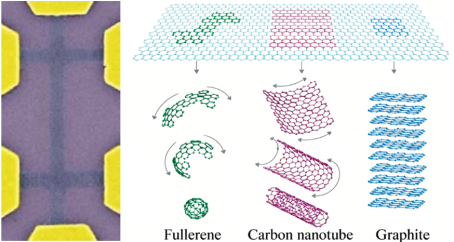
Figure 1. Scanning electron microscope image of graphene and the structures of several carbon materials.
As research progresses, scientists have discovered that graphene possesses immense application potential across multiple domains. In electronics, graphene is regarded as the ideal material for next-generation transistors and integrated circuits; within the energy sector, graphene-based materials demonstrate outstanding performance in lithium-ion batteries, supercapacitors, and solar cells; in sensor technology, graphene's high specific surface area and exceptional electrical properties make it an ideal choice for high-sensitivity sensors. In the field of composite materials, the incorporation of graphene can significantly enhance the mechanical properties, electrical conductivity, and thermal performance of the matrix material. However, pristine graphene faces numerous challenges in practical applications. Firstly, graphene's chemical inertness hinders stable interfacial bonding with other materials. Secondly, strong π-π interactions between graphene layers promote agglomeration, resulting in poor dispersion within solvents and matrix materials. Thirdly, the zero bandgap characteristic of perfect graphene limits its application in semiconductor devices. Furthermore, the large-scale production and quality control of graphene remain pressing issues requiring resolution.
Currently, graphene modification techniques have emerged as a significant research focus within materials science, with related findings continually emerging. In recent years, substantial progress has been made in graphene material research, driven by the continuous refinement of preparation technologies and ongoing innovation in modification methods. Regarding preparation techniques, alongside the traditional mechanical exfoliation method, various alternative approaches such as chemical vapour deposition, redox processes, and liquid-phase exfoliation have successively been developed, offering diverse options to meet different application requirements. Concerning modification techniques, the advancement of strategies including physical modification, chemical modification, and composite modification has enabled more precise and controllable regulation of graphene's properties. This evolution has yielded numerous breakthroughs, such as the proposal of oxygen-free chemical vapour deposition, the development of laser-induced graphene technology, and innovations in doping modification strategies, all of which have injected fresh vitality into the development of graphene modification techniques.
2. Chemical Modification Techniques for Graphene
2.1. Covalent Functionalisation Technology
Covalent functionalisation is a modification technique that alters graphene's properties by introducing new chemical groups onto its surface, bonding covalently with the graphene. This method offers the advantage of significantly altering graphene's chemical and physical properties, enhancing its processability and conferring novel functionalities. Given the abundance of oxygen-containing functional groups on the surface of graphene oxide, covalent functionalisation is more readily achievable on this material. Covalent functionalisation techniques can primarily be categorised into covalent modification based on oxidised graphene and direct covalent modification of pristine graphene.
Graphene oxide (GO) stands as one of graphene's most significant derivatives, bearing abundant oxygen-containing functional groups on its surface, including hydroxyl, carboxyl, and epoxy groups. These functional groups provide rich reaction sites for covalent functionalisation. The presence of oxygen-containing groups on the GO surface facilitates covalent functionalisation more readily than on pristine graphene, enabling common chemical reactions such as isocyanation, carboxylation, epoxidation, diazotisation, and addition reactions. Covalent functionalisation involves bonding graphene with newly introduced groups via covalent bonds to enhance and modify its properties. Depending on the functional group, covalent functional modification of graphene and graphene oxide can be categorised as: carbon skeleton functionalisation, hydroxyl functionalisation, and carboxyl functionalisation.
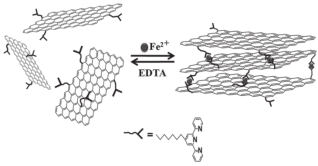
Figure 2. Schematic of Triphenylpyridine Functionalisation.
Functionalisation of carbon frameworks primarily involves modifying the C=C bonds within the aromatic rings of graphene or graphene oxide.Schematic diagram of triphenylpyridine functionalisation, as shown in
Figure 2. This is achieved through diazotisation and Diels-Alder reactions. The fundamental mechanism of diazotisation involves reactive aromatic amines forming diazonium salts or diazonium compounds via diazotisation. Upon decomposition, these lose electrons to generate free radicals, which then undergo double-addition reactions with C=C bonds to form new C-C single bonds. Hydroxyl functionalisation involves modifying graphene oxide sheets by utilising their abundant reactive hydroxyl groups. Hydroxyl-based functional modifications typically entail the reaction of amides or isocyanates with graphene oxide hydroxyls to form esters, followed by further functionalisation with diverse groups. Azido-functionalised graphene oxide was synthesised by esterifying and replacing hydroxyl groups on its surface
| [3] | Hermann S, Schulze S, Ecke R, et al. Growth of carbon nanotube forests between a bi-metallic catalyst layer and a SiO2 substrate to form a self-assembled carbon–metal heterostructure [J]. Carbon, 2012, 50(13): 4765-4772.
https://doi.org/10.1016/j.carbon.2012.05.034 |
[3]
. Subsequently, acetylene-functionalised polystyrene was grafted onto the graphene oxide surface via esterification, yielding modified graphene oxide with excellent solubility in polar solvents such as tetrahydrofuran, dimethylformamide, and chloroform. Carboxyl functionalisation exploits the abundant carboxyl groups at graphene oxide edges. As highly reactive groups, carboxyls have been extensively studied for graphene oxide functionalisation. The carboxyl functionalisation step typically involves reaction activation, followed by dehydration of amino and hydroxyl groups to form ester or amide bonds. Common carboxyl-activating reagents include sulphyl chloride (SOCl
2), 2-(7-aza-1H-benzotriazol-1-yl)- 1,1,3,3-tetramethylurea hexafluorophosphate (HATU), N,N'-dicyclohexylcarbodiimide (DCC), and 1-ethyl-3- (3-dimethylaminopropyl) carbodiimide (EDC).
The covalent functionalisation of pristine graphene is primarily achieved through reactions with reactive species such as radicals or pro-diene derivatives. Organic covalent functionalisation reactions follow two principal pathways: the formation of covalent bonds between radicals or pro-diene derivatives and the C=C bonds of pristine graphene, and the formation of covalent bonds between organic functional groups and the oxygen groups of oxidised graphene.
Radical addition reactions represent a key method for covalent functionalisation of pristine graphene. When heated, diazonium salts generate highly reactive radicals that attack sp
2 carbon atoms on graphene to form covalent bonds. The Tour group
| [4] | Rakheja S, Kumar V, Naeemi A. Evaluation of the potential performance of graphene nanoribbons as on-chip interconnects [J]. Proceedings of the IEEE, 2013, 101(7): 1740-1765.
https://doi.org/10.1109/JPROC.2013.2260235 |
[4]
utilised radicals produced by diazonium salt thermal decomposition to decorate graphene surfaces with nitrophenyl groups, thereby achieving electronic structure regulation;early studies also demonstrated that diazonium chemistry could effectively functionalize surfactant‑wrapped graphene sheets to improve dispersion
| [6] | Lomeda J R, Doyle C D, Kosynkin D V, et al. Diazonium functionalization of surfactant-wrapped chemically converted graphene sheets [J]. Journal of the American Chemical Society, 2008, 130(48): 16201-16206. https://doi.org/10.1021/ja806499w |
[6]
. In 2014, Miyata et al.
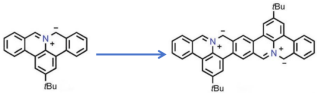
employed a 1,3-dipolar cycloaddition reaction to graft azobenzene-based ylide onto graphene surfaces (as illustrated in
Figure 3. 1,3-Dipolar Cycloaddition Reaction of Azobenzaldehyde Yelid). The resulting functionalised graphene exhibited excellent dispersibility in chloroform, achieving a concentration of 1.2 mg/mL.
Figure 3. 1,3-Dipolar Cycloaddition Reaction of Azobenzaldehyde Yelid.
Cycloaddition reactions encompass 1,3-dipolar cycloaddition, Bergmann cycloaddition, Diels-Alder reactions, and azide additions. Among these, 1,3-dipolar cycloaddition stands as one of the most frequently employed methods. The azobenzaldehyde Y-lithium has been successfully utilised in the functionalisation of carbon nanostructures via 1,3-dipolar cycloaddition, representing one of the most common pro-diene derivatives in this context
. Adenyl addition has also been employed for the functionalisation of graphene flakes with phenylalanine. Reaction of graphene flakes with Boc-protected azido-phenylalanine in o-dichlorobenzene yielded a product identified as containing one phenylalanine substituent per 13 carbon atoms.
Other covalent functionalisation methods include aryl-alkyne addition, Bergman cyclisation, and dichlorocarbene functionalisation. Aryl-alkyne addition enables graphene functionalisation under mild reaction conditions, with aryl-modified graphene sheets exhibiting stability and dispersibility in various solvents. Bergman cyclisation represents an aromatic cyclisation reaction involving diene compounds, proceeding via a diradical intermediate. Various dienes directly attack the sp2 carbon atoms on the graphene surface. The modified graphene exhibits solubility in multiple organic solvents and demonstrates excellent electrical conductivity.
2.2. Non-covalent Functionalisation Techniques
Non-covalent functionalisation forms composite materials between graphene and functional molecules through interactions such as hydrogen bonding and electrostatic forces. Its primary advantage lies in preserving the overall structure and exceptional properties of graphene or graphene oxide while enhancing their dispersibility and stability. Surface non-covalent functional modification methods chiefly encompass modifications via π-π bond interactions, hydrogen bonding, ionic bonding, and electrostatic interactions.
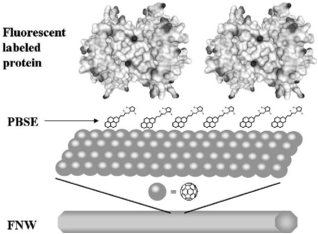
Figure 4. Schematic illustration of functionalisation via non-covalent π-π interactions using pyridine-2-butanoic acid succinimidyl ester (PYR-NHS).
π-π interactions represent one of the most commonly employed non-covalent functionalisation methods. Graphene possesses π-conjugated structures, and it has been reported that pyrene groups exhibit strong affinity for the graphene substrate plane via π-stacking interactions. A stable aqueous dispersion of graphene nanosheets was prepared using the water-soluble pyrene derivative 1-pyrenebutyric acid (PBA) as a stabiliser
| [7] | Jeong J, Lee S H, Song N W, et al. Functionalization of fullerene nanowhiskers using pyrenebutanoic acid, succinimidyl ester in an aqueous solution [J]. Carbon, 2009, 47(8): 2124-2127. https://doi.org/10.1016/j.carbon.2009.03.058 |
[7]
. Non-covalent functionalisation of graphene oxide with pyridine butanoic acid succinimidyl ester (PYR-NHS) can be achieved without disrupting the graphene electronic structure (as illustrated in
Figure 4. Schematic illustration of functionalisation via non-covalent π-π interactions using pyridine-2-butanoic acid succinimidyl ester (PYR-NHS)). Hydrogen bonding represents another significant non-covalent functionalisation approach. Functionalising graphene surfaces via hydrogen bonding avoids introducing impurities, offering a safe and reliable method with substantial potential applications in the biomedical field.
Graphene surface functionalisation achieved through hydrogen bonding with DNA enhances graphene's hydrophilicity and stabilises it in aqueous environments. Electrostatic interactions and ionic bonds also play significant roles in graphene functionalisation. Oxide graphene is water-soluble due to its surface negative charges repelling each other to form a stable colloidal solution. Polymeric non-covalent functionalisation occurs through stacking interactions between π-electron systems, attractive forces between cations and π-electron systems, interactions between anions and π-electron systems, and weak interactions formed between C-H bonds and π-electron systems. These interactions stem from graphene's fully π-conjugated structure. Compared to pristine graphene, graphene oxide is more frequently employed in hybridisation with other functional materials due to its surface and edge-bound hydroxyl, carboxyl, and epoxy groups, coupled with its favourable dispersibility in aqueous solutions.
2.3. Elemental Doping Modification Technology
Elemental doping modification constitutes a significant approach to altering the electronic structure and properties of graphene by introducing different elements. This process typically employs techniques such as annealing heat treatment, ion bombardment, or arc discharge to incorporate various elements into graphene. This results in the creation of substitution defects and vacancy defects within the graphene, while preserving its inherent two-dimensional structure. Concurrently, changes occur in its surface properties, thereby conferring novel functionalities.
Nitrogen-doped graphene represents one of the most prevalent doping types. The incorporation of nitrogen atoms utilises their three sp2 orbitals, resulting in the conjugation of their lone pair electrons with the graphene π system. Consequently, N-doped graphene layers exhibit electron enrichment, thereby displaying n-type semiconductor behaviour. The formation of N-doped graphene is typically achieved by replacing O or C atoms with N during reduction or annealing processes, or by in situ incorporation during graphene growth using CVD, arc discharge, or solvothermal methods. The efficiency of nitrogen doping often depends on the quantity of oxygen groups present at defects and edge sites within the graphene oxide. In a similar manner, partially nitrogen-doped reduced graphene oxide nanosheets can be prepared by hydrothermal treatment of graphene oxide in the presence of hydrazine hydrate and ammonia. The CVD method can also directly synthesise N-doped graphene. When a CH4/NH3 mixture is heated at 800℃, the product deposits onto a Cu film catalyst. Nitrogen incorporation into the graphite lattice occurs concurrently with graphene layer formation. XPS and EDS spectroscopy confirm approximately 8.9% nitrogen doping in the product, rendering N-doped graphene an n-type semiconductor. Boron-doped graphene was prepared using boron-filled graphite electrodes or a mixture of hydrogen and boron hydride vapour. B-doped graphene exhibits p-type semiconductor behaviour. Large-scale co-doped N and B graphene sheets have been synthesised via CVD methods, wherein B and N form randomly distributed domains within the graphene plane. The presence of these randomly distributed domains induces typical semiconductor behaviour within the graphene lattice. Other elemental doping includes phosphorus doping, sulphur doping, etc. Through a mechanochemical ball-milling process, phosphorus can be covalently attached to the edges of graphene nanosheets. During this process, C-C bonds are cleaved into activated carbon species that react with phosphorus to form graphene phosphides. The duration of mechanochemical ball-milling can be adjusted to control elemental content and grain size.
3. Physical Modification Techniques for Graphene
3.1. Mechanical Stripping and Mechanical -Chemical Modification
Mechanical exfoliation stands as one of the key physical methods for producing high-quality graphene. To achieve high-yield, high-quality graphene, various physical exfoliation techniques have been developed, including mechanical exfoliation, anodic bonding exfoliation, and metal-assisted exfoliation. The standard exfoliation method involves repeatedly folding adhesive tape to obtain graphene with random layer numbers, meaning that graphene quality and exfoliation yield are influenced by multiple factors.
To homogenise and enhance adhesion between the substrate and graphene, an improved mechanical exfoliation method has been developed. Oxygen plasma cleaning removes environmental adsorbates, followed by heat treatment to ensure uniform interface contact; oxygen plasma cleaning and mild annealing are considered critical steps in this process. Mechanochemical modification, an emerging technique developed in recent years, achieves graphene functionalisation by inducing chemical reactions through mechanical force. Within ball mills, when graphene is mixed with solids, liquids, or even chemical vapours, various functional groups can be grafted onto graphite edges via ball-milling-driven mechanochemical reactions. During ball milling, the high-speed rotation of stainless steel balls generates sufficient kinetic energy to fracture the graphite C-C framework, subsequently introducing diverse functional groups at the fractured graphite edges
| [8] | Wang Y J, Fang B, Wang X, et al. Recent advancements in the development of bifunctional electrocatalysts for oxygen electrodes in unitized regenerative fuel cells (URFCs) [J]. Progress in Materials Science, 2018, 98: 108-167.
https://doi.org/10.1016/j.pmatsci.2018.06.001 |
[8]
.
Edge-selective functionalisation can be achieved through mechanochemical reactions. In the presence of halogen gases, a series of edge-selectively halogenated graphene nanosheets (XGnPs = ClGnP, BrGnP, and IGnP) were synthesised via mechanochemical reactions. When graphite edges fracture, reactive carbon species are formed; these species possess the reactivity to capture halogens. Phosphorus is covalently attached to the edges of graphene nanosheets via ball milling. During the mechanochemical ball milling process, C-C bonds are cleaved into activated carbon species, which react with phosphorus to form graphene phosphides. The duration of mechanochemical ball milling can be adjusted to control elemental content and grain size.
Under dry ice conditions, edge-selective carbonised graphite (ECG) is obtained via ball milling with high yield. The resulting ECG can be dispersed in numerous polar solvents to exfoliate into graphene nanosheets. Alternatively, highly modified graphite may be chemically synthesised using microwave-spark-assisted halogenation reactions. In such instances, microwave irradiation may induce minor halogen ionisation, thereby facilitating the halogenation process.
3.2. Heat Treatment and Thermal Reduction Modification
Thermal treatment and thermal reduction are crucial physical methods for modifying graphene, playing a key role particularly in reducing graphene oxide and enhancing its properties. Thermally reduced graphene oxide (TRGO) can be prepared by rapidly heating dried graphene oxide in an inert gas atmosphere at elevated temperatures. The properties of the thermal reduction product are directly related to the heating rate, reduction temperature, and duration.
The mechanism of the thermal reduction process involves the decomposition of oxygen-containing functional groups within oxidised graphene. During thermal reduction, heating graphene oxide at 1000℃ for 30 seconds in an inert atmosphere induces its reduction and exfoliation, yielding thermally reduced graphene flakes. Exfoliation occurs when the pressure generated by gases (CO2) from the decomposition of epoxy and hydroxyl groups exceeds the van der Waals forces holding the graphene flakes together. However, excessively rapid heating rates and prolonged reduction times cause significant volumetric expansion of the product, resulting in a specific surface area substantially below graphene's theoretical value. Graphene or modified graphene flakes are typically produced by separating/exfoliating graphite or graphite derivatives, with these methods generally being suitable for large-scale production for polymer composite applications.
High-temperature heat treatment may also be employed for elemental doping modification. For instance, annealing graphene oxide in an NH3 atmosphere enables simultaneous nitrogen doping and reduction. Heating graphene oxide in a 2 Torr NH3/Ar (10%) atmosphere initiates N doping at 300℃, reaching a maximum doping level of 5% at 500℃. Several grams of N-doped graphene oxide can be produced via this method. Further observations indicate that NH3 reduces graphene oxide more effectively than H2 under identical conditions. Nitrogen doping and reduction extent were characterised via XPS and electrical transport measurements.
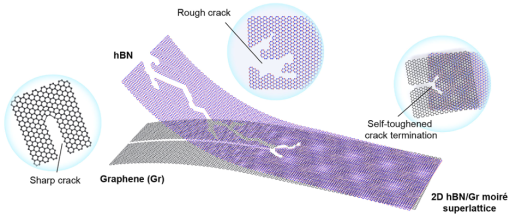
Figure 5. Schematic illustration of the design, mechanism of action, and thermal shock resistance of the highly stable boron nitride/graphene moiré superlattice.
Rapid heat treatment and thermal shock techniques have also been applied in graphene modification. In a recent study published in Advanced Materials, the research team led by Academician Liu Zhongfan from Peking University pioneered the incorporation of the ‘self-reinforcement’ concept into the design of two-dimensional Moire superlattice films (as illustrated in
Figure 5. Schematic illustration of the design, mechanism of action, and thermal shock resistance of the highly stable boron nitride/graphene moiré superlattice). By vertically stacking graphene with hBN, they achieved strength comparable to that of bilayer graphene while significantly enhancing fracture toughness. graphene Moire superlattice design, mechanism of action, and thermal shock resistance), achieved strength approaching that of bilayer graphene through vertical stacking of graphene and hBN. This approach significantly enhanced fracture toughness, maintaining 95% structural integrity after 200 cycles of thermal shock at 1800 K with a heating rate of 10
4 K/s
| [9] | Gao X, Sun W, Wang G, et al. Self‐Toughened 2D Moiré Superlattice Membranes with Extreme Thermal Shock Tolerance [J]. Advanced Materials, 2025, 37(41): e02792.
https://doi.org/10.1002/adma.202502792 |
[9]
.
3.3. Plasma Treatment and Laser Modification
Plasma treatment and laser modification represent rapidly advancing physical modification techniques for graphene in recent years, offering advantages such as high precision, strong controllability, and non-contact operation.
Plasma processing technology finds extensive application in graphene modification. The fundamental mechanism of reactive ion etching (RIE) may be described as follows: under an alternating electric field supplied by radio frequency, gases are excited and ionised, generating a highly reactive plasma. Ions and radicals within this plasma bombard and react with the graphene substrate surface. Notably, physical etching reduces etch selectivity, resulting in isotropic etching. To fabricate graphene nanoribbons (GNRs) with well-controlled edge configurations—crucial for opening the graphene bandgap—atomic-scale etching is required.
Purely chemical etching methods, such as reactive gas etching and remote plasma etching, selectively remove carbon atoms from graphene edges due to differences in reaction rates between sawtooth and armchair sites, resulting in anisotropic etching with atomic precision. Hydrogen plasma is considered an ideal tool for graphene trimming owing to its controllable etch rate and ability to preserve substrate integrity. Furthermore, artificial circular defects can be created on graphene substrates via electron beam lithography and oxygen plasma etching to induce plasma etching reactions.
Laser modification technology offers exceptional precision, capable of simultaneously inducing photothermal and photochemical reactions. Laser reduction of graphene oxide not only yields graphene structures but also enables patterning, while exhibiting non-toxicity, catalyst-free operation, non-contact processing, and controllability. It stands as one of the ideal methods for processing reduced graphene oxide.
The mechanism of laser-induced reduction of graphene oxide involves the combined action of photothermal and photochemical effects. Beginning with the mechanism of laser reduction of graphene oxide, this study analyses the influence of photothermal and photochemical effects during the laser-assisted photoreduction process. The modification techniques for laser-reduced graphene oxide are elaborated upon, encompassing four key aspects: maskless patterning and layered structuring, impurity atom doping, and metal/metal oxide composites.
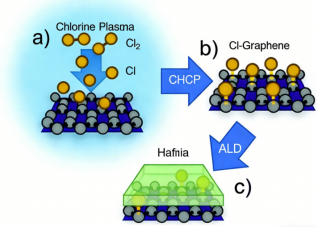
Laser modification technology also demonstrates unique advantages in functionalising graphene. For instance, irradiating graphene coated with fluorinated polymers via laser can produce fluorinated graphene with high insulating properties, with reactions occurring only in the laser-irradiated regions. Photochemical chlorination induces structural transformations of C-C bonds to open graphene's bandgap. In radical addition reactions, chlorine radicals can form from relevant molecules. Upon reaction with graphene, these radicals graft chlorine onto the graphene substrate, yielding uniform and non-destructive photchlorinated graphene. Following photchlorination, the room-temperature conductivity of graphene decreases by three orders of magnitude.
4. Modern Novel Modification Techniques for Graphene
4.1. Laser-induced Graphene Technology
Laser-induced graphene (LIG) technology represents a rapidly advancing novel graphene modification technique, offering significant advantages including high precision, patternability, chemical reagent-free operation, and environmental friendliness. This method employs laser irradiation of specific precursor materials—such as polyimide, wood, or paper—to directly induce the formation of graphene structures on the material's surface or within its interior.
The mechanism for preparing laser-induced graphene involves complex physicochemical processes. When laser irradiation is applied to precursor materials, the photothermal effect causes a rapid increase in surface temperature, leading to the pyrolysis and carbonisation of organic molecules to form graphene structures. In this process, parameters such as laser power density, pulse width, and scanning speed exert a decisive influence on graphene formation and quality. Research indicates that precise control of laser parameters enables regulation of graphene layer number, defect density, edge structures, and other characteristics.
The technical advantages of laser-induced graphene fabrication are primarily manifested in the following aspects: Firstly, this technique requires no chemical reagents, thereby avoiding environmental pollution and post-processing procedures. Secondly, laser processing offers high precision and patternability, enabling the direct fabrication of intricate graphene patterns and device structures directly on substrates. Thirdly, the processing is rapid and efficient, facilitating the swift production of large-area graphene. Finally, this technology exhibits excellent compatibility, permitting processing on a diverse range of substrate materials.
Laser-induced graphene finds extensive applications across diverse fields. Within energy storage, it serves in fabricating supercapacitor electrodes and lithium-ion battery anode materials. In sensor technology, its exceptional electrical properties and high specific surface area offer promising prospects for gas sensors and biosensors. For electronic devices, it enables the production of transparent conductive electrodes, radio-frequency components, and logic circuits. In environmental remediation, laser-induced graphene can be employed to fabricate highly efficient adsorbent materials and catalyst supports.
4.2. Mechanochemical-assisted Modification Technology
Mechanochemical modification represents an emerging approach to functionalising graphene, achieving precise control over its structure and properties through the synergistic action of mechanical forces and chemical reactions. This technique combines the efficiency of mechanical processing with the selectivity of chemical reactions, offering a novel technological pathway for graphene modification.
The fundamental principle of mechanical chemical modification lies in utilising mechanical energy to activate chemical reactions. Under mechanical force, the graphene structure undergoes transformation while concurrently undergoing chemical functionalisation. Ball milling represents the most prevalent mechanochemical modification technique. Through the collision and friction between high-speed rotating grinding balls and graphene material, a localised environment of elevated temperature and pressure is generated, thereby activating the chemical reactivity of graphene's surface. During ball milling, the layered structure of graphene may undergo exfoliation and fragmentation. Concurrently, introduced chemical reagents react with the graphene surface under mechanical stress, achieving functionalised modification
| [11] | Nair A S, Nallusamy V, Jayasankar K, et al. Scalable preparation of graphene from graphite ore via mechano-chemical ball milling [J]. Materials and Manufacturing Processes, 2022, 37(1): 113-122.
https://doi.org/10.1080/10426914.2021.1945094 |
[11]
.
The technical characteristics of mechanical chemical modification include: mild reaction conditions, typically conducted at room temperature or lower; high reaction efficiency, with mechanical forces significantly reducing the activation energy; controllable processes, where the extent of reaction can be regulated by adjusting ball milling parameters such as rotational speed, duration, and grinding media composition; and environmental friendliness, avoiding the use of large quantities of organic solvents and harsh reaction conditions.
The application of mechanochemical modification in graphene functionalisation encompasses multiple aspects. Regarding surface functionalisation, mechanochemical methods can introduce various functional groups onto graphene surfaces—such as carboxyl, amino, and halogen groups—thereby enhancing its hydrophilicity and reactivity. In terms of elemental doping, mechanochemical approaches enable the incorporation of elements like nitrogen, boron, and phosphorus to modulate graphene's electrical properties. In composite material preparation, mechanochemical methods enable the uniform mixing and interfacial bonding of graphene with other materials.
4.3. Atomic Layer Deposition Technology
Atomic Layer Deposition (ALD) is a precise thin-film deposition technique that achieves atomic-level precision modification of material surfaces through self-limiting surface reactions. This technology demonstrates significant potential in the field of graphene functionalisation, offering unique advantages particularly in the preparation of ultra-thin functional layers and the precise control of functionalisation levels.
The fundamental principle of atomic layer deposition (ALD) technology is based on the self-limiting nature of surface chemical reactions. By alternately supplying two or more reaction precursors, self-limiting chemical reactions occur on the substrate surface, forming functional films with a thickness of a single atomic layer. Each reaction cycle yields only a single atomic layer of film thickness, enabling precise control over film thickness by regulating the number of reaction cycles. This self-limiting characteristic allows ALD to achieve uniform film deposition on substrates with complex topographies, rendering it particularly well-suited for materials such as graphene, which possess high specific surface areas and intricate surface structures.
The application of atomic layer deposition in graphene modification primarily encompasses: surface functionalisation, whereby ALD technology enables the uniform deposition of various functional molecular layers—such as polymers and metal-organic frameworks—onto graphene surfaces, endowing it with novel functional properties; interface engineering, wherein the deposition of buffer or functional layers onto graphene surfaces enhances its interface compatibility with other materials; device fabrication, where ALD can be employed to prepare critical functional layers for graphene-based devices, such as gate dielectric layers and electrode modification layers.
5 Applications of Graphene
Graphene-based materials, processed through various modification techniques, exhibit enhanced properties that offer broad application prospects across multiple fields including energy storage, sensors, composite materials, electronic devices, environmental remediation, and biomedicine. They have emerged as a key material driving technological innovation within these industries.
5.1. Energy Storage
Energy storage stands as one of the most promising application domains for graphene-based materials, with modified graphene exhibiting outstanding performance in devices such as lithium-ion batteries, supercapacitors, and solar cells. In lithium-ion batteries
| [13] | Hüttl J, Seidl C, Auer H, et al. Ultra-low LPS/LLZO interfacial resistance–towards stable hybrid solid-state batteries with Li-metal anodes [J]. Energy Storage Materials, 2021, 40: 259-267. https://doi.org/10.1016/j.ensm.2021.05.020 |
[13]
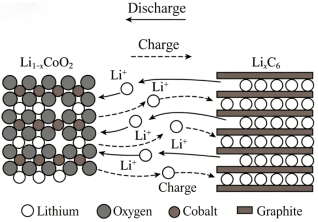
, graphene modified through covalent functionalisation or elemental doping (as illustrated in
Figure 8. Schematic diagram of graphene electrode structure in lithium-ion batteries) not only enhances the electronic conductivity and ionic diffusion efficiency of electrode materials but also mitigates volume expansion issues during charging and discharging cycles.
Figure 8. Schematic diagram of graphene electrode structure in lithium-ion batteries.
For instance, when nitrogen-doped graphene serves as an anode material, its unique electronic structure provides abundant active sites, significantly enhancing the battery's specific capacity and markedly improving its cycling stability. Composite modified materials combining graphene with active substances such as silicon and lithium iron phosphate can simultaneously achieve high capacity and high safety, offering a new pathway for the development of next-generation high-energy-density lithium-ion batteries. Within the supercapacitor domain, laser-induced graphene, owing to its patternable nature and high specific surface area, finds extensive application in fabricating flexible supercapacitor electrodes. Devices incorporating this material exhibit advantages such as rapid charge-discharge rates, extended cycle life, and high energy density, making them suitable for scenarios including wearable electronics and new energy vehicles. Furthermore, modified graphene serves as a transparent conductive electrode or electron transport layer in solar cells. Through non-covalent functionalisation, it enhances interface compatibility with the photoactive layer, improving the separation and transport efficiency of photo-generated carriers, thereby boosting the photovoltaic conversion efficiency of solar cells.
5.2. Sensor
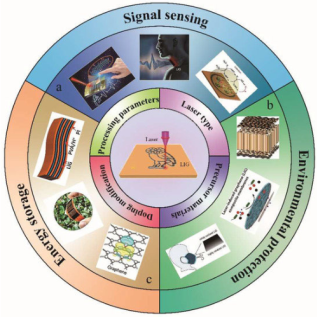
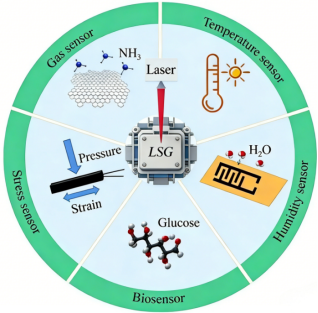
Graphene's high specific surface area, outstanding electrical properties, and sensitive surface effects render it an ideal material for sensor applications (as illustrated in
Figure 9. Application of Laser-Induced Graphene Technology in Sensors). Modification techniques further expand its application scenarios and detection capabilities within sensor systems. In gas sensing applications, graphene modified through elemental doping (e.g., nitrogen or boron doping) or plasma treatment exhibits exceptionally high detection sensitivity and selectivity towards harmful gases such as ammonia, formaldehyde, and nitrogen dioxide.
Figure 9. Application of Laser-Induced Graphene Technology in Sensors.
Defect sites and electronic structural alterations on nitrogen-doped graphene surfaces significantly enhance its response speed to low-concentration ammonia, achieving detection limits at the parts-per-billion level. This makes it suitable for applications such as indoor air quality monitoring and industrial exhaust gas detection. Within the field of biosensors, non-covalently functionalised graphene based on hydrogen bonding or electrostatic interactions enables specific binding with biomolecules without compromising their activity. This facilitates applications including disease biomarker detection and food safety testing. For instance, DNA-functionalised graphene sensors enable rapid detection of specific gene sequences, providing technical support for early disease diagnosis. Furthermore, mechanochemically or laser-modified graphene finds application in physical sensors such as pressure and temperature sensors, where devices exhibit responsive sensitivity, excellent stability, and flexible wearability.
5.3. Composite Materials
Graphene modification technology offers an effective approach to enhancing the performance of composite materials. When incorporated as a reinforcing phase into matrix materials such as polymers, metals, and ceramics, modified graphene can significantly improve the mechanical properties, electrical conductivity, and thermal conductivity of composites. In polymer-matrix composites, covalent functionalisation enables stable interfacial bonding between graphene and the polymer matrix, facilitating efficient stress transfer and enhancing the composite's tensile strength, fracture toughness, and modulus. For instance, when carboxyl-functionalised graphene is combined with epoxy resin, the composite exhibits over 50% greater tensile strength than pure epoxy resin, alongside markedly improved thermal conductivity. This makes it suitable for applications in aerospace and electronic packaging. In metal matrix composites, graphene incorporation enhances the hardness, wear resistance, and corrosion resistance of metallic substrates. Mechanochemical-assisted modification achieves uniform dispersion of graphene within the metal matrix, preventing agglomeration. This yields composites with broad application prospects in mechanical manufacturing and automotive components
. Within ceramic matrix composites, graphene introduction resolves the inherent brittleness of ceramic materials
| [15] | Kurtan U, Topkaya R, Baykal A, et al. Temperature dependent magnetic properties of CoFe2O4/CTAB nanocomposite synthesized by sol–gel auto-combustion technique [J]. Ceramics International, 2013, 39(6): 6551-6558.
https://doi.org/10.1016/j.ceramint.2013.01.088 |
[15]
. The modified ceramic matrix composites exhibit both high strength and high toughness, making them suitable for high-temperature structural components and cutting tools. In composite scaffold materials, functionalized carbon nanomaterials have also been widely studied to improve biocompatibility and mechanical properties
| [2] | Shrestha S, Shrestha B K, Kim J I, et al. Electrodeless coating polypyrrole on chitosan grafted polyurethane with functionalized multiwall carbon nanotubes electrospun scaffold for nerve tissue engineering [J]. Carbon, 2018, 136: 430-443.
https://doi.org/10.1016/j.carbon.2018.04.064 |
[2]
.
5.4. Electronic Components
Graphene's unique electronic structure endows it with immense application potential in electronic devices. Modification techniques, by regulating properties such as bandgap and conductivity, have propelled the development of graphene-based electronic devices. In the field of transistors, graphene nanoribbons prepared via plasma etching, or graphene modified through elemental doping, can open its bandgap. This resolves the issue of perfect graphene's zero bandgap, paving the way for the fabrication of high-performance field-effect transistors. For instance, nitrogen-boron co-doped graphene exhibits typical semiconductor behaviour, with its field-effect transistors demonstrating high on-off current ratios and high carrier mobility. This holds promise for replacing traditional silicon-based transistors in ultra-large-scale integrated circuits. Within the realm of transparent conductive electrodes, laser-induced graphene or chemically vapour-deposited modified graphene exhibits high transmittance and conductivity. It can replace conventional indium tin oxide (ITO) electrodes
| [16] | Bonaccorso F, Colombo L, Yu G, et al. Graphene, related two-dimensional crystals, and hybrid systems for energy conversion and storage [J]. Science, 2015, 347(6217): 1246501.
https://doi.org/10.1126/science.1246501 |
[16]
in flexible displays, touchscreens, solar cells, and other devices, offering advantages of flexibility, low cost, and environmental friendliness. Furthermore, modified graphene finds extensive application in electronic devices such as radio-frequency components, logic circuits, and energy storage devices, underpinning the miniaturisation, lightweighting, and enhanced performance of electronic equipment.
5.5. Environmental Governance
Modified graphene, with its high specific surface area, excellent dispersibility and unique surface properties, demonstrates promising applications in environmental remediation fields such as water pollution control and atmospheric pollution management. In water treatment, graphene modified through molecular-layer deposition or covalent functionalisation exhibits exceptional adsorption capacity for heavy metal ions and organic pollutants in water. For instance, amino-functionalised graphene efficiently adsorbs heavy metal ions like lead and cadmium through chelation, offering high adsorption capacity, rapid adsorption rates, and reusability. Hydrophobically modified graphene, meanwhile, can adsorb oil pollutants from water, enabling oil-water separation. In atmospheric pollution control, modified graphene serves as a catalyst support or directly as a catalyst for the catalytic degradation of volatile organic compounds (VOCs), nitrogen oxides, and other pollutants. For instance, composite modified materials featuring graphene loaded with metal oxides (such as titanium dioxide or zinc oxide) demonstrate high efficiency in photocatalytic degradation of VOCs like formaldehyde and toluene
, making them suitable for indoor air purification and industrial waste gas treatment. Furthermore, modified graphene holds potential application value in fields such as seawater desalination and soil pollution remediation.
5.6. Biomedical
With advances in modification techniques, graphene-based materials are increasingly attracting attention for biomedical applications. Their excellent biocompatibility and unique physicochemical properties confer significant potential for use in drug delivery, bioimaging, and tissue engineering. In drug delivery, graphene modified via non-covalent functionalisation (such as polyethylene glycol modification) exhibits favourable water solubility and biocompatibility. It can serve as a drug carrier to load chemotherapeutic agents, gene therapeutics, and other pharmaceuticals, enabling targeted delivery and controlled release. This enhances therapeutic efficacy while mitigating adverse effects. For instance, polyethylene glycol-modified graphene oxide loaded with doxorubicin can target tumour sites through high permeability and retention effects (EPR), achieving precise tumour cell destruction
| [18] | Yang K, Zhang S, Zhang G, et al. Graphene in mice: ultrahigh in vivo tumor uptake and efficient photothermal therapy [J]. Nano letters, 2010, 10(9): 3318-3323.
https://doi.org/10.1021/nl100996u |
[18]
. In bioimaging, graphene quantum dots or graphene functionalised with fluorescent molecules exhibit outstanding optical properties. They can be employed in bioimaging techniques such as fluorescence imaging and magnetic resonance imaging, providing clear visual support for disease diagnosis. In tissue engineering, graphene-based composites (such as graphene/polylactic acid composite scaffolds) exhibit favourable mechanical properties and biocompatibility. They provide an optimal microenvironment for cell growth, proliferation, and differentiation, finding applications in bone and neural tissue engineering to promote tissue repair and regeneration
.
6. Outlook and Conclusion
Graphene, as a nanomaterial possessing a unique two-dimensional structure and exceptional properties, has been a research hotspot in materials science since its discovery. However, inherent limitations of pristine graphene—including its chemical inertness, poor dispersibility, and zero bandgap—have constrained its practical applications. To address these challenges, researchers have developed a series of graphene modification techniques, primarily encompassing chemical modification, physical modification, and modern novel modification approaches.
Different modification techniques each possess distinct advantages: covalent functionalisation can significantly alter graphene's chemical and physical properties, endowing it with novel functionalities; non-covalent functionalisation enhances dispersion and stability while preserving graphene's inherent superior characteristics; elemental doping effectively modulates graphene's electronic structure, enabling control over its semiconductor properties; physical modification techniques offer simplicity of operation and environmental friendliness. novel modification techniques offer fresh approaches and methodologies for the precise modification and functionalisation of graphene. Through these techniques, the properties of graphene-based materials have been comprehensively optimised, demonstrating immense application potential across multiple fields including energy storage, sensors, composite materials, electronic devices, environmental remediation, and biomedicine. This has injected new vitality into the development of related industries.
Despite significant research advances in graphene modification techniques, several challenges remain. Regarding modification methods, current approaches exhibit certain limitations: covalent functionalisation may disrupt portions of graphene's conjugated structure; uniformity in elemental doping proves difficult to control; and scaling up novel modification technologies incurs relatively high costs. Future efforts should focus on developing milder, more efficient, and precise modification techniques to achieve precise control over graphene's structure and properties, while simultaneously reducing modification costs and enhancing the feasibility of large-scale production. For instance, novel non-covalent functionalisation reagents could be developed to efficiently functionalise graphene without compromising its electronic structure; elemental doping processes could be optimised to enhance doping uniformity and stability; and scalable production techniques for emerging modification methods such as laser-induced graphene and molecular layer deposition could be explored to reduce manufacturing costs.
In terms of performance optimisation, graphene-based materials still possess considerable scope for enhancement. Future research should focus on elucidating modification mechanisms, clarifying the structure-property relationships between graphene's structure and performance during modification processes, thereby providing theoretical guidance for performance optimisation. For instance, combining theoretical calculations with experimental studies could reveal the influence patterns of elemental doping types and concentrations on graphene's electrical properties. Investigating the mechanisms by which functional group types and grafting densities affect graphene's dispersibility and reactivity would enable targeted optimisation of graphene-based material properties.
In terms of application expansion, graphene-based materials currently remain confined to laboratory research or small-scale pilot projects, with large-scale commercial deployment still facing numerous challenges such as material stability, reliability, and biosafety concerns. Future efforts should focus on enhancing testing and validation of graphene-based materials within practical application scenarios to address issues such as performance degradation and interface failure during prolonged use. Concurrently, interdisciplinary collaboration must be strengthened, integrating technical strengths from fields including electronic engineering, biomedical science, and environmental science to broaden the application scope of graphene-based materials. For instance, developing novel products such as graphene-based flexible electronic skin, implantable biosensors, and highly efficient environmental remediation materials will drive the rapid advancement of the graphene industry
| [20] | Hammock M L, Chortos A, Tee B C K, et al. 25th anniversary article: the evolution of electronic skin (e‐skin): a brief history, design considerations, and recent progress [J]. Advanced materials, 2013, 25(42): 5997-6038.
https://doi.org/10.1002/adma.201302240 |
[20]
.
In terms of industrial standardisation, as the graphene industry continues to develop, relevant quality standards, testing methods, and safety regulations remain incomplete. Moving forward, it will be necessary to establish and improve a quality control system for graphene-based materials, formulating unified quality standards and testing methods to ensure the stability and consistency of material quality. Concurrently, there is a need to strengthen assessments of the biosafety and environmental impact of graphene-based materials, developing corresponding safety regulations and environmental standards to promote the sustainable development of the graphene industry.
In summary, the advancement of graphene modification techniques has laid a solid foundation for the widespread application of graphene-based materials. Although numerous challenges remain, with the continuous deepening of research and ongoing technological innovation, graphene-based materials are poised to become key materials driving technological progress and industrial upgrading in the future, making significant contributions to the development of human society.
Abbreviations
GO | Graphene Oxide |
SOCl2 | Sulphyl Chloride |
HATU | 2-(7-aza-1H-benzotriazol-1-yl)- 1,1,3,3-tetramethylurea Hexafluorophosphate |
DCC | N,N'-dicyclohexylcarbodiimide |
EDC | 1-ethyl-3- (3-dimethylaminopropyl) Carbodiimide |
PBA | 1-pyrenebutyric Acid |
PYR-NHS | Pyridine Butanoic Acid Succinimidyl Ester |
ECG | Edge-selective Carbonised Graphite |
TRGO | Thermally Reduced Graphene Oxide |
RIE | Reactive Ion Etching |
GNRs | Graphene Nanoribbons |
LIG | Laser-induced Graphene |
ALD | Atomic Layer Deposition |
ITO | Indium Tin Oxide |
VOCs | Volatile Organic Compounds |
EPR | High Permeability and Retention |
Author Contributions
Wenbo Gong: Conceptualization, Supervision, Writing – original draft
Jiaming Han: Data curation, Writing – review & editing
Anyang Shi: Formal Analysis
Lulin Sun: Data curation
Yufei Liu: Investigation
Haoran Cui: Resources
Jianliang Liu: Visualization
Jialuo Yin: Validation
Huihui Wang: Project administration
Shiwei Liu: Supervision
Conflicts of Interest
There is no conflict of interest with other units, businesses, affiliates, and other authors in the work of this study.
References
| [1] |
Zhu Y, Murali S, Cai W, et al. Graphene and graphene oxide: synthesis, properties, and applications [J]. Advanced materials, 2010, 22(35): 3906-3924.
https://doi.org/10.1002/adma.201001068
|
| [2] |
Shrestha S, Shrestha B K, Kim J I, et al. Electrodeless coating polypyrrole on chitosan grafted polyurethane with functionalized multiwall carbon nanotubes electrospun scaffold for nerve tissue engineering [J]. Carbon, 2018, 136: 430-443.
https://doi.org/10.1016/j.carbon.2018.04.064
|
| [3] |
Hermann S, Schulze S, Ecke R, et al. Growth of carbon nanotube forests between a bi-metallic catalyst layer and a SiO2 substrate to form a self-assembled carbon–metal heterostructure [J]. Carbon, 2012, 50(13): 4765-4772.
https://doi.org/10.1016/j.carbon.2012.05.034
|
| [4] |
Rakheja S, Kumar V, Naeemi A. Evaluation of the potential performance of graphene nanoribbons as on-chip interconnects [J]. Proceedings of the IEEE, 2013, 101(7): 1740-1765.
https://doi.org/10.1109/JPROC.2013.2260235
|
| [5] |
Narita A, Wang X Y, Feng X, et al. New advances in nanographene chemistry [J]. Chemical Society Reviews, 2015, 44(18): 6616-6643.
https://doi.org/10.1039/C5CS00183H
|
| [6] |
Lomeda J R, Doyle C D, Kosynkin D V, et al. Diazonium functionalization of surfactant-wrapped chemically converted graphene sheets [J]. Journal of the American Chemical Society, 2008, 130(48): 16201-16206.
https://doi.org/10.1021/ja806499w
|
| [7] |
Jeong J, Lee S H, Song N W, et al. Functionalization of fullerene nanowhiskers using pyrenebutanoic acid, succinimidyl ester in an aqueous solution [J]. Carbon, 2009, 47(8): 2124-2127.
https://doi.org/10.1016/j.carbon.2009.03.058
|
| [8] |
Wang Y J, Fang B, Wang X, et al. Recent advancements in the development of bifunctional electrocatalysts for oxygen electrodes in unitized regenerative fuel cells (URFCs) [J]. Progress in Materials Science, 2018, 98: 108-167.
https://doi.org/10.1016/j.pmatsci.2018.06.001
|
| [9] |
Gao X, Sun W, Wang G, et al. Self‐Toughened 2D Moiré Superlattice Membranes with Extreme Thermal Shock Tolerance [J]. Advanced Materials, 2025, 37(41): e02792.
https://doi.org/10.1002/adma.202502792
|
| [10] |
Guo Y, Zhang C, Chen Y, et al. Research progress on the preparation and applications of laser-induced graphene technology [J]. Nanomaterials, 2022, 12(14): 2336.
https://doi.org/10.3390/nano12142336
|
| [11] |
Nair A S, Nallusamy V, Jayasankar K, et al. Scalable preparation of graphene from graphite ore via mechano-chemical ball milling [J]. Materials and Manufacturing Processes, 2022, 37(1): 113-122.
https://doi.org/10.1080/10426914.2021.1945094
|
| [12] |
Wilson P M, Chin M L, Ekuma C E, et al. Chlorine-mediated atomic layer deposition of HfO2 on graphene [J]. Journal of Materials Chemistry C, 2021, 9(48): 17437-17443.
https://doi.org/10.1039/D1TC03502A
|
| [13] |
Hüttl J, Seidl C, Auer H, et al. Ultra-low LPS/LLZO interfacial resistance–towards stable hybrid solid-state batteries with Li-metal anodes [J]. Energy Storage Materials, 2021, 40: 259-267.
https://doi.org/10.1016/j.ensm.2021.05.020
|
| [14] |
Kuila T, Bose S, Mishra A K, et al. Chemical functionalization of graphene and its applications [J]. Progress in Materials Science, 2012, 57(7): 1061-1105.
https://doi.org/10.1016/j.pmatsci.2012.03.002
|
| [15] |
Kurtan U, Topkaya R, Baykal A, et al. Temperature dependent magnetic properties of CoFe2O4/CTAB nanocomposite synthesized by sol–gel auto-combustion technique [J]. Ceramics International, 2013, 39(6): 6551-6558.
https://doi.org/10.1016/j.ceramint.2013.01.088
|
| [16] |
Bonaccorso F, Colombo L, Yu G, et al. Graphene, related two-dimensional crystals, and hybrid systems for energy conversion and storage [J]. Science, 2015, 347(6217): 1246501.
https://doi.org/10.1126/science.1246501
|
| [17] |
Rana G, Viswanathan K, Dhiman V, et al. Photocatalytic Degradation of VOCs: Emerging Trends in Visible Light Catalyst Modifications and Surface Engineering [J]. Journal of Cluster Science, 2025, 36(3): 1-27.
https://link.springer.com/article/10.1007/s10876-025-02799-x
|
| [18] |
Yang K, Zhang S, Zhang G, et al. Graphene in mice: ultrahigh in vivo tumor uptake and efficient photothermal therapy [J]. Nano letters, 2010, 10(9): 3318-3323.
https://doi.org/10.1021/nl100996u
|
| [19] |
Goenka S, Sant V, Sant S. Graphene-based nanomaterials for drug delivery and tissue engineering [J]. Journal of Controlled Release, 2014, 173: 75-88.
https://doi.org/10.1016/j.jconrel.2013.10.017
|
| [20] |
Hammock M L, Chortos A, Tee B C K, et al. 25th anniversary article: the evolution of electronic skin (e‐skin): a brief history, design considerations, and recent progress [J]. Advanced materials, 2013, 25(42): 5997-6038.
https://doi.org/10.1002/adma.201302240
|
Cite This Article
-
APA Style
Gong, W., Han, J., Shi, A., Sun, L., Liu, Y., et al. (2026). Preparation and Performance Study of Modified Graphene Based on Multimodal Functionalization. International Journal of Materials Science and Applications, 15(3), 80-91. https://doi.org/10.11648/j.ijmsa.20261503.11
 Copy
|
Copy
|
 Download
ACS Style
Gong, W.; Han, J.; Shi, A.; Sun, L.; Liu, Y., et al. Preparation and Performance Study of Modified Graphene Based on Multimodal Functionalization. Int. J. Mater. Sci. Appl. 2026, 15(3), 80-91. doi: 10.11648/j.ijmsa.20261503.11
Copy
|
Download
AMA Style
Gong W, Han J, Shi A, Sun L, Liu Y, et al. Preparation and Performance Study of Modified Graphene Based on Multimodal Functionalization. Int J Mater Sci Appl. 2026;15(3):80-91. doi: 10.11648/j.ijmsa.20261503.11
Copy
|
Download
-
@article{10.11648/j.ijmsa.20261503.11,
  author = {Wenbo Gong and Jiaming Han and Anyang Shi and Lulin Sun and Yufei Liu and Haoran Cui and Jianliang Liu and Jialuo Yin and Huihui Wang and Shiwei Liu and Sai Geng},
  title = {Preparation and Performance Study of Modified Graphene Based on Multimodal Functionalization},
  journal = {International Journal of Materials Science and Applications},
  volume = {15},
  number = {3},
  pages = {80-91},
  doi = {10.11648/j.ijmsa.20261503.11},
  url = {https://doi.org/10.11648/j.ijmsa.20261503.11},
  eprint = {https://article.sciencepublishinggroup.com/pdf/10.11648.j.ijmsa.20261503.11},
  abstract = {Graphene, a two-dimensional carbon nanomaterial composed of single-layer carbon atoms forming a hexagonal honeycomb lattice via sp2 hybridisation, has attracted extensive worldwide attention since its discovery in 2004. Benefiting from its distinctive atomic structure, graphene exhibits extraordinary physical and chemical properties, such as ultra-high electron mobility, excellent mechanical strength, superior thermal conductivity, and large specific surface area. Nevertheless, the inherent chemical inertness and unsatisfactory dispersibility of pristine graphene severely restrict its practical applications in various fields. Accordingly, the modification of graphene has become a key research direction to address these limitations. This paper systematically reviews the recent research progress of graphene and its modification strategies, mainly including covalent functionalisation, non-covalent functionalisation, and elemental doping. The application advances of modified graphene in energy storage, sensors, composite materials and other high-tech fields are comprehensively summarised. In addition, the existing challenges including mass production, quality stability and cost control, as well as future development trends, are prospected. Studies demonstrate that optimised modification design can effectively improve the performance of graphene-based materials, which hold great promise for wide applications in multidisciplinary areas.},
 year = {2026}
}
Copy
|
Download
-
TY  - JOUR
T1  - Preparation and Performance Study of Modified Graphene Based on Multimodal Functionalization
AU  - Wenbo Gong
AU  - Jiaming Han
AU  - Anyang Shi
AU  - Lulin Sun
AU  - Yufei Liu
AU  - Haoran Cui
AU  - Jianliang Liu
AU  - Jialuo Yin
AU  - Huihui Wang
AU  - Shiwei Liu
AU  - Sai Geng
Y1  - 2026/05/08
PY  - 2026
N1  - https://doi.org/10.11648/j.ijmsa.20261503.11
DO  - 10.11648/j.ijmsa.20261503.11
T2  - International Journal of Materials Science and Applications
JF  - International Journal of Materials Science and Applications
JO  - International Journal of Materials Science and Applications
SP  - 80
EP  - 91
PB  - Science Publishing Group
SN  - 2327-2643
UR  - https://doi.org/10.11648/j.ijmsa.20261503.11
AB  - Graphene, a two-dimensional carbon nanomaterial composed of single-layer carbon atoms forming a hexagonal honeycomb lattice via sp2 hybridisation, has attracted extensive worldwide attention since its discovery in 2004. Benefiting from its distinctive atomic structure, graphene exhibits extraordinary physical and chemical properties, such as ultra-high electron mobility, excellent mechanical strength, superior thermal conductivity, and large specific surface area. Nevertheless, the inherent chemical inertness and unsatisfactory dispersibility of pristine graphene severely restrict its practical applications in various fields. Accordingly, the modification of graphene has become a key research direction to address these limitations. This paper systematically reviews the recent research progress of graphene and its modification strategies, mainly including covalent functionalisation, non-covalent functionalisation, and elemental doping. The application advances of modified graphene in energy storage, sensors, composite materials and other high-tech fields are comprehensively summarised. In addition, the existing challenges including mass production, quality stability and cost control, as well as future development trends, are prospected. Studies demonstrate that optimised modification design can effectively improve the performance of graphene-based materials, which hold great promise for wide applications in multidisciplinary areas.
VL  - 15
IS  - 3
ER  -
Copy
|
Download





 Share This Article
 Twitter
 Linked In
 Facebook