Case Report | | Peer-Reviewed

Retrospective Study on the Epidemiology of Bovine Pasteurellosis from 2021 to 2025 in MuhirAkilil District, Gurage Zone, Ethiopia

Received: 20 February 2026     Accepted: 12 March 2026     Published: 30 March 2026
Views:       Downloads:
Abstract

The retrospective study was conducted from 2021 to 2025, in MuhirAkilil district, Gurage zone, Central Ethiopia, with the aim of conducting the epidemiology, clinical signs, treatment, control, and prevention of bovine pasteurellosis in the district. In this study period, a total of 898 cases of bovine pasteurellosis were reported in the cattle population in the districts, in which the disease occurred in 79% of adult cattle, 74% of females, and 95% of local breeds. In addition, the number of cases in the study kebeles of the district were reported with their order of abundance of bovine pasteurellosis were Meziwor (26%), Ginab (14%), T/haymanot (10%), Zenabener (9%), Anzire (9%), Korer (8%), Achene (7%), Yekote (6%), Yeshehara (6%), and Dengezi (5%). Even though cattle population within a risk of bovine pasteurellosis in the district, they commonly use broad-spectrum antibiotics such as 20% oxytetracycline, 10% oxytetracycline, and penstrip to treat. The disease is highly prevalent in the area; thus, a comprehensive prevention strategy using strategic vaccination has to be practiced to control bovine pasteurellosis in the MuhirAkilil district.

Published in Science Discovery Animals (Volume 1, Issue 1)
DOI 10.11648/j.sdan.20260101.16
Page(s) 51-57
Creative Commons

This is an Open Access article, distributed under the terms of the Creative Commons Attribution 4.0 International License (http://creativecommons.org/licenses/by/4.0/), which permits unrestricted use, distribution and reproduction in any medium or format, provided the original work is properly cited.

Copyright

Copyright © The Author(s), 2026. Published by Science Publishing Group

Keywords

Bovine Pasteurellosis, MuhirAkilil, Kebele, Drug

1. Introduction
Epidemiology of the pasteurella is worldwide distribution. However, the micro-organism is reported most frequently in Asia and Africa countries where sheep or goat breeding is widespread . It is also common in USA and Canada where cattle breeding is also common . In Europe, pasteurellosis widespread in many countries where sheep and cattle are present such as Netherland, Germany, Italy and France . It has also a major impact on the livestock industry in countries of Southeast Asia especially in Bangladesh where a several economic loss has been recorded and is ranked as one of the most important contagious disease of cattle and buffaloes . It also occurs in Africa including Ethiopia .
Ethiopia is known as one of the most livestock-intensive production present from the continent of Africa. The livestock production in Ethiopia plays a vital role in food security, income, and agricultural labor. While a large producer faces change like feed scarcity, poor management, diseases, and climate change, it leads to low productivity, high mortality, and less economic potential. However, infectious diseases are one part of the elements of health that influence animal output . Extremely, respiratory tract infection is a common occurrence in various species of domestic and farm animals. As a result, pneumonic pasteurellosis, also referred to as respiratory, Mannheimiahaemolytica, and Pasteurellamultocida were involved as etiological agents of the diseases, commensally resident in the upper respiratory tract of healthy ruminants and capable of causing infections in animals to compromise the pulmonary defense system . Basically, diseases manifest in two main forms, such as septicemic form known as “hemorrhagic septicemia”, and pneumonic form referred to as “shipping fever” or bovine respiratory diseases (BRD) complex.
Hemorrhagic septicemia is an acute and characterized sudden onset of fever (41-42°C), profuse salivation, severe dyspnea, and final death about 24 hours, shipping fever causing broncho-pneumonia and pleurisy . Pneumonic pasteurellosis is responsible for the highest mortality in feedlot animals, approximately 30% of total cattle deaths worldwide .The diseases triggered by physical or physiological stress created by adverse environmental and climatic conditions like bad weather, poor management, overcrowding, and transportation . Moreover, P. multocida and M. haemolytica species are commonly vulnerable to environmental influences, and the disease mainly spreads when animals are closely confined in the inadequately ventilated trains or held for long periods in holding pens and feed lots. The disease may spread very quickly and affect a high proportion of the herd within in short time . P. multocida and M. haemolytica are playing a major role as secondary pathogens in the final progression of severe pleuropneumonia in animals. The pathogen is involved in the predisposing agents like bacteria, viruses, lungworms, and environmental changes such as excessive temperature, sudden change of feed, and dust or stress associated with weaning, dehorning, and shipping . These factors are altered to the upper respiratory tract, allowing M. haemolytica and Pasteurella to colonize, escaping in clearance, and moving from the nasopharynx to the lungs, leading to a broncho-alveolar type of pneumonia, which is accompanied by high morbidity and mortality . P. multocida has public health importance; in human infection is often transmitted by animal bite, scratches, or licks of cats and dogs . Control and prevention method is good management and avoidance of stress and early diagnosis and antibiotic treatment are the key approaches of control of disease with in the farm, especially during the first two to three weeks after arrival In Ethiopia pneumonic pastereullosis has been a topic of frustration to veterinary practitioners and a topic of liability to ruminant producers. It is a high-priority disease causing significant economic losess through mortality, morbidity, and high cost of treatment In Gurage Zone, the MuhirAkilil district has a huge livestock production area. In 2024, the number of livestock population of Bovine, 152432; Ovine, 96302; Caprine, 34271; Equine (Horse, 19421; Donkey, 19304; and Mule, 3253), and also Poultry, 304352 are found in the districts. However, the MuhirAkilil district farmers mainly lack skills about what the livestock especially cattle population to keep the cattle alive in a healthy manner. So that the predisposing factors for the occurrence of bovine pasteurellosis in the area with new cattle bought from different marketing areas, thought to be transport causing stress from marketing to farm, and producer farmers mixing the cattle without checking the health status, then the diseases easily occur in the herd. Even the district farmers have a lack of awareness about the burden of the diseases and the benefit of the vaccine, absence of tanning, misinformation, and lack of understanding the advantage of early vaccination, even cultural factors; bovine pasteurellosis is one of the most common diseases of the district of MuhirAkililworeda.
2. Objectives
General objectives
1) To assess the epidemiology, clinical signs, treatment, control, and prevention of bovine pasteurellosis in the district.
2) Specific objectives.
3) To determine the trend, occurrence, and distribution of bovine pasturollosis.
4) To assess the associated risk factors, the control and prevention programs of the disease in the area.
3. Materials and Methods
3.1. Study Area Description
This study was conducted from September 2025 to November 2025 for a Retrospective Epidemiological study on bovine pasturollosis in MuhirAkilil district, Gurage zone, and Central regional state. The area is located 204km from Addis Ababa, and 52 km from Wolkite. Hawariyat is the town of MuhirAkililWoreda. The district has been classified into three traditional agro-climatic zones, based on temperature and rainfall, such as Dega, Woina-Dega, and Kola. This town has a latitude and longitude of -7°28′ to 8°27′ North latitude and 37°28′ to 38°38′ E. The district has a huge livestock population, as shown in Table 1.
Table 1. Total Number of Livestock population in MuhirAkilil districts.

Year

Bovine

Ovine

Caprine

Equine

Poultry

Horse

Donkey

Mule

2013

137334

71897

28722

19077

18813

6142

159742

2014

13 8237

71899

28689

15774

18976

5439

168872

2015

139987

71900

28918

16835

18779

3653

17894

2016

141797

71902

28615

15987

18897

2958

179823

2017

152432

96302

34271

19421

19304

3253

304352

3.2. Study Population
The study population was cattle that were found in the MuhirAkilil districts. All age groups of cattle were included in the study area from the year of 2021 to 2025, and assessed in ten kebeles of the district.
3.3. Study Design
A retrospective study (from 2021 to 2025) was conducted to determine the temporal distribution and to obtain morbidity, risk factors, and vaccine coverage of bovine pastuerellosis from September 2020 to 2025 in MuhirAkilil districts.
3.4. Case Definition
Bovine pasteurellosis, commonly known as “Pneumonic pasteurellosis”; also referred to as shipping fever, is an important and highly contagious respiratory disease of cattle populations; the causative agent of the disease is bacterial infections, the main culprits by Mannheimiahaemolyticaand Pasteurellamultocida. However, the diseases progressed to stress, upon high levels of movement (transportation), overcrowding, mixing with new cattle, and potentially harmless bacteria inhibit the nasal passage to become pathogenic, commonly leading to inflammation of the lungs, fever, and as a result, fatal pneumonia. Bovine pasteurellosis can be easily detected by the symptoms of high fever (41°C -42°C), nasal discharge, lethargy, loss of appetite, and coughing, leading to pneumonia have been forwarded. Outbreaks of the this disease are common during the rainy season due to the multiple stressors present during this time and the moist conditions, which prolong the survival time of organism the environment Up on necropsy finding, pneumonic pasteurellosis is manifested by marked consolidation of lungs, catarrhal bronchiolitis a fibrinous pleurisy the trim area consists of several colors due to hemorrhage, necrosis, red and gray consolidation, coagulation necrosis of pneumonic lungs
3.5. Sampling Technique
A retrospective study on epidemiology of the diseases was retrieved from the clinical case records of bovine pastuerollosis documented in selected kebele in MuhirAkilil district of Gurage zone for the past 5 years.
3.6. Method of Data Collection
A retrospective study of documented data on Bovine Pasteurellosis in selected district kebeles around MuhirAkilil district at Gurage zone over the past 5 years was conducted.
3.7. Data Analysis
Review on Bovine Pasteurellosis conducted from 2020 to 2025 in the districts of MuhirAkililWoreda Veterinary Clinics, analyses on graphs and tables using Microsoft Excel 2019. In addition, the data were found in district kebeles of clinical case books and summarized in the disease trends and distribution of the district kebeles.
4. Results
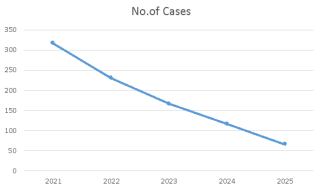
The trends of Bovine Pasteurellosis in MuhirAkilil districts indicated that the disease dramatically reduced from the years 2021 to 2025 in the cattle population (Figure 1). This might be due to the rise of awareness and training of the farmers, animal health professionals, and the stakeholders about the advantages of annual vaccination. This result is in parallel with the vaccination coverage in the district from 2021 to 2025, as shown in Figure 2. Although the data showed that the vaccine didn’t cover the entire population in the area, the vaccination practice by the district had increased from 2021 to 2025. This practice dramatically reduced the occurrence of Pasterullosis outbreaks in the area.
Figure 1. Bovine Pasteurellosis in MuhirAkilil Districts from 2021 to 2025.
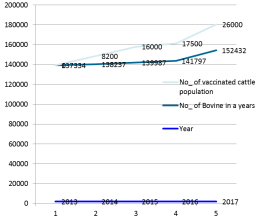
Figure 2. Bovine pasteurellosis vaccine taken from 2021 to 2025.
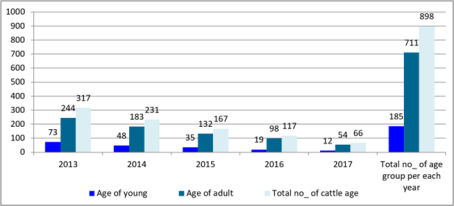
In the study of cattle population in the age group determination in the years of 2021 to 2025, the majority of adult cattle (79%) population were more affected by bovine pasteurellosis as compared to young age groups (21%), as shown in Figure 3.
Figure 3. Status of Bovine Pasteurellosis in the age group of cattle population.
From the total of 898 cases recorded, 74% of cases were recorded in females, while the remaining 26% were males, as shown in Table 2.
Table 2. Sex Determination of Cattle Population in M/Akilil Districts.

Year

Sex of Cattle Population

Total no_ of Cattle on sex determinants

Males

Females

2021

28%

72%

317

2022

27%

73%

231

2023

26%

74%

167

2024

26%

74%

117

2025

18%

82%

66

Total no. of Sex of Cattle population in the districts

26%

74%

898

Bovine pasteurellosis were mailyrecoreded in 95% local cattle breeds as compared to exotic breeds, as shown in Figure 3.
Table 3. Tendency of Bovine Pasteurellosis in Breeds.

Year

Breeds

Total

Local breeds

Exotic breeds

2021

94%

6%

317

2022

95%

5%

231

2023

96%

4%

167

2024

94%

6%

117

2025

98%

2%

66

Total number of cases per breed

95%

5%

898

Bovine pasteurellosis in kebeles indicated that Meziwor 26%, Ginab 14%, T/haymanot 10%, Anzire 10%, and others. But the recent years, before infectious agents were associated with bovine pasteurellosis, control and prevention have been achieved through arranging vaccination programs, identifying the cattle population, and timely treatments of the affected cattle in the district, so the diseases were somewhat controlled.
Table 4. Total number of cases studied at each kebele from 2021 to 2025.

Year

Name of Study kebeles

Achen e

Anzir e

Degez i

Gina b

Kore r

Meziwo r

T/ haymanot

Yekote

Yeshehar a

Zenabener

2021

22

29

14

41

24

77

36

21

23

30

2022

16

21

10

30

17

64

23

16

13

21

2023

13

16

9

25

13

42

18

11

9

11

2024

8

11

7

19

9

35

10

6

4

8

2025

5

6

4

10

4

19

6

3

3

6

Total no.

7%

9%

5%

14%

8%

26%

10%

6%

6%

9%

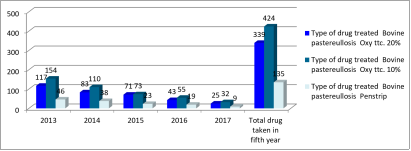
In the study areas, broad-spectrum antimicrobial drugs were the first line of treatment for bovine pasteurellosis in the district kebeles, such as oxytetracycline 20%, oxytetracycline 10%, and penstrip (Figure 3). While comparing to the other drugs, oxytetracycline 10% was the major treatment and control of the cattle population in the districts during the study of the case book data recording.
Figure 4. Drugs used in the treatment of Bovine pasteurellosis from 2021 to 2025.

5. Conclusion and Recommendations
Bovine pastereullosis is an important disease of the MuhirAkilil districts that cannot be easily controlled without blocking the linkage of the spreading factors, such as transportation, overcrowding, common grazing, and mixing with the cattle population. In MuhirAkilil districts, most of the cattle population has significantly lost the health of the cattle, even a loss of economy in cattle producer industries of farmers in the districts, and even challenges to be taken on diagnosis and treatment activities.
From the above conclusion, the following recommendation is forwarded;
1) Reduce stress by reducing long-distance traveling, properly handling the cattle, as well as reducing overcrowding
2) Annual vaccination coverage should be implemented
3) Providing an appropriate dose of the drug, depending on the dosage calculation based on cattle weight and age.
Abbreviations

AHA

Animal Health Assistant

BRD

Bovine Respiratory Diseases

BSc

Bachelor of Veterinary Science

DVM

Doctor of Veterinary Medicine

MAWVC

Muhir Akilil Woreda Veterinary Clinic

Acknowledgments
First, I would like to express my gratitude to God for giving me emotionally powerful internal feelings throughout my work. I would also like to thank the Ministry of Agriculture, together with the Food and Agriculture Organization of the United Nations (FAO), for the In-Service Applied Veterinary Epidemiology Training Program. I am also thankful to my mentor, Dr. HaileleuleNegussie, for his suggestions and comments.
Conflicts of Interest
The author declares no conflicts of interest.
References
[1] Borgden KA, Lehmkuhl HD, Cutlip RC. Pasteurellahaemolytica complicated respiratory infections in vet Res. 1998; 29: 233-54.
[2] Legesse A, Abayneh T, Mamo G, Gelaye E, Tesfaw L, et al. Molecular characterization of Mannheimiahaemolytica isolates associated with pneumonic cases in selected areas of Central Ethiopia. BMC Microbiol. 2018; 18: 205.
[3] Marinella, M. D., 2004. Community-acquired pneumonia due to paseurellamultocida. Respiratory care, 49: 1528-1529.
[4] Mohamed Ra, Abdelsalam EB. A Review on Pneumonic Pasteurellosis (Respiratory Mannheimiosis) With Emphasis on pathogenesis, Virulence Mechanisms and predisposing factors.Bulg J Vet Med. 2008; 11: 139-60.
[5] Radostits OM, Gay CC, Hinchcliff K, Constable PD. 10thedRadostits. Usa. 2010. A Textbook of the disease of Cattle, Horse, Sheep, Pigs, and Goats. 2010; 51: 541.
[6] Radostits, O. M., C. C. Gay, P. D. Constable and K. W. Hinchcliff, 2007. Veterinary Medicine: A textbook of diseases of cattle, sheep, pigs, goats and horses, 10ed., W. B. saunders, London, 921-935.
[7] Weiser GC, Delong WJ, Paz JL, Shafii B, Price WJ. Characterization of pasteurellamultocida associated with pneumonia in bighorn sheep. J Wild Dis. 2003; 39: 536_544. Kebeta T, Fikadu T, Zenebe T, Kebede G. Review on the pneumonic pasteurellosis of cattle. Acand J Anim Dis. 2015; 4: 177-84.
[8] Yami B. Isolation, identification and antimicrobial susceptibility of pasteurrelamultocida from cattle with hemorrhagic septicemia in assosa and Bambasi districts, BenishangulGumuz Regional state, Ethiopia. Int J Ani Res. 2017; 9: 2301.
[9] Catry B, Haesebrouck F, Vliegher S, Do-Feyen B, Vanrobaeys M, Opsomer G, et al. Variability in acquired resistance of Pasteurella and Mannheimia isolates from the nasopharynex of calves, with particular reference to different herd type. Microb Drug Resistance. 2005; 11:387-394.
[10] Filion LG, Willson PJ, Bielefeldt-Ohmann H, Babuik LA, Thomson RG. The possible role of stress in the induction of pheumonic pasteurellosis. Can J Comp Med. 1984; 48:268.
[11] Marru HD, Anijajo TT, Hassen AA. A study on ovine pneumonic pasteurellosis: Isolation and Identification Pasteurellae and their antibiogram susceptibility pattern in Haramaya District, Eastern Hararghe, Ethiopia. BMC Vet Res. 2013; 9:1-8.
[12] Baker RB, Wilkins PA, Ames TR, Smith JA. Diseases of the respiratory system, in: proceeding of the North Carolina Healthy Hogs Seminar. Clinton. 2005:1-9.
[13] Odugbo MO, Odama LE, Umoh JU, Lamorde AG. Pasteurella multocida pneumonic infection in sheep: prevalence, clinical and pathological studies. Small Rumin Res. 2006;66:273-277.
[14] Kahsay YT. Review on the pneumonic pasteurellosis of cattle in. 2022; 9:39-50.
[15] Niemann L, Feudi C, Eichhorn I, Hanke D, Moller P, Brauns J, et al. plasmid-Located dfrA14 gene in pasteurella multocida isolates from three different pig-producing farms in Germany. Vet. Microbiol. 2019; 230:235-40.
[16] Nicholas RAJ, Ayling RD, Loria GR. Ovine mycoplasmal infections. Small Rumin Res. 2008; 76:92-98.
[17] Carry B, Haesebrouck F, Vliegher S, De-Feyen B, Vanrobaeys M, Opsomer G, et al. Variability in acquired resistance of pasteurella and Mannheimia isolates from the nasopharnx of calves, with particular reference to different herd types. Microb Drug Resist. 2005; 11: 387-394.
[18] Holman DB, Timsit E, Alexander TW. The nasopharyngeal microbiota of feedlot cattle. Sci Rep. 2015; 5: 155-157.
[19] Pangallo G, Bonilauri P, Gherpelli Y, Dottori M, Lorenzi G. Antimicrobial resistance in Actinobacillus pleuropheumoniae and pasteurella multocida strains isolated during the period 2002-2016 in Italian pigs. Societa Italiana di patologia ed Allevamento dei Suini (SIPAS). 2017: 209-217.
[20] Weber DJ, Rutala WA, Kaplan SL, Calderwood SB, Edwards MS, Baron EL. Pasteurella infections. 2016.
[21] Levy S, Khan MFR, Islam MA, Rahman MB. Isolation and identification of pasteurella multocida from chicken for the preparation of oil adjuvanted vaccine. Microbes Heal. 2013; 2: 1-4.
Cite This Article
  • APA Style

    Bekele, G. (2026). Retrospective Study on the Epidemiology of Bovine Pasteurellosis from 2021 to 2025 in MuhirAkilil District, Gurage Zone, Ethiopia. Science Discovery Animals, 1(1), 51-57. https://doi.org/10.11648/j.sdan.20260101.16

    Copy | Download

    ACS Style

    Bekele, G. Retrospective Study on the Epidemiology of Bovine Pasteurellosis from 2021 to 2025 in MuhirAkilil District, Gurage Zone, Ethiopia. Sci. Discov. Anim. 2026, 1(1), 51-57. doi: 10.11648/j.sdan.20260101.16

    Copy | Download

    AMA Style

    Bekele G. Retrospective Study on the Epidemiology of Bovine Pasteurellosis from 2021 to 2025 in MuhirAkilil District, Gurage Zone, Ethiopia. Sci Discov Anim. 2026;1(1):51-57. doi: 10.11648/j.sdan.20260101.16

    Copy | Download

  • @article{10.11648/j.sdan.20260101.16,
      author = {Geremew Bekele},
      title = {Retrospective Study on the Epidemiology of Bovine Pasteurellosis from 2021 to 2025 in MuhirAkilil District, Gurage Zone, Ethiopia},
      journal = {Science Discovery Animals},
      volume = {1},
      number = {1},
      pages = {51-57},
      doi = {10.11648/j.sdan.20260101.16},
      url = {https://doi.org/10.11648/j.sdan.20260101.16},
      eprint = {https://article.sciencepublishinggroup.com/pdf/10.11648.j.sdan.20260101.16},
      abstract = {The retrospective study was conducted from 2021 to 2025, in MuhirAkilil district, Gurage zone, Central Ethiopia, with the aim of conducting the epidemiology, clinical signs, treatment, control, and prevention of bovine pasteurellosis in the district. In this study period, a total of 898 cases of bovine pasteurellosis were reported in the cattle population in the districts, in which the disease occurred in 79% of adult cattle, 74% of females, and 95% of local breeds. In addition, the number of cases in the study kebeles of the district were reported with their order of abundance of bovine pasteurellosis were Meziwor (26%), Ginab (14%), T/haymanot (10%), Zenabener (9%), Anzire (9%), Korer (8%), Achene (7%), Yekote (6%), Yeshehara (6%), and Dengezi (5%). Even though cattle population within a risk of bovine pasteurellosis in the district, they commonly use broad-spectrum antibiotics such as 20% oxytetracycline, 10% oxytetracycline, and penstrip to treat. The disease is highly prevalent in the area; thus, a comprehensive prevention strategy using strategic vaccination has to be practiced to control bovine pasteurellosis in the MuhirAkilil district.},
     year = {2026}
    }
    

    Copy | Download

  • TY  - JOUR
    T1  - Retrospective Study on the Epidemiology of Bovine Pasteurellosis from 2021 to 2025 in MuhirAkilil District, Gurage Zone, Ethiopia
    AU  - Geremew Bekele
    Y1  - 2026/03/30
    PY  - 2026
    N1  - https://doi.org/10.11648/j.sdan.20260101.16
    DO  - 10.11648/j.sdan.20260101.16
    T2  - Science Discovery Animals
    JF  - Science Discovery Animals
    JO  - Science Discovery Animals
    SP  - 51
    EP  - 57
    PB  - Science Publishing Group
    UR  - https://doi.org/10.11648/j.sdan.20260101.16
    AB  - The retrospective study was conducted from 2021 to 2025, in MuhirAkilil district, Gurage zone, Central Ethiopia, with the aim of conducting the epidemiology, clinical signs, treatment, control, and prevention of bovine pasteurellosis in the district. In this study period, a total of 898 cases of bovine pasteurellosis were reported in the cattle population in the districts, in which the disease occurred in 79% of adult cattle, 74% of females, and 95% of local breeds. In addition, the number of cases in the study kebeles of the district were reported with their order of abundance of bovine pasteurellosis were Meziwor (26%), Ginab (14%), T/haymanot (10%), Zenabener (9%), Anzire (9%), Korer (8%), Achene (7%), Yekote (6%), Yeshehara (6%), and Dengezi (5%). Even though cattle population within a risk of bovine pasteurellosis in the district, they commonly use broad-spectrum antibiotics such as 20% oxytetracycline, 10% oxytetracycline, and penstrip to treat. The disease is highly prevalent in the area; thus, a comprehensive prevention strategy using strategic vaccination has to be practiced to control bovine pasteurellosis in the MuhirAkilil district.
    VL  - 1
    IS  - 1
    ER  - 

    Copy | Download

Author Information
  • Department of Veterinary Medicine, Haramaya University, MuhirAkilil, Ethiopia