1. Introduction
1.1. Background and Justification
Traditionally people help each other on any work by assuming that “fifty lemon for one person it is overloaded, whereas for fifty persons it is beauty “Ethiopian proverb. Work in cooperative is simplified the work load and easy to achieve the expecting goals and objectives within the short period of time. Important to improve academic and social performance by the students
| [6] | Baker T. and Clark J., 2015. Cooperative learning made easy: A practical guide to working with tertiary student groups, for AKO AOTEAROA, The National Centre for Tertiary Teaching Excellence www.akoaotearoa.ac.nz |
[6]
. Learning by itself it is a social processes that are occur through interpersonal interaction to achieve socially and academically within a cooperative context based the aim of goals and objectives of education
| [5] | Baker T. and Clark J., 2010. A double edged sword; a cooperative learning model for use with diverse student groups. Intercultural education, vol. 21, issue 3, collaborative learning in diverse groups a New Zealand, pp. 7-268.
https://doi.org/1080/14675961003760440 |
[5]
. In similar to that, people help each other’s and learning from each other’s to know more about the surrounded environment including both living things and non-living things live in and on the universe including the microorganisms live in the atmosphere. They are telling and showing each other to learn from each other ethical and cultural thinking in positive interactions. Learning from each other is to find the way of development of the society and their basic livelihoods. The main aim of knowing the environment and its surrounding is to manage, utilize, conserve and transfer for the next generation unaffected environment with health natural resources through maintenance of education quality. Overall human being is wanted to control nature and use properly without affected and by control of overexploitation. For that matters learning from each other in cooperative or in small group of two and more people is brought people toward this aim. CL is the learning of the student center and the students has taken the responsibility of own learning, but the teachers’ are the facilitators. The students interact within the group members and rehearse or practice the subject matter to achieve the goal of learning
| [14] | Har L. B., 2013. What is cooperative learning? The active classroom, the Hong Kong Institute of Education All rights reserved. www.ied.edu.hk/aclass/ |
[14]
. Otherwise if the group fail the individual are not succeed and if the group swim the individual’s swim to succeed. That is why the cooperative learning solve the problem of individual learning. Teaching and learning is the processes of two directional communication; from teacher to students and from students to teachers, but AL is CL that considered the student center and the teacher guide the learner on the way of acquiring the KSA. That mean he/she is facilitator of instructional strategy and critical element of CL is group work in team and team goals
| [14] | Har L. B., 2013. What is cooperative learning? The active classroom, the Hong Kong Institute of Education All rights reserved. www.ied.edu.hk/aclass/ |
[14]
. In support to this study the past study done by
| [1] | Agrawai A. and Sigh Y. P., 2011. Introduction to cooperative learning. Indian streams research journal, vol. 1, issue 2, available online at: www.isrj.net |
[1]
, had been described that, CL is the processes of individual’s learning in small group of people that by helping each other. It is significant to make cooperation for our present education. One of the quality of human being is cooperation each other instead of competition to each other. Because, CL has five principles and elements that should include: positive interdependence (each effort of the member is the success of team), individual accountability (share idea and materials), face to face promotive interaction (work individual out but share with feedback, challenging, reasoning and conclusion, teaching, helping, supporting and encouraging), appropriate use of social, interpersonal, collaborative and small group skills (students develop decision-making, communication leadership, and conflict management skills and group processing-
team members set group goals, describe what member actions are helpful or not, periodically assess what they are doing well as a team, and identify changes they will make to function more effectively in the future | [9] | DeLong D., 1996. Cooperative learning: Benefits, drawbacks, and viability. UNI, graduate research papers 2197, University of Northern Iowa available at
https://scholarworks.uni.edu/grp/2197 |
[9]
.
Teaching and learning by two person or more than two person is very effective and efficient through the discussion, decision making and may be experience sharing. This process of teaching and learning by people were assigned by the name of CL. This method is the practice of learning by using AL method in particular it is the fundamental for the developmental of the society
| [6] | Baker T. and Clark J., 2015. Cooperative learning made easy: A practical guide to working with tertiary student groups, for AKO AOTEAROA, The National Centre for Tertiary Teaching Excellence www.akoaotearoa.ac.nz |
[6]
.
CL is refers to a small group of people organized by people in formal that live and work together the same work under the same institution for the same goals, aims and objectives. As oppose to traditional learning “teachers center” in the case of CL the students share their thinking what they are going in their mind by telling and showing things learn from each other’s
| [16] | Jacobs G. etal. 2008. Making thinking audible and visible via cooperative learning. In M. H. Chau & T. Kerry (Eds.), International perspectives on education (pp. 103-117). London: Continuum. |
[16]
. In the case of university CL is refer to a small or peer group of people or students organized in formal based on their cultural, social, political and educational background to learn from each other and grasp the KSA within the bounded time based on the nature of educational profession as they are ruled by the curricula that was prepared for each and every course.
CL is also collaborative learning of concepts and thinking of benefits of cooperation among the students and teachers. The past study done by
| [16] | Jacobs G. etal. 2008. Making thinking audible and visible via cooperative learning. In M. H. Chau & T. Kerry (Eds.), International perspectives on education (pp. 103-117). London: Continuum. |
[16]
had described that,
a wide range of cooperative are theoretical perspectives on learning including behaviorism, socio-cultural theory, humanist psychology, cognitive psychology, social psychology and Piagetian developmental psychology have been used to develop and justify different approaches to CL. The ultimate aim of this way of learning is to achieve the expecting goals and aims in a given period of time and to exercising self-learning, self-doing, and self-serving societies without the need of external interferences. CL is help individual’s to develop confidence and proper use of time. It support the students and teachers to know the significance of diversity, living, learning and working within the diversified ethical population of one country. It is the source of generation of beautification, income, unity, and quality of social life and style. In addition to that, “it is the source of equity, property right, and critical thinking for poor house societies that is not cover from a single drop of rain when dropped inside the house when the rain is fallen while who are live in isolation is not cooperative in working.”
CL has a strong foundation in research. Malays talk about gotong-royong, a spirit of working together and helping one another. CL is a solution for students who are not share for their group mates and who disagreement to discuss and learn from each other’s
| [16] | Jacobs G. etal. 2008. Making thinking audible and visible via cooperative learning. In M. H. Chau & T. Kerry (Eds.), International perspectives on education (pp. 103-117). London: Continuum. |
[16]
. Implementing CL by integration of active learning method to adopt independent learning it is one of the tool that move people and society or one country out of poverty and secure the basic livelihood of the society. More about cooperative learning did but the study was fund the way of methods that was help to improve and implement the teaching and learning methods in CL in OBU in particular.
1.2. Statement of the Problem
Supplying the necessary appliances and equipment including the education software program only for the purposes of maintaining quality of education and harvesting the high level man power cannot be expecting as the achievement of the goals of CL. In despite of that, if there are gaps to utilize properly for teaching and learning processes is very tedious and unless they will fill that gaps by providing the special training on the supplied technologies, teaching methods and the related technologies to upgrading the education quality, quantity and teachers professions and the quality of graduated students; they will be impossible to achieve the stilted goals and objectives within the expecting timeline; that is harvesting “the more competent educated people”
| [7] | Boyle M. and Gillies M. R., 2010. Teachers' reflections on cooperative learning: Issues of implementation. Teaching and Teacher Education 26, 933e940, School of Education, The University of Queensland, Brisbane, Queensland 4072, Australia, pp933-940. Contents lists available at Science Direct Teaching and Teacher Education journal homepage:
www.elsevier.com/locate/tat |
[7]
. Beside these the Ethiopian higher education institutions were reformed from the old teaching and learning system that is teachers center and begun practically the new teaching and learning method to improve the quality and quantity of the students. This learning which is on working include: student center, AL method, IL method, collaborative learning method and CL method, however, the most popular and use in vast is the CL method which is the umbrella of learning in group
.
The vast gaps of CL in small group or in peer learning is recognizing CL from traditional learning and teachers’ center of learning method which is prohibited from practicing CL effectively and efficiently. The issues associated in CL always the lack of knowledge and skill which is linked with unattractive behavior of the trainees, huge number of learners, shortage of classrooms, unfavorable educational environment, and perception, lack of joining of employees, perceiving as one time or seasons duty, scarcity of recruited teachers, employees turn over by seeking another work in connection with unattractive salary of the university. Moreover the situations of the Ethiopian politics and education policy of the higher institutions are affects CL. Because of instable politics, weak education policy of higher institutions and people perceive as may leave the area tomorrow or after tomorrow so that how to stable, join and work together are very tedious
| [20] | Nuntrakune T. and Park Ji Y., 2013. A conceptual framework for the cultural integration of cooperative learning: A Thai primary mathematics education perspective. Eurasia Journal of Mathematics, Science & Technology Education, 9(3), Queensland University of Technology, Australia, pp. 247-258. |
[20]
. Thus, several past studies were not seen these gaps; about the issues affected adversely improvement of CL. Instability and endless satisfaction of the country’s politics and poor or weak education policy of the Ethiopian higher institutions beside different ethnicity of the country they are limited the people interaction and affected CL in the university in particular. Previously different authors in different departments and disciplines they were did the action researches to uproot or to pick up the problems of CL or to find the better alternative teaching and learning methods and to show the direction how to improve CL but currently at national level the active learning of IL in CL method should be preferred and on practicing in the Ethiopian higher education institutions. Thus, this action research was deal out the gaps that were not observed with several past studies as indicated in the specific objectives and serve as the base line for the coming generation to get well experiences and conducting their own action researches on the way of improvement of CL.
1.3. Objectives
1.3.1. General Objective
The general objective of this action research was to investigate the challenges (causes and factors) that are prevent from improving CL and implemented in practices and multiple systems of improving the practice of cooperative learning in the Oda Bultum University.
1.3.2. Specific Objectives
1) To identify the major factors and causes that are affects adversely implementation of cooperative learning
2) To assess the methods of CL easily adopted by the teachers and learners to improve CL
3) To evaluate the simplest alternative methods help how CL is successful
4) To evaluate efficiency and effectiveness of CL and their contribution on KSA
5) To evaluate the contribution of AL and IL to improve CL
6) To evaluate how available resources influences implementation of cooperative learning and teaching in the university
7) To evaluate the weakness and threat leadership to implement and improve cooperative learning
1.4. Questionnaires of the Study
1) What are the major factors and causes adversely affects CL?
2) What are the challenges prevent the success of CL?
3) How to develop students’ social and academic interaction and sharing of diversity?
4) What are the contribution of CL on students KSA enhancement?
5) How to evaluate the efficiency and effectiveness of CL on the students learning?
6) How to assess and evaluate the contribution of IL and AL to improve CL?
7) How the available resources and leaderships influences CL adversely?
1.5. Scope of the Study
The scope of this action research were covers the fundamental of the methods or systems of improving cooperative learning in practice through utilization of active learning and independent learning. It was covers identification of causes and factors influences use, improve and implementation of CL, identification of the weakness and threats of cooperative learning, identification of the challenges prevent CL from practicing. Moreover they were covers the ways of implementation methods that are help the students to improve knowledge, skills and attitude, identification of the benefits of CL that are help the students learning in cooperative, evaluate own perception on CL by the students and teachers, linkage of academic and supportive staffs to support establishment of CL, perception of academic leadership against CL and their plan, and weakness of teachers based on overload or underload the students to be engage duties.
1.6. Significance of the Study
It play a crucial role in maintaining education quality, quantity and production of higher manpower; increasing both teachers and students performances learning in cooperative. It benefits several beneficiary groups or stakeholders: students, industries or companies, NGOs and government organizations. Of all it support the students to practice cooperative learning by using active learning and independent learning, whereas the teachers are facilitator of instructional strategies. It is commonly reflects students center and avoid the past learning of teachers centers or passive learning. It plays a great role on the maintenance of the education quality and made the students competent at national and international level. It eliminates the fear of taking the certificate of competence (COC). Help to maintain the sustainability of employees in the organization. It were benefits the surrounded societies and the whole Ethiopian societies because of harvesting the higher level manpower having full of confidence and conflict solver. It will develop self-confidence on the students how to learn from each other’s by sharing ideas about the subject matters by sharing their diversity, culture and social values.
3. Result and Discussion
3.1. Students Information/ Data Results and Discussion
3.1.1. Forestry Department
Table 2. Cooperative Learning help to Acquisition KSA.
Rs | NRs | SRs | PRs |
Yes | 5 | 3F and 2M | 100 |
No | X | | |
Total | 5 | | 100 |
The respondents had responds that, 100% CL is helping us on our learning to acquire KSA. CL is significant to alleviate the problems occurred on learning; when the students learning in small group. CL is support us to achieve the goals of education
Table 2 and
Figure 1. CL is beneficial to learn from each other in the classroom, by telling and showing what they are thinking in mind
| [9] | DeLong D., 1996. Cooperative learning: Benefits, drawbacks, and viability. UNI, graduate research papers 2197, University of Northern Iowa available at
https://scholarworks.uni.edu/grp/2197 |
[9]
. The students thinking together either swim or sink, develop positive interdependence and confidence by learning face to face and improve the individual accountability. The students are develop social skills to solve conflicts, and act as leadership, trust building and communication
| [13] | Haddra H. and Skanes M. 2007. A reflection on cooperative education: from experience to experiential learning. Asian pacific journal of cooperative education, Memorial University of Newfoundland, St. Johnʹs, NL A1C 5S7, PO Box 4200, Canada, pp67-76. |
[13]
.
Figure 1. Helping of Cooperative Learning Students.
Table 3. Major Problems of Cooperative Learning.
Problems | NRs | SRs | PRs |
Not directly participate | 1 | M | 20 |
Use English langue | 1 | F | 20 |
Lack of awareness | 1 | M | 20 |
Using short note | 1 | F | 20 |
No problem | 1 | F | 20 |
Total | 5 | | 100 |
The major challenges of CL as the respondents had responds were due to lack of direct participation of learners 20% and awareness 20% of male had responds and use of English language 20% and use of short note 20% of female had responds
Table 3. Students’ participant should improve; academically and socially by develop confidence on learning by him/her self while teachers’ must set goals, plan and structure the tasks
| [13] | Haddra H. and Skanes M. 2007. A reflection on cooperative education: from experience to experiential learning. Asian pacific journal of cooperative education, Memorial University of Newfoundland, St. Johnʹs, NL A1C 5S7, PO Box 4200, Canada, pp67-76. |
| [22] | Trung MA. D. and Truong Do Xaan, 2023. The benefits of cooperative learning: an overview. Technium education and humanities, vol. 4, pp. 78-85. Available at: www.techniumscience.com |
[13, 22]
.
Table 4. Overload of Cooperative Learning.
Load type | NRs | SRs | PRs |
Home study | X | | 0 |
Assignment | 2 | F | 40 |
Project | X | | 0 |
Case study | 1 | F | 20 |
Practical | 1 | M | 20 |
None | 1 | F | 20 |
Total | 5 | | 100 |
The study results had showed that, the maximum load in CL is assignment which accounted about 40% and 20% project work as female students had responds whereas 20% of male students had respond that we are overload with practical work. But till home study and case study is zero practice
Table 4 and
Figure 2; this indicate that they needs efforts to improve cooperative learning in Oda Bultum University in future. This is due to lack of teachers’ experiences in CL of AL to implement in practice. CL is the prototype of communication approach and one of the significant in the field of education, students work in group, take responsibility, practice the skill of scientific thinking, discovery and promote skill of gaining their knowledge
| [3] | Al-Mubireek S., 2021. The Effects of Cooperative Learning versus Traditional Teaching on Students' Achievement: A Case Study. TESOL international journal, vol. 16, issue 2, pp. 32-53. |
[3]
.
Figure 2. Overload to Students.
Table 5. Wants of Cooperative Learning.
RS | NR | SR | PR |
Continue | 5 | 3F,2M | 100 |
Discontinue | X | | |
Replaced | X | | |
Discontinue and replace | X | | |
None | X | | |
Total | 5 | | 100 |
The representative respondents had said that 100% we were want to continue in CL
Table 5 and
Figure 3. Because students participate in courses and learn in cooperative had more benefited than others traditional learning such as teachers’ centered. This might be also more responsible taker than others on the job after graduated and recruited in the government and NGOs
| [13] | Haddra H. and Skanes M. 2007. A reflection on cooperative education: from experience to experiential learning. Asian pacific journal of cooperative education, Memorial University of Newfoundland, St. Johnʹs, NL A1C 5S7, PO Box 4200, Canada, pp67-76. |
[13]
.
Figure 3. Students Want to Learn in Cooperative.
Table 6. Students learning method like more.
LM | NR | SR | PR |
Active learning | 2 | 2F | 40 |
Passive learning | 1 | 1F | 20 |
Cooperative learning | 2 | 2M | 40 |
Independent learning | X | | |
3 and 4 | X | | |
None | X | | |
Total | 5 | | 100 |
The findings of the study had revealed that, the students like more over the others learning methods to learn in AL and CL that are accounted for 40 percent of female; and 40 percent of male respondents and only 20 percent of female respondents like more the passive learning
Table 6 and
Figure 4. This might be students learn in CL and AL due to the achievement of interdependence, accountability, increase responsibility, leadership, develop social skills, increase feedback and assessment, motivation of individuals, share culture, appreciation and create understanding, develop positive environment in the classroom, help to develop essential life style and improve academically (achieved high score of grade) and social interaction
| [3] | Al-Mubireek S., 2021. The Effects of Cooperative Learning versus Traditional Teaching on Students' Achievement: A Case Study. TESOL international journal, vol. 16, issue 2, pp. 32-53. |
[3]
.
Figure 4. Students Learning Method Like More.
Table 7. Learning Method Preferred More in Own Perception.
LM | NR | SR | PR |
Active learning | 1 | F | 20 |
Passive learning | 1 | F | 20 |
Cooperative learning | 2 | 1F and 1M | 40 |
Independent learning | Null | | |
Dependent | 1 | M | 20 |
Total | 5 | | 100 |
Majority of the female and male learners which accounts about 40 percent were preferred cooperative learning whereas 20% of female students like active learning and 20% of female students’ preferred passive learning
Table 7; and the problems gad showed linear relationship
Figure 5. CL has positive interdependence and develop confidence of knowing things, because of encourage the students socially and academically
| [17] | Kong, K. S., 2003. The Perception of Cooperative Learning in a Mixed-Proficiency Cambodian Class. A thesis submitted in partial fulfilment of the requirements for the degree of Master of Arts in TESOL. |
[17]
. CL enhance the students sharing their thinking by telling and showing why and what they are going in their mind about the tasks and learn from each other
| [16] | Jacobs G. etal. 2008. Making thinking audible and visible via cooperative learning. In M. H. Chau & T. Kerry (Eds.), International perspectives on education (pp. 103-117). London: Continuum. |
[16]
.
Figure 5. Learning Method and Their Responses.
Table 8. Beneficial of Cooperative Learning.
Beneficial | NR | SR | PR |
Knowledge | X | | 0 |
Skill | X | | 0 |
Good attitude | X | | 0 |
All | 5 | 3F, 2M | 100 |
Knowledge and skill | X | | 0 |
Total | 5 | | 100 |
Figure 6. Students Beneficial in Cooperative Learning.
The results of the study had indicated that, 100 percent the students benefited from CL
Table 8. CL scaling up the quality of education;
Figure 6. Because, the students are passive recipient of information present by teachers using traditional lecturing methods
| [5] | Baker T. and Clark J., 2010. A double edged sword; a cooperative learning model for use with diverse student groups. Intercultural education, vol. 21, issue 3, collaborative learning in diverse groups a New Zealand, pp. 7-268.
https://doi.org/1080/14675961003760440 |
| [6] | Baker T. and Clark J., 2015. Cooperative learning made easy: A practical guide to working with tertiary student groups, for AKO AOTEAROA, The National Centre for Tertiary Teaching Excellence www.akoaotearoa.ac.nz |
[5, 6]
while CL change this passive recipient of information. In Cl the students think individual in mind and share their common idea that is thinking, induvial reaction in the group affects the outcomes, learn independent and at the end confidential academically and socially or social interdependence, and develop self-esteems. Students work effectives on duty benefits the group while students work ineffective on duty fail. Individual students measured by cumulative outcome of group
| [1] | Agrawai A. and Sigh Y. P., 2011. Introduction to cooperative learning. Indian streams research journal, vol. 1, issue 2, available online at: www.isrj.net |
[1]
.
3.1.2. Soil Resource and Watershed Management
Table 9. Cooperative Learning help to Acquisition Knowledge, Skill and Attitude.
Rs | NRs | SRs | PRs |
Yes | 11 | 3F,6M | 100 |
No | 2 | 1F, 1M | 0 |
Total | 11 | | 100 |
The respondents had responds that, 100 percent of CL is more helping us to acquaint KSA. Learning in cooperative made the students’ KSA an exponential growth rate
Figure 7 and
Table 9. CL is very beneficial to learn each other in the classroom
| [3] | Al-Mubireek S., 2021. The Effects of Cooperative Learning versus Traditional Teaching on Students' Achievement: A Case Study. TESOL international journal, vol. 16, issue 2, pp. 32-53. |
| [9] | DeLong D., 1996. Cooperative learning: Benefits, drawbacks, and viability. UNI, graduate research papers 2197, University of Northern Iowa available at
https://scholarworks.uni.edu/grp/2197 |
[3, 9]
. The students develop positive interdependence. Learning face to face, individual accountability. Successful cooperative learning help students in learning how to learn and a necessary actor on the current thinking of sustainable assessment
| [5] | Baker T. and Clark J., 2010. A double edged sword; a cooperative learning model for use with diverse student groups. Intercultural education, vol. 21, issue 3, collaborative learning in diverse groups a New Zealand, pp. 7-268.
https://doi.org/1080/14675961003760440 |
[5]
.
Figure 7. Students Learning in Cooperative.
The majority of the students both male and female that were accounted about 18.18% had responds that, the problems of CL is incorrect information transferring, whereas about 9.09% had said resource limitation
Table 10 and
Figure 8. CL yet the teachers’ might be propensity to talk to students who are listen and responds
| [16] | Jacobs G. etal. 2008. Making thinking audible and visible via cooperative learning. In M. H. Chau & T. Kerry (Eds.), International perspectives on education (pp. 103-117). London: Continuum. |
[16]
. Teachers seldom to ecourage the students to express their opinions in the classroom. Families’ are discourage childrens’ in verbal communication and childerns are not likley to participate in the families’ discussion such as collective culture that lead to less willingness to commuicate
| [20] | Nuntrakune T. and Park Ji Y., 2013. A conceptual framework for the cultural integration of cooperative learning: A Thai primary mathematics education perspective. Eurasia Journal of Mathematics, Science & Technology Education, 9(3), Queensland University of Technology, Australia, pp. 247-258. |
[20]
. The major problems of CL in group consume time, and lack of space.
Table 10. Problems in cooperative learning.
Problems | NR | SR | PR |
Unawareness | 1 | 1F | 9.09 |
Not normally possessed | 1 | M | 9.09 |
Time and space | 2 | 1M, 1F | 18.18 |
Time, place and un-interaction between them (students) | 1 | 1M | 9.09 |
Resource limitation | 1 | 1M | 9.09 |
Transferring of incorrect information and receptiveness | 2 | 1F, 1M | 18.18 |
Individual’s | 1 | 1M | 9.09 |
Time and shortage of knowledge | 1 | 1F | 9.09 |
No problem | 1 | 1M | 9.09 |
Total | 11 | | 100 |
Figure 8. Major Problems of Cooperative Learning.
The results had showed that, learning in cooperative, overload more by assignment work which accounts about 36.36%, whereas nothing is over load with case study; yet in our learning
Table 11. In Cooperative learning in terms of area coverage the assignment has scored the highest area and the practical cover the next highest coverage, whereas home study and project are covers the least area. About 36.36% had respond with assignment. About 18.18% overloaded in practical work whereas case study is zero load
Figure 9. These issues secretes from lack of teachers’ training and experience in cooperative learning how to handle the students learn in group. Another factor is collective culture that leads to willingness to communicate, for instance
Thaior Thailand communication culture challenges for the national educational reform, in particular, social-constructivist teaching practices | [20] | Nuntrakune T. and Park Ji Y., 2013. A conceptual framework for the cultural integration of cooperative learning: A Thai primary mathematics education perspective. Eurasia Journal of Mathematics, Science & Technology Education, 9(3), Queensland University of Technology, Australia, pp. 247-258. |
[20]
. Students sonicating during group activities and not working nothing, managing time effectively and the preparation required for teaching and learning in cooperative
| [11] | Faraydi Q., 2007. Enlightening Advantages of Cooperative Learning. University: UiTM Malaysia 2007, pp. 1-10. |
[11]
.
Table 11. Overload of cooperative learning.
Activities | NR | SR | PR |
Home study | 1 | 1M | 9.09 |
Assignment | 4 | 1M, 3F | 36.36 |
Project | 1 | 1M | 9.09 |
Case study | | | 0 |
Practical | 2 | 2M | 18.18 |
None | 3 | 2M,1F | 27.27 |
Total | 11 | | 100 |
Figure 9. Area Coverage of CL Activities in Percentage.
Table 12. Wants of Cooperative Learning.
Wants | NR | SR | PR |
Continue | 9 | 4F, 5M | 81.82 |
Discontinue | X | | 0 |
Replaced | X | | 0 |
Discontinue and replaced | 2 | 2M | 18.18 |
None | | | 0 |
Total | 11 | | 100 |
Figure 10. Wants of the Students Learning.
As the results of
Table 12 and
Figure 10 had indicated 81.82% of the respondents had responded that we want to learn more in CL. This implies that CL in principles might be include in the group gender, religious, ethnicity, age, personality, social class, language efficiency and diligence
| [16] | Jacobs G. etal. 2008. Making thinking audible and visible via cooperative learning. In M. H. Chau & T. Kerry (Eds.), International perspectives on education (pp. 103-117). London: Continuum. |
[16]
. There is a linear relationship or positive correlation between sex of respondents, number of respondents and percent of respondents in continuing to learn in cooperative
Figure 11. CL is intercultural understanding, improved academic and social achievement, deeper learning, improve interpersonal skills and long term retention, transfer of learning, and enhancement of individual abilities to use knowledge
| [6] | Baker T. and Clark J., 2015. Cooperative learning made easy: A practical guide to working with tertiary student groups, for AKO AOTEAROA, The National Centre for Tertiary Teaching Excellence www.akoaotearoa.ac.nz |
[6]
.
Table 13. Learning Method like More.
LM | NR | SR | PR |
Active learning | 2 | 1M, 1F | 18.18 |
X | | 0 |
Passive learning | X | | |
Cooperative learning | 9 | 6M,3F | 81.82 |
Independent learning | X | | |
Cooperative learning and independent learning | X | | |
None | | | |
Total | 11 | | 100 |
As the results of
Table 13 above had indicated about 81.82% of respondents both male and female had said that, we are like to learn in cooperative more. Because of learning from each others are very easy than learning in individual, passive and teachers’ center of learning. However, the respondents which accounts about 18.18% had like more active learning, but not want to learn in passive learning
Figure 11. In line with this study the past study done by
| [16] | Jacobs G. etal. 2008. Making thinking audible and visible via cooperative learning. In M. H. Chau & T. Kerry (Eds.), International perspectives on education (pp. 103-117). London: Continuum. |
[16]
had been shown that
, today cooperative education programs exist in 88 Canadian postsecondary institutions with an enrollment of more than 78,000 students.
Figure 11. Learning Method like More.
Table 14. Learning method preferred in own perception.
LM | NR | SR | PR |
Active learning | 3 | 2M,1F | 27.27 |
Passive learning | 1 | 1M | 9.09 |
Cooperative learning | 5 | 2F, 3M | 45.45 |
Independent learning | 1 | 1M | 9.09 |
Dependent | X | | 0 |
Total | 11 | | 100 |
The results of the study had been shown that, about 45.45% of the respondets of both male and female students had said that learning in cooperative is preferred by our own perciptation because of it is the better to achieved the goals, mission, vession and objectives of the higher education of the subject matters. About 27.27% of male and female students had responds that in their own perciption passive learning is perrfered, but only male students are perrefered independent learnig (9.09%) and passive learning(9.09%)
Table 14 and
Figure 12. CL has positive interdependence and develop confidence of knowing things because of encourage the students socially and academically
| [16] | Jacobs G. etal. 2008. Making thinking audible and visible via cooperative learning. In M. H. Chau & T. Kerry (Eds.), International perspectives on education (pp. 103-117). London: Continuum. |
[16]
. CL is increases the student thinking what about going on in their mind and share with others by showing and telling about the tasks
| [16] | Jacobs G. etal. 2008. Making thinking audible and visible via cooperative learning. In M. H. Chau & T. Kerry (Eds.), International perspectives on education (pp. 103-117). London: Continuum. |
[16]
.
Figure 12. Learning Method Perferred More.
Table 15. Beneficial of Cooperative Learning.
Beneficial | NR | SR | PR |
Knowledge | X | | 0 |
Skill | X | | 0 |
Good attitude | X | | 0 |
All | 7 | 1F, 6M | 63.64 |
Knowledge and skill | 4 | 1M,3F | 36.36 |
Total | | | 100 |
As
Table 15, above had showed about 63.64% of respondents had responded that, CL is beneficial to achieved knowledge, skill and attitude than the others or past methods of learning that is teachers’ center of learning and traditional teaching method. But, no one had respond that CL is beneficial to acquire our knowledge, skill and attitude in separate behavioral change in positive
Figure 13.
Successful cooperative learning tasks are intellectually demanding, creative and open-ended. They involve higher order thinking skills and lead to lively discussion and active “deep learning.” “Deep learning”, as opposed to surface learning, examines new facts and ideas critically, encourages students to relate ideas to one another | [5] | Baker T. and Clark J., 2010. A double edged sword; a cooperative learning model for use with diverse student groups. Intercultural education, vol. 21, issue 3, collaborative learning in diverse groups a New Zealand, pp. 7-268.
https://doi.org/1080/14675961003760440 |
[5]
Figure 13. Beneficial of Cooperative Learning.
3.1.3. Natural Resource Management
Table 16. Helping of Cooperative Learning to Acquisition Knowledge, Skill and Attitude.
RS | NR | SR | PR |
Yes | 8 | 2 F, 6M | 100 |
No | X | - | 0 |
Total | 8 | | 100 |
According to
Table 16 above, 100 percent cooperative learning are helping our much more to acquisition of knowledge, skill and attitude. The students’ knowledge is growing an exponential rate
Figure 14. This implies that, CL improves student’s self-confidence, communication skills in the classroom, develop accountability and responsibility by enhancing socially and academically achieved. CL has positive impacts on the educational processes
| [3] | Al-Mubireek S., 2021. The Effects of Cooperative Learning versus Traditional Teaching on Students' Achievement: A Case Study. TESOL international journal, vol. 16, issue 2, pp. 32-53. |
[3]
.
Table 17. Major Problems of Cooperative learning.
Problems | NR | SR | PR |
Attitude, experience of developed | 1 | 1M | 12.5 |
Attitude, experience, social and community developed | 2 | 1M, 1F | 25 |
Passive, love and social developed | 1 | 1M | 12.5 |
Attitude, experience, development and social community | 1 | 1M | 12.5 |
No response | 1 | 1M | 12.5 |
In learning process complex or not simple e. g. hand out is huge | 1 | 1F | 12.5 |
Social development, community participation | 1 | | 12.5 |
Total | 8 | | 100.00 |
Figure 14. Cooperative Learning Help the Students to Acquire KSA.
The results had showed that, about 25% of the respondents had said that, the major problems of cooperative learning are obstruction to improve in practice are attitude, experiences, social and community developed
Table 17 and
Figure 15. This implies that learning in cooperative is adversely affected by attitude and experience of teachers; and social and community development
| [16] | Jacobs G. etal. 2008. Making thinking audible and visible via cooperative learning. In M. H. Chau & T. Kerry (Eds.), International perspectives on education (pp. 103-117). London: Continuum. |
[16]
. Unless the attitude of the teachers change; the students’ attitude to learn in cooperative could not change. The teachers has positive experience with cl but the difficulty is implementation of cl in practices in the class
| [11] | Faraydi Q., 2007. Enlightening Advantages of Cooperative Learning. University: UiTM Malaysia 2007, pp. 1-10. |
[11]
.
Table 18. Overload in Cooperative Learning.
Activities | NR | SR | PR |
Home study | | | |
Assignment | 6 | 4M, 2F | 75 |
Project | | | |
Case study | | | |
Practical | 1 | 1M | 13 |
None | 1 | 1M | 13 |
Total | 8 | | 100 |
Figure 15. Major Problems in CL Prevent from Implementation in Line Graph.
About 75% of the cooperative learning is overload the students with assiggnment or covers about 75 in terms of area
Figure 16. A few of teachers might teach the students in practical and according to the respondents had said account or covers13% yet. However, still homestudy, project and case study are not practiced except in idea
Table 18. Might be due to lack of teachers’ training with CL why overlod with one activity more than the others
| [6] | Baker T. and Clark J., 2015. Cooperative learning made easy: A practical guide to working with tertiary student groups, for AKO AOTEAROA, The National Centre for Tertiary Teaching Excellence www.akoaotearoa.ac.nz |
| [7] | Boyle M. and Gillies M. R., 2010. Teachers' reflections on cooperative learning: Issues of implementation. Teaching and Teacher Education 26, 933e940, School of Education, The University of Queensland, Brisbane, Queensland 4072, Australia, pp933-940. Contents lists available at Science Direct Teaching and Teacher Education journal homepage:
www.elsevier.com/locate/tat |
[6, 7]
.
Figure 16. Activates in Cooperative Learning Overload.
Table 19. Wants of Cooperative Learning.
Wants | NR | SR | PR |
Continue | 6 | 2F, 4M | 75 |
Discontinue | | | |
Replaced | | | |
2 and 3 | 2 | 2M | 25 |
None | | | |
Total | 8 | | 100 |
As
Table 19 above was showed that, 75% of male and female respondents are want to learn in CL and had said continue, while about 25% of male respondents want to discontinue and replaced CL by other learning methods. As the
Figure 17 below had indicated that decline and increasing of CL wants by students. This implies that because of CL in principles might be include in the group gender, religious, ethnicity, age, personality, social class, language efficiency and diligence
| [13] | Haddra H. and Skanes M. 2007. A reflection on cooperative education: from experience to experiential learning. Asian pacific journal of cooperative education, Memorial University of Newfoundland, St. Johnʹs, NL A1C 5S7, PO Box 4200, Canada, pp67-76. |
[13]
. This fact of study implies that,
experts, teachers, parents, and students were utilized as sources for analyzing the benefits and drawbacks to using cooperative learning in schools | [7] | Boyle M. and Gillies M. R., 2010. Teachers' reflections on cooperative learning: Issues of implementation. Teaching and Teacher Education 26, 933e940, School of Education, The University of Queensland, Brisbane, Queensland 4072, Australia, pp933-940. Contents lists available at Science Direct Teaching and Teacher Education journal homepage:
www.elsevier.com/locate/tat |
[7]
.
Table 20. Cooperative learning like more.
LM | NR | SR | PR |
Active learning | 5 | 3M, 2F | 62.5 |
Passive learning | | | |
Cooperative learning | 1 | 1M | 12.5 |
Independent learning | | | |
3 and 4 | 2 | 2M | 25 |
None | | | |
Total | 8 | | 100 |
Figure 17. Wants of cooperative learning.
The results of the study had showed that, about 62.5% of both male and female of the respondents like active learning method while about 12.5% of male respondents had like cooperative learning. About 25% of male respondents had like independent learning and cooperative learning
Table 20 and
Figure 18. This implies that because of CL in principles might be include in the group gender, religious, ethnicity, age, personality, social class, language efficiency and diligence
| [16] | Jacobs G. etal. 2008. Making thinking audible and visible via cooperative learning. In M. H. Chau & T. Kerry (Eds.), International perspectives on education (pp. 103-117). London: Continuum. |
[16]
, but the students might not be aware about these principles of CL by teachers or the teachers might not be experienced in CL.
Figure 18. Cooperative learning methods. Cooperative learning methods.
Table 21. Learning method preferred more in your own perception.
Learning method | NR | SR | PR |
Active learning | 5 | 4M,1F | 62.5 |
Passive learning | | | |
Cooperative learning | 2 | 1F, 1M | 25 |
Independent learning | 1 | 1M | 12.5 |
Dependent | | | |
Total | 8 | | 100 |
The results of the study had showed that, about 62.5% of the male and female respondents’ preferred active learning by their own precipitation and about 25% of male and female by their own precipitation had preferred CL, whereas 12.5% of male respondent preferred independent learning
Table 21. This is due to CL has the potential to enhance the students socially and academically. Moreover, enhances students’ communication in the classroom by increasing deep thinking and then what they are thinking they will tell confidentially about the task
| [16] | Jacobs G. etal. 2008. Making thinking audible and visible via cooperative learning. In M. H. Chau & T. Kerry (Eds.), International perspectives on education (pp. 103-117). London: Continuum. |
[16]
. CL has positive interdependence and develop confidence of knowing things because of encourage the students socially and academically
| [17] | Kong, K. S., 2003. The Perception of Cooperative Learning in a Mixed-Proficiency Cambodian Class. A thesis submitted in partial fulfilment of the requirements for the degree of Master of Arts in TESOL. |
[17]
.
Table 22. Beneficial of cooperative learning.
Beneficial | NR | SR | PR |
Knowledge | | | |
Skill | | | |
Good attitude | | | |
All | 7 | 1F, 6M | 87.5 |
Knowledge and skill | 1 | 1F | 12.5 |
Total | 8 | | 100 |
As the results had revealed that, about 87.5 percent of the male and female respondents had said that we are benefited more from learning in cooperative
Table 22 and
Figure 19. However, only 12.5% of female respondents had said that we are benefited more in knowledge and skill from CL. This study in line with the past study done by
| [6] | Baker T. and Clark J., 2015. Cooperative learning made easy: A practical guide to working with tertiary student groups, for AKO AOTEAROA, The National Centre for Tertiary Teaching Excellence www.akoaotearoa.ac.nz |
| [7] | Boyle M. and Gillies M. R., 2010. Teachers' reflections on cooperative learning: Issues of implementation. Teaching and Teacher Education 26, 933e940, School of Education, The University of Queensland, Brisbane, Queensland 4072, Australia, pp933-940. Contents lists available at Science Direct Teaching and Teacher Education journal homepage:
www.elsevier.com/locate/tat |
[6, 7]
which had revealed that
the benefits of using cooperative learning are well supported by theory and well established by classroom research; most of which have to do with individual student resistance and dysfunctional teams. Figure 19. Beneficial of learning in cooperative.
3.2. Teachers Information Results and Discussion
3.2.1. Forestry Department
Table 23. Perception about cooperative learning.
Responses | NR | SR | PR |
Effective | 1 | M | 50 |
Ineffective | 1 | M | 50 |
Total | 2 | | 100 |
According to the respondents that had responded about 50 percent is effective perception in CL while about 50 percent is inactive in precipitation in learning with cooperative
Table 23 and
Figure 20. The main reasons why 50 percent of the learners’ is ineffective due not to well organize; of teachers and resources needs for teaching and learning well. Hence without this it is impossible to justify cooperative learning in higher education. This is might be due to teachers’ controls of the channel communication, lack of understanding how to use this pedagogical practices, and demands organized in curriculum
| [7] | Boyle M. and Gillies M. R., 2010. Teachers' reflections on cooperative learning: Issues of implementation. Teaching and Teacher Education 26, 933e940, School of Education, The University of Queensland, Brisbane, Queensland 4072, Australia, pp933-940. Contents lists available at Science Direct Teaching and Teacher Education journal homepage:
www.elsevier.com/locate/tat |
[7]
.
Figure 20. Perception of cooperative learning.
Table 24. Teacher’s attempt to solve the challenges of cooperative learning.
Responses | NR | SR | PR |
Yes | 1 | M | 50 |
No | 1 | M | 50 |
Total | 2 | | 100 |
As the results of the study had showed that, the respondents were attempted to solve fifty percent of the challenges of cooperative learning. Even though 50 percent is not attempted to alleviate the issues but they were tried to solve by mobilizing the members of the department
Table 24. This is indicated that it is very hard to solve at one time and implemented the CL because of mostly it is acted by traditional teaching, teachers’ center of leering. In support to this study the first Canadian cooperative education was started at the University of Waterloo, while the America cooperative education was impaired by the sandwich program existed in the United Kingdom since 1940, however, the first cooperative learning programs both in United States and Canada were met with great resistance from both traditional educators and non‐committed industrialists; however, these two programs expanded very quickly and proved to be successful
| [13] | Haddra H. and Skanes M. 2007. A reflection on cooperative education: from experience to experiential learning. Asian pacific journal of cooperative education, Memorial University of Newfoundland, St. Johnʹs, NL A1C 5S7, PO Box 4200, Canada, pp67-76. |
[13]
. Teachers, promote cooperative investigation, problems to solve and reasoning to established CL and solve challenges like social interaction and ethical diversity problems within the groups
| [7] | Boyle M. and Gillies M. R., 2010. Teachers' reflections on cooperative learning: Issues of implementation. Teaching and Teacher Education 26, 933e940, School of Education, The University of Queensland, Brisbane, Queensland 4072, Australia, pp933-940. Contents lists available at Science Direct Teaching and Teacher Education journal homepage:
www.elsevier.com/locate/tat |
[7]
. Teachers however has a positive attitude against CL to solve the challenges
| [11] | Faraydi Q., 2007. Enlightening Advantages of Cooperative Learning. University: UiTM Malaysia 2007, pp. 1-10. |
[11]
.
Table 25. Trends observed on the students after the implementation of the cooperative learning.
Responses | NR | SR | PR |
Yes | 1 | 1M | 50 |
No | 1 No choice | M | |
Total | 2 | | 50 |
The results of the study had been shown that, about 50 percent of the respondents had said that there was the better and encouraging changes observed on the students
Table 25 and
Figure 21. The aim of cooperative learning to organize classroom into academic and social learning
| [11] | Faraydi Q., 2007. Enlightening Advantages of Cooperative Learning. University: UiTM Malaysia 2007, pp. 1-10. |
[11]
. Every students succeed when the group succeed whereas the teacher’s change from information giving into facilitators of strategies of setting plan and goals of education concerning the subject matters. Working in group is more effective in quality, quantity and production of quality manpower as compared to working alone
| [24] | WFP, n. d. Topographic map of west Harareghe. 1470373-E3941E267DCL256F200047FFB6 WFP-eth0400 windows photo view. Available on line: http://www.com.wfp |
[24]
.
Figure 21. Trends observed on the students in cooperative learning.
Table 26. Ways used to simplify, appreciated and adopted the cooperative learning by students.
Responses | NR | SR | PR |
Yes | 2 | M | 100 |
No | X | M | |
Total | 2 | | 100 |
As the analyzed results of the study had revealed that; 100 percent of the respondents of the male interviewers were responded that, we were attempted to enhance the adoption and appreciation of CL in a simple ways by the students
Table 26 and
Figure 22. Cooperative learning when the students learn together in small group it is more simple, appreciable and acceptable
| [17] | Kong, K. S., 2003. The Perception of Cooperative Learning in a Mixed-Proficiency Cambodian Class. A thesis submitted in partial fulfilment of the requirements for the degree of Master of Arts in TESOL. |
[17]
Figure 22. Simple and adopted method n cooperative learning.
Table 27. Service provided.
Service | NR | SR | PR |
In Oda Bultum university | 1 | 1M | 50 |
Other universities | 1X | 1M | |
No selection | 2 | 2M | 50 |
The findings of the study had been shown that, 50% of respondents had said that, no experience in other similar universities found in Ethiopia except in Oda Bultum University
Table 27. This might be affects the trends that might be observed on the students learn in cooperative learning
| [6] | Baker T. and Clark J., 2015. Cooperative learning made easy: A practical guide to working with tertiary student groups, for AKO AOTEAROA, The National Centre for Tertiary Teaching Excellence www.akoaotearoa.ac.nz |
[6]
. Because experiences and obtaining training in cooperative learning have one of the tool to adopt, and implement in simple ways the CL.
Table 28. Practiced learning method more
Service | NR | SR | PR |
Collaborative | X | | |
Cooperative | 1 | 1M | 50 |
No selection | 1 | 1M | 50 |
Total | 2 | | 100 |
According to the results of the study had revealed that, more practiced in cooperative learning; which accounted about 50% of the respondents of the department teachers’ had said. Moreover, no collaborative learning practices in cooperative learning was attempted till
Table 28 and
Figure 23. This implies that CL is the better to brought changes on the students if well-organized, in resources, trained well, implemented and learn in cooperative to achieved KSA
| [9] | DeLong D., 1996. Cooperative learning: Benefits, drawbacks, and viability. UNI, graduate research papers 2197, University of Northern Iowa available at
https://scholarworks.uni.edu/grp/2197 |
[9]
.
Figure 23. Learning methods practiced.
Table 29. Appropriate of CL from economic, social, cultural and ethnicity point of view
Response | NR | SR | PR |
Yes | 2 | 2M | 100 |
No | X | | |
Total | 2 | | 100 |
As
Table 29 above had showed, from the perspective point of economic, social, cultural and ethnicity, the respondents are responded that based 100% cooperative learning is very significant in higher education institution and the most appropriate from perspective point of economic, social, cultural and ethnicity while affected by various factors. These factors include such as environment, addiction by teachers and students, strength and weakness of the organization in resources of teaching and learning and their integration of the staff members are adversely affected practicing of CL
| [3] | Al-Mubireek S., 2021. The Effects of Cooperative Learning versus Traditional Teaching on Students' Achievement: A Case Study. TESOL international journal, vol. 16, issue 2, pp. 32-53. |
[3]
. From perspective point of economic, social, cultural and ethnicity CL is very challenging to establish
| [7] | Boyle M. and Gillies M. R., 2010. Teachers' reflections on cooperative learning: Issues of implementation. Teaching and Teacher Education 26, 933e940, School of Education, The University of Queensland, Brisbane, Queensland 4072, Australia, pp933-940. Contents lists available at Science Direct Teaching and Teacher Education journal homepage:
www.elsevier.com/locate/tat |
[7]
. Other issues include in addition to these factors such as composition of groups tasks undertaken by groups, social skills training and assessment of evaluation in the group required
| [11] | Faraydi Q., 2007. Enlightening Advantages of Cooperative Learning. University: UiTM Malaysia 2007, pp. 1-10. |
[11]
.
Table 30. Want if in Cooperative learning.
Wants | NR | SR | PR |
Discontinue | 2 | 2M | 100 |
Continue | X | | |
Replaced | X | | |
2 and 3 | X | | |
None | X | | |
Total | 2 | | 100 |
The respondents had said that we wants to discontinue cooperative learning 100%, whereas no one had responded that either continue or discontinue or replaced by others method
Table 30 and
Figure 24. This might be due to teachers’ lack of experience, train in CL and previously dependent of traditional learning |teachers’ learning and teaching of traditional learning method which is refer to note writing and reading by the students. Because,
in a cooperative learning environment, learners are encouraged to be in the center of learning and learn together | [9] | DeLong D., 1996. Cooperative learning: Benefits, drawbacks, and viability. UNI, graduate research papers 2197, University of Northern Iowa available at
https://scholarworks.uni.edu/grp/2197 |
[9]
.
Figure 24. Show the wants of cooperative learning by the teachers.
Table 31. Learning method that like more.
Learning method | NR | SR | PR |
Active learning | 1 | 1M | 50 |
Passive learning | X | | |
Cooperative learning | 1 | 1M | 50 |
Independent learning | X | | |
3 and 4 | X | | |
None | X | | |
Total | 2 | | 100 |
The respondents had been responded that 50% like active learning. This might be due to lack experience how to handle students in group learning by the teachers while about 50% of the respondents they were like learning in cooperative. These might be fed each other’s. No one of them had needs or like the passive and independent learning methods and also the combination of cooperative and independent learning
Table 31 and
Figure 25. Since that, learners will not enjoy learning in CL if it happens in isolation
| [9] | DeLong D., 1996. Cooperative learning: Benefits, drawbacks, and viability. UNI, graduate research papers 2197, University of Northern Iowa available at
https://scholarworks.uni.edu/grp/2197 |
[9]
.
Figure 25. Learning methods like more by the teachers.
Table 32. Learning method preferred more in your own perception.
Learning method | NR | SR | PR |
Active learning | X | | |
Passive learning | X | | |
Cooperative learning | 2 | 2M | 100 |
Independent learning | X | | |
Dependent learning | X | | |
Total | 2 | | 100 |
The results of the study had disclosed that, in their own perception 100% preferred the cooperative learning method
Table 32 as the representative respondents were said. Hence, that CL is improve social, academicals, share culture, enhance self-esteem, develop accountably and inclusively to solve problems, develop capability and skills in critical thinking and provide more effective education for the students
| [19] | Murithi M. E., 2019. Implementation of cooperative teaching and learning methodology in day secondary schools in NYERI county- Kenya. A Research Project Submitted In Partial Fulfillment of the Requirements for the Awards of Post Graduate Diploma in Education in the School of Education, University of Nairobi, Kenya, pp. 1-45. |
[19]
.
Table 33. Incorporating cooperative learning with others to improve more than the current situation.
Incorporating with | NR | SR | PR |
Need a research study to know the gap | 1M | 50 |
Active learning | 1 | 1M | 50 |
Total | 2 | | 100 |
As
Table 33 above had showed about 50% of the respondents were said that before incorporate with other learning methods to improve cooperative learning it needs conducting an action research to know the gap or gaps existed in CL of teaching and learning processes in higher education institution to harvest the higher quality manpower while 50% had said that incorporating with active learning is improve the cooperative learning more than the current the students status of skill and knowledge in higher education institutions
| [5] | Baker T. and Clark J., 2010. A double edged sword; a cooperative learning model for use with diverse student groups. Intercultural education, vol. 21, issue 3, collaborative learning in diverse groups a New Zealand, pp. 7-268.
https://doi.org/1080/14675961003760440 |
[5]
. This implies that there are a few of demerit of CL
| [9] | DeLong D., 1996. Cooperative learning: Benefits, drawbacks, and viability. UNI, graduate research papers 2197, University of Northern Iowa available at
https://scholarworks.uni.edu/grp/2197 |
[9]
for instance, the teachers teaching the students and the students speak by repeat in traditional teaching and learning methods, but CL is improve this flow of communication
| [16] | Jacobs G. etal. 2008. Making thinking audible and visible via cooperative learning. In M. H. Chau & T. Kerry (Eds.), International perspectives on education (pp. 103-117). London: Continuum. |
[16]
.
Table 34. Weakness and threats in the curricula and must be correcting.
Weakness | NR | SR | PR |
Duration of the study year (it should be four year) |
| 1 | 1M | 50 |
Replaced by new proposed curriculum as soon as possible | 1 | 1M | 50 |
Threats | | | |
Total | 2 | | 100 |
The results had showed that, about 50% of the respondents had said that the weakness of CL is duration and 50% had said that replacement of curriculum by new once is crucial to improve CL. But no any threats had responds about CL
Table 34.
Interdependency among the learners, they learn together and learning is part and parcel of each other, they work in a small group and plan to finish a product together. CL is different from traditional group work but the students ask to work together without give attention
| [14] | Har L. B., 2013. What is cooperative learning? The active classroom, the Hong Kong Institute of Education All rights reserved. www.ied.edu.hk/aclass/ |
[14]
.
Table 35. Integrating active learning with cooperative learning to improve students’ confidence, social and cultural interaction.
Responses | NR | SR | PR |
Yes | 2 | 2M | 100 |
No | X | | |
Total | 2 | | 100 |
The results of the study had indicated
Table 35 integration of CL with AL is improve CL 100% because improve the student’s confidence academically, socially and cultural interaction and transferring, improved skills of knowledge
| [5] | Baker T. and Clark J., 2010. A double edged sword; a cooperative learning model for use with diverse student groups. Intercultural education, vol. 21, issue 3, collaborative learning in diverse groups a New Zealand, pp. 7-268.
https://doi.org/1080/14675961003760440 |
[5]
. This might be due to criteria of element of CL that is improve interdependence
(the feeling among group members that what helps one member helps all and what hurts one hurts all); face-to-face promotive interaction (students need to be interacting with one another, not just members of the same group) | [3] | Al-Mubireek S., 2021. The Effects of Cooperative Learning versus Traditional Teaching on Students' Achievement: A Case Study. TESOL international journal, vol. 16, issue 2, pp. 32-53. |
| [14] | Har L. B., 2013. What is cooperative learning? The active classroom, the Hong Kong Institute of Education All rights reserved. www.ied.edu.hk/aclass/ |
[3, 14]
. Cooperative learning is a pedagogical practice that has attracted much attention for the last three decades and students gain both academically and socially
| [11] | Faraydi Q., 2007. Enlightening Advantages of Cooperative Learning. University: UiTM Malaysia 2007, pp. 1-10. |
[11]
.
3.2.2. Soil Resource and Watershed Management
Table 36. Perception about cooperative learning.
Responses | NR | SR | PR |
Effective | 2 | 1F, 1M | 100 |
Ineffective | | | |
Total | 2 | | 100 |
The respondents who are accounted about 100% had said that teaching in cooperative learning is the best alternative of teaching mechanism
Table 36 and
Figure 26. CL was more effective to make the students more knowledgeable and skill full in attitude. This study was in line with the past study done by
had reported that,
cooperation was more effective than interpersonal competition and individualistic efforts; cooperation with intergroup competition was also superior to interpersonal competition and individualistic efforts; and, there were no significant differences between interpersonal competitive and individualistic efforts. Implementation of CL should be reflects the teachers’ action that they were did on the learners in concert
| [5] | Baker T. and Clark J., 2010. A double edged sword; a cooperative learning model for use with diverse student groups. Intercultural education, vol. 21, issue 3, collaborative learning in diverse groups a New Zealand, pp. 7-268.
https://doi.org/1080/14675961003760440 |
[5]
.
Figure 26. Perception of CL.
Table 37. Teacher’s attempt to solve the challenges of cooperative learning.
Responses | NR | SR | PR |
Yes | 1 | 1M | 50 |
No | | | |
Missing | 1 | 1F | |
Total | 2 | | 50 |
As the result of
Table 36 had indicated that we were attempted to solve about 50 percent of challenges of CL. This might be happened due to teachers’ lack of experiences and training in CL. This might be as a result of the difficult to handle the students learn in cooperative in the classroom
| [7] | Boyle M. and Gillies M. R., 2010. Teachers' reflections on cooperative learning: Issues of implementation. Teaching and Teacher Education 26, 933e940, School of Education, The University of Queensland, Brisbane, Queensland 4072, Australia, pp933-940. Contents lists available at Science Direct Teaching and Teacher Education journal homepage:
www.elsevier.com/locate/tat |
| [12] | Gillies R. M., 2016. Cooperative Learning: Review of Research and Practice. Australia journal of teacher education, vol.41, issue 3, University of Queensland,
http://dx.doi.org/10.14221/ajte.2016v41n3.3 |
[7, 12]
.
Table 38. Trends observed on the students after implementation of cooperative learning.
Responses | NR | SR | PR |
Yes | 1 | 1M | 50 |
No | 1 | 1F | 50 |
Total | 2 | | 100 |
Figure 27. Trends observed on the students in cooperative learning.
As the respondents were responds about fifty percent observed the significant trends on the students’ implementation of CL
Table 38 and
Figure 27. This might be encourage the academicians to be do in integration more to produce a great trends on the students. Teachers’ promote cooperative investigation, problem solving and reasoning to established CL and solve challenges such as social interaction and ethical diversity problems within the groups
| [6] | Baker T. and Clark J., 2015. Cooperative learning made easy: A practical guide to working with tertiary student groups, for AKO AOTEAROA, The National Centre for Tertiary Teaching Excellence www.akoaotearoa.ac.nz |
[6]
. Students observe the issues, clarify and share idea that will help to construct new understanding
| [11] | Faraydi Q., 2007. Enlightening Advantages of Cooperative Learning. University: UiTM Malaysia 2007, pp. 1-10. |
[11]
.
Table 39. Ways used to simplify, appreciated and adopted the cooperative learning by students.
Responses | NR | SR | PR |
Yes | 2 | 1M, 1F | 100 |
No | | | |
Total | 2 | | 100 |
As the above
Table 39 and
Figure 28 had indicted 100 percent CL is the simple, adopted and appreciated of teaching and learning method over the others methods. CL when students learn together in small group is more simple, appreciable and acceptable
| [17] | Kong, K. S., 2003. The Perception of Cooperative Learning in a Mixed-Proficiency Cambodian Class. A thesis submitted in partial fulfilment of the requirements for the degree of Master of Arts in TESOL. |
[17]
. Cooperative learning has a positive impact on the educational processes
| [3] | Al-Mubireek S., 2021. The Effects of Cooperative Learning versus Traditional Teaching on Students' Achievement: A Case Study. TESOL international journal, vol. 16, issue 2, pp. 32-53. |
[3]
.
Figure 28. Simple adopted in CL. Simple adopted in CL.
Table 40. Service provided.
Service | NR | SR | PR |
In Oda Bultum university | 1 | 1F | 50 |
Other universities | X | | |
No selection | 1 | 1M | 50 |
Total | 2 | | 100 |
According to the respondents had revealed that we were service in Oda Bultum University only and we were not experienced from others similar organizations about CL
Table 40. This could be made the difficult CL to handle the students learn in small group and implemented CL in practice. This might be affects adversely the CL to be adopt and run in simple method of learning by the teachers
| [6] | Baker T. and Clark J., 2015. Cooperative learning made easy: A practical guide to working with tertiary student groups, for AKO AOTEAROA, The National Centre for Tertiary Teaching Excellence www.akoaotearoa.ac.nz |
[6]
.
Table 41. Practiced learning method.
Service | NR | SR | PR |
Collaborative | x | | |
Cooperative | 2 | 1M, 1F | 100 |
Total | 2 | | 100 |
The respondents had said that, we were practiced 100% CL in the classroom to implement and improved the students learning status
Table 41 and
Figure 29. CL is improve the students accountability, sonically and academically, enhance self-esteems, and confidential between students learn in cooperative and improve ways of solving the problems face in CL
| [13] | Haddra H. and Skanes M. 2007. A reflection on cooperative education: from experience to experiential learning. Asian pacific journal of cooperative education, Memorial University of Newfoundland, St. Johnʹs, NL A1C 5S7, PO Box 4200, Canada, pp67-76. |
[13]
. Cooperative learning enable the students to be effectively and complete practical activities especially in science subjects
| [17] | Kong, K. S., 2003. The Perception of Cooperative Learning in a Mixed-Proficiency Cambodian Class. A thesis submitted in partial fulfilment of the requirements for the degree of Master of Arts in TESOL. |
[17]
.
Figure 29. The learning method practiced.
Table 42. From economic, social, cultural and ethnicity point of view cooperative learning appropriate.
Response | NR | SR | PR |
Yes | 2 | 2M | 100 |
No | X | | |
Total | 2 | | 100 |
As the result had indicated
Table 42 above, 100% CL has a positive impact on the educational processes and the appropriate over the others methods from economic, social, cultural and ethnicity point of view
Figure 30. This study was in line with pat study did by
| [3] | Al-Mubireek S., 2021. The Effects of Cooperative Learning versus Traditional Teaching on Students' Achievement: A Case Study. TESOL international journal, vol. 16, issue 2, pp. 32-53. |
| [11] | Faraydi Q., 2007. Enlightening Advantages of Cooperative Learning. University: UiTM Malaysia 2007, pp. 1-10. |
[3, 11]
which had revealed that, CL is eliminates the isolation and seclusion of some introvert learners and increases motivation to learn from the perspective view of economic, social, cultural and ethnicity.
Figure 30. CL from economic, social, cultural and ethnicity.
Table 43. Want if cooperative learning.
Wants | NR | SR | PR |
Discontinue | 2 | 1M, 1F | 100 |
Continue | x | | |
Replaced | x | | |
2 and 3 | x | | |
None | x | | |
Total | 2 | | 100 |
The results of the study had indicated that
Table 43, 100% we are wanting if CL should be discontinue as the respondents had said. This result had not parallel with the past study done by
| [9] | DeLong D., 1996. Cooperative learning: Benefits, drawbacks, and viability. UNI, graduate research papers 2197, University of Northern Iowa available at
https://scholarworks.uni.edu/grp/2197 |
[9]
which had revealed that,
in a cooperative learning environment, learners are encouraged to be in the center of learning and learn together. The wants had been shown that linear regression of discontinues of CL
Figure 31. Figure 31. Wants if learn in cooperative learning show linear relation of regression.
Table 44. Learning method that like more.
Learning method | NR | SR | PR |
Active learning | 1 | 1M | 50 |
Passive learning | x | | |
Cooperative learning | 1 | 1F | 50 |
Independent learning | x | | |
3 and 4 | x | | |
None | x | | |
Total | 2 | | 100 |
Figure 32. Learning methods like more.
The respondents had said that,
Table 44 above and
Figure 32, we are like more to learn 50% of CL had responds but about 50% of respondents had like more to learn with AL verse to traditional learning of teachers’ center and traditional group work
| [3] | Al-Mubireek S., 2021. The Effects of Cooperative Learning versus Traditional Teaching on Students' Achievement: A Case Study. TESOL international journal, vol. 16, issue 2, pp. 32-53. |
[3]
. CL is brings together students with different academic abilities, sex, and race background to work in collaborative
| [17] | Kong, K. S., 2003. The Perception of Cooperative Learning in a Mixed-Proficiency Cambodian Class. A thesis submitted in partial fulfilment of the requirements for the degree of Master of Arts in TESOL. |
[17]
.
Table 45. Learning method preferred more in your perception.
Learning method | NR | SR | PR |
Active learning | 1 | 1M | 50 |
Passive learning | | | |
Cooperative learning | 1 | 1F | 50 |
Independent learning | | |
Dependent learning | | | |
Total | 2 | | 100 |
The results of the study had showed that, about 50% of male respondents preferred to learn in AL and 50% of female respondents preferred to CL than dependent and passive learning
Table 45 and
Figure 33. As an educator one need to come up with ways to motivates the students, improve their interest in the subject matter, and divert from normal class routine in order to kill boredom among the students CL and AL are more preferable | [17] | Kong, K. S., 2003. The Perception of Cooperative Learning in a Mixed-Proficiency Cambodian Class. A thesis submitted in partial fulfilment of the requirements for the degree of Master of Arts in TESOL. |
[17]
.
Figure 33. Learning method want more in own perception.
Table 46. Incorporating in cooperative learning with others to improve more than the current situation.
Incorporating with | NR | SR | PR |
Follow up, motivation and | | 1M | 50 |
freedom of individual to unite | 1 | | |
No answer | 1 | 1F | 50 |
Total | 2 | | 100 |
The results of the study had indicated that, about 50% of respondents had responds that incorporating CL with follow up, motivation and freedom of individual to unite it is significant and to improve CL incorporation with others learning has significant
Table 46. Avoid isolation particularly for those who are not express the critical thinking of idea in their mind which is very crucial to improve CL
| [17] | Kong, K. S., 2003. The Perception of Cooperative Learning in a Mixed-Proficiency Cambodian Class. A thesis submitted in partial fulfilment of the requirements for the degree of Master of Arts in TESOL. |
[17]
.
Table 47. Weakness and threats in the curricula and must be correcting.
Weakness | NR | SR | PR |
Course content, more of practical and student choice should be unclear | 1 | 1M | 50 |
No answer | 1 | 1F | 50 |
Threats | x | | |
Total | 2 | | 100 |
The finding of the study Table 47 had showed that, about 50% of CL is the weakness in the curricula and course contents, more of practical and students’ choice should be unclear. Unless seen and revised the curricula and course contents were not develop students academically and socially in CL | [7] | Boyle M. and Gillies M. R., 2010. Teachers' reflections on cooperative learning: Issues of implementation. Teaching and Teacher Education 26, 933e940, School of Education, The University of Queensland, Brisbane, Queensland 4072, Australia, pp933-940. Contents lists available at Science Direct Teaching and Teacher Education journal homepage:
www.elsevier.com/locate/tat |
Table 48. Integrating active learning with cooperative learning to improve students’ confidence, social and cultural interaction.
Responses | NR | SR | PR |
Yes | 2 | 1M, 1F | 100 |
No | X | | |
Total | 2 | | 100 |
The respondents had said that, cooperative learning when integrate with active learning 100% has the potential to improve the students confidence, social and cultural interaction
Table 48. This study was parallel with the study done by
| [9] | DeLong D., 1996. Cooperative learning: Benefits, drawbacks, and viability. UNI, graduate research papers 2197, University of Northern Iowa available at
https://scholarworks.uni.edu/grp/2197 |
[9]
had been shown that,
cooperative learning is promising and the promise is to encourage students to learn actively and constructively. In a cooperative atmosphere the role of the teacher is different. He/she does not act as a sole deliverer of knowledge, but a friend and a helper in time of needs | [3] | Al-Mubireek S., 2021. The Effects of Cooperative Learning versus Traditional Teaching on Students' Achievement: A Case Study. TESOL international journal, vol. 16, issue 2, pp. 32-53. |
Students help each other to complete tasks that are designed to achieve academic and social goals versus to individual learning which is usually competitive
| [5] | Baker T. and Clark J., 2010. A double edged sword; a cooperative learning model for use with diverse student groups. Intercultural education, vol. 21, issue 3, collaborative learning in diverse groups a New Zealand, pp. 7-268.
https://doi.org/1080/14675961003760440 |
[5]
.
3.2.3. Natural Resource Management
Table 49. Perception about cooperative learning.
Rs | NRs | SRs | PRs |
Effective | 1 | M | 100 |
Ineffective | | | |
Total | 1 | | 100 |
The results of the study had indicated that 100% CL is effective in education socially and academically/ as the respondents had said, because of improve education more than the traditional learning methods of teachers’ centered of education
Table 48 and
Figure 34. Because of CL is more effective than competitive, teacher center and passive learning in developing socially and academically the students in group
| [11] | Faraydi Q., 2007. Enlightening Advantages of Cooperative Learning. University: UiTM Malaysia 2007, pp. 1-10. |
[11]
. CL is use principles of AL
| [5] | Baker T. and Clark J., 2010. A double edged sword; a cooperative learning model for use with diverse student groups. Intercultural education, vol. 21, issue 3, collaborative learning in diverse groups a New Zealand, pp. 7-268.
https://doi.org/1080/14675961003760440 |
[5]
.
Figure 34. Perception of cooperative learning.
Table 50. Trends observed on the students after the implementation of the cooperative learning.
Rs | NRs | SRs | PRs |
Yes | | | |
No | 1 | 1M | 100 |
Total | 1 | | 100 |
Figure 35. Trends in cooperative learning.
As the results of the study had showed no trends are observed (100%) on the students learning in cooperative
Table 50 and
Figure 35. Teachers promote cooperative investigation, problem solving and reasoning to established CL and solve challenges like social interaction, students handling in the group and ethical diversity problems within the groups
| [7] | Boyle M. and Gillies M. R., 2010. Teachers' reflections on cooperative learning: Issues of implementation. Teaching and Teacher Education 26, 933e940, School of Education, The University of Queensland, Brisbane, Queensland 4072, Australia, pp933-940. Contents lists available at Science Direct Teaching and Teacher Education journal homepage:
www.elsevier.com/locate/tat |
[7]
. But students develop high level of thinking and students master the soft skills that are increasingly demanded by industry
| [5] | Baker T. and Clark J., 2010. A double edged sword; a cooperative learning model for use with diverse student groups. Intercultural education, vol. 21, issue 3, collaborative learning in diverse groups a New Zealand, pp. 7-268.
https://doi.org/1080/14675961003760440 |
[5]
.
Table 51. Ways used to simplify, appreciated and adopted the cooperative learning by students.
Responses | NR | SR | PR |
Yes | 1 | 1M | 100 |
No | x | | |
Total | 1 | | 100 |
The results of the study had revealed that, 100% CL is very simple, appreciated and adopted by the students
Table 51 and
Figure 36. CL has a positive effects on the students KAS and develop positive interpersonal and confidence to communicate
| [3] | Al-Mubireek S., 2021. The Effects of Cooperative Learning versus Traditional Teaching on Students' Achievement: A Case Study. TESOL international journal, vol. 16, issue 2, pp. 32-53. |
[3]
. CL is deep learning as opposed to surface learning, examined new facts and ideas to one another
| [5] | Baker T. and Clark J., 2010. A double edged sword; a cooperative learning model for use with diverse student groups. Intercultural education, vol. 21, issue 3, collaborative learning in diverse groups a New Zealand, pp. 7-268.
https://doi.org/1080/14675961003760440 |
[5]
.
Figure 36. Ways adopted and simple in cooperative learning.
Table 52. Service provided.
Service | NR | SR | PR |
In Oda Bultum university | 1 | 1M | 100 |
Other universities | X | | 0 |
Total | 1 | | 100 |
The finding of the study had showed that, 100% all respondents had been said that we have services in OBU, but we have no services in other similar universities found in Ethiopia
Table 52. This might be affects the transferring of instruction and act as facilitators and leave the other tasks for the learners
| [3] | Al-Mubireek S., 2021. The Effects of Cooperative Learning versus Traditional Teaching on Students' Achievement: A Case Study. TESOL international journal, vol. 16, issue 2, pp. 32-53. |
[3]
.
Table 53. Practiced learning method.
Service | NR | SR | PR |
Collaborative | x | | |
Cooperative | 1 | 1M | 100 |
Total | 1 | | 100 |
The respondents had said that we were practiced 100% CL method, but it is not practiced collaborative learning method till
Table 53. Cooperative learning enable the student to be effectively complete practical activities especially in science subjects
| [17] | Kong, K. S., 2003. The Perception of Cooperative Learning in a Mixed-Proficiency Cambodian Class. A thesis submitted in partial fulfilment of the requirements for the degree of Master of Arts in TESOL. |
[17]
. Students are no longer passive recipients of information presented by a teacher using traditional learning methods
| [5] | Baker T. and Clark J., 2010. A double edged sword; a cooperative learning model for use with diverse student groups. Intercultural education, vol. 21, issue 3, collaborative learning in diverse groups a New Zealand, pp. 7-268.
https://doi.org/1080/14675961003760440 |
| [11] | Faraydi Q., 2007. Enlightening Advantages of Cooperative Learning. University: UiTM Malaysia 2007, pp. 1-10. |
[5, 11]
.
Table 54. From economic, social, cultural and ethnicity point of view Cooperative learning appropriate.
Responses | NR | SR | PR |
Yes | 1 | 1M | 100 |
No | x | | |
Total | 1 | | 100 |
The results of the study had been shown that, 100% CL is appropriate and significant learning from perspective point of economic, social, cultural and ethnicity of the students’ diversity
Table 54. This study in line with the study done by
| [7] | Boyle M. and Gillies M. R., 2010. Teachers' reflections on cooperative learning: Issues of implementation. Teaching and Teacher Education 26, 933e940, School of Education, The University of Queensland, Brisbane, Queensland 4072, Australia, pp933-940. Contents lists available at Science Direct Teaching and Teacher Education journal homepage:
www.elsevier.com/locate/tat |
[7]
that had showed from perspective view of economic, social, cultural and ethnicity CL is very appropriate, while the most challenging to established.
Table 55. Want if cooperative learning.
Wants | NR | SR | PR |
Discontinue | 1 | 1M | 100 |
Continue | X | | |
Replaced | X | | |
2 and 3 | X | | |
None | X | | |
Total | 1 | | 100 |
The result had showed that, as the respondents had responds we were want to discontinue 100% CL
Table 55 This results had opposed the past study done by
| [9] | DeLong D., 1996. Cooperative learning: Benefits, drawbacks, and viability. UNI, graduate research papers 2197, University of Northern Iowa available at
https://scholarworks.uni.edu/grp/2197 |
[9]
who had reported that,
in a cooperative learning environment, learners are encouraged to be in the center of learning and learn together. Successful CL tasks are intellectually demanding, creative and open ended
| [5] | Baker T. and Clark J., 2010. A double edged sword; a cooperative learning model for use with diverse student groups. Intercultural education, vol. 21, issue 3, collaborative learning in diverse groups a New Zealand, pp. 7-268.
https://doi.org/1080/14675961003760440 |
[5]
.
Table 56. Learning method that like more.
Learning method | NR | SR | PR |
Active learning | x | | |
Passive learning | x | | |
Cooperative learning | 1 | 1M | 100 |
Independent learning | x | | |
3 and 4 | x | | |
None | x | | |
Total | 1 | | 100 |
The result had indicated that, 100% CL had more liked by teachers on working in cooperative
Table 56 verse to traditional learning of “teachers’ center” and traditional group work
| [3] | Al-Mubireek S., 2021. The Effects of Cooperative Learning versus Traditional Teaching on Students' Achievement: A Case Study. TESOL international journal, vol. 16, issue 2, pp. 32-53. |
[3]
. CL brings together the students with different academic abilities, sex, and race to work collaboratively together
| [17] | Kong, K. S., 2003. The Perception of Cooperative Learning in a Mixed-Proficiency Cambodian Class. A thesis submitted in partial fulfilment of the requirements for the degree of Master of Arts in TESOL. |
[17]
. CL is leads to greater retention of learning for students
| [5] | Baker T. and Clark J., 2010. A double edged sword; a cooperative learning model for use with diverse student groups. Intercultural education, vol. 21, issue 3, collaborative learning in diverse groups a New Zealand, pp. 7-268.
https://doi.org/1080/14675961003760440 |
[5]
.
Table 57. Learning method that like more in their own perception.
Learning method | NR | SR | PR |
Active learning | | | |
Passive learning | | | |
Cooperative learning | 1 | M | 100 |
Independent learning | | | |
Dependent learning | | | |
Total | 1 | | 100 |
As the respondents had respond that, 100% CL is more preferred in own perception than the others learning methods
Table 57. CL is an effective and viable method of learning of today and continue to use for the future
| [7] | Boyle M. and Gillies M. R., 2010. Teachers' reflections on cooperative learning: Issues of implementation. Teaching and Teacher Education 26, 933e940, School of Education, The University of Queensland, Brisbane, Queensland 4072, Australia, pp933-940. Contents lists available at Science Direct Teaching and Teacher Education journal homepage:
www.elsevier.com/locate/tat |
[7]
. This might be due to CL improve the situation of learning environment and provide deep learning by their own without any interference while the teachers act as facilitator of the strategy of instruction only.
Table 58. Incorporating in cooperative learning with others to improve more than the current situation.
Cooperative learning Incorporating with | NR | SR | PR |
Report after cooperative learning | 1 | 1M | 100 |
Reflective activities in curricula | | | |
Total | 1 | | 100 |
As indicated in
Table 58 above 100% incorporation of CL with others learning methods and reflective activities are significant as respondents had responds.
When CL is used properly, it complements and supplements traditional instruction and the other learning and teaching methods found in typical schools | [3] | Al-Mubireek S., 2021. The Effects of Cooperative Learning versus Traditional Teaching on Students' Achievement: A Case Study. TESOL international journal, vol. 16, issue 2, pp. 32-53. |
| [7] | Boyle M. and Gillies M. R., 2010. Teachers' reflections on cooperative learning: Issues of implementation. Teaching and Teacher Education 26, 933e940, School of Education, The University of Queensland, Brisbane, Queensland 4072, Australia, pp933-940. Contents lists available at Science Direct Teaching and Teacher Education journal homepage:
www.elsevier.com/locate/tat |
[3, 7]
. For instance incorporation with AL improves more the CL.
Table 59. Weakness and threats in the curricula and must be correcting.
Weakness | NR | SR | PR |
Lack of follow up in each cooperative learning (Supervision of Curricula) | 1 | 1M | 100 |
Lack of reflective activities in curricula | | | |
Lack of suitable place and time for cooperative learning | | | |
No answer | x | | |
Threats | x | | |
Total | 1 | | 100 |
The result should revealed that as indicated in
Table 59 above, 100% the lack of follow up in each CL classroom and supervision of curricula are the major weakness and threats of CL to achieve the expected goals
| [13] | Haddra H. and Skanes M. 2007. A reflection on cooperative education: from experience to experiential learning. Asian pacific journal of cooperative education, Memorial University of Newfoundland, St. Johnʹs, NL A1C 5S7, PO Box 4200, Canada, pp67-76. |
[13]
. This might be needs revision and presented to standard considering the bench mark from the developed countries and before develop the curriculum it needs developing of occupational standard at higher education institutions level to solve the threats. So that the curriculum will develop from the occupational standard.
Table 60. Integrating active learning with cooperative learning to improve students’ confidence, socially and cultural interaction.
Responses | NR | SR | | PR |
Yes | 1 | 1M | | 100 |
No | X | | | |
Total | 1 | | | 100 |
The results had showed that 100% integrating AL with CL improves students’ confidence, social and cultural interaction
Table 60, Cooperative learning is promising and the promise is to encourage students to learn actively and constructively. In a cooperative atmosphere the role of the teacher is different. He/she does not act as a sole deliverer of knowledge, but a friend and a helper in time of needs
| [9] | DeLong D., 1996. Cooperative learning: Benefits, drawbacks, and viability. UNI, graduate research papers 2197, University of Northern Iowa available at
https://scholarworks.uni.edu/grp/2197 |
[9]
. Integration of CL with AL to enhance students’ confidence, social, and cultural interaction and academic performances has play a key role on teaching and learning
| [3] | Al-Mubireek S., 2021. The Effects of Cooperative Learning versus Traditional Teaching on Students' Achievement: A Case Study. TESOL international journal, vol. 16, issue 2, pp. 32-53. |
[3]
.
3.3. Supportive Staff Information/Data Results and Discussion
Table 61. Staffs request of academic staffs to supportive staffs to implement CL in a sustainable.
Requests | NR | SR | PR |
Materials and equipment | X | | |
Necessary department budget | 2 | 1M, 1F | 66.67 |
Nothing ask obviously | X | | |
All asking sometimes unclear | 1 | 1M | 33.33 |
None | x | | |
Total | 3 | | 100 |
The respondents had responds that
Table 61, about 66.67 percent of the common request of academic staffs to supportive staffs are necessary department budget, whereas not request the clearly in plan materials and equipment help to implement CL and make easy run the teaching and learning processes. Such situation is adversely affect CL
| [17] | Kong, K. S., 2003. The Perception of Cooperative Learning in a Mixed-Proficiency Cambodian Class. A thesis submitted in partial fulfilment of the requirements for the degree of Master of Arts in TESOL. |
[17]
. This is due to lack of supportive and academic staffs’ link “hand to glove”. This might be make the students learning in cooperation none social cohesion and academic less or not obtained what it will be expect from the students from education in higher education institution
| [14] | Har L. B., 2013. What is cooperative learning? The active classroom, the Hong Kong Institute of Education All rights reserved. www.ied.edu.hk/aclass/ |
[14]
. This might be due to lack of an integration of development of plan by department and college and bring on time to supportive or helper staff members. This might be disaggregate the CL to conduct in sustainable and the skiing sometimes unclear to brought for education by supportive staffs and covers about 33.33% in area coverage
Figure 37.
Figure 37. Request from academic staffs to supportive staffs to implement cooperative learning in a sustainable.
Table 62. Presenting necessary semester and yearly plan in appropriate time for supportive staffs by academic leadership.
Responses | NR | SR | PR |
Yes | 1 | 1M | 33.33 |
No | 2 | 1M, 1F | 66.67 |
Total | 3 | | 100 |
The results had been shown that,
Table 62 as the respondents ‘had responds about 66.67% totally do not presented on an appropriate time the necessary semester and yearly plan. This should be also affects CL adversely in higher education institution. This might be challenging the cooperative learning. The issues are declining the quality of education and their cooperative learning. In line to this study the pat study done had reported that, the issues are declining the quality of education because of decline the quality CL
| [14] | Har L. B., 2013. What is cooperative learning? The active classroom, the Hong Kong Institute of Education All rights reserved. www.ied.edu.hk/aclass/ |
[14]
.
Groups need specific times and processes to reflect on how well they are achieving their goals | [3] | Al-Mubireek S., 2021. The Effects of Cooperative Learning versus Traditional Teaching on Students' Achievement: A Case Study. TESOL international journal, vol. 16, issue 2, pp. 32-53. |
[3]
.
Table 63. Expecting problems from academic leaderships.
Expecting problems | NR | SR | PR |
Lack of integration | x | | |
Lack of participatory planning | 2 | 1M, 1F | 66.67 |
Improper planning concerning the future | x | | |
All are a major problems to achieve the goals | x | | |
None are false | x | | |
No answer | 1 | | 33.33 |
Total | 3 | | 100 |
The result had showed that
Table 63, about 66.67 percent of the respondents had responds that, the expecting problems from academic leadership is lack of [participatory plan during preparation of the plan. This is prohibited to the expected goals that help to implement CL and maintain the quality of CL. This might not be improve the effective and efficiency of the students’ learning in group to achieve the goals
| [3] | Al-Mubireek S., 2021. The Effects of Cooperative Learning versus Traditional Teaching on Students' Achievement: A Case Study. TESOL international journal, vol. 16, issue 2, pp. 32-53. |
[3]
. However, about 33.33% of the respondents had responds that all are an expecting problems (none are false). Because people look CL as a play on work but not will see a play
| [3] | Al-Mubireek S., 2021. The Effects of Cooperative Learning versus Traditional Teaching on Students' Achievement: A Case Study. TESOL international journal, vol. 16, issue 2, pp. 32-53. |
| [17] | Kong, K. S., 2003. The Perception of Cooperative Learning in a Mixed-Proficiency Cambodian Class. A thesis submitted in partial fulfilment of the requirements for the degree of Master of Arts in TESOL. |
[3, 17]
.
Table 64. Academic and supportive staffs’ integration to implement and maintain the quality of CL.
Responses | NR | SR | PR |
Yes | 1 | 1M | 33.33 |
No | 2 | 1M, 1F | 66.67 |
Total | 2 | | 100 |
As
Table 64 had showed about 66.66% of the respondents had said that, there is no integration between the supportive and academic staffs: 1) to maintain the quality of education in OBU and 2) to implement the cooperative learning in OBU. This might be affects negatively improve of the effectiveness and efficiency of the students’ learning in group to achieve the goals
| [3] | Al-Mubireek S., 2021. The Effects of Cooperative Learning versus Traditional Teaching on Students' Achievement: A Case Study. TESOL international journal, vol. 16, issue 2, pp. 32-53. |
[3]
. However according to the interviewers 33.33% were integrated and doing hand to glove as said. This might be improve the effective and efficiency of the students’ learning in group to achieve the goals
| [17] | Kong, K. S., 2003. The Perception of Cooperative Learning in a Mixed-Proficiency Cambodian Class. A thesis submitted in partial fulfilment of the requirements for the degree of Master of Arts in TESOL. |
[17]
.
Table 65. Level of problems of disintegration and challenging to achieve the goals and objectives of cooperative learning.
Problems of occurrence | NR | SR | PR |
Senate level | X | | |
At different level of the office | 1 | 1M | 33.33 |
College level | X | | |
Department level | X | | |
At All level | 2 | 1M, 1F | 66.67 |
None | X | | |
Total | 3 | | 100 |
As
Table 65 had showed, about 66.67 percent of the respondents had said that disintegration occurred at all level, whereas 33.33 percent had said that at different level of the offices
Table 64. This might be resulted in delay CL and lagged the achievement of the goals and objectives of CL. The success of CL depend on resources availability for teaching and learning processes within the time plan
| [17] | Kong, K. S., 2003. The Perception of Cooperative Learning in a Mixed-Proficiency Cambodian Class. A thesis submitted in partial fulfilment of the requirements for the degree of Master of Arts in TESOL. |
[17]
.
Table 66. Methods of solving problems of disintegration.
Solving method(s) | NR | SR | PR |
Decision making | 2 | 1M, 1F | 66.67 |
Separately | X | | |
Punishment of individual’s that cross the rule | X | | |
Replacement of all position at all level | 1 | 1M | 33.33 |
Using method 1 and 4 | X | | |
Using method 2 and 3 | X | | |
Total | 3 | | 100 |
The respondents had responds that, about 66.67% of the problems were solved through decision making whereas about 33.33% of the respondents had responds that replacement of the representative leaderships ruled by held the position
Table 66. Solving problems through decision-making might be make reliable to implement CL properly
| [3] | Al-Mubireek S., 2021. The Effects of Cooperative Learning versus Traditional Teaching on Students' Achievement: A Case Study. TESOL international journal, vol. 16, issue 2, pp. 32-53. |
| [11] | Faraydi Q., 2007. Enlightening Advantages of Cooperative Learning. University: UiTM Malaysia 2007, pp. 1-10. |
[3, 11]
.
Table 67. Alternative solutions to be used to solve and improve cooperative learning in relation to access
Best alternative solutions | No. of respondents | Sex of respondents | Percent of respondents |
All academic staffs integrated with supportive staffs and cooperate to solve the problems | 1 | | 33.33 |
X | | |
Working in plan | | | 33.33 |
Making decision for all problems | 1 | | |
Forming relationship between them | 1 | | 33.33 |
No answer | X | | |
Total | 3 | | 100 |
Figure 38. Alternative /best solutions show liner regression.
The results of the study had revealed that about 33.33 percent of the respondents had responds that the problems were solved in integration, whereas 33.33 percent had said that the problems were solved by making decision. But about 33.33 percent of the respondents gad said that the problems solved by forming good relationship between academic and supportive staffs
Table 67. Integration of the staffs will improve and facilitate the CL implementation and practicing to achieve the goals of learning
| [3] | Al-Mubireek S., 2021. The Effects of Cooperative Learning versus Traditional Teaching on Students' Achievement: A Case Study. TESOL international journal, vol. 16, issue 2, pp. 32-53. |
[3]
. Alternative solutions are show that there is a linear relationships of regression available to solve the problems affected CL by the teachers and students
Figure 38.
4. Conclusions and Recommendations
4.1. Conclusion of Students
4.1.1. Forestry Department
Cooperative learning help the students teaching and learning as the respondents had said we are acquire the better knowledge, skill and positive attitude. The weakest of CL as the results was indicated all the students were not participating in cooperative learning directly. The activities mostly over loaded the students are assignment. Based on the respondents of the response about 40% of female and 40% of male students like more active learning and cooperative learning; respectively. Out of the interviewed students no one likes both the independent learning and the combination of independent and cooperative learning. In their own perception a few female students who are accounted about 20% need passive learning while about 20% need more active learning, however the students accounted about 40% both sex need more cooperative learning. As the respondents had said without division in their sex learning in cooperative benefited much more or 100 percent we are benefited due learning to cooperative. The respondents had said that use of English language and lack of awareness the also the major problems of cooperative learning.
4.1.2. Soil Resource and Watershed Department
Cooperative learning help the students very well to obtain the knowledge, skill and positive attitude that making them competent as the respondents had responds. The major problem that was mentioned by respondents in cooperative learning is incorrect information transferring. The main overload activity in cooperative learning is assignment while do not yet rehearsed about the case study. No one want to discontinue cooperative learning; except 18.18% of male students who need to discontinue cooperative learning and replaced with another learning methods. Of all the students interviewed like more cooperative learning over the others while the students accounts about 18.18% like more the active learning. However, in their own perception the respondents that are accounts about half of the interviewed are preferred cooperative learning, above 1/4th % of the respondents need active learning whereas below 1/10th % want independent learning and no respondents preferred dependent learning. About 36.36% of the respondents were said cooperative learning is benefits more to achieve the acquisitions of knowledge and skill alone while 63.64% had said we achieved knowledge, skill and positive attitude due learning in cooperative.
4.1.3. Natural Resource management Department
The respondents had responds that, learning in cooperative benefits our more to acquires KSA. The responses of the interviewers were indicate that, the major problems of CL include: negative attitude, lack of experience, social condition and community development (i.e. immaturity of communities regarding the cooperative learning) which accounts about 25%. About 75% of the respondents had said that learning in cooperative mainly overload the assignment activities. However, still the home study, project and case study are not practice. The students’ accounts about 75% do not want to discontinue cooperative learning. A few students’ (male students’) like more cooperative learning over the others learning methods; which accounts about 12.5%, of the total respondents. About 62.5% also were like more the cooperative learning rather than the others methods of learning while 25% like cooperative learning and independent learning. However, in their own perception 62.5% were preferred active learning methods.
4.2. Conclusion of Information of Teachers’
4.2.1. Soil Resource and Watershed Management
The respondents had respond that, CL is the better of all in our own perception and about 50% of male teachers had responds that we were attempted to solve the problems of CL but still needs more efforts. Fifty percent of male teachers had said that we were observed the trends on the students learn in cooperative while fifty percent of the female teachers had respond that we were not seen any trends on the students learn in cooperative. The Respondent teachers had responds that, we were tried to simplify so many times to encourage the students’ adoption and appreciation of the cooperative learning face to face, even if it was showed somewhat improvement but yet not that much. The respondents had responds that we were practiced 100% to improve very well CL in practice but still much work they were left to do so. Learning in cooperative from the economic, ethnicity and social interaction point of view it is the appropriate for the students because of develop socially and academically by develop self-confidence and self-esteems on the students’. On the other hand; the respondents had revealed that we want to discontinue cooperative learning. Based on their own perception 50% of male and 50% female teachers are preferred active learning and cooperative learning; respectively. As the male respondents of the department had said incorporating cooperative learning with others methods of learning only is not enough to improve unless link with varies activities: such as follow up, motivation and freedom of individual’s to unit but about 50% of female respondents had not said nothing about CL. According to the representative respondents of the department the major weakness of the cooperative learning include: course contents, lack of more practical (in black and white) and students choice. However, fifty percent of the female member of the department had not mentioned any point regarding the weakness and future threat of the cooperative learning. Overall all the respondents had said that integrating cooperative learning with active learning they will be improve the students’ confidence, social and cultural interaction in depth.
4.2.2. Natural Resource Management
Respondents of the department had responds that, cooperative learning is more appropriate to grasp knowledge, skill and positive attitude that will make more competent the learners. Although, no one attempted to solve the problems of cooperative learning actually. Implementation of cooperative learning is not yet bearing the changes on the students as the interviewers had responds. As respondents had said we used the ways to simplify, adopted and appreciated CL beside the learners. The respondents had said; we are attempted fully to practice CL but not yet practiced the collaborative learning method. Cooperative learning is improved very well the social, economic and ethnicity of the students; as the respondents had said. The interviewers were said that we want if cooperative learning is discontinue, however, we like cooperative learning more than others learning methods. By their own perception respondents had said that we were preferred more cooperative learning when we are comparing with others learning methods. Incorporating the cooperative learning with others such as independent learning methods only not enough to improve students learning; they will requesting reporting after accomplished each activities and reflective activities which includes in the curricula. Weakness of the cooperative learning are lack of follow up, reflective activities in the curricula and lack of suitable place and time to be practice. Integration of cooperative learning with active learning in total improves the students’ confidential, social and cultural interaction in the higher education institutions.
4.2.3. Forestry Department
In their own perception without any interference respondents those accounted about fifty percent had said that cooperative learning is ineffective due absence to organization of students. In individual or in mass the respondents had said that we were attempted to solve the challenges faced our teaching and learning with cooperative about fifty percent. Cooperative learning bears a better trend on our students learning in cooperative in practices and we were tried to simplify, make adopted and appreciated the cooperative learning with students as the respondents had responds. As said by the respondents about 50% of our department teachers were practiced CL but no one yet practiced the collaborative learning. Cooperative learning has the potential and ability to improve the students’ ethnicity, economic and social interaction; the respondents had said. If cooperative learning discontinue we want but it must be depend on the research evidence. Based on the respondents answered if 50% is active learning and 50% is cooperative learning we like more. Although, 50% of the interviewer were said that cooperative learning only it is not satisfied the learners so that it must be integrated with active learning and 50% were said that it needs a further research study before integration. Weakness of the cooperative learning include: duration of the study program and needs if replaced with new curricula design it is possible. However, no one had said about threats. On the other hand; the interviewers were said that cooperative learning is the potential to improve the students’ confidential, social and cultural interactions in the higher education institutions.
4.3. Recommendation of Teachers
Organization or institution must fulfilled the necessary materials and equipment requires to implement CL; supply properly and arranged in the ways that all the teachers and students will be used in cooperative learning. Similar tools and equipment use for practical and other related uses in cooperative learning must available at center place for all.
As soon as possible conduct an action research in depth with multi aspects in all departments and colleges to solve and improve the teachers teaching and students learning in cooperative learning including the supportive staffs services and management of the services.
Recruiting qualified and experienced commitment, confidential, ability to work with others by their own sectors with his/her members. But more than recruitment; handling properly without by the organization are the mandatory of the leaderships in all levels. Stretching work benefit friendships center and avoid giving rank benefit center friendships.
The teachers discuss at department and leaderships at DCC level and solve the challenges that affected adversely CL while make a channel that help to improve more the cooperative learning. Practicing all evaluation or learning activities stifled in curriculum for each courses has play a key role on improvement of CL, because the learners must be exercise all activities in the organization. Information barriers should be filling to enhance the student’s participation in cooperative learning by discussion with the students and teachers of the same department. If possible ministry of higher education, universities and the Ethiopian government will be extend the higher education program; because learning program and the time or year given for one professional program except for a few might not be enough. However providing a good idea shall wait from all of the university’s staffs; particularly from academia staffs. Hence, it is not a simple task and needs looking at country wise with considering as bench mark other countries experienced very well in cooperative learning for instance United States and Canadian experiences in CL are the best bench mark for developing countries like Ethiopia. Providing on work training by identifying the skill gap in a concrete and try to fill each other’s first and by outsider trainers should enhance CL in quality. Awareness for the students must be create by the teachers to encourage learning in cooperative. Majority of the learners preferred cooperative learning so that it needs encouraging more from the teachers than the students on learning in cooperative, hence the students must act and do what the teachers give in instructions for them.
4.4. Recommendation of Students
Continuing learning in cooperative is the better solution which requires more research to implement very well in the future in higher education institutions in integration both inter and intra department. The students must learn by doing in cooperative and control each other to participate on activities that should be given by the teacher’s. Students must punish each other and not write the name of students that are not do activities within the group members. Avoid expectation of every things from their teachers and learning by self-center shall be developing by the students. Advice all the students interaction on work must and the teacher must follow up and monitoring the doer and non-doer students should be recognized and punished. The teachers should provide for the students as general guide the rules and regulation policies on CL before start the classroom.
4.5. Conclusions and Recommendation of Supportive Staffs
4.5.1. Conclusions
As said by the respondents the requests from the academic staffs’ always necessary budget which account about 66.67 percent while 33.33 percent of the requests from the academia which is sometimes unclear. The interviewers were said that the difficulty on our work to do together might be academic staffs are not present the semester and yearly plan budget and necessary work plan on appropriate time. This issues are adversely affects cooperative learning as the respondents had said. The major problems expected from academic staffs’ leadership is lack of participatory planning which accounts about 66.67% as said by both female and male respondents. Yet only about 33.33% of both staff members work in integration and about 33.33% of the staffs disintegrated at different level of the offices while 66.67% at department level. Disintegration of academic staffs and supportive staffs should be needed to solve through decision-making and replacement of all of the positions is the significant as about 33.33% of the interviewers had responds.
4.5.2. Recommendations
When request yearly and semester budget department and college leader must be obviously planned and request based on the curricula used for teaching and learning processes in CL. Individual teacher’s present all necessary resources requires for the course or subject matters that are delivery by teachers to students learn in CL. Academic staffs leaderships and the supportive staffs or supportive with academic and research, and technology transfer Vic president should be discuss on every issues before change to thorny through decision-making by avoiding the autocratic leadership for instance on semester and yearly budget plan. Each department members within the college before submit the plan by the department head must be discuss for the needs of resources that are helping to run properly the cooperative learning. Moreover, individual teachers based on the course held should be prepared the plan or recognize the materials and equipment needs for the teaching and learning processes in CL and give for the department representative head because education is time bounded. This will be encourage the cooperative learning in practice to implement and maintain the quality of education that expect from the use CL. Overall both staffs if might be on the mislead path they should be seeing the government higher education institutions rules and regulation policies; and solve all the issues at the youngest stage if they should not solve the problems through discussion sometimes to enhance the possibility of environment for educational purposes. And if you like your organization an exemplary or principal model for other organizations or universities link and make it unite and simplify the solving problems from the base.
Appendix: Questionnaires
Appendix I: Personal information
Name of interviewer______________________________sex_____________
Position______________________ signature_______________
Education level________________ marital status: Married ____________Single___________
Work type_______________________service Year_________________________
Address:
Organizational name_______________________
Mobile_________________Tel.________________E-mail______________________
Candidate of HDP name___________________________ sex_______________
Position_______________________ signature ______
Appendix II: Interviews for Teachers
What is your perception about cooperative learning?
Effective _______ Ineffective_____
If choice ineffective what are the major challenges facing you?
Did you attempt to solve the challenges?
Yes____ No________
If choice yes what you were used to solve the challenges and to improve the cooperative learning
Would you observed the trends on the students concerning KSA after implemented and run the cooperative learning
Yes______ No_______
If said yes state that trends
Did you used the ways of simplifying, appreciating and adopted by students regarding the cooperative learning
Yes______ No_______
If said no can you state the reasons?
How many years did you serving?
Oda Bultum University others Universities
Which learning method did you practiced?
Collaborative cooperative
If you are choice collaborative; describe it
Is there cooperative learning is appropriate for Ethiopia from the point view of economic, social, cultural and ethnicity
Yes _____________ No____________
Did you want if cooperative learning
Discontinues b. Continues c. Replaced d. B and c e. None
Which one do you like more?
Active learning b. Passive learning c. Cooperative learning d. Independent learning e. C and d f. None
Which learning method do you preferred more in your perception
Passive b. active c. cooperative d. dependent e. independent
What will be incorporating in cooperative learning to improve more than the current situation?
___________________________________________________________________________________________________
What are the major weakness and future threat in the curricula you were teaching that must correcting as soon as possible?
________________________________________________________________________________________________
If cooperative learning integrated with active learning methods it will be improve students’ confidence, social, cultural interaction
Yes____________ No_____________
If choice No what are the reasons?
__________________________________________________
Appendix III: Personal Information
Name of interviewer______________________________ sex_____________
Position______________________ signature_______________
Education level________________ marital status: Married ____________ Single___________
Work type_______________________ service Year_________________________
Address:
Organizational name_______________________
Mobile_________________Tel.________________E-mail______________________
Candidate of HDP name___________________________ sex_______________
Position_______________________ signature ______
Appendix IV: Interviews for supportive
What are always asking from academic staffs your office to implementing in sustainable the cooperative learning?
a. Materials and equipment b. Necessary department budget c. Nothing ask obviously d. All asking or requesting are sometimes unclear e. None is false
Would you academic staffs leader presented to your office on appropriate time their yearly, and semester plan which help your office to run with smooth relationship or to respond question’s like one above
Yes ______________ No___________
If said no what should you expecting as a problems from academic staffs leader or head
a. Lack of integration b. Lack of participatory planning c. improper planning concerning the future d. All are a major problems to achieve the goals of cooperative learning f. None is/ are false
Are they integration very well between supportive and academic staffs to maintain in sustainable the quality of education and implementing cooperative learning in OBU?
Yes ______________No____________
If said No at which level the problems of disintegration and to achieve the goals of sited objectives at
a. Senate level b. Different level of the office c.
College level d. Department level e. all f. none
How should you solve if the issues happen in number 4 is reliable
a. Decision making b. Separately c. Punishment of individual’s that cross the rule d. Replacement of all position at all level a and d f. b and c
List down the best solution you were used to solve and improve the cooperative learning in relation with the access asking from the academic staffs?
Appendix V: Personal information
Name of interviewer______________________________ sex_____________
Position______________________ signature_______________
Education level________________ marital status: Married ____________ Single___________
Work type_______________________ service Year_________________________
Address:
Organizational name_________Mobile_________________Tel.________________mail___________________
Candidate of HDP name___________________________ sex____________ _Position___________________
signature ______
Appendix VI: Interviews for students
Did you cooperative learning help you to acquisition knowledge, skill and attitude
Yes __________ No _________
What are the major problems you had been seen when you were learnt with cooperative learning either individual or in groups?
_____________________________________________________________________
Cooperative learning is loading students overly
a. Home study b. Assignment c. Project d. Case studies e. Practical f. none
Did you want if cooperative learning
a. Discontinues b. Continues c. Replaced d. B and c e. None
Which one do you like more?
a. Active learning b. Passive learning c. Cooperative learning d. Independent learning e. C and d f. None
Which learning method do you preferred more in your perception
a. Passive b. active c. cooperative d. dependent e. independent
What should be benefited from cooperative learning?
a. knowledge b. skill c. positive attitude d. all f. a and b

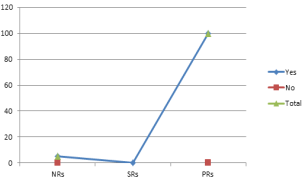
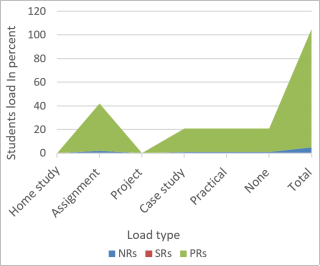
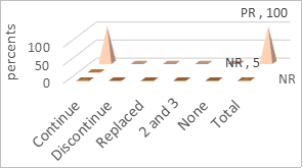
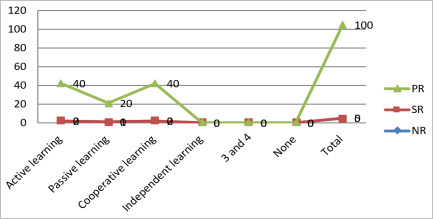
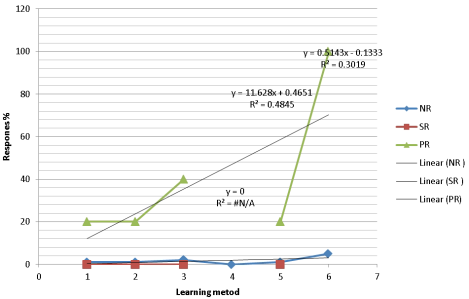
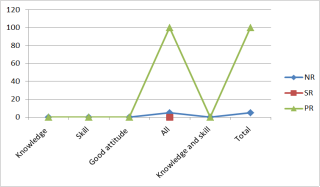
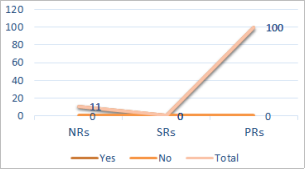
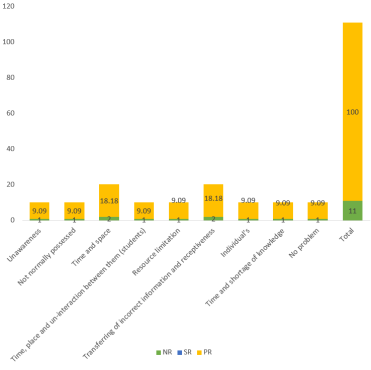
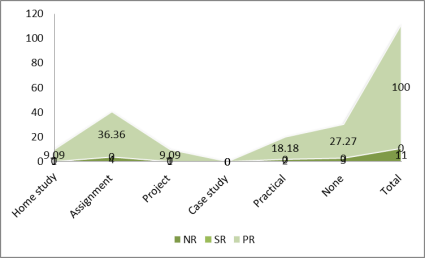
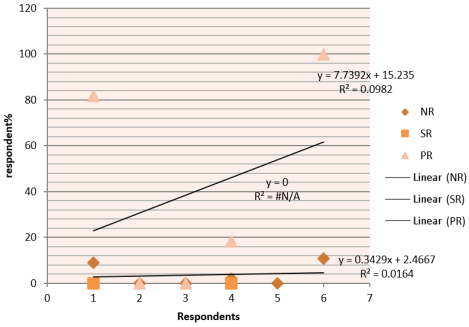
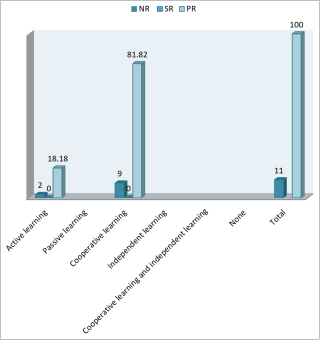
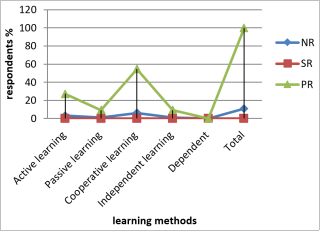
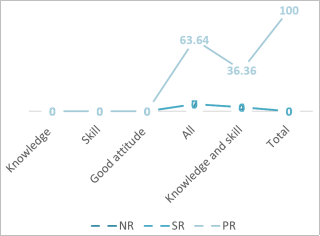
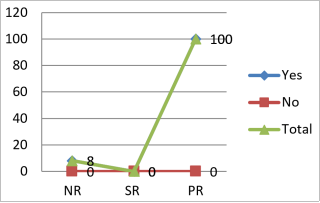
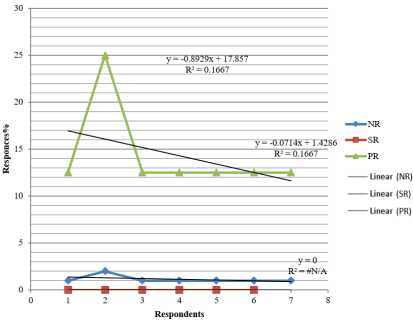
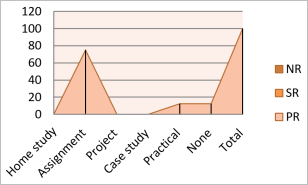
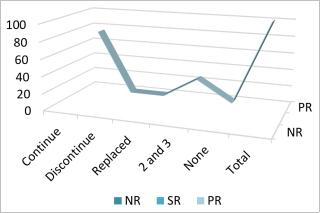
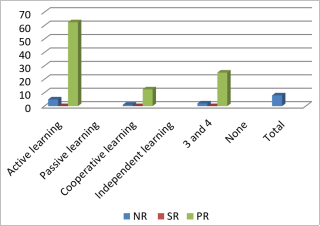
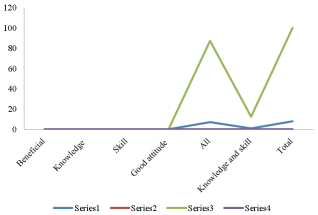
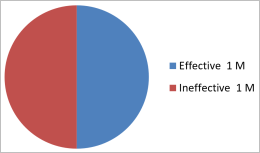
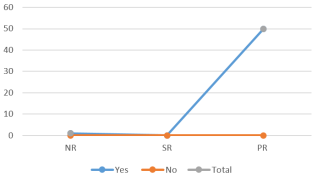
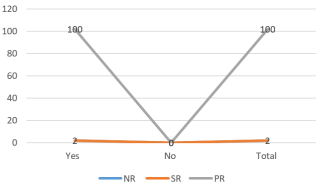
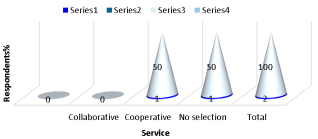
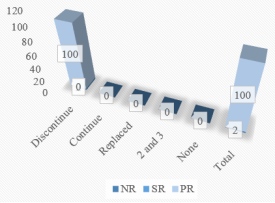
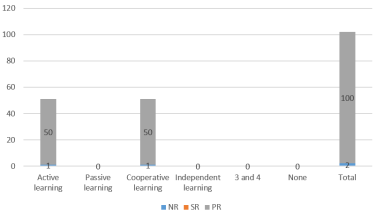
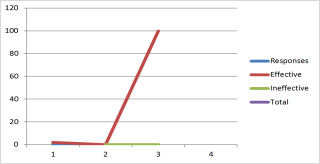
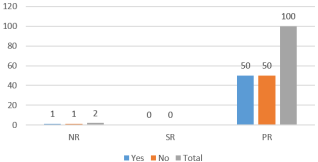
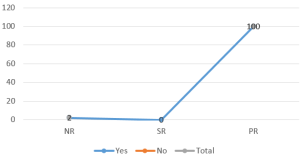
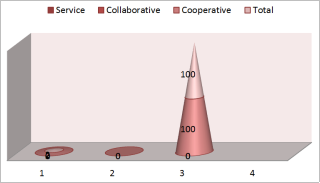
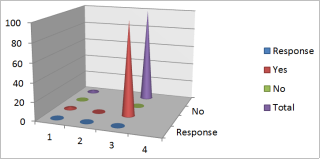
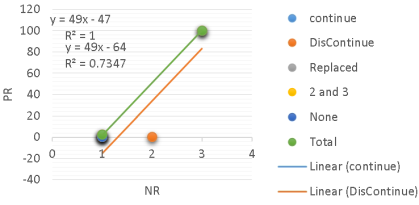
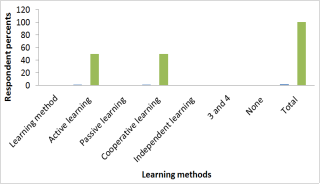
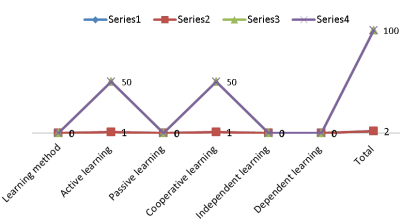
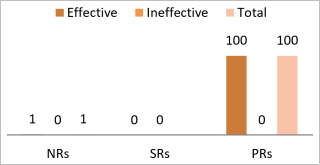
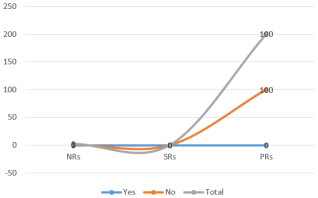
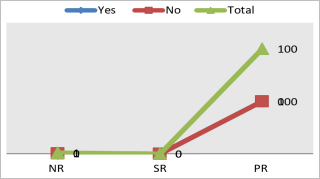
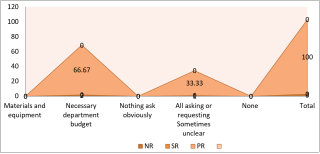
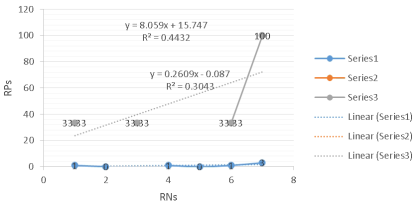



 Share This Article
 Twitter
 Linked In
 Facebook
 Copy
Copy Download