1. Introduction
In the early 2000s, the range of the antiviral agents was supplemented by the original innovative medicinal product Proteflazid® (developed by SMC “Ecopharm” LTD, Kyiv, Ukraine). Proteflazid® exerts the direct antiviral, interferonogenic, immunomodulating, anti-inflammatory, apoptosis-modulating and anti-oxidant effects, and is of great practical importance in the modern public health practice across different age groups of patients. The studies of the medicinal product involved the evaluation of its efficacy and safety in the various pathologies of viral etiology. Proteflazid is a liquid ethanol extract made of the Deschampsia caespitosa L. and Calamagrotis epigeios L. wild grasses. The medicinal product has the original composition containing the flavonoid aglycons (tricine, apigenin, and luteolin). In the following years, based on the drug substance (DS, active pharmaceutical ingredient, API) Proteflazid (hereinafter referred to as Proteflazid), the range of the medicinal products with the following dosage forms were developed: drops, syrup, suppositories, and capsules. In 2018, the site (where the dosage forms based on DS Proteflazid were manufactured with the full cycle) received GMP Certificate.
In 2000‒2024, more than 230 clinical studies (controlled, comparative, randomized, placebo-controlled) were conducted; they confirmed the efficacy and safety of the range of medicinal products based on drug substance Proteflazid (hereinafter: medicinal products Proteflazid
®, drops; Flavovir
®, syrup; Proteflazid
®, suppositories, Flavovir
®, capsules). More than 31 thousand subjects took part in the clinical studies; among them, more than 21 thousand of patients from the different age, social and other groups received medicinal product Proteflazid for etiotropic treatment of viral diseases caused by RNA and DNA viruses
| [1] | Hrynevych OY, editor. (2025) PROTEFLAZID®: Clinical Experience. Kyiv; 478 p. |
| [2] | Matyash V., Hrynevych O., Broun T. (2019) PROTEFLAZID®: Clinical studies as evidence base of its antiviral activity. Polish Medical Journal, XLVI (271): 30-31. |
[1, 2]
. The study results have been published in many scientific international jurnals and in Ukraine. Based on the accumulated clinical results of using the medicinal products with drug substance Proteflazid in the therapy of diseases caused by the viruses of influenza and ARVI, herpes, human papillomavirus, hepatitises and HIV infection, the Ministry of Health of Ukraine issued 20 guidelines and 28 information letters “On innovations in the healthcare system pertinent to the diseases caused by the viruses of influenza and ARVI, herpes, human papillomavirus, hepatitises and HIV infection”. The clinical studies formed the basis for a number of planned research and practical studies conducted by the research institutes of the Academy of Medical Sciences of Ukraine and health care institutions of the Ministry of Health of Ukraine. Some Ph. D. (38) and doctor’s (9) theses were defended on this subject
| [1] | Hrynevych OY, editor. (2025) PROTEFLAZID®: Clinical Experience. Kyiv; 478 p. |
[1]
(
Figure 1).
Figure 1. Clinical studies of dosage forms with drug substance Proteflazid.
As of today, based on the state registration requirements to the medicinal products in Ukraine, Proteflazid
®, drops; Proteflazid
®, suppositories; Flavovir
® syrup and Proteflazid
®, liquid extract (substance) have undergone a complete cycle of the preclinical and clinical studies with the subsequent state authorization (Proteflazid
®, liquid extract (substance) was registered in Ukraine in 2017, Marketing Authorization No. UA/16415/01/01 dated May 31, 2022, No. 901, reregistered in Ukraine, the validity period of the Marketing Authorization in Ukraine is unlimited; Proteflazid
®, drops was registered in Ukraine in 2002, Marketing Authorization No. UA/4220/01/01 dated September 21, 2020, No. 2143, reregistered in Ukraine, the validity period of the Marketing Authorization in Ukraine is unlimited; Flavovir
®, syrup was registered in Ukraine in 2016, Marketing Authorization No. UA/5510/01/01 dated May 25, 2021, No.1032, reregistered in Ukraine, the validity period of the Marketing Authorization in Ukraine is unlimited; Proteflazid
®, suppositories was registered in Ukraine in 2015, Marketing Authorization No. UA/4220/01/01 dated September 30, 2020, No. 2220, reregistered in Ukraine, the validity period of the Marketing Authorization in Ukraine is unlimited). The medicinal products with drug substance (API) Proteflazid belong to the following pharmacotherapeutic group: Direct acting antiviral drugs. ATC code: J05A X
| [1] | Hrynevych OY, editor. (2025) PROTEFLAZID®: Clinical Experience. Kyiv; 478 p. |
[1]
.
It is important to note that in addition to Ukraine, the antiviral product Proteflazid® used in different dosage forms is being actively registered in other countries. As of 2025, Proteflazid has been already registered in Azerbaijan, Belarus, Georgia, Kazakhstan, Kyrgyzstan, Moldova, Uzbekistan and the Republic of Nigeria.
This article pays special attention to the important aspect of the mechanism of action of the innovative products with the drug substance (API) Proteflazid.
4. Review and Discussion
4.1. Direct Antiviral Effect
Drug substance Proteflazid reduces the viral load both
in vitro, and
in vivo of the following viruses: influenza viruses
| [3] | Beketova G., Grynevych O., Solomakha L., Golovnia N. (2018) PROTEFLAZID®: Clinical experience in young and preschool children — systematic review of postmarketing surveillance. Polski Merkuriusz Lekarski, XLV (260): 75-81. |
| [4] | Beketova G., Kuznetsova L., Hrynevych O., Broun T., Momotiuk L., Motuzka O., Yashchenko L. (2021) Analysis of clinical trial results of flavonoid effects on some cellular immunity indicators in children and adults. Polish Medical Journal, XLIX(289): 44-53. |
| [5] | Matyash V. I., Dzeman M. I., Smishchuk Y. O. (2023) ARVI: Choice of etiological therapy for ambulatory patients. Preventive Medicine. Theory and Practice, 3(3): 26-34. |
| [6] | Reznychenko Yu. G., Shevchenko R. L., Bessikalo V. I. et al. (2008) Search for ways to prevent acute respiratory diseases in children living in a large industrial city. Modern Pediatrics, 2(19): 49-50. |
| [7] | Rybalko S. L. (2006) Report on preclinical study of new (therapeutic) forms of PROTEFLAZID on influenza virus models. Institute of Epidemiology and Infectious Diseases L. V. Gromashevsky, Kyiv: 27 p. |
| [8] | Rybalko S. L. (2010) Report on the study of mechanisms of action of biologically-active substances of the therapeutic substance PROTEFLAZID. Institute of Epidemiology and Infectious Diseases L. V. Gromashevsky, Kyiv: 83 p. |
| [9] | Rybalko S. L. (2011) Analysis of antiviral properties of active substances PROTEFLAZID and extrapolation of in vivo doses to humans. Institute of Epidemiology and Infectious Diseases L. V. Gromashevsky, Kyiv: 35 p. |
| [10] | Zarubaev V. V. (2010) Report on experimental study of antiviral efficacy of PROTEFLAZID in relation to influenza A (H1N1) v in animal pneumonia model. Research Institute of Influenza, St. Petersburg: 11 p. |
[3-10]
; adenoviruses
| [11] | Rybalko S. L. (2012) Report on preclinical study of PROTEFLAZID on adenoviral infection model. Institute of Epidemiology and Infectious Diseases L. V. Gromashevsky, Kyiv: 15 p. |
[11]
; enteroviruses
| [12] | Prilutsky A. S., Babenko S. V., Lesnichenko D. A. et al. (2004) Use of interferon inducer for treatment and reduction of contagion in patients with enteroviral infection. Immunology and Allergology, 2: 7. |
[12]
; herpesviruses (types І‒ІІІ)
| [2] | Matyash V., Hrynevych O., Broun T. (2019) PROTEFLAZID®: Clinical studies as evidence base of its antiviral activity. Polish Medical Journal, XLVI (271): 30-31. |
| [13] | Beniuk V., Kuznetsova L., Grynevych O., Broun T., Momotiuk L., Motuzka O., Yashchenko L. (2019) PROTEFLAZID®: outcome analysis of clinical trials studying the impact of human herpesvirus infection on some cellular immunity indicators and gestation course in women. Polish Medical Journal, XLVI (274): 157-164. |
| [14] | Hrynkevych T. P. (2003) Efficacy of domestic drug PROTEFLAZID in the treatment of genital herpes. Visnyk Nauk. Dosl., 4(33): 101. |
| [15] | Kaminsky V. V., Litus O. I., Hrynevych O. I. et al. (2015) PROTEFLAZID®: efficacy and safety in urogenital herpes virus infection (systematic review). Science and Education Studies, 3(2): 705-727. |
| [16] | Kamilov Kh. M. (2012) Assessment of efficacy of PROTEFLAZID in complex therapy of herpetic uveitis. Ophthalmology, 9(2): 62-64. |
| [17] | Kornadskaya A. G. (2015) Report on clinical study “Comparative assessment of efficacy and tolerability of PROTEFLAZID suppositories (Farmex Group LLC) and PROTEFLAZID drops (Phytopharm) in patients with exacerbation of herpes infection.” Institute of Pediatrics, Obstetrics and Gynecology, Kyiv: 81 p. |
| [18] | Kornatskaya A. G. (2013) Open study on tolerability and preliminary efficacy of PROTEFLAZID suppositories in patients with genital herpes in remission. Institute of Pediatrics, Obstetrics and Gynecology, Kyiv: 67 p. |
| [19] | Kramarev S. A. (2012) Report on clinical study of efficacy and tolerability of Flavozid in children with herpesvirus infections. Clinical Immunology. Allergology. Infectology, 4: 1-8. |
| [20] | Kramarev S., Mikhailov V., Hrynevych O. et al. (2016) Meta-Analysis of clinical trials results of efficacy and safety of the drug PROTEFLAZID® in the treatment and prevention of human herpesvirus infection in children. Asian Journal of Scientific and Educational Research, 1(19): 766-783. |
| [21] | Lesovoy S. V. (2006) PROTEFLAZID in therapy of patients with genital herpes. Zdorovye Muzhchiny, 1: 128-131. |
| [22] | Matyash V., Hrynevych O., Panasyuk O. et al. (2015) PROTEFLAZID®: specific activity against Herpes virus in preclinical investigations and its efficacy/safety in clinical practice (systematic review). Yale Review of Education and Science, VI(1): 422-462. |
| [23] | Ministry of Health of Ukraine. (2022) Instructions for medical use of the drug PROTEFLAZID® (PROTEFLAZIDUM®); Approved by Order No. 2143 of 21.09.2020, amended by Order No. 2131 of 25.11.2022. Registration certificate No. UA/4220/01/01. |
| [24] | Nagornaya V. F. (2006) Assessment of efficacy of PROTEFLAZID in suppression therapy schemes for herpes infection in women with habitual miscarriage. Reproductive Health of Women, 1: 88-90. |
| [25] | Rybalko S. L. (2003) Report on research work: Additional preclinical tests of new forms of PROTEFLAZID (Neoflazid). Institute of Epidemiology and Infectious Diseases L. V. Gromashevsky, Kyiv: 68 p. |
| [26] | Sagatova M., Shamsiev F. (2009) Analysis of PROTEFLAZID efficacy in bronchopulmonary pathology in children with herpesvirus infection. Medical Immunology, 11(4-5): 381. |
| [27] | Ventskovsky V., Hrynevych O., Mikhailov V. et al. (2016) PROTEFLAZID® in the treatment and prevention of human herpesvirus infection in pregnant women: a meta-analysis of clinical trials results. American Journal of Science and Technologies, 1(21): 983-1002. |
| [28] | Yulish Ye. I., Hrynevych O. Y., Abaturov A. Ye., Matyash V. I., Panasyuk O. L., Solomakha L. M. (2015) Flavozid®: specific antiviral activity, clinical efficacy and safety in herpesvirus infection in children (systematic review). London Review of Education and Science, 2(18): 66-89. |
| [29] | Zavidnyuk N. G. (2006) Therapeutic efficacy of interferon inducers in patients with herpes zoster and chickenpox. Thesis, Kyiv: 19 p. |
| [30] | Zhebrun A. B. (2009) Report on clinical study “Efficacy of PROTEFLAZID in therapy of genital herpes.” Pasteur Institute of Epidemiology, St. Petersburg: 12 p. |
[2, 13-30]
; hepatitis C and B viruses
| [2] | Matyash V., Hrynevych O., Broun T. (2019) PROTEFLAZID®: Clinical studies as evidence base of its antiviral activity. Polish Medical Journal, XLVI (271): 30-31. |
| [31] | Kryuchko T. A. (2006) Application of PROTEFLAZID in complex therapy of children with chronic hepatitis C. Reproductive Health of Women, 2(26): 200-203. |
| [32] | Kryuchko T. A., Nesina I. N., Abd Ellal M. (2005) On pharmacotherapy of children with chronic viral hepatitis B. Theses of the Scientific-Practical Conference, Donetsk State Medical University, Donetsk: 7. |
| [33] | Kryuchko T. O., Nesina I. M. (2006) Application of endogenous interferon inducer in treatment protocols for children with chronic hepatitis B. Modern Pediatrics, 2(11): 102-105. |
| [34] | Matyash V. I., Bobrova I. A. (2004) Evaluation of the therapeutic efficacy of PROTEFLAZID in acute and chronic viral hepatitis B. Nova Meditsyna, 6(17): 36-39. |
| [35] | Matyash V. I., Hrynevych O. Y., Yashchenko L. O. (2024) Viral hepatitis: Statistical analysis of clinical studies on the efficacy of PROTEFLAZID. Preventive Medicine. Theory and Practice, 3(7): 36-45. |
| [36] | Matyash V. I., Vlasik T. L., Shevchuk V. G. et al. (2002) Application of the new antiviral drug PROTEFLAZID in the treatment of hepatitis C. Proceedings of the VI Congress of Infectious Disease Specialists of Ukraine, Odesa: 326-327. |
| [37] | Nartov P. V. (2003) PROTEFLAZID in the complex therapy of patients with acute viral hepatitis B. Proceedings of the Scientific-Practical Conference, Kharkiv: 2 p. |
| [38] | Pechenka A. M., Hrynevych A. Y., Kryuchko T. A. et al. (2015) PROTEFLAZID: Specific activity against hepatitis C virus in preclinical studies; efficacy and safety in the treatment of hepatitis B and C in clinical practice (systematic review). Clinical Infectology and Parasitology, 2(13): 80-99. |
| [39] | Porva Y. I. (2010) Modeling of hepatitis C virus infection in vitro and study of antiviral activity of flavonoid and ellagotannin group drugs. Thesis, Odesa: 25 p. |
| [40] | Rybako S. L. (2004) Report on additional preclinical tests of PROTEFLAZID on the hepatitis virus model. Institute of Epidemiology and Infectious Diseases L. V. Gromashevsky, Kyiv: 54 p. |
[2, 31-40]
; Epstein-Barr viruses
| [41] | Chopyak V. V., Potyomkina H. O., Valchuk I. V. et al. (2008) The efficacy of monotherapy with PROTEFLAZID in the treatment of patients with chronic EBV infection in the reactivation stage. Immunology and Allergology, 1: 5. |
| [42] | Hrynevych O., Kramarev S., Matyash V. et al. (2015) PROTEFLAZID®: Specific activity in Epstein-Barr virus infection in a preclinical study; efficacy and safety in the clinic (systematic review). Japanese Educational and Scientific Review, 1(9): 113-126. |
[41, 42]
; human papilloma viruses
| [15] | Kaminsky V. V., Litus O. I., Hrynevych O. I. et al. (2015) PROTEFLAZID®: efficacy and safety in urogenital herpes virus infection (systematic review). Science and Education Studies, 3(2): 705-727. |
| [43] | Abdiraimova R. B. (2013) PROTEFLAZID in the treatment of urogenital papillomavirus infections. Bulletin of the South Kazakhstan Pharmaceutical Academy, 1(62): 129-131. |
| [44] | Benyuk V. O., Heryak S. M., Honcharenko V. M., Hrynevych O. Y. et al. (2024) Effective experience in the treatment of diseases caused by human papillomavirus in women of reproductive age. Reproductive Health of Women, 8(79): 61-68. |
| [45] | Hrynevych OY. (2025) Human papillomavirus: problems and prospects for women’s reproductive health (systematic review). Polski Merkuriusz Lekarski, 53(4): 546-554.
https://doi.org/10.36740/Merkur202504117 |
| [46] | Kaminsky V., Chernyshov V., Hrynevych O., Benyuk V., Kornatskaya A., Shalko M., Usevich I., Revenko O., Shepetko M., Solomakha L. (2017) PROTEFLAZID® and local immunity in diseases caused by human papillomavirus, herpesvirus and mixed urogenital infections. Polski Merkuriusz Lekarski, XLII (249): 110-115. |
| [47] | Kaminsky V. V. (2015) Comparative assessment of the efficacy and safety of PROTEFLAZID suppositories (Farmex Group LLC) and PROTEFLAZID drops (Phytopharm) in patients with cervical epithelial dysplasia due to papillomavirus infection. National Medical Academy of Postgraduate Education, Kyiv: 78 p. |
| [48] | Kaminsky V. V., Hrynevych A. Y., Novik A. M., Rybal’ko S. L. (2015) Found an effective means of treating patients with cervical dysplasia on the background of papillomavirus infection. Medical Aspects of Women's Health, 5(91): 59-61. |
| [49] | Kaminsky V. V., Shalko M. M., Hrynevych O. Y. (2015) Comparative efficacy and safety of PROTEFLAZID suppositories and drops in patients with cervical epithelial dysplasia due to papillomavirus infection. Ukrainian Medical Journal, 4(108): 57-59. |
| [50] | Kaminsky V. V., Shalko M. M., Vorobyova L. I., Romashchenko O. V., Hrynevych O. Y. (2015) PROTEFLAZID®: specific activity in preclinical studies, efficacy and safety in clinical practice in diseases caused by human papillomavirus (systematic review). Zdorovye Zhenshchiny, 3(99): 122-132. |
| [51] | Kaminsky V. V., Shalko M. N., Mikhailov V. S., Lesnikova M. V., Yashchenko L. A., Hrynevych A. Y., Broun T. A. (2015) Assessment of efficacy of PROTEFLAZID in treatment of papillomavirus infection: meta-analysis of clinical research results. Medical Aspects of Women's Health, 6(92): 5-14. |
| [52] | Lesovoy S. V. (2006) Efficacy of PROTEFLAZID in complex therapy of patients with urogenital papillomavirus infection. Zdorovye Muzhchiny, 2: 130-133. |
| [53] | Rybalko S. L. (2011) Modeling of papillomavirus infection in vitro and study of the effect of PROTEFLAZID on the reproduction of human papillomavirus. Proceedings of the II International Symposium, St. Petersburg: 29-31. |
| [54] | Spivak M. Ya., Rybalko S. L., Starosyla D. B., Zavelevich M. P., Oleksienko I. P., Dyadyun S. T., Rudenko A. V., Atamanyuk V. P. (2018) Evaluation of the effect of the flavonoid-containing drug Proteflazid on models of papillomavirus infection in vitro. Reports of the National Academy of Sciences of Ukraine, 10: 103-111. |
| [55] | Vakulenko H. A., Kokhanevych E. V. (2003) Ways to optimize the treatment of cervical pathology. Zdorovye Zhenshchiny, 1(13): 50-52. |
| [56] | Voloshyna N. N. (2004) Clinical and morphological evaluation of the efficacy of PROTEFLAZID in the treatment of patients with cervical intraepithelial neoplasia. Supplement to the journal Oncology, 3(6): 1. |
| [57] | Zaporozhan V. M. (2014) Use of flavonoid glycosides in the treatment of genital papillomavirus infection in women. Journal of Health Sciences, 4(12): 93-104. |
[15, 43-57]
; cytomegaloviruses
| [58] | Prilutsky A. S. (2004) Application of interferon inducer for reduction of virus shedding in cytomegalovirus infection. Immunology and Allergology, 2: 7-8. |
| [59] | Turlybekova S. S. (2011) PROTEFLAZID in the complex therapy of congenital cytomegalovirus infection. Valeology, 2: 164-166. |
[58, 59]
; HIV
| [60] | Trokhymchuk T. Yu., Zavelevych M. P., Rybal’ko S. L., Hrynevych A. Y. et al. (2014) PROTEFLAZID: Antiretroviral activity. Materials of the X International Scientific and Practical conference “Prospects of World Science -2014”, 7: 30-38. |
[60]
; SARS-CoV-2
| [5] | Matyash V. I., Dzeman M. I., Smishchuk Y. O. (2023) ARVI: Choice of etiological therapy for ambulatory patients. Preventive Medicine. Theory and Practice, 3(3): 26-34. |
| [42] | Hrynevych O., Kramarev S., Matyash V. et al. (2015) PROTEFLAZID®: Specific activity in Epstein-Barr virus infection in a preclinical study; efficacy and safety in the clinic (systematic review). Japanese Educational and Scientific Review, 1(9): 113-126. |
| [61] | Abian O., Ortega-Alarcon D., Jimenez-Alesanco A. et al. (2020) Structural stability of SARS-CoV-2 3CLpro and identification of quercetin as an inhibitor by experimental screening. International Journal of Biological Macromolecules, 164: 1693-1703. https://doi.org/10.1016/j.ijbiomac.2020.07.235 |
| [62] | Chaban T. V., Kharitonyuk R. O., Hrynevych O. Y., Bocharov V. M., Maksymchuk G. V., Zolotukhina Yu. O. (2024) FLAVOVIR® (capsules): Efficacy in COVID-19. Preventive Medicine. Theory and Practice, 4(8): 48-59. |
| [63] | Chien-Te Kent Tseng, Drelich A. K. (2021) The efficacy assessment of new compound against SARS-CoV-2 infection in in vitro models (PROJECT #74908). Galveston National Laboratory, USA: 1-4. |
| [64] | Deryabin O. N., Zavelevich M. P., Starosyla D. B. et al. (2020) Natural polyphenols as inhibitors of coronavirus interaction with cells: literature review and experimental data. Ukrainian Medical Journal, 3(137): 1-5. |
| [65] | Hrynevych O. Y., Panasyuk O. L., Borshov S. P., Matyash V. I. (2021) PROTEFLAZID® vs COVID-19: Research progress. Ukrainian Medical Journal, 5: 47-50. |
| [66] | Hrynevych O., Borshov S., Matyash V., Momotiuk L., Motuzka O., Yashchenko L. (2021) PROTEFLAZID® effectiveness for prevention and treatment of acute viral respiratory infections in the conditions of COVID-19 and SARS-CoV-2. Polish Medical Journal, XLIX (292): 255-265. |
| [67] | Karamuska T. (2020) Interim report “Evaluation of the antiviral activity of a test item against SARS-CoV-2 in vitro in Vero E6 cells”. IRTA-CreSA Universitat Autonoma de Barcelona, Spain: 8 p. |
| [68] | Lee C. (2018) Therapeutic modulation of virus-induced oxidative stress via the Nrf2-dependent antioxidative pathway. Oxidative Medicine and Cellular Longevity, 2018: 6208067.
https://doi.org/10.1155/2018/6208067 |
| [69] | Li F. (2012) Evidence for a common evolutionary origin of coronavirus spike protein receptor-binding subunits. Journal of Virology, 86: 2856-2858.
https://doi.org/10.1128/JVI.06882-11 |
| [70] | Luzhetskyy A. (2020) Report on the activity of PROTEFLAZIDUM against human coronavirus CoV229E. Helmholtz Centre for Infection Research, University of Saarland, Germany: 2 p. |
| [71] | McCord J. M., Hybertson B. M., Cota-Gomez A., Gao B. (2020) Nrf2 Activator PB125® as a Potential Therapeutic Agent Against COVID-19. bioRxiv.
https://doi.org/10.1101/2020.04.16.044164 |
| [72] | Mendonca P., Soliman K. F. A. (2020) Flavonoids activation of the transcription factor Nrf2 as a hypothesis approach for the prevention and modulation of SARS-CoV-2 infection severity. Antioxidants, 9: 659. https://doi.org/10.3390/antiox9080659 |
| [73] | Nguyen T. T., Woo H. J., Kang H. K. et al. (2012) Flavonoid-mediated inhibition of SARS coronavirus 3C-like protease expressed in Pichia pastoris. Biotechnology Letters, 34: 831-838.
https://doi.org/10.1007/s10529-012-0849-2 |
| [74] | Silva-Palacios A., Ostolga-Chavarria M., Zazueta C., Konigsberg M. (2018) Nrf2: Molecular and epigenetic regulation during aging. Ageing Research Reviews, 47: 31-40.
https://doi.org/10.1016/j.arr.2018.06.005 |
| [75] | Theoharides T. C. (2020) COVID-19, pulmonary mast cells, cytokine storms, and beneficial actions of luteolin. BioFactors, 1-3. https://doi.org/10.1002/biof.1633 |
| [76] | Wang M. M., Lu M., Zhang C. L. et al. (2018) Oxidative stress modulates the expression of toll-like receptor 3 during respiratory syncytial virus infection in human lung epithelial A549 cells. Molecular Medicine Reports, 18: 1867-1877.
https://doi.org/10.3892/mmr.2018.9141 |
| [77] | Wrapp D., Wang N., Corbett K. S. et al. (2020) Cryo-EM structure of the 2019-nCoV spike in the prefusion conformation. Science, 367: 1260-1263.
https://doi.org/10.1126/science.abb2507 |
| [78] | Zakaryan H., Arabyan E., Oo A., Zandi K. (2017) Flavonoids: Promising natural compounds against viral infections. Archives of Virology, 162: 2539-2551.
https://doi.org/10.1007/s00705-017-3417-y |
[5, 42, 61-78]
and in the mixed viral and bacterial infections
| [79] | Benyuk V. O., Grinevich O. I., Usevich I. A., Sikachova I. S., Shepetko M. V. (2016) Therapeutic efficacy of PROTEFLAZID suppositories in mixed urogenital viral-bacterial infection. Zdorovye Zhenshchiny, 2: 162-166. |
| [80] | Benyuk V. A., Kuvita Y. V., Hrynevych A. Y., Tonkovid O. B., Usevich I. A., Neymark O. S. (2014) PROTEFLAZID®: Meta-analysis of clinical research results on efficacy and safety in pregnant women. Zdorovye Zhenshchiny, 7(93): 166-176. |
| [81] | Lesovoy V. N., Yakovleva E. V. (2005) Application of PROTEFLAZID in complex therapy of patients with urogenital chlamydia and ureaplasmosis. Zdorovye Muzhchiny, 3: 165-168. |
[79-81]
(
Figure 2).
Figure 2. Proteflazid reduces the viral load both in vitro and in vivo.
DS Proteflazid decreases the viral load value (of DNA and RNA viruses). It should be noted that the viral load value correlates with the severity of the infectious process: the higher the level of the viral load, the higher the severity of the process. The parameter has the prognostic significance: its increase over time is associated with the significantly increased risk of disease. The parameter is used to assess the treatment efficacy. The low values of the parameter during therapy are prognostically favorable, the high values are unfavorable. The antiviral effect of medicinal product Proteflazid is associated with the inhibition of DNA and RNA virus replication both
in vitro, and
in vivo. It has been proven that the mechanism of the direct antiviral effect involves the inhibition of the virus-specific enzymes — DNA and RNA polymerases, thymidine kinase, reverse transcriptase, 3СL protease, and neuraminidase (
Figure 3).
Figure 3. Mechanism of DS Proteflazid direct antiviral effect on DNA and RNA viruses.
During the preclinical and clinical studies, the antiviral effect of the medicinal product against DNA and RNA viruses was identified and proven
| [1] | Hrynevych OY, editor. (2025) PROTEFLAZID®: Clinical Experience. Kyiv; 478 p. |
| [2] | Matyash V., Hrynevych O., Broun T. (2019) PROTEFLAZID®: Clinical studies as evidence base of its antiviral activity. Polish Medical Journal, XLVI (271): 30-31. |
| [5] | Matyash V. I., Dzeman M. I., Smishchuk Y. O. (2023) ARVI: Choice of etiological therapy for ambulatory patients. Preventive Medicine. Theory and Practice, 3(3): 26-34. |
[1, 2, 5]
.
As for the influenza viruses, the detected property of DS Proteflazid to not only inhibit the neuraminidase activity, but also (unlike other antiviral products of this class recommended for the treatment of influenza) to suppress the intracellular replication of influenza viruses by inhibiting the synthesis of virus-specific enzymes — thymidine kinase and RNA polymerase — is important, i.e. the medicinal product has a poly-target mechanism of the direct antiviral action. Another significant difference between medicinal products with DS Proteflazid and influenza neuraminidase inhibitors (especially in the epidemic periods, as the influenza accounts for only 6% to 10% of ARVI patients in the incidence pattern) is that DS Proteflazid — due to the broad spectrum of the direct antiviral effect — is able to inhibit the replication of not only influenza viruses, but also other RNA and DNA viruses that are in the list of seasonal ARVI
| [1] | Hrynevych OY, editor. (2025) PROTEFLAZID®: Clinical Experience. Kyiv; 478 p. |
| [2] | Matyash V., Hrynevych O., Broun T. (2019) PROTEFLAZID®: Clinical studies as evidence base of its antiviral activity. Polish Medical Journal, XLVI (271): 30-31. |
| [5] | Matyash V. I., Dzeman M. I., Smishchuk Y. O. (2023) ARVI: Choice of etiological therapy for ambulatory patients. Preventive Medicine. Theory and Practice, 3(3): 26-34. |
[1, 2, 5]
including the viruses resistant to the antiviral products with a single antiviral mechanism of action.
DS Proteflazid property to block the replication of RNA and DNA viruses was revealed more than 15 years ago and was used as the basis for the theoretical justification of studying the active substance due to its specific antiviral activity against the coronavirus family, as the scientists around the world are now actively searching for the medicinal products — inhibitors of RNA polymerase and 3CL-like protease of SARS-CoV-2 viruses. It is known that the active targets of the antiviral products with the effects on SARS-CoV-2 coronavirus replication processes may be: RNA polymerase, 3CL-like protease, and transcription factor Nrf2 (
Figure 4)
| [65] | Hrynevych O. Y., Panasyuk O. L., Borshov S. P., Matyash V. I. (2021) PROTEFLAZID® vs COVID-19: Research progress. Ukrainian Medical Journal, 5: 47-50. |
| [66] | Hrynevych O., Borshov S., Matyash V., Momotiuk L., Motuzka O., Yashchenko L. (2021) PROTEFLAZID® effectiveness for prevention and treatment of acute viral respiratory infections in the conditions of COVID-19 and SARS-CoV-2. Polish Medical Journal, XLIX (292): 255-265. |
[65, 66]
.
Figure 4. DS Proteflazid inhibits the synthesis of virus-specific enzymes (3CL protease, RNA polymerase) and activates Nrf2 transcription factor of SARS-CoV-2 viruses.
At the beginning of 2020, it was demonstrated in the articles of Chinese, Korean and Ukrainian scientists that flavonoids contained in Proteflazid inhibit the activity of 3C-like protease and bind ACE-2 (angiotensin-converting enzyme-2), which acts as a receptor to the coronavirus surface spike glycoprotein facilitating the virus entry into the human cells
| [61] | Abian O., Ortega-Alarcon D., Jimenez-Alesanco A. et al. (2020) Structural stability of SARS-CoV-2 3CLpro and identification of quercetin as an inhibitor by experimental screening. International Journal of Biological Macromolecules, 164: 1693-1703. https://doi.org/10.1016/j.ijbiomac.2020.07.235 |
| [64] | Deryabin O. N., Zavelevich M. P., Starosyla D. B. et al. (2020) Natural polyphenols as inhibitors of coronavirus interaction with cells: literature review and experimental data. Ukrainian Medical Journal, 3(137): 1-5. |
| [65] | Hrynevych O. Y., Panasyuk O. L., Borshov S. P., Matyash V. I. (2021) PROTEFLAZID® vs COVID-19: Research progress. Ukrainian Medical Journal, 5: 47-50. |
[61, 64, 65]
.
In early 2020, the preclinical studies using the molecular docking method demonstrated that Proteflazid was well positioned in the catalytic pocket of 3CL protease of SARS-CoV-2 coronavirus forming the hydrogen bonds with 144 Ser, Gly 143 residues being located between His 163, Asn 142 and Cys 145 catalytic residues, and hydrogen bonds with two catechol hydroxyls with Glu 166 residue indicating the inhibition of 3CL protease activity of SARS-Cov-2 coronavirus. The preclinical studies of Proteflazid revealed that Proteflazid was an inhibitor of RNA and DNA polymerase of influenza viruses and ARVI
| [64] | Deryabin O. N., Zavelevich M. P., Starosyla D. B. et al. (2020) Natural polyphenols as inhibitors of coronavirus interaction with cells: literature review and experimental data. Ukrainian Medical Journal, 3(137): 1-5. |
[64]
.
Materials of the research and experimental work of specialists from the State Institution “L. V. Hromashevskyi Institute of Epidemiology and Infectious Diseases of the Academy of Medical Sciences of Ukraine” showed that Proteflazid had a high antiviral activity
in vitro using the model with the transmissible gastroenteritis (“distant relative” of porcine coronavirus) inhibiting the replication of RNA-containing coronavirus (efficacy was confirmed using two cell cultures) — structurally similar to the human coronavirus — by 1,000,000 times or 6 logarithms
| [64] | Deryabin O. N., Zavelevich M. P., Starosyla D. B. et al. (2020) Natural polyphenols as inhibitors of coronavirus interaction with cells: literature review and experimental data. Ukrainian Medical Journal, 3(137): 1-5. |
[64]
.
The German Helmholtz Centre for Infection Research (Germany) investigated the specific antiviral activity of Proteflazid
in vitro against human coronavirus CoV-229E. The evaluation of bioluminescence (Dual Luciferase Reporter Gene Assay) demonstrated that Proteflazid significantly inhibited the replication of CoV-229E virus
| [70] | Luzhetskyy A. (2020) Report on the activity of PROTEFLAZIDUM against human coronavirus CoV229E. Helmholtz Centre for Infection Research, University of Saarland, Germany: 2 p. |
[70]
.
The Animal Health Research Centre (IRTA-CreSA, Autonomous University of Barcelona, Spain) investigated the specific antiviral activity of Proteflazid against SARS-CoV-2 coronavirus (isolated from 89-year-old patient with COVID-19)
in vitro using Vero E6 cell culture. Proteflazid demonstrated the high antiviral activity against SARS-CoV-2
| [67] | Karamuska T. (2020) Interim report “Evaluation of the antiviral activity of a test item against SARS-CoV-2 in vitro in Vero E6 cells”. IRTA-CreSA Universitat Autonoma de Barcelona, Spain: 8 p. |
[67]
.
The USA researchers from the laboratory (specializing in SARS/MERS/COVID-19 (P-3) viruses) of the Department of Microbiology and Immunology of Center of Biosecurity and Emerging Diseases (Galveston National Laboratory, University of Texas Medical Branch, Galveston, USA) conducted
in vitro studies using African green monkey kidney cell cultures (Vero E6) and human pulmonary adenocarcinoma cells with ACE2 receptor (A549/ACE2) and demonstrated that Proteflazid was capable to prevent the virus-induced cytopathic effect caused by SARS-CoV-2 (USA-WA-1/2020 isolate), and ensure 100% antiviral protection against the cell damage caused by SARS-CoV-2 virus
| [63] | Chien-Te Kent Tseng, Drelich A. K. (2021) The efficacy assessment of new compound against SARS-CoV-2 infection in in vitro models (PROJECT #74908). Galveston National Laboratory, USA: 1-4. |
[63]
.
The published research studies confirm that flavonoids, apigenin and luteolin (components of API Proteflazid) activate the transcription factor Nrf2, thereby reducing the expression of angiotensin-converting enzyme (ACE-2, angiotensin-converting enzyme-2) receptors in the human respiratory epithelial cells and prevent the virus entry into epithelial cells blocking SARS-CoV-2 viral replication, and protecting cells from oxidative stress and inflammation, thus reducing the severity of the disease caused by the SARS-CoV-2 virus and, as a result, reducing the probability of the acute respiratory distress syndrome
| [68] | Lee C. (2018) Therapeutic modulation of virus-induced oxidative stress via the Nrf2-dependent antioxidative pathway. Oxidative Medicine and Cellular Longevity, 2018: 6208067.
https://doi.org/10.1155/2018/6208067 |
| [69] | Li F. (2012) Evidence for a common evolutionary origin of coronavirus spike protein receptor-binding subunits. Journal of Virology, 86: 2856-2858.
https://doi.org/10.1128/JVI.06882-11 |
| [71] | McCord J. M., Hybertson B. M., Cota-Gomez A., Gao B. (2020) Nrf2 Activator PB125® as a Potential Therapeutic Agent Against COVID-19. bioRxiv.
https://doi.org/10.1101/2020.04.16.044164 |
| [74] | Silva-Palacios A., Ostolga-Chavarria M., Zazueta C., Konigsberg M. (2018) Nrf2: Molecular and epigenetic regulation during aging. Ageing Research Reviews, 47: 31-40.
https://doi.org/10.1016/j.arr.2018.06.005 |
| [76] | Wang M. M., Lu M., Zhang C. L. et al. (2018) Oxidative stress modulates the expression of toll-like receptor 3 during respiratory syncytial virus infection in human lung epithelial A549 cells. Molecular Medicine Reports, 18: 1867-1877.
https://doi.org/10.3892/mmr.2018.9141 |
| [77] | Wrapp D., Wang N., Corbett K. S. et al. (2020) Cryo-EM structure of the 2019-nCoV spike in the prefusion conformation. Science, 367: 1260-1263.
https://doi.org/10.1126/science.abb2507 |
| [78] | Zakaryan H., Arabyan E., Oo A., Zandi K. (2017) Flavonoids: Promising natural compounds against viral infections. Archives of Virology, 162: 2539-2551.
https://doi.org/10.1007/s00705-017-3417-y |
[68, 69, 71, 74, 76-78]
.
Based on the published data, flavonoid luteolin (one of the components of API Proteflazid) has the broad spectrum of antiviral activity. Luteolin is specifically bound to the surface spike protein of the SARS-CoV-2 coronavirus and inhibits the virus entry into the human cells. Luteolin also exerts the anti-inflammatory effect
| [73] | Nguyen T. T., Woo H. J., Kang H. K. et al. (2012) Flavonoid-mediated inhibition of SARS coronavirus 3C-like protease expressed in Pichia pastoris. Biotechnology Letters, 34: 831-838.
https://doi.org/10.1007/s10529-012-0849-2 |
| [75] | Theoharides T. C. (2020) COVID-19, pulmonary mast cells, cytokine storms, and beneficial actions of luteolin. BioFactors, 1-3. https://doi.org/10.1002/biof.1633 |
[73, 75]
.
In its turn, another flavonoid that is an ingredient of Proteflazid, tricin (the main component) is capable to inhibit the activity of viral enzymes (polymerase and protease) by blocking the replication of RNA and DNA viruses. It has been shown to effectively reduce the viral load in infections caused by the influenza viruses, herpesviruses, coronaviruses, etc.
| [78] | Zakaryan H., Arabyan E., Oo A., Zandi K. (2017) Flavonoids: Promising natural compounds against viral infections. Archives of Virology, 162: 2539-2551.
https://doi.org/10.1007/s00705-017-3417-y |
| [82] | Lee JC, Tseng CK, Wu YH, et al. (2017) Tricin, a flavonoid, inhibits influenza virus replication and modulates immune response. Journal of Agricultural and Food Chemistry, 65(1): 10-20. https://doi.org/10.1021/acs.jafc.6b04989 |
| [83] | Yazawa K, Kurokawa M, Obuchi M, Li Y, Yamada R, Sadanari H, et al. (2011) Anti-Influenza Virus Activity of Tricin, 4′,5,7-trihydroxy-3′,5′-dimethoxyflavone. Intervirology, 54(1): 1–9.
https://doi.org/10.3851/IMP1782 |
[78, 82, 83]
. Tricin has been shown to reduce the production of pro-inflammatory cytokines helping to control the excessive immune response to the viral infections (e.g., the so-called “cytokine storm”)
| [73] | Nguyen T. T., Woo H. J., Kang H. K. et al. (2012) Flavonoid-mediated inhibition of SARS coronavirus 3C-like protease expressed in Pichia pastoris. Biotechnology Letters, 34: 831-838.
https://doi.org/10.1007/s10529-012-0849-2 |
[73]
. Tricin stimulates the production of interferons, the natural antiviral proteins that increase the body's resistance to viruses. Tricin has been found to protect the cells from the oxidative stress associated with the viral infections, thus reducing the cell damage
| [72] | Mendonca P., Soliman K. F. A. (2020) Flavonoids activation of the transcription factor Nrf2 as a hypothesis approach for the prevention and modulation of SARS-CoV-2 infection severity. Antioxidants, 9: 659. https://doi.org/10.3390/antiox9080659 |
[72]
. In the preclinical settings, tricine has shown the pronounced antiviral activity in cell cultures inhibiting influenza A virus replication and reducing virus-induced cell apoptosis
| [82] | Lee JC, Tseng CK, Wu YH, et al. (2017) Tricin, a flavonoid, inhibits influenza virus replication and modulates immune response. Journal of Agricultural and Food Chemistry, 65(1): 10-20. https://doi.org/10.1021/acs.jafc.6b04989 |
[82]
. The flavonoids, particularly tricin, inhibit the viral attachment and entry into the target cells and reduce the symptom severity in the preclinical models
. Tricine has been shown to have a potential inhibitory effect on the 3CLpro protease of SARS-CoV-2 blocking the viral replication at the cellular level
| [73] | Nguyen T. T., Woo H. J., Kang H. K. et al. (2012) Flavonoid-mediated inhibition of SARS coronavirus 3C-like protease expressed in Pichia pastoris. Biotechnology Letters, 34: 831-838.
https://doi.org/10.1007/s10529-012-0849-2 |
[73]
.
A specific situation with the ARVI treatment has been observed in the recent years, when the pandemic coronavirus — SARS-CoV-2 and its varieties — has spread around the world. From February 2020, prior to WHO statement of pandemic, pharmacological company Ecopharm initiated its own humanitarian action to protect the medical staff in the clinics admitting SARS-CoV-2-infected patients and provided more than 30 thousand vials of medicinal product PROTEFLAZID
® (drops) at no cost to more than 140 hospitals involved in providing care to the patients with COVID-19. The volume of charitable assistance and reports on the using the medicinal product PROTEFLAZID
® obtained from the healthcare institutions allowed summarizing the experience of the preventive and therapeutic use of medicinal product PROTEFLAZID
® directly in COVID-19 patients. The National Academy of Statistics, Accounting and Audit of Ukraine analyzed the reports from the healthcare institutions about the results of using medicinal product PROTEFLAZID
®. The reports from the healthcare institutions outlined that the medical staff was in contact with the potential COVID-19 patients and had the high risk of exposure to the coronavirus infection
| [65] | Hrynevych O. Y., Panasyuk O. L., Borshov S. P., Matyash V. I. (2021) PROTEFLAZID® vs COVID-19: Research progress. Ukrainian Medical Journal, 5: 47-50. |
| [66] | Hrynevych O., Borshov S., Matyash V., Momotiuk L., Motuzka O., Yashchenko L. (2021) PROTEFLAZID® effectiveness for prevention and treatment of acute viral respiratory infections in the conditions of COVID-19 and SARS-CoV-2. Polish Medical Journal, XLIX (292): 255-265. |
[65, 66]
. In total, 8,572 persons administered the medicinal product PROTEFLAZID
® for preventive purpose in the specified period; they included 7,444 health care workers and 1,128 patients. The total number of persons who received the medicinal product PROTEFLAZID
® for the purpose of treatment was 433 subjects. In total, 9,005 persons (including the medical staff and patients) used the medicinal product PROTEFLAZID
® (drops) for the purpose of prevention and treatment. The statistical parameter “Number of fatal cases” among the patients and staff of the healthcare institutions was “0”. In general, in comparison with the official data on COVID-19, among the persons who used the medicinal product PROTEFLAZID
®: — there were no fatal cases; — proportion of sick medical staff in the healthcare institutions was decreased by 2.2; — proportion of patients with the severe disease was decreased by 3.3; — mean treatment period was decreased by 1.8.
It has been determined in recent years that the mechanism of the direct antiviral action of the medicinal product PROTEFLAZID
® used in the acute respiratory viral infection associated with COVID-19 was attributable to: a) inhibition of activity of 3С-like protease that is essentially important for replication of SARS-CoV-2 virus; b) inhibition of RNA polymerase needed for replication of SARS-CoV-2 virus; c) activation of transcription factor Nrf2 that reduces the expression of angiotensin-converting enzyme 2 receptors in the respiratory epithelial cells preventing the virus from entering the lung epithelial cells and suppressing SARS-CoV-2 virus replication thus protecting body cells from the oxidative stress and inflammation, reducing the probability of the acute respiratory distress syndrome. That is, the medicinal product PROTEFLAZID
® has a poly-target (multi-target) mechanism of the direct and indirect antiviral effect on SARS-CoV-2 coronavirus and inhibits the pathogenic processes caused by the viral infection (antioxidant, anti-inflammatory, apoptosis-modulating and immunomodulating effects)
| [65] | Hrynevych O. Y., Panasyuk O. L., Borshov S. P., Matyash V. I. (2021) PROTEFLAZID® vs COVID-19: Research progress. Ukrainian Medical Journal, 5: 47-50. |
| [66] | Hrynevych O., Borshov S., Matyash V., Momotiuk L., Motuzka O., Yashchenko L. (2021) PROTEFLAZID® effectiveness for prevention and treatment of acute viral respiratory infections in the conditions of COVID-19 and SARS-CoV-2. Polish Medical Journal, XLIX (292): 255-265. |
[65, 66]
. Considering the extremely difficult situation with the morbidity and mortality of the country's population caused by the COVID-19 pandemic, SMC “Ecopharm” LTD (Ukraine) conducted the clinical study: “Multicenter, randomized, double-blind study of efficacy and tolerability of FLAVOVIR
® (capsules) in patients with the moderate COVID-19 receiving background therapy” in the pandemic conditions and during the war. FLAVOVIR
® (capsules) is the innovation of the SMC “Ecopharm” LTD developed as a new dosage form based on the substance derived from DS (API) Proteflazid using the know-how technology. Based on the obtained results, the superior efficacy of the medicinal product FLAVOVIR
® (capsules) versus placebo was confirmed secondary to the standard background therapy in the patients with the moderate COVID-19. The results have demonstrated the good therapeutic effect of medicinal product FLAVOVIR
® (capsules) in the patients with СOVID-19
| [62] | Chaban T. V., Kharitonyuk R. O., Hrynevych O. Y., Bocharov V. M., Maksymchuk G. V., Zolotukhina Yu. O. (2024) FLAVOVIR® (capsules): Efficacy in COVID-19. Preventive Medicine. Theory and Practice, 4(8): 48-59. |
[62]
. Further studies conducted in this field will allow introducing a new effective medicinal product with the direct antiviral effect into the clinical practice of family medicine. This product will play an important role in the fight against such predicted viral threats as “Disease X”
| [1] | Hrynevych OY, editor. (2025) PROTEFLAZID®: Clinical Experience. Kyiv; 478 p. |
[1]
.
It should be noted that Ukraine was the first country globally whose scientists managed to develop the medicinal product (PROTEFLAZID
®) with the direct effect on the human papillomavirus (HPV) including its oncogenic types and prove its efficacy and safety in the treatment of patients with the papillomavirus infection (PVI) and cervical dysplasia (cervical intraepithelial neoplasia, CIN) in the clinical studies
| [15] | Kaminsky V. V., Litus O. I., Hrynevych O. I. et al. (2015) PROTEFLAZID®: efficacy and safety in urogenital herpes virus infection (systematic review). Science and Education Studies, 3(2): 705-727. |
| [44] | Benyuk V. O., Heryak S. M., Honcharenko V. M., Hrynevych O. Y. et al. (2024) Effective experience in the treatment of diseases caused by human papillomavirus in women of reproductive age. Reproductive Health of Women, 8(79): 61-68. |
| [46] | Kaminsky V., Chernyshov V., Hrynevych O., Benyuk V., Kornatskaya A., Shalko M., Usevich I., Revenko O., Shepetko M., Solomakha L. (2017) PROTEFLAZID® and local immunity in diseases caused by human papillomavirus, herpesvirus and mixed urogenital infections. Polski Merkuriusz Lekarski, XLII (249): 110-115. |
| [47] | Kaminsky V. V. (2015) Comparative assessment of the efficacy and safety of PROTEFLAZID suppositories (Farmex Group LLC) and PROTEFLAZID drops (Phytopharm) in patients with cervical epithelial dysplasia due to papillomavirus infection. National Medical Academy of Postgraduate Education, Kyiv: 78 p. |
| [48] | Kaminsky V. V., Hrynevych A. Y., Novik A. M., Rybal’ko S. L. (2015) Found an effective means of treating patients with cervical dysplasia on the background of papillomavirus infection. Medical Aspects of Women's Health, 5(91): 59-61. |
| [49] | Kaminsky V. V., Shalko M. M., Hrynevych O. Y. (2015) Comparative efficacy and safety of PROTEFLAZID suppositories and drops in patients with cervical epithelial dysplasia due to papillomavirus infection. Ukrainian Medical Journal, 4(108): 57-59. |
| [50] | Kaminsky V. V., Shalko M. M., Vorobyova L. I., Romashchenko O. V., Hrynevych O. Y. (2015) PROTEFLAZID®: specific activity in preclinical studies, efficacy and safety in clinical practice in diseases caused by human papillomavirus (systematic review). Zdorovye Zhenshchiny, 3(99): 122-132. |
| [51] | Kaminsky V. V., Shalko M. N., Mikhailov V. S., Lesnikova M. V., Yashchenko L. A., Hrynevych A. Y., Broun T. A. (2015) Assessment of efficacy of PROTEFLAZID in treatment of papillomavirus infection: meta-analysis of clinical research results. Medical Aspects of Women's Health, 6(92): 5-14. |
[15, 44, 46-51]
. Preliminary data of the preclinical studies have shown that PROTEFLAZID
® decreases the viral load and normalizes the mitotic activity of the cells transfected with papillomavirus DNA by inhibiting the expression of papillomavirus proteins L1 and E7 concomitantly enhancing the expression of cellular proteins that are the products of the tumor suppressor genes. PROTEFLAZID
® inhibits the replication of the viral DNA, normalizes the mitotic activity of the cells transfected with papillomavirus DNA and enhances the expression of the tumor suppressor proteins (p53, Rb)
| [54] | Spivak M. Ya., Rybalko S. L., Starosyla D. B., Zavelevich M. P., Oleksienko I. P., Dyadyun S. T., Rudenko A. V., Atamanyuk V. P. (2018) Evaluation of the effect of the flavonoid-containing drug Proteflazid on models of papillomavirus infection in vitro. Reports of the National Academy of Sciences of Ukraine, 10: 103-111. |
[54]
. The therapeutic effect of the active substance (contained in PROTEFLAZID
®) involves the combination of the antiproliferative, proapoptotic and direct antiviral effects indicating the poly-target mechanism of its action. Thus, the Ukrainian scientists and clinicians managed to significantly impact the course of the above mentioned precancer pathology, and, as a consequence, facilitate the prevention of the cervical cancer being one of the most prevailing and dangerous female malignant tumors and that is so important today, in the period of demographic crisis observed both in Ukraine and in the countries of the European and Asian continents
| [1] | Hrynevych OY, editor. (2025) PROTEFLAZID®: Clinical Experience. Kyiv; 478 p. |
[1]
.
4.2. Immunotropic Effect
Proteflazid normalizes T-lymphocyte
| [84] | Petrunia A. M., Vorotnikov S. V. (2003) Efficacy of PROTEFLAZID in complex therapy of patients with recurrent herpetic keratitis. Collected Scientific Papers “Problems of Ecological and Medical Genetics and Clinical Immunology”, Kyiv-Luhansk-Kharkiv: 309-314. |
[84]
, Т- and В-lymphocyte counts
| [85] | Ostrovska O. M. (2005) Clinical and pathogenetic aspects of pregnancy loss in women with chlamydial infection and their medical correction. Thesis, Kyiv: 22 p. |
[85]
. Blood T- and B-lymphocyte level is a nonspecific parameter indicating that the inflammatory processes are present in the body. The more marked the leukocytosis, the more severe the process. The lymphocyte count decreases as the immune function is suppressed
| [86] | Chernecky C., Berger B. (2012) Laboratory Tests and Diagnostic Procedures (6th Edition). Saunders: 1232 p. |
[86]
indicating the chronic inflammation
| [87] | Poryadin G. V. (2014) Pathophysiology. Moscow: GEOTAR-Media, 592 p. |
[87]
. T-lymphocytes reflect the status of the cellular immunity, B-lymphocytes — the humoral immunity. T-lymphocytes (effectors) recognize the antigen, and then, with the help of interleukins, trigger the proliferation of CD4 lymphocytes that recognize the antigens
| [88] | Voloshyn A. I., Poryadin G. V. (2006) Pathophysiology: A Textbook for Medical Students. Vol. 1. Moscow: Academy Publishing Center, 272 p. |
[88]
. T-lymphocytes increase the expression of IL-2, IL-4 interleukins
| [87] | Poryadin G. V. (2014) Pathophysiology. Moscow: GEOTAR-Media, 592 p. |
[87]
and synthesis of interferon-gamma
| [89] | Kovalenko A. L., Golubev S. Yu. et al. (1998) Immune response in viral infections: Guide for Physicians. In: Ershov F. I., Romantsov M. G. (eds.), 67 p. |
[89]
. T-lymphocytes and macrophages are accumulated in the tissue, they find the antigens and destroy them damaging the tissues in which the antigen is located.
Proteflazid increases CD4-lymphocyte counts
| [90] | Udovyka N. O. (2003) Effect of PROTEFLAZID on cellular immunity in women with chronic salpingo-oophoritis and chronic fatigue syndrome. Collected Scientific Papers “Problems of Ecological and Medical Genetics and Clinical Immunology”, Kyiv-Luhansk-Kharkiv: 363-376. |
[90]
. The lower CD4-lymphocyte counts, the higher the probability of uncontrolled viral replication
| [91] | Nazarenko G. I., Kishkun A. A. (2005) Clinical Evaluation of Laboratory Test Results. Moscow: Meditsina, 354 p. |
[91]
. As CD4 T-lymphocyte counts decline, the risk and severity of the opportunistic infections increases
| [86] | Chernecky C., Berger B. (2012) Laboratory Tests and Diagnostic Procedures (6th Edition). Saunders: 1232 p. |
[86]
. The mechanism involves the modulation of T- and B-lymphocyte functions due to the action of interferons
| [87] | Poryadin G. V. (2014) Pathophysiology. Moscow: GEOTAR-Media, 592 p. |
[87]
.
Proteflazid decreases CD8-lymphocyte counts
| [92] | Ovcharenko L. S., Vertehel A. A., Andriyenko T. G., Len L. V. (2004) New ways of sanitation of intracellular infection in pediatrics. Modern Pediatrics, 4(5): 82-84. |
[92]
. CD8-lymphocytes are the cells suppressing the body's immune response. Increased blood CD8 counts indicate the lack of immune response, while the decreased counts are indicative of the hyperresponsive immune system
| [91] | Nazarenko G. I., Kishkun A. A. (2005) Clinical Evaluation of Laboratory Test Results. Moscow: Meditsina, 354 p. |
[91]
. CD8 levels increase with the viral activity progression
| [86] | Chernecky C., Berger B. (2012) Laboratory Tests and Diagnostic Procedures (6th Edition). Saunders: 1232 p. |
[86]
. The inflammatory process is associated with the decreased CD4+/CD8+ ratio (immunoregulatory index) and increased relative peripheral blood content of CD8+ cells.
Proteflazid increases the interferon-alfa levels
| [32] | Kryuchko T. A., Nesina I. N., Abd Ellal M. (2005) On pharmacotherapy of children with chronic viral hepatitis B. Theses of the Scientific-Practical Conference, Donetsk State Medical University, Donetsk: 7. |
| [33] | Kryuchko T. O., Nesina I. M. (2006) Application of endogenous interferon inducer in treatment protocols for children with chronic hepatitis B. Modern Pediatrics, 2(11): 102-105. |
[32, 33]
. Usually, the low serum interferon-alpha levels (no antigen stimulation) and high antigen-stimulated leukocyte interferon-alpha and interferon-gamma levels are found in the blood of healthy people
| [87] | Poryadin G. V. (2014) Pathophysiology. Moscow: GEOTAR-Media, 592 p. |
[87]
. In the acute viral infections, the serum interferon levels are increased, and leukocytes produce a lower interferon response (depletion of interferon synthesis). In the chronic viral infections, even more marked inhibition of interferon production by leukocytes is observed
| [87] | Poryadin G. V. (2014) Pathophysiology. Moscow: GEOTAR-Media, 592 p. |
[87]
. Interferon inhibits the viral RNA binding with the cellular ribosomes. The most active antiviral effect is observed before infection or at the very beginning of the viral replication
| [87] | Poryadin G. V. (2014) Pathophysiology. Moscow: GEOTAR-Media, 592 p. |
[87]
. Interferon enhances the function of neutrophil leukocytes, and the phagocytic activity of macrophages, modulates the functions of T- and B-lymphocytes
| [87] | Poryadin G. V. (2014) Pathophysiology. Moscow: GEOTAR-Media, 592 p. |
[87]
, and activates macrophages and NK cells
| [88] | Voloshyn A. I., Poryadin G. V. (2006) Pathophysiology: A Textbook for Medical Students. Vol. 1. Moscow: Academy Publishing Center, 272 p. |
[88]
.
Proteflazid increases the interferon-gamma levels
| [3] | Beketova G., Grynevych O., Solomakha L., Golovnia N. (2018) PROTEFLAZID®: Clinical experience in young and preschool children — systematic review of postmarketing surveillance. Polski Merkuriusz Lekarski, XLV (260): 75-81. |
[3]
. The interferon-gamma level is the parameter reflecting the activity degree of the cell-mediated immunity
| [93] | Radionov V. G., Semiryad Yu. V., Radionov D. V. (2004) Current issues of rational immunocorrection in patients with seroresistant syphilis. Collected Papers "Diagnosis, Treatment and Prevention of Syphilis in Pregnant Women and Children", Luhansk. |
[93]
. The reduced interferon production in the infected body means the insufficient protection of the undamaged cells. The interferon-gamma production
| [87] | Poryadin G. V. (2014) Pathophysiology. Moscow: GEOTAR-Media, 592 p. |
[87]
is enhanced by T-lymphocytes. Interferon-gamma enhances the antibody production, lymphocyte cytotoxicity, macrophage phagocytosis,
| [88] | Voloshyn A. I., Poryadin G. V. (2006) Pathophysiology: A Textbook for Medical Students. Vol. 1. Moscow: Academy Publishing Center, 272 p. |
[88]
and initiates the apoptosis
| [87] | Poryadin G. V. (2014) Pathophysiology. Moscow: GEOTAR-Media, 592 p. |
[87]
.
Proteflazid increases the blood NK cell (CD16) counts
| [94] | Hopchuk O. M. (2006) Correction of menstrual cycle disorders in women with herpesvirus infection. Thesis, Kyiv: 21 p. |
| [95] | Korzh G. Z. (2006) Clinical and pathogenetic features of chronic obstructive pulmonary disease in patients infected with Chlamydia pneumoniae. Thesis, Kyiv: 21 p. |
[94, 95]
. NK cells are responsible for the antiviral and antitumor immunity; they destroy the target cells (cells infected with viruses). The decreased CD16 counts lead to the aggravated course of the viral infections. This parameter indirectly reflects the trend towards the increased incidence of the acute respiratory infections
| [95] | Korzh G. Z. (2006) Clinical and pathogenetic features of chronic obstructive pulmonary disease in patients infected with Chlamydia pneumoniae. Thesis, Kyiv: 21 p. |
[95]
. NK cells destroy any cells that have IgG on their surface. NK cells exert the cytotoxic effect by impairing the permeability of the target cells causing their death.
Proteflazid increases IL-2 levels
| [93] | Radionov V. G., Semiryad Yu. V., Radionov D. V. (2004) Current issues of rational immunocorrection in patients with seroresistant syphilis. Collected Papers "Diagnosis, Treatment and Prevention of Syphilis in Pregnant Women and Children", Luhansk. |
| [96] | Maly V. P., Lyadova T. I., Lavelin S. B. (2008) Efficacy of PROTEFLAZID in complex therapy of patients with OGV. Proceedings of the Scientific-Practical Conference, Kharkiv: 210. |
[93, 96]
. Interleukin IL-2 is a T-cell growth factor involved in the antitumor, antiviral, and antibacterial responses (causing their antigenic proliferation). The increased lymphocyte levels result in the increased IL-2 expression
| [87] | Poryadin G. V. (2014) Pathophysiology. Moscow: GEOTAR-Media, 592 p. |
[87]
. IL-2 triggers the growth of cells that are active against microorganisms and viruses.
Proteflazid increases IL-4 levels
| [93] | Radionov V. G., Semiryad Yu. V., Radionov D. V. (2004) Current issues of rational immunocorrection in patients with seroresistant syphilis. Collected Papers "Diagnosis, Treatment and Prevention of Syphilis in Pregnant Women and Children", Luhansk. |
| [96] | Maly V. P., Lyadova T. I., Lavelin S. B. (2008) Efficacy of PROTEFLAZID in complex therapy of patients with OGV. Proceedings of the Scientific-Practical Conference, Kharkiv: 210. |
[93, 96]
. Interleukin IL-4 is considered to be a cytokine that tempers the immunoinflammatory responses and impairs the body response to infection. IL-4 is a growth factor for the proliferation of B-lymphocytes
| [94] | Hopchuk O. M. (2006) Correction of menstrual cycle disorders in women with herpesvirus infection. Thesis, Kyiv: 21 p. |
[94]
. It tempers the immunoinflammatory responses suppressing the expression of IFN-gamma.
Proteflazid decreases interleukin IL-12 levels
| [97] | Abaturov O. Ye., Vysochina I. L. (2008) Immunological efficacy of Flavozid in school-age children — orphans. Perinatology and Pediatrics, 3(35): 97-100. |
[97]
. IL-12 is a key parameter of enhancing the cell-mediated immune response and initiating the anti-infective protection against viruses. Interleukin prevents the transition of the standard-intensity immune response to the autoimmune process.
Proteflazid increases the total count of macrophages
| [96] | Maly V. P., Lyadova T. I., Lavelin S. B. (2008) Efficacy of PROTEFLAZID in complex therapy of patients with OGV. Proceedings of the Scientific-Practical Conference, Kharkiv: 210. |
[96]
. The macrophage level is the parameter of phagocytic activity reflecting the elimination level of the cells affected by a virus or bacteria. It activates B-lymphocytes. Proteflazid causes the restoration of the functions of the phagocytic component of immunity (increased phagocytic count and percentage of phagocytic cells)
| [95] | Korzh G. Z. (2006) Clinical and pathogenetic features of chronic obstructive pulmonary disease in patients infected with Chlamydia pneumoniae. Thesis, Kyiv: 21 p. |
[95]
. When antigen contacts with a macrophage, it is processed by it, and then presented to T-lymphocytes having antigen receptors on their surface
| [88] | Voloshyn A. I., Poryadin G. V. (2006) Pathophysiology: A Textbook for Medical Students. Vol. 1. Moscow: Academy Publishing Center, 272 p. |
[88]
. The macrophages actively capture, engulf and digest the damaged cell fragments and toxic products.
Proteflazid regulates the expression level of RIG receptors. The expression level of RIG-I receptors reflects the activity of interferon synthesis. Influenza virus interacts with the RIG-I receptor, induces the decreased RIG-I mRNA response, which in turn leads to the inhibited interferon synthesis
| [98] | Swedan S., Andrews J., Majumdar T. et al. (2011) Multiple functional domains and complexes of the two nonstructural proteins of human respiratory syncytial virus contribute to interferon suppression and cellular location. Journal of Virology, 85(19): 10090-10100. |
[98]
.
Proteflazid enhances expression of the toll-like receptors — TLR-2, -3, -7, and -9
| [99] | Sorokina E. V., Akhmatova N. K., Skhodova S. A. (2014) Immunopharmacology: Influence of PROTEFLAZID on expression by mononuclear leukocytes, mucosal and skin cells in patients with herpes-associated multiform exudative erythema and Darya's centrifugal erythema. Experimental and Clinical Pharmacology, 77(3): 28-32. |
[99]
. The expression level of TLR-2, TLR-3, TLR-7, and TLR-9 reflects the activity of interferon synthesis. TLR signaling pathway is inhibited in the viral infection
| [99] | Sorokina E. V., Akhmatova N. K., Skhodova S. A. (2014) Immunopharmacology: Influence of PROTEFLAZID on expression by mononuclear leukocytes, mucosal and skin cells in patients with herpes-associated multiform exudative erythema and Darya's centrifugal erythema. Experimental and Clinical Pharmacology, 77(3): 28-32. |
| [100] | Han Q., Lan P., Zhang J. et al. (2013) Reversal of hepatitis B virus-induced systemic immune tolerance by intrinsic innate immune stimulation. Journal of Gastroenterology and Hepatology, 28(Suppl. 1): 132-137. |
[99, 100]
. TLR expression levels directly correlate with the process severity allowing to consider these receptors as early markers of infection
| [101] | Korovkina E. S., Kazharova S. V. (2016) The role of toll-like receptors in the pathogenesis of inflammatory diseases of the bronchopulmonary system. Infection and Immunity, 6(2): 109-116. |
[101]
. Increased TLR expression is a key indicator of the acute phase response of innate immunity. TLR is a marker of the foreign ligands entering the body. The products of non-infectious origin (heat shock proteins, uric acid, necrosis and apoptosis products) react with the RNA and DNA fragments
| [87] | Poryadin G. V. (2014) Pathophysiology. Moscow: GEOTAR-Media, 592 p. |
[87]
. TLR recognizes the pathogen-derived ligands, produces and transmits a signal for the expression of various immune response genes (pro-inflammatory cytokines and interferon-induced genes). They are expressed on the cells of the acute phase response system of the innate immunity — macrophages, neutrophils, monocytes, and B- and T-lymphocytes.
Proteflazid decreases IgM concentration
| [26] | Sagatova M., Shamsiev F. (2009) Analysis of PROTEFLAZID efficacy in bronchopulmonary pathology in children with herpesvirus infection. Medical Immunology, 11(4-5): 381. |
| [52] | Lesovoy S. V. (2006) Efficacy of PROTEFLAZID in complex therapy of patients with urogenital papillomavirus infection. Zdorovye Muzhchiny, 2: 130-133. |
[26, 52]
. IgM is produced in response to the acute infection process. IgM indicates the current
| [102] | Titz N. U. (1997) Encyclopedia of Clinical Laboratory Tests. Translated from English, Ed. V. V. Menshikov. Moscow: Labinform Publishing, 960 p. |
[102]
or recent exposure to a pathogen
| [86] | Chernecky C., Berger B. (2012) Laboratory Tests and Diagnostic Procedures (6th Edition). Saunders: 1232 p. |
[86]
. Decreased IgM production suggests the reduced antigen load
| [103] | Dranik H. M. (2006) Clinical Immunology and Allergology. Kyiv: Zdorov'ya, 888 p. |
[103]
. Interferon activates macrophages and NK cells; then they synthesize IFN, IL-2 and IL-4, as a result of which macrophages and NK cells begin to lyse virus-infected cells
| [89] | Kovalenko A. L., Golubev S. Yu. et al. (1998) Immune response in viral infections: Guide for Physicians. In: Ershov F. I., Romantsov M. G. (eds.), 67 p. |
[89]
.
Proteflazid increases the secretory IgA concentration
| [95] | Korzh G. Z. (2006) Clinical and pathogenetic features of chronic obstructive pulmonary disease in patients infected with Chlamydia pneumoniae. Thesis, Kyiv: 21 p. |
[95]
. Secretory IgA (sIgA) indicates the intensity of mucous membrane protection from the pathogenic microorganisms, potential allergens and autoantigens through the local immune mechanisms. The sІgA changes the receptor spatial configuration and prevents pathogen adhesion to it, interferes with the penetration of pathogenic microorganisms in the internal environment of the body. Local blockade of sIgA antigens prevents the immune response with further formation of antibodies.
Proteflazid increases IgG concentration
| [26] | Sagatova M., Shamsiev F. (2009) Analysis of PROTEFLAZID efficacy in bronchopulmonary pathology in children with herpesvirus infection. Medical Immunology, 11(4-5): 381. |
[26]
. IgG level is an indicator of toxin-neutralizing, virus-neutralizing, and bactericidal activity. The long-term activity of humoral immunity in the infectious diseases is important for the diagnosis and monitoring of recurrent infections. Detected IgG indicates the current or past infection
| [102] | Titz N. U. (1997) Encyclopedia of Clinical Laboratory Tests. Translated from English, Ed. V. V. Menshikov. Moscow: Labinform Publishing, 960 p. |
[102]
. It indicates the presence of immune memory to this particular pathogen. The presence of immunoglobulins G is a favorable sign. Persistently low IgG levels may be life-long
| [102] | Titz N. U. (1997) Encyclopedia of Clinical Laboratory Tests. Translated from English, Ed. V. V. Menshikov. Moscow: Labinform Publishing, 960 p. |
[102]
. Interferon-gamma induces the gene expression in the macrophage genome enhancing the expression of immunoglobulin G receptors. It enhances the immune phagocytosis and antibody-mediated macrophage cytotoxicity. It induces and enhances the production of IL-6, significantly enhances the antimicrobial and anti-inflammatory activity due to the increased production of superoxide radicals by cells. IgG is produced by the activated T-lymphocytes and NK cells.
Based on the results of clinical studies and postmarketing surveillance, it has been demonstrated that as long as medicinal product Proteflazid (regardless of its dosage forms) is administered daily at the age-appropriate doses and dosage regimens, it does not exert the immunotoxic effect and does not cause refractoriness (hyporeactivity) of the immune system. It indicates that Proteflazid has the immunomodulating and interferonogenic properties without developing the refractoriness (hyporeactivity) of the immune system allowing the safety use of the medicinal product both in short-term and long-term therapy in different age groups
| [1] | Hrynevych OY, editor. (2025) PROTEFLAZID®: Clinical Experience. Kyiv; 478 p. |
| [23] | Ministry of Health of Ukraine. (2022) Instructions for medical use of the drug PROTEFLAZID® (PROTEFLAZIDUM®); Approved by Order No. 2143 of 21.09.2020, amended by Order No. 2131 of 25.11.2022. Registration certificate No. UA/4220/01/01. |
[1, 23]
. It means that even in the long-term or repeated administration of Proteflazid, the patient's immune system does not “get used to” the medicine and does not become less sensitive to its effect. The medicinal product does not deplete or suppress the body's defense mechanisms. Therefore, Proteflazid may be used both for prevention and treatment of the viral diseases (even for a long time) without fear that its efficacy will decrease or undesirable effects for the immune system will appear. In other words, Proteflazid does not lower the patient's ability to fight infections, even in the frequent or long-term administration. It is especially important for the immunocompromised people, children and elderly patients, pregnant women, as well as during the long-term (more than half a year) treatment of diseases caused by herpes viruses, hepatitis and HIV infection. Thus, Proteflazid does not cause damage to the immune system and does not exert toxic (harmful) effects to the immune cells or immune system organs (e.g., bone marrow, lymph nodes, spleen). Even in the long-term or repeated administration, the medicinal product does not cause the complications such as decreased counts of the immune cells, impaired immune response, or increased risk of infections. Therefore, Proteflazid does not suppress, damage or have a toxic effect on the human immune system but it is safe for the body even in the long-term use, in contrast to many other antiviral agents. The medical practitioners should know and remember the properties of medicinal product Proteflazid, as using the medicinal products with the immunotropic effect without studying their property to cause the immune system resistance is a dangerous experiment that can lead either to the desired positive effect of treatment or to the situation that is dangerous to human health and life.
4.3. Antioxidant Effect
Proteflazid increases the activity of superoxide dismutase (SOD)
| [104] | Ivanova L. N. (2003) Results of PROTEFLAZID use in Chernobyl accident liquidators with vegetative-vascular dystonia. Collected Scientific Works "Problems of Ecological and Medical Genetics and Clinical Immunology", Kyiv: 207-212. |
[104]
. Proteflazid administration allows avoiding the activation of lipid peroxidation (LPO)
| [6] | Reznychenko Yu. G., Shevchenko R. L., Bessikalo V. I. et al. (2008) Search for ways to prevent acute respiratory diseases in children living in a large industrial city. Modern Pediatrics, 2(19): 49-50. |
[6]
. Superoxide dismutase is the antioxidant enzyme protecting the cells from the destructive effects of free radicals
| [87] | Poryadin G. V. (2014) Pathophysiology. Moscow: GEOTAR-Media, 592 p. |
[87]
. When the cells are damaged, the activity of prooxidants increases, and the activity of the antioxidant system is significantly decreased. In the immunocompromised patients, the SOD activity level is lowered, making such patients more susceptible to the respiratory infections with the pneumonia development
| [104] | Ivanova L. N. (2003) Results of PROTEFLAZID use in Chernobyl accident liquidators with vegetative-vascular dystonia. Collected Scientific Works "Problems of Ecological and Medical Genetics and Clinical Immunology", Kyiv: 207-212. |
[104]
. Low SOD activity level leads to the accumulation of lipid peroxidation products. To decrease the counts of free radicals and toxic lipid peroxidation products by detoxifying free radicals, SOD levels must be increased.
Proteflazid increases the catalase activity
| [104] | Ivanova L. N. (2003) Results of PROTEFLAZID use in Chernobyl accident liquidators with vegetative-vascular dystonia. Collected Scientific Works "Problems of Ecological and Medical Genetics and Clinical Immunology", Kyiv: 207-212. |
[104]
. Catalase is the antioxidant enzyme — an indicator of the prevention of free radical damage of cells. When the cells are damaged, the activity of prooxidants increases, and the activity of the antioxidant system decreases significantly. Low levels of catalase activity lead to the accumulation of lipid peroxidation products. Excessive production of LPO products is associated with the cytotoxic, membrane destructive, and immunosuppressive effects. The excessive activation of the peroxidation processes in the influenza intoxication occurs secondary to the decreased AO body defenses, as evidenced by the low activity of SOD and catalase
| [105] | Pavelkina V. F. et al. (2012) Lipid peroxidation reactions and cytokine profile in patients with influenza. Proceedings of the Scientific-Practical Conference "Prevention of Influenza and ARI", Chelyabinsk: 22-24. |
[105]
. To lower the free radicals and toxic lipid peroxidation products by destroying and/or inactivating organic and inorganic peroxides, the catalase levels must be increased.
Proteflazid decreases the malondialdehyde levels
| [106] | Baev A. I. (2011) Rationale for the use of PROTEFLAZID in the complex therapy of mixed STIs (Message 4). Dermatology Issues, 3, 4(47, 48): 34-37. |
[106]
. The malondialdehyde level is the indirect indicator of the oxidative damage to cellular structures. The increased malondialdehyde level is the early indicator of the metabolic disorders developing during the oxidative destruction of lipids. In addition to the lipids, free radicals damage the DNA structure, which leads to the occurrence and accumulation of mutations
| [107] | Mikhailov V. V. (2001) Basics of Pathological Physiology: Guide for Physicians. Moscow: Meditsina, 704 p. |
[107]
. Under physiological conditions, the intensity of lipid peroxidation processes is insignificant. Malondialdehyde is a product of excessive peroxidation.
4.4. Anti-inflammatory and Apoptosis-Modulating Effects
Proteflazid increases the neutrophilic leukocyte counts
| [108] | Panasyuk O. L. (2007) Report on clinical study of etiopathogenetic therapy of herpesvirus infection with PROTEFLAZID. Institute of Epidemiology and Infectious Diseases L. V. Gromashevsky, Kyiv: 32 p. |
[108]
. Blood neutrophilic leukocyte level is a nonspecific indicator of the acute local or generalized infectious process suppressed by phagocytosis. This parameter reflects the ability to destroy microbes and viruses. The more marked the leukocytosis, the more severe the process. Neutrophils carry the IgG and IgM receptors on their surface; they help the microorganisms being attached to the phagocyte surface.
Proteflazid lowers the ESR
| [109] | Gurzhenko Yu. N. (2003) Changes in leukogram, blood immunological parameters, and rheumaprobes in the course of treatment of patients with Peyronie's disease. Zdorovye Muzhchiny, 3(6): 49-53. |
[109]
. ESR is the indirect sign of the inflammatory or other pathological process course. This parameter indicates the manifestations of the body's general responses to infection (acute phase response). The higher the ESR, the more pronounced the activity degree of the infectious or inflammatory process
| [102] | Titz N. U. (1997) Encyclopedia of Clinical Laboratory Tests. Translated from English, Ed. V. V. Menshikov. Moscow: Labinform Publishing, 960 p. |
[102]
, being a nonspecific indicator. The decreased ESR level is considered to be a marker of response to therapy. The increased ESR is associated with the increased plasma concentration of the coarsely dispersed proteins (globulins)
| [107] | Mikhailov V. V. (2001) Basics of Pathological Physiology: Guide for Physicians. Moscow: Meditsina, 704 p. |
[107]
.
Proteflazid lowers the alfa globulin levels
| [1] | Hrynevych OY, editor. (2025) PROTEFLAZID®: Clinical Experience. Kyiv; 478 p. |
[1]
. The alpha-1 and alpha-2 globulin level is the non-specific indicator of the acute phase of inflammatory processes. Their increased counts reflect the intensity of the stress response and inflammatory processes
| [91] | Nazarenko G. I., Kishkun A. A. (2005) Clinical Evaluation of Laboratory Test Results. Moscow: Meditsina, 354 p. |
[91]
. Virus-containing cells excessively increase the antibody synthesis leading to hyperglobulinemia
| [107] | Mikhailov V. V. (2001) Basics of Pathological Physiology: Guide for Physicians. Moscow: Meditsina, 704 p. |
[107]
. Alpha globulins secreted by the macrophages are able to inactivate the proteolytic enzymes of bacteria
| [107] | Mikhailov V. V. (2001) Basics of Pathological Physiology: Guide for Physicians. Moscow: Meditsina, 704 p. |
[107]
. They are capable to engulf the immune peptides such as interleukins, growth factors, and tumor necrosis factor and eliminate them from the blood flow.
Proteflazid lowers the beta globulin levels
| [36] | Matyash V. I., Vlasik T. L., Shevchuk V. G. et al. (2002) Application of the new antiviral drug PROTEFLAZID in the treatment of hepatitis C. Proceedings of the VI Congress of Infectious Disease Specialists of Ukraine, Odesa: 326-327. |
[36]
. The beta globulin level indicates the immune system activation. The level is increased in the inflammation, being a non-specific indicator (index of antibody activity)
| [86] | Chernecky C., Berger B. (2012) Laboratory Tests and Diagnostic Procedures (6th Edition). Saunders: 1232 p. |
[86]
. Beta globulins are the transport proteins and are part of the complement system associated with IgG. They are involved in the alternative pathway of complement activation (C
3 component of complement). Complement is a stimulator of the activity of monocytes, macrophages, granulocytes, and B-lymphocytes
| [107] | Mikhailov V. V. (2001) Basics of Pathological Physiology: Guide for Physicians. Moscow: Meditsina, 704 p. |
[107]
.
Proteflazid is the apoptosis modulator; it enhances the effect of apoptosis-inducing substances and activates caspase 9, thereby contributing to the elimination of virus-infected cells and primary prevention of the chronic diseases secondary to the latent viral infections.
The published research studies confirm that flavonoids, apigenin and luteolin (components of API Proteflazid) activate the transcription factor Nrf2, thereby reducing the expression of angiotensin-converting enzyme (ACE-2, angiotensin-converting enzyme-2) receptors in the human respiratory epithelial cells and prevent the virus entry into epithelial cells blocking SARS-CoV-2 virus replication, and protecting cells from oxidative stress and inflammation, thus reducing the severity of the disease caused by the SARS-CoV-2 virus and, as a result, reducing the probability of the acute respiratory distress syndrome
| [68] | Lee C. (2018) Therapeutic modulation of virus-induced oxidative stress via the Nrf2-dependent antioxidative pathway. Oxidative Medicine and Cellular Longevity, 2018: 6208067.
https://doi.org/10.1155/2018/6208067 |
| [69] | Li F. (2012) Evidence for a common evolutionary origin of coronavirus spike protein receptor-binding subunits. Journal of Virology, 86: 2856-2858.
https://doi.org/10.1128/JVI.06882-11 |
| [71] | McCord J. M., Hybertson B. M., Cota-Gomez A., Gao B. (2020) Nrf2 Activator PB125® as a Potential Therapeutic Agent Against COVID-19. bioRxiv.
https://doi.org/10.1101/2020.04.16.044164 |
| [72] | Mendonca P., Soliman K. F. A. (2020) Flavonoids activation of the transcription factor Nrf2 as a hypothesis approach for the prevention and modulation of SARS-CoV-2 infection severity. Antioxidants, 9: 659. https://doi.org/10.3390/antiox9080659 |
| [74] | Silva-Palacios A., Ostolga-Chavarria M., Zazueta C., Konigsberg M. (2018) Nrf2: Molecular and epigenetic regulation during aging. Ageing Research Reviews, 47: 31-40.
https://doi.org/10.1016/j.arr.2018.06.005 |
| [76] | Wang M. M., Lu M., Zhang C. L. et al. (2018) Oxidative stress modulates the expression of toll-like receptor 3 during respiratory syncytial virus infection in human lung epithelial A549 cells. Molecular Medicine Reports, 18: 1867-1877.
https://doi.org/10.3892/mmr.2018.9141 |
| [77] | Wrapp D., Wang N., Corbett K. S. et al. (2020) Cryo-EM structure of the 2019-nCoV spike in the prefusion conformation. Science, 367: 1260-1263.
https://doi.org/10.1126/science.abb2507 |
| [78] | Zakaryan H., Arabyan E., Oo A., Zandi K. (2017) Flavonoids: Promising natural compounds against viral infections. Archives of Virology, 162: 2539-2551.
https://doi.org/10.1007/s00705-017-3417-y |
[68, 69, 71, 72, 74, 76-78]
.
*Note: the listed results should be evaluated only in conjunction with the accompanying clinical data, taking into consideration the nosology and process stage of each specific patient.
4.5. Excerpt from the Prescribing Information (Instructions for Medical Use) of PROTEFLAZID®, Approved by the Ministry of Health of Ukraine
Currently,
the
following
data
are
contained
in
the
sections
“Pharmacological
properties.
Pharmacodynamics”
and
“Clinical
particulars.
Indications”
of
the
Instruction
for
medical
use
of
medicinal
product
(PROTEFLAZIDUM
®) (APPROVED by Order of the Ministry of Health of Ukraine No. 2143 dated September 21, 2020; Marketing Authorization No. UA/4220/01/01; CHANGES HAVE BEEN IMPLEMENTED by Order of the Ministry of Health of Ukraine No. 2131 dated November 25, 2022)
| [23] | Ministry of Health of Ukraine. (2022) Instructions for medical use of the drug PROTEFLAZID® (PROTEFLAZIDUM®); Approved by Order No. 2143 of 21.09.2020, amended by Order No. 2131 of 25.11.2022. Registration certificate No. UA/4220/01/01. |
[23]
.
4.5.1. Pharmacological Properties Pharmacodynamics
Flavonoids contained in the medicinal product are capable to inhibit the replication of DNA and RNA viruses both in vitro, and in vivo. The antiviral activity of the medicinal product towards herpesviruses, hepatitises, papillomaviruses, HIV infection, influenza and acute respiratory infections has been revealed and proved in the preclinical and clinical studies. It has been proven that the mechanism of the direct antiviral effect involves the inhibition of the virus-specific enzymes — DNA and RNA polymerases, thymidine kinase, reverse transcriptase, 3СL protease and neuraminidase. Proteflazid inhibits the activity of the 3CL protease of SARS-CoV2 coronavirus, which was confirmed by molecular docking and using an assay kit containing 3CL protease labeled with MBP (maltose-binding protein of the SARS-CoV2 coronavirus). The method of dual analysis of the Renilla luciferase reporter gene (reproducing the replication of the seasonal coronavirus CoV-229E) shows that the medicinal product blocks it. In the preclinical in vitro studies on monkey cell cultures (Vero E6) and A549/ACE2 human cell cultures, the antiviral activity against the pandemic human coronavirus SARS-CoV-2 was demonstrated (with the significant inhibition of virus replication).
The medicinal product has immunotropic properties. It protects the mucous membranes normalizing the local immunity parameters (lactoferrin, secretory immunoglobulin A, lysozyme and C3 component of the complement). The medicinal product has found to be the inductor of synthesis of endogenous α- and γ-interferons to physiologically active level increasing the non-specific body resistance to the viral and bacterial infections. The clinical studies have demonstrated that if the product is administered daily at the age-appropriate doses and dosage regimens, it does not exert the immunotoxic effect and does not cause refractoriness (hyporeactivity) of the immune system: no inhibition of the synthesis of α- and γ- interferons is observed allowing the long-term administration of the medicinal product.
The medicinal product exerts the antioxidant activity, inhibits the free radical processes, thereby preventing the accumulation of lipid peroxidation products and enhancing the antioxidant status of cells, decreases the intoxication, promotes the body recovery after the infection and adaptation to the adverse environmental factors. The medicinal product is the apoptosis modulator; it enhances the effect of apoptosis-inducing substances and activates caspase 9, thereby contributing to the elimination of virus-infected cells and primary prevention of the chronic diseases secondary to the latent viral infections. The medicinal product prevents the disease recurrences and prolongs the remission periods.
4.5.2. Clinical Particulars Indications
Treatment and prevention of recurrences caused by: - herpes simplex virus, type 1 and 2; - herpes zoster and chicken pox viruses, type 3; - herpesvirus, type 4 (Epstein-Barr virus), acute and chronic active forms; - herpesvirus, type 5 (cytomegalovirus).
Treatment and prevention of influenza and other ARVI (including the ones caused by pandemic influenza strains). As part of the combination therapy of: - hepatitis B and C; - viral, bacterial, fungal infections and their associations (chlamydia, mycoplasma, ureaplasma, etc.); - HIV infection and AIDS. Etiotropic therapy of the mild and moderate cervical dysplasia (CIN1 and CIN2) caused by papillomavirus infection including the oncogenic strains. As part of the combination therapy of other forms of diseases caused by papillomavirus infection including the oncogenic strains”
| [23] | Ministry of Health of Ukraine. (2022) Instructions for medical use of the drug PROTEFLAZID® (PROTEFLAZIDUM®); Approved by Order No. 2143 of 21.09.2020, amended by Order No. 2131 of 25.11.2022. Registration certificate No. UA/4220/01/01. |
[23]
.

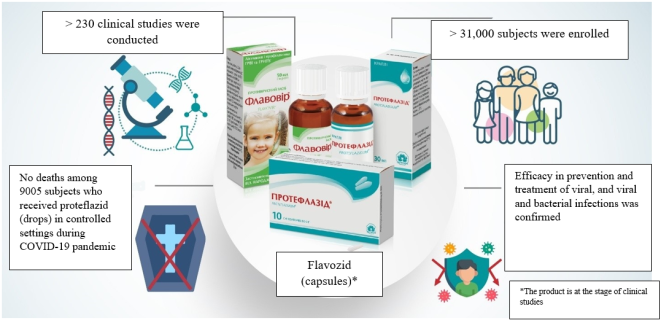
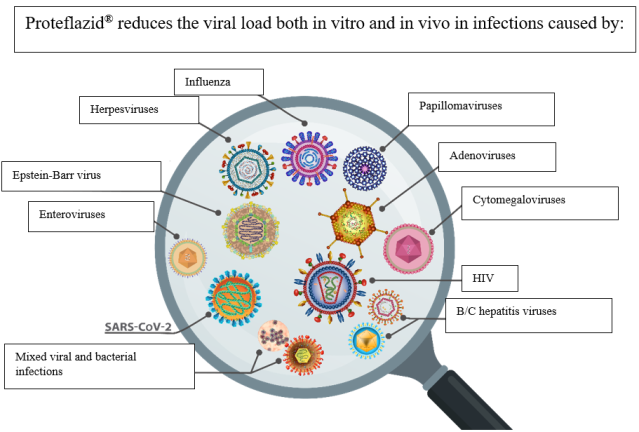
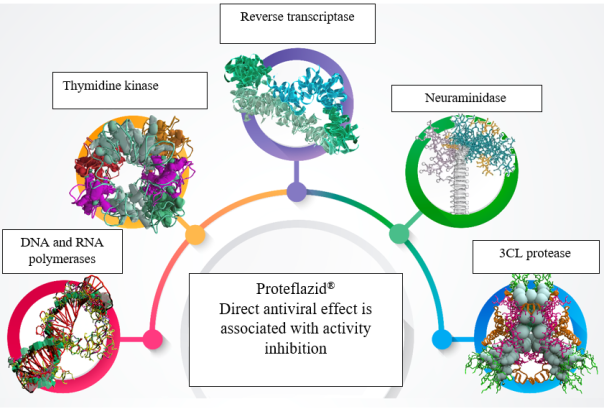
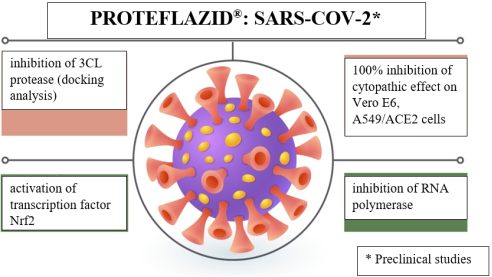




 Share This Article
 Twitter
 Linked In
 Facebook
 Copy
Copy Download