
The goal of this systematic literature review (SLR) is to identify potential benefits and challenges of implementing artificial intelligence (AI) in the education systems of developing countries. To meet our research objectives, we applied a systematic literature review (SLR) approach. We selected a total of 29 research articles using the SCOPUS and Google Scholar databases. Thereafter, we evaluated the quality of the articles using Scimago Journal and Country Rank (SJR). Next, we categorized the key findings as themes (T), contexts (C), and methodologies (M). Our key findings include the following: The developing countries will have four significant benefits while integrating artificial intelligence into their education systems: (1) enhanced learning opportunities, (2) improved efficiency, (3) resource availability, and (4) education scalability potential. However, they will encounter five key challenges while implementing AI in the system: (1) high costs; (2) infrastructure barriers; (3) risks to data privacy; (4) shortage of competence; and (5) concerns about ethics and bias. This review article offers a guide for academics, policymakers, and researchers to deepen their understanding of the perceived benefits and associated risks of incorporating AI into education systems, especially in resource-constrained contexts. Furthermore, this article will serve as a foundation for future research and encourage further experimentation on this topic.
| Published in | Education Journal (Volume 14, Issue 6) |
| DOI | 10.11648/j.edu.20251406.16 |
| Page(s) | 309-324 |
| Creative Commons |
This is an Open Access article, distributed under the terms of the Creative Commons Attribution 4.0 International License (http://creativecommons.org/licenses/by/4.0/), which permits unrestricted use, distribution and reproduction in any medium or format, provided the original work is properly cited. |
| Copyright |
Copyright © The Author(s), 2025. Published by Science Publishing Group |
Challenges, Benefits, Artificial Intelligence, Developing Countries, Education, Systematic Literature Review
Themes | Explanations |
|---|---|
Research Questions | RQ1: What are the perceived benefits (themes) of using AI in the education system, taking into account research areas (context) and methodologies (used methodology)? |
RQ2: What are the potential challenges (themes) of using AI in the education system, taking into account research areas (context) and methodologies (used methodology)? | |
Objectives | To highlight the perceived benefits of implementing AI in the education system of developing countries using the TCM method. |
To address the potential challenges related to AI implementation in the education system of developing countries using the TCM method. | |
Data String | ‘AI and Education’ OR ‘Education System and ‘AI Technology’ or ‘Artificial Intelligence’ AND ‘Developing Countries’ OR ‘Developing Nations’. |
Search Strategy | Step 1: Based on the data string, we randomly selected numerous articles from Google Scholar and SCOPUS covering the period from 2019 to 2024. |
Step 2: We analyzed the abstracts, introductions, limitations, and areas for further research in the selected articles to identify the most relevant to our research. | |
Step 3: Articles from SCOPUS journals were chosen based on the inclusion and exclusion criteria outlined in our ‘Inclusion Criteria’ box. | |
Step 4: To assess the quality of the articles we selected from Google Scholar, we evaluated them using SJR (2024). | |
Step 5: Following a thorough review of the complete texts, 29 articles were considered the most suitable for the research. | |
Note: From the analysis of these 29 articles, we have identified and highlighted our key findings, including the themes, contexts, and methodologies. | |
Inclusion Criteria | The SJR (2024) ranking includes only Quartiles 1, 2, and 3. We reviewed peer-reviewed journal publications and researched empirical articles, including quantitative, qualitative, and mixed-methods articles, related to the topic. Note: Among the 29 selected articles, 14 (48.3%) are from Q1 journals, according to the SJR-2024 ranking. |
Exclusion Criteria | Books & book chapters Review articles Conference Proceedings Articles published in other languages Articles in press Articles from other disciplines Case studies, editorial, and opinion pieces. |
Time Period | 2019-2024 |
Data Sources | SCOPUS and Google Scholar Note: To confirm the quality of the articles, we checked those collected from Google Scholar with SJR as of the year 2024. |
Main Themes | Key Factors | Cited authors |
|---|---|---|
Enhanced Learning | Personalized content for individual needs | (Alonso-Secades et al. 2022; X. Chen et al. 2020; Cope et al. 2021; Mhlanga 2023; Songsiengchai et al. 2023) |
Student performance and learning styles benefit from adaptive learning. | (Bhutoria 2022; Cope et al. 2021; Dimitriadou and Lanitis 2023; Jaiswal and Arun 2021; Mhlanga 2023; Zawacki-Richter et al. 2019) | |
Increase student motivation and engagement | (Dimitriadou and Lanitis 2023; Mhlanga 2023; Songsiengchai et al. 2023) | |
Efficiency Improvement | Automates grading and administrative processes | (Almasri 2024; X. Chen et al. 2020; Jaiswal and Arun 2021; Lampou 2023; Owoc et al. 2021; Zawacki-Richter et al. 2019) |
Optimizes the use of educational resources and tools | (Cope et al. 2021; Nakitare and Otike 2023; Owoc et al. 2021) | |
Resource Availability | Access to educational resources through digital platforms | (Alonso-Secades et al. 2022; Mhlanga 2023) |
Virtual learning environments | (Alonso-Secades et al. 2022; Awad and Oueida 2024; X. Chen et al. 2020) | |
Scalable Education | Scale up to a larger population | (Almasri 2024; Jaiswal and Arun 2021) |
Cost-Effective Solutions | (X. Chen et al. 2020; Mhlanga 2023) |
Main Themes | Key Factors | Cited authors |
|---|---|---|
High Costs | The initial financial investment is high | (X. Chen et al. 2020; Dimitriadou and Lanitis 2023) |
Recurring costs for maintenance and updates | (X. Chen et al. 2020; Owoc et al. 2021) | |
Infrastructure Barriers | Insufficient technology infrastructure | (Mwilongo et al. 2022; Nakitare and Otike 2023) |
Poor connectivity | (Awad and Oueida 2024; Mhlanga 2023) | |
Data Privacy Risks | Security threats may expose sensitive data | (Awad and Oueida 2024; Dimitriadou and Lanitis 2023; Nakitare and Otike 2023) |
Regulatory Challenges | (Awad and Oueida 2024; X. Chen et al. 2020) | |
Competency Shortage | Lack of training opportunities for educators | (Almasri 2024; Alonso-Secades et al. 2022; Lampou 2023; Zawacki-Richter et al. 2019) |
Skill Gaps among Staff | (Alonso-Secades et al. 2022) | |
Ethical and Bias Concern | Algorithmic bias in educational content | (Awad and Oueida 2024; Dimitriadou and Lanitis 2023; Mhlanga 2023) |
Ethical Concerns | (Awad and Oueida 2024; X. Chen et al. 2020; Nakitare and Otike 2023; Zawacki-Richter et al. 2019) |
No | Title | Author | Name of the Journal | SJR Rank | Methodology | Context |
|---|---|---|---|---|---|---|
01 | A critical evaluation, challenges, and future perspectives of using artificial intelligence and emerging technologies in smart classrooms | (Dimitriadou and Lanitis 2023) | Smart Learning Environments | Q1 | Qualitative | Global |
02 | Artificial intelligence and education in China | (Knox 2020) | Learning, Media and Technology | Q1 | Qualitative | China |
03 | Promoting Students’ Well-Being by Developing Their Readiness for the Artificial Intelligence Age | (Dai et al. 2020) | Sustainability | Q2 | Quantitative | China |
04 | Systematic review of research on artificial intelligence applications in higher education – where are the educators? | (Zawacki-Richter et al. 2019) | International Journal of Educational Technology in Higher Education | Q1 | Quantitative | United States, China, Taiwan, and Turkey |
05 | Artificial intelligence for education: Knowledge and its assessment in AI-enabled learning ecologies | (Cope et al. 2021) | Educational Philosophy and Theory | Q1 | Qualitative | United States |
06 | Exploring the Impact of Artificial Intelligence in Teaching and Learning of Science: A Systematic Review of Empirical Research | (Almasri 2024) | Research in Science Education | Q1 | Qualitative | India, Brazil, and South Africa |
07 | A meta-review of literature on educational approaches for teaching AI at the K-12 levels in the Asia-Pacific region | (Su, Zhong, and Ng 2022) | Computers and Education: Artificial Intelligence | Q1 | Mixed | Asia-Pacific region |
08 | Artificial Intelligence Technologies in Education: Benefits, Challenges and Strategies of Implementation | (Owoc et al. 2021) | IFIP Advances in Information and Communication Technology | Q1 | Mixed | Global |
09 | Plagiarism conundrum in Kenyan universities: an impediment to quality research | (Nakitare and Otike 2023) | Digital Library Perspectives | Q1 | Mixed | Kenya |
10 | Emotional AI and EdTech: serving the public good? | (McStay 2020) | Learning, Media and Technology | Q1 | Qualitative | Global |
11 | Personalized education and Artificial Intelligence in the United States, China, and India: A systematic review using a Human-In-The-Loop model | (Bhutoria 2022) | Computers and Education: Artificial Intelligence | Q1 | Qualitative | China, India, USA |
12 | Knowledge, attitude, and practice of artificial intelligence among doctors and medical students in Pakistan: A cross-sectional online survey | (Ahmed et al. 2022) | Annals of Medicine and Surgery | Q3 | Quantitative | Pakistan |
13 | Leveraging Artificial Intelligence (AI): Chat GPT for Effective English Language Learning among Thai Students | (Songsiengchai et al. 2023) | English Language Teaching | Q2 | Mixed | Thailand |
14 | A conceptual analysis of artificial intelligence (AI) on academic opportunities and challenges: a case study based on higher educational institutions in Bangladesh | (Tamanna and Sinha 2024) | Quality Assurance in Education | Q2 | Quantitative | Bangladesh |
15 | Does artificial intelligence increase learners’ sustainability in higher education: insights from Bangladesh | (Sultana and Faruk 2024) | Journal of Data, Information and Management | Q2 | Mixed | Bangladesh |
16 | Analysis of Worldwide Research Trends on the Impact of Artificial Intelligence in Education | (Paek and Kim 2021) | Sustainability | Q2 | Quantitative | United States and Canada |
17 | Education for AI, not AI for Education: The Role of Education and Ethics in National AI Policy Strategies | (Schiff 2022) | International Journal of Artificial Intelligence in Education | Q1 | Qualitative | Global |
18 | Exploring the Impact of Artificial Intelligence in Teaching and Learning of Science: A Systematic Review of Empirical Research | (Almasri 2024) | Research in Science Education | Q1 | Qualitative | Several developing countries, including India, Brazil, and South Africa |
19 | Emerging Assumptions and the Future of Artificial Intelligence in Teaching and Learning Processes in Higher Learning Institutions in Sub-Saharan Africa: A Review of Literature | (Mwilongo et al. 2022) | Zambia Journal of Library & Information Science | - | Qualitative | Sub-Saharan Africa |
20 | Potential of Artificial Intelligence for transformation of the education system in India | (Jaiswal and Arun 2021) | International Journal of Education and Development using Information and Communication Technology (IJEDICT) | - | Qualitative | India |
21 | The Advantages and Disadvantages of Using Artificial Intelligence in Education | (Al-Tkhayneh, Alghazo, and Tahat 2023) | Journal of Educational and Social Research | Q3 | Quantitative | United Arab Emirates |
22 | The Potential Impact of Artificial Intelligence on Education: Opportunities and Challenges | (Awad and Oueida 2024) | IFIP Advances in Information and Communication Technology | Q3 | Qualitative | Kenya, Nigeria, and Bangladesh |
23 | Artificial intelligence application in university libraries of Pakistan: SWOT analysis and implications | (Ali et al. 2024) | Global Knowledge, Memory and Communication | Q2 | Qualitative | Pakistan |
24 | Artificial Intelligence in Education: A Review | (L. Chen, Chen, and Lin 2020) | IEEE Access | Q1 | Qualitative | Global |
25 | Artificial intelligence in higher education: the state of the field | (Crompton and Burke 2023) | International Journal of Educational Technology in Higher Education | Q1 | Qualitative | Global |
26 | Digital Transformation Education, Opportunities, and Challenges of the Application of ChatGPT to Emerging Economies | (Mhlanga 2023) | Education Research International | Q3 | Qualitative | Global |
27 | The integration of artificial intelligence in education: opportunities and challenges | (Lampou 2023) | Review of Artificial Intelligence in Education | - | Qualitative | Global |
28 | Artificial Intelligence and Its Role in Education | (Ahmad et al. 2021) | Sustainability | Q2 | Qualitative | Singapore, Malaysia, South Korea |
29 | Designing an Intelligent Virtual Educational System to Improve the Efficiency of Primary Education in Developing Countries | (Alonso-Secades et al. 2022) | Electronics | Q2 | Quantitative | Developing Countries |
SLR | Systematic Literature Review |
SJR | Scimago Journal and Country Rank |
AI | Artificial Intelligence |
EdTech | Education Technology |
STEM | Science, Technology, Engineering, and Mathematics |
SDL | Self-determined Learning |
DS&AI | Data Science and Artificial Intelligence |
RQ | Research Question |
Q | Quartiles |
T | Themes |
C | Contexts |
M | Methodologies |
LLM | Large Language Models |
| [1] | A. B. Rashid and M. A. K. Kausik, “AI revolutionizing industries worldwide: A comprehensive overview of its diverse applications,” Hybrid Advances, vol. 7, p. 100277, Dec. 2024, |
| [2] | Barton, D., Woetzel, J., Seong, J., Tian, Q.: Artificial Intelligence: Implications for China. (2017). |
| [3] | Allen, G. C.: Understanding China’s AI Strategy: Clues to Chinese Strategic Thinking on Artificial Intelligence and National Security. |
| [4] | Hye, N. M., Hany, U., Chakravarty, S., Akter, L., Ahmed, I.: Artificial Intelligence for sEMG-Based Muscular Movement Recognition for Hand Prosthesis. IEEE Access. 11, 38850–38863 (2023). |
| [5] | Hany, U., Hye, N. M., Akter, L.: Wireless Capsule Endoscope Localization Using LSTM Network. IEEE Sensors Letters. 7, 1–4 (2023). |
| [6] | Hany, U., Hye, N. M., Akter, L.: Path Loss Based Wireless Capsule Endoscope Localization Using Machine Learning Regression. IEEE Access. 11, 124643–124659 (2023). |
| [7] | Knox, J.: Artificial intelligence and education in China. Learning, Media and Technology. 45, 298–311 (2020). |
| [8] | Nemorin, S., Vlachidis, A., Ayerakwa, H. M., Andriotis, P.: AI hyped? A horizon scan of discourse on artificial intelligence in education (AIED) and development. Learning, Media and Technology. 48, 38–51 (2023). |
| [9] | Nakitare, J., Otike, F.: Plagiarism conundrum in Kenyan universities: an impediment to quality research. Digital Library Perspectives. 39, 145–165 (2023). |
| [10] |
Tahiru, F.: AI in Education: A Systematic Literature Review.
https://services.igi-global.com/resolvedoi/resolve.aspx?doi=10.4018/JCIT.2021010101. (1)AD |
| [11] |
Juumta, S.: Examples of Artificial Intelligence in Education - Current Applications,
https://emerj.com/ai-sector-overviews/examples-of-artificial-intelligence-in-education/ last accessed 2024/07/17. |
| [12] |
International Telecommunication Union (2023b) AI for Good Global Summit 2024 - AI for Good. In: AI For Good,
https://aiforgood.itu.int/summit24/ last accessed 2024/09/11. |
| [13] | McStay, A.: Emotional AI and EdTech: serving the public good? Learning, Media and Technology. 45, 270–283 (2020). |
| [14] | Kleinsasser, R. C.: Johnson, S. M. (2019). where teachers thrive: Organizing schools for success, Harvard Education Press. 296 pp. $34.00. ISBN-13: 978-1-68253-358-1. The Journal of Educational Research. 114, 431–432 (2021). |
| [15] | Wogu, I. A. P., Misra, S., Assibong, P. A., Olu-Owolabi, E. F., Maskeliūnas, R., Damasevicius, R.: Artificial Intelligence, Smart Classrooms and Online Education in the 21st Century: Implications for Human Development. Journal of Cases on Information Technology (JCIT). 21, 66–79 (2019). |
| [16] | Wang, Y.: Artificial intelligence in educational leadership: a symbiotic role of human-artificial intelligence decision-making. Educational Policy Studies Faculty Publications. (2021). |
| [17] | Chen, X., Xie, H., Zou, D., Hwang, G.-J.: Application and theory gaps during the rise of Artificial Intelligence in Education. Computers and Education: Artificial Intelligence. 1, 100002 (2020). |
| [18] | Pardos, Z. A., Baker, R. S. J. D., San Pedro, M. O. C. Z., Gowda, S. M., Gowda, S. M.: Affective States and State Tests: Investigating How Affect and Engagement during the School Year Predict End-of-Year Learning Outcomes. Journal of Learning Analytics. 1, 107–128 (2014). |
| [19] | Goswami, A., Sharma, A.: AI For Bridging Socio-Economic Inequities in Indian Education Space. International Journal of Research and Scientific Innovation. 11, 890–935 (2024). |
| [20] | Sandu, N., Gide, E.: Adoption of AI-Chatbots to Enhance Student Learning Experience in Higher Education in India. In: 2019 18th International Conference on Information Technology Based Higher Education and Training (ITHET). pp. 1–5 (2019). |
| [21] | Omorogiuwa, O., Ohiagu, K., H., K. H.: Towards The Review of Artificial Intelligence Programme Curriculum and Effective Collaborations among Academia for AI Programme Development in Africa. Advances in Multidisciplinary and scientific Research Journal Publication. 9, 1–14 (2023). |
| [22] | Sairete, A., Balfagih, Z., Brahimi, T., Amin Mousa, M. E., Lytras, M., Visvizi, A.: Editorial - Artificial Intelligence: Towards Digital Transformation of Life, Work, and Education. Procedia Computer Science. 194, 1–8 (2021). |
| [23] | Elhajji, M., Alsayyari, A. S., Alblawi, A.: Towards an artificial intelligence strategy for higher education in Saudi Arabia. In: 2020 3rd International Conference on Computer Applications & Information Security (ICCAIS). pp. 1–7 (2020). |
| [24] | Portela, C., Rocha, J., Palomino, P., Lisbôa, R., Cordeiro, T., Silva, A., Bittencourt, I., Dermeval, D., Marques, L., Isotani, S.: Bringing AIED, Public Policy and GDPR to Promote Educational Opportunities in Brazil. In: Olney, A. M., Chounta, I.-A., Liu, Z., Santos, O. C., and Bittencourt, I. I. (eds.) Artificial Intelligence in Education. Posters and Late Breaking Results, Workshops and Tutorials, Industry and Innovation Tracks, Practitioners, Doctoral Consortium and Blue Sky. pp. 74–86. Springer Nature Switzerland, Cham (2024). |
| [25] | Jirakitpaibool, C., Thammaboosadee, S., Socharoentum, M.: Data Literacy Framework for Thailand Government Officers. In: 2023 20th International Joint Conference on Computer Science and Software Engineering (JCSSE). pp. 207–212 (2023). |
| [26] | Anutariya, C., Bonsangue, M., Taufik F., A., Matthew, D., Fraidaki, K., Gomes, T., Hermans, F., Korkua, S., Monteiro, J. L., Utama, N. P., Pereira, S., Pinidiyaarachchi, A., Pinto, S., van Rijn, J. N., Sitompul, O. S., Songpan, W., Soomlek, C., Takes, F., Verberne, S., Wickramarachchi, C.: Building a Needs-based Curriculum in Data Science and Artificial Intelligence: Case Studies in Indonesia, Sri Lanka, and Thailand. (2020). |
| [27] | Ahmad, M. F., Wan Abdul Ghapar, W. R. G.: The Era of Artificial Intelligence in Malaysian Higher Education: Impact and Challenges in Tangible Mixed-Reality Learning System toward Self Exploration Education (SEE). Procedia Computer Science. 163, 2–10 (2019). |
| [28] | Ngendabanga, C., Nsanzimana, P., Nduwayezu, F., Umuhoza, V., Nkurunziza, J. B., Ngendabanga, C., Nsanzimana, P., Nduwayezu, F., Umuhoza, V., Nkurunziza, J. B.: Effect of smart classroom on learners’ performance in organic chemistry: A case study of senior five students in Kicukiro district- Rwanda. GSC Biological and Pharmaceutical Sciences. 16, 204–211 (2021). |
| [29] | Walter, Y.: Embracing the future of Artificial Intelligence in the classroom: the relevance of AI literacy, prompt engineering, and critical thinking in modern education. International Journal of Educational Technology in Higher Education. 21, 15 (2024). |
| [30] | Nguyen, A., Ngo, H. N., Hong, Y., Dang, B., Nguyen, B.-P. T.: Ethical principles for artificial intelligence in education. Educ Inf Technol. 28, 4221–4241 (2023). |
| [31] | Ayling, J., Chapman, A.: Putting AI ethics to work: are the tools fit for purpose? AI Ethics. 2, 405–429 (2022). |
| [32] | Shneiderman, B.: Responsible AI: bridging from ethics to practice. Commun. ACM. 64, 32–35 (2021). |
| [33] | Topcu, U., Bliss, N., Cooke, N., Cummings, M., Llorens, A., Shrobe, H., Zuck, L.: Assured Autonomy: Path Toward Living With Autonomous Systems We Can Trust, (2020). |
| [34] |
Ruth, C.: IEEE Launches Ethically Aligned Design, First Edition, Delivering “A Vision for Prioritizing Human Well-being with Autonomous and Intelligent Systems,”
https://standards.ieee.org/news/ieee-ead1e/ last accessed 2024/07/18. |
| [35] | Adiguzel, T., Kaya, M. H., Cansu, F. K.: Revolutionizing education with AI: Exploring the transformative potential of ChatGPT. CONT ED TECHNOLOGY. 15, ep429 (2023). |
| [36] | Ji, H., Han, I., Ko, Y.: A systematic review of conversational AI in language education: focusing on the collaboration with human teachers. Journal of Research on Technology in Education. 55, 48–63 (2023). |
| [37] | Ng, D. T. K., Leung, J. K. L., Su, J., Ng, R. C. W., Chu, S. K. W.: Teachers’ AI digital competencies and twenty-first century skills in the post-pandemic world. Education Tech Research Dev. 71, 137–161 (2023). |
| [38] | Penstein Rosé, C., Martínez-Maldonado, R., Hoppe, H. U., Luckin, R., Mavrikis, M., Porayska-Pomsta, K., McLaren, B., Du Boulay, B. eds: Artificial Intelligence in Education: 19th International Conference, AIED 2018, London, UK, June 27–30, 2018, Proceedings, Part I. Springer International Publishing, Cham (2018). |
| [39] | Ahmad, S. F., Han, H., Alam, M. M., Rehmat, M. K., Irshad, M., Arraño-Muñoz, M., Ariza-Montes, A.: Impact of artificial intelligence on human loss in decision making, laziness and safety in education. Humanit Soc Sci Commun. 10, 1–14 (2023). |
| [40] | Crompton, H., Burke, D.: Artificial intelligence in higher education: the state of the field. International Journal of Educational Technology in Higher Education. 20, 22 (2023). |
| [41] | Almasri, F.: Exploring the Impact of Artificial Intelligence in Teaching and Learning of Science: A Systematic Review of Empirical Research. Res Sci Educ. (2024). |
| [42] | Shaffril, H., Samsuddin, S. F., Abu Samah, A.: The ABC of systematic literature review: the basic methodological guidance for beginners. Quality & Quantity. 55, 1–28 (2021). |
| [43] | Fisch, C., Block, J.: Six tips for your (systematic) literature review in business and management research. Manag Rev Q. 68, 103–106 (2018). |
| [44] | Rauniyar, S., Awasthi, M. K., Kapoor, S., Mishra, A. K.: Agritourism: structured literature review and bibliometric analysis. Tourism Recreation Research. 46, 52–70 (2021). |
| [45] | Koi-Akrofi, G. Y., Aboagye-Darko, D., Gaisie, E., Banaseka, F.: IT project success in perspective: systematic literature review analysis founded on the ADO, TCM and the PSALAR frameworks. Manag Rev Q. (2023). |
| [46] | Cope, B., Kalantzis, M., Searsmith, D.: Artificial intelligence for education: Knowledge and its assessment in AI-enabled learning ecologies. Educational Philosophy and Theory. 53, 1229–1245 (2021). |
| [47] | Mhlanga, D.: Digital Transformation Education, Opportunities, and Challenges of the Application of ChatGPT to Emerging Economies. Education Research International. 2023, 7605075 (2023). |
| [48] | Songsiengchai, S., Sereerat, B., Watananimitgul, W.: Leveraging Artificial Intelligence (AI): Chat GPT for Effective English Language Learning among Thai Students. English Language Teaching. 16, p 68 (2023). |
| [49] | Alonso-Secades, V., López-Rivero, A.-J., Martín-Merino-Acera, M., Ruiz-García, M.-J., Arranz-García, O.: Designing an Intelligent Virtual Educational System to Improve the Efficiency of Primary Education in Developing Countries. Electronics. 11, 1487 (2022). |
| [50] | Dimitriadou, E., Lanitis, A.: A critical evaluation, challenges, and future perspectives of using artificial intelligence and emerging technologies in smart classrooms. Smart Learning Environments. 10, 12 (2023). |
| [51] | Bhutoria, A.: Personalized education and Artificial Intelligence in the United States, China, and India: A systematic review using a Human-In-The-Loop model. Computers and Education: Artificial Intelligence. 3, 100068 (2022). |
| [52] | Jaiswal, A., Arun, C. J.: Potential of Artificial Intelligence for Transformation of the Education System in India. International Journal of Education and Development using Information and Communication Technology. 17, 142–158 (2021). |
| [53] | Zawacki-Richter, O., Marín, V. I., Bond, M., Gouverneur, F.: Systematic review of research on artificial intelligence applications in higher education – where are the educators? International Journal of Educational Technology in Higher Education. 16, 39 (2019). |
| [54] | Lampou, R.: The integration of artificial intelligence in education: opportunities and challenges. Review of Artificial Intelligence in Education. 4, e15 (2023). |
| [55] | Owoc, M. L., Sawicka, A., Weichbroth, P.: Artificial Intelligence Technologies in Education: Benefits, Challenges and Strategies of Implementation. In: Owoc, M. L. and Pondel, M. (eds.) Artificial Intelligence for Knowledge Management. pp. 37–58. Springer International Publishing, Cham (2021). |
| [56] | Awad, P., Oueida, S.: The Potential Impact of Artificial Intelligence on Education: Opportunities and Challenges. In: Arai, K. (ed.) Advances in Information and Communication. pp. 566–575. Springer Nature Switzerland, Cham (2024). |
| [57] | Mwilongo, K. J., Mwageni, R., Matto, G.: Emerging Assumptions and the Future of Artificial Intelligence in Teaching and Learning Processes in Higher Learning Institutions in Sub-Saharan Africa: A Review of Literature. Zambia Journal of Library & Information Science (ZAJLIS), ISSN: 2708-2695. 6, 12–18 (2022). |
| [58] | Hakimi, M., Shahidzay, A.: Transforming Education with Artificial Intelligence: Potential and Obstacles in Developing Countries. (2024). |
| [59] | Portela, C., Palomino, P., Challco, G., Sobrinho, Á., Cordeiro, T., Mello, R., Dermeval, D., Bittencourt, I., Isotani, S.: AI in Education Unplugged Support Equity Between Rural and Urban Areas in Brazil. In: Proceedings of the 13th International Conference on Information & Communication Technologies and Development. pp. 143–154. Association for Computing Machinery, New York, NY, USA (2025). |
| [60] | Khan, M. S., Umer, H., Faruqe, F.: Artificial intelligence for low income countries. Humanit Soc Sci Commun. 11, 1422 (2024). |
| [61] | Muhtasim, N., Hany, U., Islam, T., Nawreen, N., Mamun, A. A.: Artificial intelligence for detection of lung cancer using transfer learning and morphological features. J Supercomput. 80, 13576–13606 (2024). |
| [62] | Faisal, R.: Ethical AI Integration in Education: Policies, Challenges, and Strategies for Bridging Digital Divides in Emerging Economies. 1, 1–18 (2025). |
| [63] | Xue, Y., Chinapah, V., Zhu, C.: A Comparative Analysis of AI Privacy Concerns in Higher Education: News Coverage in China and Western Countries. Education Sciences. 15, 650 (2025). |
| [64] | Rana, M. M., Siddiqee, M. S., Sakib, M. N., Ahamed, M. R.: Assessing AI adoption in developing country academia: A trust and privacy-augmented UTAUT framework. Heliyon. 10, e37569 (2024). |
APA Style
Hye, N. M. (2025). A Review of the Perceived Benefits and Potential Challenges of Implementing AI in Education in Developing Countries. Education Journal, 14(6), 309-324. https://doi.org/10.11648/j.edu.20251406.16
ACS Style
Hye, N. M. A Review of the Perceived Benefits and Potential Challenges of Implementing AI in Education in Developing Countries. Educ. J. 2025, 14(6), 309-324. doi: 10.11648/j.edu.20251406.16
@article{10.11648/j.edu.20251406.16,
  author = {Nafe Muhtasim Hye},
  title = {A Review of the Perceived Benefits and Potential Challenges of Implementing AI in Education in Developing Countries},
  journal = {Education Journal},
  volume = {14},
  number = {6},
  pages = {309-324},
  doi = {10.11648/j.edu.20251406.16},
  url = {https://doi.org/10.11648/j.edu.20251406.16},
  eprint = {https://article.sciencepublishinggroup.com/pdf/10.11648.j.edu.20251406.16},
  abstract = {The goal of this systematic literature review (SLR) is to identify potential benefits and challenges of implementing artificial intelligence (AI) in the education systems of developing countries. To meet our research objectives, we applied a systematic literature review (SLR) approach. We selected a total of 29 research articles using the SCOPUS and Google Scholar databases. Thereafter, we evaluated the quality of the articles using Scimago Journal and Country Rank (SJR). Next, we categorized the key findings as themes (T), contexts (C), and methodologies (M). Our key findings include the following: The developing countries will have four significant benefits while integrating artificial intelligence into their education systems: (1) enhanced learning opportunities, (2) improved efficiency, (3) resource availability, and (4) education scalability potential. However, they will encounter five key challenges while implementing AI in the system: (1) high costs; (2) infrastructure barriers; (3) risks to data privacy; (4) shortage of competence; and (5) concerns about ethics and bias. This review article offers a guide for academics, policymakers, and researchers to deepen their understanding of the perceived benefits and associated risks of incorporating AI into education systems, especially in resource-constrained contexts. Furthermore, this article will serve as a foundation for future research and encourage further experimentation on this topic.},
 year = {2025}
}
TY  - JOUR
T1  - A Review of the Perceived Benefits and Potential Challenges of Implementing AI in Education in Developing Countries
AU  - Nafe Muhtasim Hye
Y1  - 2025/12/29
PY  - 2025
N1  - https://doi.org/10.11648/j.edu.20251406.16
DO  - 10.11648/j.edu.20251406.16
T2  - Education Journal
JF  - Education Journal
JO  - Education Journal
SP  - 309
EP  - 324
PB  - Science Publishing Group
SN  - 2327-2619
UR  - https://doi.org/10.11648/j.edu.20251406.16
AB  - The goal of this systematic literature review (SLR) is to identify potential benefits and challenges of implementing artificial intelligence (AI) in the education systems of developing countries. To meet our research objectives, we applied a systematic literature review (SLR) approach. We selected a total of 29 research articles using the SCOPUS and Google Scholar databases. Thereafter, we evaluated the quality of the articles using Scimago Journal and Country Rank (SJR). Next, we categorized the key findings as themes (T), contexts (C), and methodologies (M). Our key findings include the following: The developing countries will have four significant benefits while integrating artificial intelligence into their education systems: (1) enhanced learning opportunities, (2) improved efficiency, (3) resource availability, and (4) education scalability potential. However, they will encounter five key challenges while implementing AI in the system: (1) high costs; (2) infrastructure barriers; (3) risks to data privacy; (4) shortage of competence; and (5) concerns about ethics and bias. This review article offers a guide for academics, policymakers, and researchers to deepen their understanding of the perceived benefits and associated risks of incorporating AI into education systems, especially in resource-constrained contexts. Furthermore, this article will serve as a foundation for future research and encourage further experimentation on this topic.
VL  - 14
IS  - 6
ER  -
Department of Electrical and Electronic Engineering, Ahsanullah University of Science and Technology, Dhaka, Bangladesh
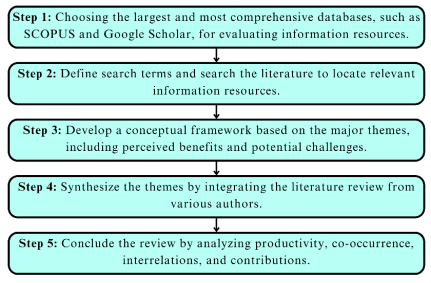
Figure 1. SLR Five-Step Method Proposed by Rowley and Stack (2004).
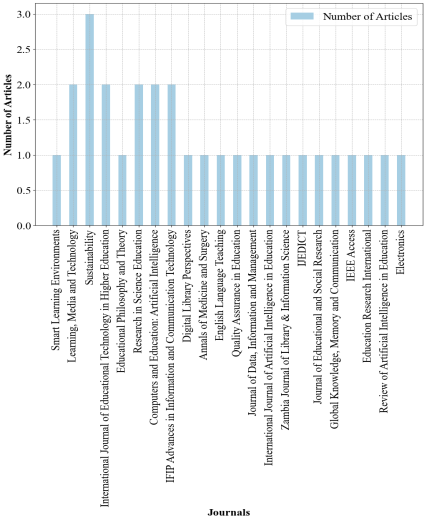
Figure 2. Scheme for AI Implementation in Education. (Source: Own Elaboration).
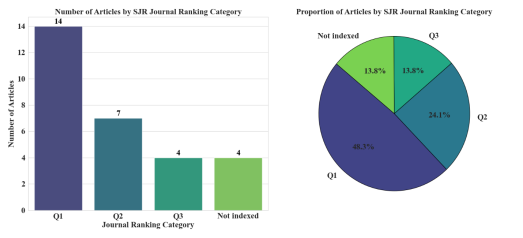
Figure 3. Number of Articles in SJR-Ranked Journals (SJR, 2024). (Source: Own Elaboration).
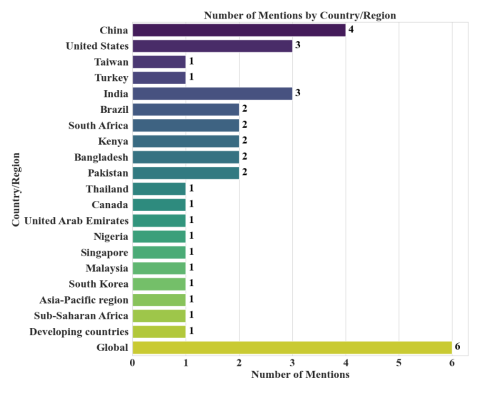
Figure 4. Number of Mentions by Country/Region. (Source: Own Elaboration).
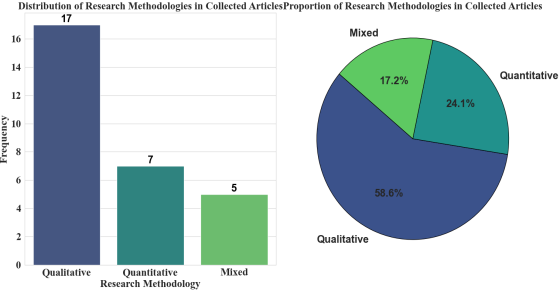
Figure 5. Methodologies Applied in the Collected Articles. (Source: Own Elaboration).
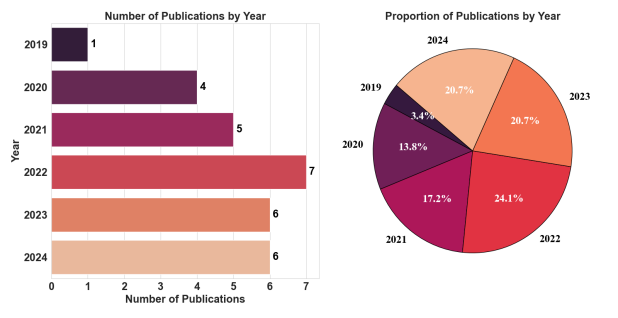
Figure 6. Publications by Year. (Source: Own Elaboration).
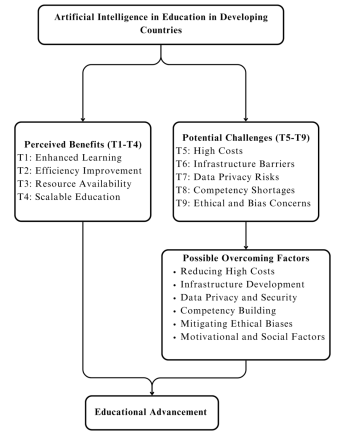
Figure 7. Future Research Directions for Artificial Intelligence in Education in Developing Countries. (Source: Own Elaboration).

Information



 Share This Article
 Twitter
 Linked In
 Facebook
 Copy
Copy Download