1. Introduction
Fish is an important source of animal protein and provides essential nutrients required for human health. In many developing countries, fish contributes significantly to food security, household income, and rural livelihoods. However, because fresh fish contains a high proportion of moisture, it deteriorates rapidly after harvest if it is not properly preserved. This results in considerable post-harvest losses and reduced product quality, particularly in regions where refrigeration facilities are limited
| [1] | Kaur, R. and Watson, J. A., "A scoping review of postharvest losses, supply chain management, and technology: implications for produce quality in developing countries," Journal of the ASABE, vol. 67, no. 5, pp. 1103-1131, 2024. |
| [2] | Sengar, N. S. et al., "Drying and smoking of fish: nutritional significance, safety concerns and emerging technologies for food security," Journal of Fisheries, vol. 13, no. 3, pp. 133301-133301, 2025. |
[1, 2]
. Smoking is one of the oldest and most widely used methods of preserving fish. In addition to reducing moisture content, smoking improves flavour, colour, texture, and shelf life while inhibiting microbial growth. Despite these advantages, many traditional smoking kilns still suffer from poor thermal efficiency, non-uniform heat distribution, excessive fuel consumption, prolonged drying time, and uncontrolled smoke generation
| [3] | Fathi, F., N. Ebrahimi, S., Matos, L. C., PP Oliveira, M. B., and Alves, R. C., "Emerging drying techniques for food safety and quality: A review," Comprehensive Reviews in Food Science and Food Safety, vol. 21, no. 2, pp. 1125-1160, 2022. |
| [4] | Zhou, X. and Wang, S., "Recent developments in radio frequency drying of food and agricultural products: A review," Drying Technology, vol. 37, no. 3, pp. 271-286, 2019. |
[3, 4]
and
| [5] | Jimoh, M. and Oni, O., "Performance evaluation of a fabricated smoking kiln," Nigerian Journal of Technology, vol. 41, no. 3, pp. 476-482, 2022. |
| [6] | Okusanya, M. A., Oluwagbayıde, S. D., and Ogunlade, C. B., "Impact of improved smoking kiln design on hygiene and timeliness of drying of smoked fish," Turkish Journal of Agricultural Engineering Research, vol. 2, no. 1, pp. 133-155, 2021. |
[5, 6]
. These limitations reduce processing efficiency, increase operating costs, and often lead to inconsistent product quality.
To improve fish smoking operations, different heating systems have been introduced, including charcoal, liquefied petroleum gas (LPG), electricity, and hybrid energy sources. Improved kiln designs incorporating thermal insulation, controlled airflow, and better combustion systems have been reported to reduce heat losses and improve drying performance.
| [7] | Pankaew, P., Aumporn, O., Janjai, S., Pattarapanitchai, S., Sangsan, M., and Bala, B., "Performance of a large-scale greenhouse solar dryer integrated with phase change material thermal storage system for drying of chili," International Journal of Green Energy, vol. 17, no. 11, pp. 632-643, 2020. |
| [8] | Wincy, W. B., Edwin, M., and Sekhar, S. J., "Exergetic evaluation of a biomass gasifier operated reversible flatbed dryer for paddy drying in parboiling process," Biomass Conversion and Biorefinery, vol. 13, no. 5, pp. 4033-4045, 2023. |
[7, 8]
. Charcoal-fired kilns remain popular because charcoal is readily available and capable of generating high temperatures suitable for rapid drying. LPG-fired systems provide cleaner combustion and easier temperature regulation, whereas electrically heated kilns offer stable operating conditions and eliminate smoke contamination during the drying process.
| [9] | Amponsah, S. K., Asare, H., Okyere, H., Owusu-Asante, J. O., Minkah, E., and Ketemepi, H. K., "Performance characterization of a locally developed fish smoke-drying kiln for charcoal and briquette," Journal of Agricultural Science, vol. 14, no. 11, p. 43, 2022. |
| [10] | Sintali, I., Abioye, A., and Shuaibu, I., "EXPERIMENTAL PERFORMANCE EVALUATION OF A CHARCOAL-FIRED FISH SMOKING KILN," Nigerian Journal of Tropical Engineering, vol. 17, no. 1, pp. 32-41, 2023. |
[9, 10]
. According to
| [11] | Nwakuba, N. R. et al., "Development and Sustainability Assessment of a Fish-drying Kiln: Eco-thermodynamic Insights," Agricultural Science and Food Processing, vol. 2, no. 4, pp. 176-196, 2025. |
[11]
Improved kiln systems with better airflow distribution and thermal insulation significantly enhance drying efficiency and reduce heat losses during fish smoking operations.
Several researchers have investigated the performance of improved fish smoking kilns.
| [5] | Jimoh, M. and Oni, O., "Performance evaluation of a fabricated smoking kiln," Nigerian Journal of Technology, vol. 41, no. 3, pp. 476-482, 2022. |
[5]
evaluated the thermal performance of a fabricated smoking kiln and reported improvements in drying efficiency compared with traditional systems.
| [9] | Amponsah, S. K., Asare, H., Okyere, H., Owusu-Asante, J. O., Minkah, E., and Ketemepi, H. K., "Performance characterization of a locally developed fish smoke-drying kiln for charcoal and briquette," Journal of Agricultural Science, vol. 14, no. 11, p. 43, 2022. |
[9]
observed the performance of a locally developed charcoal-fired fish-smoking kiln and demonstrated that improved combustion increased heat generation and moisture removal. Similarly,
| [10] | Sintali, I., Abioye, A., and Shuaibu, I., "EXPERIMENTAL PERFORMANCE EVALUATION OF A CHARCOAL-FIRED FISH SMOKING KILN," Nigerian Journal of Tropical Engineering, vol. 17, no. 1, pp. 32-41, 2023. |
[10]
reported satisfactory drying performance using a charcoal-fired smoking kiln, while
| [11] | Nwakuba, N. R. et al., "Development and Sustainability Assessment of a Fish-drying Kiln: Eco-thermodynamic Insights," Agricultural Science and Food Processing, vol. 2, no. 4, pp. 176-196, 2025. |
[11]
highlighted the importance of thermal insulation and efficient energy utilisation in improving kiln performance. Although these studies have provided valuable information, most have focused on individual heating systems or different kiln designs, making direct comparison difficult.
A review of the available studies indicates that comparatively few studies have evaluated charcoal-, LPG-, and electrically powered multi-chamber fish smoking kilns under the same operating conditions. Information is also limited regarding the influence of different heat sources on chamber temperature distribution, heat generation, heat loss, thermal efficiency, and fish weight reduction when identical experimental procedures are employed. A controlled comparison of these heating systems is therefore necessary to provide reliable engineering information for kiln selection and design.
The present study addresses this gap by experimentally evaluating the thermal and drying performance of charcoal-, LPG-, and electrically powered multi-chamber fish smoking kilns under identical operating conditions. Chamber temperature, fish weight reduction, heat generation, heat loss, and thermal efficiency were used to assess kiln performance. Descriptive statistics, one-way analysis of variance (ANOVA), regression analysis, and Pearson correlation analysis were employed to examine the relationships between the measured variables. The findings provide useful information for improving the design and operation of fish smoking kilns intended for small- and medium-scale fish processing.
2. Materials and Methods
2.1. Description of the Smoking Kiln
The smoking kiln used in this study was designed and fabricated in the Mechanical Engineering Workshop, Niger Delta University, Bayelsa State, Nigeria. The kiln was developed as a fixed, insulated multi-chamber system to improve heat retention and achieve a more uniform temperature distribution during fish smoking. The kiln consisted of three major components: the combustion chamber, the drying chamber, and the chimney. The drying chamber measured 51 cm × 50 cm × 52 cm and accommodated three removable wire-mesh trays positioned at vertical intervals of 15 cm. Each tray measured 48 cm × 50 cm, allowing fish samples to be distributed uniformly within the chamber. The combustion chamber was located beneath the drying chamber to promote indirect heating and minimise direct flame contact with the fish. A chimney was installed to facilitate the removal of combustion gases and moisture-laden air while maintaining natural airflow through the system.
The inner wall of the kiln was fabricated from 16-gauge galvanised steel sheet, while the outer wall was constructed from 18-gauge galvanised steel. Rock wool insulation was placed between the two walls to minimise heat loss and improve thermal stability during operation. The kiln base was fabricated from 2-mm mild steel plate to provide structural strength and withstand prolonged exposure to elevated temperatures. Depending on the experiment, the combustion chamber was fitted with either a charcoal burner, an LPG burner, or an electric heating element, allowing the same kiln geometry to be used for all heating systems. This ensured that differences in thermal performance were attributable to the heat source rather than variations in kiln design.
| [12] | Keey, R. B., Drying: principles and practice. Elsevier, 2013. |
| [13] | Fellows, P. J., Food processing technology: principles and practice. Woodhead Publishing, 2022. |
[12, 13]
.
2.2. Experimental Procedure
The experiments were conducted between February and March 2019 at the Department of Mechanical Engineering, Niger Delta University, Wilberforce Island, Bayelsa State, Nigeria. The experimental site is located at latitude 4.97°N and longitude 6.11°E, approximately 75 m above sea level. During the experimental period, the average ambient temperature was approximately 30°C, while the relative humidity averaged 85%. Fresh African catfish (
Clarias gariepinus) were purchased from Tombia Market, Yenagoa, approximately 25 km from the experimental site. Before smoking, the fish were washed thoroughly with clean water to remove surface contaminants and allowed to drain naturally. Each fish weighed approximately 800 g, and the initial mass was measured using a calibrated 50 kg Camry Emperor digital weighing scale. Because of minor variations in fish size and the weighing procedure, the fish were weighed in batches of five before being distributed uniformly on the smoking trays. Each experimental run commenced at 9:00 a.m. and continued until 4:00 p.m. The fish samples were placed in the upper, middle, and lower chambers to evaluate the effect of chamber position on temperature distribution and drying performance. To ensure consistency, the same loading arrangement and operating procedure were maintained for all three heating systems. For the charcoal experiments, approximately 3.5 kg of mangrove charcoal was introduced into the combustion chamber at the beginning of each test. Fresh charcoal was added at one-hour intervals to maintain continuous combustion throughout the smoking process. For LPG operation, a regulated gas burner supplied the required thermal energy, while an electric heating element of equivalent capacity was used during the electric heating experiments. Chamber temperatures were monitored using a DT750 digital infrared thermometer at predetermined time intervals throughout each experiment. Temperature measurements for the charcoal- and LPG-fired kilns were recorded every 10 minutes, whereas measurements for the electrically heated kiln were taken every 20 minutes because the electric heating system exhibited a more stable thermal response and slower temperature variation.
| [10] | Sintali, I., Abioye, A., and Shuaibu, I., "EXPERIMENTAL PERFORMANCE EVALUATION OF A CHARCOAL-FIRED FISH SMOKING KILN," Nigerian Journal of Tropical Engineering, vol. 17, no. 1, pp. 32-41, 2023. |
| [14] | Seyi, O. O., Abdulakeem, A., Danladi, J., and Wumi, O. T., "Design and construction of electric fish smoking kiln using locally available composite materials," Journal of Engineering Research and Reports, vol. 13, no. 4, pp. 15-21, 2020. |
[10, 14]
.
Table 1. Specification of the Smoking kiln Model.
Parameter | Specification |
Height of kiln | 110 cm |
Width of kiln | 75 cm |
Depth of kiln | 52 cm |
Distance between trays | 15 cm |
Lagging material | Rock wool |
Heat sources | Charcoal, LPG gas, and an electric heating coil |
Mode of heat transfer | Convection and conduction |
Length of smoking chamber | 50 cm |
Length of combustion chamber | 52 cm |
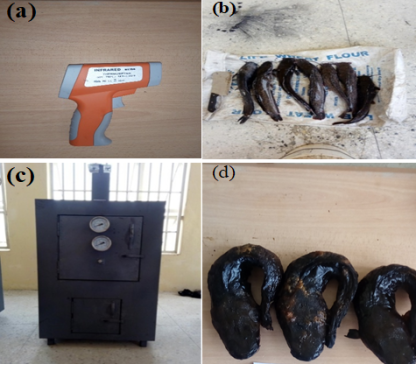
Figure 1 presents the experimental equipment, smoking kiln, and fish samples used during the investigation. The digital infrared thermometer was employed for monitoring chamber temperature during smoking operations, while fresh fish samples were subjected to drying under charcoal-, LPG-, and electrically powered heating conditions. The fabricated multi-chamber smoking kiln consisted of insulated drying and combustion chambers designed to improve heat retention and thermal distribution. The smoked fish samples obtained after drying demonstrated the effectiveness of the developed kiln system for fish preservation and moisture reduction.
Figure 1. Experimental materials and fish smoking kiln: (a) Digital infrared thermometer used for temperature measurement, (b) fresh fish samples before smoking operation, (c) fabricated multi-chamber fish smoking kiln, and (d) smoked fish samples after drying and smoking process.
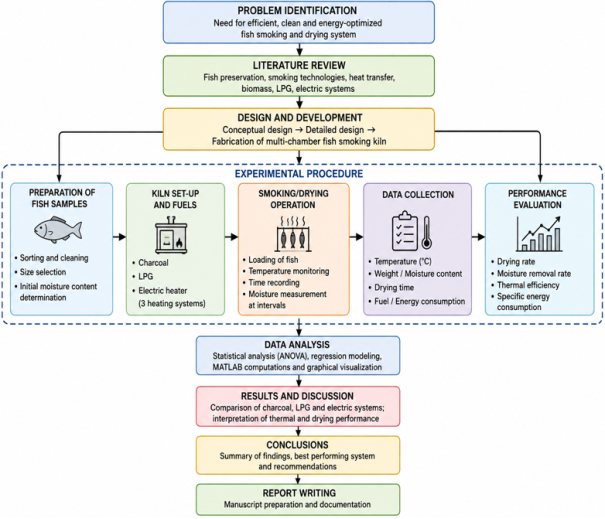
Figure 2. Workflow research methodology adopted for the comparative thermal and drying performance evaluation of charcoal-, LPG-, and electrically powered multi-chamber fish smoking kilns.
2.3 Statistical and Thermal Analysis
Experimental data obtained during the smoking trials were analysed using Minitab 2013 to evaluate the influence of the heating source on the thermal and drying performance of the smoking kilns. Descriptive statistical analysis was first performed to summarise the experimental observations, including the mean, standard deviation, minimum, maximum, and quartile values for fish weight, chamber temperature, heat loss, and heat generation. A one-way analysis of variance (ANOVA) was conducted to determine whether statistically significant differences existed among the charcoal-, LPG-, and electrically heated kiln systems with respect to chamber temperature. Statistical significance was evaluated at a 95% confidence level (p < 0.05). Simple linear regression analysis was employed to investigate the relationship between chamber temperature and fish weight during the smoking process. The coefficient of determination (R
2) was used to assess the proportion of variation in fish weight explained by temperature. Pearson correlation analysis was also performed to quantify the strength of the relationship between chamber temperature and heat loss. The correlation coefficient (r) was interpreted according to standard statistical practice, where values approaching ±1 indicate stronger linear relationships. Thermal calculations and engineering visualisation were carried out using MATLAB R2024b. MATLAB was used to calculate thermal efficiency, process the experimental data, and generate engineering plots. It was not used for computational fluid dynamics (CFD) simulations or numerical heat-transfer modelling in the present study. Thermal efficiency and moisture removal relationships were evaluated using standard heat transfer and drying equations described in previous drying studies
| [15] | Imre, L., "Solar drying," in Handbook of industrial drying: CRC Press, 2020, pp. 373-451. |
| [16] | Turan, O. Y. and Firatligil, F. E., "Modelling and characteristics of thin layer convective air-drying of thyme (Thymus vulgaris) leaves," Czech Journal of Food Sciences, vol. 37, no. 2, 2019. |
[15, 16]
.
2.4. Equations
2.4.1. Determination of Weight Loss
The reduction in fish weight during smoking was used as an indirect indicator of moisture removal. Percentage weight loss was calculated as:
Where: = percentage weight loss (%), = initial fish weight (g) and = final fish weight (g).
This parameter provides an estimate of the reduction in fish mass resulting from moisture evaporation during the smoking process.
2.4.2. Determination of Thermal Efficiency
The thermal efficiency of the smoking kiln was determined as the ratio of useful heat utilised during the drying process to the total heat supplied by the heating source:
where: = useful heat transferred to the fish (kJ) and = total heat supplied by the heating source (kJ).
Thermal efficiency provides a measure of the effectiveness with which the supplied energy is utilised for the drying process. Higher thermal efficiency indicates more effective energy utilisation and lower thermal losses.
2.4.3 Heat Loss
The heat loss from the kiln was estimated as the difference between the total heat supplied and the useful heat transferred to the product:
where: = heat loss (kJ), = total heat supplied (kJ) = useful heat transferred to the fish (kJ).
Heat loss occurs through conduction, convection, and radiation from the kiln walls and surrounding components during operation.
The equations employed in this study are commonly used in thermal engineering analyses of drying systems and provide a straightforward means of comparing the thermal performance of different heating sources under identical operating conditions. The calculated parameters were subsequently used to evaluate the efficiency of the charcoal-, LPG-, and electrically powered smoking kilns.
3. Results and Discussion
3.1. Descriptive Statistical Analysis
Table 2 presents the descriptive statistics of the experimental parameters measured during the smoking process. The average fish weight recorded during the experiments was 658.9 g, with a standard deviation of 119.6 g, indicating progressive weight reduction due to moisture removal during smoking. Chamber temperature varied considerably throughout the experiments, with a mean value of 117.90°C and a maximum temperature of 298°C. This wide temperature range reflects the different heating characteristics of the charcoal-, LPG-, and electrically powered kilns. The average heat loss and heat generation were 118.53 and 181.10, respectively, indicating considerable variation in thermal energy transfer among the heating systems. The relatively large standard deviations observed for temperature and heat generation suggest that the choice of heat source strongly influenced thermal behaviour within the smoking chamber. Charcoal combustion produced rapid heat release and higher peak temperatures, whereas the electric heating system provided a more stable thermal environment with smaller temperature fluctuations. These findings demonstrate that the thermal behaviour of the smoking kiln depends not only on the magnitude of heat supplied but also on the manner in which the energy is generated and transferred to the product. Similar observations have been reported for biomass- and gas-fired drying systems, where combustion characteristics, airflow distribution, and insulation significantly influence temperature uniformity and drying performance
| [8] | Wincy, W. B., Edwin, M., and Sekhar, S. J., "Exergetic evaluation of a biomass gasifier operated reversible flatbed dryer for paddy drying in parboiling process," Biomass Conversion and Biorefinery, vol. 13, no. 5, pp. 4033-4045, 2023. |
| [11] | Nwakuba, N. R. et al., "Development and Sustainability Assessment of a Fish-drying Kiln: Eco-thermodynamic Insights," Agricultural Science and Food Processing, vol. 2, no. 4, pp. 176-196, 2025. |
| [17] | Agim, M. U., Aa, A. I., Chiekyula, J., and Kwaghvihi, O. B., "Performance Evaluation of A Developed Fish Smoking Kiln in Benue State, Nigeria," 2019. |
[8, 11, 17]
.
Table 2. Descriptive Statistics of Experimental Parameters.
Variable | N | N | Mean | SEMean | St Dev | Minimum | Q1 | Median | Q3 | Maximum |
Fish_Weight_g | 96 | 0 | 658.9 | 12.2 | 119.6 | 420.0 | 557.3 | 660.0 | 784.5 | 820.0 |
Temperature | 96 | 0 | 117.90 | 8.00 | 78.37 | 27.00 | 56.25 | 94.00 | 174.00 | 298.00 |
Heat_Loss | 96 | 0 | 118.53 | 8.39 | 82.21 | 0.00 | 53.00 | 110.00 | 176.00 | 282.00 |
Heat_Generated | 96 | 0 | 181.1 | 20.6 | 202.0 | 0.0 | 25.0 | 61.5 | 329.8 | 695.0 |
3.2. Analysis of Variance (ANOVA)
The one-way analysis of variance demonstrated that the heating source had a statistically significant effect on chamber temperature (p < 0.001), confirming that the observed differences among the charcoal-, LPG-, and electrically heated kilns were not due to random experimental variation. The charcoal-fired kiln produced the highest average chamber temperature, followed by the LPG-fired kiln, whereas the electrically heated kiln recorded the lowest average temperature. The higher temperatures observed in the charcoal-fired kiln can be attributed to the sustained combustion of solid fuel, which generated a greater quantity of thermal energy during the smoking process. In contrast, the electric heating system supplied heat more uniformly, resulting in lower peak temperatures but improved temperature stability. Although higher temperatures generally accelerate moisture removal, they may also increase thermal losses through convection and radiation if heat transfer is not effectively controlled. The statistical significance obtained from the ANOVA confirms that the heating source is an important design parameter influencing the thermal performance of multi-chamber fish smoking kilns. This finding agrees with previous studies that reported significant differences in drying behaviour among biomass-, gas- and electrically heated drying systems.
| [9] | Amponsah, S. K., Asare, H., Okyere, H., Owusu-Asante, J. O., Minkah, E., and Ketemepi, H. K., "Performance characterization of a locally developed fish smoke-drying kiln for charcoal and briquette," Journal of Agricultural Science, vol. 14, no. 11, p. 43, 2022. |
| [12] | Keey, R. B., Drying: principles and practice. Elsevier, 2013. |
| [15] | Imre, L., "Solar drying," in Handbook of industrial drying: CRC Press, 2020, pp. 373-451. |
[9, 12, 15]
. The higher temperatures observed in the charcoal system may be attributed to intense biomass combustion and prolonged heat release during operation. Similar thermal trends have been reported in biomass-powered drying systems.
| [18] | Daramola, J., Fasakin, E., and Famurewa, J., "Fish smoking kiln using agricultural wastes as energy source (A)," The International Journal of Engineering and Science, vol. 9, no. 4, pp. 29-33, 2020. |
| [19] | Issa, W., Fatile, O., Abdulmumuni, B., Ologunye, O., and Okpara, I., "Design and fabrication of a charcoal fish smoking kiln," International Journal of Recent Technology and Engineering, vol. 9, no. 1, pp. 1487-1495, 2020. |
[18, 19]
. Conversely, electrically heated systems generally provide lower but more stable thermal conditions.
| [20] | Idris, S. et al., "Efficiency analysis of two improved kilns for smoking five indigenous fish species in Northern Nigeria," IJAR, vol. 11, no. 10, pp. 167-170, 2025. |
[20]
.
Table 3. One-Way ANOVA for the Effect of Heat Source.
Source | DF | Mean Square | F-Value | P-Value |
Heat Source | 2 | 55881 | 11.02 | 0.000 |
Error | 93 | 5073 | | |
Total | 95 | | | |
3.3. Temperature Distribution
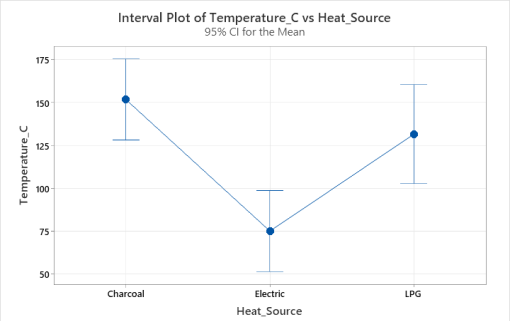
Figure 3 illustrates the variation in mean chamber temperature for the three heating systems. The charcoal-fired kiln achieved the highest average chamber temperature (151.7°C), followed by the LPG-fired kiln (131.5°C), while the electrically heated kiln recorded the lowest average temperature (75.03°C). The superior thermal performance of the charcoal-fired kiln is primarily attributed to the high combustion temperature of charcoal and its ability to sustain heat generation over an extended period. However, the wider confidence interval observed for the charcoal system indicates greater fluctuations in chamber temperature, reflecting variations in combustion intensity during the smoking process. By comparison, the electrically heated kiln exhibited relatively small temperature fluctuations, indicating improved thermal stability. Although the average temperature was lower, the controlled nature of electric heating reduced unnecessary thermal losses and provided more uniform heat distribution within the drying chamber. Such temperature stability is advantageous for producing more Consistent drying conditions and reducing the likelihood of localised overheating. These observations indicate that a higher chamber temperature does not necessarily correspond to better overall thermal performance. Efficient heat utilisation depends on both the amount of heat generated and the effectiveness with which that heat is transferred to the product, as seen in
Table 4.
Table 4. Mean Temperature Distribution for Different Heat Sources.
Heat_Source | N | Mean | St Dev | 95% CI |
Charcoal | 36 | 151.7 | 94.1 | (128.2, 175.3) |
Electric | 36 | 75.03 | 25.42 | (51.46, 98.60) |
LPG | 24 | 131.5 | 77.7 | (102.6, 160.3) |
Figure 3. Interval plot of mean chamber temperature for different heat sources with 95% confidence intervals.
3.4. Temperature Variation with Smoking Time
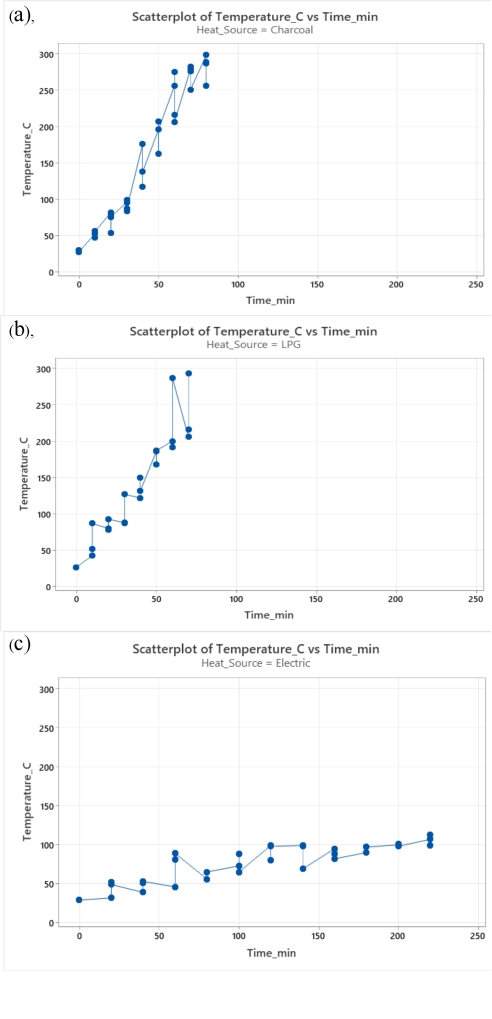
Figure 4 shows the temporal variation in chamber temperature during fish smoking for the three heating systems. In all cases, chamber temperature increased rapidly during the initial stage of smoking before approaching relatively stable operating conditions. The charcoal-fired kiln exhibited the highest rate of temperature increase and attained temperatures approaching 300°C. This behaviour is characteristic of biomass combustion, where continuous oxidation of the fuel releases a large amount of thermal energy. However, the higher operating temperature also increased heat transfer to the surroundings through conduction, convection, and radiation, thereby reducing overall thermal efficiency.
The LPG-fired kiln demonstrated a similar heating pattern but with lower peak temperatures. Because gaseous fuel burns more uniformly than solid biomass, the LPG system produced comparatively smoother temperature profiles while maintaining adequate thermal energy for moisture removal.
The electrically heated kiln exhibited the lowest heating rate and the lowest chamber temperatures. Nevertheless, the heating profile was considerably more stable than those of the charcoal- and LPG-fired systems. This stable thermal behaviour reflects the ability of electrical resistance heating to supply energy at a nearly constant rate without the fluctuations associated with combustion. From an engineering perspective, these results indicate that the heating mechanism influences not only the magnitude of chamber temperature but also its stability throughout the drying process. Stable thermal conditions are desirable because they promote uniform drying and reduce the risk of localised overheating.
Figure 4. Temporal variation of chamber temperature during fish smoking using (a) charcoal, (b) LPG, and (c) electric heating systems.
3.5. Fish Weight Reduction During Smoking
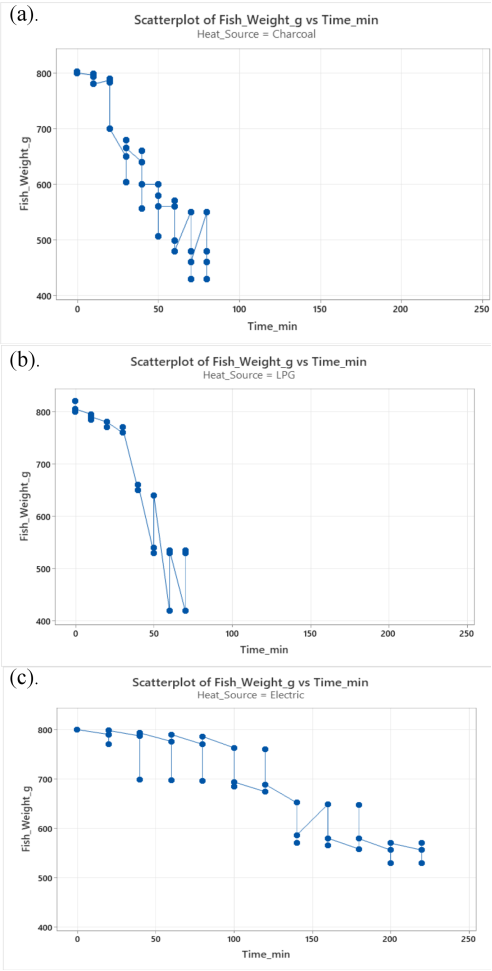
Figure 5 illustrates the variation in fish weight during smoking for the charcoal-, LPG-, and electrically heated kiln systems. In all three cases, fish weight decreased progressively with smoking time, indicating continuous moisture removal throughout the drying process. However, the rate of weight reduction differed considerably among the heating chambers. The charcoal-fired kiln produced the fastest reduction in fish weight, which is consistent with its higher chamber temperatures and greater heat generation. The elevated thermal conditions accelerated moisture evaporation from the fish tissues, resulting in a shorter drying period. Similar observations have been reported for biomass-fired drying systems, where higher combustion temperatures increase the rate of moisture removal.
| [9] | Amponsah, S. K., Asare, H., Okyere, H., Owusu-Asante, J. O., Minkah, E., and Ketemepi, H. K., "Performance characterization of a locally developed fish smoke-drying kiln for charcoal and briquette," Journal of Agricultural Science, vol. 14, no. 11, p. 43, 2022. |
| [12] | Keey, R. B., Drying: principles and practice. Elsevier, 2013. |
[9, 12]
.
The LPG-fired kiln also confirmed effective drying performance, although the reduction in fish weight occurred at a slower rate, which was observed for the charcoal system. The cleaner combustion associated with LPG produced a more stable thermal environment while maintaining sufficient heat for moisture removal. Consequently, the drying performance of the LPG kiln was intermediate between the charcoal- and electrically heated systems. The electrically heated kiln exhibited the slowest reduction in fish weight because of its comparatively lower chamber temperatures. Nevertheless, the more uniform heating conditions may reduce the risk of local overheating and produce more consistent drying. The findings indicate that drying performance is influenced not only by the magnitude of the chamber temperature but also by the stability of heat transfer during the smoking process.
Figure 5. Variation of fish weight with smoking time for (a) charcoal-fired, (b) LPG-fired, and (c) electrically heated fish smoking kilns.
3.6. Regression Analysis
The regression analysis showed a statistically significant inverse relationship between chamber temperature and fish weight during the smoking process. The fitted regression equation,
(4)
indicates that fish weight decreased as chamber temperature increased. This trend is expected because higher temperatures enhance moisture evaporation, leading to a progressive reduction in fish mass. The coefficient of determination (R
2 = 65.78%) indicates that approximately two-thirds of the observed variation in fish weight can be explained by chamber temperature alone. Although this represents a strong relationship, the remaining variation is likely associated with other factors, including airflow distribution, initial moisture content, fish geometry, chamber position, and natural biological variability. Therefore, while chamber temperature is a major factor influencing drying behaviour, it should not be considered the only variable controlling moisture removal during fish smoking. Future investigations incorporating additional process variables into multivariable regression or machine-learning models may provide improved predictive capability. The regression analysis demonstrated a strong inverse relationship between chamber temperature and fish weight during the smoking process. The coefficient of determination (R
2 = 65.78%) indicates that chamber temperature accounted for a significant proportion of the variation in fish weight reduction observed during drying. The results confirm that increasing temperature enhanced moisture evaporation and improved drying performance within the smoking kilns, as shown in
Table 5.
Table 5. Regression Model Summary.
Parameter | Value |
S | 70.3443 |
R2 | 65.78% |
Adjusted R2 | 65.42% |
Predicted R2 | 64.39% |
Regression ANOVA revealed that chamber temperature significantly influenced fish weight reduction during fish smoking operations (P < 0.05). The high F-value obtained indicates a strong dependence of moisture removal on thermal conditions within the smoking chamber. The findings confirm that elevated temperatures accelerated drying and improved moisture evaporation during the smoking process, as displayed in
Table 6.
Table 6. Analysis of Variance for Regression Model.
Source | DF | Mean Square | F-Value | P-Value |
Regression | 1 | 894103 | 180.69 | 0.000 |
Temperature | 1 | 894103 | 180.69 | 0.000 |
Error | 94 | 4948 | | |
Total | 95 | | | |
3.7. Pearson Correlation Analysis
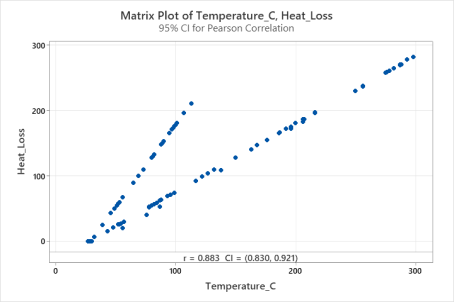
Figure 6 presents the relationship between chamber temperature and heat loss during fish smoking. The Pearson correlation coefficient (r = 0.883) indicates a strong positive linear association between the two variables. As chamber temperature increased, heat loss from the kiln also increased. This behaviour is consistent with the principles of heat transfer. As the temperature difference between the kiln and the surrounding environment becomes larger, conductive, convective, and radiative heat losses also increase. Consequently, operating the kiln at excessively high temperatures may improve drying performance but can simultaneously reduce overall energy efficiency because a greater proportion of the supplied thermal energy is dissipated to the surroundings.
Figure 6. Pearson correlation showing the relationship between chamber temperature and heat loss during fish smoking operations.
3.8. Thermal Efficiency Analysis
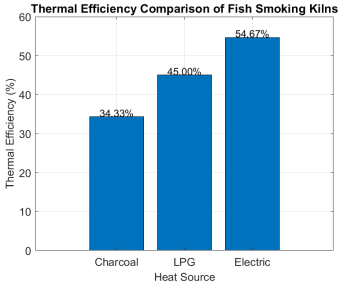
Tables 7 and 8 show the thermal efficiency of the three heating systems investigated. The electrically heated kiln achieved the highest average thermal efficiency (54.67%), followed by the LPG-fired kiln (45.00%), whereas the charcoal-fired kiln recorded the lowest thermal efficiency (34.33%). Although the charcoal-fired kiln generated the highest chamber temperatures and the fastest drying rate, a considerable proportion of the generated heat was lost to the surrounding environment through combustion-related losses, natural convection, and radiation. Consequently, the increased heat generation did not translate into higher thermal efficiency. The electrically heated kiln showed comparatively lower chamber temperatures but utilised the supplied energy more effectively because electrical resistance heating produced a controlled and uniform heat supply with minimal combustion losses. This resulted in more efficient utilisation of thermal energy within the drying chamber. The LPG-fired kiln demonstrated intermediate performance, combining relatively stable combustion with moderate heat generation and lower heat losses than the charcoal-fired kiln.
Table 7. Thermal Efficiency of Different Heat.
Heat Source | Efficiency Values |
LPG (ISMK205) | 54, 51, 30 |
Charcoal (ISMK206) | 33, 35, 35 |
Electric (ISMK207/208) | 51, 54, 59 |
Table 8. Mean Thermal Efficiency of Different Heat Sources.
Heat Source | Mean Thermal Efficiency (%) |
Charcoal | 34.33 |
LPG | 45.00 |
Electric | 54.67 |
Figure 7 shows the thermal efficiency comparison, which revealed noticeable differences among the heating systems investigated. The electrically heated kiln exhibited the highest thermal efficiency (54.67%), followed by the LPG-fired kiln (45.00%), while the charcoal-fired kiln recorded the lowest thermal efficiency (34.33%). The superior efficiency observed in the electric kiln may be attributed to improved thermal control, reduced heat dissipation, and more uniform heat distribution within the smoking chamber. In contrast, the charcoal-fired kiln experienced greater thermal losses associated with biomass combustion and uncontrolled heat transfer during operation. Although the charcoal system generated higher chamber temperatures and faster drying rates, the electric kiln utilised thermal energy more efficiently during fish smoking operations. The results demonstrate that heating source selection significantly influences the thermal performance and energy utilisation characteristics of multi-chamber fish smoking kilns.
Figure 7. Comparison of thermal efficiency for charcoal, LPG, and electrically heated fish smoking kilns.
3.9. Limitations of the Study
This study was conducted under controlled laboratory conditions to compare the thermal and drying performance of charcoal-, LPG-, and electrically powered multi-chamber fish smoking kilns. While the experimental design enabled a consistent comparison of the three heating systems, several limitations should be acknowledged when interpreting the results. First, the experiments were performed using a single fish species (Clarias gariepinus) and a limited number of fish samples. Although repeated measurements generated sufficient experimental observations for statistical analysis, the findings may not fully represent the drying characteristics of other fish species with different sizes, moisture contents, or body compositions. Second, fish weight reduction was used as an indirect indicator of moisture removal because direct measurements of moisture content were not obtained during the experiments. Consequently, drying parameters such as moisture ratio, drying rate, effective moisture diffusivity, and mathematical drying kinetics were not evaluated. These analyses would provide additional insight into the drying process and should be considered in future investigations. Third, the present study focused on thermal performance and energy utilisation. Product quality characteristics, including colour, texture, nutritional composition, microbial safety, and polycyclic aromatic hydrocarbon (PAH) formation, were beyond the scope of this investigation. Incorporating these quality attributes would provide a more comprehensive assessment of fish smoking performance. Furthermore, the investigation relied entirely on experimental measurements and did not include computational fluid dynamics (CFD) simulations, combustion modelling, or numerical heat-transfer analysis. Such approaches could improve understanding of airflow distribution, temperature fields, and heat-transfer mechanisms within the smoking chamber and support further optimisation of kiln design. Finally, economic analysis, fuel cost evaluation, emission assessment, and life-cycle analysis were not considered. These aspects are important for assessing the practical and environmental sustainability of fish smoking technologies and should be investigated in future studies.
Despite these limitations, the study provides reliable experimental data on the comparative thermal behaviour, drying performance, heat loss, and thermal efficiency of charcoal-, LPG-, and electrically powered multi-chamber fish smoking kilns operating under identical experimental conditions. The findings contribute useful engineering information for the design, evaluation, and optimisation of energy-efficient fish smoking systems.
3.10. Engineering Implications
The findings of this study have practical implications for the design and operation of fish smoking kilns. Charcoal-fired systems are capable of producing rapid drying because of their high heat generation; however, they also experience greater thermal losses and less stable operating conditions. Electrically heated systems provide more efficient energy utilisation and improved temperature control, making them suitable for applications where consistent product quality and energy efficiency are priorities. LPG-fired systems offer a compromise between these two approaches by combining relatively stable combustion with satisfactory drying performance. The choice of heating source should therefore be guided by the intended application, fuel availability, operating cost, and desired product quality. Improved insulation, better airflow management, and optimisation of heat distribution could further enhance the performance of all three heating systems.
4. Conclusion
This study experimentally evaluated the thermal and drying performance of charcoal-, LPG-, and electrically powered multi-chamber fish smoking kilns under identical operating conditions. The results demonstrated that the heating source significantly influenced chamber temperature distribution, drying behaviour, heat loss, and thermal efficiency during fish smoking. The charcoal-fired kiln generated the highest chamber temperatures and produced the fastest reduction in fish weight, indicating enhanced drying intensity and rapid moisture removal. However, the higher operating temperatures were also associated with greater thermal losses, resulting in lower overall thermal efficiency. The LPG-fired kiln exhibited intermediate thermal behaviour, providing satisfactory drying performance with more stable combustion than the charcoal-fired system. In contrast, the electrically heated kiln operated at lower chamber temperatures but achieved the highest average thermal efficiency (54.67%), indicating more effective utilisation of the supplied energy. Statistical analysis confirmed that the heating source had a significant effect on chamber temperature (p < 0.05). Furthermore, regression analysis showed a strong inverse relationship between chamber temperature and fish weight reduction (R2 = 65.78%), while Pearson correlation analysis revealed a strong positive association between chamber temperature and heat loss (r = 0.883). From an engineering perspective, the findings demonstrate that higher operating temperatures do not necessarily result in superior thermal performance. Although charcoal combustion accelerated drying, the associated increase in heat dissipation reduced overall energy efficiency. Conversely, the electrically heated kiln provided more stable thermal conditions and more efficient energy utilisation. These observations highlight the importance of considering both drying performance and thermal efficiency when selecting or designing fish smoking systems.
The results of this study provide useful engineering information for the development and optimisation of multi-chamber fish smoking kilns for small- and medium-scale fish processing enterprises. Improving thermal insulation, airflow distribution, and heat management could further enhance kiln performance while reducing energy losses and operating costs. This study was limited to laboratory-scale experiments conducted using a single fish species under controlled operating conditions. Product quality characteristics, such as colour, texture, nutritional composition, microbial safety, and polycyclic aromatic hydrocarbon (PAH) formation, were not investigated. Similarly, computational fluid dynamics (CFD), drying kinetics, economic analysis, emission assessment, and life-cycle evaluation were beyond the scope of the present investigation. Future studies should integrate these aspects to provide a more comprehensive assessment of the technical, economic, and environmental performance of fish smoking systems.






 Share This Article
 Twitter
 Linked In
 Facebook
 Copy
Copy Download