Abstract
Cancer in children, adolescents, and young adults comprises a biologically and clinically heterogeneous spectrum. Evidence from Bangladesh is limited, and comparisons across studies are complicated by inconsistent age definitions, referral patterns, and cancer classification systems. This hospital based descriptive study included 105 patients aged 1-25 years with a documented malignant diagnosis at the oncology outpatient department of Rajshahi Medical College and Hospital. Age, sex, primary site, diagnostic category, and histopathology were summarized using counts, percentages, and 95% Wilson confidence intervals. A structured contextual search of peer-reviewed studies and authoritative datasets from Bangladesh, India, Nigeria, Europe, Japan, Korea, Australia, Ireland, the United States, France, Brazil, China, Jordan, WHO, and IARC was undertaken. External estimates were compared narratively and not pooled because of heterogeneity in age windows, settings, denominators, and classification systems. Of the patients, 83 (79.0%; 95% CI 70.3-85.7) were aged 15-25 years and 22 (21.0%; 95% CI 14.3-29.7) were aged 1-14 years; 52.4% (95% CI 42.9-61.7) were male. Sarcomas were the most frequent diagnostic group (26.7%; 95% CI 19.1-35.8), followed by germ cell tumors (21.9%; 95% CI 15.1-30.7), lymphomas (14.3%), and central nervous system tumors (12.4%). Bone/soft-tissue and gonadal sites comprised 52.4% of the cohort. Comparator datasets showed more hematologic, sarcoma, CNS, bone, and germ-cell malignancies in younger and referral populations, while older population-based datasets were increasingly dominated by epithelial cancers. The findings represent a tertiary hospital case mix rather than population incidence. Sarcoma and germ-cell predominance plausibly reflects the young age window and referral setting. Harmonized age definitions, ICD-O-based coding, age-stratified reporting, population-based registration, and prospective stage, treatment, and outcome data are needed in Bangladesh.
Keywords
Cancer Epidemiology, Sarcoma, Germ Cell Tumor, Hospital-based Registry, International Benchmarking
1. Introduction
Cancer is a major and increasing cause of morbidity and mortality. GLOBOCAN 2022 estimated almost 20 million new cancer cases and 9.7 million cancer deaths worldwide, with the future burden expected to rise substantially as populations expand and age
| [1] | Bray, F., Laversanne, M., Sung, H., Ferlay, J., Siegel, R. L., Soerjomataram, I., et al. Global cancer statistics 2022: GLOBOCAN estimates of incidence and mortality worldwide for 36 cancers in 185 countries. CA: A Cancer Journal for Clinicians. 2024, 74(3), 229-263. https://doi.org/10.3322/caac.21834 |
[1]
. Although cancer is concentrated in later life, disease occurring in children, adolescents, and young adults has an outsized impact because it removes healthy life-years and interrupts education, employment, relationships, fertility, and family formation during formative stages
| [2] | Li, W., Liang, H., Wang, W., Liu, J., Liu, X., Lao, S., et al. Global cancer statistics for adolescents and young adults: population based study. Journal of Hematology & Oncology. 2024, 17, 99. https://doi.org/10.1186/s13045-024-01623-9 |
| [3] | World Health Organization. Childhood cancer. Available from: https://www.who.int/news-room/fact-sheets/detail/cancer-in-children (accessed 10 July 2026). |
[2, 3]
.
Cancer in younger people is not a single epidemiological entity. Childhood cancers are dominated by leukemias, brain and other central nervous system tumors, lymphomas, embryonal tumors, and selected sarcomas, whereas increasing age brings a progressive rise in epithelial malignancies and sex-specific cancers. WHO estimates that approximately 400,000 people aged 0-19 years develop cancer each year. Leukemia, brain tumors, and other solid tumors predominate in childhood, while lymphoma, bone cancer, and thyroid cancer become more common during adolescence
. Among persons aged 15-39 years globally, 1.30 million new cancer cases and 377,621 deaths were estimated in 2022, with breast, thyroid, and cervical cancers among the leading diagnoses
| [2] | Li, W., Liang, H., Wang, W., Liu, J., Liu, X., Lao, S., et al. Global cancer statistics for adolescents and young adults: population based study. Journal of Hematology & Oncology. 2024, 17, 99. https://doi.org/10.1186/s13045-024-01623-9 |
[2]
.
Outcomes are strongly unequal. In high-income countries, at least 80% of children with cancer survive, but survival is below 30% in many low- and middle-income countries, where nearly nine in ten affected children live
. The causes are not limited to tumor biology. Delayed presentation, diagnostic error, treatment abandonment, shortages of essential medicines, insufficient radiotherapy and pathology capacity, fragmented referral systems, and catastrophic household expenditure contribute to avoidable mortality
| [4] | World Health Organization. Improving the childhood cancer cure rate: Global Initiative for Childhood Cancer. Available from:
https://www.who.int/activities/improving-childhood-cancer-cure-rate (accessed 10 July 2026). |
| [5] | Ferrari, A., Stark, D., Peccatori, F. A., Fern, L., Laurence, V., Gaspar, N., et al. Adolescents and young adults with cancer: a position paper from the AYA Working Group of the European Society for Medical Oncology and the European Society for Paediatric Oncology. ESMO Open. 2021, 6(2), 100096.
https://doi.org/10.1016/j.esmoop.2021.100096 |
[4, 5]
. WHO’s Global Initiative for Childhood Cancer aims to increase global childhood-cancer survival to at least 60% by 2030 through stronger information systems, timely diagnosis, access to quality treatment, and supportive care
.
The terminology applied to younger patients is inconsistent. WHO defines adolescence as ages 10-19 years, while the US National Cancer Institute commonly defines adolescents and young adults (AYAs) as people diagnosed at ages 15-39 years
| [6] | National Cancer Institute. Adolescents and Young Adults (AYAs) with Cancer. Available from:
https://www.cancer.gov/types/aya (accessed 10 July 2026). |
| [7] | National Cancer Institute, Surveillance, Epidemiology, and End Results Program. Cancer Stat Facts: Cancer Among Adolescents and Young Adults (AYAs) (Ages 15-39). Available from: https://seer.cancer.gov/statfacts/html/aya.html (accessed 10 July 2026). |
[6, 7]
. Australia often reports ages 15-24, Korea has published both 15-29 and 15-39 cohorts, and childhood cancer studies may use 0-14 or 0-19 years. These definitions are not interchangeable. A study ending at age 25 captures many pediatric-type and germ-cell malignancies but excludes ages 26-39, when breast, cervical, thyroid, oral, colorectal, and other carcinomas become increasingly prominent. The present dataset includes ages 1-25, and the entire cohort is therefore described by its explicit age range rather than being labelled uniformly as AYA.
The distinction between hospital-based and population-based evidence is equally important. A hospital case series describes the diagnoses that reach a specific service. It is influenced by referral pathways, institutional expertise, geographic access, affordability, clinical practice, and whether hematological, surgical, pediatric, gynecological, and radiation oncology services are located in the same institution. Population-based registries instead aim to enumerate every eligible diagnosis in a defined population and permit calculation of incidence, mortality, and survival. Directly comparing percentages from the two designs without acknowledging these differences can create false conclusions about national cancer risk.
Bangladesh has a large and growing all-age cancer burden. The IARC country fact sheet for 2024 estimates 187,263 new cases, 138,906 deaths, and an age-standardized incidence rate of 117.5 per 100,000; the leading male cancers include oesophageal, lung, and stomach cancer
| [8] | International Agency for Research on Cancer. Global Cancer Observatory: Cancer Today - Bangladesh. Available from: https://gco.iarc.who.int/today/ (accessed 10 July 2026). |
[8]
. The WHO South-East Asia Region reported approximately 2.4 million new cases, including 56,000 children, and 1.5 million deaths in 2022
. However, national modelled estimates primarily reflect adult epithelial cancers and cannot describe the clinicopathological mix among children and younger adults. Bangladesh also lacks mature population-based young-person cancer surveillance comparable with established registry systems in several high-income countries.
Published Bangladeshi data remain sparse. At the National Institute of Cancer Research and Hospital in Dhaka, a 2016 series of 400 patients aged 15-39 years reported germ-cell/trophoblastic tumors, lymphomas, bone tumors, soft tissue sarcomas, leukemias, and gastrointestinal carcinomas as major groups, with marked differences between younger and older AYAs
| [10] | Khan, A. A. M., Akhtar, P. S., Ali, M. Y., Khatun, N., Alam, M. J. Epidemiology of adolescents and young adult cancers in National Institute of Cancer Research and Hospital, Dhaka. International Journal of Molecular and Immuno Oncology. 2021, 6(1), 11-15.
https://doi.org/10.25259/IJMIO_22_2020 |
[10]
. Earlier and more recent South Asian studies similarly show that the cancer profile changes with age, sex, referral setting, and classification. Consequently, the value of a small tertiary-hospital study lies less in estimating national burden than in documenting the service-level case mix, identifying diagnostic and care requirements, and generating hypotheses for multicentre or registry-based research.
This study had two objectives. First, it described the demographic, anatomical, diagnostic, and histopathological profile of cancers among patients aged 1-25 years attending a tertiary oncology service in north-western Bangladesh. Second, it placed the findings within a structured international benchmarking framework using comparable hospital cohorts, population-based registries, and authoritative international datasets, while explicitly accounting for differences in age definition, study design, and cancer classification.
2. Manuscript Formatting
Figure 1. Age distribution of patients aged 1-25 years (n = 105).
Figure 2. Major diagnostic categories with 95% Wilson confidence intervals.
Figure 3. Age windows used in the present study and selected comparator datasets. The present study includes children but excludes ages 26-39 years, when epithelial cancers become increasingly prominent in conventional AYA registries.
Figure 4. Male proportion in selected hospital- and population-based cohorts. Differences reflect age structure, tumor mix, referral pathways, and study design and should not be interpreted as sex-specific population risk.
Figure 5. Reported share of the leading cancer category in selected datasets. Categories are not harmonized, and bars are descriptive rather than directly comparable estimates of incidence or prevalence.
Figure 6. Sunburst chart of the hierarchical diagnostic composition of the present cohort.
Figure 7. Waterfall chart showing how each diagnostic category contributes to the cumulative cohort total.
Figure 8. Waterfall chart showing how each diagnostic category contributes to the cumulative cohort total.
Figure 9. Pivot-style matrix of selected reported cancer-group shares across six datasets.
Figure 10. Radar chart comparing four cross-walked diagnostic dimensions in the Rajshahi and Dhaka hospital cohorts.
Figure 11. Box-and-whisker chart of reported age-specific incidence across selected population registries.
Figure 12. Exploratory three-dimensional surface chart of age-specific incidence in Brazil, Canada, and the United States.
Figure 13. Exploratory three-dimensional ribbon/area chart of the same age-specific incidence trajectories.
Table 1. Demographic characteristics of the cohort (n = 105).
Variable | Category | n | % | 95% CI,% |
Age group, years | 1-4 | 4 | 3.8 | 1.5-9.4 |
Age group, years | 5-9 | 8 | 7.6 | 3.9-14.3 |
Age group, years | 10-14 | 10 | 9.5 | 5.3-16.6 |
Age group, years | 15-19 | 28 | 26.7 | 19.1-35.8 |
Age group, years | 20-25 | 55 | 52.4 | 42.9-61.7 |
Broad age segment | 1-14 | 22 | 21.0 | 14.3-29.7 |
Broad age segment | 15-25 | 83 | 79.0 | 70.3-85.7 |
Sex | Male | 55 | 52.4 | 42.9-61.7 |
Sex | Female | 50 | 47.6 | 38.3-57.1 |
* CI, confidence interval. Wilson score confidence intervals are shown.
Table 2. Major diagnostic categories (n = 105).
Diagnostic category | n | % | 95% CI,% |
Sarcomas | 28 | 26.7 | 19.1-35.8 |
Germ cell tumors | 23 | 21.9 | 15.1-30.7 |
Lymphomas | 15 | 14.3 | 8.9-22.2 |
CNS tumors | 13 | 12.4 | 7.4-20.0 |
Gastrointestinal carcinomas | 11 | 10.5 | 6.0-17.8 |
GTN | 7 | 6.7 | 3.3-13.1 |
Breast carcinoma | 3 | 2.9 | 1.0-8.1 |
Other gynecological cancers | 3 | 2.9 | 1.0-8.1 |
Other/CUP | 2 | 1.9 | 0.5-6.7 |
* CNS, central nervous system; CUP, cancer of unknown primary; GTN, gestational trophoblastic neoplasia.
Table 3. Anatomical distribution of primary tumor sites (n = 105).
Primary site | n | % |
Bone and soft tissue | 28 | 26.7 |
Gonads (testis/ovary) | 27 | 25.7 |
Lymph nodes | 15 | 14.3 |
Brain/CNS | 13 | 12.4 |
Gastrointestinal tract | 12 | 11.4 |
Breast | 3 | 2.9 |
Gynecological organs | 3 | 2.9 |
Other sites | 4 | 3.8 |
* CNS, central nervous system. “Other sites” was recalculated as 3.8% from 4/105.
Table 4. Histopathological spectrum (n = 105).
Histopathology | n | % |
Germ cell tumors, all subtypes | 23 | 21.9 |
Ewing sarcoma family | 11 | 10.5 |
Adenocarcinoma | 11 | 10.5 |
Hodgkin lymphoma | 9 | 8.6 |
Rhabdomyosarcoma | 9 | 8.6 |
Medulloblastoma | 7 | 6.7 |
Non-Hodgkin lymphoma | 6 | 5.7 |
Osteosarcoma | 6 | 5.7 |
Other histologies | 23 | 21.9 |
Table 5. Expanded structured comparison with regional and international datasets.
Dataset characteristics |
Source & location | Period | Age, y | Design/size | Sex pattern |
Present study; Rajshahi, Bangladesh | N/A | 1-25 | Hospital-based oncology OPD; n=105 | Male 52.4% |
Khan et al. | [10] | Khan, A. A. M., Akhtar, P. S., Ali, M. Y., Khatun, N., Alam, M. J. Epidemiology of adolescents and young adult cancers in National Institute of Cancer Research and Hospital, Dhaka. International Journal of Molecular and Immuno Oncology. 2021, 6(1), 11-15.
https://doi.org/10.25259/IJMIO_22_2020 |
[10] | 2016 | 15-39 | Tertiary cancer hospital; n=400 | Male 69.3% |
Singh et al. | [11] | Singh, R., Shirali, R., Chatterjee, S., Adhana, A., Arora, R. S. Epidemiology of cancers among adolescents and young adults from a tertiary cancer center in Delhi. Indian Journal of Medical and Paediatric Oncology. 2016, 37(2), 90-94.
https://doi.org/10.4103/0971-5851.180135 |
[11] | 2014 | 15-29 | Two tertiary hospitals; n=287 | Male 57.5% |
Darling et al. | [12] | Darling, H. S., Mohan, R., Sud, R. Epidemiology of cancer in adolescents and young adults from a tertiary care hospital in Southern India. Journal of Cancer Research and Therapeutics. 2023, 19(7), 2036-2044.
https://doi.org/10.4103/jcrt.jcrt_1185_22 |
[12] | 2018-2021 | 15-39 | Tertiary hospital; n=369 | Male predominance reported |
Kapoor et al. | [13] | Kapoor, G., Arora, R. S., Radhakrishnan, V., Nath, A., Malhotra, P., Cyriac, S. L., et al. Profile of childhood cancers from hospital-based cancer registries in India, 2012-19. Indian Pediatrics. 2024, 61(1), 39-44.
https://doi.org/10.1007/s13312-024-3085-4 |
[13] | 2012-2019 | 0-19 | 96 hospital-based registries; n=60,720 | M:F 1.73:1 |
Mathur et al. | [14] | Mathur, P., Nath, A., Sathishkumar, K. Adolescent and young adult cancers in India: findings from the National Cancer Registry Programme. Cancer Epidemiology. 2022, 78, 102124.
https://doi.org/10.1016/j.canep.2022.102124 |
[14] | 2012-2016 | 15-39 | 28 PBCRs and 58 HBCRs | Female AAR > male AAR |
Khanna et al. | [15] | Khanna, D., Vishwakarma, R., Sharma, A. N., Budukh, A., Verma, R. K., Riguvanshi, A., et al. Epidemiology of adolescent and young adult cancer and associated disparities in cancer pattern and care in India: findings from Varanasi's population-based cancer registry, 2017-2019. Cancer Causes & Control. 2025, 36(11), 1477-1488.
https://doi.org/10.1007/s10552-025-02030-2 |
[15] | 2017-2019 | 15-39 | Population-based registry; n=1,105 AYAs | Male 54.7% |
Abdus-Salam et al. | [16] | Abdus-Salam, A. A., Ehiedu, C. G., Ojo, O. T., Ntekim, A. I., Jimoh, M. A., Bashir, M. A., et al. Pattern of cancers among adolescents and young adults seen at a radiation oncology clinic in Nigeria. ecancermedicalscience. 2025, 19, 2019.
https://doi.org/10.3332/ecancer.2025.2019 |
[16] | 2018-2023 | 15-39 | Radiation-oncology clinic; n=529 | Male 25.0% |
Trama et al. | [17] | Trama, A., Stark, D., Bozovic-Spasojevic, I., Gaspar, N., Peccatori, F., Toss, A., et al. Cancer burden in adolescents and young adults in Europe. ESMO Open. 2023, 8(1), 100744.
https://doi.org/10.1016/j.esmoop.2022.100744 |
[17] | Recent registry periods | 15-39 | Multi-country population-based synthesis | Varied by country |
AIHW | [18] | Australian Institute of Health and Welfare. Cancer in adolescents and young adults in Australia 2023. Canberra: Australian Institute of Health and Welfare. 2023.
https://doi.org/10.25816/ez1m-0803 |
[18] | 2014-2018 | 15-24 | National population data; n=5,302 | Male 51.2% |
NCRI ; Ireland | 2011-2020 | 0-24 | National registry; average 369 cases/year | Not reported in summary |
Nakata et al. | [20] | Nakata, K., Hiyama, E., Katanoda, K., Matsuda, T., Tada, Y., Inoue, M., et al. Cancer in adolescents and young adults in Japan: epidemiology and cancer strategy. International Journal of Clinical Oncology. 2022, 27(1), 7-15.
https://doi.org/10.1007/s10147-021-02064-x |
[20] | 2016-2018 | 15-39 | National registry; ~20,000/year | ASIR female 72.1 vs male 35.1/100,000 |
Moon et al. | [21] | Moon, E. K., Park, H. J., Oh, C. M., Jung, K. W., Shin, H. Y., Park, B. K., et al. Cancer incidence and survival among adolescents and young adults in Korea. PLoS One. 2014, 9(5), e96088. https://doi.org/10.1371/journal.pone.0096088 |
[21] | 1999-2010 | 15-29 | Population-based registry; n=39,639 | 35.4% male |
SEER | [7] | National Cancer Institute, Surveillance, Epidemiology, and End Results Program. Cancer Stat Facts: Cancer Among Adolescents and Young Adults (AYAs) (Ages 15-39). Available from: https://seer.cancer.gov/statfacts/html/aya.html (accessed 10 July 2026). |
[7] | 2019-2023 | 15-39 | Population-based surveillance | Incidence female 97.2 vs male 58.5/100,000 |
Li et al. | [2] | Li, W., Liang, H., Wang, W., Liu, J., Liu, X., Lao, S., et al. Global cancer statistics for adolescents and young adults: population based study. Journal of Hematology & Oncology. 2024, 17, 99. https://doi.org/10.1186/s13045-024-01623-9 |
[2] | 2022 burden | 15-39 | GLOBOCAN 2022; 1,300,196 new cases | Female incidence ~1.9× male |
Leading cancer pattern and interpretive value |
Source & location | Leading cancer pattern | Interpretive value |
Present study; Rajshahi, Bangladesh | Sarcoma 26.7%; GCT 21.9%; lymphoma 14.3% | Young age window and tertiary referral case mix |
Khan et al. | [10] | Khan, A. A. M., Akhtar, P. S., Ali, M. Y., Khatun, N., Alam, M. J. Epidemiology of adolescents and young adult cancers in National Institute of Cancer Research and Hospital, Dhaka. International Journal of Molecular and Immuno Oncology. 2021, 6(1), 11-15.
https://doi.org/10.25259/IJMIO_22_2020 |
[10] | GCT/trophoblastic 16.0%; lymphoma 15.8%; bone 15.8%; STS 13.8%; leukemia 12.5% | Closest national comparator; 72.5% stage III/IV and wider age band |
Singh et al. | [11] | Singh, R., Shirali, R., Chatterjee, S., Adhana, A., Arora, R. S. Epidemiology of cancers among adolescents and young adults from a tertiary cancer center in Delhi. Indian Journal of Medical and Paediatric Oncology. 2016, 37(2), 90-94.
https://doi.org/10.4103/0971-5851.180135 |
[11] | Carcinomas 40.8%; lymphoma 12.9%; leukemia 10.4% | Carcinoma transition visible because 47.4% were aged 25-29 |
Darling et al. | [12] | Darling, H. S., Mohan, R., Sud, R. Epidemiology of cancer in adolescents and young adults from a tertiary care hospital in Southern India. Journal of Cancer Research and Therapeutics. 2023, 19(7), 2036-2044.
https://doi.org/10.4103/jcrt.jcrt_1185_22 |
[12] | Breast, thyroid, and astrocytoma were most common | Modern hospital comparator including full AYA age band |
Kapoor et al. | [13] | Kapoor, G., Arora, R. S., Radhakrishnan, V., Nath, A., Malhotra, P., Cyriac, S. L., et al. Profile of childhood cancers from hospital-based cancer registries in India, 2012-19. Indian Pediatrics. 2024, 61(1), 39-44.
https://doi.org/10.1007/s13312-024-3085-4 |
[13] | Leukemia 36%; lymphoma 12%; bone 11%; CNS 10% | Large pediatric/adolescent hospital benchmark |
Mathur et al. | [14] | Mathur, P., Nath, A., Sathishkumar, K. Adolescent and young adult cancers in India: findings from the National Cancer Registry Programme. Cancer Epidemiology. 2022, 78, 102124.
https://doi.org/10.1016/j.canep.2022.102124 |
[14] | 15-24: myeloid leukemia/NHL; 30-39: breast, thyroid, mouth, tongue | National registry evidence of age-dependent transition |
Khanna et al. | [15] | Khanna, D., Vishwakarma, R., Sharma, A. N., Budukh, A., Verma, R. K., Riguvanshi, A., et al. Epidemiology of adolescent and young adult cancer and associated disparities in cancer pattern and care in India: findings from Varanasi's population-based cancer registry, 2017-2019. Cancer Causes & Control. 2025, 36(11), 1477-1488.
https://doi.org/10.1007/s10552-025-02030-2 |
[15] | Mouth 16.5%; breast 12.2%; tongue 6.2% | Population-based, exposure-shaped epithelial profile |
Abdus-Salam et al. | [16] | Abdus-Salam, A. A., Ehiedu, C. G., Ojo, O. T., Ntekim, A. I., Jimoh, M. A., Bashir, M. A., et al. Pattern of cancers among adolescents and young adults seen at a radiation oncology clinic in Nigeria. ecancermedicalscience. 2025, 19, 2019.
https://doi.org/10.3332/ecancer.2025.2019 |
[16] | Breast 39.1%; bone/soft tissue 12.9%; cervix 11.6% | Older and female-predominant referral profile |
AIHW | [18] | Australian Institute of Health and Welfare. Cancer in adolescents and young adults in Australia 2023. Canberra: Australian Institute of Health and Welfare. 2023.
https://doi.org/10.25816/ez1m-0803 |
[18] | Hodgkin 12.7%; melanoma 12.4%; testicular GCT 11.8%; thyroid 10.5% | Age-matched high-income benchmark; 5-year survival 90% |
NCRI ; Ireland | 0-15: CNS, leukemia, lymphoma; 16-24: epithelial/melanoma, lymphoma, CNS | Shows within-country shift across childhood and young adulthood |
Nakata et al. | [20] | Nakata, K., Hiyama, E., Katanoda, K., Matsuda, T., Tada, Y., Inoue, M., et al. Cancer in adolescents and young adults in Japan: epidemiology and cancer strategy. International Journal of Clinical Oncology. 2022, 27(1), 7-15.
https://doi.org/10.1007/s10147-021-02064-x |
[20] | 15-19: hematologic, sarcoma, CNS; older groups: testis, thyroid, breast, cervix, GI | Detailed age- and sex-specific transition |
Moon et al. | [21] | Moon, E. K., Park, H. J., Oh, C. M., Jung, K. W., Shin, H. Y., Park, B. K., et al. Cancer incidence and survival among adolescents and young adults in Korea. PLoS One. 2014, 9(5), e96088. https://doi.org/10.1371/journal.pone.0096088 |
[21] | Thyroid, NHL, stomach, breast, AML | High thyroid contribution and strong female predominance |
SEER | [7] | National Cancer Institute, Surveillance, Epidemiology, and End Results Program. Cancer Stat Facts: Cancer Among Adolescents and Young Adults (AYAs) (Ages 15-39). Available from: https://seer.cancer.gov/statfacts/html/aya.html (accessed 10 July 2026). |
[7] | Breast 15%; thyroid 15%; testis 8%; colorectum 7% | Current incidence and survival benchmark; 5-year survival 86.1% |
Trama et al. | [17] | Trama, A., Stark, D., Bozovic-Spasojevic, I., Gaspar, N., Peccatori, F., Toss, A., et al. Cancer burden in adolescents and young adults in Europe. ESMO Open. 2023, 8(1), 100744.
https://doi.org/10.1016/j.esmoop.2022.100744 |
[17] | Breast, thyroid, testis, melanoma, cervix | High-income multi-country benchmark with geographic disparities |
Li et al. | [2] | Li, W., Liang, H., Wang, W., Liu, J., Liu, X., Lao, S., et al. Global cancer statistics for adolescents and young adults: population based study. Journal of Hematology & Oncology. 2024, 17, 99. https://doi.org/10.1186/s13045-024-01623-9 |
[2] | Breast, thyroid, cervix among leading cancers | Global benchmark; 377,621 deaths and HDI-related inequality |
AAR, age-adjusted rate; AIHW, Australian Institute of Health and Welfare; AML, acute myeloid leukemia; ASIR, age-standardized incidence rate; CNS, central nervous system; GCT, germ cell tumor; GI, gastrointestinal; HBCR, hospital-based cancer registry; NCRP, National Cancer Registry Programme; NHL, non-Hodgkin lymphoma; OPD, outpatient department; PBCR, population-based cancer registry; STS, soft-tissue sarcoma. External values are reproduced as reported; no pooled comparison is valid.
Table 6. Official and population-based benchmarks relevant to interpretation.
Source | Age range | Burden/rate | Leading pattern | Outcome or interpretive relevance |
WHO global childhood cancer | 0-19 | ~400,000 cases/year; nearly 9 in 10 occur in LMICs | Leukemia and brain tumors dominate childhood; lymphoma, bone, and thyroid increase in adolescence | Survival ≥80% in many HICs versus <30% in many LMICs; GICC target ≥60% by 2030 |
International childhood incidence study | [22] | Steliarova-Foucher, E., Colombet, M., Ries, L. A. G., Moreno, F., Dolya, A., Bray, F., et al. International incidence of childhood cancer, 2001-2010: a population-based registry study. The Lancet Oncology. 2017, 18(6), 719-731.
https://doi.org/10.1016/S1470-2045(17)30186-9 |
[22] | 0-14 | 284,649 cases from 153 registries, 62 countries, 2001-2010 | World-standardized incidence 140.6/million; leukemia 46.4/million | Population-based benchmark illustrating registry methodology |
WHO South-East Asia Region | [23] | Steliarova-Foucher, E., Stiller, C., Lacour, B., Kaatsch, P. International Classification of Childhood Cancer, third edition. Cancer. 2005, 103(7), 1457-1467.
https://doi.org/10.1002/cncr.20910 |
[23] | All ages; includes children | 2.4 million new cases and 1.5 million deaths in 2022, including 56,000 children | Breast, cervix, and lung common; region has high lip/oral-cavity burden | Regional policy context, not age-matched to the present cohort |
IARC Bangladesh fact sheet | [8] | International Agency for Research on Cancer. Global Cancer Observatory: Cancer Today - Bangladesh. Available from: https://gco.iarc.who.int/today/ (accessed 10 July 2026). |
[8] | All ages | 187,263 new cases; 138,906 deaths; ASIR 117.5/100,000 in 2024 | Adult epithelial profile; oesophagus, lung, and stomach lead in males | National modelled burden; not directly comparable with a hospital cohort aged 1-25 |
Global AYA analysis | [2] | Li, W., Liang, H., Wang, W., Liu, J., Liu, X., Lao, S., et al. Global cancer statistics for adolescents and young adults: population based study. Journal of Hematology & Oncology. 2024, 17, 99. https://doi.org/10.1186/s13045-024-01623-9 |
[2] | 15-39 | 1,300,196 new cases; 377,621 deaths in 2022; ASIR 40.3/100,000 | Breast, thyroid, and cervical cancers prominent | Best global AYA benchmark but includes ages 26-39 absent from this study |
United States SEER | [7] | National Cancer Institute, Surveillance, Epidemiology, and End Results Program. Cancer Stat Facts: Cancer Among Adolescents and Young Adults (AYAs) (Ages 15-39). Available from: https://seer.cancer.gov/statfacts/html/aya.html (accessed 10 July 2026). |
[7] | 15-39 | Incidence 77.6/100,000; 88,120 estimated new cases in 2026 | Breast and thyroid each 15%; testis 8%; colorectum 7% | 5-year relative survival 86.1% (2016-2022) |
Australia AIHW | [18] | Australian Institute of Health and Welfare. Cancer in adolescents and young adults in Australia 2023. Canberra: Australian Institute of Health and Welfare. 2023.
https://doi.org/10.25816/ez1m-0803 |
[18] | 15-24 | 5,302 cases in 2014-2018; incidence 334.2/million | Hodgkin, melanoma, testicular GCT, thyroid, colorectal | 5-year relative survival 90% |
Ireland NCRI | 0-24 | Average 369 cases/year, 2011-2020 | Age-dependent shift from CNS/leukemia to epithelial/melanoma | 5-year survival 87% at 0-15 and 90% at 16-24 |
Japan national registry | [20] | Nakata, K., Hiyama, E., Katanoda, K., Matsuda, T., Tada, Y., Inoue, M., et al. Cancer in adolescents and young adults in Japan: epidemiology and cancer strategy. International Journal of Clinical Oncology. 2022, 27(1), 7-15.
https://doi.org/10.1007/s10147-021-02064-x |
[20] | 15-39 | ~20,000 cases/year; ASIR 53.3/100,000 (2016-2018) | Hematologic/sarcoma/CNS in adolescents; epithelial cancers rise with age | Overall survival approached 80% for 2007-2011 |
Korea population registry | [21] | Moon, E. K., Park, H. J., Oh, C. M., Jung, K. W., Shin, H. Y., Park, B. K., et al. Cancer incidence and survival among adolescents and young adults in Korea. PLoS One. 2014, 9(5), e96088. https://doi.org/10.1371/journal.pone.0096088 |
[21] | 15-29 | 39,639 cases in 1999-2010; ASIR 196.4/million male and 367.8/million female | Thyroid, NHL, stomach, breast, AML | 5-year survival reached 75.9% male and 89.1% female in 2006-2010 |
*ASIR, age-standardized incidence rate; GICC, Global Initiative for Childhood Cancer; HIC, high-income country; LMIC, low- and middle-income country. Units and periods are retained from each source.
Table 7. Sources of heterogeneity and their implications for comparison.
Source of heterogeneity | Expected effect on observed cancer pattern | Recommended reporting response |
Age window | Including ages 1-14 increases pediatric-type malignancies; including ages 30-39 increases breast, cervical, thyroid, oral, colorectal, and other carcinomas. | Always display exact age bands; conduct age-stratified or sensitivity analyses. |
Case-ascertainment system | Tertiary hospitals overrepresent diseases requiring specialized surgery, radiotherapy, pathology, or referral; population registries cover all institutions. | [24] | Barr, R. D., Holowaty, E. J., Birch, J. M. Classification schemes for tumors diagnosed in adolescents and young adults. Cancer. 2006, 106(7), 1425-1430.
https://doi.org/10.1002/cncr.21773 |
[24] | Do not call hospital proportions incidence or prevalence. |
Service configuration | Separate pediatric, hematology, neurosurgery, gynecology, and radiation services change which diagnoses enter an oncology OPD dataset. | Describe referral routes and institutional services. |
Cancer classification | Broad ad hoc groups can combine biologically different tumors and may not map to ICCC-3 or SEER AYA recodes. | Use ICD-O-3 topography/morphology and internationally recognized recodes. |
Diagnostic confirmation | Limited pathology, immunohistochemistry, molecular testing, or imaging can shift cases into “other” or clinically diagnosed categories. | Report method of confirmation and missingness. |
Sex distribution | Breast, cervical, ovarian, testicular, and thyroid cancers strongly influence the sex ratio in older AYA cohorts. | Present sex-specific distributions and rates where possible. |
Local exposures and screening | Tobacco/areca nut, infections, reproductive factors, and thyroid screening can alter regional patterns. | Interpret differences with local risk-factor and health-system context. |
Calendar period and survival | Improvements in diagnostics and treatment make historical series non-equivalent to recent registry data. | Report years clearly and avoid temporal pooling without standardization. |
Note: This table provides an interpretive framework rather than empirical estimates. Abbreviations: AYA, adolescent and young adult; ICCC-3, International Classification of Childhood Cancer, third edition; ICD-O-3, International Classification of Diseases for Oncology, third edition; OPD, outpatient department; SEER, Surveillance, Epidemiology, and End Results.
Table 8. Additional population-based and registry evidence incorporated into the international benchmark.
Source characteristics and scale |
Source | Age/design | Scale and period |
Desandes et al., France | [26] | Desandes, E., Clavel, J., Molinie, F., et al. Trends in the incidence of cancer among adolescents and young adults between 2000 and 2020: a study based on French population-based registry data. Journal of Adolescent and Young Adult Oncology. 2025, 14(6), 494-503. https://doi.org/10.1089/jayao.2024.0136 |
[26] | 15-39; population-based registries | 54,735 diagnoses; 2000-2020; registries covering 24% of the population |
Balmant et al., Brazil | [27] | Balmant, N. V., de Souza Reis, R., Pinto Oliveira, J. F., Ferman, S., de Oliveira Santos, M., de Camargo, B. Cancer incidence among adolescents and young adults (15 to 29 years) in Brazil. Journal of Pediatric Hematology/Oncology. 2016, 38(3), e88-e96. https://doi.org/10.1097/MPH.0000000000000541 |
[27] | 15-29; 21 population-based registries | Registry periods varied by city |
Gupta et al., 41 countries | [28] | Gupta, S., Harper, A., Ruan, Y., Barr, R., Frazier, A. L., Ferlay, J., et al. International trends in the incidence of cancer among adolescents and young adults. Journal of the National Cancer Institute. 2020, 112(11), 1105-1117.
https://doi.org/10.1093/jnci/djaa007 |
[28] | 15-39; 86 registries | 1,846,588 cases and 3.1 billion person-years; 1998-2012 |
Wu et al., urban Shanghai | [29] | Wu, Q. J., Vogtmann, E., Zhang, W., Xie, L., Yang, W. S., Tan, Y. T., et al. Cancer incidence among adolescents and young adults in urban Shanghai, 1973-2005. PLoS One. 2012, 7(8), e42607. https://doi.org/10.1371/journal.pone.0042607 |
[29] | 15-49; population-based registry | 93,837 cases; 1973-2005 |
Hughes et al., global | [30] | Hughes, T., Harper, A., Gupta, S., Frazier, A. L., van der Graaf, W. T. A., Moreno, F., et al. The current and future global burden of cancer among adolescents and young adults: a population-based study. The Lancet Oncology. 2024, 25(12), 1614-1624. https://doi.org/10.1016/S1470-2045(24)00523-0 |
[30] | 15-39; GLOBOCAN population estimates | 1,300,196 cases and 377,621 deaths in 2022 |
Barbar et al., Jordan | [31] | Barbar, M., Mansour, A., Rihani, R., Sultan, I., Abdel-Razeq, S., Baqain, R., et al. Exploring two decades of cancer trends in adolescents and young adults: insights from a resource-restricted country. World Journal of Oncology. 2026, 17(3), 357-365. https://doi.org/10.14740/wjon2731 |
[31] | 15-39; national cancer registry | 2000-2022 |
Quantitative findings and principal relevance |
Source | Key quantitative findings | Principal relevance |
Desandes et al., France | [26] | Desandes, E., Clavel, J., Molinie, F., et al. Trends in the incidence of cancer among adolescents and young adults between 2000 and 2020: a study based on French population-based registry data. Journal of Adolescent and Young Adult Oncology. 2025, 14(6), 494-503. https://doi.org/10.1089/jayao.2024.0136 |
[26] | ASR 58.1/100,000; males 47.2 and females 68.9; age-specific incidence 20.5 at 15-19 and 130.3 at 35-39 | Demonstrates a >6-fold age gradient and rising incidence for selected lymphoma, sarcoma, CNS, urinary, gastrointestinal, and breast categories. |
Balmant et al., Brazil | [27] | Balmant, N. V., de Souza Reis, R., Pinto Oliveira, J. F., Ferman, S., de Oliveira Santos, M., de Camargo, B. Cancer incidence among adolescents and young adults (15 to 29 years) in Brazil. Journal of Pediatric Hematology/Oncology. 2016, 38(3), e88-e96. https://doi.org/10.1097/MPH.0000000000000541 |
[27] | Median incidence 232.31/million in females and 218.07/million in males; rates increased with age | Provides age-specific rates used for the boxplot and 3D figures and illustrates within-AYA age escalation. |
Gupta et al., 41 countries | [28] | Gupta, S., Harper, A., Ruan, Y., Barr, R., Frazier, A. L., Ferlay, J., et al. International trends in the incidence of cancer among adolescents and young adults. Journal of the National Cancer Institute. 2020, 112(11), 1105-1117.
https://doi.org/10.1093/jnci/djaa007 |
[28] | Overall incidence increased in 23 countries, decreased in 2, and was stable in 16 | Shows that changing AYA incidence is international but heterogeneous; thyroid, testicular, colorectal, breast, and kidney trends require site-specific interpretation. |
Wu et al., urban Shanghai | [29] | Wu, Q. J., Vogtmann, E., Zhang, W., Xie, L., Yang, W. S., Tan, Y. T., et al. Cancer incidence among adolescents and young adults in urban Shanghai, 1973-2005. PLoS One. 2012, 7(8), e42607. https://doi.org/10.1371/journal.pone.0042607 |
[29] | Overall incidence changed by −0.5%/year in males and +0.8%/year in females | Shows long-term transition toward sex-specific and epithelial patterns in a rapidly changing Asian population. |
Hughes et al., global | [30] | Hughes, T., Harper, A., Gupta, S., Frazier, A. L., van der Graaf, W. T. A., Moreno, F., et al. The current and future global burden of cancer among adolescents and young adults: a population-based study. The Lancet Oncology. 2024, 25(12), 1614-1624. https://doi.org/10.1016/S1470-2045(24)00523-0 |
[30] | Female incidence ASR 52.9 vs male 28.3; case fatality 12% in high-income vs 57% in low-income settings; burden projected to rise ~12% by 2050 | Quantifies global inequality and the projected concentration of growth in lower-HDI settings. |
Barbar et al., Jordan | [31] | Barbar, M., Mansour, A., Rihani, R., Sultan, I., Abdel-Razeq, S., Baqain, R., et al. Exploring two decades of cancer trends in adolescents and young adults: insights from a resource-restricted country. World Journal of Oncology. 2026, 17(3), 357-365. https://doi.org/10.14740/wjon2731 |
[31] | Cases rose from 654 to 1,167; ASIR increased from 17.3 at 15-19 to 84.4 at 35-39; 5-year overall survival 73.0% | Adds a resource-constrained national registry comparator with both incidence and outcome data. |
ASIR/ASR, age-standardized incidence rate. External estimates retain the units and definitions used by the original source. They are not directly comparable with percentages from the present hospital cohort.
Table 9. Age-specific total cancer incidence rates used in the box-and-whisker and three-dimensional visualizations.
Country | 15-19 years | 20-24 years | 25-29 years | Unit/source |
France | 219.4 | 293.1 | Not reported in extracted comparison | Per million | [27] | Balmant, N. V., de Souza Reis, R., Pinto Oliveira, J. F., Ferman, S., de Oliveira Santos, M., de Camargo, B. Cancer incidence among adolescents and young adults (15 to 29 years) in Brazil. Journal of Pediatric Hematology/Oncology. 2016, 38(3), e88-e96. https://doi.org/10.1097/MPH.0000000000000541 |
[27] |
England | 144.0 | 226.0 | Not reported in extracted comparison | Per million | [27] | Balmant, N. V., de Souza Reis, R., Pinto Oliveira, J. F., Ferman, S., de Oliveira Santos, M., de Camargo, B. Cancer incidence among adolescents and young adults (15 to 29 years) in Brazil. Journal of Pediatric Hematology/Oncology. 2016, 38(3), e88-e96. https://doi.org/10.1097/MPH.0000000000000541 |
[27] |
Portugal | 198.3 | 306.2 | Not reported in extracted comparison | Per million | [27] | Balmant, N. V., de Souza Reis, R., Pinto Oliveira, J. F., Ferman, S., de Oliveira Santos, M., de Camargo, B. Cancer incidence among adolescents and young adults (15 to 29 years) in Brazil. Journal of Pediatric Hematology/Oncology. 2016, 38(3), e88-e96. https://doi.org/10.1097/MPH.0000000000000541 |
[27] |
Canada | 198.0 | 327.0 | 535.0 | Per million | [27] | Balmant, N. V., de Souza Reis, R., Pinto Oliveira, J. F., Ferman, S., de Oliveira Santos, M., de Camargo, B. Cancer incidence among adolescents and young adults (15 to 29 years) in Brazil. Journal of Pediatric Hematology/Oncology. 2016, 38(3), e88-e96. https://doi.org/10.1097/MPH.0000000000000541 |
[27] |
United States | 221.0 | 379.0 | 610.0 | Per million | [27] | Balmant, N. V., de Souza Reis, R., Pinto Oliveira, J. F., Ferman, S., de Oliveira Santos, M., de Camargo, B. Cancer incidence among adolescents and young adults (15 to 29 years) in Brazil. Journal of Pediatric Hematology/Oncology. 2016, 38(3), e88-e96. https://doi.org/10.1097/MPH.0000000000000541 |
[27] |
Brazil | 153.6 | 219.5 | 339.62 | Per million | [27] | Balmant, N. V., de Souza Reis, R., Pinto Oliveira, J. F., Ferman, S., de Oliveira Santos, M., de Camargo, B. Cancer incidence among adolescents and young adults (15 to 29 years) in Brazil. Journal of Pediatric Hematology/Oncology. 2016, 38(3), e88-e96. https://doi.org/10.1097/MPH.0000000000000541 |
[27] |
3. Methods
The Materials and Methods section should provide comprehensive details to enable other researchers to replicate the study and further expand upon the published results. If you have multiple methods, consider using subsections with appropriate headings to enhance clarity and organization.
3.1. Study design, Setting and Period
This was a hospital-based descriptive observational study conducted in the Department of Oncology, Rajshahi Medical College and Hospital, a tertiary referral institution serving Rajshahi and surrounding districts in north-western Bangladesh. The analysis was designed to characterize the distribution of diagnoses among patients who reached this service. It was not designed to estimate population incidence, prevalence, mortality, or survival. The study period was from January 2024 to December 2024.
3.2. Participants and Eligibility
Patients aged 1-25 years who attended the oncology outpatient department during the study period and had a documented malignant diagnosis were eligible. Newly diagnosed and referred cases were included. Records lacking adequate diagnostic documentation or containing no confirmed malignancy were excluded. The final analytical cohort comprised 105 unique patients.
3.3. Sampling and Duplicates
Consecutive eligible patients who attended the Oncology Outpatient Department during the study period were considered for inclusion. Potentially eligible records were screened against the predefined inclusion and exclusion criteria, including age, confirmed malignant diagnosis, and completeness of clinical and diagnostic documentation. Records without a confirmed malignancy or with incomplete clinical or diagnostic information were excluded. To avoid duplicate inclusion, repeat visits and multiple records belonging to the same patient were identified using available patient identifiers and clinical records, and each patient was included only once in the final dataset.
3.4. Data Sources and Variables
Age, sex, primary anatomical site, broad diagnostic category, and histopathological diagnosis were abstracted from outpatient records, pathology reports, imaging reports, and other available diagnostic documents. Diagnoses were accepted when documented by histopathology, cytology, and/or a clinically supported diagnostic assessment recorded by the treating oncology team. Because patient-level International Classification of Diseases for Oncology, third edition (ICD-O-3), morphology and topography codes were not available in the source dataset, diagnoses were retained in the broad clinical categories used during data collection. This limitation reduces comparability with registry studies and is addressed explicitly in the Discussion.
3.5. Diagnostic Confirmation
The article specifically states that diagnoses were accepted when documented by “histopathology, cytology, and/or a clinically supported diagnostic assessment”, but it does not provide a numerical breakdown according to these confirmation methods.
3.6. Primary Statistical Analysis
Categorical variables were summarized using frequencies and percentages. To communicate uncertainty from the small sample, 95% Wilson score confidence intervals were calculated for major proportions. Percentages were verified against the denominator of 105; the “other sites” proportion was corrected from 3.7% to 3.8% because 4/105 = 3.81%. No incidence or prevalence rates were calculated because there was no defined catchment-population denominator. No hypothesis-driven regression was attempted because only aggregated variables were available. The original descriptive summaries were produced in SPSS version 25.0 and were independently checked using standard binomial calculations.
3.7. Structured Comparative Contextualization
A focused structured search was conducted and updated on 10 July 2026 using PubMed/MEDLINE, journal websites, and official portals of WHO, IARC/Global Cancer Observatory, NCI/SEER, the Australian Institute of Health and Welfare, the National Cancer Registry Ireland, and national or institutional cancer registries. Search concepts combined “childhood cancer”, “adolescent and young adult”, “young people”, “cancer pattern”, “cancer spectrum”, “registry”, “hospital-based”, “population-based”, “Bangladesh”, “India”, “South Asia”, “Africa”, “Europe”, “Japan”, “Korea”, “Australia”, and “global”. Reference lists of key papers were reviewed to identify additional regional evidence. Eligible comparator sources were multicancer observational cohorts, hospital-based registry reports, population-based registry analyses, or authoritative official datasets that included an age range overlapping the present cohort and reported sample size or rates together with leading cancer groups. Site-specific studies, duplicate reports, conference abstracts without sufficient methodological information, and very small case series were not used as principal comparators. Sources were purposively selected to represent Bangladesh, pediatric and AYA hospital cohorts in India, population-based South Asian data, another low- or middle-income setting, and national or multinational high-income benchmarks. External data were extracted as reported by their authors. No meta-analysis, pooled proportion, standardized incidence ratio, or hypothesis test was performed because the sources differed in age range, calendar period, denominator, referral base, diagnostic confirmation, and cancer coding. Figures comparing the leading category or sex composition are descriptive visual summaries only; they must not be interpreted as direct estimates of relative risk or national prevalence.
3.8. Reporting and Ethics
Reporting was revised with reference to the Strengthening the Reporting of Observational Studies in Epidemiology (STROBE) statement
| [27] | Balmant, N. V., de Souza Reis, R., Pinto Oliveira, J. F., Ferman, S., de Oliveira Santos, M., de Camargo, B. Cancer incidence among adolescents and young adults (15 to 29 years) in Brazil. Journal of Pediatric Hematology/Oncology. 2016, 38(3), e88-e96. https://doi.org/10.1097/MPH.0000000000000541 |
[27]
. Patient identifiers were not included in the analytical dataset.
3.9. Ethics
Ethical approval was granted by the Ethical Review Committee (ERC), Rajshahi Medical College, Rajshahi, Bangladesh (Ref. RMC/ERC/2016-2017/04; approval date: 26 June 2016). The approval required appropriate informed-consent procedures, including parental or guardian consent for minors. No waiver of informed consent is documented in the available approval letter.
4. Results
The final cohort comprised 105 patients aged 1-25 years. Most patients were aged 15-25 years (n = 83, 79.0%; 95% CI 70.3-85.7), while 22 (21.0%; 95% CI 14.3-29.7) were aged 1-14 years. The largest age group was 20-25 years (n = 55, 52.4%), followed by 15-19 years (n = 28, 26.7%). Overall, 55 patients were male (52.4%; 95% CI 42.9-61.7) and 50 were female (47.6%; 95% CI 38.3-57.1), giving a male-to-female ratio of approximately 1.1:1 (
Table 1;
Figure 1).
Sarcomas were the most frequent diagnostic category (n = 28, 26.7%; 95% CI 19.1-35.8), followed by germ cell tumors (n = 23, 21.9%; 95% CI 15.1-30.7), lymphomas (n = 15, 14.3%), central nervous system tumors (n = 13, 12.4%), and gastrointestinal carcinomas (n = 11, 10.5%) (
Table 2;
Figure 2). Bone and soft tissue were the most common anatomical sites (26.7%), followed by gonadal sites (25.7%), lymph nodes (14.3%), brain/CNS (12.4%), and gastrointestinal tract (11.4%) (
Table 3). At the histopathological level, germ cell tumors accounted for 21.9% of cases, while Ewing sarcoma family tumors and adenocarcinoma each accounted for 10.5%. Hodgkin lymphoma and rhabdomyosarcoma each represented 8.6%, and medulloblastoma represented 6.7% (
Table 4;
Figures 6 and 7).
The structured comparison demonstrated substantial variation among the selected regional and international datasets in age range, study design, sex distribution, and reported leading cancer categories (
Figures 3-5;
Tables 5-7). The present cohort had a male proportion of 52.4%, compared with 69.3% in the Dhaka hospital cohort, 57.5% in the Delhi hospital cohort, 54.7% in the Varanasi population-based registry, 51.2% in Australian population data, and 25.0% in the Nigerian radiation-oncology cohort. Across the comparator datasets, reported leading categories included carcinomas (40.8%) in Delhi, breast cancer (39.1%) in Nigeria, leukemia (36.0%) in Indian childhood hospital registries, sarcoma (26.7%) in the present cohort, mouth cancer (16.5%) in Varanasi, GCT/trophoblastic tumors (16.0%) in Dhaka, breast and thyroid cancer (15.0% each) in US SEER data, and Hodgkin lymphoma (12.7%) in Australia.
Additional population-based benchmarks showed marked age-specific differences in reported cancer incidence (
Tables 8 and 9;
Figures 11-13). In the French registry analysis, age-specific incidence increased from 20.5 per 100,000 at ages 15-19 to 130.3 per 100,000 at ages 35-39. In Brazil, median incidence was 232.31 per million among females and 218.07 per million among males, while the 41-country analysis reported increasing incidence in 23 countries, stable incidence in 16, and decreasing incidence in two. Among the age-specific registry estimates included in
Table 9, incidence increased across successive age bands in Brazil, Canada, and the United States; for example, US rates rose from 221 per million at ages 15-19 to 379 per million at ages 20-24 and 610 per million at ages 25-29. These external estimates were retained in their originally reported units and were presented descriptively without pooling.
5. Discussion
This study describes the cancer case mix among 105 patients aged 1-25 years attending a tertiary oncology service in north-western Bangladesh and situates it within a broad international evidence base. Four findings are central. First, the cohort was weighted toward late adolescence and early adulthood, although one fifth were children younger than 15 years. Second, sarcomas and germ cell tumors together constituted almost half of all diagnoses. Third, bone/soft-tissue and gonadal primaries accounted for more than half of the anatomical distribution. Fourth, the apparent difference from carcinoma-dominant AYA registries is readily explained by the younger age window, hospital referral setting, and diagnostic grouping rather than requiring a uniquely Bangladeshi biological explanation.
The age window is the most important interpretive issue. Conventional AYA analyses commonly include ages 15-39
| [2] | Li, W., Liang, H., Wang, W., Liu, J., Liu, X., Lao, S., et al. Global cancer statistics for adolescents and young adults: population based study. Journal of Hematology & Oncology. 2024, 17, 99. https://doi.org/10.1186/s13045-024-01623-9 |
| [6] | National Cancer Institute. Adolescents and Young Adults (AYAs) with Cancer. Available from:
https://www.cancer.gov/types/aya (accessed 10 July 2026). |
| [7] | National Cancer Institute, Surveillance, Epidemiology, and End Results Program. Cancer Stat Facts: Cancer Among Adolescents and Young Adults (AYAs) (Ages 15-39). Available from: https://seer.cancer.gov/statfacts/html/aya.html (accessed 10 July 2026). |
| [17] | Trama, A., Stark, D., Bozovic-Spasojevic, I., Gaspar, N., Peccatori, F., Toss, A., et al. Cancer burden in adolescents and young adults in Europe. ESMO Open. 2023, 8(1), 100744.
https://doi.org/10.1016/j.esmoop.2022.100744 |
[2, 6, 7, 17]
, but the present cohort starts at one year and ends at 25. It therefore captures childhood leukemia, CNS tumors, embryonal histologies, sarcomas, and adolescent germ-cell disease while excluding much of the period in which breast, cervical, thyroid, colorectal, oral, and gastrointestinal carcinomas rise steeply. NCI data illustrate this transition: thyroid, Hodgkin lymphoma, and CNS tumors are prominent at ages 15-19; thyroid, testicular cancer, melanoma, and Hodgkin lymphoma at ages 20-29; and breast, thyroid, melanoma, and colorectal cancer at ages 30-39
. Japan shows a similar progression, with hematologic malignancies, sarcomas, and CNS tumors contributing heavily at 15-19, testicular and thyroid/ovarian cancers increasing in the twenties, and breast, cervical, and gastrointestinal carcinomas becoming dominant in the thirties
| [20] | Nakata, K., Hiyama, E., Katanoda, K., Matsuda, T., Tada, Y., Inoue, M., et al. Cancer in adolescents and young adults in Japan: epidemiology and cancer strategy. International Journal of Clinical Oncology. 2022, 27(1), 7-15.
https://doi.org/10.1007/s10147-021-02064-x |
[20]
.
The large Indian childhood-registry study provides the most age-relevant pediatric comparison. Across 60,720 cancers recorded at 96 hospital-based registries among ages 0-19, leukemia constituted 36%, followed by lymphoma (12%), bone tumors (11%), and CNS tumors (10%)
| [13] | Kapoor, G., Arora, R. S., Radhakrishnan, V., Nath, A., Malhotra, P., Cyriac, S. L., et al. Profile of childhood cancers from hospital-based cancer registries in India, 2012-19. Indian Pediatrics. 2024, 61(1), 39-44.
https://doi.org/10.1007/s13312-024-3085-4 |
[13]
. The present study contains fewer leukemias and more sarcoma and germ-cell tumors. This may reflect the oncology outpatient setting, referral of hematological malignancies to separate hematology or pediatric units, incomplete capture of leukemias, and the addition of ages 20-25. Without describing the hospital’s service configuration and referral pathways, the difference cannot be interpreted as true population variation.
The Dhaka NICRH study is the closest national comparator. In 400 patients aged 15-39, germ-cell/trophoblastic tumors accounted for 16.0%, lymphoma for 15.8%, bone tumors for 15.8%, soft-tissue sarcoma for 13.8%, leukemia for 12.5%, and gastrointestinal carcinoma for 11.5%
| [10] | Khan, A. A. M., Akhtar, P. S., Ali, M. Y., Khatun, N., Alam, M. J. Epidemiology of adolescents and young adult cancers in National Institute of Cancer Research and Hospital, Dhaka. International Journal of Molecular and Immuno Oncology. 2021, 6(1), 11-15.
https://doi.org/10.25259/IJMIO_22_2020 |
[10]
. Younger patients aged 15-19 were particularly enriched for bone tumors, leukemia, and soft-tissue sarcoma, while lymphoma, gastrointestinal carcinoma, and germ-cell/trophoblastic tumors were more prominent among older AYAs. That within-study pattern supports the interpretation that the present cohort, whose upper limit is 25 years, represents the younger end of the cancer transition. The Dhaka report also found that 72.5% of patients were diagnosed at stage III or IV, illustrating the need for the present study to retrieve stage and delay data if possible.
Regional hospital studies demonstrate how quickly the pattern changes when older AYAs are included. In Delhi, carcinomas formed 40.8% of diagnoses, and nearly half of patients were aged 25-29
| [11] | Singh, R., Shirali, R., Chatterjee, S., Adhana, A., Arora, R. S. Epidemiology of cancers among adolescents and young adults from a tertiary cancer center in Delhi. Indian Journal of Medical and Paediatric Oncology. 2016, 37(2), 90-94.
https://doi.org/10.4103/0971-5851.180135 |
[11]
. A South Indian tertiary series spanning 15-39 reported breast, thyroid, and astrocytoma as the most common diagnoses
| [12] | Darling, H. S., Mohan, R., Sud, R. Epidemiology of cancer in adolescents and young adults from a tertiary care hospital in Southern India. Journal of Cancer Research and Therapeutics. 2023, 19(7), 2036-2044.
https://doi.org/10.4103/jcrt.jcrt_1185_22 |
[12]
. These results are not contradictory to the present sarcoma/germ-cell profile; rather, they show that the composition of the upper age groups can dominate the aggregate ranking. This is why future analyses should present 1-4, 5-9, 10-14, 15-19, and 20-25 years separately and, ideally, cross-tabulate diagnosis by age and sex.
Population-based Indian data extend the same gradient. The National Cancer Registry Programme showed that myeloid leukemia and non-Hodgkin lymphoma contributed most strongly at ages 15-24, whereas breast, thyroid, mouth, and tongue cancers became prominent at ages 30-39
| [14] | Mathur, P., Nath, A., Sathishkumar, K. Adolescent and young adult cancers in India: findings from the National Cancer Registry Programme. Cancer Epidemiology. 2022, 78, 102124.
https://doi.org/10.1016/j.canep.2022.102124 |
[14]
. The Varanasi population-based registry reported mouth cancer (16.5%), breast cancer (12.2%), and tongue cancer (6.2%) as leading diagnoses across ages 15-39
| [15] | Khanna, D., Vishwakarma, R., Sharma, A. N., Budukh, A., Verma, R. K., Riguvanshi, A., et al. Epidemiology of adolescent and young adult cancer and associated disparities in cancer pattern and care in India: findings from Varanasi's population-based cancer registry, 2017-2019. Cancer Causes & Control. 2025, 36(11), 1477-1488.
https://doi.org/10.1007/s10552-025-02030-2 |
[15]
. The latter profile reflects both inclusion of older AYAs and local exposure to tobacco and areca nut. Directly contrasting Varanasi percentages with the present hospital series without accounting for these differences would incorrectly imply a population-level geographic effect.
The Nigerian radiation-oncology series provides a clear example of referral and sex-composition bias. Three quarters of its patients were female, most were aged 30-39, and breast cancer alone represented 39.1%
| [16] | Abdus-Salam, A. A., Ehiedu, C. G., Ojo, O. T., Ntekim, A. I., Jimoh, M. A., Bashir, M. A., et al. Pattern of cancers among adolescents and young adults seen at a radiation oncology clinic in Nigeria. ecancermedicalscience. 2025, 19, 2019.
https://doi.org/10.3332/ecancer.2025.2019 |
[16]
. In the present cohort, the sexes were nearly balanced and breast or non-GTN gynecological cancers were uncommon. The contrast is primarily attributable to age, sex, and a radiation-oncology referral base rather than evidence that young Bangladeshi women are at low population risk.
Figure 4 is therefore intended to demonstrate compositional heterogeneity, not sex-specific disease risk.
High-income national data provide useful benchmarks but should not become pseudo-controls. Australia’s national report for ages 15-24 recorded 5,302 cases during 2014-2018; Hodgkin lymphoma, melanoma, testicular germ-cell cancer, thyroid carcinoma, and colorectal carcinoma were the leading diagnoses, and five-year survival was approximately 90%
| [18] | Australian Institute of Health and Welfare. Cancer in adolescents and young adults in Australia 2023. Canberra: Australian Institute of Health and Welfare. 2023.
https://doi.org/10.25816/ez1m-0803 |
[18]
. Ireland similarly showed a transition from CNS tumors, leukemia, and lymphoma in ages 0-15 to epithelial tumors/melanoma, lymphoma, and CNS tumors in ages 16-24, with five-year survival of 87% and 90%, respectively
. In the United States, SEER currently reports an AYA incidence rate of 77.6 per 100,000 and five-year relative survival of 86.1%, with breast and thyroid cancers each accounting for about 15% of new diagnoses
| [7] | National Cancer Institute, Surveillance, Epidemiology, and End Results Program. Cancer Stat Facts: Cancer Among Adolescents and Young Adults (AYAs) (Ages 15-39). Available from: https://seer.cancer.gov/statfacts/html/aya.html (accessed 10 July 2026). |
[7]
. These systems benefit from complete population denominators, standardized coding, and longitudinal follow-up that are unavailable in the present study.
The Asian population registries also illustrate the role of diagnostic intensity and sex-specific cancers. In Japan, the age-standardized AYA incidence rate during 2016-2018 was 53.3 per 100,000 overall, 35.1 among males, and 72.1 among females
| [20] | Nakata, K., Hiyama, E., Katanoda, K., Matsuda, T., Tada, Y., Inoue, M., et al. Cancer in adolescents and young adults in Japan: epidemiology and cancer strategy. International Journal of Clinical Oncology. 2022, 27(1), 7-15.
https://doi.org/10.1007/s10147-021-02064-x |
[20]
. In Korea, the corresponding rates for ages 15-29 during 1999-2010 were 196.4 per million among males and 367.8 per million among females; thyroid carcinoma was the most common diagnosis, followed by non-Hodgkin lymphoma, stomach carcinoma, breast carcinoma, and acute myeloid leukemia
| [21] | Moon, E. K., Park, H. J., Oh, C. M., Jung, K. W., Shin, H. Y., Park, B. K., et al. Cancer incidence and survival among adolescents and young adults in Korea. PLoS One. 2014, 9(5), e96088. https://doi.org/10.1371/journal.pone.0096088 |
[21]
. Thyroid screening and detection practices contribute to the unusually high thyroid burden in Korea, reminding readers that observed incidence may be influenced by diagnostic activity as well as disease occurrence.
The present findings have practical service implications despite their limited epidemiological reach. A high concentration of sarcoma, germ-cell, lymphoma, and CNS diagnoses requires coordinated pathology, immunohistochemistry, radiology, orthopedic oncology, neurosurgery, urology/gynecology, radiotherapy, pediatric and medical oncology, and rehabilitation. Fertility preservation should be discussed before gonadotoxic therapy where feasible. Young patients also need psychosocial assessment, educational and employment support, pain and palliative care, survivorship planning, and age-appropriate communication. International AYA guidance emphasizes multidisciplinary care and continuity across pediatric and adult systems
| [5] | Ferrari, A., Stark, D., Peccatori, F. A., Fern, L., Laurence, V., Gaspar, N., et al. Adolescents and young adults with cancer: a position paper from the AYA Working Group of the European Society for Medical Oncology and the European Society for Paediatric Oncology. ESMO Open. 2021, 6(2), 100096.
https://doi.org/10.1016/j.esmoop.2021.100096 |
[5]
.
A specific concern is the broad “other histologies” category, which contained 21.9% of the cohort. This reduces interpretability and may conceal rare but clinically meaningful subgroups. Re-abstraction of pathology reports should assign ICD-O-3 topography, morphology, behavior, and grade codes. Childhood cases can then be grouped using ICCC-3, while adolescents and young adults can be reported using a validated AYA site-recode system
| [23] | Steliarova-Foucher, E., Stiller, C., Lacour, B., Kaatsch, P. International Classification of Childhood Cancer, third edition. Cancer. 2005, 103(7), 1457-1467.
https://doi.org/10.1002/cncr.20910 |
| [24] | Barr, R. D., Holowaty, E. J., Birch, J. M. Classification schemes for tumors diagnosed in adolescents and young adults. Cancer. 2006, 106(7), 1425-1430.
https://doi.org/10.1002/cncr.21773 |
[23, 24]
. Standardized coding would permit direct comparison with international registries and prevent double counting of site and histology categories.
The manuscript would be strengthened substantially by retrieving additional variables from the original records. Priority variables are exact age, residence, referral source, date of first symptom, date of first healthcare contact, diagnosis date, method of confirmation, stage, metastatic status, treatment intent, treatment modality, treatment initiation, completion or abandonment, recurrence, vital status, and follow-up duration. Socioeconomic indicators, travel distance, education, marital status, and fertility counseling would permit analysis of access and age-specific care. Even a limited retrospective extension that adds stage and treatment status would increase the clinical relevance beyond descriptive pathology.
Several analyses are possible if patient-level data remain available. Diagnosis should be cross-tabulated by the five age bands and by sex. A sensitivity analysis restricted to ages 15-25 would remove the pediatric segment and permit a more coherent comparison with younger AYA studies, although it would still not match 15-39 registries. Exact binomial confidence intervals or Wilson intervals should accompany major proportions. If stage and outcome are retrieved, associations can be explored with Fisher’s exact tests and survival methods, but only if sample size and follow-up are adequate. These analyses should be prespecified and should not be undertaken solely to generate statistically significant results.
The additional French registry analysis reinforces the central importance of the upper age limit. Across 54,735 diagnoses, incidence rose from 20.5 per 100,000 at ages 15-19 to 130.3 at ages 35-39, while the overall rate was higher in females than males. This more than six-fold age gradient explains why a cohort ending at 25 years cannot reproduce the breast-, thyroid-, colorectal-, and other epithelial-cancer mix observed in full 15-39-year registries. The same study also identified increases in Hodgkin lymphoma, liposarcoma, selected CNS tumors, and urinary, gastrointestinal, and breast carcinomas, indicating that temporal changes are site specific rather than a uniform rise in all cancers
| [31] | Barbar, M., Mansour, A., Rihani, R., Sultan, I., Abdel-Razeq, S., Baqain, R., et al. Exploring two decades of cancer trends in adolescents and young adults: insights from a resource-restricted country. World Journal of Oncology. 2026, 17(3), 357-365. https://doi.org/10.14740/wjon2731 |
[31]
.
Evidence from Brazil and the 41-country international analysis adds a temporal and geographic dimension. Brazilian population-based registries showed increasing overall incidence across the 15-19, 20-24, and 25-29-year bands, while the international study of 1.85 million cancers found rising incidence in 23 of 41 countries, stability in 16, and decreases in only two
| [29] | Wu, Q. J., Vogtmann, E., Zhang, W., Xie, L., Yang, W. S., Tan, Y. T., et al. Cancer incidence among adolescents and young adults in urban Shanghai, 1973-2005. PLoS One. 2012, 7(8), e42607. https://doi.org/10.1371/journal.pone.0042607 |
| [30] | Hughes, T., Harper, A., Gupta, S., Frazier, A. L., van der Graaf, W. T. A., Moreno, F., et al. The current and future global burden of cancer among adolescents and young adults: a population-based study. The Lancet Oncology. 2024, 25(12), 1614-1624. https://doi.org/10.1016/S1470-2045(24)00523-0 |
[29, 30]
. These findings support age-stratified surveillance and caution against assuming that one hospital case mix represents a stable national pattern. They also indicate that prevention priorities should be site specific, including HPV vaccination, tobacco and areca-nut control, healthy-weight policies, and earlier evaluation of persistent symptoms, while avoiding indiscriminate screening in age groups where benefit is unproven.
Long-term data from urban Shanghai further show that cancer transitions can differ by sex and setting: overall incidence declined slightly among males but rose among females, with liver, stomach, lung, colorectal, and nasopharyngeal cancers leading among males and breast, stomach, colorectal, thyroid, and ovarian cancers leading among females
| [29] | Wu, Q. J., Vogtmann, E., Zhang, W., Xie, L., Yang, W. S., Tan, Y. T., et al. Cancer incidence among adolescents and young adults in urban Shanghai, 1973-2005. PLoS One. 2012, 7(8), e42607. https://doi.org/10.1371/journal.pone.0042607 |
[29]
. Such differences are shaped by reproductive patterns, infections, tobacco exposure, diet, environmental change, diagnostic intensity, and access to specialist care. The present cohort lacks these exposure and socioeconomic variables, so causal interpretation is not possible; however, future Bangladeshi registries should collect them prospectively.
The global and Jordanian benchmarks add urgency to the service implications. In 2022, approximately 1.30 million cancers and 377,621 deaths occurred among people aged 15-39 years worldwide, with estimated case fatality ranging from 12% in high-income settings to 57% in low-income settings; the global AYA burden is projected to rise by about 12% by 2050 and to approximately double in low-HDI settings
| [30] | Hughes, T., Harper, A., Gupta, S., Frazier, A. L., van der Graaf, W. T. A., Moreno, F., et al. The current and future global burden of cancer among adolescents and young adults: a population-based study. The Lancet Oncology. 2024, 25(12), 1614-1624. https://doi.org/10.1016/S1470-2045(24)00523-0 |
[30]
. Jordanian registry data showed a parallel age gradient and 73.0% five-year overall survival in a resource-constrained national setting
| [31] | Barbar, M., Mansour, A., Rihani, R., Sultan, I., Abdel-Razeq, S., Baqain, R., et al. Exploring two decades of cancer trends in adolescents and young adults: insights from a resource-restricted country. World Journal of Oncology. 2026, 17(3), 357-365. https://doi.org/10.14740/wjon2731 |
[31]
. Although neither dataset is directly comparable with the present cohort, both demonstrate the value of national registration linked to outcome follow-up, a capability that Bangladesh urgently needs.
This study has several strengths. It contributes data from a region of Bangladesh rarely represented in the international literature, separates anatomical and histopathological information, verifies the internal percentages, reports uncertainty around major estimates, and explicitly addresses age-definition and design heterogeneity. The expanded comparative framework includes both pediatric and AYA evidence, regional hospital cohorts, population registries, and official international benchmarks. This structure is more scientifically defensible than merging external percentages with the primary cohort or presenting an unqualified international ranking.
The limitations are substantial. The sample is small, single-centre, and susceptible to referral, access, and service-configuration bias. The study period, sampling frame, duplicate-record process, and ethics documentation remain to be completed. A population denominator was unavailable, so incidence, prevalence, and risk cannot be estimated. Stage, delay, treatment, survival, socioeconomic status, and follow-up were not reported. Diagnostic confirmation methods were not quantified. Broad clinical categories were used instead of patient-level ICD-O coding, and the large residual histology group reduces reproducibility. Cancer type by age and sex was unavailable, so an age-related shift cannot be demonstrated within the primary dataset itself; it is an inference supported by external evidence. Finally, the comparative search was structured but purposive rather than a registered systematic review, and the heterogeneous datasets were appropriately not pooled.
The advanced charts introduce additional presentational limitations. Sunburst, radar, surface, and ribbon displays can make multidimensional patterns easier to see but may also exaggerate visual differences, conceal missing categories, or imply continuity where only discrete observations exist. Accordingly, every advanced figure is paired with its numerical table or an explicit caution, and the pivot matrix uses “not reported” rather than treating missing values as zero. For journal submission, the map, sunburst, waterfall, heatmap, and boxplot are the most defensible main-text figures; the radar and three-dimensional displays are better retained as supplementary material or omitted if the journal has strict figure limits.
These limitations define the appropriate publication claim. The work is not a comparative epidemiological study in the strict analytical sense and should not be presented as national AYA incidence. It is an original hospital-based clinicopathological study with structured international benchmarking. That positioning preserves the originality of the local data, adds meaningful context, and avoids overstatement.
6. Implications for Policy, Practice, and Research
A prospective cancer registry for children, adolescents, and young adults should be established at Rajshahi Medical College Hospital using ICD-O-3 coding and standardized age categories. This registry should be supported by clearly defined referral pathways connecting pediatric, medical, surgical, orthopedic, neurosurgical, gynecological, urological, and radiation oncology services with pathology, imaging, fertility preservation, psychosocial care, rehabilitation, and palliative-care facilities. The minimum dataset should include stage at diagnosis, treatment initiation, treatment completion or abandonment, recurrence, vital status, and duration of follow-up. In parallel, a multicentre collaboration should be developed with other tertiary hospitals in Bangladesh, with the long-term objective of establishing a population-based cancer registry capable of measuring incidence, survival, and treatment outcomes. Future studies should also report patients in standardized age groups, including 0-14, 15-19, 20-24, and 25-39 years, to improve national surveillance and enable valid international comparison.
7. Conclusions
Among patients aged 1-25 years attending a tertiary oncology service in Bangladesh, sarcomas and germ cell tumors were the most frequent diagnostic groups, and bone/soft-tissue and gonadal sites together accounted for more than half of cases. Comparison with pediatric and AYA datasets from Bangladesh, India, Nigeria, Europe, Japan, Korea, Australia, Ireland, the United States, France, Brazil, China, Jordan, and global sources shows that the observed spectrum is strongly shaped by the young age window, referral setting, sex composition, and classification system. The findings should therefore be interpreted as a hospital case-mix profile rather than population incidence. Standardized age-stratified registration, ICD-O-based coding, and prospective capture of stage, treatment, and outcomes are necessary to define the true burden and improve care for young people with cancer in Bangladesh.
Abbreviations
AYA | Adolescent and Young Adult |
CNS | Central Nervous System |
GCT | Germ Cell Tumor |
GTN | Gestational Trophoblastic Neoplasia |
CUP | Cancer of Unknown Primary |
GI | Gastrointestinal |
NHL | Non-Hodgkin Lymphoma |
AML | Acute Myeloid Leukemia |
OPD | Outpatient Department |
HBCR | Hospital-Based Cancer Registry |
PBCR | Population-Based Cancer Registry |
NCRP | National Cancer Registry Programme |
ICD-O-3 | International Classification of Diseases for Oncology, Third Edition |
ICCC-3 | International Classification of Childhood Cancer, Third Edition |
SEER | Surveillance, Epidemiology, and End Results |
ASIR | Age-Standardized Incidence Rate |
ASR | Age-Standardized Rate |
AAR | Age-Adjusted Rate |
CI | Confidence Interval |
WHO | World Health Organization |
IARC | International Agency for Research on Cancer |
AIHW | Australian Institute of Health and Welfare |
NCRI | National Cancer Registry Ireland |
HIC | High-Income Country |
LMIC | Low-and Middle-Income Country |
GICC | Global Initiative for Childhood Cancer |
STROBE | Strengthening the Reporting of Observational Studies in Epidemiology |
STS | Soft-Tissue Sarcoma |
Acknowledgments
The authors acknowledge the Department of Oncology and the Research Cell of Rajshahi Medical College and Hospital, Rajshahi, Bangladesh, for their institutional support and assistance in facilitating this study.
Author Contributions
Julekha Khatun: Conceptualization, Investigation, Methodology, Project administration, Supervision, Validation, Writing – review & editing
Shish Mohammad Sarkar: Investigation, Resources, Visualization, Writing – original draft
Sheikh Nazmul Kabir: Investigation, Methodology, Resources, Validation, Writing – review & editing
Joyanti Paul: Data curation, Formal Analysis, Software, Writing – original draft
Data Availability Statement
The data is available from the corresponding author upon reasonable request.
Conflicts of Interest
The authors declare no conflicts of interest.
References
| [1] |
Bray, F., Laversanne, M., Sung, H., Ferlay, J., Siegel, R. L., Soerjomataram, I., et al. Global cancer statistics 2022: GLOBOCAN estimates of incidence and mortality worldwide for 36 cancers in 185 countries. CA: A Cancer Journal for Clinicians. 2024, 74(3), 229-263.
https://doi.org/10.3322/caac.21834
|
| [2] |
Li, W., Liang, H., Wang, W., Liu, J., Liu, X., Lao, S., et al. Global cancer statistics for adolescents and young adults: population based study. Journal of Hematology & Oncology. 2024, 17, 99.
https://doi.org/10.1186/s13045-024-01623-9
|
| [3] |
World Health Organization. Childhood cancer. Available from:
https://www.who.int/news-room/fact-sheets/detail/cancer-in-children
(accessed 10 July 2026).
|
| [4] |
World Health Organization. Improving the childhood cancer cure rate: Global Initiative for Childhood Cancer. Available from:
https://www.who.int/activities/improving-childhood-cancer-cure-rate
(accessed 10 July 2026).
|
| [5] |
Ferrari, A., Stark, D., Peccatori, F. A., Fern, L., Laurence, V., Gaspar, N., et al. Adolescents and young adults with cancer: a position paper from the AYA Working Group of the European Society for Medical Oncology and the European Society for Paediatric Oncology. ESMO Open. 2021, 6(2), 100096.
https://doi.org/10.1016/j.esmoop.2021.100096
|
| [6] |
National Cancer Institute. Adolescents and Young Adults (AYAs) with Cancer. Available from:
https://www.cancer.gov/types/aya
(accessed 10 July 2026).
|
| [7] |
National Cancer Institute, Surveillance, Epidemiology, and End Results Program. Cancer Stat Facts: Cancer Among Adolescents and Young Adults (AYAs) (Ages 15-39). Available from:
https://seer.cancer.gov/statfacts/html/aya.html
(accessed 10 July 2026).
|
| [8] |
International Agency for Research on Cancer. Global Cancer Observatory: Cancer Today - Bangladesh. Available from:
https://gco.iarc.who.int/today/
(accessed 10 July 2026).
|
| [9] |
World Health Organization Regional Office for South-East Asia. World Cancer Day. Available from:
https://www.who.int/southeastasia/news/detail/04-02-2025-world-cancer-day
(accessed 10 July 2026).
|
| [10] |
Khan, A. A. M., Akhtar, P. S., Ali, M. Y., Khatun, N., Alam, M. J. Epidemiology of adolescents and young adult cancers in National Institute of Cancer Research and Hospital, Dhaka. International Journal of Molecular and Immuno Oncology. 2021, 6(1), 11-15.
https://doi.org/10.25259/IJMIO_22_2020
|
| [11] |
Singh, R., Shirali, R., Chatterjee, S., Adhana, A., Arora, R. S. Epidemiology of cancers among adolescents and young adults from a tertiary cancer center in Delhi. Indian Journal of Medical and Paediatric Oncology. 2016, 37(2), 90-94.
https://doi.org/10.4103/0971-5851.180135
|
| [12] |
Darling, H. S., Mohan, R., Sud, R. Epidemiology of cancer in adolescents and young adults from a tertiary care hospital in Southern India. Journal of Cancer Research and Therapeutics. 2023, 19(7), 2036-2044.
https://doi.org/10.4103/jcrt.jcrt_1185_22
|
| [13] |
Kapoor, G., Arora, R. S., Radhakrishnan, V., Nath, A., Malhotra, P., Cyriac, S. L., et al. Profile of childhood cancers from hospital-based cancer registries in India, 2012-19. Indian Pediatrics. 2024, 61(1), 39-44.
https://doi.org/10.1007/s13312-024-3085-4
|
| [14] |
Mathur, P., Nath, A., Sathishkumar, K. Adolescent and young adult cancers in India: findings from the National Cancer Registry Programme. Cancer Epidemiology. 2022, 78, 102124.
https://doi.org/10.1016/j.canep.2022.102124
|
| [15] |
Khanna, D., Vishwakarma, R., Sharma, A. N., Budukh, A., Verma, R. K., Riguvanshi, A., et al. Epidemiology of adolescent and young adult cancer and associated disparities in cancer pattern and care in India: findings from Varanasi's population-based cancer registry, 2017-2019. Cancer Causes & Control. 2025, 36(11), 1477-1488.
https://doi.org/10.1007/s10552-025-02030-2
|
| [16] |
Abdus-Salam, A. A., Ehiedu, C. G., Ojo, O. T., Ntekim, A. I., Jimoh, M. A., Bashir, M. A., et al. Pattern of cancers among adolescents and young adults seen at a radiation oncology clinic in Nigeria. ecancermedicalscience. 2025, 19, 2019.
https://doi.org/10.3332/ecancer.2025.2019
|
| [17] |
Trama, A., Stark, D., Bozovic-Spasojevic, I., Gaspar, N., Peccatori, F., Toss, A., et al. Cancer burden in adolescents and young adults in Europe. ESMO Open. 2023, 8(1), 100744.
https://doi.org/10.1016/j.esmoop.2022.100744
|
| [18] |
Australian Institute of Health and Welfare. Cancer in adolescents and young adults in Australia 2023. Canberra: Australian Institute of Health and Welfare. 2023.
https://doi.org/10.25816/ez1m-0803
|
| [19] |
National Cancer Registry Ireland. Cancer Trends 39 - Childhood, Adolescent and Young Adult Cancer. Cork: National Cancer Registry Ireland. 2023. Available from:
https://www.ncri.ie/en/reports-publications/reports/cancer-trends-39-childhood-adolescent-and-young-adult-cancer
(accessed 10 July 2026).
|
| [20] |
Nakata, K., Hiyama, E., Katanoda, K., Matsuda, T., Tada, Y., Inoue, M., et al. Cancer in adolescents and young adults in Japan: epidemiology and cancer strategy. International Journal of Clinical Oncology. 2022, 27(1), 7-15.
https://doi.org/10.1007/s10147-021-02064-x
|
| [21] |
Moon, E. K., Park, H. J., Oh, C. M., Jung, K. W., Shin, H. Y., Park, B. K., et al. Cancer incidence and survival among adolescents and young adults in Korea. PLoS One. 2014, 9(5), e96088.
https://doi.org/10.1371/journal.pone.0096088
|
| [22] |
Steliarova-Foucher, E., Colombet, M., Ries, L. A. G., Moreno, F., Dolya, A., Bray, F., et al. International incidence of childhood cancer, 2001-2010: a population-based registry study. The Lancet Oncology. 2017, 18(6), 719-731.
https://doi.org/10.1016/S1470-2045(17)30186-9
|
| [23] |
Steliarova-Foucher, E., Stiller, C., Lacour, B., Kaatsch, P. International Classification of Childhood Cancer, third edition. Cancer. 2005, 103(7), 1457-1467.
https://doi.org/10.1002/cncr.20910
|
| [24] |
Barr, R. D., Holowaty, E. J., Birch, J. M. Classification schemes for tumors diagnosed in adolescents and young adults. Cancer. 2006, 106(7), 1425-1430.
https://doi.org/10.1002/cncr.21773
|
| [25] |
Magrath, I., Epelman, S. Cancer in adolescents and young adults in countries with limited resources. Current Oncology Reports. 2013, 15(4), 332-346.
https://doi.org/10.1007/s11912-013-0327-3
|
| [26] |
Desandes, E., Clavel, J., Molinie, F., et al. Trends in the incidence of cancer among adolescents and young adults between 2000 and 2020: a study based on French population-based registry data. Journal of Adolescent and Young Adult Oncology. 2025, 14(6), 494-503.
https://doi.org/10.1089/jayao.2024.0136
|
| [27] |
Balmant, N. V., de Souza Reis, R., Pinto Oliveira, J. F., Ferman, S., de Oliveira Santos, M., de Camargo, B. Cancer incidence among adolescents and young adults (15 to 29 years) in Brazil. Journal of Pediatric Hematology/Oncology. 2016, 38(3), e88-e96.
https://doi.org/10.1097/MPH.0000000000000541
|
| [28] |
Gupta, S., Harper, A., Ruan, Y., Barr, R., Frazier, A. L., Ferlay, J., et al. International trends in the incidence of cancer among adolescents and young adults. Journal of the National Cancer Institute. 2020, 112(11), 1105-1117.
https://doi.org/10.1093/jnci/djaa007
|
| [29] |
Wu, Q. J., Vogtmann, E., Zhang, W., Xie, L., Yang, W. S., Tan, Y. T., et al. Cancer incidence among adolescents and young adults in urban Shanghai, 1973-2005. PLoS One. 2012, 7(8), e42607.
https://doi.org/10.1371/journal.pone.0042607
|
| [30] |
Hughes, T., Harper, A., Gupta, S., Frazier, A. L., van der Graaf, W. T. A., Moreno, F., et al. The current and future global burden of cancer among adolescents and young adults: a population-based study. The Lancet Oncology. 2024, 25(12), 1614-1624.
https://doi.org/10.1016/S1470-2045(24)00523-0
|
| [31] |
Barbar, M., Mansour, A., Rihani, R., Sultan, I., Abdel-Razeq, S., Baqain, R., et al. Exploring two decades of cancer trends in adolescents and young adults: insights from a resource-restricted country. World Journal of Oncology. 2026, 17(3), 357-365.
https://doi.org/10.14740/wjon2731
|
Cite This Article
-
APA Style
Khatun, J., Sarkar, S. M., Kabir, S. N., Paul, J. (2026). Clinicopathological Spectrum of Cancer Among Patients Aged 1–25 Years in a Bangladeshi Tertiary Referral Hospital: Structured International Benchmarking. International Journal of Clinical Oncology and Cancer Research, 11(4), 99-118. https://doi.org/10.11648/j.ijcocr.20261104.12
 Copy
|
 Download
ACS Style
Khatun, J.; Sarkar, S. M.; Kabir, S. N.; Paul, J. Clinicopathological Spectrum of Cancer Among Patients Aged 1–25 Years in a Bangladeshi Tertiary Referral Hospital: Structured International Benchmarking. Int. J. Clin. Oncol. Cancer Res. 2026, 11(4), 99-118. doi: 10.11648/j.ijcocr.20261104.12
Copy
|
Download
AMA Style
Khatun J, Sarkar SM, Kabir SN, Paul J. Clinicopathological Spectrum of Cancer Among Patients Aged 1–25 Years in a Bangladeshi Tertiary Referral Hospital: Structured International Benchmarking. Int J Clin Oncol Cancer Res. 2026;11(4):99-118. doi: 10.11648/j.ijcocr.20261104.12
Copy
|
Download
-
@article{10.11648/j.ijcocr.20261104.12,
  author = {Julekha Khatun and Shish Mohammad Sarkar and Sheikh Nazmul Kabir and Joyanti Paul},
  title = {Clinicopathological Spectrum of Cancer Among Patients Aged 1–25 Years in a Bangladeshi Tertiary Referral Hospital: Structured International Benchmarking},
  journal = {International Journal of Clinical Oncology and Cancer Research},
  volume = {11},
  number = {4},
  pages = {99-118},
  doi = {10.11648/j.ijcocr.20261104.12},
  url = {https://doi.org/10.11648/j.ijcocr.20261104.12},
  eprint = {https://article.sciencepublishinggroup.com/pdf/10.11648.j.ijcocr.20261104.12},
  abstract = {Cancer in children, adolescents, and young adults comprises a biologically and clinically heterogeneous spectrum. Evidence from Bangladesh is limited, and comparisons across studies are complicated by inconsistent age definitions, referral patterns, and cancer classification systems. This hospital based descriptive study included 105 patients aged 1-25 years with a documented malignant diagnosis at the oncology outpatient department of Rajshahi Medical College and Hospital. Age, sex, primary site, diagnostic category, and histopathology were summarized using counts, percentages, and 95% Wilson confidence intervals. A structured contextual search of peer-reviewed studies and authoritative datasets from Bangladesh, India, Nigeria, Europe, Japan, Korea, Australia, Ireland, the United States, France, Brazil, China, Jordan, WHO, and IARC was undertaken. External estimates were compared narratively and not pooled because of heterogeneity in age windows, settings, denominators, and classification systems. Of the patients, 83 (79.0%; 95% CI 70.3-85.7) were aged 15-25 years and 22 (21.0%; 95% CI 14.3-29.7) were aged 1-14 years; 52.4% (95% CI 42.9-61.7) were male. Sarcomas were the most frequent diagnostic group (26.7%; 95% CI 19.1-35.8), followed by germ cell tumors (21.9%; 95% CI 15.1-30.7), lymphomas (14.3%), and central nervous system tumors (12.4%). Bone/soft-tissue and gonadal sites comprised 52.4% of the cohort. Comparator datasets showed more hematologic, sarcoma, CNS, bone, and germ-cell malignancies in younger and referral populations, while older population-based datasets were increasingly dominated by epithelial cancers. The findings represent a tertiary hospital case mix rather than population incidence. Sarcoma and germ-cell predominance plausibly reflects the young age window and referral setting. Harmonized age definitions, ICD-O-based coding, age-stratified reporting, population-based registration, and prospective stage, treatment, and outcome data are needed in Bangladesh.},
 year = {2026}
}
Copy
|
Download
-
TY  - JOUR
T1  - Clinicopathological Spectrum of Cancer Among Patients Aged 1–25 Years in a Bangladeshi Tertiary Referral Hospital: Structured International Benchmarking
AU  - Julekha Khatun
AU  - Shish Mohammad Sarkar
AU  - Sheikh Nazmul Kabir
AU  - Joyanti Paul
Y1  - 2026/10/31
PY  - 2026
N1  - https://doi.org/10.11648/j.ijcocr.20261104.12
DO  - 10.11648/j.ijcocr.20261104.12
T2  - International Journal of Clinical Oncology and Cancer Research
JF  - International Journal of Clinical Oncology and Cancer Research
JO  - International Journal of Clinical Oncology and Cancer Research
SP  - 99
EP  - 118
PB  - Science Publishing Group
SN  - 2578-9511
UR  - https://doi.org/10.11648/j.ijcocr.20261104.12
AB  - Cancer in children, adolescents, and young adults comprises a biologically and clinically heterogeneous spectrum. Evidence from Bangladesh is limited, and comparisons across studies are complicated by inconsistent age definitions, referral patterns, and cancer classification systems. This hospital based descriptive study included 105 patients aged 1-25 years with a documented malignant diagnosis at the oncology outpatient department of Rajshahi Medical College and Hospital. Age, sex, primary site, diagnostic category, and histopathology were summarized using counts, percentages, and 95% Wilson confidence intervals. A structured contextual search of peer-reviewed studies and authoritative datasets from Bangladesh, India, Nigeria, Europe, Japan, Korea, Australia, Ireland, the United States, France, Brazil, China, Jordan, WHO, and IARC was undertaken. External estimates were compared narratively and not pooled because of heterogeneity in age windows, settings, denominators, and classification systems. Of the patients, 83 (79.0%; 95% CI 70.3-85.7) were aged 15-25 years and 22 (21.0%; 95% CI 14.3-29.7) were aged 1-14 years; 52.4% (95% CI 42.9-61.7) were male. Sarcomas were the most frequent diagnostic group (26.7%; 95% CI 19.1-35.8), followed by germ cell tumors (21.9%; 95% CI 15.1-30.7), lymphomas (14.3%), and central nervous system tumors (12.4%). Bone/soft-tissue and gonadal sites comprised 52.4% of the cohort. Comparator datasets showed more hematologic, sarcoma, CNS, bone, and germ-cell malignancies in younger and referral populations, while older population-based datasets were increasingly dominated by epithelial cancers. The findings represent a tertiary hospital case mix rather than population incidence. Sarcoma and germ-cell predominance plausibly reflects the young age window and referral setting. Harmonized age definitions, ICD-O-based coding, age-stratified reporting, population-based registration, and prospective stage, treatment, and outcome data are needed in Bangladesh.
VL  - 11
IS  - 4
ER  -
Copy
|
Download


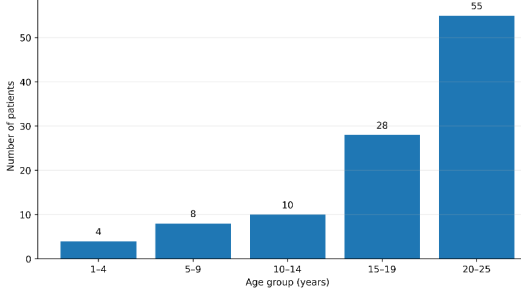
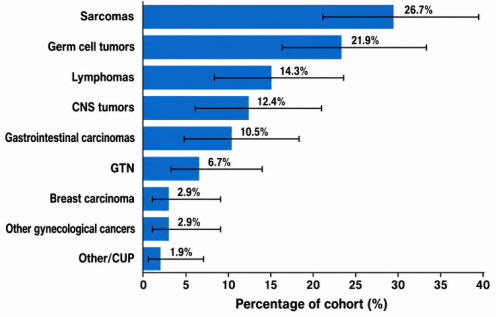
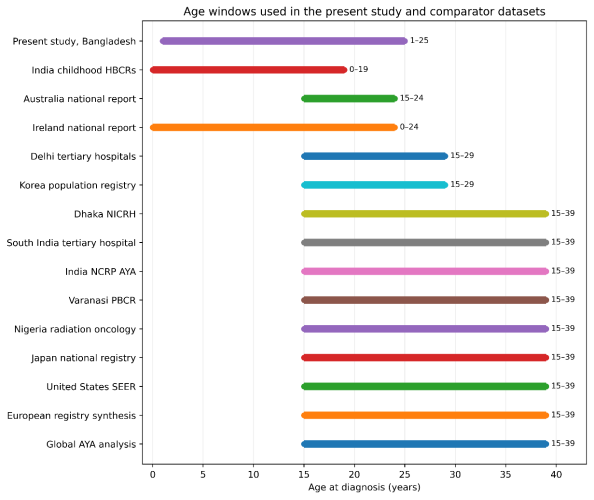
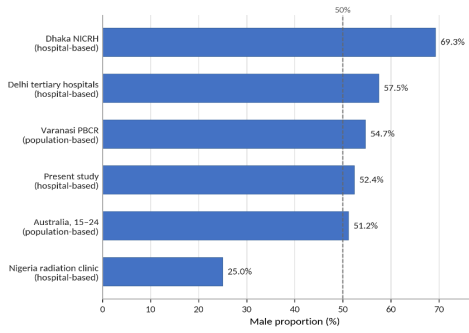
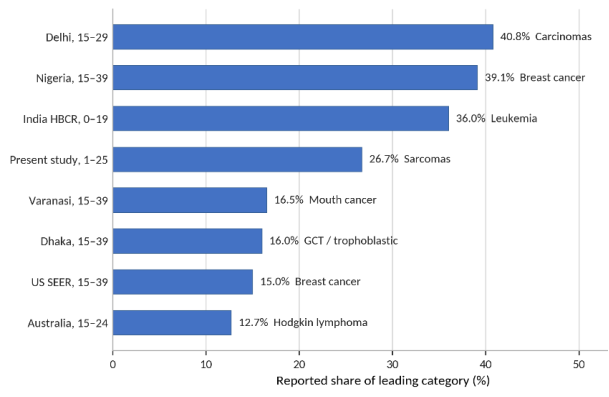
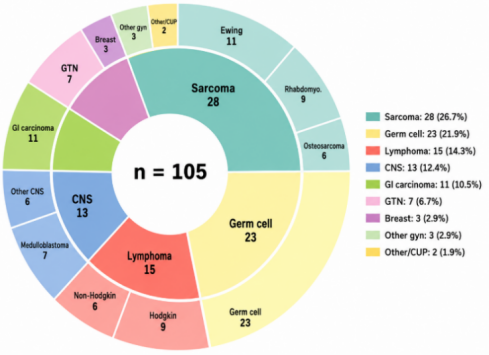
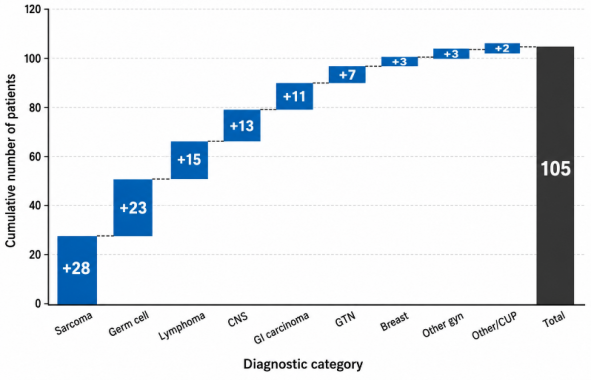
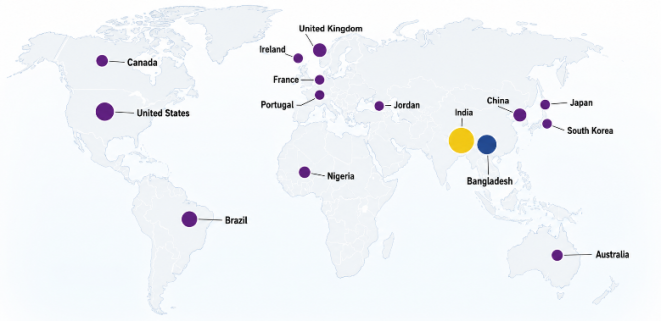
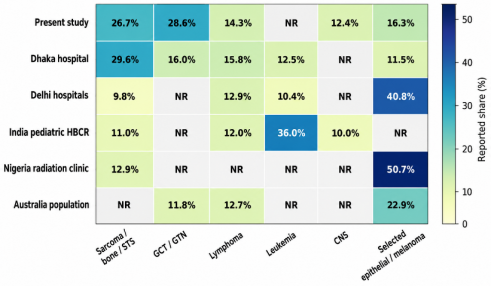
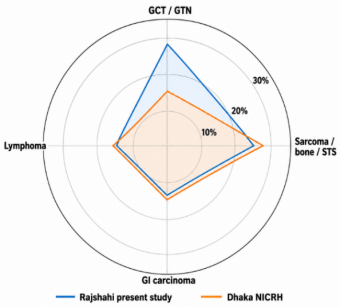
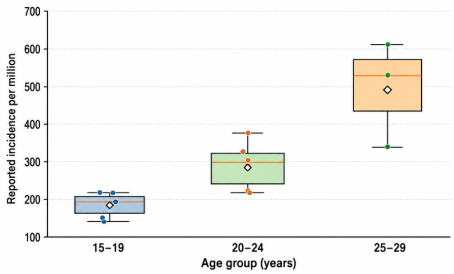
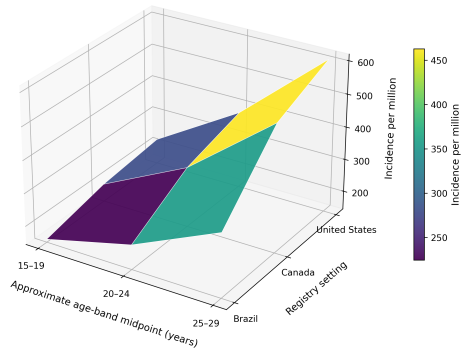
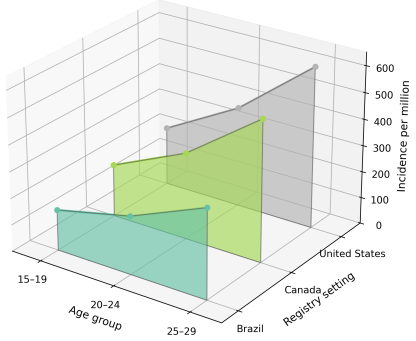




 Share This Article
 Twitter
 Linked In
 Facebook
