Research Article | | Peer-Reviewed

Molecular Identification of Enterotoxigenic Genes from Staphylococcus Aureus Isolates of Soy Milk Sold in Enugu Metropolis

Received: 15 June 2026     Accepted: 30 June 2026     Published: 22 July 2026
Views:       Downloads:
Abstract

Soy milk is an excellent food beverage and at the same time harbors pathogenic bacteria due its nutritional contents. Staphylococcus aureus as one of the pathogens produces enterotoxins that cause food poisoning which are of public health importance. The study aimed at determining the molecular identification of enterotoxigenic genes from Staphylococcus aureus isolates of soy milk sold in Enugu Metropolis. The isolates were identified and characterized using standard microbiological and molecular methods. A total of fifty (50) soy milk samples were collected within Enugu metropolis. The average total viable counts ranged from 4.1×10² cfu/ml to 1.0×10² cfu/ml. Out of fifty (50) soy milk samples collected, 42 (84%) were Staphylococcus aureus while 8 (16%) were negative. Out of 42 (84%) positive samples, 30 (60%) were coagulase -positive Staphylococcus aureus and 12 (24%) were coagulase-negative Staphylococcus aureus. Polymerase chain reaction (PCR) revealed the presence of Staphylococcus aureus using 16SrRNA gene at 1500bp and classical enterotoxin genes (SEA-SEE) respectively in all the three isolates examined. It was observed that the isolate A had 94.14% pairwise similarity with Staphylococcus strain KKP3462, isolate B had 92.32% similarity with Staphylococcus strain 2288 and isolate C had 94.8% similarity with Staphylococcus strain IDS-GIS36. The phylogenetic relatedness revealed that the isolates are related genotypically. Although the soy milk samples had low bacterial counts, the presence of enterotoxigenic Staphylococcus aureus highlights potential public health risks. These findings emphasize the need for continuous monitoring, strict hygienic practices and effective quality control measures in soy milk production to ensure consumer safety.

Published in International Journal of Food Engineering and Technology (Volume 10, Issue 2)
DOI 10.11648/j.ijfet.20261002.12
Page(s) 46-60
Creative Commons

This is an Open Access article, distributed under the terms of the Creative Commons Attribution 4.0 International License (http://creativecommons.org/licenses/by/4.0/), which permits unrestricted use, distribution and reproduction in any medium or format, provided the original work is properly cited.

Copyright

Copyright © The Author(s), 2026. Published by Science Publishing Group

Keywords

Soy Milk, Staphylococcus Aureus, Staphylococcus Aureus Enterotoxin Genes, Bacterial Contamination, Polymerase Chain Reaction

1. Introduction
Soy milk is a type of plant-based milk made from dried soy beans that have been processed . This is a white creamy emulsion obtained from soy beans. It looks similar to chilled dairy milk and is used as food for both people and animals . Soy beans are frequently added to food products for both children and adults to boost nutritional content. Examples include dawadawa, akara, moi-moi, allele, soy-ogi and mostly commonly, as soy milk . The production of soy milk has been on an increase to serve as an alternative to animal proteins. This has led to its production under undesirable conditions. In Nigeria, soy milk is sold in various packaging materials in public spaces by housewives as a source of income . Household processes and handling are often carried out with minimal attention to quality control and poor adherence to strict hygiene .
Producing soy milk under unhygienic environment increases microbial contamination. Because milk is a good growth medium for microorganisms, this poses a potential health risk to consumers . Soy milk consumption may endanger human health when harmful microorganisms are not effectively managed during its production, storage, and distribution. . These microorganisms have been linked to the incidence and prevalence of diseases such as typhoid fever, dysentery, and other foodborne illnesses among soy milk consumers. . Locally produced or improperly stored soy milk often contains bacteria like Escherichia coli, Staphylococcus aureus, Bacillus subtilis, Klebsiella pneumoniae, Salmonella typhi, Streptococcus species and Pseudomonas aeruginosa . Contaminants from poor hygiene can trigger food borne illnesses, and spoilage often shows up as a slimy texture on the curd.
Staphylococcus species are members of the Staphylococcaceae family and are characterized as Gram-positive, facultative anaerobes with a chemoorganotrophic mode of nutrition. They are cocci capable of both respiratory and fermentative metabolism and grow optimally at 37°C . Additionally, they are non-motile, non-spore-forming, catalase-positive bacteria that occur as either commensals or pathogens in humans and animals . Staphylococcus aureus is capable of causing a wide range of illnesses, including food poisoning, pneumonia, skin infections, enterotoxemia, septicemia, and toxic shock syndrome (TSS) .
Staphylococcal food poisoning (SFP) is a mild form of food intoxication that occurs following the consumption of food contaminated with staphylococcal enterotoxins (SEs). As little as 1-20 µg of these toxins is sufficient to produce symptoms in human . Symptoms of staphylococcal food poisoning (SFP) typically develop within 1-6 hours after consuming contaminated food, depending on the individual’s susceptibility and the amount of toxin ingested . The symptoms include nausea, abdominal cramps, diarrhea, general discomfort, weakness, and the characteristic occurrence of projectile vomiting . Clinical symptoms of SEP typically resolve within 24-48 hours.
Staphylococcal enterotoxins are superantigenic proteins with relatively low molecular weights ranging from 26,900 to 29,600 Da. They exert their effects by simultaneously binding to major histocompatibility complex (MHC) class II molecules on antigen-presenting cells and T-cell receptors, bypassing the need for specific antigen recognition. This interaction leads to widespread immune activation and can cause systemic manifestations, including high fever, vomiting, diarrhea, as well as liver and kidney dysfunction. . Staphylococcus aureus enterotoxins are classified into two main categories: classical enterotoxins (SEA-SEE) and non-classical entero5toxins (SEG-SEI and SEK-SEV) . Approximately 95% of staphylococcal food poisoning (SFP) outbreaks worldwide are attributed to classical staphylococcal enterotoxins (SEs) . However, molecular studies indicate that non-classical enterotoxins may also contribute significantly to food poisoning, while the limited availability of sensitive detection methods for confirming their involvement in outbreaks may have resulted in an underestimation of their actual prevalence . All these enterotoxins apart being superantigens, only few of them (SEA to SEI, SER, SES and SET) have been proved to be emetic . The International Nomenclature Committee for Staphylococcal Superantigens proposed that only staphylococcal superantigens capable of inducing vomiting after oral administration in a primate experimental model should be classified as staphylococcal enterotoxins .
Multiplex polymerase chain reaction (MPCR) and enzyme-linked immunosorbent assay (ELISA) are commonly used for the simultaneous detection of Staphylococcus aureus enterotoxin genes. However, these techniques are often time-consuming and expensive. Several studies have been conducted worldwide on the molecular detection of staphylococcal enterotoxins in soy milk and milk products such as: in Egypt ; in Bangladesh and (Enugu but there is limited data in Enugu metropolis discussing the molecular identification of Staphylococcal enterotoxins. Therefore, this study was conducted to evaluate the molecular detection of enterotoxin-producing genes in Staphylococcus aureus isolates obtained from soy milk sold within Enugu metropolis.
2. Materials and Methods
2.1. Study Area
The study was carried out within Enugu Metropolis. Enugu metropolis comprises three Local Government Areas: Enugu North, Enugu South, and Enugu East/West. It is situated in southeastern Nigeria, at the base of the Udi Plateau, between latitudes 6°27′N and 7°28′N and longitudes 7°30′E and 8°19′E. The markets selected for this study were chosen due to the high population density of residents within the area. The research was conducted in the Department of Applied Microbiology and Brewing, Enugu State University of Science and Technology, Enugu State, Nigeria. The university is located at latitude 6.4946°N and longitude 7.4960°E.
2.2. Collection of Samples
A total of fifty (50) soy milk samples were randomly obtained from various commercial markets within Enugu metropolis. To maintain sample quality and prevent contamination, the samples were aseptically collected into sterile 100 mL bottles/containers following strict hygienic procedures. The collected samples were transported to the Applied Microbiology Laboratory, Enugu State University of Science and Technology, Enugu State, for subsequent bacteriological analysis.
2.3. Inoculation of Sample
The method of was employed for the study. The soy milk samples were pre-enriched using buffered peptone water at a ratio of 9: 1 (9 mL of peptone water to 1 mL of soy milk sample), and the resulting mixtures were incubated at 37°C for 24 hours . Following the enrichment of the soy milk samples, ten-fold serial dilutions were prepared by transferring 1 mL of each sample into 9 mL of sterile distilled water in test tubes. All samples were processed similarly and cultured aerobically on nutrient agar and mannitol salt agar at 37°C for 18-24 hours .
2.4. Sub-Culturing of Isolates
The inoculated plates were examined and different colonies were noted using physical and morphological characteristics. The inoculated plates were sub- cultured to obtain a pure culture. The pure cultures obtained were inoculated into nutrient agar slant thereafter kept in refrigerator at 4°C for future use .
3. Identification and Characterization of Isolates
3.1. Biochemical Characterization of the Isolates
The method of was adopted in this analysis. Catalase, oxidase, methyl red, coagulase, indole and carbohydrate fermentation tests were carried out .
3.2. Indole Test
Sterile test tubes containing 5 ml of tryptophan broth were inoculated aseptically with 0.1 ml of the inoculum which matched 0.5 McFarland standard (108 cfu/ml) and were incubated at 37 ºC for 24 h. After 24 h incubation, 0.5 ml of kovac’s reagent was added and allowed to stand for 5 minutes. Formation of pink or red color ring on the test tubes (within 10 seconds) indicated positive result. Negative result indicated absence of pink or red color ring.
3.3. Citrate Test
About 2.45 g of Simon citrate agar was added into test tubes, sterilized and slanted. A total of 0.1 ml of the inoculum was inoculated and incubated at 37 ºC for 24 h. After incubation, positive result indicated blue color change with visible growth while negative result showed no color change and no visible growth.
3.4. Catalase Test
A loop full of the inoculum was dropped on a clean glass slide. A drop of 3% hydrogen peroxide (H2O2) was dropped on the inoculum and these were mixed together. Presence of effervescence indicated catalase positive whereas absence of effervescence indicated negative.
3.5. Coagulase Test
About 10 µl of physiological saline was added on a clean slide. A small portion of the isolated colony was collected with an inoculating loop and was dropped on the saline, then emulsified to obtain a thick suspension. A drop of a human plasma was added to the suspension on the slide and were mixed gently. A clumping was observed within 10 seconds. Clumping indicated a positive result. Absence of clumping indicated a negative result.
3.6. Oxidase Test
This was done using filter paper. A piece of filter paper was moistened with few drops of oxidase reagent. A sterile wire loop was used to pick a colony of the organism from the agar plate and was smeared onto the moistened filter paper. It was observed for a color change within 10 - 30 seconds. Dark purple or blue color developed within 10 seconds indicated a positive result while no color change indicated a negative result.
3.7. Carbohydrate Fermentation Test
A 10 ml of peptone water was introduced into 5 sterile test tubes respectively. Three (3) drops of methyl red was added into each of the test tubes, then Durham’s tubes were inserted in an inverted position into each of the tubes and sealed with foil before sterilization at 121 ºC for 10 minutes. One gram (1 g) of respective carbohydrates: glucose, lactose, fructose, maltose and mannitol, were added into 100 ml of sterile distill water and sterilized using membrane filter. A total of 1 ml of each of sterile sugar was added into each of the sterilized test tubes that contained the peptone water. Thereafter, 0.1 ml of the inoculum was inoculated into each of the tubes respectively. They were then incubated at 37°C for 24 h. Yellow color indicated positive result while trapped air bubble in the Durham’s tube indicated gas production.
4. Molecular Characterization of Isolates
The method of was adopted for the molecular characterization of Staphylococcus and the Staphylococcal enterotoxin genes.
4.1. DNA Extraction
A total of 2 mL of bacterial cells broth was added to ZR Bashing TM lysis tube, followed by the addition of 750 µL of lysis solution. The tube was secured in a bead fitted with a 2 mL tube holder assembly and the solution was processed at maximum speed for more than 5 minutes. Subsequently, the mixture was centrifuged in a microcentrifuge at a speed of 12,000 x g for 1 minute. A 400 µL of the supernatant was transferred to a Zymo-Spin TM IV Spin Filter (orange top) in a collection tube and centrifuged at 7,000 x g for 1 minute. Following this, 1,200 µL of Bacterial DNA Binding Buffer was added to the filtrate in the collection tube. Then, 800 µL of the resulting mixture was transferred to a Zymo-Spin TM IIC column in a collection tube and centrifuged at 10,000 x g for 1 minute. The flow-through from the collection tube was discarded and the process was repeated. Thereafter, 200 µL of DNA Pre-Wash Buffer was added to the Zymo-Spin TM IIC column in a new collection tube and centrifuged at 10,000 x g for 1 minute. Also, 500 µL of Bacterial DNA Wash Buffer was added to the Zymo-Spin TM IIC column and centrifuged at 10,000 x g for 1 minute. Finally, the filtrate was to transfer the Zymo-Spin TM IIC column in a clean 1.5 mL microcentrifuge tube and 100 µL (minimum 35 µL) of DNA Elution Buffer was added directly to the column matrix. Centrifugation at 10,000 x g for 30 seconds was performed to elute the DNA .
4.2. Detection of Classical Staphylococcus Aureus Enterotoxin Gene
4.2.1. PCR Gene Amplification
The PCR mix is made up of 12.5 µL of Taq 2X Master Mix from New England Biolabs (M0270); 1 µL each of 10 µM forward and reverse primer; 2 µL of DNA template and then made up with 8.5 µL Nuclease free water . The primer sequence of the target gene and amplicon size, include SEA: 102 bp (F: GGTTATCAATGTGCGGGTG & R: CGGCACT TTTTTCTCTTCGG), SEB: 478 bp (F: GTATGGTGGTGTAACTGAGC & R: CCAAATAGTGACGAGTTAGG), SEC: 45 bp (F: AGATGAAGTAGTTGATGTGTATGG & R: CACACTTTTAGAATCAACCG), SED: 278 bp (F: CCAATAATAGGAGAAAATAAAAG & R: ATTGGTATTTTTT TTCGTTC), and SEE: 209 bp (F: AGGTTTTTTCACAGGT CATCC & R: CTTTTTTTTCTTCGGTCAATC) .
Cycling conditions are as follows: initial denaturation at 94°C for 5mins, followed by 36 cycles of denaturation at 94°C for 30sec, annealing at 55°C for 30secs and elongation at 72°C for 45sec. Followed by a final elongation step at 72°C for 7 minutes and hold temperature at 10°C forever .
4.2.2. Electrophoresis for PCR Amplicons
Agarose Gel Preparation
A total of 1g of agarose for DNA and 2 g for PCR was measured. The agarose powder was then mixed with 100 mL of 1xTBE in a microwavable flask. The mixture was heated in the microwave for 1-3 minutes until the agarose completely dissolved, taking care not to over boil it to avoid evaporation of the buffer. Afterward, the agarose solution was allowed to cool down to approximately 50°C, which took about 5 minutes. Next, 10µL of EZ- vision DNA stain was added to the solution to facilitate the visualization of DNA under ultraviolet (UV) light. The prepared agarose was then poured into a gel tray with the well comb in place. To solidify the gel, it was left at room temperature for 20-30 minutes .
Samples Loading and Running of Agarose Gel
The loading buffer was added to each of the DNA sample and PCR product. Once the agarose gel had solidified, it was placed into the gel box (electrophoresis unit) and the gel box was filled with 1x TBE solution to cover the gel. A molecular weight ladder was then carefully loaded into the first lane of the gel, followed by the cautious loading of the samples into the additional wells. The gel was run at a voltage of 80-150 V for approximately 1-1.5 hours. After the run, the power was turned off, the electrodes were disconnected from the power source and the gel was gently removed from the gel box. Finally, the DNA fragments and PCR products were visualized under a UV transilluminator to observe their presence and distribution within the gel .
5. Statistical Analysis
Statistical analysis was conducted using STATA version 14.2 (StataCorp LP, College Station, TX, USA). Categorical data were analyzed using the Chi-square test or Fisher’s exact test where applicable. A p-value ≤ 0.05 was considered statistically significant. Genetic diversity was assessed using the Simpson’s diversity index (DI) .
6. Results
Total Viable bacterial count of the soy milk samples from different market locations
The total viable bacterial count of the soy milk samples were determined from different locations. It was observed that samples from Abakpa had the highest values while Ugwuogo had the lowest values. This is shown in Table 1.
Table 1. Total viable bacterial count of the soy milk samples from different market locations.

Market Locations

Number of samples collected (N = 50)

Total Viable Bacterial Counts *Mean ± SD (CFU/ml)

ENUGU NORTH

Ogbete Market

10

c2.3 ± 0.2×10²

New Market

6

e1.6 ± 0.1×10²

Old Artizan

4

f1.1 ± 0.1×10²

ENUGU SOUTH

Old Keyatta

9

b3.1 ± 0.2×10²

New Keyatta

6

d1.9 ± 0.1×10²

ENUGU EAST

Abakpa Market

12

a4.1 ± 0.2×10²

Ugwuogo Market

3

f1.0 ± 0.1×10²

* Means with different superscripts are significantly different at p < 0.05
Prevalence of Staphylococcus aureus in soy milk samples from different market locations
The prevalence of Staphylococcus aureus was determined from different market locations. It was observed that 42 (84.0%) of Staphylococcus aureus were isolated while 8 (16.0%) were negative for Staphylococcus aureus. This result is shown in Table 2.
Table 2. Prevalence of Staphylococcus in Soymilk Samples from Different Market Locations.

Market Location

Number of Samples per Location

Number (%) of Positive Samples per location

Number (%) of Negative Samples per location

ENUGU NORTH

Ogbete Market

10

9 (90.0)

1 (10.0)

New Market

6

6 (100.0)

0 (0.0)

Old Artizan

4

3 (75.0)

1 (25.0)

ENUGU SOUTH

Old Keyatta

9

7 (77.8)

2 (22.2)

New Keyatta

6

4 (66.7)

2 (33.3)

ENUGU EAST

Abakpa Market

12

11 (91.7)

1 (8.3)

Ugwuogo Market

3

2 (66.7)

1 (33.3)

GRAND TOTAL

50

42 (84.0)

8 (16.0)

Percentage distribution of coagulase-positive Staphylococcus aureus and coagulase negative Staphylococcus aureus among Staphylococcus-positive samples
Percentage distribution of coagulase-positive Staphylococcus aureus and coagulase Negative Staphylococcus aureus among Staphylococcus-positive samples were determined. It was found out that 30 (60%) were coagulase-positive Staphylococcus aureus and 12 (24%) were coagulase negative Staphylococcus aureus. This is shown in Table 3.
Table 3. Percentage distribution of coagulase positive Staphylococcus aureus and coagulase negative Staphylococcus aureus among Staphylococcus-positive Samples.

Market Location

Number (%) of S. aureus Positive Samples

Number (%) of Coagulase-Positive S. aureus

Number (%) of Coagulase-Negative S. aureus

ENUGU NORTH

Ogbete Market

9 (18.0)

7 (14.0)

2 (4.0)

New Market

6 (12.0)

5 (10.0)

1 (2.0)

Old Artizan

3 (6.0)

2 (4.0)

1 (2.0)

ENUGU SOUTH

Old Keyatta

7 (14.0)

7 (14.0)

0 (0.0)

New Keyatta

4 (8.0)

0 (0.0)

4 (8.0)

ENUGU EAST

Abakpa Market

11 (22.0)

8 (16.0)

3 (6.0)

Ugwuogo Market

2 (4.0)

1 (2.0)

1 (2.0)

TOTAL

42 (84.0)

30 (60.0)

12 (24.0)

Morphological and Biochemical Characteristics of Staphylococcus aureus from soy milk
The morphological and biochemical characterization of Staphylococcus aureus from soy milk samples were determined. This is shown in Table 4.
Table 4. Morphological and Biochemical Characterization of Staphylococcus aureus from Soy Milk Samples.

Colonial Features

Gram Reaction

Cat

Ct

Coa

Ind

Sugar Fermentation

Inference

On NA

On MSA

Glu Fru Mal Man La

Colony appears creamy yellow, slightly raised, moist with smooth edge, tiny and beta-hemolytic

Colony appears golden yellow, raised moist with smooth edge and distinct

Positive cocci in clusters

+ve

+ve

+ve

-ve

A A A A A

Staphylococcus aureus strongly suspected

Amplification of 16SRNA gene of Staphylococcus aureus at 1.5 kbp
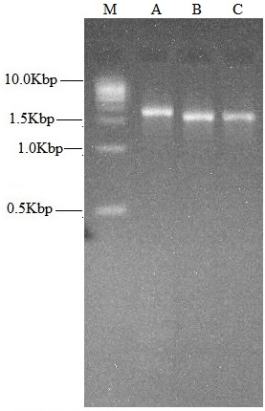
16S rRNA gene of Staphylococcus aureus was determined. It was observed that the three isolates were identified as Staphylococcus aureus with 1.5 kbp. This is shown in Figure 1.
Figure 1. Gel Image Showing the Amplification of 16S rRNA Gene at 1500 bp. Lane M is 1kb DNA Ladder.
Where A: represent Staphylococcus aureus Strain KKP 3462
B: represent Staphylococcus aureus Strain 2288
C: represent Staphylococcus aureus Strain IdS-GIS36
Molecular detection of classical Staphylococcus aureus Enterotoxins from soy milk samples
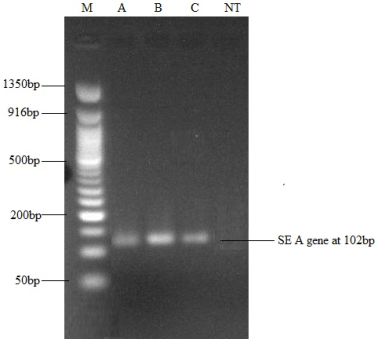
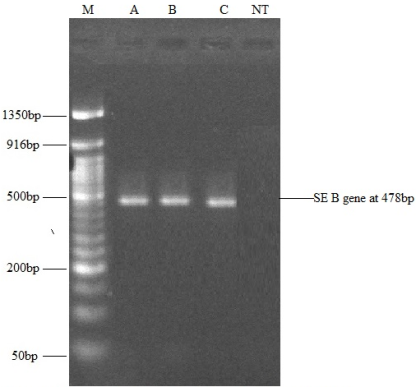
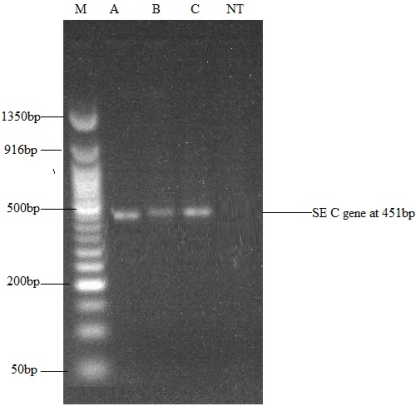
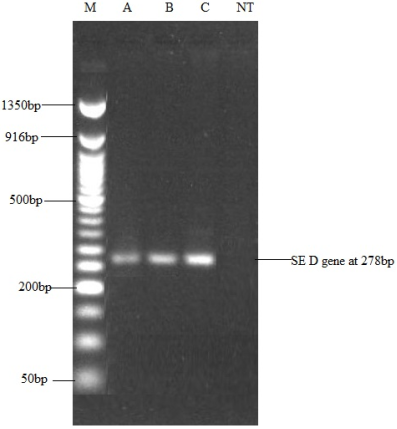
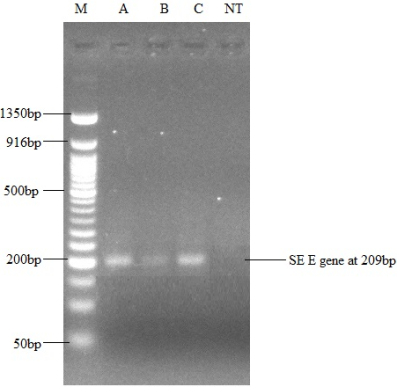
The molecular detection of classical Staphylococcus aureus enterotoxins from soy milk sample were determined. It was observed that the three isolates contained the classical enterotoxins. These are shown in Figures 2-6.
Figure 2. Gel Electrophoresis Showing the Amplification of SE A Gene at 102 bp. Lane M is a 50 bp DNA Ladder that was used to estimate the size of the amplification, lane NT is a negative Template as control.
Figure 3. Gel Electrophoresis Showing the Amplification of SE B Gene at 478bp. Lane M is a 50bp DNA Ladder that was used to estimate the size of the amplification, lane NT is a negative Template as control.
Figure 4. Gel Electrophoresis Showing the Amplification of SE C Gene at 451bp. Lane M is a 50bp DNA Ladder that was used to estimate the size of the amplification, lane NT is a negative Template as control.
Figure 5. Gel Electrophoresis Showing the Amplification of SE D Gene at 278bp. Lane M is a 50bp DNA Ladder that was used to estimate the size of the amplification, lane NT is a negative Template as control.
Figure 6. Gel Electrophoresis Showing the Amplification of SE E Gene at 209bp. Lane M is a 50bp DNA Ladder that was used to estimate the size of the amplification, lane NT is a negative Template as control.
Nucleotide Sequence of Staphylococcus aureus from soy milk samples
The nucleotide sequences of Staphylococcus aureus from soy milk samples were determined. These are shown in nucleotide sequences 1, 2, 3. It was observed that the isolate A had 94.14% pairwise similarity with Staphylococcus strain KKP3462, isolate B had 92.32% similarity with Staphylococcus strain 2288 and isolate C had 94.8% similarity with Staphylococcus strain IDS-GIS36.
>A has 94.14% pairwise similarity with Staphylococcus aureus strain KKP 3462 which has NCBI accession number MZ853764.1
AGGTTTACATATGTTGACATGGCTCAGGTGCGCTTGAAGCTCCCCTTTATAGTGTTAGCGGCGCCCGGGTGAG TAACACGTGCCATAACCTACCTATAAGACTGGGATAACTTCGGGAAACCGGAGCTAATACCGGATAATATTTTG AACCGCATGGTTCAAAAGTGAAAGACGGTCTTGCTGTCACTTATAGATGGATCCGCGCTGCATTAGCTAGTTGG TAAGGTAACGGCTTACCAAGGCAACGATGCATAGCCGACCTGAGAGGGTGATCGGCCACACTGGAACTGAGAC ACGGTCCAGACTCCTACGGGAGGCAGCAGTAGGGAATCTTCCGCAATGGGCGAAAGCCTGACGGAGCAACGCC GCGTGAGTGATGAAGGTCTTCGGATCGTAAAACTCTGTTATTAGGGAAGAACATATGTGTAAGTAACTGTGCAC ATCTTGACGGTACCTAATCAGAAAGCCACGGCTAACTACGTGCCAGCAGCCGCGGTAATACGTAGGTGGCAAG CGTTATCCGGAATTATTGGGCGTAAAGCGCGCGTAGGCGGTTTTTTAAGTCTGATGTGAAAGCCCACGGCTCAA CCGTGCAGGGTCATTGGAAACTGGAAAACTTGAGTGCAGAAGAGGAAAGTGGAATTCCATGTGTAGCGGTGAA ATGCGCAGAGATATGGAGGAACACCAGTGCCGAAGGCGACTTTCTGGTCTGTAACTGACGCTGATGTGCGAAGC GTCGGGATCAACAGGATTAGATACCCTGTAGTCAACGCCGTACACTATGAGTGCTAGTGTTACGGGAGCTTCCC GCCCCTTAGTGCTGCAGCTAGCGCATTCAGCATTCCGCCTGGGGAGTACGATCTGCAGTTGAAACTCACACGCA CTGACGAGGCACCCGCACTATGCGTGAGCATGTAGATCAGTCCGAGCACGCTAGACTACTAATGCTGAAGTCGT TCGACACTTAGAAATAGAGCCTTCGCCTCAGGGGACAAGGAATCGGGATGCATGACTGCGACACGTCCGAGTCT GCATACCTAGTATTCGAACAGAGCATCTAGCTCAGTGCCTACATACTTCGACCTCTAACT
Nucleotide Sequence 1: Nucleotide sequence of Staphylococcus aureus strain KKP 3462 from Soy Milk Isolate
>B has 92.32% pairwise similarity with Staphylococcus aureus strain 2288 which has NCBI accession number CP026646.1
CAACGTCACTCTACGGATGACATGGCTCAGGTGCGCTGGAACACCCCTTTATAGTGTTAGCGGCGCCCGCGTG CGTAACACGTGCCACTTATACCTATAAGACTGGGATAACTTCGGGAAACCGGAGCTAATACCGGATAATATTTT GAACCGCATGGTTCAAAAGTGAAAGACGGTCTTGCTGTCACTTATAGATGGATCCGCGCTGCATTAGCTAGTTG GTAAGGTAACGGCTTACCAAGGCAACGATGCATAGCCGACCTGAGAGGGTGATCGGCCACACTGGAACTGAGA CACGGTCCAGACTCCTACGGGAGGCAGCAGTAGGGAATCTTCCGCAATGGGCGAAAGCCTGACGGAGCAACGC CGCGTGAGTGATGAAGGTCTTCGGATCGTAAAACTCTGTTATTAGGGAAGAACATATGTGTAAGTAACTGTGCA CATCTTGACGGTACCTAATCAGAGAGCCACGGCTAACTACGTGCCAGCAGCCGCGGTAATACGTAGGTGGCAAG CGTTATCCGGAATTATTGCGCGTAAAGCGCGCGTAGGCGGTTTTTTAAGTCTGATGTGAAAGCCCACGGCTCAAC CGTGGAGGGTCATTGGAAACTGGAAAACTTGAGTGCAGAAGAGGAAAGTGGAATTCCATGTGTAGCGGTGAAA TGCGCAGAGATATGGAGGAACACCAGTGCCGAAGGCGACTTTCTGGTCTGTAACTGACGCTGATGTGCGAGAGC GTGGGGATCTAACAGGATTAGATACCCTGCTAGTCCACGACGGTACACGATGAGTGCTAGGTGTTAGGGGGTTT CCGGCCCCTTAGTGCTGCAGCTAACGCATTCAAGCATCTCCGTCTTGGGGGAGTACGATCTGCAAGGTTTGCAAC TCAAAGGCAATTGGACGGGGCACCCCGCACTATGCGGTGGAGCATGTGAATTCAGTCTCCGAAGCAGCGCGAA GCACCATTACTAATGGTATGACATTCTTTTGACTACTCTATGAGCATACGAGGCTTTCCCCTTCAGGGGACAGTG ACATGGTGGATGCAATGACTGGTCGTCAGGCTCGAGTCGTAGTTATGCTTGGGTAGTCCGCAAACGAGGCGCAT CCTTCAGGCTAGTTGCCATATTCAAGCTTGCATGCTTACGTTGAACGT
Nucleotide Sequence 2: Nucleotide sequence of Staphylococcus aureus strain 2288 from Soy Milk Isolate
>C has 94.8% pairwise similarity with Staphylococcus aureus strain IdS-GIS36 which has NCBI accession number MN784467.1
GGGTTATGTGTGTGTCTGGCTCAGGTGCGGTGGGACACCCCTTTATAGTTTGACCGGCTCGGGTGCGTGGGAC CTCCCCCTTAAAAGTATAAGACTGGGATAACTCCGGGAAACCGGGGCTAATACCGGATAATATTTTGAACCGCA TGGTTCAATAGTGAAAGACGGTTTCGGCTGTCACTTATAGATGGACCCGCGCCGTATTAGCTAGTTGGTAAGGT AACGGCTTACCAAGGCGACGATACGTAGCCGACCTGAGAGGGTGATCGGCCACACTGGAACTGAGACACGGTC CAGACTCCTACGGGAGGCAGCAGTAGGGAATCTTCCGCAATGGGCGAAAGCCTGACGGAGCAACGCCGCGTGA GTGATGAAGGTCTTCGGATCGTAAAACTCTGTTGTTAGGGAAGAACAAATTTGTTAGTAACTGAACAGTCTTGA CGGTACCTAACCAGAAAGCCACGGCTAACTACGTGCCAGCAGCCGCGTAATACGTAGGTGGCAAGCGTTATCCG GGAATTATTGGCGTAAAGCGCGCGTAGGCGATTTCTTAGTCTGATGTGAAGCCCACGCCTCAACCGTGAGGTCA TTGAACTGGGAACTTGACTGCAGAGAGAGAGTGTATTCATGTGTAGCGTGAAATGCGCAGAGATATGAGACACA AGTGGCGAAGCGCTCCTTCTGTCTGTACTGACGCTGAATGGCGAAGCGTGGGGATCAACAGATTAGATACCTGT AGTCCACGCCGTAAACGATGAGTGCTACTGTAAGGGGGAC
Nucleotide Sequence 3: Nucleotide sequence of Staphylococcus aureus strain IdS-GIS36 from Soy Milk Isolate
7. Phylogenetic Relatedness of the Staphylococcus Aureus Isolates
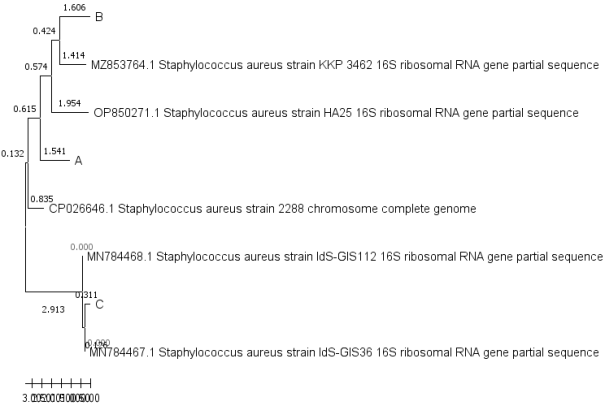
The Phylogenetic relatedness of the Staphylococcus aureus isolated were determined. It was observed that the isolates were genotypically related. This is shown in Figure 7.
Figure 7. Phylogenetic Relatedness of the Isolates.
8. Discussion
Soy milk is a widely consumed plant-based beverage valued for its nutritional benefits and affordability; However, its high moisture content and nutrient-rich composition make it highly vulnerable to microbial contamination. Inadequate hygienic practices during processing and handling can lead to the presence of pathogenic microorganisms such as Staphylococcus aureus, which poses significant public health risks due to its ability to produce enterotoxins capable of causing foodborne illnesses. The total viable bacterial counts recorded for the soy milk samples in Enugu North were as follows; Ogbete market (2.3×10²cfu/ml), New market (1.6×10²cfu/ml), Old artisan market (1.1×10²cfu/ml); in Enugu South we had Old Keyatta market (3.1×10²cfu/ml), New Keyatta (1.9×10²cfu/ml) while in Enugu East we had; Abakpa (4.1×10²cfu/ml) and Ugwuogo Market (1.0×10²cfu/ml) (Table 1). There were statistically significant difference in the total viable bacterial counts of soy milk samples obtained from various sampling locations (f=181.83. p˂0.001). This outcome indicated relatively low microbial loads, suggesting that the products were prepared under fairly hygienic conditions except in Abakpa where we noticed a slight increase in bacterial growth from the samples. These values are within acceptable limits for ready-to-drink beverages and are considerably lower than those reported in several previous studies. reported higher bacterial counts in soymilk sold in Awka, Nigeria, with values reaching up to 8.2×10² cfu/ml, which was attributed to poor sanitary practices and post-processing contamination. Furthermore, recorded extremely high bacterial loads 5.3×10⁵ cfu/ml in traditionally processed soymilk in Calabar, Nigeria. Overall, the lower bacterial counts observed suggest improved hygiene and processing methods; however, continuous monitoring and strict sanitary practices are necessary to prevent microbial contamination and ensure consumer safety.
The present study revealed that out of fifty (50) soy milk samples, 42 (84%) were Staphylococcus aureus and 8 (16%) were negative (Table 2). The predominance of Staphylococcus aureus over other bacterial isolates like E. coli, Coliform and Salmonella spp, suggests possible contamination from handlers, equipment, or the environment, as these organisms are common skin and nasal flora . , also isolated Staphylococcus aureus from raw milk sold in different markets of Bangladesh. also identified Staphylococcus aureus as dominant isolate, attributing its presence to poor hygiene during processing.
The present study showed that out of 42 (84%), 30 (60%) were coagulase-positive Staphylococcus aureus and 12 (24%) were coagulase-negative Staphylococcus aureus (Table 3). This result is in line with work of who identified coagulase-positive Staphylococcus aureus. The presence of these bacteria could be as a result of post- processing contamination from handlers or poor hygiene.
The agarose gel electrophoresis result shows clear amplification of the 16S rRNA gene at approximately 1500 bp for all isolates (lanes A, B and C) (Figure 1), confirming the successful molecular identification of Staphylococcus aureus from soy milk samples. The presence of distinct bands at the expected size agrees with standard reports that the bacterial 16S rRNA gene is about 1.5 kb and is widely used for species-level identification . Similar findings were reported by , who demonstrated that 16S rRNA PCR reliably confirms S. aureus isolates from food sources.
Comparable studies by recorded positive PCR amplification of S. aureus from soymilk and other dairy products, indicating frequent contamination. Furthermore, identified S. aureus from mastitic milk validating PCR as a sensitive and specific method. The molecular results supported the cultural and biochemical identification, confirming the presence of S. aureus in the soy milk samples and highlighting potential public health risks associated with poor hygienic handling.
The PCR amplification results revealed the presence of staphylococcal enterotoxin genes SEA (102 bp), SEB (478 bp), SEC (451 bp), SED (278 bp) and SEE (209 bp) in the Staphylococcus aureus isolates from soy milk (Figures 2-6). The clear bands observed in lanes A-C and absence of amplification in the negative control confirm the specificity of the primers and reliability of the PCR assay. These findings indicated that the isolates possess multiple enterotoxin genes, suggesting a high pathogenic potential and possible risk of food poisoning if consumed. Similar detection of enterotoxin genes in S. aureus from food samples was reported by , who identified SEA and SEB toxins associated with foodborne outbreaks. Comparable studies by and also reported frequent occurrence of SEA, SEB and SEC genes in dairy and ready-to-eat foods. In Nigeria, detected multiple enterotoxin genes in S. aureus isolated from soymilk and other street-vended foods. detected SEA (180 bp) and SED (317 bp). Collectively, these findings are consistent with previous studies and emphasize the public health significance of monitoring enterotoxigenic S. aureus in plant-based beverages.
The DNA sequence analysis revealed high pairwise similarities of 94.14%, 92.32% and 94.8% for isolates A, B and C, respectively, with reference Staphylococcus aureus strains deposited in the NCBI database (Nucleotide sequences 1, 2 and 3)). These similarity values confirm the molecular identity of the isolates as S. aureus and demonstrate the reliability of 16S rRNA gene sequencing for bacterial identification. Comparable levels of sequence similarity have been reported by and , who emphasized the effectiveness of 16S rRNA sequencing in differentiating closely related bacterial species. Similar molecular confirmation of S. aureus from food samples was also reported by , supporting the accuracy of the present findings.
The present study showed the phylogenetic relatedness of the isolates (Figure 7). This helps in classifying and trancing the evolutionary relationships of the bacteria as well as trancing their transmission pathways and virulence profiles. Identified the genetic relationship between the isolates suggesting that organism can move from location to another either by human activities or otherwise. This study is in line with the work of whose phylogenetic analysis revealed a high degree of genetic similarity between the isolated strains of Staphylococcus aureus.
9. Conclusion
This study demonstrates that soy milk sold within the study area contained relatively low microbial loads, suggesting improved hygienic practices during processing and handling. However, the isolation and molecular confirmation of Staphylococcus aureus, alongside the detection of multiple enterotoxin genes, indicate a significant public health risk. The presence of enterotoxigenic strains confirms the pathogenic potential of the isolates and highlights the limitations of relying solely on microbial counts to assess food safety. These findings underscore the systemic toxicity of S. aureus enterotoxins and emphasize the need for strict sanitary practices, effective heat treatment and continuous monitoring of soy milk to prevent foodborne illness and ensure consumer safety.
Abbreviations

SEP

Staphylococcal Food Poisoning

µg

Microgram

SEs

Staphylococcal Enterotoxins

H

Hour

Da

Dalton

MHC

Major Histocompatibility Complex

SEA

Staphylococcal Enterotoxin A

SEB

Staphylococcal Enterotoxin B

SEC

Staphylococcal Enterotoxin C

SED

Staphylococcal Enterotoxin D

SEE

Staphylococcal Enterotoxin E

SEG

Staphylococcal Enterotoxin G

SEI

Staphylococcal Enterotoxin I

SEK

Staphylococcal Enterotoxin K

SEV

Staphylococcal Enterotoxin V

SER

Staphylococcal Enterotoxin R

SES

Staphylococcal Enterotoxin S

SET

Staphylococcal Enterotoxin T

MPCR

Multiple Polymerase Chain Reaction

N

North

E

East

ml

Milliliter

°C

Degree Celsius

ZR

Zymo Research

TM

Melting Temperature

µl

Microliter

DNA

Deoxyribonucleic Acid

g

Gram

UV

Ultraviolet

TBE

Tris-borate Ethyenediaminetetraacetic Acid

DI

Diversity Index

bp

Base Pair

1kb

One Kilobase

NT

Negative Template

rRNA

Ribosomal Ribonucleic Acid

NCBI

National Center for Biotechnology Information

Kbp

Kilobase Pair

NA

Nutrient Agar

MSA

Mannitol Salt Agar

Cat

Catalase

Ct

Citrate

Coa

Coagulase

Ind

Indole

Glu

Glucose

Fru

Fructose

Mal

Maltose

Man

Mannitol

La

Lactose

A

Acid

+ve

Positive

-ve

Negative

Author Contributions
Celestina Chibuzo Ugwu: Conceptualization, Methodology, Supervision, Validation, Writing – original draft, Writing – review & editing
Gloria Obianuju Ojeh: Data curation, Formal Analysis, Investigation, Resources
Conflicts of Interest
The authors declared that no competing interest exist.
References
[1] Adegbehingbe, K. T., Adeleke, B. S. and Ikuesan, F. A. (2022). Microbiological assessment of soy milk samplkes from Akoko Areas of Ondo State, Nigeria. Biotechnology, 21: 120-126.
[2] Afunwa, R. A., Amobi, O. O., Fedelis, C. P., Umeanaeto, E. F., Obi, C. N., Enemchukwu, C., Osuala, O. J. and Nwajagu, C. I. (2025). Molecular identification of Staphylococcus aureus isolated from soy milk sold in Retail shops in Enugu Metropolis, Enugu State, Nigeria using Gel Electrophoresis and NCBI-Blast analysis. Open Access Library Journal, 12: el4667.
[3] Agwa, O. K. and Ossai-Chidi, L. N. (2016). Surveillance of the microbial quality of soybean products sold within markets in Port Harcourt Metropolis, Rivers State, Nigeria. Food Public Health, 6: 130-139.
[4] Anyogu, A., Olukorede, A., Aunmudu, C., Onyeaka, H., Areo, E., Adewale, O., Odimba, J. N. and Nwaiwu, O. (2021). Microorganisms and food safety risks associated with indigenous fermented foods from Africa. Food Control, 129:
[5] Anzani, C., Boukid, F., Drummond, L., Mullen, A. M. and Alvarez, C. (2020). Optimising the use of proteins from rich meat co-products and non-meat alternatives: Nutritional, technological and allergenicity challenges. Food Res. Int., 137:
[6] Abd EL-Tawab, A. A, EI-Hofy, F. I., EI-ekhnawey, K. I. and EI-Shenawey, F. A. (2018). Bacteriological and molecular studies on some bacteria isolated from mastitic cattle and human contact. Benha Veterinary Medical Journal, 34(1): 66-78.
[7] Argudín, M. Á., Mendoza, M. C. and Rodicio, M. R. (2010). Food poisoning and Staphylococcus aureus enterotoxins. Toxins, 2(7): 1751-1773.
[8] Cheesbrough M. (2016). District Laboratory Practice in Tropical Countries. Cambridge University Press, pp 62.
[9] Clarridge, J. E. (2004). Impact of 16S rRNA gene sequence analysis for identification of bacteria on clinical microbiology and infectious diseases. Clinical Microbiology Reviews, 17(4): 840-862.
[10] Cretenet, M., Even, S. and Le Loir, Y. (2011). Unveiling Staphylococcus aureus enterotoxin production in dairy products: a review of recent advances to face new challenges. Dairy Science and Technology, Rennes, 91(2): 127-150.
[11] Denayer, S., Delbrassinne, L., Nia, Y. and Botteldoorn, N. (2017). Food- borne outbreak investigation and molecular typing: high diversity of Staphylococcus aureus strains and importance of toxin detection. Toxins, Basel, 9(13): 407-420.
[12] Diab, M. S., Ibrahim, N. A., Elnaker, Y. F., Zidan, S. A. and Saad, M. A. (2021). Molecular detection of Staphylococcus aureus enterotoxin genes isolated from mastitic milk and humans in EL-Behira, Egypt. International Journal of One Health, 7(1): 70-77.
[13] Ezemba, C. C., Eze, S. O. and Eze, E. A. (2022). Assessment of microbiological quality of soymilk beverage sold in Awka, Nigeria. Journal of Global Agriculture and Ecology, 14(4): 4-12.
[14] Fisher, E. L., Otto, M. and Cheung, G. Y. C. (2018). Basis of virulence in enterotoxin-mediated Staphylococcal food poisoning. Frontiers in Microbiology, Lausanne, 9(436): 1-18.
[15] Hennekine, J. A., De Buyeser, M. L. and Dragacci, S. (2012). Staphylococcus aureus and its food poisoning toxins: characterization and outbreak investigation. FEMS Microbiology Reviews, Amsterdam, 36(4): 815-836.
[16] Islam, M. A., Kabir, S. M. L. and Rahman, M. T. (2016). Molecular detection and characterization of Staphylococcus aureus isolated from raw milk sold in different markets of Bangladesh. Bangladesh Journal of Veterinary Medicine, 14(2): 277-282.
[17] Janda, J. M. and Abbott, S. L. (2007). 16S rRNA gene sequencing for bacterial identification in the diagnostic laboratory. Journal of Clinical Microbiology, 45(9): 2761-2764.
[18] John, G. E., Okpo, E. A., Akpanke, J. Okoro, C. U., Omang, P. A. and Lennox, J. A. (2023). Microbiological quality and Proximate analysis of locally produced soy milk drinks sold in Calabar metropolis: a public health assessment. African Health Sciences, 23(3): 758-763.
[19] Kadariya, J., Smith, T. C. and Thapaliya, D. (2014). Staphylococcus aureus and staphylococcal food-borne disease: An ongoing challenge in public health. BioMed Research International, 2014: 827965.
[20] Liu, C., Shen, Y., Yang, M., Chi, K. and Guo, N. (2022). Hazard of Staphylococcal enterotoxins in food and promising strategies for natural products against virulence. J. Agric. Food Chem., 70(8): 2450-2465.
[21] Monday, S. R. and Bohach, G. A. (1999). Use of multiplex PCR to detect classical and newly described staphylococcal enterotoxin genes. Journal of Clinical Microbiology, 37(10): 3411-3414.
[22] Monteiro, A. de S., Pinto, B. L. S., Monteiro, J. de S., Ferreira, R. M., Ribeiro, P. C. S., Bando, S. Y., Marques, S. G., Silva, L. C. N., Neto, W. R. N., Ferreira, G. F., Bomfim, M. R. Q. and Abreu, A. G. (2019). Phylogenetic and molecular profile of Staphylococcus aureus isolated from bloodstream infections in Northeast Brazil. Microorganisms, 7(7): 210
[23] Mzee, T., Kumburu, H., Kazimoto, T., Leekitcharoenphon, P., van Zwetselaar, M., Masalu, R., Mlaganile, T., Sonda, T., Wadugu, B. and Mushi, I. (2023). Molecular Characterization of Staphylococcus aureus Isolated from Raw Milk and Humans in Eastern Tanzania: Genetic Diversity and Inter-Host Transmission. Microorganisms, 11(6): 2-16.
[24] Nhatsave, N., Garrine, M., Messa, A., Massinga, A. J., Cossa, A., Vaz, R., Ombi, A., Zimba, T. F., Alfredo, H. and Mandomando, I. (2021). Molecular Characterization of Staphylococcus aureus Isolated from Raw Milk Samples of Dairy Cows in Manhiça District, Southern Mozambique. Microorganisms, 9(8): 1684.
[25] Normanno, G., La Salandra, G., Dambrosio, A. Quaglia, N. C., Corrente, G., Firinu, A., Crisetti, E. and Celano, G. V. (2007). Occurrence, characterization and antimicrobial resistance of enterotoxigenic Staphylococcus aureus isolated from meat and dairy products, Int. J. Food Microbiol., 115(3): 290-296.
[26] Obadina, A. O., Akinola, O. J., Shittu, T. A. and Bakare, H. A. (2013). Effect of natural fermentation on the chemical and nutritional composition of fermented soy milk. Nono. Niger. Food J., 31: 91-97.
[27] Omale, M. O. (2021). Microbiological quality control of soy milk sold in Kogi State. International Journal of Advanced Research, 9(5): 539-543.
[28] Pereira, C. T., Oliveira, D. S., Veloso, V. S., Silva, S. P., Santos, L. S., Neto, A. F., Oliveira, F. A., Melo, M. C. and Soares, M. J. (2018). Microbiology quality, detection of enterotoxin genes and antimicrobial resistance of Staphylococcus aureus isolated from milk and Coalho cheese. Ciências Agrárias, Londrina, 39(5): 1957-1968.
[29] Quyen, D. V., Pham, L., Lee, G., Hoa, N. T. and Phuoc, M. H. (2025). Isolation and phylogenetic analysis of Staphylococcus aureus strains isolated from meat in traditional markets in Ha Noi. Academia Journal of Biology, 47(1): 63-74.
[30] Sadek, O. A. and Koriem, A. M. (2020). Molecular detection of enterotoxigenic genes for Staphylococcus aureus organisms isolated from raw milk and some milk products. Assiut. Veterinars Medical Journal, 66(167): 48-61.
[31] Shittu, A. O., Taiwo, F. F., Froböse, N. J., Schwartbeck, B., Niemann, S., Mellmann, A. and Schaumburg, F. (2021). Genomic analysis of Staphylococcus aureus from the West African Dwarf (WAD) goat in Nigeria. Antimicrobial Resistance and Infection Control, 10(1): 122.
[32] Sidhu, M. S., Oppegaard, H., Devor, T. P. and Sorum, H. (2007). Persistence of multidrug-resistant Staphylococcus haemolyticus in an animal veterinary teaching hospital clinic. Microb. Drug Resist., 13(4): 271-280.
[33] Sudhanthiramani, S., Swetha, C. S. and Bharathy, S. (2015). Prevalence of antibiotic resistant Staphylococcus aureus from raw milk samples collected from the local vendors in the region of Tirupathi, India. Veterinary World, 8: 478-481.
[34] Trienekens, J. and Zuurbier, P. (2008). Quality and safety standards in the food industry, developments and challenges. Int. J. Prod. Econ., 113: 107-122.
[35] Ugwu, C. C., Ozochi, C. A. and Ezugwu, R. I. (2025). Antibacterial activity of lemongrass (Cymbopogon citratus) on Streptococcus pyogenes and Staphylococcus aureus isolated from throat of University Students. Asian Journal of Biotechnology and Bioresource Technology, 11 (1): 31-41.
[36] Vasconcelos, N. G. and Cunha, M. R. S. (2010). Staphylococcal enterotoxins: molecular aspects and detection methods. Journal of Public Health and Epidemiology, 2(3): 29-42.
[37] Zaheer, K, and Akhtar, M. H. (2017). An updated review of dietary isofavones: Nutrition, processing, bioavailability and impacts on human health. Crit. Rev. Food Sci. Nutr., 57: 1280-1293.
Cite This Article
  • APA Style

    Ugwu, C. C., Ojeh, G. O. (2026). Molecular Identification of Enterotoxigenic Genes from Staphylococcus Aureus Isolates of Soy Milk Sold in Enugu Metropolis. International Journal of Food Engineering and Technology, 10(2), 46-60. https://doi.org/10.11648/j.ijfet.20261002.12

    Copy | Download

    ACS Style

    Ugwu, C. C.; Ojeh, G. O. Molecular Identification of Enterotoxigenic Genes from Staphylococcus Aureus Isolates of Soy Milk Sold in Enugu Metropolis. Int. J. Food Eng. Technol. 2026, 10(2), 46-60. doi: 10.11648/j.ijfet.20261002.12

    Copy | Download

    AMA Style

    Ugwu CC, Ojeh GO. Molecular Identification of Enterotoxigenic Genes from Staphylococcus Aureus Isolates of Soy Milk Sold in Enugu Metropolis. Int J Food Eng Technol. 2026;10(2):46-60. doi: 10.11648/j.ijfet.20261002.12

    Copy | Download

  • @article{10.11648/j.ijfet.20261002.12,
      author = {Celestina Chibuzo Ugwu and Gloria Obianuju Ojeh},
      title = {Molecular Identification of Enterotoxigenic Genes from Staphylococcus Aureus Isolates of Soy Milk Sold in Enugu Metropolis},
      journal = {International Journal of Food Engineering and Technology},
      volume = {10},
      number = {2},
      pages = {46-60},
      doi = {10.11648/j.ijfet.20261002.12},
      url = {https://doi.org/10.11648/j.ijfet.20261002.12},
      eprint = {https://article.sciencepublishinggroup.com/pdf/10.11648.j.ijfet.20261002.12},
      abstract = {Soy milk is an excellent food beverage and at the same time harbors pathogenic bacteria due its nutritional contents. Staphylococcus aureus as one of the pathogens produces enterotoxins that cause food poisoning which are of public health importance. The study aimed at determining the molecular identification of enterotoxigenic genes from Staphylococcus aureus isolates of soy milk sold in Enugu Metropolis. The isolates were identified and characterized using standard microbiological and molecular methods. A total of fifty (50) soy milk samples were collected within Enugu metropolis. The average total viable counts ranged from 4.1×10² cfu/ml to 1.0×10² cfu/ml. Out of fifty (50) soy milk samples collected, 42 (84%) were Staphylococcus aureus while 8 (16%) were negative. Out of 42 (84%) positive samples, 30 (60%) were coagulase -positive Staphylococcus aureus and 12 (24%) were coagulase-negative Staphylococcus aureus. Polymerase chain reaction (PCR) revealed the presence of Staphylococcus aureus using 16SrRNA gene at 1500bp and classical enterotoxin genes (SEA-SEE) respectively in all the three isolates examined. It was observed that the isolate A had 94.14% pairwise similarity with Staphylococcus strain KKP3462, isolate B had 92.32% similarity with Staphylococcus strain 2288 and isolate C had 94.8% similarity with Staphylococcus strain IDS-GIS36. The phylogenetic relatedness revealed that the isolates are related genotypically. Although the soy milk samples had low bacterial counts, the presence of enterotoxigenic Staphylococcus aureus highlights potential public health risks. These findings emphasize the need for continuous monitoring, strict hygienic practices and effective quality control measures in soy milk production to ensure consumer safety.},
     year = {2026}
    }
    

    Copy | Download

  • TY  - JOUR
    T1  - Molecular Identification of Enterotoxigenic Genes from Staphylococcus Aureus Isolates of Soy Milk Sold in Enugu Metropolis
    AU  - Celestina Chibuzo Ugwu
    AU  - Gloria Obianuju Ojeh
    Y1  - 2026/07/22
    PY  - 2026
    N1  - https://doi.org/10.11648/j.ijfet.20261002.12
    DO  - 10.11648/j.ijfet.20261002.12
    T2  - International Journal of Food Engineering and Technology
    JF  - International Journal of Food Engineering and Technology
    JO  - International Journal of Food Engineering and Technology
    SP  - 46
    EP  - 60
    PB  - Science Publishing Group
    SN  - 2640-1584
    UR  - https://doi.org/10.11648/j.ijfet.20261002.12
    AB  - Soy milk is an excellent food beverage and at the same time harbors pathogenic bacteria due its nutritional contents. Staphylococcus aureus as one of the pathogens produces enterotoxins that cause food poisoning which are of public health importance. The study aimed at determining the molecular identification of enterotoxigenic genes from Staphylococcus aureus isolates of soy milk sold in Enugu Metropolis. The isolates were identified and characterized using standard microbiological and molecular methods. A total of fifty (50) soy milk samples were collected within Enugu metropolis. The average total viable counts ranged from 4.1×10² cfu/ml to 1.0×10² cfu/ml. Out of fifty (50) soy milk samples collected, 42 (84%) were Staphylococcus aureus while 8 (16%) were negative. Out of 42 (84%) positive samples, 30 (60%) were coagulase -positive Staphylococcus aureus and 12 (24%) were coagulase-negative Staphylococcus aureus. Polymerase chain reaction (PCR) revealed the presence of Staphylococcus aureus using 16SrRNA gene at 1500bp and classical enterotoxin genes (SEA-SEE) respectively in all the three isolates examined. It was observed that the isolate A had 94.14% pairwise similarity with Staphylococcus strain KKP3462, isolate B had 92.32% similarity with Staphylococcus strain 2288 and isolate C had 94.8% similarity with Staphylococcus strain IDS-GIS36. The phylogenetic relatedness revealed that the isolates are related genotypically. Although the soy milk samples had low bacterial counts, the presence of enterotoxigenic Staphylococcus aureus highlights potential public health risks. These findings emphasize the need for continuous monitoring, strict hygienic practices and effective quality control measures in soy milk production to ensure consumer safety.
    VL  - 10
    IS  - 2
    ER  - 

    Copy | Download

Author Information
  • Department of Applied Microbiology and Brewing, Enugu State University of Science and Technology, Enugu, Nigeria
  • Department of Anatomy Pathology and Forensic Medicine, Enugu State University of Science and Technology, Enugu, Nigeria