Research Article | | Peer-Reviewed

Arachis hypogaea Oil Extract Enhances Male Reproductive Hormone Profiles and Sperm Parameters in Wistar Rats

Received: 1 July 2026     Accepted: 23 July 2026     Published: 22 August 2026
Views:       Downloads:
Abstract

Plant-derived bioactive compounds have emerged as promising therapeutic agents for enhancing male reproductive health. Arachis hypogaea (groundnut), an extensively cultivated oilseed crop, possesses rich phytochemical constituents; however, its specific effects on male reproductive parameters remain incompletely characterised. The present study aimed to evaluate the effects of Arachis hypogaea oil extract on reproductive function in male Wistar rats. Twenty male Wistar rats (180 - 200 g) were randomly assigned to four groups (n=5/group). Group 1 (control) received standard rat chow and water ad libitum, while Groups 2, 3, and 4 were administered A. hypogaea oil extract via daily oral gavage at doses of 150, 300, and 600 mg/kg, respectively, for 56 days. Serum reproductive hormones (follicle-stimulating hormone [FSH], luteinizing hormone [LH], and testosterone) were quantified using ELISA, while Sperm parameters (sperm count, motility, viability and morphology) were assessed using standard established protocols. Administration of A. hypogaea oil extract significantly elevated FSH and testosterone levels across all treatment groups compared to the control group (p<0.05). LH levels showed significant increases at 300 mg/kg (1.53 ± 0.02 mIU/mL) and 600 mg/kg (3.06 ± 0.01 mIU/mL) relative to controls (p<0.05). The 300 mg/kg and 600 mg/kg doses produced marked improvements in sperm viability, motility, and normal morphology, with sperm count more than doubling (580.00 ± 40.62 and 560.00 ± 53.40 M/mL, respectively) compared to the control, accompanied by significant reductions in dead sperm percentages (p<0.05). Evidence from the present study shows that Arachis hypogaea oil extract demonstrates dose-dependent enhancement of male reproductive function in Wistar rats, improving both hormonal profiles and sperm quality parameters. These findings support the therapeutic potential of A. hypogaea oil as a natural supplement for male reproductive health and warrant further investigation into its clinical applications and mechanistic pathways.

Published in Journal of Diseases and Medicinal Plants (Volume 12, Issue 3)
DOI 10.11648/j.jdmp.20261203.12
Page(s) 109-116
Creative Commons

This is an Open Access article, distributed under the terms of the Creative Commons Attribution 4.0 International License (http://creativecommons.org/licenses/by/4.0/), which permits unrestricted use, distribution and reproduction in any medium or format, provided the original work is properly cited.

Copyright

Copyright © The Author(s), 2026. Published by Science Publishing Group

Keywords

Arachis hypogaea, Male Infertility, Reproductive Hormones, Sperm Parameters, Wistar Rats

1. Introduction
At the core of the global health crisis of male infertility, which accounts for 40-50% of all infertility cases, are the problems of compromised sperm function and diminished semen quality, both linked to oxidative stress . The imbalance between reactive oxygen species (ROS) and antioxidant defences disrupts spermatogenesis, reduces sperm motility, and decreases sperm viability . Spermatogenesis is the biological process by which diploid stem cells in the testes divide, undergo meiosis, and develop into mature, haploid sperm cells within the seminiferous tubules . This process is one of the most tightly controlled developmental events in mammals and requires close communication between germ cells and supporting cells in the testes, as well as hormonal signals from the brain and pituitary gland. Various regulatory systems guide the growth, division, and maturation of germ cells throughout each stage; at the same time, cellular quality checks such as DNA repair surveillance, meiotic monitoring, and programmed cell death occur. These safeguards help ensure that only genetically complete and properly formed sperm are ultimately released .
Plant-derived products, rich in bioactive compounds, have emerged as promising agents for enhancing male reproductive health, where they have been shown to positively influence reproductive mechanisms . These components play crucial roles in maintaining sperm membrane integrity, regulating hormone synthesis, and supporting overall reproductive function. Arachis hypogaea, commonly known as groundnut, is an extensively cultivated oilseed crop across tropical and subtropical regions worldwide . It is rich in proteins, lipids, vitamins, and essential minerals, containing a variety of bioactive compounds such as flavonoids, phenolic acids, phytosterols, and fatty acids, which contribute to its broad pharmacological potential . The oil fraction, in particular, is characterised by a high content of unsaturated fatty acids, including oleic acid, n-Hexadecanoic (palmitic) acid, tridecanoic acid, 11,14-Octadecadienoic acid, and 9,12-Octdecadienoic acid; as well as phytochemicals, sterols, and terpenoids, associated with anti-inflammatory, antioxidant, and cytoprotective effects . Beyond its well-established nutritional value, Arachis hypogaea has been regarded as a fertility-enhancing food in several cultures, where it is consumed to support vitality and reproductive performance .
Studies have shown that natural plant-derived antioxidants can effectively restore redox balance, reinforce the blood-testis barrier, and promote normal spermatogenic activity . Although anecdotal reports suggest that Arachis hypogaea may influence male behaviour, experimental evidence in this area remains scarce. Consequently, it is of interest to examine whether the lipid‑rich oil extract of this plant can modulate reproductive hormone levels and promote spermatogenesis. The present study therefore aims to evaluate the effects of Arachis hypogaea oil extract on reproductive function in male Wistar rats, with a view to addressing this gap in the literature.
2. Materials and Methods
2.1. Procurement, Identification, and Preparation of the Extract
Fresh groundnuts were sourced from a crop produce market in Rumuokoro, Obio Akpor Local Government Area, Rivers State, Nigeria. The groundnuts were identified and authenticated at the Department of Plant Science and Biotechnology, University of Port Harcourt, and assigned the voucher number UPH/P/447. A measured sample (1000g) of the pulverised groundnut was dissolved in 2000 mL of N-hexane in a glass jar for 72 h. The mixture was then filtered through filter paper, and the filtrate was concentrated using a rotary evaporator at 50°C to yield an N-Hexane oil extract of Arachis hypogaea (NHOEAH). The NHOEAH was collected in a glass jar and stored in a refrigerator at 3°C until required for administration.
2.2. Research Design
Twenty (20) male Wistar rats weighing between 180 - 200g obtained from the animal house of the Department of Human Physiology, University of Port Harcourt, were used for the study. The animals were housed in separate cages under natural day and night cycles at normal room temperature (27 – 31°C) and fed standard rat pellets and clean tap water. The animals were allowed two (2) weeks to acclimatise to the environment before experimentation commenced. The rats were divided into four groups, with Group 1 serving as the control and receiving standard rat chow and water ad libitum, while Groups 2, 3, and 4 were treated with the Arachis hypogaea oil extract (NHOEAH) via daily oral gavage for 56 days. The animals were anaesthetised using ketamine (50mg/kg) and then sacrificed by cervical dislocation. Blood was collected via cardiac puncture; serum was separated by centrifugation at 3000 rpm for 15 minutes and stored at -8C until use.
2.3. Ethical Approval
The study protocol was reviewed and approved by the University of Port Harcourt Research Ethics Committee (UPH/CEREMAD/REC/MM106/004). All experimental animals were managed in accordance with established ethical standards for the care and use of laboratory animals.
2.4. Laboratory Serum and Semen Analysis
Serum testosterone, follicle-stimulating hormone, and luteinizing hormone were measured by Enzyme-Linked Immunosorbent Assay (ELISA) using a special kit (Monobind Inc., USA) as described in the instructions provided in the kit.
For semen analysis, the epididymides and testes were excised following an abdominal incision. Sperm were promptly collected from the epididymides via incision and subsequently prepared for analysis.
Sperm count and motility were determined following the method described by Narayana (2005). About 100 mg of caudal epididymal tissue was minced in 5 ml of normal saline. A drop of the homogeneously mixed suspension was loaded onto a Neubauer hemocytometer, and both motile and immotile spermatozoa were counted per unit area and expressed in millions per millilitre (millions/mL) . For sperm motility assay, the caudal epididymis was carefully isolated and its contents expressed into 1 ml of normal saline at room temperature . A single drop of the resulting sperm suspension was loaded onto a Makler counting chamber, and the proportions of motile and non-motile spermatozoa were determined and expressed as a percentage of the total spermatozoa counted .
Sperm viability was assessed using the eosin-nigrosin exclusion technique. Forty microliters (40 μl) of freshly liquefied semen were thoroughly mixed with 10 μl of eosin-nigrosin stain (Merck, Germany), and a drop of the resulting mixture was spread onto a clean glass slide. A minimum of 200 spermatozoa were examined per sample at ×100 magnification under oil immersion. Spermatozoa that absorbed the stain, appearing pink or red, were classified as non-viable, while those that remained unstained were recorded as viable .
To determine the percentage of abnormal sperm, a thin smear was prepared by combining a single drop of semen with two drops of eosin-nigrosin stain on a clean glass slide and allowing it to air dry completely. The dried smear was examined under oil immersion at ×100 magnification, and between 200 and 250 spermatozoa were assessed across multiple fields. Spermatozoa displaying structural abnormalities of the head, midpiece, or tail were recorded, and the percentage of morphologically abnormal cells was calculated relative to the total number counted .
2.5. Statistical Analysis
Statistical analyses were performed using SPSS version 31 (IBM SPSS Statistics). Data are expressed as mean ± standard error of the Mean (SEM) for each experimental group. Group comparisons were conducted using one‑way analysis of variance (ANOVA), followed by Fisher's least significant difference (LSD) post hoc test for pairwise comparisons. In addition, a simple linear regression analysis was conducted to determine the relationship between testosterone levels and sperm count in Wistar rats (N = 20). Statistical significance was assessed at a probability value of P < 0.05.
3. Results
Table 1. Effect of Arachis hypogaea on reproductive hormones.

Control

150mg/kg AH

300mg/kg AH

600mg/kg AH

FSH (mIU/mL)

0.83 0.22

1.00 0.04*

1.41 0.02*

2.04 0.01*

LH (mIU/mL)

1.05 0.08

0.97 0.04

1.53 0.02*

3.06 0.01*

TEST (mIU/mL)

2.06 0.03

2.38 0.07*

2.60 0.07*

3.11 0.04*

TSI

1.97 0.05

2.46 0.08*

1.70 0.04*

1.02 0.03*

LH-FSH ratio

1.27 0.06

0.98 0.07*

1.09 0.01*

1.50 0.04*

Values are shown as mean SEM. * significantly different compared with the control group (P<0.05)
FSH: follicle-stimulating hormone; LH: luteinizing hormone; TEST: testosterone; TSI: testosterone secretion index
Table 1 shows the effect of the administration of Arachis hypogaea oil extract on reproductive hormones in male Wistar rats. The result shows a significant increase in follicle-stimulating hormone (FSH) and testosterone (TEST) levels across all groups administered with different doses of Arachis hypogaea extract compared to the control (p<0.05). Similarly, there was a significant increase in luteinizing hormone (LH) levels in rats administered 300mg/kg AH (1.53 0.02 mIU/ml) and 600g/kg NHOEAH (3.06 0.01 mIU/ml) compared to the control group (P<0.05). Testosterone secretion index (TSI) significantly decreased across the NHOEAH administration groups when compared with the control group (P<0.05). While the LH to FSH ratio was significantly reduced in 150mg/kg and 300mg/kg NHOEAH administration groups, the LH to FSH ratio significantly increased in 600mg/kg NHOEAH group when compared to the control group (P<0.05).
Table 2. Effect of Arachis hypogaea on Sperm analysis.

Control

150mg/kg AH

300mg/kg AH

600mg/kg AH

Viability (%)

70.00 2.24

74.00 2.45

85.00 1.58*

84.00 1.87*

Normal (%)

70.00 2.23

74.00 2.45

85.00 1.58*

85.00 1.58*

Abnormal (%)

30.00 2.24

26.00 2.45

15.00 1.58*

15.00 1.58*

Active (%)

65.00 1.58

71.00 3.32

81.00 2.92*

81.00 2.92*

Sluggish (%)

11.00 1.00

10.00 0.00

9.00 1.00

9.00 1.00

Dead (%)

24.00 2.44

19.00 4.60

10.00 1.58*

10.00 1.58*

Sperm Count (×106/mL)

254.00 20.40

340.00 36.74

580.00 40.62*

560 53.40*

Values are shown as mean SEM. * significantly different compared with the control group (P<0.05)
Table 2 shows the effect of the administration of Arachis hypogaea oil extract on sperm parameters in male Wistar rats. The result shows a significant increase in sperm viability, sperm count, percentage of normal sperm cells and active sperm cells in rats administered with 300mg/kg and 600mg/kg NHOEAH, and over double the sperm count (580.00 40.62 M/mL and 560 53.40 M/mL, respectively) when compared to the control group. The table also shows a significant decrease in the percentage of dead sperm cells in 300mg/kg and 600mg/kg NHOEAH groups when compared to the control group (P<0.05).
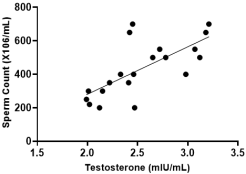
Figure 1. Linear Regression Analysis of Testosterone as a Predictor of Sperm Count.
A simple linear regression was conducted to determine the relationship between testosterone levels and sperm count in Wistar rats (N = 20). The model was statistically significant (F(1,18) = 17.27, p < 0.001) and explained 49.0% of the variance in sperm count (R² = 0.490). Testosterone was a significant predictor of sperm count (β = 0.700, p = 0.001). For every 1-unit increase in testosterone, sperm count increased by 283.55 × 10⁶ (B = 283.55, SE = 68.24). This finding confirms a strong positive association between testosterone levels and spermatogenesis in our animal model.
4. Discussion
Beyond its established nutritional value, Arachis hypogaea has traditionally been regarded in several cultures as a fertility‑enhancing food, consumed to support male sexual vitality and reproductive performance. However, experimental evidence substantiating this claim remains scarce. The present study therefore evaluated the effects of oil extract from Arachis hypogaea on male reproductive hormones and sperm parameters, using normal male Wistar rats as an experimental model.
4.1. Effect on Reproductive Hormones
Our data show that the supplementation of Arachis hypogaea oil extract to normal male Wistar rats produced a significant increase in FSH and testosterone levels across all treated groups, together with a dose-dependent rise in LH, particularly at 300 mg/kg and 600 mg/kg. Follicle-stimulating hormone (FSH) and luteinizing hormone (LH) are key gonadotropins that regulate spermatogenesis and steroidogenesis through their actions on Sertoli and Leydig cells, respectively, while testosterone is the principal androgen responsible for maintaining male reproductive function, libido, and secondary sexual characteristics . The elevation of these hormones suggests that Arachis hypogaea oil extract may have stimulated the hypothalamic-pituitary-gonadal (HPG) axis, thereby enhancing testicular endocrine and spermatogenic activity. The hypothalamus releases gonadotropin-releasing hormone (GnRH) in a pulsatile fashion, which in turn stimulates the anterior pituitary to secrete FSH and LH 25. LH acts directly on testicular Leydig cells to drive testosterone biosynthesis , while FSH acts on Sertoli cells to support spermatogenesis . The significant rise in FSH and testosterone across all treated groups, accompanied by a dose-dependent increase in LH at 300 mg/kg and 600 mg/kg, suggests that some of the bioactive constituents of Arachis hypogaea oil extract including oleic acid, palmitic acid, tridecanoic acid, octadecadienoic acid derivates , may exert a stimulatory influence at one or more levels of this axis; likely at the hypothalamic or pituitary level, potentiating GnRH signalling and downstream gonadotropin release.
Steroid hormones, including testosterone, are synthesised from cholesterol, and diets or extracts rich in unsaturated fatty acids, particularly oleic and linoleic acids, have been shown to modulate Leydig cell function and steroidogenic enzyme activity , thereby optimizing the activity of key steroidogenic enzymes, including steroidogenic acute regulatory protein (StAR), cytochrome P450 side-chain cleavage enzyme (CYP11A1), and 17β-hydroxysteroid dehydrogenase (17β-HSD) . By facilitating cholesterol transport into the inner mitochondrial membrane and enhancing enzymatic efficiency along the steroidogenic cascade, these fatty acids may directly boost testosterone biosynthesis, consistent with the hormonal elevations observed in the treated groups.
Interestingly, despite the rise in circulating testosterone, the testosterone secretion index (TSI) was significantly lower across all but the 600 mg/kg Arachis hypogaea oil-treated groups compared to the control. TSI, which reflects the efficiency of testosterone production relative to LH stimulation, can decline when LH rises disproportionately or when feedback mechanisms adjust pituitary output in response to increased peripheral testosterone . The observed changes in the LH: FSH ratio further suggest a dose-dependent accumulation of bioactive lipids and phytochemicals in Arachis hypogaea reaching threshold concentrations necessary to elicit progressively stronger stimulation of pituitary gonadotroph cells or hypothalamic GnRH neurons . The LH: FSH ratio decreased at lower doses (150 and 300 mg/kg) but increased at 600 mg/kg, indicating that higher doses may preferentially stimulate LH secretion and thus favour androgenic over purely spermatogenic signalling . By enhancing FSH, LH, and testosterone levels in healthy rats, Arachis hypogaea appears to promote spermatogenic and steroidogenic functions. Furthermore, our study shows as strong positive relationship between increased testosterone levels and sperm count in Wistar rats. Suggesting that higher testosterone levels may enhance spermatogenic activity, highlighting the physiologic role of testosterone in the spermatogenic process.
Consistent with the findings of the present study, several plant-derived extracts, including Allium cepa, Salvia officinalis, Anacyclus pyrethrum, and various polyherbal formulations, have been reported to significantly elevate gonadotropins (FSH and LH) and testosterone levels in experimental study. These effects are largely attributed to the modulation of the hypothalamic-pituitary-gonadal (HPG) axis and the attenuation of oxidative stress . The observed increase in reproductive hormone levels in the current study following administration of Arachis hypogaea oil extract, therefore, corroborates these reports, suggesting a similar underlying mechanism involving enhanced steroidogenesis and improved testicular function. However, unlike some of these extracts, which are primarily rich in phenolic antioxidants, the effects of Arachis hypogaea may be more closely linked to its lipid-rich composition, particularly its unsaturated fatty acids and associated lipophilic bioactive compounds, indicating a potentially distinct but complementary pathway in the regulation of male reproductive function.
4.2. Effects on Semen Analysis
Administration of Arachis hypogaea oil extract to normal male Wistar rats produced marked and consistent improvements across all assessed indices of sperm quality and quantity. Significant increases in sperm viability, total sperm count, percentage of morphologically normal spermatozoa, and the proportion of motile sperm cells were observed, with the most pronounced effects evident at the 300 mg/kg and 600 mg/kg doses. The more than two-fold increase in sperm count observed in these groups compared with the control indicates a strong stimulatory effect on spermatogenic activity within the seminiferous epithelium.
Sperm count, motility, and morphology are universally recognised as the primary indices of male fertility potential, each reflecting a distinct but interrelated aspect of testicular and epididymal function . An increase in sperm count indicates enhanced proliferative and differentiative activity in the seminiferous tubules, suggesting greater spermatogonial mitotic activity and more efficient progression through meiosis and spermiogenesis . Improvements in motility, on the other hand, reflect the functional competence of the sperm axoneme and the adequacy of mitochondrial energy metabolism, both of which are critically dependent on the integrity of the sperm midpiece and the lipid composition of the plasma membrane .
The observed hormonal increases following administration of Arachis hypogaea oil seen in this study provide a direct endocrine basis for the noted improvements in spermatogenesis, as FSH and testosterone were both significantly elevated in the treated animals. FSH acts on Sertoli cells to maintain the nutritional and structural support necessary for germ cell survival and development, while testosterone, concentrated within the seminiferous tubules via androgen-binding protein, is crucial for completing meiosis and spermiogenesis . Their simultaneous elevation creates a synergistic endocrine environment that collectively boosts germ cell proliferation, supports spermatogenic development, and improves epididymal sperm maturation. The dose-dependent pattern observed across sperm parameters is consistent with a concentration-dependent increase in the bioavailability of the oil extract's active constituents, including unsaturated fatty acids, phytosterols, flavonoids, and phenolic compounds . Specifically, a one-unit increase in testosterone was associated with an approximated increase of 283.55 × 10⁶ in sperm cells, elucidating the relationship between testosterone and sperm production / maturation. At higher doses, greater tissue concentrations of these bioactive molecules are likely achieved, enabling more robust engagement with steroidogenic pathways, more effective antioxidant protection of developing germ cells, and more comprehensive support of the structural and metabolic demands of active spermatogenesis .
The observed enhancement of semen quality could be attributed to the lipid-rich composition of Arachis hypogaea oil extract. Polyunsaturated fatty acids, particularly docosahexaenoic acid (DHA) and linoleic acid , are major structural components of the sperm plasma membrane and are critical determinants of membrane fluidity, receptor responsiveness, and fusogenic capacity during fertilisation . Adequate incorporation of these fatty acids into maturing spermatozoa during epididymal transit enhances membrane deformability and zona pellucida binding capacity .
The improvements in sperm count, motility, and viability observed in the present study are consistent with a growing body of literature documenting the pro-spermatogenic effects of plant-derived extracts. Our results are consistent with findings from an earlier study by Uchendu et al, which documented how aqueous extract of Arachis hypogaea increased sperm concentration, testosterone, FSH and LH secretions . Other studies on Allium cepa, Sphaeranthus indicus, and Sphenocentrum jollyanum have similarly reported enhancements in spermatogenesis and sperm function, attributing these effects predominantly to antioxidant-mediated mechanisms . While the present findings corroborate these reports, they also point to a potentially complementary dimension of action unique to Arachis hypogaea oil extract, one rooted in its distinctive lipid-rich composition. Unlike the predominantly phenolic antioxidant activity credited in most comparator studies, the bioactive lipids of Arachis hypogaea oil extract, particularly its unsaturated fatty acids, may confer additional reproductive benefits by directly supporting sperm membrane integrity and optimising the steroidogenic capacity of testicular tissue, thereby broadening the mechanistic basis through which Arachis hypogaea oil extract promotes male reproductive function.
5. Conclusion
The present study demonstrates that Arachis hypogaea oil extract progressively and significantly enhances male reproductive function in Wistar rats, producing a dose-dependent improvement in sperm count, motility, viability, and morphology, alongside a concurrent elevation in FSH, LH, and testosterone. These findings underscore the therapeutic potential of Arachis hypogaea oil extract as a natural male reproductive supplement.
Author Contributions
Avwerosuoghene Great Ododo: Conceptualization, Data curation, Formal Analysis, Funding acquisition, Investigation, Methodology, Project administration, Resources, Writing – original draft, Writing – review & editing
Bruno Chukwuemeka Chinko: Conceptualization, Methodology, Supervision, Validation, Writing – review & editing
Datonye Victor Dapper: Conceptualization, Supervision, Writing – review & editing
Conflicts of Interest
The authors declare no conflict of interest.
References
[1] Agarwal A, Gupta S, Sharma R. Acrosome Reaction Measurement. In: Agarwal A, Gupta S, Sharma R, editors. Andrological Eval Male Infertil Lab Guide [Internet]. Cham: Springer International Publishing; 2016 [cited 2023 Jan 25]. p. 143–6.
[2] Agarwal A, Baskaran S, Parekh N, Cho C-L, Henkel R, Vij S, et al. Male infertility. The Lancet. 2021; 397: 319–33.
[3] Dugule DS-G, Gana ED, Paul J. Causes, Effects and Management of Infertility Among Reproductive Women in Karim Lamido Local Government Area of Taraba State-Nigeria. Tex J Med Sci. 2023; 16: 36–49.
[4] Aitken RJ, Smith TB, Jobling MS, Baker MA, De Iuliis GN. Oxidative stress and male reproductive health. Asian J Androl. Medknow; 2014; 16: 31–8.
[5] Alahmar A. Role of oxidative stress in male infertility: An updated review. J Hum Reprod Sci. 2019; 12: 4.
[6] Chinko BC, Umeh OU. Alterations in lipid profile and oxidative stress markers following heat stress on Wistar rats: ameliorating role of vitamin C. Biomed Sci. 2023; 9(1): 6.
[7] Nansubuga K. Oxidative Stress, Hormonal Response, and the Reproductive System: Therapeutic Prospects of Antioxidant-Rich Plant Extracts. 2025; 15: 10–5.
[8] Maroto M, Torvisco SN, García-Merino C, Fernández-González R, Pericuesta E. Mechanisms of hormonal, genetic, and temperature regulation of germ cell proliferation, differentiation, and death during spermatogenesis. Biomolecules. 2025 Mar 29; 15(4): 500.
[9] Houda A, Nyaz S, Sobhy BM, Bosilah AH, Romeo M, Michael JP, et al. Seminiferous tubules and spermatogenesis. Male Reprod Anat. IntechOpen; 2021.
[10] Wang Y, Su M, Chen Y, Huang X, Ruan L, Lv Q, et al. Research progress on the role and mechanism of DNA damage repair in germ cell development. Front Endocrinol. Frontiers Media SA; 2023; 14: 1234280.
[11] Dar RA, Shahnawaz M, Ahanger MA, Majid IU. Exploring the diverse bioactive compounds from medicinal plants: a review. J Phytopharm. 2023; 12: 189–95.
[12] Sepehrfar D, Sudagar M, Paknejad H, Siahkalroodi SY, Norouzitallab P. Role of phytochemicals in farmed fish reproductive performance: A review. Iran J Fish Sci. 2023; 22.
[13] Tungmunnithum D, Thongboonyou A, Pholboon A, Yangsabai A. Flavonoids and other phenolic compounds from medicinal plants for pharmaceutical and medical aspects: An overview. Medicines. MDPI; 2018; 5: 93.
[14] Akram NA, Shafiq F, Ashraf M. Peanut (Arachis hypogaea L.): A Prospective Legume Crop to Offer Multiple Health Benefits Under Changing Climate. Compr Rev Food Sci Food Saf. 2018; 17: 1325–38.
[15] Maestri D. Groundnut and tree nuts: a comprehensive review on their lipid components, phytochemicals, and nutraceutical properties. Crit Rev Food Sci Nutr. Taylor & Francis; 2023; 1–25.
[16] Toomer OT. Nutritional chemistry of the peanut ( Arachis hypogaea). Crit Rev Food Sci Nutr. 2018; 58: 3042–53.
[17] Akhtar S, Khalid N, Ahmed I, Shahzad A, Suleria HAR. Physicochemical Characteristics, Functional Properties, and Nutritional Benefits of Peanut Oil: A Review. Crit Rev Food Sci Nutr. Taylor & Francis; 2014; 54: 1562–75.
[18] Chinko BC, Joffa PP, Ododo AG, Igwedibia PC, Okeke JC, Ukrakpo OS, Ikete PW, Onuoha OG, Nath-Abraham C, Opurum HC. Arachis hypogaea (Peanut) Oil Supplementation Improves Haematological and Serum Lipid Profiles in Male Wistar Rats. Asian Hematology Research Journal. 2026 Apr 23; 9(2): 224-33.
[19] Ododo AG, Chinko BC, Dapper DV. Proximate analysis, phytochemical profiling and GC–MS characterization of bioactive compounds of ethanolic extract and oil of Arachis hypogaea. Discover Plants. 2026 Mar 2; 3(1): 46.
[20] Kyei S, Eke I, Abdul-Karim H, Darko G, Akaranta O. Phytochemicals from Peanut (Arachis hypogaea L.) Skin Extract with Potential for Pharmacological Activity. Curr Bioact Compd. 2021; 17.
[21] Salas-Huetos A, Muralidharan J, Galiè S, Salas-Salvadó J, Bulló M. Effect of Nut Consumption on Erectile and Sexual Function in Healthy Males: A Secondary Outcome Analysis of the FERTINUTS Randomized Controlled Trial. Nutrients. 2019; 11: 1372.
[22] Paddock C. Men’s sexual function may benefit from daily nut consumption [Internet]. 2019 [cited 2026 Apr 27].
[23] Richter A. Should Men Eat Peanuts? [Internet]. Healthline. 2021 [cited 2026 Apr 27].
[24] Berean DI. Role of Antioxidants in Male Semen Preservation. Integr Male Reprod Health-Risk Mech Interv. IntechOpen; 2025.
[25] Mishra R, Nikam A, Hiwarkar J, Nandgude T, Bayas J, Polshettiwar S. Flavonoids as potential therapeutics in male reproductive disorders. Future J Pharm Sci. Springer; 2024; 10: 100.
[26] Kurhaluk N, Kamiński P, Tkaczenko H. Oxidative stress, antioxidants, gut microbiota and male fertility. Cell Physiol Biochem. 2025; 59: 82–123.
[27] Narayana K, Prashanthi N, Nayanatara A, Kumar HHC, Abhilash K, Bairy KL. Effects of methyl parathion (o, o-dimethyl o-4-nitrophenyl phosphorothioate) on rat sperm morphology and sperm count, but not fertility, are associated with decreased ascorbic acid level in the testis. Mutat Res Toxicol Environ Mutagen. Elsevier; 2005; 588: 28–34.
[28] Kaur P, Bansal MP. Effect of experimental oxidative stress on steroidogenesis and DNA damage in mouse testis. J Biomed Sci. Springer; 2004; 11: 391–7.
[29] Mohamed M, Sulaiman SA, Jaafar H, Sirajudeen KNS. Antioxidant protective effect of honey in cigarette smoke-induced testicular damage in rats. Int J Mol Sci. Molecular Diversity Preservation International (MDPI); 2011; 12: 5508–21.
[30] Raji Y, Udoh US, Mewoyeka OO, Ononye FC, Bolarinwa AF. Implication of reproductive endocrine malfunction in male antifertility efficacy of Azadirachta indica extract in rats. College Of Medicine, University of Ibadan, Nigeria; 2003.
[31] Kısa Ü, Başar MM, Ferhat M, Yılmaz E, Başar H, Çağlayan O, et al. Testicular tissue nitric oxide and thiobarbituric acid reactive substance levels: evaluation with respect to the pathogenesis of varicocele. Urol Res. Springer; 2004; 32: 196–9.
[32] Slott VL, Suarez JD, Perreault SD. Rat sperm motility analysis: methodologic considerations. Reprod Toxicol. Elsevier; 1991; 5: 449–58.
[33] Hall JE, Hall ME. Guyton and Hall textbook of medical physiology e-book: Guyton and Hall textbook of medical physiology e-book. Elsevier Health Sciences; 2020.
[34] Plant TM, Zeleznik AJ. Knobil and Neill’s physiology of reproduction. Academic Press; 2014.
[35] Lei T, Yang Y, Yang W-X. Luteinizing hormone regulates testosterone production, leydig cell proliferation, differentiation, and circadian rhythm during spermatogenesis. Int J Mol Sci. MDPI; 2025; 26: 3548.
[36] Dufau ML, Winters CA, Hattori M, Aquilano D, Baranao JLS, Nozu K, et al. Hormonal regulation of androgen production by the Leydig cell. J Steroid Biochem. Elsevier; 1984; 20: 161–73.
[37] Alves MG, Rato L, Carvalho RA, Moreira PI, Socorro S, Oliveira PF. Hormonal control of Sertoli cell metabolism regulates spermatogenesis. Cell Mol Life Sci. Springer; 2013; 70: 777–93.
[38] Ni F-D, Hao S-L, Yang W-X. Multiple signaling pathways in Sertoli cells: recent findings in spermatogenesis. Cell Death Dis. Nature Publishing Group UK London; 2019; 10: 541.
[39] Erukainure OL, Chukwuma CI. African walnut (Plukenetia conophora) oil promotes glucose uptake while improving energy metabolism and steroidogenesis and maintaining surface architecture in rat testes. Front Nutr. Frontiers Media SA; 2024; 11: 1505453.
[40] Ștefănescu R, Tero-Vescan A, Negroiu A, Aurică E, Vari C-E. A comprehensive review of the phytochemical, pharmacological, and toxicological properties of Tribulus terrestris L. Biomolecules. MDPI; 2020; 10: 752.
[41] Jaafar NS, Jaafar IS, Noori ZS. Cressa cretica Pharmacognosy, and Pharmacology (A review). Iraqi J Pharm Sci. 2021; 30: 31–40.
[42] Papadopoulos V, Garza S, Zirkin B. Cell biology and regulation of adult and aging leydig cell steroidogenesis. Leydig Cells Form Regul Funct Health Dis. Springer; 2025. p. 71–120.
[43] Yatung S, Trivedi AK. Daily and seasonal changes in steroidogenic markers in the hypothalamus and testes of tree sparrow (Passer montanus). J Neuroendocrinol. Wiley Online Library; 2025; 37: e13478.
[44] Strauss III JF, FitzGerald GA. Steroid Hormones: Structure and Nomenclature. Yen Jaffes Reprod Endocrinol E-Book Physiol Pathophysiol Clin Manag. Elsevier Health Sciences; 2017; 74.
[45] Santi D, Spaggiari G, Furini C, Griseta V, Zizzi EA, Granata AR, Simoni M. Temporal trends in serum testosterone and luteinizing hormone levels indicate an ongoing resetting of hypothalamic-pituitary-gonadal function in healthy men: a systematic review. Journal of Endocrinological Investigation. 2025 Nov; 48(11): 2721-34.
[46] Roelfsema F, Yang RJ, Liu PY, Takahashi PY, Veldhuis JD. Feedback on LH in testosterone-clamped men depends on the mode of testosterone administration and body composition. J Endocr Soc. Endocrine Society Washington, DC; 2019; 3: 235–49.
[47] Lim CT, Khoo B. Normal physiology of ACTH and GH release in the hypothalamus and anterior pituitary in man. Endotext Internet. MDText.com, Inc.; 2025.
[48] Shokrollahi B, Sharifi F. Dose-and time-dependent effects of intravenous Irisin administration on Gnrh, Lh, Fsh, and estrogen in Kurdish ewes during the breeding season. Res Vet Sci. Elsevier; 2025; 193: 105737.
[49] Christin-Maitre S, Young J. Androgens and spermatogenesis. Ann Endocrinol. Elsevier; 2022. p. 155–8.
[50] Sengupta P, Arafa M, Elbardisi H. Hormonal regulation of spermatogenesis. Mol Signal Spermatogenesis Male Infertil. CRC Press; 2019. p. 41–9.
[51] Suri S, Khan SS, Naeem S, Nisa ZU, Alam N, Majeed S, et al. The beneficial effect of Allium Cepa bulb extract on reproduction of rats; A two-generation study on fecundity and sex hormones. PLoS One. Public Library of Science San Francisco, CA USA; 2024; 19: e0294999.
[52] Salehi F, Zarei L, Mokhayeri Y, Rajabzadeh O. The effect of hydroalcoholic extract of salvia miltiorrhiza on hormonal and cellular parameters of spermatogenesis in male rats after the consumption of ibuprofen. Food Science & Nutrition. 2025 Aug; 13(8): e70705.
[53] Shahrajabian MH, Sun W. Five important seeds in traditional medicine, and pharmacological benefits. Seeds. MDPI; 2023; 2: 290–308.
[54] Al-Chalabi S, Mahmood RI, Rashaa F, Rf AL. The effect of some plants extract on hormonal and testicular function in rats. Int J Pharm Res. 2020; 12: 1223–8.
[55] Mauduit C, Hamamah S, Benahmed M. Stem cell factor/c-kit system in spermatogenesis. Hum Reprod Update. Oxford University Press; 1999; 5: 535–45.
[56] Oduwole OO, Huhtaniemi IT, Misrahi M. The roles of luteinizing hormone, follicle-stimulating hormone and testosterone in spermatogenesis and folliculogenesis revisited. Int J Mol Sci. MDPI; 2021; 22: 12735.
[57] Abruzzese GA, Sanchez‐Rodriguez A, Roldan ER. Sperm metabolism. Mol Reprod Dev. Wiley Online Library; 2024; 91: e23772.
[58] Amaral A. Energy metabolism in mammalian sperm motility. WIREs Mech Dis. Wiley Online Library; 2022; 14: e1569.
[59] Ramaswamy S, Weinbauer GF. Endocrine control of spermatogenesis: Role of FSH and LH/testosterone. Spermatogenesis. Taylor & Francis; 2014; 4: e996025.
[60] Narayan B, Miyashita K, Hosakawa M. Physiological effects of eicosapentaenoic acid (EPA) and docosahexaenoic acid (DHA)—A review. Food Rev Int. Taylor & Francis; 2006; 22: 291–307.
[61] Yuan C, Wang J, Lu W. Regulation of semen quality by fatty acids in diets, extender, and semen. Front Vet Sci. Frontiers Media SA; 2023; 10: 1119153.
[62] Esmaeili V, Shahverdi AH, Moghadasian MH, Alizadeh AR. Dietary fatty acids affect semen quality: a review. Andrology. Wiley Online Library; 2015; 3: 450–61.
[63] Van Tran L, Malla BA, Kumar S, Tyagi AK. Polyunsaturated fatty acids in male ruminant reproduction—a review. Asian-Australas J Anim Sci. 2017; 30: 622–37.
[64] Nnenna O, Uchendu CN, Obidike RI. Aphrodisiac Effect of Peanut Extract in Male [Internet]. In Review; 2022 Aug.
[65] Ajayi AF, Akhigbe RE. Staging of the estrous cycle and induction of estrus in experimental rodents: an update. Fertil Res Pract. 2020; 6: 5.
[66] Iqbal S, Omara T, Kahwa I, Mir Khan U. Protective effects of Sphaeranthus indicus floral extract against BPS-induced testicular damage in rats occurs through downregulation of RIPK1/3-MLK-driven necroptosis and Fas-FasL-mediated apoptosis. Adv Tradit Med. 2025; 25: 579–95.
Cite This Article
  • APA Style

    Ododo, A. G., Chinko, B. C., Dapper, D. V. (2026). Arachis hypogaea Oil Extract Enhances Male Reproductive Hormone Profiles and Sperm Parameters in Wistar Rats. Journal of Diseases and Medicinal Plants, 12(3), 109-116. https://doi.org/10.11648/j.jdmp.20261203.12

    Copy | Download

    ACS Style

    Ododo, A. G.; Chinko, B. C.; Dapper, D. V. Arachis hypogaea Oil Extract Enhances Male Reproductive Hormone Profiles and Sperm Parameters in Wistar Rats. J. Dis. Med. Plants 2026, 12(3), 109-116. doi: 10.11648/j.jdmp.20261203.12

    Copy | Download

    AMA Style

    Ododo AG, Chinko BC, Dapper DV. Arachis hypogaea Oil Extract Enhances Male Reproductive Hormone Profiles and Sperm Parameters in Wistar Rats. J Dis Med Plants. 2026;12(3):109-116. doi: 10.11648/j.jdmp.20261203.12

    Copy | Download

  • @article{10.11648/j.jdmp.20261203.12,
      author = {Avwerosuoghene Great Ododo and Bruno Chukwuemeka Chinko and Datonye Victor Dapper},
      title = {Arachis hypogaea Oil Extract Enhances Male Reproductive Hormone Profiles and Sperm Parameters in Wistar Rats},
      journal = {Journal of Diseases and Medicinal Plants},
      volume = {12},
      number = {3},
      pages = {109-116},
      doi = {10.11648/j.jdmp.20261203.12},
      url = {https://doi.org/10.11648/j.jdmp.20261203.12},
      eprint = {https://article.sciencepublishinggroup.com/pdf/10.11648.j.jdmp.20261203.12},
      abstract = {Plant-derived bioactive compounds have emerged as promising therapeutic agents for enhancing male reproductive health. Arachis hypogaea (groundnut), an extensively cultivated oilseed crop, possesses rich phytochemical constituents; however, its specific effects on male reproductive parameters remain incompletely characterised. The present study aimed to evaluate the effects of Arachis hypogaea oil extract on reproductive function in male Wistar rats. Twenty male Wistar rats (180 - 200 g) were randomly assigned to four groups (n=5/group). Group 1 (control) received standard rat chow and water ad libitum, while Groups 2, 3, and 4 were administered A. hypogaea oil extract via daily oral gavage at doses of 150, 300, and 600 mg/kg, respectively, for 56 days. Serum reproductive hormones (follicle-stimulating hormone [FSH], luteinizing hormone [LH], and testosterone) were quantified using ELISA, while Sperm parameters (sperm count, motility, viability and morphology) were assessed using standard established protocols. Administration of A. hypogaea oil extract significantly elevated FSH and testosterone levels across all treatment groups compared to the control group (pArachis hypogaea oil extract demonstrates dose-dependent enhancement of male reproductive function in Wistar rats, improving both hormonal profiles and sperm quality parameters. These findings support the therapeutic potential of A. hypogaea oil as a natural supplement for male reproductive health and warrant further investigation into its clinical applications and mechanistic pathways.},
     year = {2026}
    }
    

    Copy | Download

  • TY  - JOUR
    T1  - Arachis hypogaea Oil Extract Enhances Male Reproductive Hormone Profiles and Sperm Parameters in Wistar Rats
    AU  - Avwerosuoghene Great Ododo
    AU  - Bruno Chukwuemeka Chinko
    AU  - Datonye Victor Dapper
    Y1  - 2026/08/22
    PY  - 2026
    N1  - https://doi.org/10.11648/j.jdmp.20261203.12
    DO  - 10.11648/j.jdmp.20261203.12
    T2  - Journal of Diseases and Medicinal Plants
    JF  - Journal of Diseases and Medicinal Plants
    JO  - Journal of Diseases and Medicinal Plants
    SP  - 109
    EP  - 116
    PB  - Science Publishing Group
    SN  - 2469-8210
    UR  - https://doi.org/10.11648/j.jdmp.20261203.12
    AB  - Plant-derived bioactive compounds have emerged as promising therapeutic agents for enhancing male reproductive health. Arachis hypogaea (groundnut), an extensively cultivated oilseed crop, possesses rich phytochemical constituents; however, its specific effects on male reproductive parameters remain incompletely characterised. The present study aimed to evaluate the effects of Arachis hypogaea oil extract on reproductive function in male Wistar rats. Twenty male Wistar rats (180 - 200 g) were randomly assigned to four groups (n=5/group). Group 1 (control) received standard rat chow and water ad libitum, while Groups 2, 3, and 4 were administered A. hypogaea oil extract via daily oral gavage at doses of 150, 300, and 600 mg/kg, respectively, for 56 days. Serum reproductive hormones (follicle-stimulating hormone [FSH], luteinizing hormone [LH], and testosterone) were quantified using ELISA, while Sperm parameters (sperm count, motility, viability and morphology) were assessed using standard established protocols. Administration of A. hypogaea oil extract significantly elevated FSH and testosterone levels across all treatment groups compared to the control group (pArachis hypogaea oil extract demonstrates dose-dependent enhancement of male reproductive function in Wistar rats, improving both hormonal profiles and sperm quality parameters. These findings support the therapeutic potential of A. hypogaea oil as a natural supplement for male reproductive health and warrant further investigation into its clinical applications and mechanistic pathways.
    VL  - 12
    IS  - 3
    ER  - 

    Copy | Download

Author Information
  • Abstract
  • Keywords
  • Document Sections

    1. 1. Introduction
    2. 2. Materials and Methods
    3. 3. Results
    4. 4. Discussion
    5. 5. Conclusion
    Show Full Outline
  • Author Contributions
  • Conflicts of Interest
  • References
  • Cite This Article
  • Author Information