Research Article | | Peer-Reviewed

Formulation and Shelf-Life Evaluation of Melon (Citrullus lanatus) Seed-Based and Chicken (Gallus gallus domesticus, COBB 500) Sausages

Received: 16 June 2026     Accepted: 27 June 2026     Published: 17 July 2026
Views:       Downloads:
Abstract

This study aimed to formulate and estimate the shelf life of plant-based sausages from Citrullus lanatus var colocynthoides (egusi) seeds and chicken-based sausages. Egusi seeds were blended then mixed with standard spices and used to produce seven plant-based sausages by varying the proportion of binders. As well, chicken meat was deboned and minced, then mixed with standard spices and used to produce seven broiler chicken-based sausages using the same types of binders (3, 5, and 7% egg; 10% wheat flour; 0.3, 0.5 and 1% xanthan gum). The egusi-based sausages were stuffed in mahogany casings while the chicken sausages were stuffed in plastic casings and boiled at 100°C and 90°C for 2 hours and 25 minutes respectively. Sensory evaluation was then performed using the 9-scale Hedonic Test using commercial meat sausage as standard. The best formulae were selected per binder and analysed. Physical properties were determined by evaluating the folding test, pH, Shrinkage, instrumental color, emulsion stability, cooking loss, jelly and fat separation and frying loss, Nutritional analysis was also accessed. Safety and hygiene and shelf life of the best sausages, a total of 36 sausages were produced, six egusi and six chicken sausages for each type of binder, and stored under refrigerated conditions at 4°C in 2 batches (3 open and 3 closed). After an interval of 3 days and 2 weeks, samples were removed for best before date and shelf life evaluation respectively by microbial analysis. The results of sensory attributes of different sausages revealed that formula EF1, EF2 and EF6 were the most preferred for egusi sausages and constituted the best formulae while for chicken sausages, formulae CF1, CF2 and CF5 were the most preferred making a total of 6 best sausages. The physical evaluation revealed that all sausages had lower values for folding test than meat standard sausages. The egusi sausages showed lower values for cooking loss, fat separation, or shrinkage, unlike the chicken sausages. Plant-based sausages, were good source of nutrients, minerals and vitamin A. Best before date of open sausages revealed that microbial load of open sausages exceeded the safety limit on day 6 and 9 of storage. Shelf life studies of closed sausages revealed that sausages remained in the safety range of 105 (for bacteria), 102 (for fungi) and 102 (for coliform) proposed by CODEX Alimentarius Commission. Thus findings suggest that plant-based egusi sausages could be a viable alternative to traditional meat-based sausages.

Published in Journal of Food and Nutrition Sciences (Volume 14, Issue 4)
DOI 10.11648/j.jfns.20261404.11
Page(s) 207-228
Creative Commons

This is an Open Access article, distributed under the terms of the Creative Commons Attribution 4.0 International License (http://creativecommons.org/licenses/by/4.0/), which permits unrestricted use, distribution and reproduction in any medium or format, provided the original work is properly cited.

Copyright

Copyright © The Author(s), 2026. Published by Science Publishing Group

Keywords

Citrullus Lanatus, Plant-based, Sausage, Chicken, Binders, Phytochemical, Shelf-life

1. Introduction
Sausage is typically defined as a mixture of ground meat, combined with spices and seasonings, stuffed in a casing which can be natural or synthetic. It can be cooked, pre-cooked or smoked. Sausage processing and production represents a large industry around the world and is one of the oldest forms of processed meat . Consumers opt for healthier meat products that are minimal in saturated fat, sodium, cholesterol, nitrates, and calories, and contain health-promoting bioactive components like carotenoids, unsaturated fatty acids, sterols, and fiber. They also prefer meat products with altered formulations that taste, look, and smell the same as traditional products . Non-meat elements, such as dairy, eggs, plants, and probiotics, are added to meat products to improve quality and lower costs. Other components include salt, which enhances flavour, reduces microbiological spoilage, and increases water retention, and water ice, which aids in mixing and solubilizes beef proteins. Curing compounds minimize microbiological growth, create a pink colour, and enhance flavour, while spices provide flavour. Binders promote fat and moisture retention. Extenders reduce formulation costs .
The high protein content of beef gives it a special place in Cameroonian households and the world at large. However, the rates being charged are too high for low income eaners. Therefore, there is obviously a problem with Cameroonian consumers' physical and financial access to high-quality beef, in a nation where 37.5% of the population lives below the poverty line . Also, environmental, and public health as well as concerns for animal welfare, have created a shift from diets rich in animal proteins toward diets rich in plant proteins . According to numerous epidemiological studies, eating processed beef increases the chance of getting diabetes, cardiovascular diseases and certain cancers, due to high concentrations of saturated fatty acids as well as the use of artificial preservatives (40-50%) .
According to the EAT-Lancet Commission, humans should eat a diet high in plant-based fruits, vegetables, whole grains, and plant-based proteins including beans, lentils, and nuts for planetary health . This diet would also bring people to significantly reduce their consumption of animal-sourced meat especially red beef and processed beef products. Traditional plant-based meat substitutes included tofu, tempeh, and seitan products . The inclusion of plant elements into processed meat products is a cost-effective and practical method of increasing the protein intake for low-income populations. Soybeans, maize, sunflower, and potatoes, among other vegetable products, have been employed with varied degrees of effectiveness in processed meat products. Also, a study reported by Hu showed that replacing 1g of red meat by white meat reduces the risk of cardiovascular diseases by 19% as they are low in saturated fats. Majzoobi et al. formulated meat-free sausages using textured soy protein (defatted soy flour), corn starch, vegetable oil, salt and soy protein isolate. Their report showed substantial quality loss such as poor sliceability, high frying loss and low water-holding capacity when the meat was replaced by plant alternatives. Nevertheless, certain factors like cooking loss, water-holding capacity, and overall acceptability can be enhanced with the use of konjac mannan, xanthan gum, and K-carrageenan. In a separate study, Savadkoohi et al. aimed to enhance the quality of meat-free sausage by incorporating bleached tomato pomace. Their findings indicated that the texture of the meat-free sausage (hardness, cohesiveness, springiness, and chewiness) was inferior when compared to that of beef frankfurters. However, they significantly improved all these textural attributes by adding bleached tomato pomace.
In Cameroon and Africa in general, there have been limited studies conducted on the development of meat alternative products, resulting in a gap in understanding in this area. Nevertheless, this presents a great opportunity for food manufacturers and those who prioritize health . Little or no studies have been carried out on the use of egusi seeds (protein-rich seed of certain Cucurbitaceous plants) as a substitute for meat in meat-based products. By using these seeds as industrial raw materials, the production of these underutilized seed will increase. Also, industrializing the production of foods made from them increases the demand for these seeds and its products . Thus, increasing the output of Cucurbitaceae sausage may be a way to encourage the production and consumption of egusi seeds and remove pressure on other meat sources of protein. This study aimed at formulating and estimating the shelf-life of plant-based sausages from egusi seeds and animal-based sausages from chicken.
2. Materials and Methods
2.1. Study Design and Samples Collection
This research is a laboratory-based experimental and analytical study carried out at the Agroecology laboratory of the University of Buea, Cameroon.
Egusi, chicken, ginger, garlic, pepper, eggs, wheat flour, and black and white pepper for the sausage formulation were purchased from the local markets (Central and Muea markets) in Buea. Xanthan gum (XG, food grade) was purchased from Aladdin Industrial Corporation. Chicken was also purchased from the poultry farm of the Faculty of Agriculture and Veterinary Medicine. Commercial meat sausage (Jean FLOC’H®) was purchased at the local store in Molyko, Buea to be used as standard.
2.2. Sausage Preparation
2.2.1. Processing of Egusi Seed (Citrullus Lanatus Var Colocynthoides) and Spices Blend
Peeled egusi seeds of Colocynthis citrullus L. were purchased and further dried in an oven (BIOBASE Model: BOV-TF) at 50°C for 1hour to reduce moisture then ground into a meal. Also, dried spices (black and white pepper) used for this study were ground as purchased separately in a dry electric blender (Singsung Blender Model: BL500). All fresh ingredients (onion, pepper, ginger, garlic) werae ground separately in a blender without addition of water. Spices blend for egusi and chicken sausages were formulated according to Djiogue et al. and Nowsad and Hoque with some modifications.
2.2.2. Formulation of Sausage from Egusi Seed
Sausages with varying compositions were produced by mixing egusi seed meal with spices blend (Table 1), salt, oil, water and a binder as shown on Table 2 to form a homogenous batter. In separate batches, wheat flour, xanthan gum, and egg white were added in proportions indicated on Table 1 to observe for changes in sensory attributes like texture, elasticity and appearance of sausage.
2.2.3. Formulation of Chicken-based Sausage
Sausage was formulated according to Ayandip et al. with some modifications. Fresh chicken was frozen and deboned and the flesh collected. The flesh was trimmed to remove fat and skin and then refrozen at -18°C. The chicken flesh was minced through a 6 mm plate using a meat grinder (YABANO MEAT GRINDER MODEL: MG412) after which other ingredients like spices, salt, binders and water were added in different proportions and batches as shown in the Table 3 and homogenized to obtain batters. The fine blended mixtures were stuffed into artificial casing and refrigerated at 4°C for 1 hour to allow ingredients equilibrate.
Table 1. Spices formulation for sausages.

Ingredient

Egusi

Chicken

Pepper (g)

2.31

30

Black pepper

0.89

-

Bouillon cubes

3.13

-

White pepper (g)

0.68

0.136

Garlic (g)

0.73

2.13

Ginger (g)

0.85

0.43

Onion (g)

1.56

0.43

Table 2. Plant based sausage formulation.

Items

EF1

EF2

EF3

EF4

EF5

EF6

EF7

Egusi Seed meal (g)

24.61

29.61

18.61

13.61

33.31

33.11

32.61

Spices (g)

7.02

7.02

7.02

7.02

7.02

7.02

7.02

Salt (g)

2.08

2.08

2.08

2.08

2.08

2.08

2.08

Oil (g)

2.08

2.08

2.08

2.08

2.08

2.08

2.08

Water (g)

52.08

52.08

52.08

52.08

52.08

52.08

52.08

Bouillon cube (g)

3.13

3.13

3.13

3.13

3.13

3.13

3.13

Wheat flour (g)

-

10.00

15.00

20.00

-

-

-

Xanthan gum (g)

-

-

-

-

0.30

0.50

1.00

EF1: Egusi sausage with 9% egg as binder; EF2, EF3, EF4: Egusi sausage with 10; 15; 20% wheat flour as binder respectively; EF5, EF6, EF7: Egusi sausage with 0.3; 0.5; 1% xanthan gum as binder respectively.
Table 3. Formulation of chicken-based sausage.

Items

CF1

CF2

CF 3

CF 4

CF5

CF6

CF7

Chicken (g)

66.64

72.62

70.62

68.62

75.34

75.14

74.64

Water (g)

17.69

17.69

17.69

17.69

17.69

17.69

17.69

Spices (g)

3.62

3.62

3.62

3.62

3.62

3.62

3.62

Bouillon cube (g)

1

1

1

1

1

1

1

Wheat flour (g)

-

10

-

-

-

-

-

Xanthan gum (g)

-

-

-

-

0.3

0.5

1

CF1, CF3, CF4: Chicken sausage with 3; 5; 7% egg as binder; CF2: Chicken sausage with 10% wheat flour as binder; CF5, CF6, CF7: Chicken sausage 0.3; 0.5; 1% xanthan gum as binder respectively2.2.4. Stuffing and cooking of sausage
The mixtures were then stuffed accordingly into the casings (Mahogany casing for egusi sausage and plastic casing for chicken sausage) using a manual plastic stuffer (Teensery ZL3018) with a length of 17cm for chicken and 21cm for egusi sausages. The sausages were boiled in an aluminum pot (40cm in diameter and 19cm in depth) at 100°C for 2 hours (egusi sausages), 90°C for 25 minutes (for chicken sausages till an internal temperature of 74°C) with a sausage: water ratio of 1: 2, then chilled to 15-20°C with cold water for 15mins and the sensory evaluation was conducted for the selection of the best samples.
2.3. Analysis of the Formulated Sausages
2.3.1. Sensory Evaluation
Acceptance of the different sausage samples was evaluated using a 9-point hedonic scale for attributes; appearance, color, flavor, texture and overall acceptability ranging from 1 (dislike extremely) to 9 (like extremely) using twenty untrained/ semi trained (acquainted to product) panel members consisting of faculty member, research fellows and other students. They were briefly explained about nature of experiment without revealing the identity of samples. Sausage samples were warmed to a temperature of 45°C before serving, then cut in slices of 2-cm diameter and 2-cm thickness were cut. Samples were warmed to a temperature of 45°C initially before serving. Individuals received coded samples accompanied by a glass of water and tissue to cleanse the taste buds between each sample and a sensory evaluation card for scoring .
2.3.2. Selections
After sensory evaluation, 3 best samples (based on their scores) were selected for each sausages type (plant, and animal based) based on the consumers higher acceptance (using the commercial purchased sausage as control. Given a total of 7 samples coded as: EF1: Egusi sausage with egg as binder; EF2: Egusi sausage with wheat flour as binder; EF6: Egusi sausage with xanthan gum as binder; CF1: Chicken sausage with egg as binder; CF2: Chicken sausage with wheat flour as binder; CF5: Chicken sausage xanthan gum as binder; MF1 (standard): Meat sausage purchased). These best formulae were reproduced back for further analysis (nutritional, physical, phytochemical and shelf-life studies (microbiological analysis).
2.3.3. Physical Analysis of the Best Formulated Sausage Batters
On raw batter, the following test were conducted: emulsion stability, jelly and fat separation, cooking loss, and shrinkage while the following analysis (folding test, colour measurement and pH) were conducted on the cooked sausages.
i. Jelly and fat separation
It was measured according to Serdaroglu et al. , two pre-weighed large tubes with caps were filled with raw batter for each sausage formula and then incubated in 800ml of boiling water (at 90°C) in a 1.5L boiler for 35 minutes. The tubes were then cooled under running tap water and stored at 4°C for 24 hours. Afterwards, the tubes were re-heated at 45°C for 1 hour and the fluid from each sample was collected in a volumetric cylinder. The Jelly and fat separation calculated as a percentage of each original batter weight.
Jelly and fat seperation (%)=(volume of water released)/(weight of batter)×100
ii. Cooking loss and Shrinkage
The cooking loss of the sausage samples was determined according to the method of Choi et al. with slight modification. Thirty-gram raw batter was stuffed into screw top test tubes and was heated in a steam bath at 70°C for 30 min. The cooked samples were quickly immersed in cool water for 10 min. Cooking loss was determined by weighing individual sausage sample before and after cooking, and difference expressed as a percentage of the original weight. The percentage cooking yield was evaluated by dividing the weight of the cooked sausage by the weight of the raw sausage and multiplying by 100.
Cooking loss (%)=(weight before cooking-weight after cooking)/(weight before cooking)×100
The effect of boiling treatment on shrinkage of sausages was also determined as changes in diameter after cooking was measured using the equation:
Shrinkage (%)=(Diameter before cooking-Diameter after cooking)/(Diameter before cooking)×100
Table 4. Sensory evaluation and Folding test.

Binder

Code

Color

Flavour

Taste

Appearance/texture

Overall Acceptability

EGUSI SAUSAGE

Egg

EF1

6.8

6.40

7.30

7.60

7.04

Flour

EF2

6.67

7.00

7.10

6.50

6.82

EF3

7.00

5.50

6.80

7.40

6.68

EF4

6.56

6.44

3.80

5.78

5.65

Xanthan Gum

EF5

4.80

6.33

5.67

4.11

5.23

EF6

6.83

8.00

7.30

5.3

6.86

EF7

4.33

6.67

4.60

5.00

5.15

CHICKEN SAUSAGE

Egg

CF1

6.83

7.67

6.83

5.83

6.79

Wheat flour

CF2

7.00

7.25

7.00

7.00

7.06

Egg

CF3

6.13

7.13

7.50

6.5

6.82

CF4

6.00

6.13

6.38

6.5

6.25

Xanthan gum

CF5

6.00

5.80

4.40

3.2

4.85

CF6

6.00

4.60

3.80

2.4

4.20

CF7

5.00

4.00

2.40

2.00

3.35

MF

7.14

7.10

6.00

6.71

6.74

Values for sensory evaluation are presented as mean ± standard deviation. EF1: Egusi sausage with 9% egg as binder; EF2: Egusi sausage with 10% wheat flour as binder; EF3: Egusi sausage with 15% wheat flour as binder; EF4: Egusi sausage with 20% wheat flour as binder; EF5: Egusi sausage with 0.3% xanthan gum as binder; EF6: Egusi sausage with 0.5% xanthan gum as binder; EF6: Egusi sausage with 1% xanthan gum as binder; CF1: Chicken sausage with 10% wheat flour as binder; CF2: Chicken sausage with 3% eggs as binder; CF3: Chicken sausage with 5% eggs as binder; CF4: Chicken sausage with 7% egg as binder; CF5: Chicken sausage with 0.3% xanthan gum as binder; CF6: Chicken sausage with 0.5% xanthan as binder; CF7: Chicken sausage with 1% xanthan as binder MF1 (standard): Meat sausage purchased.
iii. Emulsion stability
Raw batter (10 g) was weighed in a tube and centrifuged at 2500rpm for 5 min at 4°C using a tabletop centrifuge (80-1 Electric Centrifuge). Subsequently, the tube was heated in a water bath at 80°C for 60 min. The tube was then left to stand upside-down for 45 min to allow any liquids to drain out. The supernatant was decanted and the total fluid released (TFR) was expressed as a percentage of the sample weight using the following formula. Finally, the water content of the released fluid was determined by evaporating it in an oven at 100°C for 16 hours. Released fat (%) was calculated as the difference between TFR and released water .
TFR(%)= ((Ws+Wt)-(Wt+Wp))/Ws×100
Released fat (%)=TFR(%)-%Water released (%)
where Wt is the weight of centrifuge tube; Ws is the weight of sample; and Wp is the weight of pellet.
iv. Frying loss
Sliced sausages with 1 cm thick, was deep-fried in refined palm olein for 5 minutes using an electric air fryer and then cooled down to room temperature. The frying loss was calculated by weighing the slices before and after frying and expressed as a percentage .
Frying loss (%)=(weight before frying-weight after frying)/(weight before frying)×100
v. Folding test
The folding test was performed using a five-point grade system according to the method of Cardoso et al. . The sausages were cut into thin slices, of about 3 millimeters thickness. Then, the slices were slowly folded in half to see how they broke or tear. They were graded as follows:
1) Breaks by finger pressure
2) Cracks immediately when folded in half
3) Cracks gradually when folded in half
4) No cracking after folding in half
5) No cracks after folding twice
Colour measurement
Color measurement was performed using a colorimeter (Linshang Colorimeter MODEL: LS172), calibrated to white standards tiles prior to measurement. The samples were sliced into 3cm × 2 cm (length x diameter) pieces and then placed in a circular clean dried Petri dish. Afterwards, the cap was locked and the color value were displayed as the lightness (CIE L*), the redness (CIE a*) values and the yellowness value (CIE b*). The instrument was calibrated with a white plate (CIE L*: +93.10, CIE a*: -0.02, CIE b*: -0.60) .
viii. pH of sausage
One gram of each sample was weighed and homogenized with 10 ml of distilled water for 5 minutes. The obtained suspension was stirred for 30minutes using a vortex and centrifuged at 4,500rpm for 15minutes. The pH of the aqueous phase was measured using a pH meter (Model HI 84530, Hanna Instruments Co., USA) in triplicates at 25°C. The pH meter was calibrated using standard buffers of pH 4.0, 6.8 and 9.0 at 25°C.
2.3.4. Nutritional Analysis of the Best Formulae
i. Proximate analysis
The sausages underwent analysis in triplicate for moisture, crude protein, crude fat, and ash, following the approved method of AOAC . Carbohydrate content was determined by calculation of the remaining difference.
ii. Vitamin A
The β-carotene was determined by the method of Aremu et al. . The beta carotene was calculated using the following formula:
Beta-carotene (μg/100g) = Absorbance (436nm)×V×D×100×100/W×Y
where: V = Total volume of extract; D = Dilution factor; W = Sample weight; Y = Percentage dry matter content of the sample.
iii. Mineral content
Minerals (P, Ca, Mg, K, Na, Fe and Zn) were assayed by Atomic Absorption Spectroscopy (AAS). All metal determinations were conducted using the Ice3000 vl.3 AAS (Atomic Absorption Spectrophotometry) device.
2.3.5. Phytochemical Analysis
1) Total Phenolic Compounds
The total phenolic content was assessed using the spectrophotometric technique with the Folin-Ciocalteu reagent as outlined by Gao, with minor adjustments .
2) Flavonoids
The flavonoids content in the sausages were determined by the method described by Yadang et al. . The amount of flavonoids contained was calculated using a standard solution of Quercetin (1mg/ml) and the results were expressed in milligrams of Quercetin per gram of dry sample.
3) Tannins
Tannin was determined using the spectrophotometric method using acidified vanillin . The amount of tannins was calculated using a standard solution of tannic acid (5mg/ml) to obtain a standard curve and the results were expressed in milligrams of tannic acid per gram of solids.
4) Saponins
Saponins were tested according to the method (Frothing test) described by Banso and Adeyemo . This was done by mixing 1g of sample in a test tube containing 3mL of hot distilled water. The mixture was shaken vigorously for 1 minute to observe for persistent foaming.
2.3.6. Microbiological Analysis and Shelf Life Evaluation of the Sausages During Continuous and Discontinuous Storage
The shelf lives of the various sausages were determined using the method of microbiological measurements and sensory perceptions. Test for microbial contamination during discontinuous storage was done initially, at 2 weeks intervals (day 1, 14 and 28) of storage at 4°C in a refrigerator (ie. for each duration a batch of sausage was stored). For the continuous storage (i.e just one bath of sausage was produced and opened to cut a sample for analysis and re-stored to be reused again when the next storage time will come), the same procedure was carried out but this time, the sausages were opened and stored at 4°C in the refrigerator and the microbial load measured after every 3 days (1, 3, 6 and 9 days) without discarding the sausage samples. During this storage period, sausages were also observed for changes in colour, smell and texture. The results were given from day 1 to 9 for continuous storage and after each two week (day 14 and 28) for discontinuous storage on the same graph given that day 1 was the same for continuous and discontinuous treatments.
i. Preparation and dilution of Samples
A 1: 10 dilution was made by adding 1 g of the crushed sample into 9 ml of sterile distilled water and shaken to obtain a homogenous mixture. The stock solution was serially diluted up to 10-5 as described by Willey et al. (2008).
ii. Total bacteria count
Nutrient Agar (NA) (2.4g) was dissolved in 100mL of distilled water, autoclaved at 121°C for 1 hour in an electric pressure steam sterilizer (Model No. 25X) and allowed to cool to about 45°C. The work environment was sterilized with 70% alcohol. 1mL of each sample was pipetted into labelled petri-dishes with the use of a micro pipette (Gilson Pipetman, 060087N). The medium (NA) was poured into the petri dish and agitated gently to homogenize with the sample. This solidified and formed a gel in the petri dish. It was then incubated (DHP-9050) at 37°C for 24 hours. After which, the total bacteria were counted as colony forming units (CFU) .
iii. Total yeast count
Potato Dextrose Agar (PDA) (4.2g) was dissolved in 100mL of distilled water, autoclaved at 121°C for 1 hour in an electric pressure steam sterilizer (Model No. 25X) and allowed to cool to about 45°C. The working environment was sterilized with 70% alcohol. 1mL of each sample was pipetted into labelled petri-dishes with the use of a micro pipette (Gilson Pipetman, 060087N). The PDA medium was poured into the petri dish and agitated gently to homogenize with the sample. This solidified and formed a gel in the petri dish. It was incubated (DHP-9050) at 37°C for 1 week and the total yeasts were counted as colony forming units (CFU) according to Olorunjuwon et al. .
iv. Total coliform count
Violet Red Bile Lactose (VBRL) Agar (6.2g) was dissolved in 150mL of distilled water. This solution was allowed to boil while shaking over a Bunsen burner flame until it was completely dissolved. It was then allowed to cool to about 45°C. The work environment was sterilized with 70% alcohol. One mL of 10-1 and 10-2 dilutions of each sample was pipetted into labelled petri-dishes with the use of a micro pipette (Gilson Pipetman, 060087N). The VBRL medium was poured into the petri dish and agitated gently to homogenize with the sample and allowed to set. More of the medium were poured to prevent entry of Oxygen. The solidified gel was incubated (DHP-9050) at 42°C for 24 hours. After which, the total coliforms were counted as colony forming units (CFU) .
2.4. Statistical Analysis
The experiments were conducted in duplicate, according to Means and standard deviations were calculated using Microsoft Excel, 2019. Data was analyzed using GraphPad Instat version 3.00 and one-way Analysis of Variance (ANOVA) was performed. Differences among the means was analysed using Bonferroni test and the significance level was defined at p< 0.05, Data was expressed as mean ± SD.
3. Results
A total of fourteen different formulae of sausages were produced. Seven for chicken and seven for egusi while commercial beef sausage was purchased from the local store and used as standard. Sensory analysis was conducted for all the samples and the best 3 samples from each protein source (chicken and egusi) for each of the binders (egg, wheat flour and xanthan gum) were selected for further analysis like nutritional, physicochemical, phytochemical and microbial analysis. The results are presented below.
3.1. Sensory Attributes of the 14 Formulae of Egusi and Chicken Sausages
Results on Table 4 Showed that all samples had no significant difference in taste and appearance with beef sausage (standard). Samples EF5, EF7, and C7 were significantly lower than the beaf sausage in terms of color. A significantly lower value was observed in the flavour of sample EF6 and CF6 when compared to the standard. Also, the overall acceptability of the products varied, with samples EF4, EF5, EF7, CF5, CF6, CF7 being significantly different from the standard. From the values of overall acceptability, the best samples for egusi and chicken sausages were found to be sample EF1 and CF1 for egg binder, EF2 and CF2 for wheat flour binder, EF6 and CF5 for xanthan binder.
Egusi sausage with 15% wheat flour as binder; EF4: Egusi sausage with 20% wheat flour as binder; EF5: Egusi sausage with 0.3% xanthan gum as binder; EF6: Egusi sausage with 0.5% xanthan gum as binder; EF6: Egusi sausage with 1% xanthan gum as binder; CF1: Chicken sausage with 10% wheat flour as binder; CF2: Chicken sausage with 3% eggs as binder; CF3: Chicken sausage with 5% eggs as binder; CF4: Chicken sausage with 7% egg as binder; CF5: Chicken sausage with 0.3% xanthan gum as binder; CF6: Chicken sausage with 0.5% xanthan as binder; CF7: Chicken sausage with 1% xanthan as binder MF1 (standard): Meat sausage purchased.
3.2. Physicochemical Characteristics of the Highly Accepted Sausage Formulae
3.2.1. Physical Parameters
i. Emulsion Stability
Table 5 shows the results obtained for emulsion stability in terms of water, fat and total fluid released. Samples CF1 and CF5 had significantly higher (p<0.001) values for water, fat and total fluid released compared to all other sausages. EF1 had higher values for these parameters compared to other egusi sausages.
Table 5. Emulsion stability (Water, Fat and Total Fluid Released).

Sample

Water Released (%)

Fat Released (%)

TFR (%)

EF1

4.49±0.71a

-

4.97±0.71b

EF2

-

-

-

EF6

0.50±0.00b

-

0.50±0.00c

CF1

7.12±0.06cd

6.93±0.55a

14.05±0.50d

CF2

4.40±1.69ae

1.8±0.86b

6.20±2.35a

CF5

6.91±1.99de

6.7±2.26a

13.61±4.24e

Values for emulsion stability are presented as mean ± standard deviation. (a-e) values of the same column with different superscripts are significantly different at p<0.05. EF1: Egusi sausage with egg as binder; EF2: Egusi sausage with wheat flour as binder; EF6: Egusi sausage with xanthan gum as binder; CF1: Chicken sausage with egg as binder; CF2: Chicken sausage with wheat flour as binder; CF5: Chicken sausage xanthan gum as binder.
ii. Jelly and Fat Separation, Cooking Loss, Shrinkage and Frying Loss
The results obtained for jelly and fat separation, cooking loss, weight gain, shrinkage and frying loss are presented in Table 6. For the jelly and fat separation, a significant difference was observed in the values for all the chicken sausages when compared to the egusi sausages. It can be noted that, there was no significant difference (P>0.05) in the values of cooking loss and weight gain for the sausages except samples EF6 and CF5 which showed a significant decrease in cooking loss and weight gain from the other formulations. There was no significant difference (P>0.05) in the value of shrinkage for all the sausages. For frying loss, samples CF1 and CF5 showed no significant difference from standard.
iii. Folding properties
Table 7 shows the results for the folding property of formulated sausages. It can be noted that egusi sausages showed no significant difference (p>0.05) in the folding property when compared to the standard. For chicken sausages, only sample CF5 was significantly lower than the standard (p<0.01).
iv. Instrumental colour measurement
Results for the instrumental color measurement are presented in Table 8 which showed samples EF6 and CF5 were significantly different from other sausages in L* (Lightness). All sausages had significantly higher (P<0.05) values than standard for this parameter. For Redness (a*) all chicken sausages exhibited lower values. In term of yellowness (b*), all samples were significantly different from standard with egusi sausages recording higher values and chicken sausages lower.
Table 6. Jelly and fat separation, cooking loss, weight gain, shrinkage, and frying loss.

Sample

Jelly and Fat Separation

Cooking Loss (%)

Weight Gain (%)

Shrinkage (%)

Frying Loss (%)

EF1

-

-

7.06±0.04a

-

0.43±0.61a

EF2

-

-

4.53±0.96b

1.19±1.68a

-

EF6

-

-

1.66±0.10c

-

-

CF1

7.31±0.22b

13.41±1.18a

-

3.03±0.00a

7.71±0.80b

CF2

7.46±0.12b

10.96±1.69a

-

3.03±0.00a

2.43±0.61a

CF5

4.51±0.38c

3.79±0.17b

-

3.03±0.00a

5.00±0.61b

MF1

-

-

-

-

6.58±0.81b

Values for jelly and fat separation, cooking loss, weight gain, shrinkage, and frying loss are presented as mean ± standard deviation. (a-c) values of the same column with different superscripts are significantly different at p<0.05. EF1: Egusi sausage with egg as binder; EF2: Egusi sausage with wheat flour as binder; EF6: Egusi sausage with xanthan gum as binder; CF1: Chicken sausage with egg as binder; CF2: Chicken sausage with wheat flour as binder; CF5: Chicken sausage xanthan gum as binder; MF1 (standard): Meat sausage purchased.
Table 7. Folding property of formulated sausages.

Sample

Score

EF1

2.73±0.33a

EF2

2.89±0.48a

EF6

2.80±0.40a

CF1

3.00±1.01a

CF2

3.63±0.31b

CF5

1.00±0.05c

MF1

3.14±0.37ab

Values for folding test are presented as mean ± standard deviation. (a-c) values of the same column with different superscripts are significantly different at p<0.05. EF1: Egusi sausage with egg as binder; EF2: Egusi sausage with wheat flour as binder; EF6: Egusi sausage with xanthan gum as binder; CF1: Chicken sausage with egg as binder; CF2: Chicken sausage with wheat flour as binder; CF5: Chicken sausage xanthan gum as binder; MF1 (standard): Meat sausage purchased.
Table 8. Instrumental Colour Measurement.

Sample

L*

a*

b*

EF1

60.11±0.31a

6.26±0.45a

20.62±0.18a

EF2

57.11±2.52a

6.43±0.26a

21.13±1.27a

EF6

46.05±1.56b

7.25±0.66a

24.86±0.84b

CF1

59.05±0.76a

3.64±0.18b

7.25±0.54c

CF2

59.03±0.43a

3.79±0.057b

10.37±0.19d

CF5

45.73±0.41bc

3.27±0.35b

6.82±0.31ce

MF1

30.62±2.40d

7.00±0.35a

5.42±0.35cef

Values for instrumental color measurements are presented as mean ± standard deviation. (a-f) values of the same column with different superscripts are significantly different at p<0.05. EF1: Egusi sausage with egg as binder; EF2: Egusi sausage with wheat flour as binder; EF6: Egusi sausage with xanthan gum as binder; CF1: Chicken sausage with egg as binder; CF2: Chicken sausage with wheat flour as binder; CF5: Chicken sausage xanthan gum as binder; MF1 (standard): Meat sausage purchased.
v. pH of sausages
Results for the pH measurement are presented in Table 9. Results showed that there was no significant (P>0.05) difference in the pH amongst the egusi and chicken sausages. pH of sausages increased with change in binder (egg, wheat and xanthan). All sausages showed significantly higher (P<0.01 for egusi sausages and P<0.001 for chicken sausages) pH values with the standard sausage.
Table 9. PH and Shrinkage.

SAMPLE

pH

EF1

6.71±0.046a

EF2

6.81±0.02ad

EF6

6.82±0.02ad

CF1

6.93±0.04bd

CF2

6.96±0.06bd

CF5

7.00±0.16bd

MF1

6.29±0.04c

n=2. Values for pH and shrinkage measurements are presented as mean ± standard deviation. (a-d) values of the same column with different superscripts are significantly different at p<0.05. EF1: Egusi sausage with egg as binder; EF2: Egusi sausage with wheat flour as binder; EF6: Egusi sausage with xanthan gum as binder; CF1: Chicken sausage with egg as binder; CF2: Chicken sausage with wheat flour as binder; CF5: Chicken sausage xanthan gum as binder; MF1 (standard): Meat sausage purchased.
3.2.2. Nutritional Composition of Sausages
i. Proximate composition and vitamin A content
The proximate composition of the different sausages evaluated are presented in Table 10. It can be noted that moisture content ranged between 37.90-68.90%, ash content between 2.06-6.41%, fat between 11.15-33.52%, fiber between 0.00-14.66%; carbohydrate between 1.51-9.80% and vitamin A between 0.67-12.80 mg RE/100g. There was no significant difference in the moisture, ash, fat and vitamin A content of the egusi sausages except that of EF1 with significantly lower carbohydrate and fiber content with highest protein content. EF2 and EF6 exhibited an increase in carbohydrate and fiber content where EF6 was significantly higher than EF1. Similarly, there was no significant difference in the moisture, ash, fat, fiber and vitamin A content of the chicken sausages except the carbohydrate content where CF2 and CF5 exhibited an increase in carbohydrate. Results show that the moisture and protein content of all egusi sausages were significantly lower (P<0.05) than that of the standard beef and chicken sausages exhibited significantly higher (P<0.05) protein and moisture than standard. Highest values for moisture and protein were observed in sample CF2 and while lowest values for moisture and protein were observed in sample EF6. Ash content of sausages did not differ significantly (P>0.05) from standard. Samples EF6 and CF2 had the highest and lowest value for ash respectively.
All egusi sausages had significantly higher (P<0.001) fat contents when compared to standard meanwhile, chicken sausages had significantly lower (P<0.01) values for fat. It can also be noted from the results that, the fiber content of samples CF1 and CF2 were comparable to that of the standard. All other samples had significantly higher (P<0.001) values for fiber than the standard with EF6 being the highest. For carbohydrates, only sample CF2 exhibited significantly higher (P<0.05) carbohydrate content when compared to standard. All other samples had significantly lower carbohydrate contents, with EF1 being the lowest. Also, the total energy of sausages reported shows that EF1 has a significantly higher value (P<0.001) than the standard and the values for the other samples are significantly lower (P<0.001), with CF5 being the lowest. All egusi sausage and chicken sausage samples were significantly lower (P<0.001 and P<0.01 respectively) in vitamin A content compared to standard.
Values for the proximate composition are presented as mean ± standard deviation. (a-g) values of the same column with different superscripts are significantly different at p<0.05. EF1: Egusi sausage with egg as binder; EF2: Egusi sausage with wheat flour as binder; EF6: Egusi sausage with xanthan gum as binder; CF1: Chicken sausage with egg as binder; CF2: Chicken sausage with wheat flour as binder; CF5: Chicken sausage xanthan gum as binder; MF1 (standard): Meat sausage purchased.
ii. Mineral composition of sausages
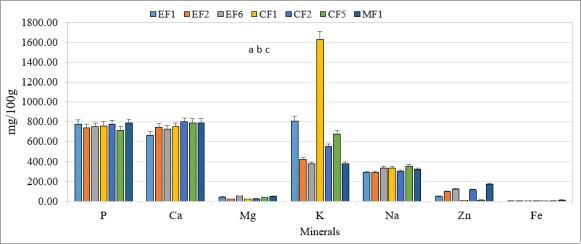
Results for mineral composition are presented in Figure 1. No significant difference (p>0.05) was observed amongst all sausages and the standard. The highest value for P was recorded for sample CF2 and the lowest for CF5. Sample EF1 was significantly lower (p<0.05) in Ca compared to standard while CF2 portrayed the highest Ca content. All sausages were low in Mg and higher in K compared to standard except sample EF6 which was highest in Mg and lowest in K. All sausages also exhibited lower values for Zn compared to the standard. Samples EF1 and EF2 were significantly lower in Na compared to standard while CF5 recorded highest value. Samples EF6 and CF2 had high Fe content compared to standard and other sausages.
Bars with different superscripts are significantly different at p<0.05. EF1: Egusi sausage with egg as binder; EF2: Egusi sausage with wheat flour as binder; EF6: Egusi sausage with.
Table 10. Proximate Composition expressed in terms of dry matter percentag.

Sample

Moisture (%)

Dry matter (%)

Ash (%)

Fat (%)

Protein (%)

Fiber (%)

Carbohydrate (%)

Energy (Kcal/100g)

Vitamin A (mgRE/100g)

EF1

39.4±1.41a

60.59±1.41a

4.58±1.36a

49.34±0.56a

32.94±0.37a

3.67±0.06a

9.59±0.12a

599.5±0.22a

1.60±1.43a

EF2

40.6±3.96a

59.4±3.96a

5.80±0.81a

48.94±1.48a

25.93±0.29b

6.85±0.10b

11.91±0.15b

564.42±0.73b

1.35±1.33a

EF6

37.9±0.14a

52.1±0.14a

6.41±1.88a

49.43±0.56a

20.85±0.23c

10.66±0.13c

12.56±0.16b

535.87±0.21c

0.67±0.80a

CF1

68.09±0.13b

24.34±0.13b

2.40±0.74a

19.07±0.22b

69.78±0.79d

0.00±0.00d

12.01±0.27b

530.61±0.29d

2.18±0.52b

CF2

68.90±0.11b

23.45±0.11b

2.06±0.69a

18.24±0.21b

67.99±2.06d

0.02±0.00d

19.98±0.44c

484.09±1.05e

3.31±0.17b

CF5

66.07±3.48b

26.59±3.48b

2.49±0.46a

19.23±0.22b

63.98±1.94de

1.47±0.02e

13.35±0.30b

476.53±0.97f

2.9±2.32b

MF1

53.04±2.93c

41.06±2.93c

2.11±1.25a

29.93±0.11c

51.09±2.09e

0.00±0.069d

18.07±0.40d

577.99±1.07g

12.8±3.38c

Values for the proximate composition are presented as mean ± standard deviation. (a-g) values of the same column with different superscripts are significantly different at p<0.05. EF1: Egusi sausage with egg as binder; EF2: Egusi sausage with wheat flour as binder; EF6: Egusi sausage with xanthan gum as binder; CF1: Chicken sausage with egg as binder; CF2
Figure 1. Mineral composition of formulated sausages.
3.2.3. Phytochemical Content
The phytochemical contents of the various sausages are presented in Table 11. It can be noted that the total phenolic content of samples EF1, EF2, and CF2 were significantly higher than the standard, with the highest value obtained in EF2. In contrast, the value obtained for sample EF6 was comparable to that of the standard. Sample CF1 and CF5 were significantly lower (P <0.01) than standard, with CF1 exhibiting the lowest value. The flavonoid contents of EF1, CF1, CF2, and CF5 were not significantly different (P>0.05) from the standard sausage. The flavonoid content for EF6 and EF2 were significantly lower (P<0.01) compared to the standard, EF6 being the minimum. All sausage samples had significantly lower tannin values. The lowest value was observed in EF1. Aside from samples EF2 and CF2, all samples were significantly higher (P<0.05) from standard in saponin content. The lowest value was recorded in sample EF2.
Table 11. Phytochemical content.

Code

TPC (µg GAE/g)

Flavonoids (µg QE/g)

Tannins (µg TA/g)

Saponins (g/g)

EF1

6.48±0.001a

0.35±0.06a

0.56±0.017a

0.01±0.002a

EF2

6.52±0.003c

0.12±0.03b

1.36±0.00b

0.003±0.00b

EF6

4.21±0.00b

0.10±0.00b

0.86±0.02c

0.01±0.001a

CF1

3.11±0.001d

0.29±0.08abc

0.73±0.01d

0.01±0.002a

CF2

5.26±0.001e

0.16±0.05ab

0.67±0.01e

0.004±.001bc

CF5

4.13±0.003f

0.51±0.01ad

2.60±0.01f

0.01±0.00a

MF1

4.20±0.004b

0.40±0.01acd

3.03±0.01g

0.004±0.00a

n=2. Values for phytochemical analysis are presented as mean ± standard deviation. (a-g) values of the same column with different superscripts are significantly different at p<0.05. EF1: Egusi sausage with egg as binder; EF2: Egusi sausage with wheat flour as binder; EF6: Egusi sausage with xanthan gum as binder; CF1: Chicken sausage with egg as binder; CF2: Chicken sausage with wheat flour as binder; CF5: Chicken sausage xanthan gum as binder; MF1 (standard): Meat sausage purchased.
3.2.4. Microbial Load and Shelf Life Studies During Continuous and Discontinuous Storage of THE Best Selected Sausages
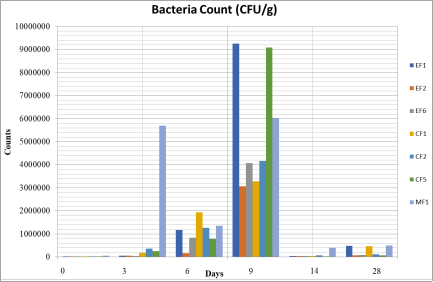
Figure 2. Bacterial count of sausages from day zero to day 28 of storage.
EF1: Egusi sausage with egg as binder; EF2: Egusi sausage with wheat flour as binder; EF6: Egusi sausage with xanthan gum as binder; CF1: Chicken sausage with egg as binder; CF2: Chicken sausage with wheat flour as binder; CF5: Chicken sausage xanthan gum as binder; MF1 (standard): Meat sausage purchased.
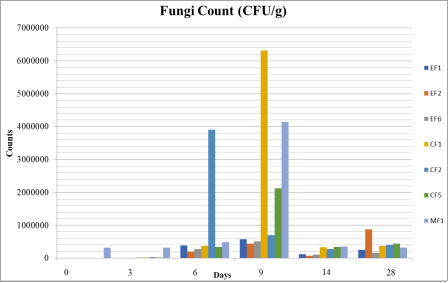
Figure 3. Fungal count of sausages from day zero to day 28 of storage.
EF1: Egusi sausage with egg as binder; EF2: Egusi sausage with wheat flour as binder; EF6: Egusi sausage with xanthan gum as binder; CF1: Chicken sausage with egg as binder; CF2: Chicken sausage with wheat flour as binder; CF5: Chicken sausage xanthan gum as binder; MF1 (standard): Meat sausage purchased.
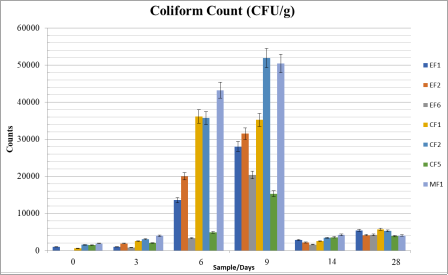
Figure 4. Coliform count of sausages from day zero to day 28 of storage.
Bars with different superscripts are significantly different at p<0.05. EF1: Egusi sausage with egg as binder; EF2: Egusi sausage with wheat flour as binder; EF6: Egusi sausage with xanthan gum as binder; CF1: Chicken sausage with egg as binder; CF2: Chicken sausage with wheat flour as binder; CF5: Chicken sausage xanthan gum as binder; MF1 (standard): Meat sausage purchased.
Results for microbial load and shelf life studies during continuous and discontinuous storage of sausages is represented in Figures 2, 3 and 4 for bacterial, fungal and coliform counts respectively. Total bacteria count (TBC) obtained on day zero of storage up to day 28 were within the limits (105) set by CODEX Alimentarius Commission for sausages. Total fungal counts also fell within the recommended limit (102) set by Tanzania bureau of standards for days zero to days 14. Highest values for all microbial loads were obtained on day 9 of storage with day zero recording the lowest count.
3.2.5. Organoleptic Properties of Sausages
For the organoleptic properties of sausages during 28 days storage, there was a noticeable improvement in the flavour and texture of sausage especially for chicken sausage containing xanthan gum as binder. An off flavor and color changes were recorded on day 9 of storage after opening.
4. Discussions
4.1. Sensory Evaluation
Sensory characteristics, particularly taste and appearance, have a great impact on consumers' preference . From the results of sensory evaluation, lower values for color appreciation, taste and appearance for samples containing xanthan gum especially at high concentration (1%) can be attributed to the fact that xanthan gum interacts with other ingredients and compounds like proteins, acids in sausages leading to the development of some undesirable flavors, giving it a slightly darker coloration. Its fiber and slimy nature also make it bind more water giving it a softer, slimy and gummy texture in chicken sausages and at high concentrations, the taste of xanthan gum overshadows the expected taste of sausage. All this led to a lower overall acceptability of the product. These results are contrary to report by Majzoobi et al. who reported that xanthan gum increased lightness and did not influence sensory properties of meat free sausages. Highest values of sensory parameters and overall acceptability for sausages containing egg can be attributed to the fact that eggs are rich in amino acids including glutamic acid, cysteine and methionine which contribute to the savory, umami-like flavor of sausages. Also, these Sulphur containing amino acid breakdown upon cooking to release volatile Sulphur containing compounds which contributes to its characteristic flavour . It was observed that wheat flour improves the texture, taste and overall acceptability of sausages however, increased proportion up to 20% in egusi sausages led too sausage being too dense and dry rather than smooth and juicy quality expected. It also overshadowed the taste of the egusi seed in the sausage leading to a lower overall acceptability of product.
4.2. Physical Analysis of Formulated Sausage Batters
i. Emulsion Stability
It is the ability to maintain moisture and fat even with heating. It affects meat colour, texture and juiciness . The ability of emulsion to bind water, fat, and/or other ingredients during frying is a key factor affecting product quality and consumer’s acceptance. The values obtained for water, fat and total fluid loss for egusi sausages were same as those (0.00%) obtained by Deng et al. . for meat free sausages except for sample containing egg (EF1) which had a value of 4.49%. The results of emulsion stability in terms of water, fat and total fluid released for sample CF2 is similar to the results (5.42%) reported by Zhang et al. for pork sausage. The results for chicken sausages are similar to those (4.51-32.51%) obtained by Reddy et al. and Paranagama et al. for chicken sausages incorporated with up to 9% sorghum, barley and oat flour. The high values of water loss for EF1 and CF1 can be attributed to the presence of eggs in sample which increased the moisture and protein content of the sausage, thereby reducing the carbohydrate and fiber content and as such, reducing the ability of the sausages to hold up water, compared to samples with wheat and xanthan gum, as carbohydrate and fiber are known for their swelling and water binding properties.
Similarly high values of water, fat and total fluid released for samples containing xanthan gum can be attributed to the fact that the water surface tension for xanthan gum is affected by pH and temperature, therefore temperature of cooking sausages and the high pH value for xanthan samples affected its ability to interact and form bond (as it is a charged polymer) which increased the release of fluid in samples . Lower values of fluids loss in samples containing wheat flour can be attributed to their presence of viscous polysaccharide (like starch) in wheat flour with good water binding and emulsion stabilizing capacity . Similar observations were made by Jeong et al. who reported a reduction in fluids loss with additives like flours to sausages.
ii. Jelly fat separation
Jelly and fat separation indicate binding properties which signifies the ability of meat emulsion products to retain moisture and fat after processing. Egusi sausages showed no separation indicating that they have a good ability to retain moisture and fat though they are high in unsaturated fats, in addition to the properties of the binding agents. This result is in accordance to that reported by Martinez et al. for the replacement of pork fat with olive oil in combination with binders like locust bean and xanthan gum in low-fat frankfurter sausages.
iii. Cooking Loss and Shrinkage
Egusi seeds are mostly made up of oil with average amount of protein and do not shrink upon cooking but rather absorb water and gain weight. This explains why no cooking loss was observed in egusi sausages but rather had values for weight gain after cooking. Results for Cooking loss of chicken sausages (3.79-13.41%) were higher than that (4.60 -6.67%) reported by Rokib et al. for chicken sausage and Zhang et al. for pork sausage. This could be as a result of the inclusion of sodium tripolyphosphate in their formulation which is known for its emulsifying properties, minimizing fluid loss, increasing cooking yield and hence cooking loss. And also, from the variation in meat type for pork sausage, similar findings were reported by Lee et al. and Glorieux et al. (2017) who reported an increase in cooking yield (decrease cooking loss), pH and emulsion stability in cooked beef and emulsified meat products respectively. Results were similar to those (6.09-12.78%) obtained by Reddy et al. for chicken sausage incorporated with different flours.
Safari reported that cooking loss in meat depends on ultimate pH and intramuscular fats. Li et al. reported that cooking loss decreases with increased pH due to the fact that increase in pH makes protein more soluble, less likely to denature and coagulate, hence, retains proteins and food matrix. This implies the high pH of chicken sausages resulted to minimum cooking loss compared to other findings. Cooking loss is an important practical test to predict a product’s behavior during processing Shrinkage is an important part of physical attribute from consumer’s opinion (Tabarestani and Tehrani, 2014) .
Shrinkage was observed in chicken sausages only. These values are lower than values obtained by Tabarestani and Tehrani for their pork and chicken sausages with least amount of non-meat ingredients (soy protein isolate and gluten) respectively. Shrinkage is due to protein denaturation which causes fluid loss and reduction in sausage diameter . The temperature and time of cooking greatly influence the reduction in diameter of emulsion products like sausages . Cooking sausages at high temperature causes protein denaturation and melting of fats, which leads to pore size reduction and emulsion collapse .
iv. Frying loss
Frying loss for chicken sausages ranged from 2.43-7.71%. these results were much lower than the results obtained by Alugwu et al. on the effect of deep frying on chicken breast meat. The difference can be explained by the higher moisture and fat content of chicken breast meat when compared to chicken sausage where non-meat ingredients have been added. Highest value obtained in chicken sausage with egg as binder is due to the high protein content of egg which is denatured upon frying. The low value obtained for sausage with flour as binder is due to the fact that the inclusion of flour into formulation minimizes cooking loss, shrinkage as well as frying loss. Frying loss can be attributed to denaturation of proteins and cross linkage. This leads to the release of moisture and other volatile compounds as well as fat drippings or leaching into the oil. Also, when oil replaces moisture in a product, it causes lighter weight as oil has lower density compared to water.
v. Folding property
The folding test score is directly related to the textural property (like hardness and sensorial elasticity) of the product. The higher the folding score the more elastic the product is. This study indicated that chicken sausage is made with xanthan as a binder, this may be due to high water absorption capacity. Highest values were recorded for sausages with egg as binder .
vi. Instrumental Colour Measurement.
Colour has been known to influence a consumer’s acceptance and perception of a product . According to Lorenzo and Franco color of sausages is most often influenced by the amount of water and fat in the sausages. A decreasing trend in the values of L* and a* was observed in egusi and chicken sausages as binder moved from egg to xanthan gum. The value of b* showed an increasing trend as the binder moved from egg to xanthan gum for chicken and egusi sausage. The results obtained for L* in EF6 and CF5 were similar to 45.3-50.34 reported by Arief et al. for beef sausage with incorporation of teak leaf extract but these results were lower than those obtained for the other sausages. This can be attributed to the fact that the protein source was different and chicken meat is low in myoglobin (protein which binds to heme giving it a red coloration) as such turns white upon boiling thereby increasing the lightness of the product. The value of a* for egusi sausages were similar to values (6.2-7.53) obtained by Lee et al. for their pork sausages but chicken samples showed lower value compared to their results. The values for b* obtained for egusi sausage were slightly lower than values reported by Deng et al. . for meat free sausage. For chicken sausage, the b* values were lower than the report of Arief et al. for beef sausage.
vii. pH of sausages
From the results, the pH value of the egusi and chicken sausages were higher than the results (6.48-6.53) obtained by Rokib et al. .) for chicken sausage with no and partial replacement of chicken meat by 10% rice and wheat flour, but similar to the values obtained by Kamani et al. . who studied the partial and complete replacement of meat by plant-based protein. The slight increase in pH value in the samples can be explained by the incorporation of wheat flour and xanthan gum especially to the formulation. Similar trend was reported by Deng et al. who incorporated soy protein into meat sausage and realized that increasing soy protein concentration increases pH of sausages. This is because the range of pH for xanthan gum is slightly above the normal range of chicken meat. Egusi sausages had no shrinkage except EF1 which had a slight increase in shrinkage value. This indicates the excellent ability of egusi seed in retaining its network structure after cooking. This result is comparable to results obtained by Kamani et al. for their plant-based sausage using soy protein.
4.3. Proximate Composition of Sausages
The moisture content of egusi sausages ranged from 37.9-40.6%. These results are lower than results obtained by Paranagama et al. who formulated vegan sausage from coconut flour and oyster mushroom. The moisture content of chicken sausages ranged from 66.07-68.90% which is similar to the results obtained by Pagthinathan and Gunasekara ranging from 60.08±1.62% -70.74±0.12% but higher than 49.24-56.82% obtained by Jeong et al., for beef meat sausage due to the high moisture content of chicken meat when compared to beef. Higher moisture content of wheat flour samples could be as a result of its high starch content in wheat which absorbs more water thereby improving water holding capacity in sausages. Similarly, a previous study reported that addition of buckwheat resulted to increase in moisture of sausages. Also, the low value of moisture for sausages containing xanthan gum can be as a result of its low concentration in sample making it bind less water as reported by Arora et al. who studied the effect of binding agents on quality of mushroom based sausage analogue and concluded that moisture content of samples increased with increase concentration of binder (xanthan gum). Similar reports were described by Han et al. who studied the comparative evaluation of polysaccharide binders on the quality characteristics of plant-based patties.
Increase ash content can be due to the inclusion of non-meat ingredients to formulation as reported by Pagthinathan and Gunasekara . The ash content for egusi sausages ranged from 4.58-6.41% these values are relatively higher than values obtained by Paranagama et al. . for their plant-based sausage formulation (2.62 ± 0.18%) due to difference in formulation ingredients. The ash content for chicken sausages ranged from 2.06-2.49%. Similar results were obtained by Zagar et al. in chicken sausage incorporated with pumpkin but these results were much lower than the value (8.94±0.34) reported by Aboubakar et al., for chicken sausage. Results of ash content for all sausages were higher than 1.39% obtained by Jeong et al. for meat sausage due to added fat in their formulation which increased% fat there by lowering ash. Ash content is an indication of mineral elements present in the sample. Minerals are inorganic nutrients, usually required in small amounts from less than 1-2500mg per day depending on the mineral. Minerals function in bone and teeth formation and maintenance, adenosine triphosphate (ATP) and nucleic acid synthesis, cofactors of enzymes, red blood cell formation (Soetan et al., 2010).
From the results the carbohydrate content of egusi sausages ranged from (9.59-12.56%) which is lower than (21.78 ± 0.38%) values obtained by Paranagama et al. for their plant-based sausage formulation and higher than that (4.07%) reported by Taiwo et al. for Cucumeropsis mannii seeds but similar to results obtained by Taiwo et al. for egusi (Citrullus lanatus colocynthoides) melon seed. Results were higher than (7.7%) reported by Sharma and Akansha et al. for the nutritional composition of egusi (Citrullus lanatus colocynthoides) melon seed.
The results for carbohydrate content of chicken sausages (12.01-19.98%) were lower than the results obtained by Aboubakar et al., . The lower carbohydrate content of sausages with egg as binder is due to the fact that eggs are poor in carbohydrate but rich in protein there by slightly reducing carbohydrate content of sausage. The increase in carbohydrate contents for sausages containing wheat flour and xanthan gum might be due to the wheat flour and xanthan gum used during sausage formulation which not only contributes to the texture of the product due to its gelling power and thickening, but also increases its carbohydrate content. Carbohydrates have several roles in living organisms and they consist both simple and complex carbohydrates. Glucose serves as a universal energy source for the body cells and in biosynthesis . Polysaccharides like cellulose serve as a structural component of cell wall in plants, Ribose and Deoxyribose are components of RNA and DNA respectively. Lyxose forms part of lyxoflavin which is a component of the human heart. Other functions include; part of glycoproteins and glycolipids, involved in semen formation and storage form of energy .
Lipid content for egusi sausages ranged from 48.94- 49.43%. These results are much higher than 8.23-9.79% obtained by Rawdkuen et al. for their plant-based sausage with grey oyster mushroom. The high fat content of egusi sausage is as a result of the fact that egusi seed is made up of about 50% oil (mainly unsaturated). Also, the relationship between moisture and fat is inversely proportional as explained by Emebu et al. . The high fat content of egusi sausages can also be attributed to their very low moisture content. The results obtained for lipid content of chicken sausages (18.24-19.23%) were higher than the results (16.21-18.29%) obtained by Safaa (2019) in terms of dry matter for chicken sausages formulated with chia seeds. This may be due to the incorporation of chia seed which increases fiber content and reduces fat content of sausage. Variation in lipid content could also be as a result of some factors affecting the chemical composition of meat like sex, age and feeding method . Lipids are heterogenous pool of water insoluble metabolites which is mainly made up of fatty acids and cholesterol . It refers to a group of diverse molecules like steroids, triglycerides and phospholipids and play a role in maintaining the structural integrity of cells, hormone synthesis, vitamin transport, act as energy source, signaling molecules, and in cognition and mood regulation .
The results obtained for the protein content of egusi sausages (20.85-32.94%) is lower than the protein content reported by Taiwo et al. for Cucumeropsis mannii seed, this is due to the addition of other non-seed ingredients like wheat flour and xanthan which increased carbohydrate and fiber content thereby reducing protein content.
The protein content of chicken sausages which ranged from 63.98-69.78% were higher than results obtained (53.77-59.60%) by Safaa, for chicken sausages formulated with chia seeds and 52.49-63.59% reported by Bahailu and Abebe, for beef meat sausage with incorporation of soybean flour in terms of dry matter. Although chia seeds and soybean flour are higher in protein than wheat flour and xanthan, the higher results obtained maybe due to the variation in protein content of chicken meat caused by some factors affecting the chemical composition of meat like meat type, sex, age and feeding method . High protein values for samples containing egg as binder is due to the inclusion of egg which is protein rich while low values or xanthan samples may be as a result of the poor protein content and high fiber content of xanthan gum. Protein is a key component that contributes to the unique properties of sausages . Research has shown that protein degradation occurs during the processing of meat products , leading to changes in the composition and structure of proteins. The effects of protein breakdown on the quality of meat products can be both advantageous and disadvantageous . Protein degradation can influence the color, water retention capacity (WHC), and gel structure of meat products, often resulting in negative impacts on processing characteristics and nutritional quality. Nevertheless, the breakdown of proteins also generates smaller molecular compounds such as peptides, amino acids, and amines, which are significant in the development of flavor in meat products .
Fiber of sausages ranged from 0.00-10.66%. Fiber content of egusi sausages were higher than the results obtained (2.71%) by Taiwo et al. for Cucumeropsis manni seeds due to the incorporation of wheat flour which is high in fiber as well as xanthan gum which is mainly fiber. The fiber content of chicken sausage sample CF1 and CF2 were similar to 0.2% obtained by Sanjay et al. obtained for chicken sausages but sample CF5 exhibited higher values due to the presence of xanthan. The presence of small amounts of fiber in chicken sausages is due to binders and spices. Lowest values for samples containing eggs are due the poor fiber content of egg. Consuming foods rich in dietary fiber can help reduce the occurrence of ailments like obesity, cardiovascular disease, and coronary heart disease the incidence of conditions such as obesity, cardiovascular disease, and coronary heart disease . In meat products, fiber is essential as it improves cooking yield and stabilizes emulsions through its ability to bind water and fat, along with its contributions to texture . Numerous research studies have indicated that adding fiber sources such as grains, vegetables, and plants can enhance the functional characteristics of different meat products .
Results for energy content of sausages ranged from 476.53-599.5 Kcal/100g. These results were higher than those obtained by Mohammadi and Oghabi, for low-fat and low-calorie beef sausage. The energy content of food is significantly affected by the amount of fat. Higher fat content of egusi sausages led to a higher total energy value despite the low protein content when compared to chicken sausages because, the value of fat is multiplied by 9 unlike protein which is multiplied by 4.
Vitamin A content of all sausages which ranged from 0.67-12.8mgRE/100g was comparably higher than the results reported by Lee et al. who studied the effect of citron peel powder on emulsion-type sausages. Vitamin A plays crucial roles in the human body, including maintaining vision and eye health, regulating cellular growth and differentiation, ensuring reproductive health, and promoting bone health. Vitamin A is also crucial for the proper development and maintenance of the immune system .
4.4. Mineral Composition of Sausages
Results show that sausages contain minerals, which have important roles in the human body such as transmission of nerve impulses, enzymatic reactions, energy production, and other biological reactions.
Phosphorous content of sausages ranged from 714.93-787.27 mg/100g. Higher values for sausages containing egg and wheat flour can be explained by the fact that eggs are known to be rich in phosphorus . Wheat flour also contributes to phosphorus content due to its mineral profile. These results are higher than reports obtained by Ajibe et al. for Cucumeropsis mannii seeds and higher than results (226 mg/100g) obtained by Benamirouche for broiler chicken meat. Phosphorous plays a role in bone mineralization, is a component of ATP (adenosine triphosphate), which is necessary for energy transfer in cells, and also a part of DNA and RNA, essential for cell growth and repair .
Calcium is crucial for the development and maintenance of strong bones and teeth thereby preventing osteoporosis and fractures, and essential for muscle contraction, including heart muscles, thereby supporting cardiovascular health . Egusi sausages had a calcium content ranging from 664.00-728.00 mg/100g while chicken sausages had values from 752.00-800.00 mg/100g much higher than 18.74 mg/100 g obtained by Ovuchimeru for beef sausage with full fat soy flour. Sausages containing egg as binder were not as high in calcium as those of wheat flour and xanthan gum due to the low percentage inclusion though they are rich in calcium. Wheat flour contributes to calcium content. Also, xanthan gum does not significantly contribute to calcium but might affect the bioavailability of minerals in the mixture.
Sausages contained magnesium in the range 21.38-50.06 mg/100g. This report is lower compared to 103mg/100g reported by Benamirouche . Both eggs and wheat flour are good sources of magnesium. Magnesium is vital for regulating muscle relaxation (Mansor, 2012), energy production by activating ATP, and lower the risk of hypertension and cardiovascular diseases (Volpe, 2013).
Potassium content of sausages was within 379.46-1627.98mg/100g. Eggs are high in potassium, which explains their influence on the overall potassium content in formulations containing eggs. Chicken meat is rich in potassium justifying its higher values compared to egusi sausages. Potassium is a major intracellular cation which is important for maintaining pH and maintaining fluid balance (Mansor, 2012).
Sodium levels of sausages ranged from 289.05-356.90 mg/100g. High sodium levels could result from added salt or sodium-containing preservatives and binders, which are common in processed foods for flavor, preservation and binding (Aaron & Sanders, 2013) this justifies the sodium content of sausages especially the higher values recorded for samples containing xanthan gum as binder because xanthan gum on its own contains sodium. Sodium is essential for maintaining fluid balance (Mansor, 2012) and is crucial for hydration, nerve impulse transmission, and muscle contractions. It also regulates blood pressure; however, excessive intake can lead to hypertension. (Grillo et al., 2019).
Zinc content can vary greatly depending on the animal or plant-based ingredients. Results ranged from 11.59-123.4 mg/100g. These reports are lower than that reported by Ovuchimeru . Wheat flour has some zinc, but animal products like meat and eggs are richer sources . Zinc is critical for immune response, DNA synthesis, and cofactor for numerous enzymes, aiding in infection resistance and wound healing .
Iron content is highly variable based on ingredient composition. The low Fe content of chicken sausages can be attributed to the fact that chicken meat is low in myoglobin (a protein which binds to heme giving it a red coloration) thereby lower Fe content as hemoglobin molecules are few . These sausages have other benefits but may not necessarily be good sources of Iron. Their complementation with rich sources of Iron can give nutritional boost .
4.5. Phytochemical Content
The total phenolic content of the studied sausages ranged from 3.11-6.52µg GAE/g (311-652 µg GAE/100g). These results are much lower than those (51-103 mg GAE/100g) obtained by Sam et al. for frankfurter sausages enriched with carrot paste because carrot is a much richer source of phenolic compounds. Higher results for samples containing egg and wheat flour can be explained by the presence of phenolic compounds in egg yolk and wheat flour. Flavonoid and tannin contents ranged from 0.10-0.51µg QE/g and 0.5-3.03µg tannic acid/g respectively. Results obtained were below that of Madani et al. who studied the antimicrobial properties of Allium sativum extracts on fresh chicken sausage and Akullo et al. who studied the phytochemical profile of ginger and garlic extracts. Phenolics can be classified as simple phenols with an aromatic ring and at least one hydroxyl group, or as polyphenols. Polyphenolic compounds have at least two (flavonoids) and more phenolic parts (tannins) .
Saponins possess various biological activities, such as anti-cancerous, hepatoprotective, and antioxidant activities, and are involved in the treatment of various diseases, but their mode of action is not yet fully understood . Saponin contents were low in all sausages as ingredients used in formulation like chicken, and spices, are naturally low in saponins. These results are in accordance with results of Sharma et al. who reported a low saponin content for spices like onion and garlics.
4.6. Microbial Load and Shelf Life Studies During Continuous and Discontinuous Storage of Sausages
Higher values of TBC for samples containing egg as binder can be explained by the presence of microorganism like bacteria and fungi in eggs and on egg shell naturally from infected ovary of hen or due to storage . However Total bacterial and fungal counts of sausages were within the recommended range of 3 days of opening and refrigeration but drastically increased in sausages which were opened and stored for 6-9 days. This can be explained by contamination from airborne microbes, loss of protective barrier (casing), and temperature fluctuation due to power outage. All these factors increase nutrient availability and microbial proliferation as microorganisms utilize the nutrient-dense sausage for growth. Bacterial and fungal count gives information on the hygienic nature of food production, keeping quality of food. Total coliform count followed same trend as bacterial and fungal count.
Organoleptic properties like smell or texture reflect spoilage. Egusi sausages showed no difference in organoleptic properties like smell and texture during the 28 days of storage. This can be as a result of its low moisture content which makes it less susceptible to changes by chemical reactions and spoilage. During 28-day storage period, the improved taste, flavor, and texture of chicken sausages may be due to the development of volatile compounds with time and the formation of protein cross-links during storage which contributed to the enhancement of flavor and textural properties respectively . Chicken sample made with xanthan as binder which initially had a softer texture showed an improvement in texture with 28 days storage this may be due to the fact that as the chicken sample is stored, the xanthan binder can help regulate the migration of moisture within the product, preventing excessive softening and maintaining the desired texture" . On day 6 of storage after opening, though sausages still looked good in appearance and smell, microbial load was already above limits. An off flavor and color change were recorded on day 9 of storage after opening.
5. Conclusions
This study was carried out to investigate the suitability of egusi seeds and chicken meat to replace red meat in sausage by formulating and characterizing sausages from egusi seeds and chicken, using binders and local spices. The evaluation of sensory attributes of different sausages revealed that formula EF1, EF2 and EF6 were the most preferred for egusi sausages and constituted the best formulae while for chicken sausages, formulae CF1, CF2 and CF5 were the most preferred making a total of 6 best sausages. The physical evaluation revealed that all sausages had lower values for folding test than meat standard sausages. The egusi sausages showed lower values for cooking loss, fat separation and shrinkage, unlike the chicken sausages. Plant-based sausages were rich in fat, protein, fiber, carbohydrate, energy and vitamin A as chicken and commercial purchase sausage. The egusi based sausages were rich in Mg2+, while chicken sausages were rich in Ca2+ and K+. Phytochemical analysis indicated that egusi sausages were higher in phenolic compounds than chicken sausages. Best before date of open sausages revealed that microbial load of open sausages exceeded the safety limit on day 6 and 9 of storage. Therefore the formulated sausages can be kept for about a week. Shelf life studies of closed sausages (discontinuous storage) revealed that sausages remained in the safety range of 105 (for bacteria), 102 (for fungi) and 102 (for coliform) proposed by CODEX Alimentarius Commission and the Tanzanian Bureau of Standards from day 0 to day 28 of storage under refrigeration (4-8°C). In conclusion, the findings of this study suggest that the replacement of 100% meat with plant proteins in sausage formulation is promising. Nevertheless, further works are required to improve the gel-forming characteristics, which is the major obstacle in manufacturing meat-free sausage.
Abbreviations

EF

Egusi Sausage

CF

Chicken Sausage

CFU

Colony Forming Unit

AAA

AtomicAbsorptionspectroscopy

TFRA

Total Fluid Released

MS

Meat Sausage

TBC

Total Bacteria Count

Author Contributions
Desdemona Njabi Nji: Funding acquisition, Investigation
Etape Ngabe Beatrice Dielle: Investigation, Resources
Tiencheu Bernard: Conceptualization, Supervision
Arrey Oben Ebob Ashu: Software, Writing – review & editing
Deffo Tiepma Ngongang Eurydice Flore: Methodology
Sofeu Feugaing David Denis: Supervision
Achidi Aduni Ufuan: Supervision, Writing
Data Availability Statement
The data is available from the corresponding author upon reasonable request.
Conflicts of Interest
The authors declare no conflicts of interest.
References
[1] Carballo, J. (2021). Sausages: Nutrition, safety, processing and quality improvement. Foods, 10(4), 890.
[2] Ruedt, C., Gibis, M., & Weiss, J. (2023). Meat color and iridescence: Origin, analysis, and approaches to modulation. Comprehensive Reviews in Food Science and Food Safety, 22(4), 3366-3394.
[3] Shah, S. M. R., Min, Y. H., Awang, S. N., & Tey, L. S. (2023). Waste materials as extender of bituminous binder: A review. Jurnal Kejuruteraan, 35(6), 1467-1474.
[4] Henchion, M., Hayes, M., Mullen, A. M., Fenelon, M., & Tiwari, B. (2017). Future protein supply and demand: Strategies and factors influencing a sustainable equilibrium. Foods, 6(7), 53.
[5] De Boer, J., & Aiking, H. (2022). Do EU consumers think about meat reduction when considering to eat a healthy, sustainable diet and to have a role in food system change? Appetite, 170, 105880.
[6] Micha, R., Michas, G., Lajous, M., & Mozaffarian, D. (2013). Processing of meats and cardiovascular risk: Time to focus on preservatives. BMC Medicine, 11, 136.
[7] Willett, W., Rockström, J., Loken, B., Springmann, M., Lang, T., Vermeulen, S., et al. (2019). Food in the Anthropocene: The EAT-Lancet Commission on healthy diets from sustainable food systems. The Lancet, 393(10170), 447-492.
[8] He, J., He, L., Zhou, W., Nie, X., & He, M. (2020). Discrimination and social exclusion in the outbreak of COVID-19. International Journal of Environmental Research and Public Health, 17(8), 2933.
[9] Hu, G. (2005). Contextual influences on instructional practices: A Chinese case for an ecological approach to ELT. TESOL Quarterly, 39(4), 635-660.
[10] Majzoobi, A., & Khodaei, A. (2017). Application of microgrids in providing ancillary services to the utility grid. Energy, 123, 555-563.
[11] Savadkoohi, S., Hoogenkamp, H., Shamsi, K., & Farahnaky, A. (2014). Color, sensory and textural attributes of beef frankfurter, beef ham and meat-free sausage containing tomato pomace. Meat Science, 97(4), 410-418.
[12] Smith, T. L. (2021). The potential for plant-based meat in Africa: A proposed new approach using a system design methodology (Doctoral dissertation, Massachusetts Institute of Technology).
[13] Ebert, A. W. (2014). Potential of underutilized traditional vegetables and legume crops to contribute to food and nutritional security, income and more sustainable production systems. Sustainability, 6(1), 319-335.
[14] Djiogue, J., Nguimbou, R., Tatsadjieu, L. N., Mang, Y. D., & Njintang, N. (2016). Effect of spices formulations on the physicochemical and sensory properties of Nnam gon, a Cameroonian dish prepared with cucurbitaceae seeds. Food Science & Nutrition, 5(2), 293-300.
[15] Nowsad, A. A. K. M., & Hoque, M. (2009). Standardization of production of fish sausage from unwashed mince blend of low-cost marine fish. Asian Fisheries Science, 22(1), 347-357.
[16] Ayalew, H., Zhang, H., Wang, J., Wu, S., Qiu, K., Qi, G., Tekeste, A., Wassie, T., & Chanie, D. (2022). Potential feed additives as antibiotic alternatives in broiler production. Frontiers in Veterinary Science, 9, 916473.
[17] Tiencheu, B., Nji, D. N., Achidi, A. U., Egbe, A. C., Tenyang, N., Ngongang, E. F. T., et al. (2021). Nutritional, sensory, physico-chemical, phytochemical, microbiological and shelf-life studies of natural fruit juice formulated from orange (Citrus sinensis), lemon (Citrus limon), honey and ginger (Zingiber officinale). Heliyon, 7(6), e07177.
[18] Serdaroğlu, M., Öztürk, B., & Urgu, M. (2016). Emulsion characteristics, chemical and textural properties of meat systems produced with double emulsions as beef fat replacers. Meat Science, 117, 187-195.
[19] Choi, H., & Varian, H. (2009). Predicting initial claims for unemployment benefits. Google Inc. Working Paper.
[20] Delgado-Pando, G., Cofrades, S., Rodríguez-Salas, L., & Jiménez-Colmenero, F. (2011). A healthier oil combination and konjac gel as functional ingredients in low-fat pork liver pâté. Meat Science, 88(2), 241-248.
[21] Hwang, G. J., & Tsai, C. C. (2011). Research trends in mobile and ubiquitous learning: A review of publications in selected journals from 2001 to 2010. British Journal of Educational Technology, 42(4), E65-E70.
[22] Cardoso, M. A. (2008). Avaliação do desempenho de sistemas de drenagem urbana [Evaluation of the performance of urban drainage systems] (Doctoral dissertation, Technical University of Lisbon, Portugal). National Laboratory for Civil Engineering (LNEC).
[23] Xiaoxuan, J. (2021). Effect of wheat bran fortification on the quality, chewing properties, and digestibility of dried white noodle (Doctoral dissertation, National University of Singapore).
[24] AOAC. (2005). Official Method 920.125. Official Methods of Analysis (17th ed.). AOAC International, Maryland, USA.
[25] Aremu, S. O., & Nweze, C. C. (2017). Determination of vitamin A content from selected Nigerian fruits using spectrophotometric method. Bangladesh Journal of Scientific and Industrial Research, 52(2), 153-158.
[26] Gao, K., Helbling, E. W., Häder, D. P., & Hutchins, D. A. (2012). Responses of marine primary producers to interactions between ocean acidification, solar radiation, and warming. Marine Ecology Progress Series, 470, 167-189.
[27] Fanta Yadang, S. A., Taiwe Sotoing, G., Ngatcha Zouakeu, K. S., Khan, M. A., Agbor, G. A., Ur-Rahman, N., & Ngo Bum, E. (2019). Quantification of bioactive compounds and evaluation of the antioxidant activity of Carissa edulis Vahl (Apocynaceae) leaves. The Scientific World Journal, 2019, 7549620.
[28] Bainbridge, Z., Tomlins, K., Wellings, K., & Westby, A. (1996). Methods for assessing quality characteristics of non-grain starch staples (Part 3: Laboratory methods).
[29] Banso, A., & Adeyemo, S. (2006). Phytochemical screening and antimicrobial assessment of Abutilon mauritianum, Bacopa monnifera and Datura stramonium. Biokemistri, 18(1).
[30] Olorunjuwon, B. O., Temitope, B. K., Muibat, F. O., & Afolabi, O. (2014). Microbiological quality of some locally produced fruit juices in Ogun State, Southwestern Nigeria. Journal of Microbiology Research, 2(1), 1-8.
[31] Szita, G., Gyetvai, B., Szita, J., Gyenes, M., Solymos, N., Soos, L.,... & Bernáth, S. (2008). Synthetic culture media evaluated for the detection of coliform bacteria in milk, cheese and egg melange. Acta Veterinaria Brno, 77(1), 143-147.
[32] Gámbaro, A., Roascio, A., Hodos, N., Migues, I., Lado, J., Heinzen, H., & Rivas, F. (2021). The impact of sensory attributes of mandarins on consumer perception and preferences. Journal of Agriculture and Food Research, 6, 100196.
[33] Hajeb, P., & Jinap, S. (2015). Umami taste components and their sources in Asian foods. Critical Reviews in Food Science and Nutrition, 55(6), 778-791.
[34] Santhi, D., Kalaikannan, A., & Sureshkumar, S. (2017). Factors influencing meat emulsion properties and product texture: A review. Critical Reviews in Food Science and Nutrition, 57(10), 2021-2027.
[35] Deng, Y., Kamani, M. M., & Mahdavi, M. (2020). Adaptive personalized federated learning. arXiv preprint arXiv: 2003.13461.
[36] Zhang, Y., Li, H., Zhang, Y., Wang, L., Zhang, P., Jia, J., et al. (2022). Storage stability and flavor change of marinated pork. Foods, 11(13), 1825.
[37] Reddy, A., Zhang, J., Davis, N. S., Moffitt, A. B., Love, C. L., Waldrop, A., et al. (2017). Genetic and functional drivers of diffuse large B-cell lymphoma. Cell, 171(2), 481-494.
[38] Paranagama, I., Wickramasinghe, I., Somendrika, D., & Benaragama, K. (2022). Development of a vegan sausage with young green jackfruit, oyster mushroom, and coconut flour as an environmentally friendly product with cleaner production approach. Journal of Microbiology, Biotechnology and Food Sciences, 11(4), e4029.
[39] Abbaszadeh, A. H., Lad, M., Morris, G. A., MacNaughtan, W., Sworn, G., & Foster, T. J. (2019). The influence of charge on the multiple thermal transitions observed in xanthan. Food Hydrocolloids, 97, 105184.
[40] Pagthinathan, M., & Gunasekara, A. P. A. S. (2021). Physicochemical properties and sensory evaluation of non-meat ingredients chicken sausage. European Journal of Agriculture and Food Sciences, 3(1), 18-22.
[41] Jeong, W., Keighley, C., Wolfe, R., Lee, W. L., Slavin, M. A., Kong, D. C. M., & Chen, S. A. (2019). The epidemiology and clinical manifestations of mucormycosis: A systematic review and meta-analysis of case reports. Clinical Microbiology and Infection, 25(1), 26-34.
[42] Martinez, D., Larrondo, L. F., Putnam, N., Gelpke, M. D. S., Huang, K., Chapman, J., & Rokhsar, D. (2004). Genome sequence of the lignocellulose-degrading fungus Phanerochaete chrysosporium strain RP78. Nature Biotechnology, 22(6), 695-700.
[43] Rokib, M., Habib, M., Hashem, M. A., & Ali, M. S. (2019). Value addition of low-fat chicken sausage with rice and wheat flour. Bangladesh Journal of Animal Science, 48(2), 99-107.
[44] Lee, J. A., Kang, K. M., & Kim, H. Y. (2025). Changes in physicochemical characteristics of goat meat emulsion-type sausage according to the ratio of fat and water contents. Food Science of Animal Resources, 45(3), 794.
[45] Glorieux, F. H., Devogelaer, J. P., Durigova, M., Goemaere, S., Hemsley, S., Jakob, F., et al. (2017). BPS804 anti-sclerostin antibody in adults with moderate osteogenesis imperfecta: Results of a randomized phase 2a trial. Journal of Bone and Mineral Research, 32(7), 1496-1504.
[46] Li, J., Jia, H., Cai, X., Zhong, H., Feng, Q., Sunagawa, S., et al. (2014). An integrated catalog of reference genes in the human gut microbiome. Nature Biotechnology, 32(8), 834-841.
[47] Shahiri Tabarestani, H., & Mazaheri Tehrani, M. (2014). Optimization of physicochemical properties of low-fat hamburger formulation using blend of soy flour, split-pea flour and wheat starch as part of fat replacer system. Journal of Food Processing and Preservation, 38(1), 278-288.
[48] Kamani, M. H., Meera, M. S., Bhaskar, N., & Modi, V. K. (2019). Partial and total replacement of meat by plant-based proteins in chicken sausage: Evaluation of mechanical, physico-chemical and sensory characteristics. Journal of Food Science and Technology, 56, 2660-2669.
[49] Chattopadhyay, K., Xavier, K. M., Balange, A., Layana, P., & Nayak, B. B. (2019). Chitosan gel addition in pre-emulsified fish mince: Effect on quality parameters of sausages under refrigerated storage. LWT, 110, 283-291.
[50] Yang, H., Han, M., Wang, X., Han, Y., Wu, J., Xu, X., & Zhou, G. (2015). Effect of high pressure on cooking losses and functional properties of reduced-fat and reduced-salt pork sausage emulsions. Innovative Food Science & Emerging Technologies, 29, 125-133.
[51] Alugwu, S. U., Okonkwo, T. M., & Ngadi, M. O. (2022). Effect of different frying methods on cooking yield, tenderness and sensory properties of chicken breast meat. Asian Food Science Journal, 21(10), 1-14.
[52] Hajrawati, H., Malaka, R., Maruddin, F., Hakim, M. R., Suriani, S., & Suharyanto, S. (2023, June). Gel strength, folding test and sensory evaluation of chicken meatballs by substitution of tapioca flour with purple sweet potato flour. In AIP Conference Proceedings (Vol. 2628, No. 1). AIP Publishing.
[53] Spence, C. (2018). Background colour and its impact on food perception and behaviour. Food Quality and Preference, 68, 156-166.
[54] Lorenzo, J. M., & Franco, D. (2012). Fat effect on physico-chemical, microbial and textural changes through the manufacture of dry-cured foal sausage: Lipolysis, proteolysis and sensory properties. Meat Science, 92(4), 704-714.
[55] Arief, I. I., Wulandari, Z., Aditia, E. L., & Baihaqi, M. (2014). Physicochemical and microbiological properties of fermented lamb sausages using probiotic Lactobacillus plantarum IIA-2C12 as starter culture. Procedia Environmental Sciences, 20, 352-356.
[56] Lee, N., Kwak, H. S., Joo, J. Y., Kang, J., & Lee, Y. (2018). Effects of partial replacement of pork meat with chicken or duck meat on the texture, flavor, and consumer acceptance of sausage. Journal of Food Quality, 2018, 6972848.
[57] Arora, A., Cohen, W. M., & Walsh, J. P. (2016). The acquisition and commercialization of invention in American manufacturing: Incidence and impact. Research Policy, 45(6), 1113-1128.
[58] Han, Q., Zheng, B., Cristea, M., Agostini, M., Bélanger, J. J., Gützkow, B., et al. (2023). Trust in government regarding COVID-19 and its associations with preventive health behaviour and prosocial behaviour during the pandemic: A cross-sectional and longitudinal study. Psychological Medicine, 53(1), 149-159.
[59] Zagar, T. M., Vujaskovic, Z., Formenti, S., Rugo, H., Muggia, F., O’Connor, B., et al. (2014). Two phase I dose-escalation/pharmacokinetics studies of low temperature liposomal doxorubicin (LTLD) and mild local hyperthermia in heavily pretreated patients with locally recurrent breast cancer. International Journal of Hyperthermia, 30(5), 285-294.
[60] Aboubakar Clotilde Ella, K. L., Augustin, G., Christian, N. A., BOUBA Armand, A., & Carl Moses, M. (2018). Production of chicken sausage (Cobb 500): Characterisation of physicochemical, microbiological and sensorial qualities. International Journal of Scientific Research and Management, 6(8).
[61] Awuchi, C. G. (2019). Medicinal plants: The medical, food, and nutritional biochemistry and uses. International Journal of Advanced Academic Research, 5(11), 220-241.
[62] Awuchi, C. G. (2021). Biochemistry and nutrition of carbohydrates. Global Journal of Research in Agriculture and Life Sciences.
[63] Rawdkuen, S., Mazumder, M. A. R., Panpipat, W., Chaijan, M., & Shetty, K. (2023). Role of plant protein on the quality and structure of meat analogs: A new perspective for vegetarian foods. Future Foods, 8, 100280.
[64] Emebu, S., Osaikhuiwuomwan, O., Mankonen, A., Udoye, C., Okieimen, C., & Janáčová, D. (2022). Influence of moisture content, temperature, and time on free fatty acid in stored crude palm oil. Scientific Reports, 12(1), 9846.
[65] Safaa, Y. P., Hatmoko, J. U. D., & Purwanggono, B. (2019). Evaluation of the use of prefabricated bridge elements with Design for Manufacture and Assembly (DfMA) criteria. In MATEC Web of Conferences (Vol. 270, p. 05006). EDP Sciences.
[66] Holeman, H. J. (2007). Awakening a social conscience: Toward a model of activist identity development (Doctoral dissertation). The University of Oklahoma.
[67] Prendeville, H., & Lynch, L. (2022). Diet, lipids, and antitumor immunity. Cellular & Molecular Immunology, 19(3), 432-444.
[68] Jiang, N., Quan, T., Li, R., Chen, Y., & Gao, T. (2025). Role of nutritional elements in skin homeostasis: A review. Biomolecules, 15(6), 808.
[69] Taiwo, A. M., Towolawi, A. T., Olanigan, A. A., Olujimi, O. O., & Arowolo, T. A. (2015). Comparative assessment of groundwater quality in rural and urban areas of Nigeria. In Research and Practices in Water Quality (pp. 179-191). [No DOI].
[70] Taiwo, A. M., Gbadebo, A. M., Oyedepo, J. A., Ojekunle, Z. O., Alo, O. M., Oyeniran, A. A., et al. (2016). Bioremediation of industrially contaminated soil using compost and plant technology. Journal of Hazardous Materials, 304, 166-172.
[71] Sharma, K., & Akansha, C. E. (2018). Comparative studies of proximate, mineral and phytochemical compositions of pomegranate (Punica granatum) in peel, seed and whole fruit powder.
[72] Behailu, B., & Abebe, M. (2020). Effect of soybean and finger millet flours on the physicochemical and sensory quality of beef meat sausage. Asian Journal of Chemical Sciences, 7(1), 6-14.
[73] Stephan, A. B., Kunz, H. H., Yang, E., & Schroeder, J. I. (2016). Rapid hyperosmotic-induced Ca2+ responses in Arabidopsis thaliana exhibit sensory potentiation and involvement of plastidial KEA transporters. Proceedings of the National Academy of Sciences, 113(35), E5242-E5249.
[74] Majzoobi, M., Talebanfar, S., Eskandari, M. H., & Farahnaky, A. (2017). Improving the quality of meat-free sausages using κ-carrageenan, konjac mannan and xanthan gum. International Journal of Food Science and Technology, 52(5), 1269-1275.
[75] Moczkowska, M., Karp, S., Niu, Y., & Kurek, M. A. (2019). Enzymatic, enzymatic-ultrasonic and alkaline extraction of soluble dietary fibre from flaxseed: A physicochemical approach. Food Hydrocolloids, 90, 105-112.
[76] Gallego, M., Mora, L., & Toldrá, F. (2018). Characterisation of the antioxidant peptide AEEEYPDL and its quantification in Spanish dry-cured ham. Food Chemistry, 258, 8-15.
[77] Sanjay, M. R., Arpitha, G. R., Naik, L. L., Gopalakrishna, K., & Yogesha, B. (2016). Applications of natural fibers and its composites: An overview. Natural Resources, 7(3), 108-114.
[78] Nweze, C. C., Nebechukwu, E. W., & Bawa, M. Y. (2021). Dietary fiber and risk of coronary heart diseases. GSC Advanced Research and Reviews, 9(3), 1-9.
[79] Choe, D. E., Olson, S. L., & Sameroff, A. J. (2013). Effects of early maternal distress and parenting on the development of children's self-regulation and externalizing behavior. Development and Psychopathology, 25(2), 437-453.
[80] Kim, H. C., Kim, J. H., Lee, E. Y., Kim, B. J., Kim, E. M., Rhee, E. J., et al. (2019). 2018 guidelines for the management of dyslipidemia in Korea. Journal of Lipid and Atherosclerosis, 8(2), 78-131.
[81] Shin, H. Y., Lee, J. Y., Kim, J. E., Lee, S., Youn, H., Kim, H., et al. (2018). Cause-of-death statistics in 2016 in the Republic of Korea. Journal of the Korean Medical Association, 61(9), 573-584.
[82] Mohammadi, M., & Oghabi, F. (2012). Development of low-fat and low-calorie beef sausage using modified starch as fat replacement agent. Journal of the Science of Food and Agriculture, 92(6), 1291-1296.
[83] Huang, X., Liu, M. Y., Belongie, S., & Kautz, J. (2018). Multimodal unsupervised image-to-image translation. In Proceedings of the European Conference on Computer Vision (ECCV) (pp. 172-189).
[84] Sunwoo, H. H., & Gujral, N. (2015). Chemical composition of eggs and egg products. In Handbook of Food Chemistry (pp. 331-363). Springer, Berlin, Heidelberg.
[85] Ajibe, Y. Y., Ubana, M. A., & Bamidele, T. O. (2022). Comparative chemical evaluation of three species of melon (Cucumis melo, Cucurbita moschata and Cucumeropsis mannii).
[86] Benamirouche, K., Baazize-Ammi, D., Hezil, N., Djezzar, R., Niar, A., & Guetarni, D. (2020). Effect of probiotics and Yucca schidigera extract supplementation on broiler meat quality. Acta Scientiarum. Animal Sciences, 42, e48066.
[87] Chande, S., & Bergwitz, C. (2018). Role of phosphate sensing in bone and mineral metabolism. Nature Reviews Endocrinology, 14(11), 637-655.
[88] Reid, V. M., Dunn, K., Young, R. J., Amu, J., Donovan, T., & Reissland, N. (2017). The human fetus preferentially engages with face-like visual stimuli. Current Biology, 27(12), 1825-1828.
[89] Ovuchimeru, A. (2020). Nutritional effects of full-fat soy flour as an extender on cooked beef sausage quality. Asian Food Science Journal, 17(3), 44-53.
[90] Schonfeldt, H. C., & Hall, N. (2013). “Fish, chicken, lean meat and eggs can be eaten daily”: A food-based dietary guideline for South Africa. South African Journal of Clinical Nutrition, 26(3 Suppl.), S66-S76.
[91] Prasad, D., & Kunnaiah, R. (2014). Punica granatum: A review on its potential role in treating periodontal disease. Journal of Indian Society of Periodontology, 18(4), 428-432.
[92] Qamar, A., Imran, M. Z., Afzal, N., Hussain, S., Andleeb, M., & Shakeel, N. (2022). Frequency of BCR-ABL gene translocation in B-ALL patients associated with clinicopathological parameters. Pakistan Journal of Medicine and Dentistry, 11(2), 22-28.
[93] Gupta, A., Mantan, M., & Sethi, M. (2016). Nutritional assessment in children with chronic kidney disease. Saudi Journal of Kidney Diseases and Transplantation, 27(4), 733-739.
[94] Sam, F. E., Ma, T. Z., Atuna, R. A., Salifu, R., Nubalanaan, B. A., Amagloh, F. K., & Han, S. Y. (2021). Physicochemical, oxidative stability and sensory properties of frankfurter-type sausage as influenced by the addition of carrot (Daucus carota) paste. Foods, 10(12), 3032.
[95] Madani, A., Krause, B., Greene, E. R., Subramanian, S., Mohr, B. P., Holton, J. M., et al. (2023). Large language models generate functional protein sequences across diverse families. Nature Biotechnology, 41(8), 1099-1106.
[96] Akullo, J. O., Kiage-Mokua, B. N., Nakimbugwe, D., Ng'ang'a, J., & Kinyuru, J. (2023). Phytochemical profile and antioxidant activity of various solvent extracts of two varieties of ginger and garlic. Heliyon, 9(8), e18806.
[97] Khalili, M., Ebrahimzadeh, M. A., Kosaryan, M., Abbasi, A., & Azadbakht, M. (2015). Iron chelation and liver disease healing activity of edible mushroom (Cantharellus cibarius): In vitro and in vivo assays. RSC Advances, 5(7), 4804-4810.
[98] Del Hierro, J. N., Herrera, T., García-Risco, M. R., Fornari, T., Reglero, G., & Martin, D. (2018). Ultrasound-assisted extraction and bioaccessibility of saponins from edible seeds: Quinoa, lentil, fenugreek, soybean and lupin. Food Research International, 109, 440-447.
[99] Sharma, P., Goswami, S., Raychaudhuri, D., Siddiqui, B. A., Singh, P., Nagarajan, A., et al. (2023). Immune checkpoint therapy—Current perspectives and future directions. Cell, 186(8), 1652-1669.
[100] Guyot, N., & Réhault-Godbert, S. (2017). Understanding the natural antibacterial defences of egg white and their regulation. In F. Baron (Ed.), Achieving Sustainable Production of Eggs, Volume 1 (pp. 181-214). Burleigh Dodds Science Publishing.
[101] Feng, X., Wu, D., Yang, K., Wang, L., Wang, X., Ma, J., et al. (2021). Effect of sarcoplasmic proteins oxidation on the gel properties of myofibrillar proteins from pork muscles. Journal of Food Science, 86(5), 1835-1844.
[102] Salgado, C. J., Nugent, A. G., Satterwaite, T., Carruthers, K. H., & Joumblat, N. R. (2018). Gender reassignment: Feminization and masculinization of the neck. Clinics in Plastic Surgery, 45(4), 635-645.
Cite This Article
  • APA Style

    Nji, D. N., Dielle, E. N. B., Bernard, T., Ashu, A. O. E., Flore, D. T. N. E., et al. (2026). Formulation and Shelf-Life Evaluation of Melon (Citrullus lanatus) Seed-Based and Chicken (Gallus gallus domesticus, COBB 500) Sausages. Journal of Food and Nutrition Sciences, 14(4), 207-228. https://doi.org/10.11648/j.jfns.20261404.11

    Copy | Download

    ACS Style

    Nji, D. N.; Dielle, E. N. B.; Bernard, T.; Ashu, A. O. E.; Flore, D. T. N. E., et al. Formulation and Shelf-Life Evaluation of Melon (Citrullus lanatus) Seed-Based and Chicken (Gallus gallus domesticus, COBB 500) Sausages. J. Food Nutr. Sci. 2026, 14(4), 207-228. doi: 10.11648/j.jfns.20261404.11

    Copy | Download

    AMA Style

    Nji DN, Dielle ENB, Bernard T, Ashu AOE, Flore DTNE, et al. Formulation and Shelf-Life Evaluation of Melon (Citrullus lanatus) Seed-Based and Chicken (Gallus gallus domesticus, COBB 500) Sausages. J Food Nutr Sci. 2026;14(4):207-228. doi: 10.11648/j.jfns.20261404.11

    Copy | Download

  • @article{10.11648/j.jfns.20261404.11,
      author = {Desdemona Njabi Nji and Etape Ngabe Beatrice Dielle and Tiencheu Bernard and Arrey Oben Ebob Ashu and Deffo Tiepma Ngongang Eurydice Flore and Sofeu Feugaing David Denis and Achidi Aduni Ufuan},
      title = {Formulation and Shelf-Life Evaluation of Melon (Citrullus lanatus) Seed-Based and Chicken (Gallus gallus domesticus, COBB 500) Sausages},
      journal = {Journal of Food and Nutrition Sciences},
      volume = {14},
      number = {4},
      pages = {207-228},
      doi = {10.11648/j.jfns.20261404.11},
      url = {https://doi.org/10.11648/j.jfns.20261404.11},
      eprint = {https://article.sciencepublishinggroup.com/pdf/10.11648.j.jfns.20261404.11},
      abstract = {This study aimed to formulate and estimate the shelf life of plant-based sausages from Citrullus lanatus var colocynthoides (egusi) seeds and chicken-based sausages. Egusi seeds were blended then mixed with standard spices and used to produce seven plant-based sausages by varying the proportion of binders. As well, chicken meat was deboned and minced, then mixed with standard spices and used to produce seven broiler chicken-based sausages using the same types of binders (3, 5, and 7% egg; 10% wheat flour; 0.3, 0.5 and 1% xanthan gum). The egusi-based sausages were stuffed in mahogany casings while the chicken sausages were stuffed in plastic casings and boiled at 100°C and 90°C for 2 hours and 25 minutes respectively. Sensory evaluation was then performed using the 9-scale Hedonic Test using commercial meat sausage as standard. The best formulae were selected per binder and analysed. Physical properties were determined by evaluating the folding test, pH, Shrinkage, instrumental color, emulsion stability, cooking loss, jelly and fat separation and frying loss, Nutritional analysis was also accessed. Safety and hygiene and shelf life of the best sausages, a total of 36 sausages were produced, six egusi and six chicken sausages for each type of binder, and stored under refrigerated conditions at 4°C in 2 batches (3 open and 3 closed). After an interval of 3 days and 2 weeks, samples were removed for best before date and shelf life evaluation respectively by microbial analysis. The results of sensory attributes of different sausages revealed that formula EF1, EF2 and EF6 were the most preferred for egusi sausages and constituted the best formulae while for chicken sausages, formulae CF1, CF2 and CF5 were the most preferred making a total of 6 best sausages. The physical evaluation revealed that all sausages had lower values for folding test than meat standard sausages. The egusi sausages showed lower values for cooking loss, fat separation, or shrinkage, unlike the chicken sausages. Plant-based sausages, were good source of nutrients, minerals and vitamin A. Best before date of open sausages revealed that microbial load of open sausages exceeded the safety limit on day 6 and 9 of storage. Shelf life studies of closed sausages revealed that sausages remained in the safety range of 105 (for bacteria), 102 (for fungi) and 102 (for coliform) proposed by CODEX Alimentarius Commission. Thus findings suggest that plant-based egusi sausages could be a viable alternative to traditional meat-based sausages.},
     year = {2026}
    }
    

    Copy | Download

  • TY  - JOUR
    T1  - Formulation and Shelf-Life Evaluation of Melon (Citrullus lanatus) Seed-Based and Chicken (Gallus gallus domesticus, COBB 500) Sausages
    AU  - Desdemona Njabi Nji
    AU  - Etape Ngabe Beatrice Dielle
    AU  - Tiencheu Bernard
    AU  - Arrey Oben Ebob Ashu
    AU  - Deffo Tiepma Ngongang Eurydice Flore
    AU  - Sofeu Feugaing David Denis
    AU  - Achidi Aduni Ufuan
    Y1  - 2026/07/17
    PY  - 2026
    N1  - https://doi.org/10.11648/j.jfns.20261404.11
    DO  - 10.11648/j.jfns.20261404.11
    T2  - Journal of Food and Nutrition Sciences
    JF  - Journal of Food and Nutrition Sciences
    JO  - Journal of Food and Nutrition Sciences
    SP  - 207
    EP  - 228
    PB  - Science Publishing Group
    SN  - 2330-7293
    UR  - https://doi.org/10.11648/j.jfns.20261404.11
    AB  - This study aimed to formulate and estimate the shelf life of plant-based sausages from Citrullus lanatus var colocynthoides (egusi) seeds and chicken-based sausages. Egusi seeds were blended then mixed with standard spices and used to produce seven plant-based sausages by varying the proportion of binders. As well, chicken meat was deboned and minced, then mixed with standard spices and used to produce seven broiler chicken-based sausages using the same types of binders (3, 5, and 7% egg; 10% wheat flour; 0.3, 0.5 and 1% xanthan gum). The egusi-based sausages were stuffed in mahogany casings while the chicken sausages were stuffed in plastic casings and boiled at 100°C and 90°C for 2 hours and 25 minutes respectively. Sensory evaluation was then performed using the 9-scale Hedonic Test using commercial meat sausage as standard. The best formulae were selected per binder and analysed. Physical properties were determined by evaluating the folding test, pH, Shrinkage, instrumental color, emulsion stability, cooking loss, jelly and fat separation and frying loss, Nutritional analysis was also accessed. Safety and hygiene and shelf life of the best sausages, a total of 36 sausages were produced, six egusi and six chicken sausages for each type of binder, and stored under refrigerated conditions at 4°C in 2 batches (3 open and 3 closed). After an interval of 3 days and 2 weeks, samples were removed for best before date and shelf life evaluation respectively by microbial analysis. The results of sensory attributes of different sausages revealed that formula EF1, EF2 and EF6 were the most preferred for egusi sausages and constituted the best formulae while for chicken sausages, formulae CF1, CF2 and CF5 were the most preferred making a total of 6 best sausages. The physical evaluation revealed that all sausages had lower values for folding test than meat standard sausages. The egusi sausages showed lower values for cooking loss, fat separation, or shrinkage, unlike the chicken sausages. Plant-based sausages, were good source of nutrients, minerals and vitamin A. Best before date of open sausages revealed that microbial load of open sausages exceeded the safety limit on day 6 and 9 of storage. Shelf life studies of closed sausages revealed that sausages remained in the safety range of 105 (for bacteria), 102 (for fungi) and 102 (for coliform) proposed by CODEX Alimentarius Commission. Thus findings suggest that plant-based egusi sausages could be a viable alternative to traditional meat-based sausages.
    VL  - 14
    IS  - 4
    ER  - 

    Copy | Download

Author Information
  • Department of Biochemistry and Molecular Biology, University of Buea, Buea, Cameroon

  • Department of Biochemistry and Molecular Biology, University of Buea, Buea, Cameroon

  • Department of Biochemistry and Molecular Biology, University of Buea, Buea, Cameroon

  • Department of Biochemistry and Molecular Biology, University of Buea, Buea, Cameroon

  • Department of Biochemistry and Molecular Biology, University of Buea, Buea, Cameroon

  • Department of Biochemistry and Molecular Biology, University of Buea, Buea, Cameroon

  • Department of Biochemistry and Molecular Biology, University of Buea, Buea, Cameroon

  • Abstract
  • Keywords
  • Document Sections

    1. 1. Introduction
    2. 2. Materials and Methods
    3. 3. Results
    4. 4. Discussions
    5. 5. Conclusions
    Show Full Outline
  • Abbreviations
  • Author Contributions
  • Data Availability Statement
  • Conflicts of Interest
  • References
  • Cite This Article
  • Author Information