Abstract
Background: Chronic kidney disease (CKD) is a major global public health problem due to its increasing prevalence, complications, and impact on patients' quality of life. Public awareness of this disease is crucial for promoting preventive behaviors, early detection, and appropriate care. However, data on the general population's level of knowledge about CKD in Benin remain limited. Objective: To study the level of knowledge about CKD among the population of the municipality of Abomey-Calavi in 2026. Methods: This was a descriptive cross-sectional study conducted in February 2026 among residents of the municipality of Abomey-Calavi aged 18 years and over. Sampling was randomized using a three-stage method. Data were collected using a digitized questionnaire via KoboCollect covering general knowledge of CKD, renal anatomy and function, symptoms, diagnosis, prevention, and treatment. An overall knowledge score was calculated and used to classify participants into three categories based on their level of knowledge (poor, moderate, good). Oral informed consent was obtained prior to inclusion in the study. Results: 612 residents were surveyed. Among the participants, 91.34% had a poor level of knowledge, 8.66% a moderate level, and no participant had a good level of knowledge about CKD. Deficiencies were observed across all areas explored, including knowledge of kidney anatomy and function, the definition of CKD, its clinical manifestations, diagnosis, prevention, and management. Conclusion: The level of knowledge about CKD was poor in Abomey-Calavi. These results highlight the importance of strengthening information and education initiatives on kidney health in order to increase the population's level of knowledge.
|
Published in
|
World Journal of Public Health (Volume 11, Issue 3)
|
|
DOI
|
10.11648/j.wjph.20261103.18
|
|
Page(s)
|
297-303 |
|
Creative Commons
|

This is an Open Access article, distributed under the terms of the Creative Commons Attribution 4.0 International License (http://creativecommons.org/licenses/by/4.0/), which permits unrestricted use, distribution and reproduction in any medium or format, provided the original work is properly cited.
|
|
Copyright
|
Copyright © The Author(s), 2026. Published by Science Publishing Group
|
Keywords
Chronic Kidney Disease, Knowledge, Prevention, Population, Abomey-Calavi
1. Introduction
Chronic kidney disease (CKD) is defined as the presence of abnormalities in kidney structure or function for at least three months
. It is now a major public health problem due to its increasing prevalence, irreversible progression, complications, and significant economic burden
. Globally, CKD affected approximately 9.1% of the population in 2017
| [3] | Bikbov B, Purcell C, Levey AS, Smith M, Abdoli A, Abebe M, et al. Global, regional, and national burden of chronic kidney disease, 1990-2017: a systematic analysis for the Global Burden of Disease Study 2017. Lancet. 2020, 395(10225), 709 - 33. https://doi.org/10.1016/S0140-6736(20)30045-3 |
[3]
and was estimated to be responsible for more than one million deaths in 2019. It is among the leading causes of death worldwide
| [4] | Shahbazi F, Doosti-Irani A, Soltanian A, Poorolajal J. Global forecasting of chronic kidney disease mortality rates and numbers with the generalized additive model. BMC Nephrology. 2024, 25(1), 286.
https://doi.org/10.1186/s12882-024-03720-w |
[4]
. In Africa, its prevalence was 15.8% according to Kaze
et al. in 2018
| [5] | Kaze A, Ilori T, Jaar B, Echouffo-Tcheugui J. Burden of chronic kidney disease on the African continent: a systematic review and meta-analysis. BMC Nephrol. 2018, 19(125), 11.
https://doi.org/10.1186/s12882-018-0930-5 |
[5]
, and patients there are generally younger than in developed countries
| [6] | Bamgboye E. The challenges of ESRD care in developing economies: Sub-Saharan African opportunities for significant improvement. Clin Nephrol. 2016, 86(13), 18-22.
https://doi.org/10.5414/CNP86S128 |
[6]
. The burden of CKD is all the greater because diagnosis is often late and access to renal replacement therapies remains limited
| [7] | Sumaili EK, Ekulu PM, Pakasa NM, Tshala-Katumbay D, Nseka NM. Nephrology in the Democratic Republic of the Congo. In: Nephrology Worldwide. Switzerland: Springer International Publishing, 2021. pp. 25 - 34. |
[7]
. In Benin, the Glomerular Filtration Rate (GFR) was impaired in 9.1% of the general population of southern Benin in 2016
| [8] | Agboton BL, Aguemon B, Vigan J, Oke YJ, Ahoui S, Djrolo F, et al. Prevalence of chronic kidney disease and associated factors in southern Benin: the value of the proteinuria/creatinine ratio. Nephrol Ther. 2017, 13(5), 395.
https://doi.org/10.1016/j.nephro.2017.08.300 |
[8]
.
Although CKD can be prevented or its progression slowed through early detection and appropriate management, it often remains asymptomatic for a long time, which leads to late diagnosis at advanced stages
. In this context, knowledge of CKD plays an essential role in adopting behaviors that promote good kidney health. Good knowledge of CKD encourages early access to care and the adoption of preventive measures. Conversely, poor knowledge contributes to diagnostic delays and limits public health interventions.
Over the past decade, several studies conducted in different countries have revealed a generally insufficient level of knowledge about the disease among the general population. Indeed, in Nigeria, Isijola and Olubiyi reported that only 5.1% of participants had a good level of knowledge, while 59.1% had a low level of knowledge
| [10] | Isijola B, Olubiyi S. Knowledge and risk factors of chronic kidney disease among Ebira Community in Irasa, Ado-Ekiti. Int J Med Nurses Health Sci. 2021, 2(6), 25 - 40.
https://doi.org/10.5281/zenodo.5780057 |
[10]
. Similarly, Stanifer
et al. reported that in Tanzania the mean knowledge score was 3.28 out of 10
| [11] | Stanifer JW, Turner EL, Egger JR, Thielman N, Karia F, Maro V, et al. Knowledge, attitudes, and practices associated with chronic kidney disease in Northern Tanzania: a community-based study. PLoS One. 2016, 11(6), 14.
https://doi.org/10.1371/journal.pone.0156336 |
[11]
. In Saudi Arabia, Mahmoud
et al. observed that 65% of respondents had a low level of knowledge of the disease and only 8.9% had a good level of knowledge
| [12] | Mahmoud AM, Ibrahim A, Fadil AH, Alalawi AM, Alnezary FS, Alahmadi Y, et al. Assessment of public knowledge about chronic kidney disease and factors influencing knowledge levels: a cross-sectional study. Medicina. 2023, 59(12), 2072.
https://doi.org/10.3390/medicina59122072 |
[12]
. In Turkey, Gök and Şahin also reported a predominance of low levels of knowledge, with 78.6% of participants having poor knowledge of CKD
.
Despite growing interest in this topic, data remain scarce in sub-Saharan Africa and, to our knowledge, are nonexistent for the general population in Benin. Most Beninese research focuses on the prevalence and clinical, biological, and therapeutic determinants of the disease without exploring the population's knowledge. This lack of data limits the implementation of awareness and education strategies adapted to the Beninese context. We therefore conducted this pioneering study to examine the level of knowledge about chronic kidney disease in Abomey-Calavi in 2026.
2. Materials and Methods
2.1. Study Design, Type and Duration
This was a descriptive cross-sectional study conducted in the municipality of Abomey-Calavi, Benin. Data collection took place from February 18 to 28, 2026.
2.2. Study Population and Selection Criteria
The study population consisted of the population of the commune of Abomey-Calavi.
Subjects meeting the following criteria were included in this study:
1) Being 18 years of age or older;
2) Residing in the municipality of Abomey-Calavi;
3) Having given informed consent.
The following were excluded:
1) Any person meeting the inclusion criteria who was unable to correctly answer the questionnaire;
2) Any person meeting the inclusion criteria who withdrew their consent during the interview.
2.3. Sampling and Sample Size
The sampling procedure was carried out in three distinct stages (three-stage random sampling):
Sampling of the districts of the municipality of Abomey-Calavi: three districts out of the nine in the municipality were selected by simple random selection without replacement;
Sampling of neighborhoods: in each district selected, half of the neighborhoods (or half plus one when their number was odd) were randomly selected;
Sampling of households and participants: after a proportional allocation of the number of participants to be interviewed per neighborhood according to the adult population of the selected neighborhoods (using data from the National Institute of Statistics and Demography (INStaD)), the households were chosen using a systematic method with a sampling interval of five. All eligible and consenting adults present in the selected households were included.
The minimum sample size was estimated at 571 participants using the Schwartz formula, with a confidence level (
Zα = 1.96) corresponding to an accepted risk of error of 5%; an expected proportion of individuals with good knowledge of CKD (p = 0.145)
; and a desired precision of 5% (
i = 5%). A cluster effect of 3 was used to compensate for the loss of precision related to our sampling plan and to ensure the reliability of the results.
At the end of the recruitment process, 612 participants were included in the study. No questionnaires were excluded from the analysis because no participant withdrew their consent during the interview. All questions on the electronic form were set to mandatory to minimize the occurrence of missing data.
2.4. Data Collection
Data were collected using a structured questionnaire developed based on the study's objectives and literature review. The questions were developed based on the main areas explored in previous studies. They covered participants' sociodemographic characteristics and their knowledge of CKD (anatomy, definition, renal function, risk factors, clinical manifestations, diagnosis, prevention, and treatment).
It was then digitized using KoboToolbox software. The questionnaire was pretested with ten students from the Faculty of Health Sciences (FSS) in Cotonou who were not part of the study population to assess the clarity, comprehensibility, and flow of the questions. To ensure that all participants understood the questions, the questionnaire was administered in French or translated into the local language (Fon) by previously trained interviewers.
2.5. Variables Studied
The variables studied included the level of knowledge about CKD and the sociodemographic characteristics of the participants (age, sex, education level and place of residence).
Knowledge of CKD was assessed using 11 questions covering basic anatomy, familiarity with the term CKD, kidney function, risk factors, early symptoms, preventive measures, and treatment options. Each correct answer was worth 1 point, while an incorrect answer or no answer earned no points. For questions with multiple expected correct answers, each correct answer earned 1 point, resulting in a variable score depending on the item. The maximum score was 38 points. Because participants could choose multiple answers, the percentages associated with these items did not total 100%. Incorrect answers and "don't know" responses were grouped into a single category during the descriptive analysis to facilitate the presentation of results, as they both reflected a lack of correct knowledge of the assessed item.
In the absence of a universally validated rating system, and to facilitate the interpretation of results, scores were divided into three levels of knowledge corresponding approximately to one-third intervals of the total score: poor (0-12 points); moderate (13-25 points); good (26-38 points). This categorization approach is commonly used in studies assessing the level of knowledge of CKD.
2.6. Statistical Analysis
Data analysis was performed using Epi Info version 7.2 software. A descriptive analysis was carried out.
Qualitative variables were presented as counts and percentages. Age was grouped into categories for analysis and then described by its mean and standard deviation or its median and interquartile range, depending on its distribution. Knowledge of CKD across the different dimensions was described as counts and percentages. The overall score for the level of CKD knowledge was calculated and then classified into categories (poor, moderate, or good knowledge).
2.7. Ethical Considerations
The study was conducted in accordance with ethical research principles. The research protocol received a favorable ethical opinion from the Local Ethics Committee for Biomedical Research of the University of Parakou (CLERB-UP) (ref: 09/26CLERB-UP/P/SP/R/SA). Prior authorization from the relevant authorities was obtained before data collection began. Participation was voluntary, and informed (oral) consent was obtained from each participant. Anonymity and confidentiality were strictly maintained.
3. Results
3.1. Sociodemographic Characteristics of the Study Population
A total of 612 participants were included in the study, exceeding the calculated minimum sample size. The age distribution of participants was skewed, with a median age of 30 years (range: 18-80 years). The most represented age group was 25-34 years (35.62%). The majority were female (55.72%). Participants with a secondary education were the most numerous, representing 40.36% of those surveyed. Urban areas were the place of residence for more than half of the participants (61.44%) (
Table 1).
Table 1. Sociodemographic characteristics of the people surveyed on CKD in Abomey-Calavi in 2026.
Variables | n = 612 | (%) |
Age groups (years) | | |
[18; 24] | 154 | 25.16 |
[25; 34] | 218 | 35.62 |
[35; 44] | 128 | 20.92 |
[45; 54] | 72 | 11.76 |
≥ 55 | 40 | 6.54 |
Sex | | |
Female | 341 | 55.72 |
Male | 271 | 44.28 |
Education level | | |
None | 118 | 19.28 |
Primary | 149 | 24.35 |
Secondary | 247 | 40.36 |
Superior | 98 | 16.01 |
Living environment | | |
Urban | 376 | 61.44 |
Rural | 236 | 38.56 |
3.2. Overall Level of CKD Knowledge
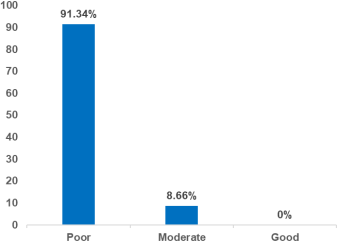
Figure 1. Distribution of respondents surveyed in Abomey-Calavi (2026) according to their overall level of knowledge about CKD.
None of the participants in our study had a good level of knowledge about chronic kidney disease. The vast majority had a poor level of knowledge (91.34%), and only 8.66% had a moderate level of knowledge. The distribution of participants according to their overall level of knowledge about chronic kidney disease is shown in
Figure 1.
3.3. Participants' General Knowledge of Renal Anatomy and CKD
Anatomically, 47.71% of respondents knew the normal number of kidneys, and only 20.92% identified the lumbar fossae as their anatomical location. Regarding kidney function, 22.50% cited blood filtration as a role of the kidneys, and 34.31% knew that it was possible to live with only one kidney. The definition of CKD was poorly understood, with only 2.61% of participants able to identify it as a slow and irreversible loss of kidney function. In contrast, 65.52% recognized that CKD is a serious condition (
Table 2).
Table 2. Distribution according to their general knowledge of CKD and renal anatomy of the people surveyed in Abomey-Calavi in 2026.
| n = 612 | % |
Kidney location | | |
Lumbar fossa | 128 | 20.92 |
Hip | 239 | 39.05 |
Other / Don't know | 245 | 40.03 |
Number of kidneys | | |
One | 24 | 3.92 |
Two | 292 | 47.71 |
Don't know | 296 | 48.37 |
Role of the kidneys | | |
Blood filtration | 138 | 22.50 |
Waste elimination | 127 | 20.75 |
Urine production | 91 | 14.87 |
Blood pressure regulation | 10 | 1.63 |
Hormone production | 4 | 0.65 |
Other / Don't know | 394 | 64.38 |
Survival with one kidney | | |
Possible | 210 | 34.31 |
Impossible | 162 | 26.47 |
Don't know | 240 | 39.22 |
Definition | | |
Slow and irreversible loss of kidney function | 16 | 2.61 |
Loss of kidney function | 229 | 37.42 |
Other / Don't know | 367 | 59.97 |
Gravity | | |
Yes | 401 | 65.52 |
No | 7 | 1.14 |
Don't know | 204 | 33.33 |
3.4. Knowledge of the Clinical Manifestations, Diagnosis, and Risk Factors of CKD
Asthenia was frequently cited as the first symptom (23.86%), and urine analysis was mentioned by 10.13% of participants as a diagnostic tool. Regarding risk factors, dietary habits dominated the responses (29.41%), followed by high blood pressure (9.48%) (
Table 3).
Table 3. Distribution according to their knowledge of the symptoms, diagnosis and risk factors of CKD among people surveyed in Abomey-Calavi in 2026.
| n = 612 | % |
Symptoms | | |
OMI* | 65 | 10.62 |
Hematuria | 28 | 4.58 |
Oliguria | 20 | 3.27 |
Facial puffiness | 14 | 2.29 |
Asthenia | 146 | 23.86 |
Nausea, vomiting | 16 | 2.61 |
Other / Don't know | 451 | 73.69 |
Diagnostic methods | | |
Urine analysis | 62 | 10.13 |
Blood test | 50 | 8.17 |
Ultrasound | 22 | 3.59 |
Other / Don't know | 520 | 84.96 |
Risk factors | | |
HTA* | 58 | 9.48 |
Urinary tract disease | 4 | 0.65 |
Self-medication | 31 | 5.07 |
Herbal medicine | 12 | 1.96 |
Obesity | 18 | 2.94 |
Sedentary lifestyle | 43 | 7.03 |
Tobacco | 24 | 3.92 |
Heredity | 28 | 4.58 |
Eating habits | 180 | 29.41 |
Other / Don't know | 397 | 64.87 |
OMI*: Edema of the lower limbs; HTA*: High blood pressure
3.5. Knowledge of Therapeutic Options and Preventive Measures for CKD
Regarding treatment, dialysis was known as a therapeutic option by 24.02% of respondents. Finally, nearly one in five participants cited adequate hydration (“drinking enough water”) as a preventive measure against CKD (
Table 4).
Table 4. Distribution according to their knowledge of therapeutic options and preventive measures for CKD of the people surveyed in Abomey-Calavi in 2026.
| n = 612 | % |
Treatment | | |
Drugs | 131 | 21.41 |
Dialysis | 147 | 24.02 |
Kidney transplant | 28 | 4.58 |
Herbal medicine | 44 | 7.19 |
Spiritual treatment | 6 | 0.98 |
Other / Don't know | 363 | 59.32 |
Prevention | | |
Drink enough water | 134 | 21.90 |
Avoid self-medication | 45 | 7.35 |
Avoid herbal medicine | 22 | 3.59 |
Stop alcohol and tobacco | 77 | 12.58 |
Regular physical activity | 79 | 12.91 |
Check blood pressure | 42 | 6.86 |
Control diabetes | 48 | 2.94 |
Other / Don't know | 408 | 66.66 |
4. Discussion
Our study highlights an overall poor level of knowledge of CKD among the adult population of the municipality of Abomey-Calavi. This result is consistent with those reported by several studies conducted in Africa and the Middle East reporting a predominance of poor levels of knowledge, with less than 10% of participants showing good knowledge of CKD (Isijola and Olubiyi (5.1%)
| [10] | Isijola B, Olubiyi S. Knowledge and risk factors of chronic kidney disease among Ebira Community in Irasa, Ado-Ekiti. Int J Med Nurses Health Sci. 2021, 2(6), 25 - 40.
https://doi.org/10.5281/zenodo.5780057 |
[10]
; Okwuonu
et al. (4.1%)
| [15] | Okwuonu CG, Chukwuonye II, Ogah SO, Abali C, Adejumo OA, Oviasu E. Awareness level of kidney functions and diseases among adults in a Nigerian population. Indian J Nephrol. 2015, 25(3), 158 - 63.
https://doi.org/10.4103/0971-4065.139096 |
[15]
; Mahmoud
et al. (8.9%)
| [12] | Mahmoud AM, Ibrahim A, Fadil AH, Alalawi AM, Alnezary FS, Alahmadi Y, et al. Assessment of public knowledge about chronic kidney disease and factors influencing knowledge levels: a cross-sectional study. Medicina. 2023, 59(12), 2072.
https://doi.org/10.3390/medicina59122072 |
[12]
; Gök and Şahin (3.9%)
.
The often asymptomatic nature of CKD, coupled with likely limited public exposure to specific information about this disease, could explain the poor level of knowledge observed in our study. These results show that CKD awareness is low in many populations, both in developing and developed regions, which could hinder early detection. This highlights the importance of raising public awareness to improve CKD prevention.
In contrast, in Ghana, Abdulai
et al. reported a higher overall knowledge level than in our study, at 54%
| [16] | Abdulai AM, Alhassan S, Muftawu MS, Claver KP, Sisala IM, Atrime RA, et al. Knowledge and attitude towards chronic kidney disease among residents in the Tamale metropolis: a cross-sectional study. 2025, 29.
https://doi.org/10.1101/2025.06.06.25329121 |
[16]
. Bawazir
et al., for their part, reported in Saudi Arabia that 53.2% of participants had adequate knowledge of CKD
| [17] | Bawazir A, Fayoumi M, Alharbi A, Alakeel A, Alskait B, Alsanawi A, et al. The awareness of chronic kidney disease in non-medical female university students: a cross-sectional study in Riyadh, Saudi Arabia. PLOS ONE. 2025, 20(5), 10.
https://doi.org/10.1371/journal.pone.0324634 |
[17]
. Meanwhile, Alobaidi observed that 57.1% of participants had a knowledge score above the established threshold
| [18] | Alobaidi S. Knowledge of chronic kidney disease among the population of Saudi Arabia evaluated using a validated questionnaire: a cross-sectional study. Patient Prefer Adherence. 2021, 15, 1281 - 8. https://doi.org/10.2147/PPA.S315369 |
[18]
. These variations may be related to population characteristics, access to health information, and the methods used to assess CKD knowledge levels. Studies reporting higher levels of knowledge most often included respondents with a high level of education or health professionals and students.
Beyond the overall knowledge score, analysis of the different domains explored allowed us to identify the specific aspects of CKD and kidney health where the gaps were most significant. The participants' knowledge of kidney anatomy and function was generally insufficient. Regarding knowledge of kidney location, our results are comparable to those reported by Oluyombo
et al., where 67% of participants were unaware of their anatomical position
| [19] | Oluyombo R, Ayodele OE, Akinwusi PO, Okunola OO, Gbadegesin BA, Soje MO, et al. Awareness, knowledge and perception of chronic kidney disease in a rural community of South-West Nigeria. Niger J Clin Pract. 2016, 19(2), 161-9.
https://doi.org/10.4103/1119-3077.175960 |
[19]
. Yabeyu
et al. in Ethiopia and Gheewala
et al. in Australia reported that 83.7% and 85.6%, respectively, were aware of the possibility of living with one kidney, whereas this proportion was significantly lower in our study
| [20] | Yabeyu AB, Haile KT, Belay YB, Tegegn HG. Limited public knowledge of chronic kidney disease in a resource-limited setting: a cross-sectional study. Int J Gen Med. 2022, 15, 4997 - 5003. https://doi.org/10.2147/IJGM.S364632 |
| [21] | Gheewala PA, Peterson GM, Zaidi TR, José MD, Castelino RL. Public knowledge of chronic kidney disease evaluated using a validated questionnaire: a cross-sectional study. BMC Public Health. 2018, 18(371), 12.
https://doi.org/10.1186/s12889-018-5301-4 |
[20, 21]
. Furthermore, the low knowledge of kidney function observed in our study contrasts with the results reported by Zaim
et al. in Indonesia, where 83.3%; 82.9%; 72.2% were familiar with the roles of the kidneys in urine production, blood filtration, and blood pressure regulation
| [22] | Zaim S, Bahar MuhA, Muzakkir AR, Anggriani A, Sarifah LM, Ibrahim N, et al. Public knowledge, interest, and perception of chronic kidney disease educational content in Indonesia: a cross-sectional survey. J Pers Med. 2026, 73, 1-9.
https://doi.org/10.3897/pharmacia.73.e172489 |
[22]
. Participants in our study (59.97%) did not know the definition of CKD. These results are consistent with those of Nakagawa and Nishio in Japan, where 29% of participants had never heard of CKD
| [23] | Nakagawa N, Nishio S. Knowledge of chronic kidney disease among the general population: a questionnaire survey in Hokkaido Prefecture, Japan. J Pers Med. 2022, 12(11), 1837.
https://doi.org/10.3390/jpm12111837 |
[23]
.
In our study, over 70% of participants were unaware of the main symptoms associated with CKD. However, higher levels of knowledge have been reported in some populations, notably by Zaim et
al., where a significant proportion of participants identified several symptoms related to kidney damage
| [22] | Zaim S, Bahar MuhA, Muzakkir AR, Anggriani A, Sarifah LM, Ibrahim N, et al. Public knowledge, interest, and perception of chronic kidney disease educational content in Indonesia: a cross-sectional survey. J Pers Med. 2026, 73, 1-9.
https://doi.org/10.3897/pharmacia.73.e172489 |
[22]
. Furthermore, nearly 85% of respondents were unaware of the diagnostic methods for CKD, in contrast to the results observed in Ethiopia, where 87.7% mentioned urinalysis
| [20] | Yabeyu AB, Haile KT, Belay YB, Tegegn HG. Limited public knowledge of chronic kidney disease in a resource-limited setting: a cross-sectional study. Int J Gen Med. 2022, 15, 4997 - 5003. https://doi.org/10.2147/IJGM.S364632 |
[20]
. These differences could be related to the sociodemographic characteristics of the populations studied, the level of health education, and the methods used to assess knowledge.
Adequate water intake was cited by 21.90% of respondents, reflecting a perception of kidney health primarily focused on hydration. A significant proportion (59.32%) were unaware of the different treatment options. As in several studies reporting a predominance of dialysis and medications among responses, participants in our study mainly mentioned medications and dialysis, but also herbal medicine
| [20] | Yabeyu AB, Haile KT, Belay YB, Tegegn HG. Limited public knowledge of chronic kidney disease in a resource-limited setting: a cross-sectional study. Int J Gen Med. 2022, 15, 4997 - 5003. https://doi.org/10.2147/IJGM.S364632 |
| [21] | Gheewala PA, Peterson GM, Zaidi TR, José MD, Castelino RL. Public knowledge of chronic kidney disease evaluated using a validated questionnaire: a cross-sectional study. BMC Public Health. 2018, 18(371), 12.
https://doi.org/10.1186/s12889-018-5301-4 |
[20, 21]
. This reflects the influence of traditional therapeutic practices and insufficient knowledge of treatments specific to CKD.
This study has several strengths. It was the first population-based study conducted in Benin assessing CKD knowledge in the general population. The sample size, exceeding the calculated minimum, allows for greater accuracy in the estimates. The use of three-stage random sampling improved the representativeness of the inhabitants of the Abomey-Calavi municipality. The use of a digital tool contributed to improving the quality of the data collected.
This study has some limitations, including selection, information, and social desirability bias. Data collection at different times of day and multi-stage sampling helped to mitigate selection bias. Translation into the local language and pretesting the questionnaire helped reduce information bias. Social desirability bias was minimized by conducting individual interviews and ensuring the confidentiality of responses. Furthermore, the questionnaire was not formally validated, which could limit its reproducibility. Finally, due to its descriptive nature, the results obtained do not allow for the establishment of causal relationships.
5. Conclusion
This study revealed a poor level of knowledge about CKD among the population of the municipality of Abomey-Calavi, with 91.34% of participants having a poor level of knowledge and no participants having a good level of knowledge. The observed gaps affected all areas explored, including knowledge of kidney anatomy and function, the definition of CKD, its manifestations, diagnosis, prevention, and management.
6. Recommendations
These results underscore the importance of strengthening information and awareness campaigns about CKD to improve public knowledge and promote prevention and early detection of the disease. They also demonstrate the importance of prioritizing kidney health education in national non-communicable disease control programs. Future studies could investigate factors associated with the level of knowledge about CKD and assess the impact of health education interventions on improving public knowledge.
Abbreviations
CKD | Chronic Kidney Disease |
CLERB-UP | Local Ethics Committee for Biomedical Research of the University of Parakou |
FSS | Faculty of Health Sciences |
GFR | Glomerular Filtration Rate |
HTA | High Blood Pressure |
INStaD | National Institute of Statistics and Demography |
OMI | Lower Limb Edema |
Author Contributions
Neema-Marie Dos Santos: Conceptualization, Data curation, Formal Analysis, Investigation, Methodology, Resources, Software, Supervision, Validation, Visualization, Writing – original draft, Writing – review & editing
Giovanna Zossoungbo: Conceptualization, Supervision, Validation, Visualization, Writing – review & editing
Bella Hounkpe: Conceptualization, Data curation, Formal Analysis, Methodology, Resources, Software, Supervision, Validation, Writing – review & editing
Jacques Vigan: Conceptualization, Methodology, Supervision, Validation, Writing – review & editing
Conflicts of Interest
The authors declare no conflicts of interest.
References
| [1] |
Delanaye P, Jouret F, Cavalier E. Evaluation of chronic kidney disease. Rev Med Liege. 2025, 80(5-6), 369-75.
https://rmlg.uliege.be/article/4067?lang=en
|
| [2] |
WHO Executive Board. Alleviating the burden of noncommunicable diseases by promoting kidney health and strengthening the means to prevent and control kidney disease. World Health Organization; 2025. p. 7. Report 156(20).
https://apps.who.int/gb/ebwha/pdf_files/WHA78/A78_R6-en.pdf?utm
|
| [3] |
Bikbov B, Purcell C, Levey AS, Smith M, Abdoli A, Abebe M, et al. Global, regional, and national burden of chronic kidney disease, 1990-2017: a systematic analysis for the Global Burden of Disease Study 2017. Lancet. 2020, 395(10225), 709 - 33.
https://doi.org/10.1016/S0140-6736(20)30045-3
|
| [4] |
Shahbazi F, Doosti-Irani A, Soltanian A, Poorolajal J. Global forecasting of chronic kidney disease mortality rates and numbers with the generalized additive model. BMC Nephrology. 2024, 25(1), 286.
https://doi.org/10.1186/s12882-024-03720-w
|
| [5] |
Kaze A, Ilori T, Jaar B, Echouffo-Tcheugui J. Burden of chronic kidney disease on the African continent: a systematic review and meta-analysis. BMC Nephrol. 2018, 19(125), 11.
https://doi.org/10.1186/s12882-018-0930-5
|
| [6] |
Bamgboye E. The challenges of ESRD care in developing economies: Sub-Saharan African opportunities for significant improvement. Clin Nephrol. 2016, 86(13), 18-22.
https://doi.org/10.5414/CNP86S128
|
| [7] |
Sumaili EK, Ekulu PM, Pakasa NM, Tshala-Katumbay D, Nseka NM. Nephrology in the Democratic Republic of the Congo. In: Nephrology Worldwide. Switzerland: Springer International Publishing, 2021. pp. 25 - 34.
|
| [8] |
Agboton BL, Aguemon B, Vigan J, Oke YJ, Ahoui S, Djrolo F, et al. Prevalence of chronic kidney disease and associated factors in southern Benin: the value of the proteinuria/creatinine ratio. Nephrol Ther. 2017, 13(5), 395.
https://doi.org/10.1016/j.nephro.2017.08.300
|
| [9] |
Maringhini S, Zoccali C. Chronic kidney disease progression-a challenge. Biomedicines. 2024, 12(10), 16.
https://doi.org/10.3390/biomedicines12102203
|
| [10] |
Isijola B, Olubiyi S. Knowledge and risk factors of chronic kidney disease among Ebira Community in Irasa, Ado-Ekiti. Int J Med Nurses Health Sci. 2021, 2(6), 25 - 40.
https://doi.org/10.5281/zenodo.5780057
|
| [11] |
Stanifer JW, Turner EL, Egger JR, Thielman N, Karia F, Maro V, et al. Knowledge, attitudes, and practices associated with chronic kidney disease in Northern Tanzania: a community-based study. PLoS One. 2016, 11(6), 14.
https://doi.org/10.1371/journal.pone.0156336
|
| [12] |
Mahmoud AM, Ibrahim A, Fadil AH, Alalawi AM, Alnezary FS, Alahmadi Y, et al. Assessment of public knowledge about chronic kidney disease and factors influencing knowledge levels: a cross-sectional study. Medicina. 2023, 59(12), 2072.
https://doi.org/10.3390/medicina59122072
|
| [13] |
Gök E, Şahin M. Chronic kidney disease awareness: a cross-sectional study in primary care settings in Türkiye. J Nephrol. 2025, 38(3), 979-88.
https://doi.org/10.1007/s40620-025-02210-y
|
| [14] |
Dada AS, Awobusuyi JO, Ajayi AO, Adeoti AO, Ajayi EA, Fadare JO. Awareness of chronic kidney disease: a community survey in Ado Ekiti, South Western Nigeria. Trop J Nephrol. 2015, 10(1), 19-25.
https://www.researchgate.net/publication/355476275_Awareness_of_chronic_kidney_disease_a_community_survey_in_Ado_Ekiti_South_Western_Nigeria
|
| [15] |
Okwuonu CG, Chukwuonye II, Ogah SO, Abali C, Adejumo OA, Oviasu E. Awareness level of kidney functions and diseases among adults in a Nigerian population. Indian J Nephrol. 2015, 25(3), 158 - 63.
https://doi.org/10.4103/0971-4065.139096
|
| [16] |
Abdulai AM, Alhassan S, Muftawu MS, Claver KP, Sisala IM, Atrime RA, et al. Knowledge and attitude towards chronic kidney disease among residents in the Tamale metropolis: a cross-sectional study. 2025, 29.
https://doi.org/10.1101/2025.06.06.25329121
|
| [17] |
Bawazir A, Fayoumi M, Alharbi A, Alakeel A, Alskait B, Alsanawi A, et al. The awareness of chronic kidney disease in non-medical female university students: a cross-sectional study in Riyadh, Saudi Arabia. PLOS ONE. 2025, 20(5), 10.
https://doi.org/10.1371/journal.pone.0324634
|
| [18] |
Alobaidi S. Knowledge of chronic kidney disease among the population of Saudi Arabia evaluated using a validated questionnaire: a cross-sectional study. Patient Prefer Adherence. 2021, 15, 1281 - 8.
https://doi.org/10.2147/PPA.S315369
|
| [19] |
Oluyombo R, Ayodele OE, Akinwusi PO, Okunola OO, Gbadegesin BA, Soje MO, et al. Awareness, knowledge and perception of chronic kidney disease in a rural community of South-West Nigeria. Niger J Clin Pract. 2016, 19(2), 161-9.
https://doi.org/10.4103/1119-3077.175960
|
| [20] |
Yabeyu AB, Haile KT, Belay YB, Tegegn HG. Limited public knowledge of chronic kidney disease in a resource-limited setting: a cross-sectional study. Int J Gen Med. 2022, 15, 4997 - 5003.
https://doi.org/10.2147/IJGM.S364632
|
| [21] |
Gheewala PA, Peterson GM, Zaidi TR, José MD, Castelino RL. Public knowledge of chronic kidney disease evaluated using a validated questionnaire: a cross-sectional study. BMC Public Health. 2018, 18(371), 12.
https://doi.org/10.1186/s12889-018-5301-4
|
| [22] |
Zaim S, Bahar MuhA, Muzakkir AR, Anggriani A, Sarifah LM, Ibrahim N, et al. Public knowledge, interest, and perception of chronic kidney disease educational content in Indonesia: a cross-sectional survey. J Pers Med. 2026, 73, 1-9.
https://doi.org/10.3897/pharmacia.73.e172489
|
| [23] |
Nakagawa N, Nishio S. Knowledge of chronic kidney disease among the general population: a questionnaire survey in Hokkaido Prefecture, Japan. J Pers Med. 2022, 12(11), 1837.
https://doi.org/10.3390/jpm12111837
|
Cite This Article
-
APA Style
Santos, N. D., Zossoungbo, G., Hounkpe, B., Vigan, J. (2026). Level of Knowledge of Chronic Kidney Disease in the Municipality of Abomey-Calavi in 2026. World Journal of Public Health, 11(3), 297-303. https://doi.org/10.11648/j.wjph.20261103.18
 Copy
|
Copy
|
 Download
ACS Style
Santos, N. D.; Zossoungbo, G.; Hounkpe, B.; Vigan, J. Level of Knowledge of Chronic Kidney Disease in the Municipality of Abomey-Calavi in 2026. World J. Public Health 2026, 11(3), 297-303. doi: 10.11648/j.wjph.20261103.18
Copy
|
Download
AMA Style
Santos ND, Zossoungbo G, Hounkpe B, Vigan J. Level of Knowledge of Chronic Kidney Disease in the Municipality of Abomey-Calavi in 2026. World J Public Health. 2026;11(3):297-303. doi: 10.11648/j.wjph.20261103.18
Copy
|
Download
-
@article{10.11648/j.wjph.20261103.18,
  author = {Neema-Marie Dos Santos and Giovanna Zossoungbo and Bella Hounkpe and Jacques Vigan},
  title = {Level of Knowledge of Chronic Kidney Disease in the Municipality of Abomey-Calavi in 2026},
  journal = {World Journal of Public Health},
  volume = {11},
  number = {3},
  pages = {297-303},
  doi = {10.11648/j.wjph.20261103.18},
  url = {https://doi.org/10.11648/j.wjph.20261103.18},
  eprint = {https://article.sciencepublishinggroup.com/pdf/10.11648.j.wjph.20261103.18},
  abstract = {Background: Chronic kidney disease (CKD) is a major global public health problem due to its increasing prevalence, complications, and impact on patients' quality of life. Public awareness of this disease is crucial for promoting preventive behaviors, early detection, and appropriate care. However, data on the general population's level of knowledge about CKD in Benin remain limited. Objective: To study the level of knowledge about CKD among the population of the municipality of Abomey-Calavi in 2026. Methods: This was a descriptive cross-sectional study conducted in February 2026 among residents of the municipality of Abomey-Calavi aged 18 years and over. Sampling was randomized using a three-stage method. Data were collected using a digitized questionnaire via KoboCollect covering general knowledge of CKD, renal anatomy and function, symptoms, diagnosis, prevention, and treatment. An overall knowledge score was calculated and used to classify participants into three categories based on their level of knowledge (poor, moderate, good). Oral informed consent was obtained prior to inclusion in the study. Results: 612 residents were surveyed. Among the participants, 91.34% had a poor level of knowledge, 8.66% a moderate level, and no participant had a good level of knowledge about CKD. Deficiencies were observed across all areas explored, including knowledge of kidney anatomy and function, the definition of CKD, its clinical manifestations, diagnosis, prevention, and management. Conclusion: The level of knowledge about CKD was poor in Abomey-Calavi. These results highlight the importance of strengthening information and education initiatives on kidney health in order to increase the population's level of knowledge.},
 year = {2026}
}
Copy
|
Download
-
TY  - JOUR
T1  - Level of Knowledge of Chronic Kidney Disease in the Municipality of Abomey-Calavi in 2026
AU  - Neema-Marie Dos Santos
AU  - Giovanna Zossoungbo
AU  - Bella Hounkpe
AU  - Jacques Vigan
Y1  - 2026/08/18
PY  - 2026
N1  - https://doi.org/10.11648/j.wjph.20261103.18
DO  - 10.11648/j.wjph.20261103.18
T2  - World Journal of Public Health
JF  - World Journal of Public Health
JO  - World Journal of Public Health
SP  - 297
EP  - 303
PB  - Science Publishing Group
SN  - 2637-6059
UR  - https://doi.org/10.11648/j.wjph.20261103.18
AB  - Background: Chronic kidney disease (CKD) is a major global public health problem due to its increasing prevalence, complications, and impact on patients' quality of life. Public awareness of this disease is crucial for promoting preventive behaviors, early detection, and appropriate care. However, data on the general population's level of knowledge about CKD in Benin remain limited. Objective: To study the level of knowledge about CKD among the population of the municipality of Abomey-Calavi in 2026. Methods: This was a descriptive cross-sectional study conducted in February 2026 among residents of the municipality of Abomey-Calavi aged 18 years and over. Sampling was randomized using a three-stage method. Data were collected using a digitized questionnaire via KoboCollect covering general knowledge of CKD, renal anatomy and function, symptoms, diagnosis, prevention, and treatment. An overall knowledge score was calculated and used to classify participants into three categories based on their level of knowledge (poor, moderate, good). Oral informed consent was obtained prior to inclusion in the study. Results: 612 residents were surveyed. Among the participants, 91.34% had a poor level of knowledge, 8.66% a moderate level, and no participant had a good level of knowledge about CKD. Deficiencies were observed across all areas explored, including knowledge of kidney anatomy and function, the definition of CKD, its clinical manifestations, diagnosis, prevention, and management. Conclusion: The level of knowledge about CKD was poor in Abomey-Calavi. These results highlight the importance of strengthening information and education initiatives on kidney health in order to increase the population's level of knowledge.
VL  - 11
IS  - 3
ER  -
Copy
|
Download





 Share This Article
 Twitter
 Linked In
 Facebook