Abstract
Poster-mediated collaborative presentations have emerged as an effective instructional approach for promoting communicative competence and learner engagement in tertiary English as a Foreign Language (EFL) classrooms. However, limited qualitative research has examined how poster-based collaborative activities facilitate interactional language development through multimodal communication and peer collaboration. This study explored the role of poster-mediated group presentations in supporting language learning among 30 undergraduate EFL students at a university in Bangladesh. Working in groups of three to five, the participants designed printed posters and multimedia presentations on contemporary topics, including artificial intelligence, environmental sustainability, deforestation, social crime, and exam stress. A qualitative research design was adopted, and data were collected through classroom observations, semi-structured interviews, focus group discussions, students’ reflective journals, and analyses of poster artifacts. Thematic analysis revealed four interrelated themes: increased learner interaction, conceptual organization and collaborative meaning-making, enhanced affective engagement and motivation, and improved academic vocabulary use and oral communication. The findings indicate that poster-mediated collaborative presentations created authentic opportunities for learners to negotiate meaning, organize knowledge visually, develop speaking confidence, and engage in purposeful communication. By integrating visual, textual, and oral modes of communication within collaborative learning tasks, poster presentations supported both linguistic development and learner autonomy. The study concludes that poster-mediated collaborative presentations represent a valuable pedagogical approach for fostering interactional language development in tertiary EFL classrooms and recommends their wider integration into language curricula, teacher education, and communicative assessment practices.
|
Published in
|
English Language, Literature & Culture (Volume 11, Issue 3)
|
|
DOI
|
10.11648/j.ellc.20261103.12
|
|
Page(s)
|
64-77 |
|
Creative Commons
|

This is an Open Access article, distributed under the terms of the Creative Commons Attribution 4.0 International License (http://creativecommons.org/licenses/by/4.0/), which permits unrestricted use, distribution and reproduction in any medium or format, provided the original work is properly cited.
|
|
Copyright
|
Copyright © The Author(s), 2026. Published by Science Publishing Group
|
Keywords
Collaborative Learning, Communicative Competence, Multimodal Learning, Poster Presentations, Sociocultural Theory,
Task-Based Language Teaching, Tertiary EFL
1. Introduction
Developing communicative competence is a central objective of English as a Foreign Language (EFL) instruction in tertiary education
| [6] | Richards, J. C. Teaching Listening and Speaking: From Theory to Practice. Cambridge: Cambridge University Press; 2008. |
| [7] | Brown, H. D. Principles of Language Learning and Teaching. 5th ed. White Plains, NY: Pearson Education; 2007. |
| [18] | Richards, J. C. Communicative Language Teaching Today. Cambridge: Cambridge University Press; 2006. |
[6, 7, 18]
. In many EFL contexts, however, students have limited opportunities to use English meaningfully beyond the classroom. Consequently, they often experience difficulties in expressing ideas fluently, using academic vocabulary appropriately, and communicating confidently during oral presentations. Traditional presentation tasks typically require students to deliver extended speeches before the entire class, a format that may increase speaking anxiety and restrict meaningful interaction with peers. These challenges highlight the need for innovative pedagogical approaches that promote authentic communication while creating supportive learning environments.
Poster-mediated collaborative presentations have emerged as an alternative instructional strategy that integrates visual, textual, and oral modes of communication
| [4] | Kress, G. Multimodality: A Social Semiotic Approach to Contemporary Communication. London: Routledge; 2010. |
| [26] | Kress, G.; van Leeuwen, T. Reading Images: The Grammar of Visual Design. 3rd ed. London: Routledge; 2021. |
| [28] | Thomas, M. Digital and Multimodal Pedagogies in Language Education. Language Learning & Technology. 2021; 25(3): 1–15. |
[4, 26, 28]
. Unlike conventional oral presentations, poster sessions encourage learners to organize information visually, explain concepts interactively, and engage in repeated discussions with different audiences. This multimodal approach enables students to negotiate meaning, receive immediate feedback, and refine their explanations through collaborative interaction. From a pedagogical perspective, poster presentations also promote learner-centered instruction by encouraging active participation, teamwork, critical thinking, and the application of academic language in meaningful contexts.
The effectiveness of poster presentations can be understood through the lens of Sociocultural Theory (SCT)
| [1] | Vygotsky, L. S. Mind in Society: The Development of Higher Psychological Processes. Cambridge, MA: Harvard University Press; 1978. |
| [10] | Swain, M. Languaging, Agency and Collaboration in Advanced Language Proficiency. In: Byrnes H, editor. Advanced Language Learning: The Contribution of Halliday and Vygotsky. London: Continuum; 2006. P. 95–108. |
| [20] | Mercer, N. Words and Minds: How We Use Language to Think Together. London: Routledge; 2000. |
[1, 10, 20]
, which emphasizes that learning occurs through social interaction and mediation. According to SCT, cognitive development is facilitated by interaction with peers and teachers using cultural tools and artifacts
| [1] | Vygotsky, L. S. Mind in Society: The Development of Higher Psychological Processes. Cambridge, MA: Harvard University Press; 1978. |
[1]
. Posters function as mediational tools that support learners in organizing ideas, scaffolding language production, and co-constructing knowledge during collaborative tasks. Similarly, Task-Based Language Teaching (TBLT) argues that meaningful, goal-oriented tasks provide authentic opportunities for language use
| [2] | Ellis, R. Task-Based Language Learning and Teaching. Oxford: Oxford University Press; 2003. |
| [3] | Willis, J.; Willis, D. Doing Task-Based Teaching. Oxford: Oxford University Press; 2007. |
| [19] | Nunan, D. Task-Based Language Teaching. Cambridge: Cambridge University Press; 2004. |
| [22] | Ellis, R. Task-Based Language Teaching. London: Routledge; 2017. |
| [23] | Bygate, M. Sources, Developments and Directions of Task-Based Language Research. The Language Learning Journal. 2016; 44(4): 381–400. |
[2, 3, 19, 22, 23]
, allowing learners to develop communicative competence while solving real-world problems collaboratively. Poster presentations embody these principles by integrating content learning with purposeful communication.
Previous research has reported that poster presentations can enhance student engagement, promote active learning, and improve academic communication
| [5] | Prince, M. Does Active Learning Work? A Review of the Research. Journal of Engineering Education. 2004; 93(3): 223–231. |
| [8] | Hyland, K. Disciplinary Discourses: Social Interactions in Academic Writing. Ann Arbor, MI: University of Michigan Press; 2004. |
[5, 8]
skills across higher education. In EFL and ESL settings, studies have shown that multimodal presentation tasks encourage interaction, reduce presentation anxiety, and facilitate the acquisition of academic vocabulary
| [9] | Nation, I. S. P. Learning Vocabulary in Another Language. 2nd ed. Cambridge: Cambridge University Press; 2013. |
| [11] | MacIntyre, P. D.; Gardner, R. C. The Subtle Effects of Language Anxiety on Cognitive Processing in the Second Language. Language Learning. 1994; 44(2): 283–305.
https://doi.org/10.1111/j.1467-1770.1994.tb01103.x |
| [12] | Dörnyei, Z. The Psychology of the Language Learner: Individual Differences in Second Language Acquisition. Mahwah, NJ: Lawrence Erlbaum Associates; 2005. |
| [24] | Gilakjani, A. P. English Language Speaking Anxiety: A Review of the Literature. International Journal of English Linguistics. 2016; 6(6): 251–260. |
[9, 11, 12, 24]
. Nevertheless, much of the existing literature has focused on learning outcomes or assessment practices, with comparatively little attention given to the interactional processes through which poster presentations support language development. Furthermore, relatively few qualitative studies have explored how learners perceive poster-mediated collaborative presentations in tertiary EFL classrooms, particularly in South Asian contexts such as Bangladesh.
Addressing this gap, the present study investigates how poster-mediated collaborative presentations contribute to interactional language development among undergraduate EFL learners. The study draws on qualitative data collected from 30 undergraduate students with mixed English proficiency levels who worked collaboratively in groups of three to five to prepare printed posters and multimedia presentations on contemporary issues, including artificial intelligence, environmental sustainability, deforestation, social crime, and exam stress. Through classroom observations, semi-structured interviews, focus group discussions, reflective journals, and analysis of poster artifacts, the study explores how poster presentations mediate learners' conceptual organization, peer interaction, academic language use, and affective engagement.
This study contributes to the growing body of research on multimodal language learning by demonstrating how poster-mediated collaborative presentations function as pedagogical tools for promoting communicative competence, learner autonomy, and interactional language development in tertiary EFL classrooms. The findings have practical implications for English language teachers, curriculum designers, and teacher educators seeking to integrate authentic, collaborative, and visually supported communicative tasks into higher education.
Research Questions
This study addresses the following research questions:
How do tertiary-level EFL learners perceive poster-mediated collaborative presentations as a language-learning activity?
How do poster-mediated collaborative presentations facilitate interactional language development and the use of academic vocabulary?
In what ways do poster presentations influence learners' confidence, speaking anxiety, and communicative engagement?
How do poster artifacts function as mediational tools supporting collaborative learning and meaning-making in tertiary EFL classrooms?
2. Literature Review
2.1. Poster Presentations as Multimodal Pedagogical Tasks
Multimodality in Higher Education
Higher education has increasingly embraced multimodal pedagogies to respond to the changing nature of knowledge production and communication in the twenty-first century. Multimodality refers to the integration of multiple semiotic resources—such as written language, spoken language, images, diagrams, symbols, colour, and spatial organization—to create and communicate meaning
| [4] | Kress, G. Multimodality: A Social Semiotic Approach to Contemporary Communication. London: Routledge; 2010. |
| [26] | Kress, G.; van Leeuwen, T. Reading Images: The Grammar of Visual Design. 3rd ed. London: Routledge; 2021. |
| [28] | Thomas, M. Digital and Multimodal Pedagogies in Language Education. Language Learning & Technology. 2021; 25(3): 1–15. |
[4, 26, 28]
. Rather than relying exclusively on written or spoken texts, multimodal learning encourages students to construct and represent knowledge through complementary modes that reflect authentic academic and professional communication. As digital technologies and visual media become more prominent in higher education, multimodal approaches have gained recognition for promoting learner engagement, critical thinking, and deeper conceptual understanding.
Within learner-centred educational environments, multimodal tasks require students to interpret, organize, and communicate information using diverse representational forms. This process encourages learners to move beyond passive reception of information and actively participate in meaning-making through inquiry, collaboration, and reflection. Research on active learning consistently demonstrates that students achieve stronger learning outcomes when they actively construct knowledge rather than simply receive information from instructors
| [5] | Prince, M. Does Active Learning Work? A Review of the Research. Journal of Engineering Education. 2004; 93(3): 223–231. |
[5]
. By integrating visual and verbal communication, multimodal pedagogies also accommodate diverse learning preferences and support students in developing transferable academic and professional communication skills.
From a communicative perspective, multimodality strengthens learners' ability to express complex ideas clearly and effectively. The integration of textual, visual, and oral elements enables students to organize information logically, identify relationships among concepts, and present knowledge in accessible forms. Consequently, multimodal learning environments not only enhance conceptual understanding but also foster the development of academic literacy, communicative competence, and learner autonomy. These characteristics make multimodal pedagogies particularly valuable in tertiary English as a Foreign Language (EFL) classrooms, where meaningful interaction and authentic communication are essential components of language development
| [8] | Hyland, K. Disciplinary Discourses: Social Interactions in Academic Writing. Ann Arbor, MI: University of Michigan Press; 2004. |
| [21] | Gee, J. P. Social Linguistics and Literacies. 5th ed. London: Routledge; 2015. |
[8, 21]
.
2.2. Poster Presentations as Mediational Artifacts
Poster presentations represent one of the most widely used multimodal pedagogical tasks in higher education because they integrate visual design, written text, and oral explanation within a collaborative learning activity. Although posters have traditionally been employed to disseminate research findings at academic conferences, they are increasingly used as instructional tools that promote active learning, collaboration, and communicative competence. Unlike conventional oral presentations, poster sessions encourage interactive dialogue in which presenters explain ideas repeatedly, respond to questions, and negotiate meaning with different audiences. This dialogic format transforms posters from static displays into dynamic learning resources that facilitate both knowledge construction and academic communication.
From a sociocultural perspective, posters can be understood as mediational artifacts that support learners' cognitive and linguistic development. According to Sociocultural Theory, learning is mediated through interaction with others and through the use of cultural tools that assist thinking and communication
| [1] | Vygotsky, L. S. Mind in Society: The Development of Higher Psychological Processes. Cambridge, MA: Harvard University Press; 1978. |
| [10] | Swain, M. Languaging, Agency and Collaboration in Advanced Language Proficiency. In: Byrnes H, editor. Advanced Language Learning: The Contribution of Halliday and Vygotsky. London: Continuum; 2006. P. 95–108. |
| [20] | Mercer, N. Words and Minds: How We Use Language to Think Together. London: Routledge; 2000. |
[1, 10, 20]
. Posters perform this mediating function by providing visual cues, conceptual organization, and textual prompts that help learners structure explanations, retrieve vocabulary, and communicate ideas more confidently. Rather than memorizing lengthy speeches, students rely on poster content to guide spontaneous interaction with peers and instructors, thereby encouraging authentic language use and collaborative meaning-making
| [1] | Vygotsky, L. S. Mind in Society: The Development of Higher Psychological Processes. Cambridge, MA: Harvard University Press; 1978. |
| [14] | Miles, M. B.; Huberman, A. M.; Saldaña, J. Qualitative Data Analysis: A Methods Sourcebook. 4th ed. Thousand Oaks, CA: SAGE Publications; 2020. |
| [26] | Kress, G.; van Leeuwen, T. Reading Images: The Grammar of Visual Design. 3rd ed. London: Routledge; 2021. |
[1, 14, 26]
.
Furthermore, poster preparation itself is a collaborative process involving information gathering, topic selection, visual organization, vocabulary negotiation, and joint decision-making. Throughout this process, learners co-construct knowledge by discussing ideas, evaluating evidence, and solving communicative problems together. During presentation sessions, posters continue to function as shared reference points that facilitate questioning, clarification, and interaction. Consequently, poster presentations operate not merely as assessment products but as mediational tools that scaffold both conceptual understanding and language development.
2.3. Active Learning and Academic Literacy
Poster presentations closely align with active learning principles because they require learners to engage directly in investigating, organizing, and communicating knowledge
| [5] | Prince, M. Does Active Learning Work? A Review of the Research. Journal of Engineering Education. 2004; 93(3): 223–231. |
[5]
. Rather than reproducing information from textbooks, students must identify essential concepts, evaluate evidence, synthesize information, and present findings in concise and meaningful ways. These processes promote higher-order cognitive skills, including analysis, synthesis, evaluation, and critical reflection, which are fundamental to academic learning.
An equally important contribution of poster presentations lies in their role in developing academic literacy. Academic literacy extends beyond grammatical accuracy to include the ability to interpret information critically, construct logical arguments, communicate evidence effectively
| [8] | Hyland, K. Disciplinary Discourses: Social Interactions in Academic Writing. Ann Arbor, MI: University of Michigan Press; 2004. |
| [21] | Gee, J. P. Social Linguistics and Literacies. 5th ed. London: Routledge; 2015. |
[8, 21]
, and adapt communication for specific audiences. Preparing a poster requires students to summarize complex information, prioritize key ideas, integrate textual and visual evidence, and present academic content clearly within limited space. During poster sessions, learners further strengthen these skills by explaining concepts orally, responding to audience questions, and modifying explanations according to listeners' needs.
Poster presentations also promote learner autonomy by transferring responsibility for knowledge construction from teachers to students. Learners become active producers of knowledge rather than passive recipients of instruction. Collaborative poster projects require planning, negotiation, time management, and shared decision-making, enabling students to assume ownership of both the learning process and the final product. Such learner-centred practices are consistent with contemporary higher education, which emphasizes inquiry, collaboration, reflective learning, and authentic assessment. Consequently, poster presentations contribute simultaneously to cognitive development, academic literacy, communication skills, and independent learning.
2.4. Visual Communication and Knowledge Construction
Visual communication plays a central role in poster presentations because it enables learners to organize and communicate information in ways that complement oral and written language. Academic posters typically incorporate diagrams, concept maps, photographs, charts, illustrations, icons, colour coding, and spatial organization to represent relationships among ideas. These visual elements support comprehension by making abstract concepts more concrete, highlighting key information, and illustrating connections that may be less apparent in text alone. As a result, visual representations facilitate conceptual understanding while reducing unnecessary cognitive demands during communication
| [4] | Kress, G. Multimodality: A Social Semiotic Approach to Contemporary Communication. London: Routledge; 2010. |
| [26] | Kress, G.; van Leeuwen, T. Reading Images: The Grammar of Visual Design. 3rd ed. London: Routledge; 2021. |
[4, 26]
.
The integration of visual and verbal modes also contributes to collaborative knowledge construction. During poster preparation, learners negotiate how information should be represented visually, decide which concepts are most important, and determine how ideas should be sequenced for effective communication. These collaborative design decisions require discussion, justification, and consensus-building, thereby creating additional opportunities for meaningful language use. During presentations, visual features help learners maintain the flow of explanation, recall topic-specific vocabulary, and respond flexibly to audience questions without relying on memorized scripts.
The student-created posters examined in the present study—including topics such as Exam Stress, Deforestation, Environment and Sustainability, Artificial Intelligence, and Social Crime—illustrate how visual organization supports conceptual explanation and collaborative communication. By combining written text, images, diagrams, and oral interaction, these posters enabled learners to present complex academic topics through accessible and engaging multimodal representations. Thus, poster presentations function not only as visual displays but also as collaborative tools for organizing knowledge, mediating interaction, and fostering communicative competence
| [1] | Vygotsky, L. S. Mind in Society: The Development of Higher Psychological Processes. Cambridge, MA: Harvard University Press; 1978. |
| [20] | Mercer, N. Words and Minds: How We Use Language to Think Together. London: Routledge; 2000. |
| [26] | Kress, G.; van Leeuwen, T. Reading Images: The Grammar of Visual Design. 3rd ed. London: Routledge; 2021. |
[1, 20, 26]
.
2.5. Section Summary
The literature indicates that poster presentations should be understood as multimodal pedagogical tasks rather than merely alternative assessment methods. By integrating visual communication, written language, oral interaction, and collaborative learning, posters promote active engagement, academic literacy, conceptual understanding, and communicative competence. Viewed through a sociocultural perspective, posters function as mediational artifacts that scaffold thinking, interaction, and language use while supporting collaborative knowledge construction. This conceptualization provides the foundation for examining how poster-mediated collaborative presentations facilitate interactional language development among tertiary EFL learners in the present study.
3. Methodology
3.1. Research Design
This study employed a qualitative research design to explore tertiary-level English as a Foreign Language (EFL) learners' perceptions and experiences of poster-mediated collaborative presentations. A qualitative approach was considered appropriate because the study sought to understand how learners constructed meaning, interacted with peers, and perceived the pedagogical value of poster presentations within authentic classroom settings. Rather than measuring learning outcomes quantitatively, the study focused on participants' experiences, interactions, and reflections during the collaborative poster presentation process
| [13] | Creswell, J. W.; Poth, C. N. Qualitative Inquiry and Research Design: Choosing Among Five Approaches. 4th ed. Thousand Oaks, CA: SAGE Publications; 2018. |
[13]
.
The research was informed by an interpretivist paradigm, which assumes that reality is socially constructed through individuals' experiences and interactions
| [13] | Creswell, J. W.; Poth, C. N. Qualitative Inquiry and Research Design: Choosing Among Five Approaches. 4th ed. Thousand Oaks, CA: SAGE Publications; 2018. |
[13]
. This perspective aligns with the study's theoretical framework, which integrates Sociocultural Theory (SCT) and Task-Based Language Teaching (TBLT)
| [1] | Vygotsky, L. S. Mind in Society: The Development of Higher Psychological Processes. Cambridge, MA: Harvard University Press; 1978. |
| [2] | Ellis, R. Task-Based Language Learning and Teaching. Oxford: Oxford University Press; 2003. |
| [3] | Willis, J.; Willis, D. Doing Task-Based Teaching. Oxford: Oxford University Press; 2007. |
[1-3]
. These perspectives emphasize that language learning develops through collaboration, mediation, and meaningful communication. Consequently, the qualitative design enabled an in-depth investigation of how poster-mediated collaborative tasks supported learners' speaking skills, academic vocabulary development, confidence, and communicative competence.
A qualitative approach was also appropriate because it allowed the researcher to examine naturally occurring classroom interaction through multiple sources of evidence, thereby providing a comprehensive understanding of learners' experiences beyond what could be captured through standardized tests or questionnaires alone.
3.2. Research Context
The study was conducted in an undergraduate English language course at a tertiary institution in Bangladesh. The course emphasized academic communication, oral presentation, and collaborative learning as essential components of English language development. Traditionally, students had participated in individual oral presentations; however, poster-mediated collaborative presentations were introduced as an alternative classroom activity designed to promote interaction, learner engagement, and authentic communication.
As part of the course requirements, students worked collaboratively to design and present academic posters on socially relevant topics, including Exam Stress, Deforestation, Environment and Sustainability, Artificial Intelligence, and Social Crime. Each group researched its topic, synthesized information from multiple sources, designed a multimodal poster integrating text and visuals, and presented the poster to classmates and the instructor during structured poster sessions.
Unlike traditional presentations, poster sessions encouraged repeated interaction with different audience members, allowing learners to explain concepts, answer questions, negotiate meaning, and refine explanations through ongoing dialogue. These classroom activities provided a natural setting for examining collaborative learning, multimodal communication, and interactional language development
| [1] | Vygotsky, L. S. Mind in Society: The Development of Higher Psychological Processes. Cambridge, MA: Harvard University Press; 1978. |
| [4] | Kress, G. Multimodality: A Social Semiotic Approach to Contemporary Communication. London: Routledge; 2010. |
| [5] | Prince, M. Does Active Learning Work? A Review of the Research. Journal of Engineering Education. 2004; 93(3): 223–231. |
| [26] | Kress, G.; van Leeuwen, T. Reading Images: The Grammar of Visual Design. 3rd ed. London: Routledge; 2021. |
[1, 4, 5, 26]
.
3.3. Participants
The participants comprised 30 undergraduate EFL students enrolled in the English language course. They were selected through purposive sampling, as all participants had direct experience of preparing and delivering collaborative poster presentations relevant to the objectives of the study.
All participants were non-native speakers of English with previous experience of conventional oral presentations but limited exposure to poster-based collaborative presentations. Students worked in small groups of four to five members to prepare and present their posters. Collaborative grouping encouraged shared responsibility for researching topics, organizing information, designing posters, and presenting findings.
Participation in the study was entirely voluntary. Students were informed about the objectives of the research and their right to withdraw without academic consequences. To maintain confidentiality, pseudonyms were assigned during data analysis and reporting, and no identifying information was included in the manuscript.
3.4. Data Collection
Data were collected over one academic semester using multiple qualitative data sources to provide methodological triangulation and strengthen the credibility of the findings. The primary sources of data included classroom observations, semi-structured interviews, focus group discussions, reflective journals, and analysis of student-created poster artifacts.
Classroom Observations
Non-participant classroom observations were conducted throughout the poster preparation and presentation sessions. Observation focused on learners' interaction patterns, collaborative problem-solving, use of English during group work, audience engagement, and presentation strategies. Field notes documented verbal interaction, peer scaffolding, negotiation of meaning, and classroom dynamics.
Semi-Structured Interviews
Semi-structured interviews were conducted with 12 purposively selected students after completion of the poster presentations. The interviews explored participants' perceptions of poster presentations, speaking confidence, vocabulary use, interaction with audiences, and perceived learning experiences. Open-ended questions encouraged participants to discuss their experiences in depth while allowing flexibility to explore emerging themes.
Focus Group Discussions
Two focus group discussions involving six students in each group were organized to encourage collective reflection on collaborative learning experiences. Focus groups enabled participants to compare experiences, discuss challenges, and reflect on group interaction during poster preparation and presentation.
Reflective Journals
All participants completed reflective journals following the poster presentation sessions. Students described their preparation process, communication strategies, emotional experiences, perceived language development, and reflections on collaborative learning. These written reflections provided valuable insights into learners' perspectives that were not always observable during classroom interaction.
Poster Artifacts
Student-created posters constituted an additional source of qualitative data. Six representative posters were analyzed as multimodal artifacts:
Figure 2. Deforestation Concept Map
Figure 3. Deforestation: Causes and Effects
Figure 4. Environment and Sustainability
Figure 5. Understanding Artificial Intelligence
Figure 6. Understanding Social Crime
The posters were examined for visual organization, conceptual structure, integration of textual and visual elements, academic vocabulary, and their role in supporting collaborative interaction during presentations.
3.5. Data Analysis
The collected data were analyzed using thematic analysis following the six-phase framework proposed by Braun and Clarke
| [15] | Braun, V.; Clarke, V. Using Thematic Analysis in Psychology. Qualitative Research in Psychology. 2006; 3(2): 77–101.
https://doi.org/10.1191/1478088706qp063oa |
| [16] | Braun, V.; Clarke, V. Thematic Analysis: A Practical Guide. London: SAGE Publications; 2022. |
[15, 16]
. First, all interview recordings were transcribed verbatim, while observation notes, reflective journals, and focus group discussions were organized into electronic documents. The researcher repeatedly read the data to gain familiarity with participants' experiences and identify preliminary patterns.
Second, initial codes were generated inductively across the entire dataset. Coding focused on recurrent ideas related to interaction, collaboration, vocabulary use, confidence, learner engagement, scaffolding, and multimodal communication.
Third, similar codes were grouped into broader categories and subsequently developed into themes representing shared patterns across the data. Throughout this process, evidence from interviews, classroom observations, focus groups, reflective journals, and poster artifacts was compared to identify convergence and divergence among data sources.
Finally, themes were reviewed, refined, and interpreted through the theoretical lenses of Sociocultural Theory and Task-Based Language Teaching. This analytical process resulted in four overarching themes:
Increased learner interaction.
Reduced speaking anxiety.
Purposeful use of academic vocabulary.
Enhanced learner confidence and autonomy.
These themes formed the basis for the Findings and Discussion section.
3.6. Trustworthiness
To enhance the quality and rigor of the study, the research followed the criteria of credibility, transferability, dependability, and confirmability
| [13] | Creswell, J. W.; Poth, C. N. Qualitative Inquiry and Research Design: Choosing Among Five Approaches. 4th ed. Thousand Oaks, CA: SAGE Publications; 2018. |
| [25] | Yin, R. K. Case Study Research and Applications: Design and Methods. 6th ed. Thousand Oaks, CA: SAGE Publications; 2018. |
[13, 25]
.
Credibility was strengthened through methodological triangulation by collecting data from multiple sources, including observations, interviews, focus groups, reflective journals, and poster artifacts. The consistency of findings across these sources enhanced confidence in the interpretations.
Transferability was supported by providing detailed descriptions of the research context, participants, classroom activities, and poster presentation procedures, enabling readers to determine the applicability of the findings to similar educational contexts.
Dependability was ensured by maintaining a clear audit trail documenting the research procedures, data collection process, coding decisions, and theme development throughout the study.
Confirmability was enhanced through reflexive note-taking during data analysis and by grounding interpretations in participants' accounts and observational evidence rather than researcher assumptions.
3.7. Ethical Considerations
Ethical approval for the study was obtained from the relevant institutional authority prior to data collection. All participants received information regarding the purpose of the research, the voluntary nature of participation, and their right to withdraw from the study at any stage without penalty.
Written informed consent was obtained before collecting interviews, observations, and reflective journals. Participants' identities were protected through the use of pseudonyms, and all collected data were stored securely and used solely for research purposes.
Photographic records of student-created posters were included as research artifacts. No identifiable images of participants are presented in the manuscript. Where classroom photographs were used for documentation, participant anonymity was preserved, and all ethical guidelines regarding confidentiality and privacy were strictly followed.
4. Findings
The thematic analysis of classroom observations, semi-structured interviews, focus group discussions, reflective journals, and student-created poster artifacts revealed four interrelated themes that explain how poster-mediated collaborative presentations supported interactional language development among tertiary EFL learners. These themes were (1) increased learner interaction, (2) conceptual organization and meaning-making, (3) affective engagement and learner motivation, and (4) academic vocabulary and oral communication. Collectively, the findings demonstrate that poster presentations functioned not merely as assessment products but as multimodal mediational tools that facilitated communication, collaboration, and knowledge construction. Across all data sources, learners described poster presentations as interactive, supportive, and meaningful learning experiences that encouraged active participation and authentic language use.
4.1. Theme 1: Increased Learner Interaction
One of the most significant findings was the substantial increase in learner interaction during both the preparation and presentation stages of the poster project. Classroom observations revealed that students engaged in sustained collaborative dialogue while selecting topics, researching information, organizing content, designing posters, and rehearsing explanations. Unlike conventional oral presentations, which often involve one-way delivery of prepared speeches, poster presentations created numerous opportunities for reciprocal communication among presenters, peers, and instructors.
During the preparation stage, learners negotiated ideas, clarified meanings, discussed vocabulary choices, and collaboratively determined how information should be organized visually. These interactions required students to explain concepts, justify decisions, solve problems, and provide constructive feedback to one another. Rather than relying primarily on teacher guidance, learners assumed shared responsibility for completing the task, demonstrating collaborative knowledge construction throughout the design process.
The presentation sessions further strengthened interaction by transforming presentations into conversations rather than monologues. Students repeatedly explained their posters to different audience members, responded to spontaneous questions, clarified misunderstandings, and adapted their explanations according to listeners' needs. Observational data indicated that these repeated interactions encouraged learners to negotiate meaning, elaborate on explanations, and refine their spoken English with each presentation.
Interview participants consistently described poster sessions as more interactive and less intimidating than traditional classroom presentations. Several students explained that presenting repeatedly to smaller groups helped them become increasingly comfortable speaking English because each interaction provided additional opportunities to improve their explanations. As one participant remarked:
"Instead of speaking only once in front of everyone, we explained our poster many times. Every discussion helped us become more confident and communicate more naturally."
Reflective journals similarly suggested that repeated interaction promoted greater willingness to communicate and enabled learners to respond more spontaneously to audience questions.
The Exam Stress poster (see
Figure 1) clearly illustrates this interactional process. Its organization into causes, symptoms, coping strategies, and consequences encouraged presenters to guide audiences systematically through the topic while responding to follow-up questions and expanding explanations. Classroom observations showed that audience members frequently requested clarification regarding stress-management strategies, prompting presenters to negotiate meaning collaboratively and extend discussions beyond the written content. Rather than functioning solely as a visual aid, the poster became a shared interactional resource that mediated authentic classroom dialogue.
Figure 1. Student poster on Exam Stress.
4.2. Theme 2: Conceptual Organization and Meaning-Making
A second major theme concerned the role of poster presentations in supporting conceptual organization and collaborative meaning-making. Creating a poster required learners to transform extensive information into concise visual representations, encouraging them to identify central concepts, establish logical relationships among ideas, and communicate complex information in accessible ways. Consequently, poster preparation itself became an important learning process rather than simply a preparatory activity for presentation.
Observational data showed that groups devoted considerable time to discussing how concepts should be categorized, connected, and represented visually. Students debated appropriate headings, selected supporting examples, organized information hierarchically, and refined poster layouts to improve clarity. These collaborative discussions reflected active engagement with academic content and encouraged learners to construct knowledge collectively rather than reproduce textbook information.
During presentations, visual elements such as diagrams, concept maps, illustrations, colour coding, and keywords functioned as cognitive scaffolds supporting oral explanation. Presenters frequently referred to specific sections of their posters while explaining relationships among ideas, enabling audiences to follow complex explanations more easily. Interview participants described their posters as "road maps" that helped them organize thoughts and maintain coherence during presentations.
The Deforestation Concept Map (see
Figure 2) demonstrates how learners collaboratively organized knowledge through visual representation. Causes, consequences, and preventive measures were arranged hierarchically, allowing presenters to explain environmental relationships systematically. Audience members could easily follow the progression from human activities to ecological consequences and proposed solutions because the visual structure supported logical sequencing throughout the presentation.
Figure 2. Student concept map on Deforestation.
Similarly, the Deforestation: Causes and Effects poster (see
Figure 3) integrated textual explanations, illustrations, and thematic sections to facilitate collaborative meaning-making. Students connected environmental, social, and economic consequences of deforestation while responding to audience questions that encouraged them to extend explanations beyond the written content. These observations indicate that the poster functioned as a flexible mediational artifact that supported conceptual understanding and collaborative reasoning rather than serving merely as a presentation script.
Figure 3. Student poster illustrating causes and effects of deforestation.
4.3. Theme 3: Affective Engagement and Learner Motivation
The third theme highlighted the influence of poster presentations on learners' emotional engagement, motivation, and willingness to participate in English-language communication. Across interviews, focus group discussions, and reflective journals, participants consistently described poster sessions as less stressful and more enjoyable than conventional oral presentations.
Unlike traditional presentations that require learners to deliver uninterrupted speeches before an entire class, poster sessions created an informal, conversational environment where communication occurred in smaller groups. Students reported that this format reduced pressure because they could rely on visual prompts rather than memorizing lengthy scripts. As presentations progressed, classroom observations indicated that learners became increasingly relaxed, enthusiastic, and willing to initiate conversations with peers and instructors.
Collaborative preparation further enhanced learners' motivation by distributing responsibility among group members. Students encouraged one another, clarified misunderstandings, and provided assistance whenever difficulties arose, creating a supportive learning environment that reduced anxiety and strengthened group cohesion. Reflective journals suggested that this collaborative atmosphere fostered a stronger sense of belonging and increased learners' confidence in using English for authentic communication.
Figure 4. Student poster on Environment and Sustainability.
The Environment and Sustainability poster (see
Figure 4) exemplifies this relationship between meaningful content and learner engagement. Students demonstrated considerable enthusiasm while discussing environmental conservation, recycling, and sustainable living. The visually attractive design encouraged audience participation and prompted extended discussions linking classroom concepts with everyday experiences and global environmental challenges. Observational data indicated that personally relevant and socially significant topics enhanced learners' motivation to communicate, resulting in more sustained and meaningful interaction.
4.4. Theme 4: Academic Vocabulary and Oral Communication
The final theme concerned the development of academic vocabulary and oral communication through poster-mediated collaborative presentations. Across all data sources, learners demonstrated increasingly confident and purposeful use of discipline-specific vocabulary while explaining their posters. Rather than memorizing isolated terminology, students employed academic language within authentic communicative contexts where vocabulary served meaningful explanatory purposes.
Figure 5. Student poster on Artificial Intelligence.
The visual organization of posters supported vocabulary retrieval through strategically placed keywords, diagrams, headings, and thematic categories that guided extended oral explanations. During repeated presentations, learners gradually refined their language, corrected inaccuracies, and incorporated increasingly precise academic expressions. Classroom observations revealed noticeable improvements in fluency and confidence after learners had presented their posters to several different audiences.
Interview participants emphasized that explaining posters repeatedly strengthened both vocabulary retention and pronunciation because they encountered the same concepts multiple times within authentic communicative exchanges. Reflective journals likewise indicated that learners became more attentive to audience comprehension and increasingly adjusted explanations according to listeners' responses.
The Artificial Intelligence poster (see
Figure 5) illustrates this process effectively. Students confidently employed academic vocabulary such as artificial intelligence, automation, machine learning, innovation, and data analysis while discussing technological developments and ethical implications. The structured organization of the poster enabled presenters to explain complex concepts coherently while responding flexibly to audience questions.
Figure 6. Student poster on Social Crime.
Similarly, the Social Crime poster (see
Figure 6) demonstrates learners' ability to communicate complex social issues using appropriate academic language. Presenters discussed causes, consequences, and possible solutions while responding to spontaneous audience questions that required them to elaborate beyond the written content. These interactions encouraged negotiation of meaning, spontaneous communication, and critical engagement with socially relevant topics, illustrating how poster-mediated collaborative presentations simultaneously promoted vocabulary development, oral fluency, and communicative competence.
4.5. Chapter Summary
The findings demonstrate that poster-mediated collaborative presentations created an interactive and supportive learning environment that enhanced multiple dimensions of communicative competence among tertiary EFL learners. Increased learner interaction, conceptual organization, affective engagement, and purposeful academic language use collectively indicate that poster presentations functioned as multimodal mediational tools rather than simple assessment products. Through collaborative preparation, visual organization, and repeated interaction with audiences, learners engaged in authentic communication that supported both language development and knowledge construction. These findings provide the basis for the following discussion, which interprets the results in relation to Sociocultural Theory, Task-Based Language Teaching, and previous research on multimodal language learning.
5. Discussion
The findings of this study demonstrate that poster-mediated collaborative presentations are more than an alternative assessment strategy; they function as multimodal pedagogical tasks that facilitate interactional language development, conceptual understanding, and learner engagement in tertiary EFL classrooms. Interpreted through the complementary perspectives of Sociocultural Theory (SCT) and Task-Based Language Teaching (TBLT), the results indicate that collaborative poster work provides learners with authentic opportunities to negotiate meaning, co-construct knowledge, and develop communicative competence through purposeful interaction.
5.1. Poster Presentations as Mediational Tools for Learning
A central finding of this study is that posters functioned as mediational artifacts that supported learners' cognitive and linguistic development. Consistent with
| [1] | Vygotsky, L. S. Mind in Society: The Development of Higher Psychological Processes. Cambridge, MA: Harvard University Press; 1978. |
| [10] | Swain, M. Languaging, Agency and Collaboration in Advanced Language Proficiency. In: Byrnes H, editor. Advanced Language Learning: The Contribution of Halliday and Vygotsky. London: Continuum; 2006. P. 95–108. |
| [20] | Mercer, N. Words and Minds: How We Use Language to Think Together. London: Routledge; 2000. |
[1, 10, 20]
sociocultural perspective, the posters were not simply visual products but cultural tools that enabled students to organize ideas, regulate thinking, and communicate complex concepts collaboratively. Throughout both preparation and presentation, learners frequently referred to poster headings, diagrams, keywords, and illustrations while explaining ideas, suggesting that the posters reduced cognitive demands and scaffolded oral production.
The visual organization of information also appeared to facilitate conceptual understanding. Rather than memorizing complete presentation scripts, students relied on concise textual prompts and diagrams to construct spontaneous explanations. This finding supports multimodal learning theory, which argues that integrating visual and verbal modes enhances comprehension, retention, and communication by distributing cognitive processing across multiple representational systems
| [4] | Kress, G. Multimodality: A Social Semiotic Approach to Contemporary Communication. London: Routledge; 2010. |
| [26] | Kress, G.; van Leeuwen, T. Reading Images: The Grammar of Visual Design. 3rd ed. London: Routledge; 2021. |
| [28] | Thomas, M. Digital and Multimodal Pedagogies in Language Education. Language Learning & Technology. 2021; 25(3): 1–15. |
[4, 26, 28]
. The collaborative design process further encouraged learners to synthesize information, prioritize essential concepts, and establish logical relationships among ideas, thereby strengthening higher-order thinking alongside language use.
5.2. Collaborative Interaction and Communicative Competence
The findings further highlight the importance of collaborative interaction during poster preparation and presentation. Students negotiated vocabulary, discussed organization, corrected each other's language, and jointly solved communicative problems while designing their posters. During presentations, repeated interactions with classmates and instructors created multiple opportunities to clarify meaning, answer questions, and modify explanations according to audience responses.
These interactional processes are consistent with interactionist and sociocultural perspectives on second language development, which emphasize that language learning occurs through meaningful communication and collaborative dialogue
| [1] | Vygotsky, L. S. Mind in Society: The Development of Higher Psychological Processes. Cambridge, MA: Harvard University Press; 1978. |
| [10] | Swain, M. Languaging, Agency and Collaboration in Advanced Language Proficiency. In: Byrnes H, editor. Advanced Language Learning: The Contribution of Halliday and Vygotsky. London: Continuum; 2006. P. 95–108. |
| [20] | Mercer, N. Words and Minds: How We Use Language to Think Together. London: Routledge; 2000. |
[1, 10, 20]
. Opportunities to negotiate meaning, request clarification, and receive immediate feedback allowed learners to refine both linguistic accuracy and communicative effectiveness. Rather than viewing communication as the final outcome of learning, the findings suggest that communication itself became the mechanism through which learning occurred.
From a Task-Based Language Teaching perspective, poster presentations represented authentic communicative tasks with meaningful goals beyond language practice alone
| [2] | Ellis, R. Task-Based Language Learning and Teaching. Oxford: Oxford University Press; 2003. |
| [3] | Willis, J.; Willis, D. Doing Task-Based Teaching. Oxford: Oxford University Press; 2007. |
| [19] | Nunan, D. Task-Based Language Teaching. Cambridge: Cambridge University Press; 2004. |
| [22] | Ellis, R. Task-Based Language Teaching. London: Routledge; 2017. |
| [23] | Bygate, M. Sources, Developments and Directions of Task-Based Language Research. The Language Learning Journal. 2016; 44(4): 381–400. |
[2, 3, 19, 22, 23]
. Learners collaborated to research topics, design visual materials, and explain ideas to an audience, using English as a tool for achieving shared objectives. Such goal-oriented interaction promoted purposeful language use while integrating speaking, listening, reading, and academic vocabulary within a realistic classroom context.
5.3. Development of Academic Speaking and Vocabulary
Another significant finding concerns the development of learners' academic speaking abilities. Students demonstrated greater fluency and confidence when explaining their posters than during conventional classroom presentations. The visual prompts enabled presenters to produce longer stretches of spontaneous speech, reducing dependence on memorized scripts while encouraging more natural communication.
Repeated explanations to different audiences also supported vocabulary development. Learners gradually refined their use of topic-specific terminology, improved lexical precision, and became increasingly comfortable using academic language within meaningful communicative contexts. Rather than practicing isolated vocabulary items, students applied newly learned expressions while explaining authentic content, thereby strengthening both retention and functional language use.
This finding aligns with previous research suggesting that authentic communicative tasks facilitate deeper vocabulary learning than decontextualized language exercises
| [6] | Richards, J. C. Teaching Listening and Speaking: From Theory to Practice. Cambridge: Cambridge University Press; 2008. |
| [9] | Nation, I. S. P. Learning Vocabulary in Another Language. 2nd ed. Cambridge: Cambridge University Press; 2013. |
| [18] | Richards, J. C. Communicative Language Teaching Today. Cambridge: Cambridge University Press; 2006. |
| [27] | Richards, J. C. Teaching English through Interaction. Cambridge: Cambridge University Press; 2022. |
[6, 9, 18, 27]
. Visual support appeared particularly valuable for lower-proficiency learners because it provided cognitive scaffolding that enabled them to recall key concepts and organize extended explanations more effectively
| [1] | Vygotsky, L. S. Mind in Society: The Development of Higher Psychological Processes. Cambridge, MA: Harvard University Press; 1978. |
| [4] | Kress, G. Multimodality: A Social Semiotic Approach to Contemporary Communication. London: Routledge; 2010. |
[1, 4]
.
5.4. Affective Engagement and Learner Agency
Beyond linguistic development, the findings indicate that poster presentations contributed substantially to learners' affective engagement and confidence. Many participants described the poster format as less intimidating than traditional oral presentations because interaction occurred in smaller groups rather than before an entire class. The opportunity to explain familiar material repeatedly allowed learners to become progressively more confident throughout the presentation process
| [17] | Bandura, A. Self-Efficacy: The Exercise of Control. New York, NY: W. H. Freeman; 1997. |
[17]
.
Reduced anxiety appeared closely connected to increased learner agency
| [11] | MacIntyre, P. D.; Gardner, R. C. The Subtle Effects of Language Anxiety on Cognitive Processing in the Second Language. Language Learning. 1994; 44(2): 283–305.
https://doi.org/10.1111/j.1467-1770.1994.tb01103.x |
| [12] | Dörnyei, Z. The Psychology of the Language Learner: Individual Differences in Second Language Acquisition. Mahwah, NJ: Lawrence Erlbaum Associates; 2005. |
| [24] | Gilakjani, A. P. English Language Speaking Anxiety: A Review of the Literature. International Journal of English Linguistics. 2016; 6(6): 251–260. |
[11, 12, 24]
. Students exercised considerable autonomy in selecting information, organizing visual content, designing layouts, and determining how ideas should be communicated. This ownership over both the learning process and the final product encouraged greater investment in the task and promoted intrinsic motivation.
Collaborative poster work also fostered positive peer relationships. Students frequently supported one another by providing prompts, clarifying misunderstandings, and encouraging hesitant group members during presentations. Such collaborative scaffolding reflects the socially mediated nature of learning emphasized in SCT, where knowledge develops through shared activity rather than individual performance alone.
5.5. Implications for Tertiary EFL Pedagogy
The findings have several important implications for tertiary English language education. First, poster presentations should be viewed not merely as assessment activities but as learner-centered instructional tasks that integrate language development, collaboration, and academic communication. When designed carefully, poster-mediated tasks provide meaningful opportunities for students to practice English through authentic interaction while simultaneously developing higher-order thinking and academic literacy.
Second, language instructors should provide explicit guidance on poster design, visual communication, and oral presentation strategies before assigning collaborative poster projects. Training students to organize information visually, select appropriate academic vocabulary, and interact effectively with audiences can maximize the pedagogical benefits of poster presentations.
Third, collaborative poster presentations may be particularly valuable in contexts where learners experience high levels of speaking anxiety. Because the poster format encourages conversational interaction rather than formal public speaking, it offers a supportive environment in which learners can gradually build confidence while engaging in authentic communication.
Finally, integrating poster presentations into tertiary EFL curricula aligns closely with contemporary communicative and learner-centered approaches to language teaching. Such tasks promote collaboration, critical thinking, multimodal literacy, and interactional competence while reflecting the authentic communication demands students are likely to encounter in academic and professional settings. This pedagogical approach is consistent with principles of Communicative Language Teaching that emphasize interaction as the foundation of language development and with multimodal pedagogies that integrate visual, textual, and oral communication to enhance learning
| [4] | Kress, G. Multimodality: A Social Semiotic Approach to Contemporary Communication. London: Routledge; 2010. |
| [18] | Richards, J. C. Communicative Language Teaching Today. Cambridge: Cambridge University Press; 2006. |
| [26] | Kress, G.; van Leeuwen, T. Reading Images: The Grammar of Visual Design. 3rd ed. London: Routledge; 2021. |
| [27] | Richards, J. C. Teaching English through Interaction. Cambridge: Cambridge University Press; 2022. |
| [28] | Thomas, M. Digital and Multimodal Pedagogies in Language Education. Language Learning & Technology. 2021; 25(3): 1–15. |
[4, 18, 26-28]
.
5.6. Contribution of the Study
This study contributes to the growing literature on collaborative and multimodal language learning in several ways. First, it conceptualizes poster presentations as mediational artifacts rather than simply assessment products, demonstrating how visual tools shape interaction, cognition, and language development. Second, it integrates Sociocultural Theory and Task-Based Language Teaching to provide a coherent explanation of how collaborative poster work supports conceptual organization, peer scaffolding, communicative competence, and learner agency
| [1] | Vygotsky, L. S. Mind in Society: The Development of Higher Psychological Processes. Cambridge, MA: Harvard University Press; 1978. |
| [10] | Swain, M. Languaging, Agency and Collaboration in Advanced Language Proficiency. In: Byrnes H, editor. Advanced Language Learning: The Contribution of Halliday and Vygotsky. London: Continuum; 2006. P. 95–108. |
| [20] | Mercer, N. Words and Minds: How We Use Language to Think Together. London: Routledge; 2000. |
[1, 10, 20]
. Third, by focusing on undergraduate learners in Bangladesh, the study adds context-specific qualitative evidence from a South Asian tertiary EFL setting, an area that remains underrepresented in current research.
Overall, the findings suggest that poster-mediated collaborative presentations constitute an effective pedagogical approach for fostering interactional language development, reducing speaking anxiety, promoting multimodal communication, and enhancing communicative competence in tertiary EFL classrooms.
6. Pedagogical Implications
The findings of this study have several important implications for English language teaching and learning in tertiary EFL contexts. First, poster-mediated collaborative presentations should be viewed as more than an alternative assessment method; they represent an effective pedagogical strategy for promoting communicative competence through authentic interaction. By integrating visual, textual, and oral communication, poster presentations encourage learners to use English purposefully while engaging in meaningful academic tasks. Such activities align with contemporary communicative and learner-centred approaches that emphasize interaction, collaboration, and active knowledge construction. These pedagogical characteristics are consistent with Communicative Language Teaching and recent multimodal language education, which advocate interaction-rich learning environments supported by multiple modes of communication
| [4] | Kress, G. Multimodality: A Social Semiotic Approach to Contemporary Communication. London: Routledge; 2010. |
| [18] | Richards, J. C. Communicative Language Teaching Today. Cambridge: Cambridge University Press; 2006. |
| [26] | Kress, G.; van Leeuwen, T. Reading Images: The Grammar of Visual Design. 3rd ed. London: Routledge; 2021. |
| [27] | Richards, J. C. Teaching English through Interaction. Cambridge: Cambridge University Press; 2022. |
| [28] | Thomas, M. Digital and Multimodal Pedagogies in Language Education. Language Learning & Technology. 2021; 25(3): 1–15. |
[4, 18, 26-28]
.
Second, instructors should provide explicit instruction on poster design, multimodal communication, and presentation strategies before implementing poster-based assignments. Training students to organize information visually, select appropriate academic vocabulary, and interact confidently with audiences can improve both the quality of posters and the effectiveness of oral communication. Instruction should also emphasize audience awareness, concise academic language, and the integration of verbal explanations with visual elements.
Third, collaborative poster presentations can serve as an effective means of reducing speaking anxiety among tertiary EFL learners
| [11] | MacIntyre, P. D.; Gardner, R. C. The Subtle Effects of Language Anxiety on Cognitive Processing in the Second Language. Language Learning. 1994; 44(2): 283–305.
https://doi.org/10.1111/j.1467-1770.1994.tb01103.x |
| [12] | Dörnyei, Z. The Psychology of the Language Learner: Individual Differences in Second Language Acquisition. Mahwah, NJ: Lawrence Erlbaum Associates; 2005. |
| [24] | Gilakjani, A. P. English Language Speaking Anxiety: A Review of the Literature. International Journal of English Linguistics. 2016; 6(6): 251–260. |
[11, 12, 24]
. Because students present to smaller groups and engage in conversational exchanges rather than delivering formal speeches, the poster format creates a supportive learning environment that encourages participation, particularly among less confident learners. Teachers may therefore consider incorporating poster sessions progressively throughout a course to build learners' confidence before more formal presentations.
Fourth, poster-mediated collaborative tasks provide valuable opportunities for developing higher-order thinking skills alongside language proficiency
| [5] | Prince, M. Does Active Learning Work? A Review of the Research. Journal of Engineering Education. 2004; 93(3): 223–231. |
[5]
. During poster preparation, learners analyse information, evaluate sources, negotiate meaning, organize ideas, and construct shared knowledge. These cognitive processes promote critical thinking while simultaneously strengthening academic speaking and disciplinary literacy.
Finally, the findings suggest that poster presentations can contribute to curriculum innovation in tertiary EFL education. Rather than relying exclusively on traditional examinations or individual oral presentations, universities may integrate collaborative poster presentations into classroom instruction and assessment to encourage authentic communication, learner autonomy, and multimodal literacy. Such integration is particularly relevant in South Asian EFL contexts, where communicative language teaching continues to expand despite persistent challenges related to large class sizes and examination-oriented instruction
| [2] | Ellis, R. Task-Based Language Learning and Teaching. Oxford: Oxford University Press; 2003. |
| [3] | Willis, J.; Willis, D. Doing Task-Based Teaching. Oxford: Oxford University Press; 2007. |
| [19] | Nunan, D. Task-Based Language Teaching. Cambridge: Cambridge University Press; 2004. |
| [22] | Ellis, R. Task-Based Language Teaching. London: Routledge; 2017. |
[2, 3, 19, 22]
.
7. Limitations of the Study
Several limitations should be acknowledged when interpreting the findings of this study. First, the research was conducted within a single tertiary institution in Bangladesh, involving a relatively small group of undergraduate EFL learners. Consequently, the findings reflect a specific educational context and should not be generalized to all tertiary EFL settings without caution.
Second, the study employed a qualitative research design that prioritized participants' experiences and classroom interactions rather than measuring language gains quantitatively. Although classroom observations, interviews, focus group discussions, reflective journals, and poster artifacts provided rich data and enabled methodological triangulation, future studies may complement these findings using mixed-methods or experimental designs to examine measurable improvements in speaking proficiency, vocabulary acquisition, and communicative competence
| [13] | Creswell, J. W.; Poth, C. N. Qualitative Inquiry and Research Design: Choosing Among Five Approaches. 4th ed. Thousand Oaks, CA: SAGE Publications; 2018. |
| [25] | Yin, R. K. Case Study Research and Applications: Design and Methods. 6th ed. Thousand Oaks, CA: SAGE Publications; 2018. |
[13, 25]
.
Third, the study focused primarily on collaborative poster presentations conducted within one academic course over a single semester. Longer-term investigations are needed to determine whether improvements in learner confidence, interactional competence, and academic speaking are sustained over time.
Finally, although the analysis incorporated anonymized student-created posters as multimodal artifacts, interpretation inevitably relied on researcher analysis of classroom interactions and participant reflections. Future research incorporating video-recorded discourse analysis, conversation analysis, or multimodal interaction analysis may provide a more detailed understanding of how collaborative poster presentations mediate language learning processes
| [4] | Kress, G. Multimodality: A Social Semiotic Approach to Contemporary Communication. London: Routledge; 2010. |
| [26] | Kress, G.; van Leeuwen, T. Reading Images: The Grammar of Visual Design. 3rd ed. London: Routledge; 2021. |
[4, 26]
.
Despite these limitations, the study offers valuable insights into the pedagogical potential of poster-mediated collaborative presentations in tertiary EFL education and contributes qualitative evidence from an underrepresented South Asian context.
8. Conclusion
This study investigated how poster-mediated collaborative presentations facilitate interactional language development among undergraduate EFL learners in a tertiary educational context. Drawing on Sociocultural Theory and Task-Based Language Teaching, the study examined classroom observations, semi-structured interviews, focus group discussions, reflective journals, and student-created poster artifacts to explore how collaborative poster work mediated language learning, interaction, and learner engagement.
The findings indicate that poster presentations function as multimodal mediational tools that support conceptual organization, interactional scaffolding, academic speaking, and affective engagement. Visual organization enabled learners to structure complex ideas and communicate them more coherently, while collaborative preparation promoted negotiation of meaning, peer scaffolding, and shared knowledge construction. Repeated interaction with audiences strengthened learners' oral fluency, encouraged purposeful use of academic vocabulary, and reduced dependence on memorized scripts. Furthermore, the interactive nature of poster sessions contributed to lower speaking anxiety, increased learner confidence, and greater autonomy during academic communication.
The study extends previous research by conceptualizing poster presentations not merely as assessment products but as multimodal pedagogical tasks that integrate cognitive, linguistic, and social dimensions of language learning. Through the combined perspectives of Sociocultural Theory and Task-Based Language Teaching, the findings demonstrate how visual artifacts and collaborative interaction jointly mediate communicative competence in tertiary EFL classrooms.
Overall, poster-mediated collaborative presentations represent a practical and theoretically grounded instructional strategy for promoting authentic communication, learner engagement, and multimodal literacy. As higher education increasingly emphasizes learner-centred pedagogy and academic communication, poster presentations offer an effective means of integrating language development with collaborative knowledge construction. Future research should extend this work across diverse institutional, disciplinary, and cultural contexts while exploring the long-term effects of multimodal collaborative learning on English language development.
Abbreviations
CLT | Communicative Language Teaching |
EFL | English as a Foreign Language |
ESL | English as a Second Language |
FGD | Focus Group Discussion |
SCT | Sociocultural Theory |
TBLT | Task-Based Language Teaching |
ZPD | Zone of Proximal Development |
Author Contributions
Munmun Ahmed: Conceptualization, Investigation, Methodology, Formal Analysis, Data Curation, Resources, Validation, Visualization, Writing – original draft, Writing – review & editing
Conflicts of Interest
The author declares no conflict of interest.
References
| [1] |
Vygotsky, L. S. Mind in Society: The Development of Higher Psychological Processes. Cambridge, MA: Harvard University Press; 1978.
|
| [2] |
Ellis, R. Task-Based Language Learning and Teaching. Oxford: Oxford University Press; 2003.
|
| [3] |
Willis, J.; Willis, D. Doing Task-Based Teaching. Oxford: Oxford University Press; 2007.
|
| [4] |
Kress, G. Multimodality: A Social Semiotic Approach to Contemporary Communication. London: Routledge; 2010.
|
| [5] |
Prince, M. Does Active Learning Work? A Review of the Research. Journal of Engineering Education. 2004; 93(3): 223–231.
|
| [6] |
Richards, J. C. Teaching Listening and Speaking: From Theory to Practice. Cambridge: Cambridge University Press; 2008.
|
| [7] |
Brown, H. D. Principles of Language Learning and Teaching. 5th ed. White Plains, NY: Pearson Education; 2007.
|
| [8] |
Hyland, K. Disciplinary Discourses: Social Interactions in Academic Writing. Ann Arbor, MI: University of Michigan Press; 2004.
|
| [9] |
Nation, I. S. P. Learning Vocabulary in Another Language. 2nd ed. Cambridge: Cambridge University Press; 2013.
|
| [10] |
Swain, M. Languaging, Agency and Collaboration in Advanced Language Proficiency. In: Byrnes H, editor. Advanced Language Learning: The Contribution of Halliday and Vygotsky. London: Continuum; 2006. P. 95–108.
|
| [11] |
MacIntyre, P. D.; Gardner, R. C. The Subtle Effects of Language Anxiety on Cognitive Processing in the Second Language. Language Learning. 1994; 44(2): 283–305.
https://doi.org/10.1111/j.1467-1770.1994.tb01103.x
|
| [12] |
Dörnyei, Z. The Psychology of the Language Learner: Individual Differences in Second Language Acquisition. Mahwah, NJ: Lawrence Erlbaum Associates; 2005.
|
| [13] |
Creswell, J. W.; Poth, C. N. Qualitative Inquiry and Research Design: Choosing Among Five Approaches. 4th ed. Thousand Oaks, CA: SAGE Publications; 2018.
|
| [14] |
Miles, M. B.; Huberman, A. M.; Saldaña, J. Qualitative Data Analysis: A Methods Sourcebook. 4th ed. Thousand Oaks, CA: SAGE Publications; 2020.
|
| [15] |
Braun, V.; Clarke, V. Using Thematic Analysis in Psychology. Qualitative Research in Psychology. 2006; 3(2): 77–101.
https://doi.org/10.1191/1478088706qp063oa
|
| [16] |
Braun, V.; Clarke, V. Thematic Analysis: A Practical Guide. London: SAGE Publications; 2022.
|
| [17] |
Bandura, A. Self-Efficacy: The Exercise of Control. New York, NY: W. H. Freeman; 1997.
|
| [18] |
Richards, J. C. Communicative Language Teaching Today. Cambridge: Cambridge University Press; 2006.
|
| [19] |
Nunan, D. Task-Based Language Teaching. Cambridge: Cambridge University Press; 2004.
|
| [20] |
Mercer, N. Words and Minds: How We Use Language to Think Together. London: Routledge; 2000.
|
| [21] |
Gee, J. P. Social Linguistics and Literacies. 5th ed. London: Routledge; 2015.
|
| [22] |
Ellis, R. Task-Based Language Teaching. London: Routledge; 2017.
|
| [23] |
Bygate, M. Sources, Developments and Directions of Task-Based Language Research. The Language Learning Journal. 2016; 44(4): 381–400.
|
| [24] |
Gilakjani, A. P. English Language Speaking Anxiety: A Review of the Literature. International Journal of English Linguistics. 2016; 6(6): 251–260.
|
| [25] |
Yin, R. K. Case Study Research and Applications: Design and Methods. 6th ed. Thousand Oaks, CA: SAGE Publications; 2018.
|
| [26] |
Kress, G.; van Leeuwen, T. Reading Images: The Grammar of Visual Design. 3rd ed. London: Routledge; 2021.
|
| [27] |
Richards, J. C. Teaching English through Interaction. Cambridge: Cambridge University Press; 2022.
|
| [28] |
Thomas, M. Digital and Multimodal Pedagogies in Language Education. Language Learning & Technology. 2021; 25(3): 1–15.
|
Cite This Article
-
APA Style
Ahmed, M. (2026). Poster-Mediated Collaborative Presentations and Interactional Language Development in Tertiary EFL Classrooms: A Qualitative Study. English Language, Literature & Culture, 11(3), 64-77. https://doi.org/10.11648/j.ellc.20261103.12
 Copy
|
Copy
|
 Download
ACS Style
Ahmed, M. Poster-Mediated Collaborative Presentations and Interactional Language Development in Tertiary EFL Classrooms: A Qualitative Study. Engl. Lang. Lit. Cult. 2026, 11(3), 64-77. doi: 10.11648/j.ellc.20261103.12
Copy
|
Download
AMA Style
Ahmed M. Poster-Mediated Collaborative Presentations and Interactional Language Development in Tertiary EFL Classrooms: A Qualitative Study. Engl Lang Lit Cult. 2026;11(3):64-77. doi: 10.11648/j.ellc.20261103.12
Copy
|
Download
-
@article{10.11648/j.ellc.20261103.12,
  author = {Munmun Ahmed},
  title = {Poster-Mediated Collaborative Presentations and Interactional Language Development in Tertiary EFL Classrooms: A Qualitative Study},
  journal = {English Language, Literature & Culture},
  volume = {11},
  number = {3},
  pages = {64-77},
  doi = {10.11648/j.ellc.20261103.12},
  url = {https://doi.org/10.11648/j.ellc.20261103.12},
  eprint = {https://article.sciencepublishinggroup.com/pdf/10.11648.j.ellc.20261103.12},
  abstract = {Poster-mediated collaborative presentations have emerged as an effective instructional approach for promoting communicative competence and learner engagement in tertiary English as a Foreign Language (EFL) classrooms. However, limited qualitative research has examined how poster-based collaborative activities facilitate interactional language development through multimodal communication and peer collaboration. This study explored the role of poster-mediated group presentations in supporting language learning among 30 undergraduate EFL students at a university in Bangladesh. Working in groups of three to five, the participants designed printed posters and multimedia presentations on contemporary topics, including artificial intelligence, environmental sustainability, deforestation, social crime, and exam stress. A qualitative research design was adopted, and data were collected through classroom observations, semi-structured interviews, focus group discussions, students’ reflective journals, and analyses of poster artifacts. Thematic analysis revealed four interrelated themes: increased learner interaction, conceptual organization and collaborative meaning-making, enhanced affective engagement and motivation, and improved academic vocabulary use and oral communication. The findings indicate that poster-mediated collaborative presentations created authentic opportunities for learners to negotiate meaning, organize knowledge visually, develop speaking confidence, and engage in purposeful communication. By integrating visual, textual, and oral modes of communication within collaborative learning tasks, poster presentations supported both linguistic development and learner autonomy. The study concludes that poster-mediated collaborative presentations represent a valuable pedagogical approach for fostering interactional language development in tertiary EFL classrooms and recommends their wider integration into language curricula, teacher education, and communicative assessment practices.},
 year = {2026}
}
Copy
|
Download
-
TY  - JOUR
T1  - Poster-Mediated Collaborative Presentations and Interactional Language Development in Tertiary EFL Classrooms: A Qualitative Study
AU  - Munmun Ahmed
Y1  - 2026/08/11
PY  - 2026
N1  - https://doi.org/10.11648/j.ellc.20261103.12
DO  - 10.11648/j.ellc.20261103.12
T2  - English Language, Literature & Culture
JF  - English Language, Literature & Culture
JO  - English Language, Literature & Culture
SP  - 64
EP  - 77
PB  - Science Publishing Group
SN  - 2575-2413
UR  - https://doi.org/10.11648/j.ellc.20261103.12
AB  - Poster-mediated collaborative presentations have emerged as an effective instructional approach for promoting communicative competence and learner engagement in tertiary English as a Foreign Language (EFL) classrooms. However, limited qualitative research has examined how poster-based collaborative activities facilitate interactional language development through multimodal communication and peer collaboration. This study explored the role of poster-mediated group presentations in supporting language learning among 30 undergraduate EFL students at a university in Bangladesh. Working in groups of three to five, the participants designed printed posters and multimedia presentations on contemporary topics, including artificial intelligence, environmental sustainability, deforestation, social crime, and exam stress. A qualitative research design was adopted, and data were collected through classroom observations, semi-structured interviews, focus group discussions, students’ reflective journals, and analyses of poster artifacts. Thematic analysis revealed four interrelated themes: increased learner interaction, conceptual organization and collaborative meaning-making, enhanced affective engagement and motivation, and improved academic vocabulary use and oral communication. The findings indicate that poster-mediated collaborative presentations created authentic opportunities for learners to negotiate meaning, organize knowledge visually, develop speaking confidence, and engage in purposeful communication. By integrating visual, textual, and oral modes of communication within collaborative learning tasks, poster presentations supported both linguistic development and learner autonomy. The study concludes that poster-mediated collaborative presentations represent a valuable pedagogical approach for fostering interactional language development in tertiary EFL classrooms and recommends their wider integration into language curricula, teacher education, and communicative assessment practices.
VL  - 11
IS  - 3
ER  -
Copy
|
Download

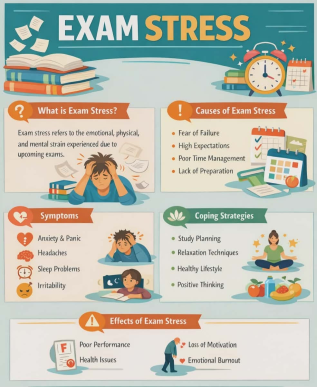
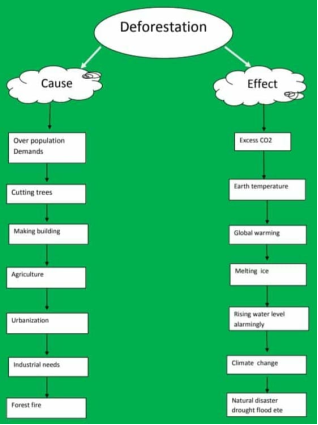
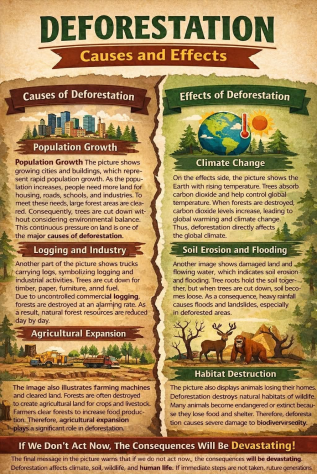
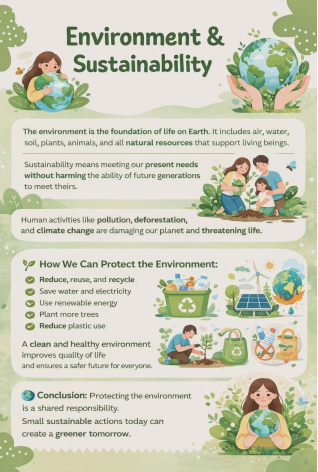

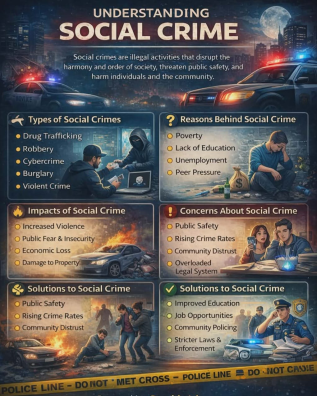




 Share This Article
 Twitter
 Linked In
 Facebook