Research Article | | Peer-Reviewed

Forest-related Knowledge and Transfer Strategies Among Forest-edge Communities in South-Eastern Sierra Leone

Received: 23 October 2026     Accepted: 4 November 2026     Published: 23 November 2026
Views:       Downloads:
Abstract

Forest-edge communities intrinsically depend on and relate to nearby forests in patterned ways, wherein forest-related knowledge matters because it is both a heritage and valuable asset for healthcare, livelihoods, and meeting wider community needs. Equally, how a forest is understood shapes how it is perceived, valued, and cared for. This study examined the forest-related knowledge and transfer strategies among forest-edge communities in South-eastern Sierra Leone, utilizing a mixed-methods design, incorporating both qualitative and quantitative strategies. Data were collected from adults/household heads, chiefdom/community leaders, and agency staff across the four districts. The study targeted 1,280 respondents (786 male and 494 female), who were interviewed through surveys, Focus Group Discussions (FGDs), and Key Informant Interviews (KIIs). Data were summarised as counts, percentages and words. A chi-square test of independence and logistic regression analyses were used to test the associations between respondent characteristics and outcomes. The study communities demonstrated significant knowledge of their forests, with both formal and informal strategies for knowledge transfer. For local knowledge transfer, the guidance of elders was found to be critical, as they encourage children to “learn by doing” (85.7%), storytelling and proverbs (70.6%), wider cultural practices (62.8), or formal awareness raising (17%). Communities enjoy diverse benefits like shade, food, income, building and craft material, medicinal plants, etc. Change in forest ecosystem was read from the forest itself, with the productivity of wild fruits, and the health and density of trees being the most widely used signs. While some practices by forest-edge communities may degrade forests, the irony for forest-related knowledge is that sustaining it is synonymous with sustaining forest-related practices. Therefore, environment-focused practitioners and institutions should urgently agree on common grounds for local forest-related knowledge and scientific knowledge to be harmonized to sustain the knowledge and ensure long-term forest management strategies.

Published in International Journal of Environmental Protection and Policy (Volume 14, Issue 6)
DOI 10.11648/j.ijepp.20261406.11
Page(s) 131-147
Creative Commons

This is an Open Access article, distributed under the terms of the Creative Commons Attribution 4.0 International License (http://creativecommons.org/licenses/by/4.0/), which permits unrestricted use, distribution and reproduction in any medium or format, provided the original work is properly cited.

Copyright

Copyright © The Author(s), 2026. Published by Science Publishing Group

Keywords

Forests, Forest-related Knowledge, Forest-edge Communities, Sacred Groves, Sierra Leone

1. Introduction
Natural resources provide the building blocks for human survival, and for forest resources, they shape the way of life and behavior of communities. For forest-edge communities, it is a way of life, that shapes people’s attitudes, and profoundly influences how forest resources are used. As Chanza noted, despite the seeming exploitative tendencies of some communities, forest-edge communities perceive forests as their “living relatives” deserving respect and protection, owing to the generous support forests provide to communities. Although the practices of forest-edge communities on forests are context- and place-specific, developing countries in Africa, Asia and Latin America have particularly exhibited attitudes that respect the earth as "mother," and studies justify the need for forests and other natural resources to be treated and utilized as such .
The involvement of women in forest resource protection is, however, particularly critical, as they form a significant part of forest resource exploiters. A study in Nigeria , for instance, revealed that 71.2% of rural women were involved in harvesting forest resources, including edible leaves, fruits, snails, and medicinal herbs, boosting their income generation potential. Apart from the harvesting of resources, the study further revealed that women play a crucial role in the management of forest resources, which in this sense speaks to the way knowledge is generated and transferred. A related study revealed that, comparably, men dominate forest management structures, but local women are active participants in all tiers of the co-management of forests. This generally points to the need for forest-related knowledge generation and transfer strategies to be cross-cutting, tailored to the needs of both men and women, as they are both active users and beneficiaries of forest resources.
This study examined the forest-related knowledge of forest-edge communities in South-Eastern Sierra Leone and the strategies they employ to transfer such knowledge across generations. The study, therefore, provides answers to the following research questions: How do forest-edge communities perceive and classify forests? What benefits do forest-edge communities derive from forests? How do forest-edge communities predict changes in forest ecosystems? How is forest-related knowledge transferred across generations?
Gauging the forest-related knowledge of forest-edge communities will pinpoint knowledge gaps across communities and serve as a learning experience to enhance knowledge levels for sustainable forest utilization and management. It will also guide the required strategies to safeguard forest-related knowledge and ensure its smooth preservation and transfer across generations.
1.1. Forest-related Knowledge and Forest-edge Community Dynamics
Forests are critical ecosystems supporting environmental, economic, and social systems of the global community. Globally, a profound spiritual and cultural relationship exists between forests and forest-edge communities, which shapes utilization, conservation attitudes and practices of communities. With the global community seeking solutions to the looming Climate Change consequences, forests are noted to provide cost-effective solutions for reducing the accumulation of greenhouse gases (especially CO2) in the atmosphere . The sustained provision of these support systems largely depends on the sustainability of forests, which in turn depends on community knowledge, practices, and protection systems. Through forest-related knowledge, local communities are able to read seasons, flora and fauna, soil and water systems, and sacred places with agreed rules for sustenance and protection .
While some studies often focus on the negative practices that perpetuate forest degradation, some case studies have revealed community beliefs and cultural practices can translate into conservation practices through the establishment of sacred groves, sustained through traditional values, rituals, and taboos , with significant biodiversity value . Because of their critical indigenous knowledge of the local environment, active participation by forest-edge communities in forest-related decision-making and management will help develop and implement effective management strategies . Where conservation efforts and resource use are aligned with local cultures, traditions, and beliefs, communities across Africa have exhibited willingness to support forest conservation .
In the Global South, the co-production and transfer of forest-related knowledge on governance and conservation are common among local communities . Generally, the actors and interests regarding forest-related knowledge are diverse. Hence, what gets shared and the effects depend on prevailing social and institutional conditions . In West Africa, generally, and Sierra Leone, in particular, the wider belief is that forest loss is rapid, drastic and recent, although this conflicting narrative is partly a matter of definitional diversity . While perceptions about forests vary, safeguarding forest-related knowledge is crucial, as such knowledge is easily lost when land (forest) access, social ties between communities and forests, and intergenerational learning systems are not sustained. This change is particularly pronounced in places with rapid links to outside markets and development, increasing stresses that threaten cultural diversity .
The dependence of forest-edge communities on forests has been noted by many studies , as well as how their traditional knowledge of the diverse uses of the forest is transferred over generations . Although strategies for transferring and safeguarding forest-related knowledge vary, such knowledge is generally gained through direct involvement with forests, such as gathering, hunting, fishing, and participation in traditional rights . While knowledge remains contextual, the greatest risk of forest-related knowledge degradation happens where culture and livelihood systems and forest use practices are neglected, risking useful information for community practices and conservation . Sustaining forest-related knowledge is, therefore, synonymous with sustaining activities and practices through which communities gain forest-related knowledge.
While the diversity in local knowledge of forest ecosystems provides a basis for future conservation strategies , pressures such as changes in belief systems, shifts in livelihoods, modernization, climate change, and resulting disruptions in social-ecological systems increase risks to safeguarding forest-related knowledge . Hence, the need to recognize and respect local cultures, knowledge and livelihood systems is critical because the long-term local rootedness and interaction between communities and forests strengthen their knowledge to identify indicators, drivers, and consequences of forest loss . Generally, community participation as co-managers ensures a functioning forest and that the knowledge intrinsic to communities is protected over generations . It is equally vital for strategies to ensure forest protection measures do not marginalize local communities, erode their cultural systems, impinge on community rights, access, livelihoods, and cultural heritage .
A historical account of forest protection in Sierra Leone, especially for sacred groves, is documented by refence , highlighting their relevance in sustaining local livelihoods and safeguarding local knowledge. Studies in Sierra Leone have equally noted long-standing strategies for forest-related knowledge transfer, enshrined in community practices, norms, and traditions, and in external agencies and conservation policies . Such diverse traditional knowledge, like observations of species behavior, seasonal changes, soils and resource availability, is crucial but often neglected by formal scientific assessments .
The relevance of indigenous forest-related knowledge in Sierra Leone’s healthcare has been particularly documented by and . Hence, as customary traditions weaken, forest loss intensifies, and older knowledge-holders are lost, there is a potential for medicinal plant knowledge to disappear, pointing to the urgent need to safeguard such knowledge . For forest-edge communities, this matters because knowledge is viewed both as a heritage and as a valuable asset for healthcare, livelihoods, and wider community needs .
1.2. Forest Knowledge Types and Transfer Directions
Forest-related knowledge varies, and the direction of transfer is not unidirectional. For forest-edge communities, forest-related knowledge is usually in two main forms: local ecological knowledge and scientific knowledge. In many ways, forest-edge communities thrive in multiple knowledge systems—with local, indigenous, state, NGO, and scientific knowledge—and such dynamics transcend the existence of knowledge; understanding how it is shared, adapted, and utilized in practice matters . What constitutes scientific knowledge also varies, but for scientific knowledge like that derived from remote sensing, it is common for technical variations of concepts to be accepted, while ignoring ontological or conceptual variations . In this conceptualization, forest and land cover information generation and transfer largely hinges on those who decide and define what the features of interest in datasets are, and why . For land cover, knowledge development strategies should be mindful of assumptions and meanings of the information recorded and classified .
The mismatch in understanding geographical data between producers and users has also been documented. This varied perception exists even among users of land cover information from producers, in the process, mis-conceptualization of the meaning and value is apparent . As noted inter alia , the conceptualization of the world is largely based on available information, which further determines how geographical data are mapped. Even for land cover data, perceptions across stakeholders and agencies vary based on their social constructs and contexts.
Traditional ecological knowledge emerges from a cumulative body of knowledge, practices, and beliefs that communities develop through long-term experience and primarily transfer across generations through informal cultural practices . Such local knowledge includes values, norms, beliefs, views of ecosystem functions and benefits, and constraints shaping how forests are utilized and protected .
While strategies employed in traditional knowledge and scientific knowledge vary, the two knowledge systems, however, complement each other. In Sierra Leone, reference noted how strategies for traditional forest-related knowledge unearth critical knowledge often neglected by formal scientific assessments. For forest management, traditional knowledge systems and practices are noted to enhance sustainable management, maintain ecological integrity, and meet community needs . Evidences from the Democratic Republic of Congo and Ethiopia have found that traditional ecological knowledge transfer happens informally, oraly, embedded in customary institutions, transmitted through family councils, traditional ceremonies or rituals, songs and riddles.
While intra-community knowledge transfer is widely noted, the role of inter-community interaction and knowledge transfer is equally noteworthy. In this regard, such exchanges provide communities the opportunity to learn from others with similar forest, livelihood, and governance conditions and practices . To ensure sustainability, unidirectional knowledge transfer has no place in forest-related knowledge transfer, as bilateral, or multilateral pathways have proven to be valid and necessary for sustainable management of resources . While diverse strategies are employed to transfer knowledge within and between communities, effective transfer of forest-related knowledge is, however, best achieved when social ties between the population in question are stronger. Hence, sustaining ties, trust, shared goals, and culture expedite knowledge transfer, especially where collaborative efforts are sustained between communities and external actors .
In Sierra Leone, active community involvement in forest management is an effective approach to reduce forest loss and improve rural communities’ welfare, as it builds local control, ownership and long-term stewardship . In effect, this proves vital for knowledge transfer as it empowers communities to manage forest resources and build knowledge useful in day-to-day decisions regarding access, protection, and restoration .
While traditional knowledge generation and transfer matters, reference have noted forest-related knowledge to be age- and gender specific. Hence, knowledge of certain practices is mainly transferred by elders (e.g., herbal medicine knowledge), or by secret societies, which are often exclusive to men or women. Where effective community participation is encouraged, studies have noted the flexible nature of forest-edge communities in Sierra Leone to accommodate hybrid knowledge systems, where traditional knowledge remains central, but is linked with structured monitoring, sanctuary management, and external technical support . Despite the relevance of local knowledge transfer, it is, however, not always straightforward. A study by in Liberia, for instance found a clear gender differentiation and specialization in the use of medicinal plants for the treatment of illnesses. However, women herbalists were more open and willing to sharing their expert knowledge.
While numerous studies have been done targeting forest-edge communities, the focus and extent have been diverse. Some have focused on knowledge and utilization of wild edible plants , others have examined medicinal and wild edible plants , or medicinal plant use . Studies that have generally gauged the knowledge of forest-edge communities about their forests, especially how forest-related knowledge is transferred in Sierra Leone, are uncommon. We, therefore, aimed to bridge such a knowledge gap, especially among forest-edge communities in South-eastern Sierra Leone.
2. Materials and Methods
A detailed methodology of this study was given in a related study by reference .
2.1. Study Area/Setting
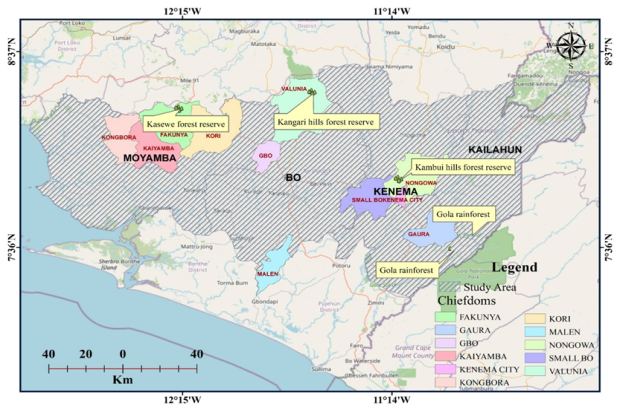
Figure 1. Location of Chiefdoms containing “forest edge” communities in Southern and Eastern regions of Sierra Leone.
This study was conducted in selected forest-edge communities in four districts in the southern and eastern regions of Sierra Leone. The Southern Region districts were Bo and Moyamba, while the Eastern Region districts were Kenema and Kailahun. In each district, a reserved forest and its immediate communities were selected for the study. The study-location map is presented in Figure 1.
The topography of the study districts is characterised by a mix of rolling hills, valleys, and lowlands, but three forest reserves (Kawase, Kangari, Kabui) are on prominante and very steep sides hills. Elevation varies, with some areas rising significantly above sea level and providing a variety of microclimates that support different types of vegetation and agricultural activities. Between 1981 and 2018, reported the four districts to have recorded very high mean annual rainfall of 2,766 mm (Moyamba), 2,574 mm (Bo), 2,540 mm (Kenema), and 2,338 mm (Kailahun). The climate of the four districts is generally characterised by distinct dry and rainy seasons. The favourable seasonal rains, together with the warm weather, support the growth of forests and the cultivation of both tree crops and other crops that form a critical part of the local diet. Despite their significant forest landscapes, the study communities, and by extension the districts, are not entirely forested. Hence, the forest landscapes in the study districts contain a rich diversity of flora and fauna, including various species of trees, shrubs, and grasses that provide resources for community livelihoods.
2.2. Socio-economic Environment
According to , the study communities across the four districts had a total population of 22,609, comprising 11,419 males and 11,196 females. Projections based on population growth rates, however, indicated that by 2025 the study communities had a total population of 24,878, comprising 12,565 males and 12,313 females. Although the communities host other ethnic groups, such as Temne, Fullah, and Kissi, the Mende are predominant . The study communities are largely characterised by two main religions: Islam and Christianity. The economic activities in the study communities are diverse, ranging from formal to informal activities. This is largely due to the nature of the communities, which range from urban and peri-urban to rural. In peri-urban and rural communities, agricultural activities constitute the majority of livelihood activities . Mining, petty trading (in both food and non-food items), construction, and motorbike taxi riding are other notable economic activities widely practised across the four districts.
2.3. Study Design
This study employed a mixed-methods design that combined quantitative and qualitative strategies and approaches . The use of both strategies provided the researchers with an opportunity to understand the complex realities of the research problems more fully because mixed methods can provide rigorous and deeper interpretations of research outcomes . The design is considered more effective than using a single strategy in conducting research . This study was designed to collect data through surveys, key informant interviews, and focus group discussions to gauge respondents’ knowledge about their forests and strategies employed for forest-related knowledge transfer.
2.4. Field Research Instruments
Various research instruments were used according to the type of data collected. Generally, a semi-structured questionnaire was the main instrument for the quantitative component of the study. The questions were structured around the key focus of the study and inputted into KOBO Collect software installed on Android phones used by the enumerators during the survey. Interview guides were equally developed for the Key Informant Interviews (KIIs) and Focus Group Discussions (FGDs). For both qualitative and quantitative data collection, mobile phones (e.g., Tecno PAVO Neo) were used to run the KoboCollect software, record interviews, and take photographs, while pens and field notebooks were used to record observations and personal discussions.
2.5. Sampling and Sample Size
The study targeted diverse groups of people; hence, various sampling methods were utilised based on the availability of secondary data and ease of access to the study population. First, purposive sampling was used to identify the targeted forests, particularly public inland forests that provide livelihood opportunities for surrounding communities. A stratified sampling procedure was then used to categorise the various groups of people to be interviewed. The strata into which the study population was categorised included staff of environment- and livelihood-related agencies, environmental officers of district councils, paramount chiefs and community leaders, and adults/heads of households. Depending on ease of access to the identified categories and the possibility of obtaining a representative sample, simple random and accidental sampling were utilised to select respondents. Simple random sampling was conducted by lottery, with respondents/characteristics placed in a sack, rigorously shaken, and selected one at a time until the required number of respondents was achieved. Accidental sampling was also used to reach authorities and agency officials whose duties normally involve frequent movement.
The sampling frame comprised a total of 16,231 individuals, including 16,171 adults/household heads, 4 environmental officers of district councils, 11 paramount chiefs/representatives, 25 headmen/chiefs, and 20 staff of environment- or livelihood-related agencies. The survey sample size was calculated from the 16,171 adults/household heads using the reference formula, which was employed because of its suitability for calculating sample sizes when the target population is known .
n=N1+Ne2
where n is the sample size to be determined, N is the total number in the sampling frame (16, 171), and e is the margin of error at the 95% confidence level. Based on this calculation, a sample size of 391 adults/household heads was obtained. However, because of the large area covered by the research and to improve the representativeness and precision of the data, a total of 1,103 respondents were interviewed in the survey through face-to-face interviews. In addition, 13 FGDs were conducted, totalling 149 participants, while the Key Informant Interviews targeted 3 environmental officers of district councils, 4 paramount chiefs/representatives, 16 headmen/town chiefs/chairladies, and 5 staff of environment- or livelihood-related agencies. Overall, the study targeted 1,280 respondents across the survey, KIIs, and FGDs.
2.6. Data Collection and Analysis
2.6.1. Quantitative Data Collection
The quantitative data were collected using semi-structured questionnaires covering the thematic areas of the study. The survey questionnaire was designed in KoBoToolbox and administered through KoBoCollect installed on Android phones (e.g., Tecno PAVO Neo) used by the enumerators during face-to-face interviews.
2.6.2. Qualitative Data Collection
For the qualitative data, Key Informant Interviews (KIIs) and Focus Group Discussions (FGDs) were conducted using interview guides related to the study themes. Android mobile phones (e.g., Tecno PAVO Neo) were also used to record interviews and take photographs, while pens and field notebooks were used to record observations and personal discussions. The consent of all participants was sought before recording, and the purpose of the study was clearly explained to them.
2.6.3. Quantitative Data Analysis
Data management, statistical testing, and graphics were carried out in the R programming environment. A set of well-established R packages supported the work: the tidyverse family for data handling and charting, janitor for cleaning, gtsummary and flextable for formatted tables, MASS for ordinal regression, psych for scale reliability, and car and broom for model checking and tidy model output. A fixed random seed was set so that the results could be reproduced exactly. Categorical data were summarised using counts and percentages, while questions with a large number of response options allowed respondents to choose more than one answer (‘tick all that apply’). For these questions, the percentages reported included all respondents who endorsed each option. A chi-square test of independence was used to test the association between respondent characteristics and outcomes. Where some expected cell counts were small, Fisher’s exact test was applied instead. The strength of each association, rather than merely whether it was statistically significant, was measured using Cramér’s V, for which larger values indicate a stronger relationship.
Each objective was anchored by a model that considered all predictors together, so that the influence of one characteristic was estimated while the others were held constant. Binary (yes/no) outcomes were modelled using binary logistic regression, and ordered outcomes, such as graded levels of concern, were modelled using ordinal proportional-odds logistic regression. Results were reported as adjusted odds ratios (ORs) with 95 per cent confidence intervals (CIs): a value above 1 means that the characteristic raises the odds of the outcome, while a value below 1 means that it lowers them. The overall fit of the logistic models was summarized using McFadden’s pseudo-R².
2.6.4. Qualitative Data Analysis
The qualitative data were analysed textually. Data collected from focus group discussions or key informant interviews through audio recordings were transcribed into English and summarised by theme. Data from personal discussions or field observations were recorded in field notebooks and later used in the discussion to triangulate, support, or contrast the quantitative results.
In this study, informed consent was obtained from respondents during this study. Equally, respondents’ participation in the research was entirely voluntary, and they had the right to withdraw from the exercise or choose not to answer question(s) at any time during the interview or discussion. This study maintained and observed the ethical principles of informed consent, confidentiality, anonymity, the do no harm principle, and respect.
3. Results
3.1. Definition of "Forest" in Southern and Eastern Districts
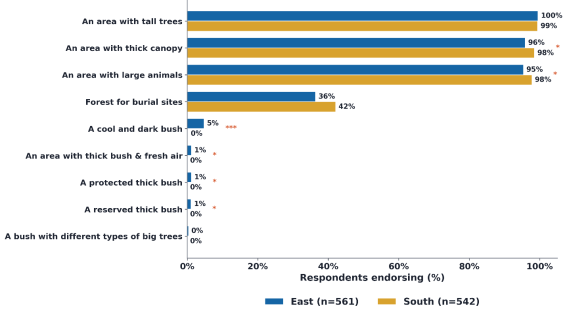
Figure 2. Definition of "forest" in Southern and Eastern Districts.
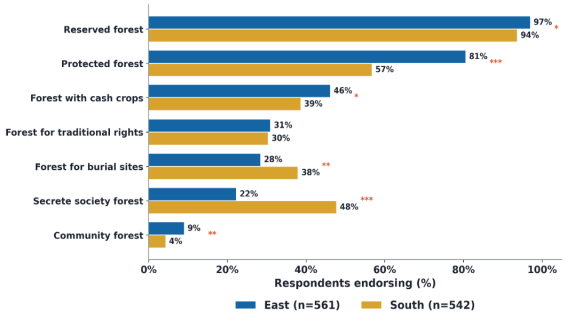
Table 1. Forest types by region.

Definition of a forest

East n

East %

South n

South %

Diff (pp)

p

Sig

An area with tall trees

558

99.5

539

99.4

0.0

1.000

ns

An area with thick canopy

538

95.9

534

98.5

-2.6

0.0141

*

An area with large animals

535

95.4

530

97.8

-2.4

0.0415

*

Forest for burial sites

204

36.4

228

42.1

-5.7

0.0604

ns

A cool and dark bush

27

4.8

1

0.2

4.6

<0.001

***

An area with thick bush and fresh air

7

1.2

0

0.0

1.2

0.0258

*

A protected thick bush

7

1.2

0

0.0

1.2

0.0258

*

A reserved thick bush

6

1.1

0

0.0

1.1

0.0450

*

A bush with different types of big trees

2

0.4

0

0.0

0.4

0.4943

ns

Chi-square test of region × endorsement for each item. “Diff” = East % minus South %.
*** p<0.001, ** p<0.01, * p<0.05, ns = not significant.
Understanding how forest-edge communities define and classify forests is vital for assessing their knowledge of what they consider a forest, and for gauging how they relate to and exploit forest ecosystems. Figure 2 and Table 1 present, respectively, the distribution and the Chi-squared results of how forests are defined in the two study regions. Respondents drew on both ecological indicators, such as canopy, tall trees, and wildlife, and cultural categories, such as secret-society forests, sacred and burial groves, and traditional-rights forests, when defining and naming forests. Almost everyone in both regions described a forest in basic ecological terms: an area with tall trees (about 99% in each District), and large majorities also named thick canopy and large animals. These last two were slightly more common in the South, and although the gaps are small, they are statistically significant. The more descriptive definitions were rare but revealing: calling a forest “a cool and dark bush” was reported almost only in the East (4.8% against 0.2%, p<0.001). Cultural or sacred classification was somewhat more common in the South (56%) than in the East (46%).
3.2. How Respondents Name the Various Forest Types in Their Communities
Figure 3. How communities classify forest types in the two regions (East vs South).
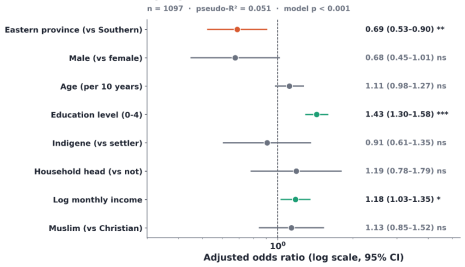
Table 2. Forest types by region.

Named forest type

East n

East %

South n

South %

Diff (pp)

p

Sig

Reserved forest

544

97.0

508

93.7

3.2

0.0155

*

Protected forest

452

80.6

308

56.8

23.7

<0.001

***

Forest with cash crops

259

46.2

210

38.7

7.4

0.0150

*

Forest for traditional rights

174

31.0

165

30.4

0.6

0.8879

ns

Forest for burial sites

160

28.5

206

38.0

-9.5

0.0010

**

Secret-society forests

125

22.3

259

47.8

-25.5

<0.001

***

Community forest

51

9.1

24

4.4

4.7

0.0031

**

Chi-square test of region × endorsement for each item. *** p<0.001, ** p<0.01, * p<0.05, ns = not significant.
Figure 3 and Table 2 present the distribution and Chi-squared results of the forest types named in the two regions. Beyond the ecological and cultural features, forest-edge communities are able to classify forests by extent, function, and ownership. These names matter, because they signal how communities recognize the governance and authority that control access to and use of forest resources. Clear regional differences emerged in the forest types people named. Reserved and protected forests were recognized by most respondents, but protected forests were far more familiar in the East (80.6% against 56.8%, p<0.001). The sharpest contrast was for secret-society forests, named more than twice as often in the South (47.8% against 22.3%, p<0.001), while burial-site forests were also more common in the South.
3.3. Binary Logistic Regression: Cultural/Sacred Classification of Forests
Figure 4. Adjusted predictors of forest classification.
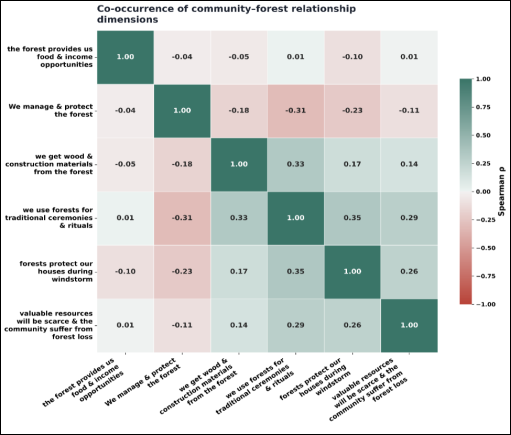
Table 3. Binary logistic regression - classification of sacred forest.

Variable

OR

95% CI (lower)

95% CI (upper)

p

Sig

Eastern province (vs Southern)

0.688

0.525

0.903

0.007

**

Male (vs female)

0.676

0.451

1.015

0.059

ns

Age (per 10 years)

1.114

0.981

1.266

0.097

ns

Education level (0–4)

1.432

1.295

1.584

<0.001

***

Indigene (vs settler)

0.907

0.608

1.353

0.632

ns

Household head (vs not)

1.186

0.784

1.794

0.418

ns

Log monthly income

1.179

1.032

1.346

0.015

*

Muslim (vs Christian)

1.135

0.845

1.523

0.401

ns

OR > 1 raises the odds of cultural/sacred classification; OR < 1 lowers it. Model pseudo-R² = 0.05.
*** p<0.001, ** p<0.01, * p<0.05, ns = not significant.
To understand what drives the classification of forests by forest-edge communities, a binary logistic regression was run in which key respondent characteristics were examined. The results are presented in Figure 4 and Table 3. Holding background characteristics constant, two findings stood out. Education was the strongest predictor of classifying forests in cultural or sacred terms, with each step up the education ladder raising the odds substantially (OR = 1.43, p<0.001), and higher income was a modest but significant predictor (OR = 1.18, p<0.05).
3.4. The Main Benefits Communities Derive From Their Forests
Table 4. Perceived benefits of community forests.

Benefits

n

Percent

Provides shade

942

85.4

Provides food and income

926

84.0

Reduces erosion and maintains soil fertility

660

59.8

Provides medicinal plants

511

46.3

Provides wood for construction, furniture and energy

488

44.2

Serves as sacred places for traditional practices and ceremonies

310

28.1

Serves as homes for many plants and animals

268

24.3

Provides scholarship opportunities and income

7

0.6

Provides safe drinking water

3

0.3

Percentages exceed 100 because respondents could select several benefits.
Forest-edge communities maintain an intrinsic relationship with nearby forests, though the extent and nature of the benefits they enjoy vary from place to place. Table 4 presents the multiple benefits communities enjoy from their forests. Communities described the forest mainly in practical, everyday terms. The most widely recognized benefits were shade (85.4%) and food and income (84.0%), followed by the forest's role in reducing erosion and maintaining soil fertility (59.8%). Medicinal plants (46.3%) and wood for construction and energy (44.2%) were also commonly named, while cultural and ecological values such as sacred or ceremonial use (28.1%) and the forest as a home for plants and animals (24.3%) were mentioned less often.
3.5. The Relationship Existing Between Forest-edge Communities and Forests
Figure 5. Co-occurrence (correlation) between community-forest relationships.
Forest-edge communities depend intrinsically on nearby forests, and the ways they relate to those forests tend to occur together in patterned ways. Figure 5 presents the co-occurrence of the different relationship dimensions. The study revealed that cultural and protective relationships tend to cluster. Using forests for traditional ceremonies was positively associated with drawing wood and construction materials (ρ = 0.33) and with the belief that forests shield houses during storms (ρ = 0.35).
3.6. How Communities Predict or Detect Changes in Forest Ecosystems
Table 5. Method of detecting forest ecosystem change.

Sign used to detect change

East n

East %

South n

South %

Diff (pp)

p

Sig

Monitor the productivity of wild fruits

425

75.8

413

76.2

-0.4

0.9194

ns

Monitor the health and density of trees

339

60.4

368

67.9

-7.5

0.0117

*

Monitor water-level changes in nearby wetlands

316

56.3

238

43.9

12.4

<0.001

***

Observe availability of certain animals

269

48.0

281

51.8

-3.9

0.2175

ns

Observe soil colour and moisture

239

42.6

330

60.9

-18.3

<0.001

***

Level of forest protection

10

1.8

0

0.0

1.8

<0.001

***

Loss of forest thickness

5

0.9

2

0.4

0.5

0.033

*

Loss of natural resources

2

0.4

0

0.0

0.4

<0.001

***

Chi-square test of region × endorsement for each item. *** p<0.001, ** p<0.01, * p<0.05, ns = not significant.
Due to their direct dependence and interaction with their nearby forests, communities tend to be observant of changes to the forest ecosystems and resources. Results on how respondents predict or detect changes in their forests, and a Chi-squared test run across the two regions, are presented in Table 5. Communities in both regions read ecosystem change mainly from the forest itself, with the productivity of wild fruits and the health and density of trees being the most widely used signs. The regional differences lie in the secondary cues: Eastern respondents were more likely to watch water levels in nearby wetlands (56.3% against 43.9%, p<0.001), whereas Southern respondents leaned more on soil colour and moisture (60.9% against 42.6%, p<0.001).
3.7. How Communities Transfer Forest-related Knowledge Across Generations
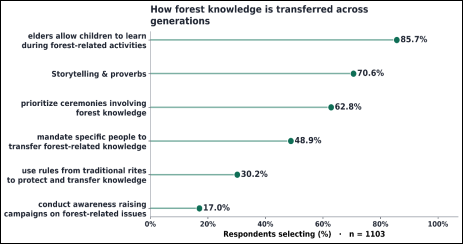
Figure 6. How forest-related knowledge is transferred across generations.

The sustainability of forests depends in part on the knowledge and practices of nearby communities, and passing that knowledge on requires deliberate systems and strategies. Figure 6 presents how forest-related knowledge is transferred across generations in the study communities. The results point to planned, structured arrangements for passing on forest knowledge. Elders with long-term experience play a central role in guiding and allowing children to learn about forests during forest-related rituals (85.7%), through storytelling and proverbs (70.6%), and by prioritizing ceremonies in which forest knowledge is transferred (62.8%). A smaller share mandated specific people to carry out this transfer (48.9%), while relatively few communities reported awareness-raising campaigns on forest issues (17.0%).
4. Discussions
This study highlights the dynamic and complex nature of forest-related knowledge generation and transfer strategies in South-eastern Sierra Leone. As presented in Figure 2 and Table 1, the two provinces do share a common core understanding of what a forest is and differ only at the margins. These patterns confirm what the literature leads one to expect. Indigenous knowledge is, by definition, generated through long interaction with a particular territory and encoded in shared systems of classification , and note that sustained contact with ecosystems allows communities to build detailed classification systems for flora and fauna. The blending of ecological and cultural categories seen here reflects the sophisticated traditional ecological knowledge systems that reference describe, in which practical resource classification sits alongside spiritual and cultural meanings such as sacred forests and groves. The stronger cultural framing in the South also fits the comparative evidence that sacred groves and culturally protected forests are a well-established feature of forest classification in many regions . This classification matters because how a forest is understood shapes how it is perceived, valued, and cared for.
This classification is consistent even among other community members and staff of protection agencies during Key Informant Interviews (KII) and Focus Group Discussions (FGD). A community leader in Lalehun Gola, Kenema District viewed “a forest as a dense area with big trees, wild animals, provides shade/thick old bush”; while a community leader in Takpoima, Kailahun District viewed it as “a protected/reserved place full of shades, wild animals, tall trees”. A community leader in Moyambawo Fakunya, Moyamba District, viewed “a forest as a place with wild animals, big trees, and contains many plantations and fruits”. During a FGD of female members in Kambuiwabu, Kenema District, the most prominent responses were that a forest is “a place with big trees/old bush, wild animals, sacred place, and provides shade”. These local definitions and classification of forests generally imply communities’ judgement of their locality hinges on their everyday interactions and observations of their surrounding ecosystems.
The patterns presented in Figure 3 and Table 2 suggest that cultural and sacred forest categories are more prominent in the Southern province, whereas formal protection categories are more familiar in the East . The eastern pattern probably reflects the strict protection systems of the Gola Rainforest, while communities in the South were found to hold a number of areas designated specifically for traditional and cultural practices, such as forests for burial sites (38.0%) and secret-society forests (47.8%). The prominence of secret-society and burial forests in the South is consistent with the wider literature on cultural landscapes, in which community beliefs and practices are expressed through sacred forests and groves that are sustained by traditional values, rituals, and taboos , and in which trees in sacred forests are maintained and protected for ritual purposes . The stronger recognition of formal categories in the East, by contrast, illustrates how an externally enforced protection regime such as the Gola Rainforest Conservation programme becomes embedded in the way nearby communities name and understand their forests.
Figure 4 and Table 3 indicate regional gap held in the adjusted model, with Eastern respondents significantly less likely than Southern ones to use cultural or sacred classifications (OR = 0.69, p<0.01). The model explained only a small share of the variation (pseudo-R² = 0.05), so while these are real influences, they are partial ones. The education effect is consistent with reference , who reported that education shapes conservation-related knowledge, attitudes, and perceptions in forest-edge communities. It is worth noting, however, that education associated with more cultural and sacred framing, runs against a simple reading of , who described a decline in traditional forest knowledge among younger, and often more schooled Africans. One way to reconcile the two is that formal education may sharpen people's ability to articulate and label cultural categories even where the depth of inherited practice is thinning, a distinction the present cross-sectional model cannot fully resolve.
Results in Table 4 suggests that provisioning and protective services are more front-of-mind for these communities than biodiversity or heritage values. The pattern matches the wider literature on the goods and services forests provide to nearby communities, which spans shade, food, income, soil stabilization, energy, medicines, and construction materials . In the four-part framing used by , respondents leaned heavily towards provisioning and regulating services and gave less prominence to cultural and supporting ones. The strong showing of medicinal plants is notable and consistent with reference , who found that almost all respondents in their Sierra Leonean study relied on medicinal plants for treating common ailments, and with , who described herbal medicine as central to the customs of forest-edge communities. The limited number who reported forests provide safe drinking water (0.3%) does not in any way imply it is less important. The data collection period (done during the rainy season- in August- when there was abundant water) may have swayed respondents to prioritize other benefits derived from the forests. That everyday provisioning services dominate perception, while heritage and biodiversity values are named less often, is itself an important signal for how communities are likely to weigh protection against use.
In Figure 5, seeing oneself as an active manager and protector of the forest, by contrast, sat slightly apart from these everyday uses. The clustering of ritual, material, and protective ties support the view, expressed by , that forest-edge communities regard forests as “living relatives” deserving respect and protection, and it reflects the way traditional ecological knowledge in these settings binds practical resource use to spiritual and cultural meaning .
Results in Table 5 imply people everywhere monitor the same forest but read somewhat different indicators of its health. This capacity to notice and interpret change is exactly what the literature attributes to communities in long contact with their ecosystems. Reference describe how sustained interaction lets communities track ecological change over time, and further argued that this ability to observe and recognize changing patterns effectively preceded modern conservation movements. The detailed, indicator-based monitoring reported here confirms that forest-edge communities in South-eastern Sierra Leone are knowledgeable observers of their environment, a knowledge base that is valuable both for forest health and for the livelihoods that depend on it.
Results in Figure 6 show that the communities value the sustainability of both forest knowledge and forest resources. This reliance on oral, ceremonial, and story-based transmission is precisely what the literature describes. Indigenous knowledge among forest-edge communities is transmitted orally through storytelling, myths, songs, cultural events, and local classification systems, while modern management systems lean on digital platforms . The very low uptake of awareness campaigns here mirrors that contrast, and the thinness of such modern channels lends weight to the concern raised by about the gradual erosion of traditional forest knowledge among younger generations, particularly where inherited and modern modes of transfer are not bridged. The findings are equally consistent with KII done across the study communities. A community leader in Lalehun Gola said, “we sit them down and explain to them the importance of forest, educating them about the advantages of having a forest”; while a community leader in Takpoima, Kailahun District, pointed out that “we usually explain the history of the forest and educate the children on the importance of the forest”. A female community member in Kambuiwabu, Kenema District revealed: “we transfer forest-related knowledge through storytelling and explanations about the forest to children”.
A more comprehensive explanation was provided by a local authority in Ngodama Ndowehun, Moyamba District, who reported that “we have many activities and practices for transferring forest-related knowledge to our children. We educate the children about the historical background and importance of the forest, and involve them when pouring libations to the ancestors in the forest before the start of every farming season. That is a practice that we met our forefathers practicing and we have since maintained it. During that occasion, we go into the caves of the forest and perform rituals. The knowledge about the forest is, however, transferred by age and by the level of responsibility and leadership qualities we identify in our children. Apart from the knowledge we transfer from general community rituals, knowledge about the forest is also transferred by gender- men provide forest-related knowledge to men, and women do the same to young girls and other women through their secret societies.
While local knowledge transfer is apparent, forest-related knowledge is equally transferred using formal structures. A Forest Ranger at Taiama (along the Gola Rain Forest) in Malema chiefdom, Kailahun District, revealed, “We educate the children about the relevance of the forest, the existing formal laws against the illegal activities in the forest.”
Future research should focus on the use of modern information and communication technology (ICT) in safeguarding forest-related knowledge among forest-edge communities. Equally, a comparative study gauging the knowledge transfer strategies between inland forest-edge communities and coastal (mangrove) communities is vital to understand the diversity in strategies between the two ecosystems. In addition, a nationwide study gauging the knowledge of communities across all forest types is vital to ensure a comprehensive national account of knowledge types and transfer strategies across
5. Conclusion
This study examined the forest-related knowledge and transfer strategies among forest-edge communities in South-eastern Sierra Leone. We established that the targeted forest-edge communities have demonstrated significant knowledge of their forests, in terms of types and complexity. While informal forest knowledge transfer prevails in the study communities, scientific and formal knowledge transfer strategies are equally vital. Hence, sustaining forest-related knowledge and transfer among forest-edge communities would be contingent on a dual approach- the recognition and protection of local knowledge, and the use of scientific knowledge to advance and sustain knowledge generation and transfer mechanisms. Such strategies should be context-specific if they aim to enhance effectiveness among forest-edge communities in knowledge generation, transfer, and wider forest management.
Abbreviations

FGDs

Focus Group Discussions

KIIs

Key Informant Interviews

NGO

Non-Governmental Organization

Acknowledgments
The authors express immense thanks and appreciation to the study communities and all participants for their time and contribution during the research process. The authors also express gratitude to the anonymous editors and reviewers, as their comments and suggestions would shape and improve the quality of this work. The contribution and input of all authors are equally acknowledged.
Author Contributions
Alpha Sesay: Conceptualization, Data curation, Formal Analysis, Investigation, Methodology, Resources, Writing – original draft, Writing – review & editing
Victor Tamba Simbay Kabba: Supervision, Writing – review & editing
Aiah Lebbie: Supervision, Writing – review & editing
Richard Allen Wadsworth: Supervision, Writing – review & editing
Data Availability Statement
The data for this study are available to the corresponding author upon a special and reasonable request
Conflicts of Interest
The authors declare no conflicts of interest.
References
[1] Chanza, N., & Musakwa, W. (2021). “Trees are our relatives”: local perceptions on forestry resources and implications for climate change mitigation. Sustainability, 13(11), 5885.
[2] Ayaa, D. D., & Waswa, F. (2016). Role of indigenous knowledge systems in the conservation of the bio-physical environment among the Teso community in Busia County, Kenya. African Journal of Environmental Science and Technology, 10(12), 467–475.
[3] Egbe, A. R., Ebu, V. T., & Ekpoto, D. F. (2022). Indigenous Knowledge of Rural Women in Forest Resources Utilization and Conservation in Agoi-Ibami and Agoi-Ekpo, Yakurr Local Government Area, Cross River State, Nigeria. Riscuri Şi Catastrofe, 30(1).
[4] Begum, F., de Bruyn, L. L., Kristiansen, P., & Islam, M. A. (2022). Forest co-management in the Sundarban mangrove forest: Impacts of women's participation on their livelihoods and sustainable forest resource conservation. Environmental Development, 43, 100731.
[5] Di Sacco, A., Hardwick, K. A., Blakesley, D., Brancalion, P. H., Breman, E., Cecilio Rebola, L.,... & Antonelli, A. (2021). Ten golden rules for reforestation to optimize carbon sequestration, biodiversity recovery and livelihood benefits. Global Change Biology, 27(7), 1328-1348.
[6] Cao, Y., Li, R., Zhou, S., Song, L., Quan, R., & Hu, H. (2020). Ethnobotanical study on wild edible plants used by three trans-boundary ethnic groups in Jiangcheng County, Pu’er, Southwest China. Journal of Ethnobiology and Ethnomedicine, 16(1), 66.
[7] Sesay, A., Kabba, V. T. S., Lebbie, A. R., & Wadsworth, R. A. (2026). Drivers and Impacts of Forest Loss in Forest-edge Communities: Evidence from Southern and Eastern Sierra Leone. Current Journal of Applied Science and Technology, 45(10), 208–224.
[8] Adeyemi, A. A & Oyinloye. T. H. (2020). Effectiveness of Alternative Conservation Means in Protecting the Osun-osogbo Sacred Grove in South-West, Nigeria. Plant. Vol. 8, No. 1, 2020, pp. 1-9.
[9] Lebbie, A. R. and Guries, R. P., (1995). Ethnobotanical value and conservation of sacred groves of the Kpaa Mende in Sierra Leone. Economic botany, 49(3), pp.297-308.
[10] Ahmad, S., Xu, H., & Ekanayake, E. M. B. P. (2024). Impact of community-based forest restoration on stand structural attributes, aboveground biomass and carbon stock compared to state-managed forests in tropical ecosystems of Sri Lanka. PeerJ, 12, e18176.
[11] Andong, S., Dupuits, E., Enriquez, D., Melchiade, L., Ongolo, S., & Robles, Á. S. (2025). Unshaping Model Forests in the Global South: Trans-local Politics and Community Forestry Knowledge Circulation in Ecuador and Cameroon. International Journal of the Commons, 19(1), 138-157.
[12] Agrawal, A., & Gibson, C. C. (1999). Enchantment and disenchantment: the role of community in natural resource conservation. World development, 27(4), 629-649.
[13] Jackson, E. A. (2018). Political economy of forest ecology in Sierra Leone: a focus on the Western area peninsular Forest (WAPFoR). Postmodern Openings, 9(1), 63-90.
[14] Wadsworth, R. A., & Lebbie, A. R. (2019). What happened to the forests of Sierra Leone? Land, 8(5), 80.
[15] Jordan, C. A., Urquhart, G. R., & Kramer, D. B. (2013). On using mental model interviews to improve camera trapping: adapting research to Costeño Environmental Knowledge. Conservation and Society, 11(2), 159-175.
[16] Fayiah, M., Moseray, F. J., & Bebeley, S. J. (2018). The contribution of forest products to rural livelihood. Van Sangyan, 5(9), 1–15.
[17] Angarita-Baéz, J. A., Pérez-Miñana, E., Beltrán Vargas, J. E., Ruiz Agudelo, C. A., Paez Ortiz, A., Palacios, E., & Willcock, S. (2017). Assessing and mapping cultural ecosystem services at community level in the Colombian Amazon. International Journal of Biodiversity Science, Ecosystem Services & Management, 13(1), 280-296.
[18] Wickramasinghe, A. (1998). CULTURAL AND SOCIO· ECONOMIC DIMENSIONS IN THE CONSERVATION OF BIODIVERSITY. In Proceedings of the second annual Forestry Symposium (Vol. 6, pp. 1-16).
[19] Haq, S. M., Pieroni, A., Bussmann, R. W., Abd-ElGawad, A. M., & El-Ansary, H. O. (2023). Integrating traditional ecological knowledge into habitat restoration: implications for meeting forest restoration challenges. Journal of Ethnobiology and Ethnomedicine, 19(1), 33.
[20] Padmaningrum, D., Julian Santosa, F., Widiyanto, Roro Ilma Kusuma Wardani, R., Purwanto, D., & Fathinah Maharani, R. (2024, March). Local knowledge in forest management: a case study in java forest, indonesia. In IOP Conference Series: Earth and Environmental Science (Vol. 1317, No. 1, p. 012015). IOP Publishing.
[21] Lebbie, A. R., & Freudenberger, M. S. (1996). Sacred groves in Africa: forest patches in transition.
[22] David, M. S., Pinto, M., Iileka, T., Andreas, A., Lendelvo, S. (2026). Assessing the role of tacit knowledge in the management of state forest reserves of Namibia.
[23] Lebbie, A., & Guries, R. P. (2008). The role of sacred groves in biodiversity conservation in Sierra Leone. African sacred groves: Ecological dynamics and social change, 42-61.
[24] Hughes, C. & Conteh, J. M. (2026). Examining the connection between Environmental Conservation and Sustainable Development Objectives in Sierra Leone. European Journal of Economic and Financial Research.
[25] Eisah, J. S., Nyumah, F., Johnny, J., & Charles, J. F. (2021). Ethnobotanical studies on the use of medicinal plants among forest fringe communities around the Kasewe Forest in Moyamba District, Southern Sierra Leone. American Journal of Plant Sciences, 12(12), 1963-1989.
[26] Johnny, J., Lebbie, A., & Wadsworth, R. (2022). Ethnobotanical survey of medicinal plants utilized by forest edge communities in southern Sierra Leone. Journal of Medicinal Plants Research, 16(1), 11-25.
[27] Westwood, A. R., Hutchen, J., Kapoor, T., Klenk, K., Saturno, J., Wang, J.,... & Nguyen, V. M. (2021). A systematic mapping protocol for understanding knowledge exchange in forest science. Ecological Solutions and Evidence, 2(3), e12096.
[28] Comber A. J., Fisher P. F. & Wadsworth R. A. 2005b. You know what land cover is but does anyone else?…an investigation into semantic and ontological confusion. International Journal of Remote Sensing 26 (1). 223–228.
[29] Comber A., Fisher P. F. & Wadsworth R. A. 2005c. Comparing the consistency of expert land cover knowledge. Int Jo of Applied Earth Observation and Geoinformation. 7(3) 189-201.
[30] Comber A. J., Fisher P. F. & Wadsworth R. A. 2005a. What is land cover? Environment and Planning B: Planning and Design, 32(2) 199 – 209.
[31] Kembo, T. R., & Utete, B. (2025). Local ecological knowledge (LEK) reveals the drivers and barriers for sustainable conservation of protected forest biodiversity. Sustainable Environment, 11(1), 2505338.
[32] Joa, B., Winkel, G., & Primmer, E. (2018). The unknown known–A review of local ecological knowledge in relation to forest biodiversity conservation. Land use policy, 79, 520-530.
[33] Raza, S. A. (2024): Balancing Forest Preservation and Human Livelihoods: A Holistic Approach to Sustainable Development in Forest-Dependent Communities.
[34] N’tambwe Nghonda, D.-d., Khoji Muteya, H., Mpanda Mukenza, M., Cabala Kaleba, S., Malaisse, F., Koy, J. K., Masengo Kalenga, W., Bogaert, J., & Useni Sikuzani, Y. (2025). Exploring the Role of Traditional Ecological Knowledge in Restoring and Managing Miombo Woodlands: A Case Study from the Lubumbashi Region, Democratic Republic of the Congo. Forests, 16(3), 435.
[35] Kassa Z, Asfaw Z & Demissew S (2020) Ethno-ecological study of medicinal and wild edible plants in Sheka Zone, Southern Nations, Nationalities and Peoples Regional State, Ethiopia. Tropical Plant Research 7(1): 65–75.
[36] Awoke, A., Siyum, Y., Gudesho, G., Akmel, F., & Abate, K. S. (2025). Ethnobotanical study of wild and semi-wild edible plants in Yeki district, Sheka Zone, Southwest Ethiopia. Journal of Ethnobiology and Ethnomedicine, 21(1), 54.
[37] Tadesse, D., Masresha, G., Lulekal, E., & Alemu, A. (2025). Ethnobotanical study of wild edible plants in Metema and Quara districts, Northwestern Ethiopia. Journal of Ethnobiology and Ethnomedicine, 21(1), 7.
[38] Heyman, W. D., & Stronza, A. (2011). South-South exchanges enhance resource management and biodiversity conservation at various scales. Conservation and Society, 9(2), 146-158.
[39] Wang, T., Radani, Y., Dai, T., Hou, W., & Yang, L. (2025). Professional Degree Graduate Education in Forestry: Comparative Insights Across Developing and Developed Countries. Forests, 16(12), 1875.
[40] O’Brien, L., Karlsdóttir, B., Ambrose-Oji, B., Urquhart, J., Edwards, D., Amboage, R., & Jones, G. (2021). How can local and regional knowledge networks contribute to landscape level action for tree health?. Forests, 12(10), 1394.
[41] Cockburn, J., Cundill, G., Shackleton, S., Cele, A., Cornelius, S. F., Koopman, V.,... & Zwinkels, M. (2020). Relational hubs for collaborative landscape stewardship. Society & Natural Resources, 33(5), 681-693.
[42] Santika, T., Meijaard, E., Budiharta, S., Law, E. A., Kusworo, A., Hutabarat, J. A.,... & Wilson, K. A. (2017). Community forest management in Indonesia: Avoided deforestation in the context of anthropogenic and climate complexities. Global Environmental Change, 46, 60-71.
[43] Stevens, C. M. B., Bojang, O. A., Amara, E., & Msuya, A. S. (2025). Comprehensive overview of deforestation dynamics and sustainable forest management in Sierra Leone. European Journal of Ecology, Biology and Agriculture, 2(2), 18-29.
[44] Conway, A. L. (2013). Conservation of the pygmy hippopotamus (Choeropsis liberiensis) in Sierra Leone, West Africa. Available at
[45] Mandeville, C. P., & Finstad, A. G. (2021). Community science supports research on protected area resilience. Conservation Science and Practice, 3(7).
[46] Lebbie, A., Kouamé, F., & Kouassi, E. (2017). Specialization in ethnomedicinal plant knowledge among herbalists in the forest region of Rivercess County, Liberia. Journal of Medicinal Plants Research, 11(14), 264-274.
[47] Wadsworth, R., Jalloh, A., & Lebbie, A. (2019). Changes in rainfall in Sierra Leone: 1981–2018. Climate, 7(12), 144.
[48] Statistics Sierra Leone. (2022). 2021 mid-term population and housing census: Preliminary report. Statistics Sierra Leone official report. Available at
[49] Creswell, J. W., & Creswell, J. D. (2018). Research design: Qualitative, quantitative, and mixed methods approaches (5th ed.). SAGE Publications. Available at
[50] McKim, C. A. (2017). The value of mixed methods research: A mixed methods study. Journal of Mixed Methods Research, 11(2), 202–222.
[51] Yamane, T. (1967). Statistics: An introductory analysis (2nd ed.). Harper & Row.
[52] Louangrath, P. I. (2017). Minimum sample size method based on survey scales. International Journal of Research & Methodology in Social Science, 3(3), 44–52.
[53] Grey, S. (2006). Indigenous Peoples' Contributions to COP-8 of the Convention on Biological Diversity.
[54] Thompson, K. L., Lantz, T., & Ban, N. C. (2020). A review of Indigenous knowledge and participation in environmental monitoring. Ecology and Society, 25(2), 10.
[55] Birch, J. C., Thapa, I., Balmford, A., Bradbury, R. B., Brown, C., Butchart, S. H.,... & Thomas, D. H. (2014). What benefits do community forests provide, and to whom? A rapid assessment of ecosystem services from a Himalayan forest, Nepal. Ecosystem Services, 8, 118-127.
[56] Takeuchi, Y., Soda, R., Diway, B., Kuda, T. A., Nakagawa, M., Nagamasu, H., & Nakashizuka, T. (2017). Biodiversity conservation values of fragmented communally reserved forests, managed by indigenous people, in a human-modified landscape in Borneo. PLoS One, 12(11), e0187273.
[57] Chukwuone, N. A., Adeosun, K. P., & Chukwuone, C. A. (2020). Socioeconomic factors affecting households' use of indigenous forest management practices in managing non-wood forest products: evidence from forest communities in Nigeria derived savannah. Heliyon, 6(10).
[58] Owolabi, B. A., Adewumi, A. A., Akinsorotan, O. A., & Sanuade, A. O. (2024). Perception on the conservation of Phataginus tricuspis, reflections on OECM sites in Osun State, Nigeria. Discover Animals, 1, Article 30.
[59] Wekesa, C., Roos, A., Gitonga, D., Popoola, L., Mutta, D., Avana-Tientcheu, M.-L., Mark-Herbert, C., Babalola, F., Cheboiwo, J., & Mbile, P. (2026). Youth knowledge, engagement, and challenges in forest management and governance in Africa: A literature review. International Forestry Review, 28(1), 85–101.
[60] Langat, D. K., Maranga, E. K., Aboud, A. A., & Cheboiwo, J. K. (2016). Role of forest resources to local livelihoods: The case of East Mau forest ecosystem, Kenya. International Journal of Forestry Research, 2016.
[61] Worku, A., & Ayalew, S. (2024). Review on drivers of deforestation and associated socio-economic and ecological impacts. Vegetable Crops of Russia, (3), 112–119.
[62] Thakadu, O. T., Garekae, H., & Lepetub, J. (2020). Forest resource utilisation and rural livelihoods: Insights from Chobe enclave, Botswana. South African Geographical Journal= Suid-Afrikaanse Geografiese Tydskrif, 102(1), 22-40.
[63] Bala, P., Ramaiyer, N. K., & Harris, R. W. (2020). From the margins to the mainstream: Indigenised development in Borneo with information and communication technologies and its contribution to global sustainable development. Journal of Borneo-Kalimantan, 6(2), 19–35.
[64] Basri, Ferdinan, A., Powatu, H., Chalid, A., Sakakibara, M., & Ayumar, A. (2024, September). Traditional ecological knowledge of the Moronene tribe: insights into forest conservation practice in Bombana Area, Southeast Sulawesi. In IOP Conference Series: Earth and Environmental Science (Vol. 1388, No. 1, p. 012008). IOP Publishing.
Cite This Article
  • APA Style

    Sesay, A., Kabba, V. T. S., Lebbie, A., Wadsworth, R. A. (2026). Forest-related Knowledge and Transfer Strategies Among Forest-edge Communities in South-Eastern Sierra Leone. International Journal of Environmental Protection and Policy, 14(6), 131-147. https://doi.org/10.11648/j.ijepp.20261406.11

    Copy | Download

    ACS Style

    Sesay, A.; Kabba, V. T. S.; Lebbie, A.; Wadsworth, R. A. Forest-related Knowledge and Transfer Strategies Among Forest-edge Communities in South-Eastern Sierra Leone. Int. J. Environ. Prot. Policy 2026, 14(6), 131-147. doi: 10.11648/j.ijepp.20261406.11

    Copy | Download

    AMA Style

    Sesay A, Kabba VTS, Lebbie A, Wadsworth RA. Forest-related Knowledge and Transfer Strategies Among Forest-edge Communities in South-Eastern Sierra Leone. Int J Environ Prot Policy. 2026;14(6):131-147. doi: 10.11648/j.ijepp.20261406.11

    Copy | Download

  • @article{10.11648/j.ijepp.20261406.11,
      author = {Alpha Sesay and Victor Tamba Simbay Kabba and Aiah Lebbie and Richard Allen Wadsworth},
      title = {Forest-related Knowledge and Transfer Strategies Among Forest-edge Communities in South-Eastern Sierra Leone},
      journal = {International Journal of Environmental Protection and Policy},
      volume = {14},
      number = {6},
      pages = {131-147},
      doi = {10.11648/j.ijepp.20261406.11},
      url = {https://doi.org/10.11648/j.ijepp.20261406.11},
      eprint = {https://article.sciencepublishinggroup.com/pdf/10.11648.j.ijepp.20261406.11},
      abstract = {Forest-edge communities intrinsically depend on and relate to nearby forests in patterned ways, wherein forest-related knowledge matters because it is both a heritage and valuable asset for healthcare, livelihoods, and meeting wider community needs. Equally, how a forest is understood shapes how it is perceived, valued, and cared for. This study examined the forest-related knowledge and transfer strategies among forest-edge communities in South-eastern Sierra Leone, utilizing a mixed-methods design, incorporating both qualitative and quantitative strategies. Data were collected from adults/household heads, chiefdom/community leaders, and agency staff across the four districts. The study targeted 1,280 respondents (786 male and 494 female), who were interviewed through surveys, Focus Group Discussions (FGDs), and Key Informant Interviews (KIIs). Data were summarised as counts, percentages and words. A chi-square test of independence and logistic regression analyses were used to test the associations between respondent characteristics and outcomes. The study communities demonstrated significant knowledge of their forests, with both formal and informal strategies for knowledge transfer. For local knowledge transfer, the guidance of elders was found to be critical, as they encourage children to “learn by doing” (85.7%), storytelling and proverbs (70.6%), wider cultural practices (62.8), or formal awareness raising (17%). Communities enjoy diverse benefits like shade, food, income, building and craft material, medicinal plants, etc. Change in forest ecosystem was read from the forest itself, with the productivity of wild fruits, and the health and density of trees being the most widely used signs. While some practices by forest-edge communities may degrade forests, the irony for forest-related knowledge is that sustaining it is synonymous with sustaining forest-related practices. Therefore, environment-focused practitioners and institutions should urgently agree on common grounds for local forest-related knowledge and scientific knowledge to be harmonized to sustain the knowledge and ensure long-term forest management strategies.},
     year = {2026}
    }
    

    Copy | Download

  • TY  - JOUR
    T1  - Forest-related Knowledge and Transfer Strategies Among Forest-edge Communities in South-Eastern Sierra Leone
    AU  - Alpha Sesay
    AU  - Victor Tamba Simbay Kabba
    AU  - Aiah Lebbie
    AU  - Richard Allen Wadsworth
    Y1  - 2026/11/23
    PY  - 2026
    N1  - https://doi.org/10.11648/j.ijepp.20261406.11
    DO  - 10.11648/j.ijepp.20261406.11
    T2  - International Journal of Environmental Protection and Policy
    JF  - International Journal of Environmental Protection and Policy
    JO  - International Journal of Environmental Protection and Policy
    SP  - 131
    EP  - 147
    PB  - Science Publishing Group
    SN  - 2330-7536
    UR  - https://doi.org/10.11648/j.ijepp.20261406.11
    AB  - Forest-edge communities intrinsically depend on and relate to nearby forests in patterned ways, wherein forest-related knowledge matters because it is both a heritage and valuable asset for healthcare, livelihoods, and meeting wider community needs. Equally, how a forest is understood shapes how it is perceived, valued, and cared for. This study examined the forest-related knowledge and transfer strategies among forest-edge communities in South-eastern Sierra Leone, utilizing a mixed-methods design, incorporating both qualitative and quantitative strategies. Data were collected from adults/household heads, chiefdom/community leaders, and agency staff across the four districts. The study targeted 1,280 respondents (786 male and 494 female), who were interviewed through surveys, Focus Group Discussions (FGDs), and Key Informant Interviews (KIIs). Data were summarised as counts, percentages and words. A chi-square test of independence and logistic regression analyses were used to test the associations between respondent characteristics and outcomes. The study communities demonstrated significant knowledge of their forests, with both formal and informal strategies for knowledge transfer. For local knowledge transfer, the guidance of elders was found to be critical, as they encourage children to “learn by doing” (85.7%), storytelling and proverbs (70.6%), wider cultural practices (62.8), or formal awareness raising (17%). Communities enjoy diverse benefits like shade, food, income, building and craft material, medicinal plants, etc. Change in forest ecosystem was read from the forest itself, with the productivity of wild fruits, and the health and density of trees being the most widely used signs. While some practices by forest-edge communities may degrade forests, the irony for forest-related knowledge is that sustaining it is synonymous with sustaining forest-related practices. Therefore, environment-focused practitioners and institutions should urgently agree on common grounds for local forest-related knowledge and scientific knowledge to be harmonized to sustain the knowledge and ensure long-term forest management strategies.
    VL  - 14
    IS  - 6
    ER  - 

    Copy | Download

Author Information
  • Abstract
  • Keywords
  • Document Sections

    1. 1. Introduction
    2. 2. Materials and Methods
    3. 3. Results
    4. 4. Discussions
    5. 5. Conclusion
    Show Full Outline
  • Abbreviations
  • Acknowledgments
  • Author Contributions
  • Data Availability Statement
  • Conflicts of Interest
  • References
  • Cite This Article
  • Author Information