Abstract
Background: HIV remains a major global public health challenge, and sub-Saharan Africa carries a disproportionate share of the burden. HIV self-testing (HIVST) has emerged as an important strategy to expand access to testing, and digital technologies such as websites, mobile applications, social media, telehealth and SMS platforms increasingly support HIVST and counselling. Objectives: To evaluate the acceptability, feasibility, testing uptake, linkage to care, and behavioural outcomes of digital support interventions for HIVST and counselling. Methods: A systematic review following PRISMA 2020 guidelines searched PubMed/MEDLINE, Scopus, Web of Science, Embase, CINAHL, Academic Search Premier and the Cochrane Library, supplemented by WHO and UNAIDS grey literature, for studies published January 2010-December 2025. Eligible studies evaluated digital interventions supporting HIVST and counselling and reported quantitative outcomes. Methodological quality was assessed using the Cochrane Risk of Bias Tool and Newcastle-Ottawa Scale. Findings were synthesised narratively due to heterogeneity. Results: Of 120 records identified, 32 studies were included. Website-based interventions were most common; willingness to use ranged from 61-79% and ease of use exceeded 90%. Kit return rates ranged 55-98% and linkage to care 53-100%. Social media and mobile application interventions achieved satisfaction above 90% and increased uptake among first-time testers, with linkage to confirmatory testing and treatment reaching 80-100% among reactive individuals. Conclusions: Digital support interventions are acceptable, feasible and effective in strengthening HIVST and counselling, particularly among key populations. Addressing digital literacy, connectivity and data-security barriers, and integrating digital tools with existing health systems, will be important for sustaining progress toward the UNAIDS 95-95-95 targets.
Keywords
HIV Self-testing, Digital Health, Telehealth, Counselling, Linkage to Care, Systematic Review
1. Introduction
Human immunodeficiency virus (HIV) remains one of the most significant public health challenges worldwide, with sub-Saharan Africa bearing the greatest share of the burden. UNAIDS estimated that approximately 39.9 million people were living with HIV globally in 2024, and persistent disparities in access to prevention and treatment continue to threaten the achievement of global HIV targets
| [1] | Joint United Nations Programme on HIV/AIDS. Global AIDS update 2025: AIDS, crisis and the power to transform. Geneva: UNAIDS; 2025. |
[1]
. The World Health Organization (WHO) and UNAIDS have intensified efforts toward the 95-95-95 targets, yet gaps in testing uptake, stigma, limited healthcare access, and socioeconomic inequality continue to hinder progress, particularly among key and vulnerable populations
| [1] | Joint United Nations Programme on HIV/AIDS. Global AIDS update 2025: AIDS, crisis and the power to transform. Geneva: UNAIDS; 2025. |
| [2] | Fischer AE, De Wit J, Lalla-Edward ST, Abrahams M, Shankland L. The evolution of HIV self-testing and digital interventions to improve HIV self-testing. Front Reprod Health. 2023; 5: 1121478. https://doi.org/10.3389/frph.2023.1121478 |
[1, 2]
.
HIV self-testing (HIVST) has emerged as a person-centred approach that complements facility-based testing by offering a convenient, confidential and accessible means of determining HIV status, thereby increasing uptake among populations reluctant to test in conventional settings. WHO guidelines now emphasise integrating HIVST into national HIV programmes to expand testing coverage and improve early diagnosis
| [2] | Fischer AE, De Wit J, Lalla-Edward ST, Abrahams M, Shankland L. The evolution of HIV self-testing and digital interventions to improve HIV self-testing. Front Reprod Health. 2023; 5: 1121478. https://doi.org/10.3389/frph.2023.1121478 |
[2]
.
The COVID-19 pandemic accelerated adoption of digital health technologies and underscored the value of remote healthcare delivery in maintaining continuity of HIV prevention and testing services during disruptions to in-person care
| [3] | Catalani C, Philbrick W, Fraser H, Mechael P, Israelski DM. mHealth for HIV treatment and prevention: a systematic review of the literature. Open AIDS J. 2013; 7: 17-41.
https://doi.org/10.2174/1874613620130812003 |
[3]
. Consequently, mobile applications, websites, telehealth services, social media platforms, chatbots and SMS interventions have become increasingly important in supporting HIVST and counselling
| [1] | Joint United Nations Programme on HIV/AIDS. Global AIDS update 2025: AIDS, crisis and the power to transform. Geneva: UNAIDS; 2025. |
| [3] | Catalani C, Philbrick W, Fraser H, Mechael P, Israelski DM. mHealth for HIV treatment and prevention: a systematic review of the literature. Open AIDS J. 2013; 7: 17-41.
https://doi.org/10.2174/1874613620130812003 |
[1, 3]
. These digital tools can enhance HIVST by providing real-time instructions, pre- and post-test counselling, linkage to care, and behavioural support, while improving user engagement, privacy and convenience
| [2] | Fischer AE, De Wit J, Lalla-Edward ST, Abrahams M, Shankland L. The evolution of HIV self-testing and digital interventions to improve HIV self-testing. Front Reprod Health. 2023; 5: 1121478. https://doi.org/10.3389/frph.2023.1121478 |
[2]
.
Digital health interventions apply information and communication technologies to promote healthy behaviours, expand access to care and enhance outcomes; advances in mobile technology, connectivity and artificial intelligence have accelerated their global adoption
| [3] | Catalani C, Philbrick W, Fraser H, Mechael P, Israelski DM. mHealth for HIV treatment and prevention: a systematic review of the literature. Open AIDS J. 2013; 7: 17-41.
https://doi.org/10.2174/1874613620130812003 |
| [4] | Page MJ, McKenzie JE, Bossuyt PM, et al. The PRISMA 2020 statement: an updated guideline for reporting systematic reviews. BMJ. 2021; 372: n71. https://doi.org/10.1136/bmj.n71 |
[3, 4]
. Within HIV prevention specifically, such platforms have been increasingly integrated into HIVST programmes to deliver educational material, result-interpretation guidance and linkage to confirmatory testing, particularly among key populations who may be reluctant to attend conventional facilities
| [2] | Fischer AE, De Wit J, Lalla-Edward ST, Abrahams M, Shankland L. The evolution of HIV self-testing and digital interventions to improve HIV self-testing. Front Reprod Health. 2023; 5: 1121478. https://doi.org/10.3389/frph.2023.1121478 |
[2]
. However, these advances also raise concerns about data security, confidentiality, ethical considerations and equitable access to technology
| [3] | Catalani C, Philbrick W, Fraser H, Mechael P, Israelski DM. mHealth for HIV treatment and prevention: a systematic review of the literature. Open AIDS J. 2013; 7: 17-41.
https://doi.org/10.2174/1874613620130812003 |
[3]
.
Given the rapidly expanding evidence base and the heterogeneity of digital modalities being tested, a systematic synthesis is needed. This review aimed to evaluate the role and effectiveness of digital support interventions in enhancing HIV self-testing and counselling, with emphasis on acceptability, feasibility, testing uptake, linkage to care, and behavioural outcomes.
2. Methods
2.1. Study Design
This systematic review synthesised available evidence on digital support interventions for HIVST and counselling, conducted in accordance with the Preferred Reporting Items for Systematic Reviews and Meta-Analyses (PRISMA 2020) guidelines
| [4] | Page MJ, McKenzie JE, Bossuyt PM, et al. The PRISMA 2020 statement: an updated guideline for reporting systematic reviews. BMJ. 2021; 372: n71. https://doi.org/10.1136/bmj.n71 |
[4]
.
2.2. Search Strategy
A comprehensive search was conducted across PubMed/MEDLINE, Scopus, Web of Science, Embase, CINAHL, Academic Search Premier and the Cochrane Library, supplemented by manual searches of reference lists and grey literature from WHO, UNAIDS and national public health agencies. The search covered studies published between January 2010 and December 2025, combining Boolean operators with terms including “HIV self-testing,” “HIVST,” “digital health,” “mobile health,” “mHealth,” “eHealth,” “telehealth,” “online counseling,” “digital intervention” and “linkage to care,” adapted to each database’s indexing requirements.
2.3. Eligibility Criteria
Studies were included if they evaluated a digital technology (mobile application, website, social media platform, chatbot, telehealth system, SMS service or similar) supporting HIVST and/or counselling; reported quantitative outcomes on uptake, acceptability, feasibility, linkage to care, counselling outcomes or behavioural change; used a randomised, quasi-experimental, cohort, cross-sectional or other observational design; and were published in English. Studies were excluded if HIV self-testing was not a major intervention component, if digital tools were used only for recruitment rather than delivery, if only qualitative outcomes were reported, or if they were reviews, editorials, commentaries, conference abstracts, protocols or modelling studies.
2.4. Study Selection and Data Extraction
Records were imported into reference-management software and screened for duplicates. Titles and abstracts were screened against the eligibility criteria, followed by full-text review of potentially eligible articles; disagreements were resolved by discussion and consensus. A standardised extraction form captured author/year, country and setting, design, participant characteristics, intervention type, HIVST modality, counselling approach, outcome measures, and main findings.
2.5. Quality Assessment
Randomised controlled trials were appraised with the Cochrane Risk of Bias Tool; observational studies were appraised with the Newcastle-Ottawa Scale, and studies were categorised as low, moderate or high risk of bias.
2.6. Data Synthesis
Given heterogeneity in interventions, populations and outcome measures, findings were synthesised narratively and organised by type of digital intervention and by outcome domain (acceptability, feasibility, uptake, linkage to care, and counselling effectiveness).
2.7. Ethical Considerations
As this review synthesised previously published, de-identified data, institutional ethical approval was not required.
3. Results
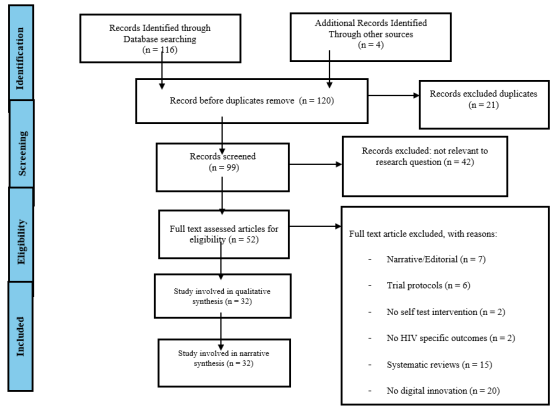
Figure 1. Study selection. Preferred reporting items for systematic reviews and meta-analyses (PRISMA) flow diagram.
3.1. Study Selection
A total of 120 records were identified (113 through database searching and 7 from grey literature/other sources). After removal of duplicates, 99 records underwent title/abstract screening; 52 full-text articles were assessed for eligibility, and 32 studies met the inclusion criteria and were retained for narrative synthesis (
Figure 1). Studies excluded at full-text review were mainly reviews, editorials, trial protocols, or studies lacking an HIVST component or a digital intervention.
3.2. Characteristics of Included Studies
Included studies spanned diverse regions and populations (
Table 1). Asia contributed the largest share of studies (37%), followed by North America (28%), Europe (24%), Africa (7%) and South America (4%). Observational designs predominated (72%), while randomised controlled trials accounted for 28%. Men who have sex with men (MSM) were the predominant study population (83%); other populations included ethnic minorities, transgender youth, female sex workers, male truck drivers, and users of online sexual-health services.
3.3. Digital Modalities
Website-based interventions were the most frequently evaluated approach, accounting for more than half of included studies, and incorporated online ordering systems, result-reporting platforms, video-based counselling, chatbot-assisted communication and linkage-to-care mechanisms. Social media and mobile-application-based interventions accounted for approximately one-third of studies and used established networking platforms to promote HIVST and increase engagement among populations at elevated HIV risk. The remaining studies evaluated SMS technologies and digital vending machines.
3.3.1. Website-based Interventions
Website-based interventions showed consistently high acceptability: willingness to use ranged from 61% to 79%, and ease of use exceeded 90% in several studies, particularly among MSM, transgender women and first-time testers
| [6] | Platteau T, Fransen K, Apers L, et al. Swab2Know: an HIV testing strategy using oral fluid samples and online communication of test results. J Med Internet Res. 2015; 17(9): e213.
https://doi.org/10.2196/jmir.4384 |
| [7] | Agustí C, Muñoz R, González V, et al. Outreach HIV testing using oral fluid and online consultation of results: a pilot intervention in Catalonia. Enferm Infecc Microbiol Clin. 2021; 39(1): 3-8. https://doi.org/10.1016/j.eimc.2020.01.020 |
| [8] | Day S, Khan K, Kelly AM, Jones S, Kinsella R. Characteristics of newly diagnosed HIV-positive service users using a pan-London e-sexual health screening service. Int J STD AIDS. 2021; 32(10): 932-9. |
[6-8]
. Randomised evidence indicated that home-based HIVST combined with online counselling and real-time support significantly increased testing uptake compared with conventional promotion alone
| [9] | Wang Z, Lau JTF, Ip M, et al. A randomized controlled trial evaluating efficacy of promoting home-based HIV self-testing with online counseling among men who have sex with men. AIDS Behav. 2018; 22(1): 190-201.
https://doi.org/10.1007/s10461-017-1887-2 |
[9]
. Newly diagnosed HIV infections ranged from approximately 1.9% to 2.2%; kit return rates ranged from 55% to 98%; and linkage-to-care outcomes (confirmatory testing, referral, post-test counselling, and treatment initiation) ranged from 53% to 100%
| [5] | De Boni RB, Veloso VG, Fernandes NM, et al. An internet-based HIV self-testing program to increase HIV testing uptake among men who have sex with men in Brazil: descriptive cross-sectional analysis. J Med Internet Res. 2019; 21(8): e14145. https://doi.org/10.2196/14145 |
| [6] | Platteau T, Fransen K, Apers L, et al. Swab2Know: an HIV testing strategy using oral fluid samples and online communication of test results. J Med Internet Res. 2015; 17(9): e213.
https://doi.org/10.2196/jmir.4384 |
| [10] | Elliot E, Rossi M, McCormack S, McOwan A. Identifying undiagnosed HIV in men who have sex with men by offering HIV home sampling via online gay social media. Sex Transm Infect. 2016; 92(6): 470-3. |
[5, 6, 10]
. Some studies reported difficulty maintaining continuity of care among individuals with reactive results who relied solely on online platforms
| [10] | Elliot E, Rossi M, McCormack S, McOwan A. Identifying undiagnosed HIV in men who have sex with men by offering HIV home sampling via online gay social media. Sex Transm Infect. 2016; 92(6): 470-3. |
[10]
.
3.3.2. Social Media and Mobile-application Interventions
These interventions achieved satisfaction rates above 90% in several studies, with participants citing privacy, convenience and anonymity as key advantages
| [11] | Rosengren AL, Huang E, Daniels J, Young SD, Marlin RW, Klausner JD. Feasibility of using Grindr to distribute HIV self-test kits to men who have sex with men. Sex Health. 2016; 13(4): 389-92. https://doi.org/10.1071/SH15236 |
| [12] | Zhu X, Zhang W, Operario D, et al. Effects of a mobile health intervention to promote HIV self-testing among men who have sex with men in China. AIDS Behav. 2019; 23(11): 3129-39.
https://doi.org/10.1007/s10461-019-02452-5 |
[11, 12]
. Digitally supported approaches reached substantial numbers of first-time testers (9-51% of participants), and newly diagnosed HIV infections ranged from 4% to 11%
| [12] | Zhu X, Zhang W, Operario D, et al. Effects of a mobile health intervention to promote HIV self-testing among men who have sex with men in China. AIDS Behav. 2019; 23(11): 3129-39.
https://doi.org/10.1007/s10461-019-02452-5 |
| [13] | Chiu CJ, Young SD. Correlates of requesting home HIV self-testing kits on online social networks among African American and Latino men who have sex with men. AIDS Care. 2016; 28(3): 289-93. https://doi.org/10.1080/09540121.2015.1090533 |
[12, 13]
.
Linkage to confirmatory testing and treatment initiation reached 80-100% among individuals with reactive results, and secondary-distribution strategies delivered through social media achieved favourable kit-return and linkage-to-care outcomes
| [14] | Lu Y, Ni Y, Li X, et al. Financial incentives and peer referral in promoting digital network-based secondary distribution of HIV self-testing among men who have sex with men. Proceedings of the International AIDS Conference; 2020. |
| [15] | John SA, Starks TJ, Rendina HJ, Parsons JT, Grov C. High willingness to use novel HIV and bacterial sexually transmitted infection partner notification, testing, and treatment strategies. Sex Transm Infect. 2020; 96(3): 173-6.
https://doi.org/10.1136/sextrans-2019-053974 |
[14, 15]
.
Table 1. Characteristics of included studies (n = 32).
Characteristic | Category | Proportion |
Region | Asia | 37% |
| North America | 28% |
| Europe | 24% |
| Africa | 7% |
| South America | 4% |
Study design | Observational | 72% |
| Randomised controlled trial | 28% |
Predominant population | Men who have sex with men | 83% |
| Other key/underserved populations | 17% |
Digital modality | Website-based | >50% |
| Social media / mobile application | ~33% |
| SMS and digital vending machines | Remainder |
4. Discussion
This systematic review indicates that digital support interventions — web-based platforms, mobile applications, social media interventions, SMS technologies, telehealth systems, and digital vending machines — are increasingly important for enhancing HIV self-testing and counselling across diverse populations and settings. These findings are consistent with recent evidence that digital health technologies can play a central role in achieving global HIV prevention and treatment targets
| [1] | Joint United Nations Programme on HIV/AIDS. Global AIDS update 2025: AIDS, crisis and the power to transform. Geneva: UNAIDS; 2025. |
| [2] | Fischer AE, De Wit J, Lalla-Edward ST, Abrahams M, Shankland L. The evolution of HIV self-testing and digital interventions to improve HIV self-testing. Front Reprod Health. 2023; 5: 1121478. https://doi.org/10.3389/frph.2023.1121478 |
[1, 2]
.
The consistently high acceptability observed across included studies suggests that digitally supported HIVST is well received, particularly among key populations such as MSM and transgender individuals, and among people experiencing stigma or limited access to conventional services. Privacy, convenience, anonymity and flexibility were repeatedly identified as major advantages, echoing prior evidence that digital platforms can reduce stigma-related barriers and increase uptake among underserved populations
| [2] | Fischer AE, De Wit J, Lalla-Edward ST, Abrahams M, Shankland L. The evolution of HIV self-testing and digital interventions to improve HIV self-testing. Front Reprod Health. 2023; 5: 1121478. https://doi.org/10.3389/frph.2023.1121478 |
[2]
.
Website-based interventions — including online counselling, virtual support and chatbot-assisted platforms — showed favourable outcomes for testing uptake and linkage to care. Integrating digital counselling with HIVST gives users immediate access to information and support while promoting continuity of care after a reactive result. However, several studies reported lower linkage-to-care rates among individuals relying exclusively on online services, underscoring the importance of pairing digital interventions with existing healthcare infrastructure
| [10] | Elliot E, Rossi M, McCormack S, McOwan A. Identifying undiagnosed HIV in men who have sex with men by offering HIV home sampling via online gay social media. Sex Transm Infect. 2016; 92(6): 470-3. |
[10]
. Hybrid models that combine digital support with facility-based services may therefore offer a more sustainable approach to HIVST-linked care
| [16] | Green KE, Vu BN, Phan HT, et al. From conventional to disruptive: upturning the HIV testing status quo among men who have sex with men in Vietnam. J Int AIDS Soc. 2018; 21(Suppl 5): e25127. https://doi.org/10.1002/jia2.25127 |
| [17] | Hoagland B, Torres TS, Bezerra DRB, et al. High acceptability of PrEP teleconsultation and HIV self-testing during the COVID-19 pandemic in Brazil. Braz J Infect Dis. 2021; 25(1): 101037. https://doi.org/10.1016/j.bjid.2020.11.002 |
[16, 17]
.
Social media platforms and mobile applications were also effective for reaching hard-to-reach populations, enabling targeted health communication, peer engagement and community-based delivery, including direct kit distribution and remote counselling. This is consistent with evidence that digital platforms can substantially increase uptake among first-time testers and populations with historically low healthcare utilisation
| [5] | De Boni RB, Veloso VG, Fernandes NM, et al. An internet-based HIV self-testing program to increase HIV testing uptake among men who have sex with men in Brazil: descriptive cross-sectional analysis. J Med Internet Res. 2019; 21(8): e14145. https://doi.org/10.2196/14145 |
[5]
.
The COVID-19 pandemic accelerated adoption of digital healthcare solutions and demonstrated the value of remote service delivery for maintaining continuity of HIV prevention and treatment during disruptions to routine care
| [3] | Catalani C, Philbrick W, Fraser H, Mechael P, Israelski DM. mHealth for HIV treatment and prevention: a systematic review of the literature. Open AIDS J. 2013; 7: 17-41.
https://doi.org/10.2174/1874613620130812003 |
[3]
. Many countries have since continued integrating digital technologies into HIV programmes as part of broader efforts to strengthen health-system resilience.
Counselling remains essential to HIV prevention and risk reduction. Behavioural approaches such as motivational interviewing, client-centred counselling, and information-motivation-behavioural-skills models have demonstrated effectiveness in promoting safer sexual behaviour and improving treatment adherence
| [18] | Kalichman SC, Cain D, Weinhardt L, Benotsch E, Presser K, Zweben A. Experimental components analysis of theory-based HIV risk-reduction counseling. Health Psychol. 2005; 24(2): 198-208. |
| [19] | Kamb ML, Fishbein M, Douglas JM, et al. Efficacy of risk-reduction counseling to prevent HIV and sexually transmitted diseases. JAMA. 1998; 280(13): 1161-7.
https://doi.org/10.1001/jama.280.13.1161 |
| [20] | Yardley L, Morrison L, Bradbury K, Muller I. The person-based approach to intervention development: application to digital health-related behavior change interventions. J Med Internet Res. 2015; 17(1): e30. https://doi.org/10.2196/jmir.4055 |
[18-20]
. Embedding these approaches within digital platforms, informed by established frameworks for developing and evaluating digital behaviour-change interventions, offers a promising avenue for expanding access to counselling while preserving confidentiality and convenience
| [20] | Yardley L, Morrison L, Bradbury K, Muller I. The person-based approach to intervention development: application to digital health-related behavior change interventions. J Med Internet Res. 2015; 17(1): e30. https://doi.org/10.2196/jmir.4055 |
| [21] | Michie S, Yardley L, West R, Patrick K, Greaves F. Developing and evaluating digital interventions to promote behavior change in health care. J Med Internet Res. 2017; 19(6): e232. https://doi.org/10.2196/jmir.7126 |
[20, 21]
.
Several challenges temper these promising findings. Confidentiality, cybersecurity, digital literacy, internet access, and inequities in technology access may limit effectiveness, particularly in low-resource settings. The predominance of observational designs among included studies limits causal inference, and heterogeneity in intervention design, outcome measures and populations complicated direct comparison across studies.
4.1. Strengths and Limitations
This review synthesised evidence across diverse regions and populations and followed PRISMA 2020 methodology, enhancing transparency and reproducibility; it also captured a broad range of digital modalities relevant to policymakers and programme managers. Limitations include restriction to English-language publications, which may have introduced language bias and excluded relevant non-English evidence, notably from African and other low- and middle-income settings; the exclusion of qualitative studies, which limited insight into user experience and contextual barriers; the predominance of observational designs, which are susceptible to selection bias and confounding; and substantial heterogeneity that precluded meta-analysis, so findings were synthesised narratively.
4.2. Implications
These findings support integrating digital support technologies into HIV self-testing and counselling programmes, particularly through hybrid models that connect digital tools with facility-based services. Equitable implementation requires attention to infrastructure, privacy, cybersecurity, data protection, and digital literacy.
5. Conclusion
Digital support interventions are acceptable, feasible, and effective tools for strengthening HIV self-testing and counselling, improving accessibility, confidentiality, testing uptake and linkage to care, particularly among key populations. Addressing barriers related to digital literacy, connectivity, and equitable technology access, and integrating digital innovations with existing health systems, will be important for sustaining progress toward the UNAIDS 95-95-95 targets and the goal of ending HIV/AIDS as a public health threat by 2030.
6. Recommendations
Governments and health systems should consider integrating digital support technologies into national HIVST and counselling programmes, expanding mobile, web-based, telehealth and social-media interventions to reach underserved populations, and prioritising hybrid models that pair digital tools with facility-based linkage to strengthen continuity of care. Investment in digital infrastructure, cybersecurity, data protection and digital-literacy initiatives will be important for equitable scale-up, particularly in low-resource settings such as sub-Saharan Africa, where the included evidence base remains comparatively thin. Future research should prioritise robust randomised designs, mixed-methods approaches that capture user experience, and evaluation of long-term effectiveness, cost-effectiveness and sustainability across diverse healthcare settings.
Abbreviations
HIV | Human Immunodeficiency Virus |
AIDS | Acquired Immunodeficiency Syndrome |
HIVST | HIV Self-testing |
PRISMA | Preferred Reporting Items for Systematic Reviews and Meta-Analyses |
MSM | Men Who Have Sex with Men |
mHealth | Mobile Health |
eHealth | Electronic Health |
SMS | Short Message Service |
WHO | World Health Organization |
UNAIDS | Joint United Nations Programme on HIV/AIDS |
CINAHL | Cumulative Index to Nursing and Allied Health Literature |
Acknowledgments
The authors thank their affiliated institutes, faculties, and departments at the University of Porto (Portugal), Firat University (Türkiye), Aminu Kano Teaching Hospital, and Bayero University Kano (Nigeria) for their support.
Author Contributions
Bukhari Abubakar Adam: Conceptualization, Data curation, Formal Analysis, Investigation, Methodology, Writing – original draft, Writing – review & editing
Auwal Idris Kabuga: Resources, Supervision, Validation, Writing – review & editing
Conflicts of Interest
The authors declares no conflicts of interest.
References
| [1] |
Joint United Nations Programme on HIV/AIDS. Global AIDS update 2025: AIDS, crisis and the power to transform. Geneva: UNAIDS; 2025.
|
| [2] |
Fischer AE, De Wit J, Lalla-Edward ST, Abrahams M, Shankland L. The evolution of HIV self-testing and digital interventions to improve HIV self-testing. Front Reprod Health. 2023; 5: 1121478.
https://doi.org/10.3389/frph.2023.1121478
|
| [3] |
Catalani C, Philbrick W, Fraser H, Mechael P, Israelski DM. mHealth for HIV treatment and prevention: a systematic review of the literature. Open AIDS J. 2013; 7: 17-41.
https://doi.org/10.2174/1874613620130812003
|
| [4] |
Page MJ, McKenzie JE, Bossuyt PM, et al. The PRISMA 2020 statement: an updated guideline for reporting systematic reviews. BMJ. 2021; 372: n71.
https://doi.org/10.1136/bmj.n71
|
| [5] |
De Boni RB, Veloso VG, Fernandes NM, et al. An internet-based HIV self-testing program to increase HIV testing uptake among men who have sex with men in Brazil: descriptive cross-sectional analysis. J Med Internet Res. 2019; 21(8): e14145.
https://doi.org/10.2196/14145
|
| [6] |
Platteau T, Fransen K, Apers L, et al. Swab2Know: an HIV testing strategy using oral fluid samples and online communication of test results. J Med Internet Res. 2015; 17(9): e213.
https://doi.org/10.2196/jmir.4384
|
| [7] |
Agustí C, Muñoz R, González V, et al. Outreach HIV testing using oral fluid and online consultation of results: a pilot intervention in Catalonia. Enferm Infecc Microbiol Clin. 2021; 39(1): 3-8.
https://doi.org/10.1016/j.eimc.2020.01.020
|
| [8] |
Day S, Khan K, Kelly AM, Jones S, Kinsella R. Characteristics of newly diagnosed HIV-positive service users using a pan-London e-sexual health screening service. Int J STD AIDS. 2021; 32(10): 932-9.
|
| [9] |
Wang Z, Lau JTF, Ip M, et al. A randomized controlled trial evaluating efficacy of promoting home-based HIV self-testing with online counseling among men who have sex with men. AIDS Behav. 2018; 22(1): 190-201.
https://doi.org/10.1007/s10461-017-1887-2
|
| [10] |
Elliot E, Rossi M, McCormack S, McOwan A. Identifying undiagnosed HIV in men who have sex with men by offering HIV home sampling via online gay social media. Sex Transm Infect. 2016; 92(6): 470-3.
|
| [11] |
Rosengren AL, Huang E, Daniels J, Young SD, Marlin RW, Klausner JD. Feasibility of using Grindr to distribute HIV self-test kits to men who have sex with men. Sex Health. 2016; 13(4): 389-92.
https://doi.org/10.1071/SH15236
|
| [12] |
Zhu X, Zhang W, Operario D, et al. Effects of a mobile health intervention to promote HIV self-testing among men who have sex with men in China. AIDS Behav. 2019; 23(11): 3129-39.
https://doi.org/10.1007/s10461-019-02452-5
|
| [13] |
Chiu CJ, Young SD. Correlates of requesting home HIV self-testing kits on online social networks among African American and Latino men who have sex with men. AIDS Care. 2016; 28(3): 289-93.
https://doi.org/10.1080/09540121.2015.1090533
|
| [14] |
Lu Y, Ni Y, Li X, et al. Financial incentives and peer referral in promoting digital network-based secondary distribution of HIV self-testing among men who have sex with men. Proceedings of the International AIDS Conference; 2020.
|
| [15] |
John SA, Starks TJ, Rendina HJ, Parsons JT, Grov C. High willingness to use novel HIV and bacterial sexually transmitted infection partner notification, testing, and treatment strategies. Sex Transm Infect. 2020; 96(3): 173-6.
https://doi.org/10.1136/sextrans-2019-053974
|
| [16] |
Green KE, Vu BN, Phan HT, et al. From conventional to disruptive: upturning the HIV testing status quo among men who have sex with men in Vietnam. J Int AIDS Soc. 2018; 21(Suppl 5): e25127.
https://doi.org/10.1002/jia2.25127
|
| [17] |
Hoagland B, Torres TS, Bezerra DRB, et al. High acceptability of PrEP teleconsultation and HIV self-testing during the COVID-19 pandemic in Brazil. Braz J Infect Dis. 2021; 25(1): 101037.
https://doi.org/10.1016/j.bjid.2020.11.002
|
| [18] |
Kalichman SC, Cain D, Weinhardt L, Benotsch E, Presser K, Zweben A. Experimental components analysis of theory-based HIV risk-reduction counseling. Health Psychol. 2005; 24(2): 198-208.
|
| [19] |
Kamb ML, Fishbein M, Douglas JM, et al. Efficacy of risk-reduction counseling to prevent HIV and sexually transmitted diseases. JAMA. 1998; 280(13): 1161-7.
https://doi.org/10.1001/jama.280.13.1161
|
| [20] |
Yardley L, Morrison L, Bradbury K, Muller I. The person-based approach to intervention development: application to digital health-related behavior change interventions. J Med Internet Res. 2015; 17(1): e30.
https://doi.org/10.2196/jmir.4055
|
| [21] |
Michie S, Yardley L, West R, Patrick K, Greaves F. Developing and evaluating digital interventions to promote behavior change in health care. J Med Internet Res. 2017; 19(6): e232.
https://doi.org/10.2196/jmir.7126
|
Cite This Article
-
APA Style
Adam, B. A., Kabuga, A. I. (2026). Digital Support as an Innovative Strategy for HIV
Self-Testing and Counselling: A Systematic Review. International Journal of HIV/AIDS Prevention, Education and Behavioural Science, 12(2), 37-43. https://doi.org/10.11648/j.ijhpebs.20261202.13
 Copy
|
 Download
ACS Style
Adam, B. A.; Kabuga, A. I. Digital Support as an Innovative Strategy for HIV
Self-Testing and Counselling: A Systematic Review. Int. J. HIV/AIDS Prev. Educ. Behav. Sci. 2026, 12(2), 37-43. doi: 10.11648/j.ijhpebs.20261202.13
Copy
|
Download
AMA Style
Adam BA, Kabuga AI. Digital Support as an Innovative Strategy for HIV
Self-Testing and Counselling: A Systematic Review. Int J HIV/AIDS Prev Educ Behav Sci. 2026;12(2):37-43. doi: 10.11648/j.ijhpebs.20261202.13
Copy
|
Download
-
@article{10.11648/j.ijhpebs.20261202.13,
  author = {Bukhari Abubakar Adam and Auwal Idris Kabuga},
  title = {Digital Support as an Innovative Strategy for HIV
Self-Testing and Counselling: A Systematic Review},
  journal = {International Journal of HIV/AIDS Prevention, Education and Behavioural Science},
  volume = {12},
  number = {2},
  pages = {37-43},
  doi = {10.11648/j.ijhpebs.20261202.13},
  url = {https://doi.org/10.11648/j.ijhpebs.20261202.13},
  eprint = {https://article.sciencepublishinggroup.com/pdf/10.11648.j.ijhpebs.20261202.13},
  abstract = {Background: HIV remains a major global public health challenge, and sub-Saharan Africa carries a disproportionate share of the burden. HIV self-testing (HIVST) has emerged as an important strategy to expand access to testing, and digital technologies such as websites, mobile applications, social media, telehealth and SMS platforms increasingly support HIVST and counselling. Objectives: To evaluate the acceptability, feasibility, testing uptake, linkage to care, and behavioural outcomes of digital support interventions for HIVST and counselling. Methods: A systematic review following PRISMA 2020 guidelines searched PubMed/MEDLINE, Scopus, Web of Science, Embase, CINAHL, Academic Search Premier and the Cochrane Library, supplemented by WHO and UNAIDS grey literature, for studies published January 2010-December 2025. Eligible studies evaluated digital interventions supporting HIVST and counselling and reported quantitative outcomes. Methodological quality was assessed using the Cochrane Risk of Bias Tool and Newcastle-Ottawa Scale. Findings were synthesised narratively due to heterogeneity. Results: Of 120 records identified, 32 studies were included. Website-based interventions were most common; willingness to use ranged from 61-79% and ease of use exceeded 90%. Kit return rates ranged 55-98% and linkage to care 53-100%. Social media and mobile application interventions achieved satisfaction above 90% and increased uptake among first-time testers, with linkage to confirmatory testing and treatment reaching 80-100% among reactive individuals. Conclusions: Digital support interventions are acceptable, feasible and effective in strengthening HIVST and counselling, particularly among key populations. Addressing digital literacy, connectivity and data-security barriers, and integrating digital tools with existing health systems, will be important for sustaining progress toward the UNAIDS 95-95-95 targets.},
 year = {2026}
}
Copy
|
Download
-
TY  - JOUR
T1  - Digital Support as an Innovative Strategy for HIV
Self-Testing and Counselling: A Systematic Review
AU  - Bukhari Abubakar Adam
AU  - Auwal Idris Kabuga
Y1  - 2026/11/25
PY  - 2026
N1  - https://doi.org/10.11648/j.ijhpebs.20261202.13
DO  - 10.11648/j.ijhpebs.20261202.13
T2  - International Journal of HIV/AIDS Prevention, Education and Behavioural Science
JF  - International Journal of HIV/AIDS Prevention, Education and Behavioural Science
JO  - International Journal of HIV/AIDS Prevention, Education and Behavioural Science
SP  - 37
EP  - 43
PB  - Science Publishing Group
SN  - 2575-5765
UR  - https://doi.org/10.11648/j.ijhpebs.20261202.13
AB  - Background: HIV remains a major global public health challenge, and sub-Saharan Africa carries a disproportionate share of the burden. HIV self-testing (HIVST) has emerged as an important strategy to expand access to testing, and digital technologies such as websites, mobile applications, social media, telehealth and SMS platforms increasingly support HIVST and counselling. Objectives: To evaluate the acceptability, feasibility, testing uptake, linkage to care, and behavioural outcomes of digital support interventions for HIVST and counselling. Methods: A systematic review following PRISMA 2020 guidelines searched PubMed/MEDLINE, Scopus, Web of Science, Embase, CINAHL, Academic Search Premier and the Cochrane Library, supplemented by WHO and UNAIDS grey literature, for studies published January 2010-December 2025. Eligible studies evaluated digital interventions supporting HIVST and counselling and reported quantitative outcomes. Methodological quality was assessed using the Cochrane Risk of Bias Tool and Newcastle-Ottawa Scale. Findings were synthesised narratively due to heterogeneity. Results: Of 120 records identified, 32 studies were included. Website-based interventions were most common; willingness to use ranged from 61-79% and ease of use exceeded 90%. Kit return rates ranged 55-98% and linkage to care 53-100%. Social media and mobile application interventions achieved satisfaction above 90% and increased uptake among first-time testers, with linkage to confirmatory testing and treatment reaching 80-100% among reactive individuals. Conclusions: Digital support interventions are acceptable, feasible and effective in strengthening HIVST and counselling, particularly among key populations. Addressing digital literacy, connectivity and data-security barriers, and integrating digital tools with existing health systems, will be important for sustaining progress toward the UNAIDS 95-95-95 targets.
VL  - 12
IS  - 2
ER  -
Copy
|
Download





 Share This Article
 Twitter
 Linked In
 Facebook