Research Article | | Peer-Reviewed

Stakeholders Engagement in the Gentrification Process in Sub Sahara Africa: Constrains and Pathways for Bamenda City, North West Region, Cameroon

Received: 29 April 2026     Accepted: 21 May 2026     Published: 5 June 2026
Views:       Downloads:
Abstract

Stakeholders and policy instruments in different context construe gentrification. Successful neighborhood rehabilitation across the globe is a product of active stakeholders’ engagement. However, in Sub Sahara Africa, successful neighbourhood revitalization is precluded by numerous constrains. While much scholarly works on gentrification focuses on trends and patterns, more comprehensive studies are required to a) examine the role and lead stakeholder in the gentrification process in Bamenda, b) investigate constrains to stakeholder’s efforts in gentrifying the city of Bamenda. The study employed the exploratory, survey and comparative research designs suitable to monitor and compare the activities of different stakeholders, 18 key informant interviews were conducted with different categories of stakeholders to understand their role and constrains. This was complimented by administering 180 questionnaire to the general population using the purposive sampling and snowball techniques. Secondary data was obtained from exploring project documents of stakeholders and diverse scientific works of scholars. Quantitative and qualitative methods using SPSS version 20 and Micro Excel version 2016 were used to analyse data. The Chi Square test was utilize to ascertain the lead stakeholder in the gentrification process in Bamenda. Findings reveal that multiple stakeholders categorized into international, state and local stakeholders are involved in the gentrification process in Bamenda. While local stakeholders lead gentrification in Bamenda all three categories of stakeholders play crucial roles in leading gentrification. However, the process is constrained by political instability, financial limitations, institutional lapses, administrative gridlock inter alia. To sustainably enhance stakeholders’ effort in the gentrification process of Sub Sahara, this paper therefore recommends the following policy actions. Streamlining and standardizing administrative procedures to reduce administrative gridlock, encouraging more inter-departmental coordination to foster collaboration with task specification to minimize institutional lapses, tax relief programs, land value capture and incentivising developmental attempts to minimize financial burden among others.

Published in International Journal of Sustainable Development Research (Volume 12, Issue 2)
DOI 10.11648/j.ijsdr.20261202.13
Page(s) 108-123
Creative Commons

This is an Open Access article, distributed under the terms of the Creative Commons Attribution 4.0 International License (http://creativecommons.org/licenses/by/4.0/), which permits unrestricted use, distribution and reproduction in any medium or format, provided the original work is properly cited.

Copyright

Copyright © The Author(s), 2026. Published by Science Publishing Group

Keywords

Gentrification, Stakeholders Engagement, Neighbourhood Rehabilitation, Constrains, Bamenda

1. Introduction
Gentrification is a multi-faceted and contested socio-spatial process that reshapes urban environments through capital reinvestment . Gentrification has become so omnipresent and in many countries, the term has entered everyday vocabulary. However, it was invented by the British-German Sociologist Ruth Glass 1964 who describe gentrification as the invasion and upgrading of the working class quarters of London by the Middle-class Over the years, the literature on gentrification has conceptually and geographically expanded . A growing body of critical literature highlights how gentrification is represented as a positive policy instrument to enhance, inter alia; the liveability, social order and residential composition of disadvantaged neighbourhoods to prevent negative neighbourhood effects . Gentrification is the rebuild of a specific deteriorated region or neighbourhood into a more affluent and well-developed neighbourhood . A crucial element of state-led gentrification is the way it is represented by policymakers, other stakeholders and in general discourse .
Active stakeholder engagement and effective organizer management are crucial for participatory neighbourhood rehabilitation . Stakeholders and policy instruments in different context construe gentrification. In Nord-Neukölln the term is heavily contested and policymakers attempt to refute accusations of gentrification, while in the Indische Buurt, the process is explicitly pursued as a positive policy instrument by policymakers. Three context-specific elements that can influence stakeholders’ representations include; the characteristics of in-moving, sitting and out-moving residents; the employed timeframe to assess neighbourhood change; and the perceived extent and form of influence of local institutions on urban regeneration. Stakeholders can potentially emphasise or suppress these contextual elements in their representations of localised gentrification processes to their own interests . Local governments may promote neighbourhood gentrification as a social mixing strategy in order to dissolve minority concentrations. This is rooted in the commonly held policy belief that minority concentration may pose a threat to local social order, . Deliberate stakeholder engagements can lead to the revitalisation of deteriorating neighbourhoods, as demonstrated by numerous successful cases worldwide .
The American city of San Francisco makes many headlines for its gentrified culture and change because of the growth in Information Technology (IT) increasingly transforming it into a place only for engineers and IT professionals. Mexico City is becoming more and more expensive for locals to live in the CBD area, as artists, wealthy stores and labels occupy the City. The landscape of urban America has changed radically over the last two decades as extensive gentrification often depicted as an influx of white middle-class residents moving into poor minority neighbourhoods, has become a major force in some of the nation's largest urban areas . Gentrification in many Asian, South American and African cities are typically much more forceful, occurring much more rapidly and produces stronger explosions than those in North America and European cases, . Urban expansion and transformation is most rapid in the developing world where cities gain an average of about five million residents or inhabitants monthly . In developing countries, the role of state policies and local governments are confirmed as gentrification drivers . Hence, gentrification is no longer seen as a problem for policy-makers, but a solution as such is widely promoted in urban policy. While much scholarly works on gentrification focuses on the global North, Africa presents unique socio-economic, political, and spatial dynamics that warrant investigation. Sub-Sahara Africa, characterized by rapid urbanization, persistent inequality, and diverse cultural landscapes, offers a rich yet underexplored field for understanding the drivers and implications of gentrification . For several years, the gentrification process in Sub-Sahara Africa has witnessed the intervention of diverse international institutions and development agencies in a bid to promote development agenda based on International Corporation. Socio-economic upgrading marks these interventions, however their efforts are confronted by enormous challenges.
In Cameroon, multiple stakeholders trigger the gentrification process through socio-economic activities shaped by government policies in the form of legislations. Bamenda is the main town of the North-west Region that doubles as the capital of the region and Mezam division harbouring a good number of the regional delegations and major institutions and is the foci for business in the region. Given this setting, diverse stakeholders are pulled into the city with varied interest. However, institutional and functional changes by different stakeholders are characterised by overlapping roles and responsibilities with unclear/inadequate public policies and strategies for redevelopment. Added to this is the absence of a supervisory mechanism to coordinate their activities and enhance sustainability. This is worsen by the unstable socio-political atmosphere that deters investments and disrupts development progress. This has resulted in the zigzag and unsustainable transformation pattern given that most stakeholders are temporal. Many studies have focused on gentrification patterns, trends and development implications , variation in sprawl and land use change , Institutions and local Development in Mezam . However, stakeholders role and constrains in the gentrification process constitute a minimal portion of literature. This Paper therefore brings to focused the role of different stakeholders, and constrains in the gentrification process in Bamenda. This aligns with Sustainable Development Goal 17, aimed at strengthening the means of implementation and revitalize the global partnership for sustainable development; Target 3 and 4 are focused on “mobilizing additional financial resources for developing countries from multiple sources which constitute the myriad of stakeholders operation in Bamenda.
2. Conceptual Underpinning
Freeman, R E., views stakeholders traditionally as any group or individual who can affect or affected by the achievements of the organisation’s objectives. , assumes stakeholders should evolved from three areas; public policy, organizational management and international development. , looks at “stakeholders as individual or groups that have an interest or some aspects of rights or ownership in the project, can contribute in the form of knowledge or support, or can impact or be impacted by the project. considers the term stakeholder to mean any group, institution, or individuals with a declared or conceivable purpose or stake in a policy concern initiating or influencing and those affected by any activity that transforms the landscape. In the context of this study, stakeholders involve all international, state and local agents who take active role in any initiative to bring about transformation in Bamenda base on their objectives as well as those affected by the change.
Gentrification is an enigmatic process and an outcome of many interrelated factors, including housing demand and price, employment patterns, government regulation and funding, class and racial dynamics and local city-planning initiatives considers gentrification as “the process whereby the character of a poor urban area is changed by wealthier people moving in, improving housing, and attracting new businesses, typically displacing current inhabitants in the process. This paper views gentrification in Bamenda as an inherently spatio-temporal process accelerated by the influx of diverse stakeholders whose policies and activities, transform the city, resulting in increased service provision, infrastructural development as well as higher property value (rents rise, increased land value, commodity prices) and displacement of urban dwellers. This concept is anchored on model of neighbourhood change by wherein, the lifespan of an areas can be postponed endlessly through governmental interventions, developers, public agencies and neighbourhood groups base on public sector policies. Different social and economic facilities in Bamenda have been upgraded to postpone their life span. This study therefore strives to examine the role and constrain of the developers behind the gentrification process in Bamenda.
3. Study Area and Methodology
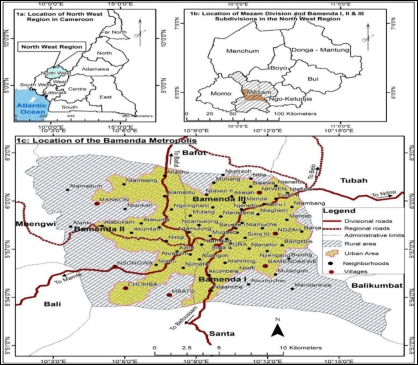
The study covers the city of Bamenda made up of three sub divisions (Bamenda I, II and III) in the Mezam division of the North West Region of Cameroon. Bamenda is the capital of the Northwest region, located between latitude 5°94” and 5°98” north of the Equator and longitude 10.15° and 10.18° east of the Greenwich Meridian, situated at elevation 1258 meters above sea level ). Figure 1 presents the location of Bamenda. Recurrent transformations by multiple stakeholders are haphazardly observed across the city in different sectors, with questionable sustainability issues, necessitating this study.
Source: Bamenda City Council (2020) and Administrative limits of Cameroon (NIC, 2020)

Download: Download full-size image

Figure 1. Location of the Bamenda Municipality in Mezam Division of the North West Region of Cameroon.
3.1. Ethics and Consent to Participation Declarations
Prior to field work, a written authorization to carry out this study was obtained from the Senior Divisional Officer for Bamenda who was made to understand the objectives and need for this study. For every institution visited, the institutional heads were shown this authorization note from the SDO and made to understand the purpose of the study and verbal permission obtained for interview and data requested from their projects. A similar procedure was followed for questionnaire administration with the population. The study ensured the population properly understood the motives of the study and willingly participated. They were all guaranteed of the confidentiality of the data provided and the anonymity of their responses.
3.2. Research Design
This study employed the survey, exploratory and comparative research designs suitable to monitor the activities of different stakeholders and compare their level of involvement in the gentrification process in Bamenda. Primary data was gotten through a 40-50 minutes 18 Key Informant Interviews with sectorial ministries, development agencies, the councils and other developers, to identify with field evidence their domain of intervention and constrains. To have an overview of the role of the Bamenda City Council (BCC) and the three sub divisional councils as well as other stakeholders’ interventions through the councils, a number of persons within these institutions were interviewed. These included, the Town Planner at BCC, Director of Urban Development at BCC, Director of Administrative Affairs at the BCC, to know the partners working with the council. The Council Development Officers (CDO) of the three sub divisional councils and some technicians at the technical service were interviewed to have a mastery of the council projects and how other stakeholders intervene. At the Regional Delegation of Housing and Urban Development (MINDUH), the Chief of Service for Social Urban Development and the Chief of Local Partnership and Planning, were interviewed on the projects of MINDUH and development partners in the housing sector in Bamenda. Other stakeholders interviewed were the Project Coordinator of GP-IRDP (Grass field Integrated Rural Development Project) together with the Socio-Economist in charge of Capacity Building and Gender, provided information on the its projects within the Municipality and partners. The Social Mediator and Urban Planner at C2d (Debt Relief and Development Contract) was interviewed about the mission of their program and areas of intervention in transforming the city of Bamenda. Edge Company was covered as one of the stakeholders transforming the Municipality of Bamenda. Faith-based institutions and Local Development Associations were equally interviewed on their projects, partners and constrains.
Beside interviews, 180 questionnaires administered to household heads using the random sampling technique and field measurements using the GPS tool and GPS Map Camera Lite version 1.8.3, was used to locate some development projects by stakeholders. GPS coordinates for transformed facilities were collected during fieldwork. For each of the services, three reference coordinates XYZ were collected as well as georeferenced pictures, which were later downloaded into GIS environment, processed, then spatialized for various thematic maps to show the spatial distribution of the different facilities. Secondary data was gotten from Council Development Plans of the three sub divisions of Bamenda, annual project reports of the various development agents, brochures and articles in diverse scientific journals and dissertations. Data gotten was analyzed descriptively and inferentially.
For ethical clearance, prior to field survey and investigations, an authorization was obtained from the Senior Divisional Officer for Bamenda, to carry out this study. For every institution visited, the authorization from the SDO was presented to the institutional heads who were made to understand clearly the objectives of this paper and confidentiality of information guaranteed.
4. Results
4.1. Role of Stakeholders in the Gentrification Process in Bamenda
The focus here was to identify and categorise lead stakeholders and examine how they engage in gentrifying the city of Bamenda and constrains encountered.
4.2. Stakeholders Engagement in the Gentrification Process in Bamenda
Table 1. Categorisation of Stakeholders in the gentrification process in Bamenda.

Category

Stakeholder

Tools

Operational institutions or Channels

International

African Development Bank French Development Agency (AFD), The French Government, French Development Corporation (FDC), Japanese Funds, World Bank, PLAN Cameroon European Union, External NGOs World Health Organisation, UNIDO, UN Habitat, Dordrech-Holland Council Union of Council of Cameroon Association, (UCCA),

State, Regional and International laws

C2d, GP. DERUDEP, PNDP, FEICOM

State

The presidency, The Parliament Sectorial Ministries (MINDUH Education (MINEDUBM, MINESEC, MINESUP, MINPMESSA, MINDDEVEL, MINEPAT, MINSANTE, MINTP and Councils

National and International Laws

Divisional Delegations, Divisional Offices, Councils, Educational Institutions, Banks, PBF, PNDP, FEICOM

Local or Internal Stakeholders

Local Population (land lords, Urban dwellers, Real Estate Developers, Religious institutions (Catholic, Presbyterian and Baptist) Non-Governmental Organizations (Plan International, SHUMAS) VDAs (BAMEDCA, MACUDA, MBACUDA, NDECA, CHODECA, NDA, NCDA) Companies (Edge company)

National and Community Laws

Traditional authorities (Chiefs/Fons, Quarter heads)

Source: Fieldwork, (2025)
Multiple stakeholders are involved in the gentrification process in Bamenda. Field inquiries reveal that the different stakeholders intervene through different channels, programs and activities in Bamenda. Three main categories of stakeholders are identified; these are international, the state, and local stakeholders indicated on Table 1.
4.2.1. Involvement of International Stakeholders in the Gentrification Process of Bamenda
A host of international stakeholders intervene in the gentrification process in Bamenda via the government of Cameroon through programs in varied sectors. This is based on conventions or protocol agreements ratified with the Cameroon government. These stakeholders identified on Table 1, function through programs and local institutions in specific sectors and seasons. The following section presents the involvement of different international stakeholders in the gentrification process of Bamenda.
(i). African Development Bank (ADB) and Islamic Development Bank (IDB)
The ADB and IDB, contribute to the gentrification process in Bamenda by financing, projects like road construction, health/educational structures, water projects in the form of boreholes etc. This is achieved by funding projects managed by the Grass field Participatory and Decentralized Rural Development Project (GP-DERUDEP). The construction of Medical Centers in Alabukam and a primary School in Bayelle are some of the projects funded by ADB and IDB.
(ii). Union of Council of Cameroon Association, (UCCA)
UCCA works with Bamenda I, II and III councils via programs like National Community Driven Development Program (PNDP), GP-DERUDEP) to constructed and rehabilitated roads in Bamenda III, bridges and market sheds in Bamenda I (Table 2). Through the Union of Councils, the Trinkwasser-Trier City Germany and the Bamenda III Council realised the Bamenda III giant water purification plant, which filters and supplies 60.000 litters of water per hour from 2021 till date, against 40.000 liters in 2016. A project worth above 3 billion, supplying close to 3,240 homes ). This water plant was optimized in 2021 with a digital and analogue system to manage the purification process to resolve earlier challenges. A solar system with advanced pumps installed to enable distribution to communities at higher altitude. This upgraded water plant is one of the most reliable and has improved living conditions across the city.
(iii). The French Government
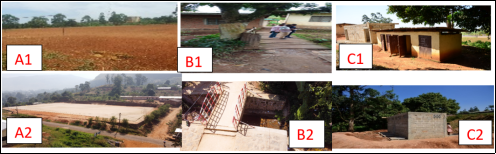
The French Government via the Debt Relief and Development Contract (C2D), a project under MINDUH, has injected over 30 billion FCFA for economic development of the city of Bamenda initiated by the French government to aid Cameroon Government. Phase I of the projects focused on small urban facilities include; pedestrian bridges, lighting spots, garbage platforms, playgrounds and public toilets in schools. Figure 2 presents some of the projects of C2D in its first phase that have transformed the Municipality of Bamenda.
Source: Fieldwork, (2023)

Download: Download full-size image

Figure 2. Upgraded playground, bridge and toilet facility. A1&A2 are new sport facilities upgraded in Bamendakwe, B1 & B2 are pedestrian bridge in Mbefi Bamenda II, while C1 & C2 are old and new toilet facilities, in Bamenda 1.
(iv). The World Bank and the European Union
Through Ministry of Transport (MINT), the World Bank and European Union have sponsored road projects in Bamenda amongst them is the recent road expansion project from Ecole de Champion through Amour Mezam, to Finance Junction - Ayaba – Hospital Roundabout back through Food Market, City Chemist to Veterinary Junction. This project has seen the construction of 5 major bridges within the City. The World Bank in collaboration with MINSANTE intervene in the health sector through the Performance-Based Financing (PBF) in collaboration with the International Development Association (IDA) funds, the Health Results Innovation Trust Fund (HRITF) etc. The European Union via the Support Programme for Decentralised Capacity Building for Urban Development (PACDDU) program constructed the Fish Pond road, Afrique Nouvel road, rehabilitated New Lay-Out road, Finance Junction-Ntambesi Junction in 2005 and a host of other projects.
4.2.2. Involvement of the State in the Gentrification Process in Bamenda
The state intervenes via its sectorial ministries in collaboration with the city council and sub-divisional councils. Through presidential decrees, state institutions for gentrification are created even the sub divisional councils in Bamenda and other development agencies. The central institutions focus on policy development while the agencies serve as operational institutions, transforming policies into practical realities and putting in place operational tools like the Council Development Plans. The state intervene in socio economic activities across the health, educational commercial and transport sector among others. The sectorial ministries engage in gentrification in varied ways.
(i). The Ministry of Economy, Planning and Regional Development, (MINEPAT)
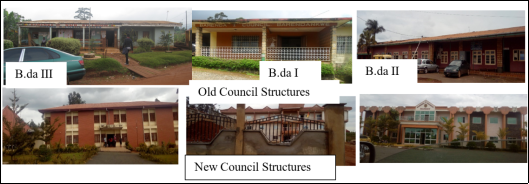
Reorganized by Decree Nº 2008/220 of 4th July 2008, MINEPAT serves as supervisory authority to the National Community Driven Programme (PNDP) aimed at supporting councils in the process of decentralization and financing micro projects like road network rehabilitation, schools, health facilities etc. Using the credit allocation system, PNDP has financed micro projects in all the councils (Table 2), with multi donors like; the World Bank, the French Development Corporation (FDC), Japanese Funds, Germans and European Union. During the third phase, PNDP has constructed socio-economic infrastructure in the City of Bamenda Figure 3.
Source: Fieldwork (2025)

Download: Download full-size image

Figure 3. Old and upgraded Council structures in Bamenda I, II & III funded by FEICOM.
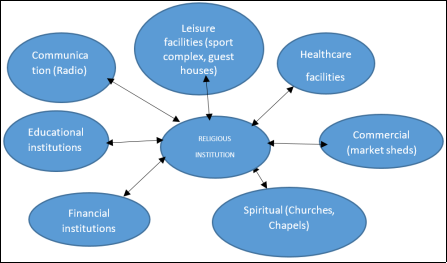
Table 2. Some Projects Funded by PNDP in the Bamenda I, II & III Municipalities.

COUNCIL

LOCALITY

PROJECTS

Bamenda I

Atomelah

Construction of 10m bridge linking Abumunchui 1 and Abumunchui 2 Villages.

Bamenda I

Bamendakwe

Construction of twenty (20) modern locked up sheds in Bamenda 1 main market/park, at Bamendakwe village (phase 1) And forty five (45) modern locked (phase 2)

Bamenda I

Ntanche

Construction of a bridge o f span 10m linking Ntanche and Anindoh 2 Villages

Bamenda II

Njanga hill

Construction of a 9m bridge linking cooperative college and Njanga hill

Bamenda II

Matsam

Stepping down and extension of electricity supply from Matsam to Ngoh quarter with mv/lv of 80m and lv of 1420m with a transformer of h61-100kva/30kv

Bamenda II

Food market

Construction of a Box Culvert Linking Food Market - General Hospital In Nitob 7, Bamenda II Subdivision

Bamenda III

Teken

Construction of a 5m span bridge at Teken Quarter in the Bamenda III Council area

Bamenda III

Upper Bayelle

Construction & opening of road 750m (Morihno store-Mandela Street) and construction of 11 RC box culverts at Upper Bayelle quarter

Bamenda III

Ntilah, Sisia

Construction of a 5m span bridge linking Ntilah and Mbefi and the bridge linking Sisia II and Sisia III, and the Mbala bridge (7m Span)

Source: Council Annual Reports, PNDP Annual Reports and Fieldwork, (2025)
(ii). Ministry of Urban Development and Housing (MINDUH)
MINDUH works via the Regional Delegation in collaboration with the Bamenda City Council and Sub-divisional Councils to follow up and implement town-planning laws by regulating building construction through building permits (Table 3) and demolition permits. It is involve with the construction of Low Cost Housing in line with the policy of affordable housing for all (SDG, 11 target 1&2) and recently works with the Debt Relief and Development Contract (C2D) to upgrade some socio-economic facilities in the Municipality of Bamenda.
(iii). Ministry of Decentralization and Local Development (MINDDEVEL)
MINDDEVEL serves as supervisory authority for the Special Council Support Fund for Mutual Assistance (FEICOM). It has financed several projects in Bamenda through the councils, inter alia is the construction of magnificent structures for the three sub-divisional councils and the City Council between 2010 and 2013 (Council Development Plans for Bamenda I, II and III, 2019, 2020, 2021) shown in Figure 3.
(iv). Ministry of Public Health (MINSANTE)
Table 3. Evolution in Building Permits issued by MINDUH (1972-2022).

Purpose of structure

Years

Total

1972-1982

1983-1996

1997-2007

2007-2016

2016-2022

1972-2022

Residential

1,004

1,053

1,653

2,300

2,800

8,810

Commercial

170

195

235

320

280

1200

Public building

20

32

85

108

120

365

Fences (security/privacy)

5

23

63

97

203

391

Commercial/Residential

23

36

65

101

135

360

Public/Residential

-

-

11

18

32

61

Total

1,222

1339

2112

2944

3570

11,187

Source: Building Permit Records book, BCC, (2022)
It ensures health facilities are spatially located to meet the health needs of the population, leads health campaigns to create awareness and capacity building of health personnel. Designs and implement health policies like the Performance Base Financing (PBF) lunged in 2012 but became operational in Bamenda in 2017. Field inquiry reveal that among the programs of MINSATE, PBF has greatly transform the health sector both public and private by motivating quality health facilities and services through monitoring health care performance and facilities of all health institutions. It works in collaboration with Doctors without Borders, World Health Organisation (WHO), the Health Districts and all health facilities to ensure health infrastructure and medical care are upgraded in Bamenda. The upgrading of CMI Nkwen to a District Hospital by Decree No 1673/MISANTE of 27 April 2021, is thanks to the PBF and similar decisions from MINSATE have upgrade other health facilities like former Bingo Annex, Acha Annex, St Blaise etc. from health centers to hospitals.
Table 3 indicate evolution in building permit issued by MINDUH in collaboration with the council revealing how she engages in the gentrification process in Bamenda.
(v). The City Council and Sub-divisional Councils
Bamenda I, II and III sub division and the city council serving as operational institutions for most international and sectorial ministries, have transformed the city by executing priority projects earmarked in the Council Development Plan (CDP) renewable every five years, and the Land Use Plan. Table 4 present sample projects by the City council within the sub divisions of the Municipality. The Bamenda City Council and Sub-divisional councils collaborate with the central government as well as decentralized state services, Civil Society Organizations and other developers to gentrify the City.
Table 4. Sampled Projects within the Bamenda Sub Divisional Councils 2008-2025.

Council

No. of projects

Percent

Bamenda I

110

24.7

Bamenda II

190

42.6

Bamenda III

145

32.5

Total

445

100

Source: Council Annual Reports and CDPs Bamenda I, II and III, (2025), complimented by Interview with the Council Development Officers (CDOs), 2025
Table 4 indicate the dominance of projects in Bamenda II, (45.33%), followed by Bamenda III (33,33%) and least in Bamenda I (21,33%). This disparity is explained by the differences in population density which is a determining factor for project allocation. These projects cuts across the health, educations, commercial and road network development.
4.3. Role of Local Institutions in the Gentrification Process in Bamenda
These embody religious, traditional institutions and Non-Governmental Organisations as well as traditional authorities. (Table 5).
Table 5. Key Local Institutions in the Gentrification process in the Municipality of Bamenda.

Local Stakeholders (Non-State Institutions)

Activities

Religious institutions (Catholic, Presbyterian and Baptist)

Spiritual and moral formation of the population, Construct religious, educational and health facilities, and multipurpose halls, and other socio-economic facilities like radio stations, financial cooperatives, craft etc.

Non-Governmental Organizations (NGOs) like Plan International, SHUMAS

Construct educational facilities and meet the needs of the vulnerable

Common Initiative Groups (CIGs)

Acquire and share skills on farming techniques and inputs from Development Programs

Village Development Associations (VDAs) Bamendankwe Development and Cultural Association (BAMEDCA) Mankon Cultural and development Association (MACUDA) Mbatu Cultural and Development Association (MBACUDA Nsongwa Development and Cultural Association (NDECA) Chomba Development And Cultural Association, (CHODECA) Nkwen Development Association (NDA) Ndzah Cultural and Development Association (NCDA)

Lead and support projects initiated by the community like, road maintenance, bridges, community halls, rural electrification among others. Serve as main grassroots partner for state and donor institutions Identify and prioritize needs and projects Mobilizes the population and raise funds Execute, evaluate and monitor projects Sustain the tradition and culture

Companies (Edge company)

Construct roads, public buildings, and create jobs

Real Estate developers (Immaculate Construction Icon)

Design plans for modern buildings and construct them

Traditional authorities (Chiefs/Fons, Quarter heads)

Coordinate and manage community development projects like water schemes, earth road maintenance, and cultural preservation, and oversees neighbourhood projects.

The urban dwellers

Invest in business, construct magnificent structures and set up socio-economic facilities like schools, health units, filling stations etc.

Landlords

Build houses, determines rents, renovates and refurbish houses.

Source: Fieldwork, (2024)
Table 5 reveal diverse ways local institutions engage in the gentrification process in Bamenda. Religious institutions for example play multiple roles indicated on Figure 4.
Figure 4. Holistic Involvement of Religious Institutions in the gentrification process in Bamenda.
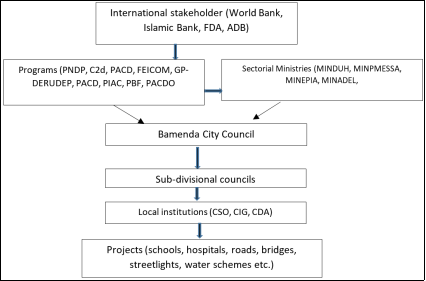
Field reality reveal that the three categories of stakeholders identified (International, State and local) operate using different tools, interest, channels and approaches. However, no single stakeholder operate in isolation, but in an operational chain (Figure 5).
Source: Author’s Conception, (2025)

Download: Download full-size image

Figure 5. Stakeholders network in the gentrification process of Bamenda.
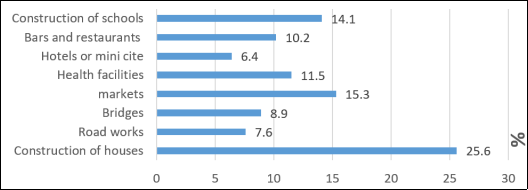
Figure 5 indicate that international stakeholder operate through programs in synergy with the sectorial ministries via operational institutions like the councils and local stakeholders. World Bank and Islamic bank for example fund projects of GP-DERUDEP, PNDP, C2d etc. working in partnership with Sectorial Ministries like; MINDUH, Ministry of Small and Medium Sized Enterprises, Social Economy and Handicraft (MINPMESSA) and Councils to meet the needs of the local population which culminate in gentrification.
Prior to field study, the researcher sought to ascertain the lead stakeholder out of the three categories identified, in the gentrification process in Bamenda. This verification focuses on comparing the role of the different stakeholders in the gentrification process by examining the frequency of their activities. Field reality revealed that the construction of roads, bridges and culverts are the prime duty of the state via its operational institutions. However, the transformation process that has upgraded the city of Bamenda is a function of many aspects among which are the spatial growth of educational institutions, transport hubs, commercial, health and housing development. Figure 6 present the dominant activities of Stakeholders in the gentrification process in Bamenda.
Source: Fieldwork; (2025)

Download: Download full-size image

Figure 6. Dominant activity of stakeholders in the gentrification process in Bamenda.
Field evidence reveal that the construction of houses is the most dominant activity (25.6%) that gentrifies the Municipality, and the least activity is growth in hotels and Mini cite. The X2 was used to ascertain the lead stakeholder in the gentrification process in Bamenda on the premises that “State socio-economic involvement in the gentrification process in Bamenda largely override those of local stakeholders in the city”. The results are presented on Table 6.
The Chi Squarex2=(Oi-Ei)2Ei
Where;
x2 = chi squared
∑ = Sum Total
Oi = observed value
Ei = expected value
The results indicate that there is significant difference between the observed and expected frequencies, χ2(2) = 9.615, P =.008. Since the calculated (9.615) value is grater than the P-value (.008), we conclude that “Local stakeholders socio-economic involvement in the gentrification process in Bamenda largely override those of other stakeholders”. Although local stakeholders dominate the process, no stakeholder is solely responsible for the gentrification process in Bamenda.
Table 6. Chi Square Test for Dominant Stakeholder in the gentrification process in Bamenda.

Category

Observed

Expected

Chi-square (df) P-value:

International stakeholders

95

130

9.615 (0.008)

The State

125

130

Local stakeholders

170

130

5. Constraints Encountered by Stakeholders in the Gentrification Process in Bamenda
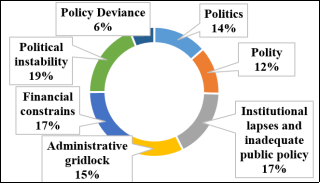
Stakeholders’ socio-economic activities have somewhat engendered gentrification in the municipality of Bamenda however, their activities are hampered by the following, Figure 7.
Source: Fieldwork, (2025)

Download: Download full-size image

Figure 7. Stakeholders Constraints in the Municipality of Bamenda.
5.1. Political Instability
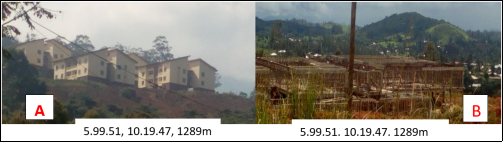
The socio-political ridden atmosphere characterized by frequent gunshots, rampant kidnapping, looting, massive killing, arson and related crimes from 2016 till date, has deter investments and gentrification in Bamenda. 19% of the population observed that political instability hampers stakeholders’ effort in the gentrification process in Bamenda. Many development initiatives have been deviated or aborted by the socio-political crisis. Many houses, businesses and educational institutions have been burned down and others shutdown. This is the case with GTSS Alabukam, GTHS Chomba, whose structures were burned down between 2018-2020, and many public schools temporally shutdown. Socio-political instability has created a timid atmosphere deterring growth, hampering stakeholder’s engagement, putting most investments at risk of destruction. This creates scepticism that leaves areas that were rapidly undergoing transformation static. The Referral Hospital at Ntambang in Bamenda III, initiated since 2015, until date is abandoned due to the socio-political crisis. The Mbengwei Park market with 100 modern sheds constructed in 2015 and the lone Low Cost Housing constructed by the government since 2016 (Figure 8) is currently being used by the military and not the urban dwellers for whom it was meant. The recent road enlargement project from welcome to Bamenda to Hospital Round About have delayed till now after massive demolition as well as many other projects due to the crisis ridden atmosphere.
A, Low cost housing and B, Referral hospital project abandoned. Source: Fieldwork, (2025)

Download: Download full-size image

Figure 8. Underused and Uncompleted Projects in the Municipality of Bamenda.

5.2. Financial Constraints
Gentrification in Bamenda is constrained by inadequate finance indicated by 17% of the population. The upgrading process (new-built, refurbishment, commercial development, service provision etc.) requires huge finances. Regardless of the multiple financial institutions, that grants loans to the population, the rise in commodity prices constrains and limits stakeholders from venturing into huge projects. It takes twice or even more money to carry out similar projects of the 80s and 90s. The meagre salary, unemployment and economic hardship of the population hinders massive gentrification in Bamenda. An interview session with a property owner at Funcha Junction Bamenda whose structure is in decrepit state reveal that “I would have refurbished this structure completely, but the financial estimate is higher than the cost I constructed this house in the 80s. I may only change a few sheets of zinc where leakage is profuse”. In another interview with a resident of an incomplete dwelling, he revealed, “I have lived in this structure for 10 year in this state. I am unable to do the finishing reflecting my desired taste due to the financial cost it entails”. Two educational institutions sampled gave a similar respond. The poor quality facilities dominantly ravaging the city are associated to financial constraints.
5.3. Gentrification and Institutional Lapses (Inadequate Public Policy)
Institutions charged with policy implementation are crucial stakeholders in the gentrification process in Bamenda. Field study reveal that 17% of the population observe that institutional lapses is a hindrance to gentrification. Bamenda lacks harmonious organization of land use and development. The city is characterized by inadequate space allocation for human activities, incompatibility of human activities due to lack of appropriate segregation, incompatible land use developments, project delays, conflicting plans and coordination. Following the Building Regulations of the Master Plan of Bamenda City, whenever any provision of these regulation is violated, a contravention notice is served on the land user or developer. The applicability of this is far fetch. The construction of houses in untheorized areas points to the inadequacy in public policy. Fieldwork and interviews with some occupants of wetlands and structures that violet minimum set back limits to the arterial road, reveal that they are in possession of building permits, which is ironical. The victims of the demolition process accompanying the road expansion project do possess building permits and land certificates granted by the same authorities demolishing the structures years later. This lack of foresight by town planners, distorts the gentrification process especially when huge investments are at risk of demolition meanwhile owners of such projects have legal backings to justify their existence.
5.4. Administrative Gridlock
The procedure required for the formalization of most developmental activities and businesses is rigorous, 16% of the population reveal that administrative gridlock hampers the gentrification process in Bamenda. This include taxes, legal procedure for authorization either for an institution or for enterprises and others. The procedure, time and finances required for formalisation is a hindrance to gentrification. Obtaining a land certificate from the authorities concerned for example is a process that many bypass because of the complex requirements involved. The huge taxes levied on some businesses and the huge amounts required to establish license before operating deters most investors, propelling informal pathways and clandestine establishments. The complex process entail in obtaining a building permit has made most developers bypass it.
5.5. Politics and Polity
Linked to institutional lapses is politics, which refers to the activities of the government, members of the law, making body or people who influence the way a country is governed. It has to do with agenda setting for the population per season. 14% of the population reveal that politics hinders the gentrification process in Bamenda. The irrational distribution of services (electricity and water supply), biased development, corruption and embezzlement of funds, misappropriation of funds, self-centeredness that characterizes Cameroon’s political system retards gentrification. Most projects are poorly executed due to the mismanagement or embezzlement of funds. Others are realized, but no access given to the intended users, the low cost housing along the new road is a typical example.
Polity refers to the embedded structures or contextual circumstances and settings (desires, cultural settings, beliefs and opportunities). Polity hampers the gentrification process as observed by 12% of the population. Some projects have not been successfully realized in certain neighbourhoods because of polity (the financial means of the population their belief systems, the cultural setting of the population). A majority of the population of Bamenda lacks the financial means to upgrade their facilities. The inability for some neighbourhoods (Futru, Mbelem, Ntambang etc.) to have access to the Bamenda III council water which rather supplies neighbourhoods far away is linked to their desire to have autonomy over the local community water with the belief that if the council supply them water, she can subsequently gain autonomy over their local community water schemes. This exemplifies how polity constrain gentrification. Away from these, numerous other constrains limits the to gentrification process in Bamenda city.
6. Discussions
The results reveal multiple stakeholders involved in the gentrification process in Bamenda either through road and other infrastructural developments. This is evident via the multiple socio-economic upgrading across the city. Although field evidence reveal local stakeholder lead the gentrification process in Bamenda, no single stakeholder is solely responsible for gentrifying Bamenda. This aligns with the ideas of that gentrification actors range from economically marginal, young educated, builders, landlords, mortgage lenders, tenants, corporate investor, developers, real estate agents, bank and government agencies. Their numerous activities have significantly upgraded Bamenda I, a municipality that for decades only had administrative structures. However, in the present decade multiple stakeholder intervention have brought about munificent residential and socio-economic structures increasing its appeal. This corroborated the findings of that development projects bring new amenities to a neighbourhood and increases its appeal. Similarly, noted that the process of neighbourhood change is perceived by some as rejuvenating communities, creating desirable neighbourhoods for the middle class. The State plays a crucial role beyond local development to creating collaboration with donors whose financial aids have seen many infrastructural development. This is in line with the ideas of , that the state is the traditional source for investments and reinvestments into development projects for infrastructure improvement. The study reveal that multiple socio-economic facilities have been provided and others rehabilitated or refurbished. Commercial structures, residential structures, roads and bridges in decrepit state across the city are upgraded by efforts of different stakeholders. Ntambag for example (Old Town) was one of the most deteriorated neighbourhood (slump) in Bamenda however, this neighbourhood has been revitalised with the construction of roads linking the streets and the old structures upgraded. Similar actions are ongoing in different neighbourhoods, gentrifying the city. This aligns with the idea of , that deliberate stakeholder engagements can lead to the revitalisation of deteriorating neighbourhoods. In the same light, , noted that active stakeholder engagement and effective organizer management are crucial for participatory neighbourhood rehabilitation.
The major role of the state is policy formulation. This include; Conventions, Laws, Decrees, Orders, and Municipal Deliberations that forms the legal framework that shapes the gentrification process in Bamenda. These policies are mainly formulated by the state and implemented using different channels. All other policies by international or local stakeholders must align with state statutory order. This corroborates that the state is more systematically involved through policy (subsidies, tax, incentives, planning regulations) and capital (land provision) in the gentrification process. Similar view is shared by , that government at the local, state, and federal levels sets the conditions for and catalyses gentrification processes through public subsidy and policy, however in the case of Bamenda subsidies have not play any major role in the gentrification process. The study revealed a network of stakeholders categorised into International, State and Local involved in the gentrification process in Bamenda. This implies no single stakeholder can boast that the transformation ongoing in the Municipality is principally attributed to his or her singular role. Gentrification therefore culminates from the cumulative involvement of many stakeholders. This corroborates the ideas of , who noted that there is a synergic strategy in Mezam Division that stems from the joint activities of every institution with the grassroots population for local development. He further emphasized that local development strategies are continuously being fine-tuned by the multiple actors involved in the development process. In the same vein, emphasized a nexus of actors that facilitate the gentrification process; developers, builders, mortgage lenders, government agencies, and real estate agents.
Although gentrification rejuvenates neighbourhoods in Bamenda, a number of constrains hamper the process, this include political instability, financial limitations, institutional lapses politics and polity. Political instability in Bamenda since 2016 has slowed down many projects because either the investors and workers of the project are threatened by insecurity or the intended purpose of the project is untenable because of displacement. This corroborates the ideas of Norwegian Refugee Council (NRC, that millions of people have been displaced by 2024 fleeing from different countries, linked to violence, insecurity posing a problem to gentrification. Similarly, observed that insecurity associated with the socio-political crisis within the current decade has become prominent in triggering displacement to different directions of the city, constraining gentrification. Inadequate public policy do not only manifest through incompatible land use developments, project delays, conflicting plans and coordination but through failing to mitigates gentrifications negative impacts such as displacement and unaffordable housing. This is not different from the ideas of who highlights the disproportionate impacts of gentrification on historically disadvantaged groups, remaking that policies to mitigate these effects remain underdeveloped. Gentrification in Bamenda is hampered by politics and polity which are contextual circumstances and settings constraining gentrification, contrary to the idea of that East Malaysia possess unique cultural draws, such as cultural histories, architecture, and customs, which tend to propel gentrification.
7. Conclusion
The gentrification process in Bamenda is the outcome of the interventions of multiple stakeholders. Results reveal a wide range of international, state and local institutions operating in Bamenda, whose activities gentrify the city. The state in synergy with sectorial ministries is responsible for policy development and financing, in collaboration with foreign partners via operational institutions like the PNDP, GP-DERUDEP C2D, work in synergy to transform the Municipality of Bamenda. The visible results of several socio-economic development across the city (schools, health, roads, markets, settlements etc.) as well as capacity building of the local population are indicative of their collaboration. However, institutional lapses, financial constrains, socio-political instability, administrative gridlocks and polity significantly hamper the gentrification process in Bamenda. Nevertheless, there is still a need to intensify stakeholders’ involvement to efficiently enhance the gentrification process in Bamenda, in order to keep postponing the city’s lifespan in alignment with the model of neighbourhood change by . This study contributes to academic discourse as well as offers practical guidance for urban planners navigating constrains to gentrification. Addressing constrains to gentrification necessitates governance frameworks that are responsive to the political and socio-spatial dynamics of Sub-Sahara African Cities and Cameroon cities specifically. This paper therefore recommends that administrative procedures be streamline and standardized to reduce administrative gridlocks, encourage more inter-departmental coordination to foster collaboration between stakeholders to minimize institutional lapses. To address financial constrain the paper recommends that tax relief programs, land value capture and commodity prize control be implemented and strengthen participatory governance through effective community engagement. The study highlights the need for policies that balance urban dynamics and demographic complexities in order to enhance stakeholders’ engagement in the gentrification process in Sun-Sahara Africa in alignment with SDGs 17 focused on strengthening global partnership for sustainable development.
Abbreviations

ADB

African Development Bank

AFD

French Development Agency

BAMEDCA

Bamendankwe Development and Cultural Association

C2D

Debt Relief and Development Contract

CDO

Council Development Officer

CDP

Council Development Plan

CHODECA

Chomba Development and Cultural Association

CIGs

Common Initiative Groups

FDC

French Development Corporation

FEICOM

Special Council Support Fund for Mutual Assistance

GP-DERUDEP

Grassfield Participatory and Decentralized Rural Development Project

HRITF

Health Results Innovation Trust Fund

IDA

International Development Association

IDB

Islamic Development Bank

MACUDA

Mankon Cultural and Development Association

MBACUDA

Mbatu Cultural and Development Association

MINDDEVEL

Ministry of Decentralization and Local Development

MINDUH

Ministry of Urban Development and Housing

MINEPAT

Ministry of Economy, Planning and Regional Development

MINPMESSA

Ministry of Small and Medium Sized Enterprises, Social Economy and Handicraft

MINT

Ministry of Transport

NCDA

Ndzah Cultural and Development Association

NDA

Nkwen Development Association

NDECA

Nsongwa Development and Cultural Association

NGOs

Non-Governmental Organizations

PACDDU

Support Programme for Decentralised Capacity Building for Urban Development

PBF

Performance-Based Financing

PNDP

National Community Driven Programme / National Community Driven Development Program

UCCA

Union of Council of Cameroon Association

VDAs

Village Development Associations

WHO

World Health Organisation

Author Contributions
Mildred Endam Acha: Conceptualization, Data Curation, Formal analysis, Methodology, Investigation, Visualization, Writing – original draft, Writing – review & editing
Conflicts of Interest
The author declares no conflicts of interest.
References
[1] Acha, M. E. and Mbanga L. A. (2026). Gentrification and Displacement in Sub Saharan Africa: Insights from Bamenda Municipality of the North West Region of Cameroon. Frontier International Journal of Interdisciplinary Studies, 1(1), 49-73.
[2] Acha and Fombe (2023). Gentrification Patterns, Trends and Development Implications of the Bamenda Metropolis from 1972-2022. International Journal of Social Sciences and Management Review. Vol. 6, Pg 139-153.
[3] Akere S. G. and Kimengsi J. Z. (2020), Urban Expansion and the dynamics of Famers Livelihoods: Evidence from Bamenda, Cameroon. Journal of Sustainability 2020, 12(14), 5788;
[4] Bakah D. (2021). Bamenda 3 Council water Scheme: Plant optimized with more quarters, households targeted. Hiltop Voices, October 2021
[5] Bernt, M. (2022). The Commodification Gap: Gentrification and Public Policy in London, Berlin and St Petersburg. First edition. John Wiley and sons Ltd.
[6] Bryson, J. M. (2004). What to do when Stakeholders Matter: Stakeholder Identification and Analysis Techniques, Public Management Review, Pg 21-53.
[7] Chan, J. H., Iankova, K., Zhang, Y., McDonald, T., & Qi, X. (2016). The role of self-gentrification in sustainable tourism: Indigenous entrepreneurship at honghe hani rice terraces world heritage site, China. Journal of Sustainable Tourism, 24(8–9), 1262–1279.
[8] Cheng Ivanne (2022). How are Gentrification and Displacement Changing our Cities?
[9] Cocola-Gant, A. (2019). Gentrification and displacement: urban inequality in cities of late capitalism. Handbook of Urban Geography (pp. 297–310). Edward Elgar Publishing.
[10] Fombe L. F. and Acha M. E. (2020). Land Use Dynamics and Variations in Sprawl across Sub divisions in Bamenda Urban-scape 1996-2018. Journal of Sustainable Development 13(4): 224-234
[11] Freeman, R E. (1984) Strategic Management: A Stakeholder Approach. Boston: Pitman.
[12] Grigsby G. W., Isaac F. M. Marja C. H. and Peter D. L. (1987). Understanding Neighbourhood Dynamics: A Review of the Contributions of William Grigsby. jstor.org Vol. 33, No. 10 pp 1779-1795 Sage publications, Ltd.
[13] Haigh, M., (2020). Cultural Tourism Policy in Developing regions: The Case of Sarawal, Malaysia. Tourism Management Volume 81, December 2020, 104166.
[14] Hochstenbach C., (2015). Stakeholder’s representation in Amsterdam and Berlin: A Marginal Process? International Journal of Housing Studies.
[15] Hyra D., (2016). Commentary: Causes and Consequences of Gentrification and the Future of Equitable Development Policy. Journal of Policy Development and Research. Volume 18, Number 3 • 2016, American University Washington D.C.
[16] Khalil R. A., Johar F. and Sabril S. (2015). Conceptual Framework for Gentrification Analysis of Iskandar Malaysia: International Journal of Built Environment and Sustainability · May 2015 IJBES 2(2)/2015, 115-124.
[17] Krase, J.& DeSena, J. N., (2020). Gentrification Around the World, Volume 1. Gentrifiers and the Displaced. Springer Nature Book Series, Palgrave Studies in Urban Anthropology (PSUA) Pages 1-10.
[18] Lees, L. L. (1996). In the Pursuit of Difference: Representations of Gentrification. Environment and Planning A pg 453-470
[19] Letlape, H. B., Gumbo. T., Mndzebele, M. and Naidoo, K, (2025). Unpacking the Drivers of Gentrification: A Systematic Review of Selected African Countries. Reviewed Paper. pp. 955-954.
[20] Li, Y., Zhu, P., MLencnik, E., Visscher, H. J., Qian, Q. K., (2025). Understanding Stakeholder Influence on Residential Participation in Nieghbourhood Rehabilitation from a Project lLfecycle Perspective. Environmental Science and Policy 169(2025) 104091 pp 1-19.
[21] Master Plan of Bamenda City Council (2011-2027); Detailed Physical Development Plan, Consultant HTR, May 2012.
[22] Mbanga, L. A. (2020). Institutions and local Development in Mezam Division, North West Region of Cameroon. African Journal of Social Sciences. Environmental and Social Science.
[23] Mela Social Enterprise, (2020). Managing Gentrification Intercultural City Policy Study. Case study, Berlin, Bacelona, Montreal.
[24] McGrath S. K. and Whitty J. (2017). Stakeholder defined. An international Journal of Managing Projects in Business.
[25] Mickel G. (2022). Gentrification: Remedies and consequences. GREEN LAW BLOG OF PEACE ENVIRONMENTAL LAW PROGRAMS. Elisabeth Haub Law School of Law Pace University
[26] Mickinnish, T., Walsh, R., and White, T. K., (2010). Who Gentrifies Low Income Neighbourhoods?. Journal of Urban Economics Vol. 67, Issue 2, March 2010, Pages 180-193.
[27] NRC, (2024). Global displacement figures 2024 – Norwegian Refugee Council (NRC)
[28] Zuk M., Arieal H. B., Karen C., Karolina G. and Anastasia L. S. (2017). Gentrification, Displacement and the role of Public Investment. Journal of Planning Lecture 2017 vol. 33(1) 31-44.
[29] Tim V. & Cody H., (2022). Gentrification through the Ages. A long-term perspective on urban displacement, social transformation and resistance. Analysis of Urban Change, Theory, Action Vol. 26.2022-issue 2-3 Pp 439-449.
Cite This Article
  • APA Style

    Acha, M. E. (2026). Stakeholders Engagement in the Gentrification Process in Sub Sahara Africa: Constrains and Pathways for Bamenda City, North West Region, Cameroon. International Journal of Sustainable Development Research, 12(2), 108-123. https://doi.org/10.11648/j.ijsdr.20261202.13

    Copy | Download

    ACS Style

    Acha, M. E. Stakeholders Engagement in the Gentrification Process in Sub Sahara Africa: Constrains and Pathways for Bamenda City, North West Region, Cameroon. Int. J. Sustain. Dev. Res. 2026, 12(2), 108-123. doi: 10.11648/j.ijsdr.20261202.13

    Copy | Download

    AMA Style

    Acha ME. Stakeholders Engagement in the Gentrification Process in Sub Sahara Africa: Constrains and Pathways for Bamenda City, North West Region, Cameroon. Int J Sustain Dev Res. 2026;12(2):108-123. doi: 10.11648/j.ijsdr.20261202.13

    Copy | Download

  • @article{10.11648/j.ijsdr.20261202.13,
      author = {Mildred Endam Acha},
      title = {Stakeholders Engagement in the Gentrification Process in Sub Sahara Africa: Constrains and Pathways for Bamenda City, North West Region, Cameroon},
      journal = {International Journal of Sustainable Development Research},
      volume = {12},
      number = {2},
      pages = {108-123},
      doi = {10.11648/j.ijsdr.20261202.13},
      url = {https://doi.org/10.11648/j.ijsdr.20261202.13},
      eprint = {https://article.sciencepublishinggroup.com/pdf/10.11648.j.ijsdr.20261202.13},
      abstract = {Stakeholders and policy instruments in different context construe gentrification. Successful neighborhood rehabilitation across the globe is a product of active stakeholders’ engagement. However, in Sub Sahara Africa, successful neighbourhood revitalization is precluded by numerous constrains. While much scholarly works on gentrification focuses on trends and patterns, more comprehensive studies are required to a) examine the role and lead stakeholder in the gentrification process in Bamenda, b) investigate constrains to stakeholder’s efforts in gentrifying the city of Bamenda. The study employed the exploratory, survey and comparative research designs suitable to monitor and compare the activities of different stakeholders, 18 key informant interviews were conducted with different categories of stakeholders to understand their role and constrains. This was complimented by administering 180 questionnaire to the general population using the purposive sampling and snowball techniques. Secondary data was obtained from exploring project documents of stakeholders and diverse scientific works of scholars. Quantitative and qualitative methods using SPSS version 20 and Micro Excel version 2016 were used to analyse data. The Chi Square test was utilize to ascertain the lead stakeholder in the gentrification process in Bamenda. Findings reveal that multiple stakeholders categorized into international, state and local stakeholders are involved in the gentrification process in Bamenda. While local stakeholders lead gentrification in Bamenda all three categories of stakeholders play crucial roles in leading gentrification. However, the process is constrained by political instability, financial limitations, institutional lapses, administrative gridlock inter alia. To sustainably enhance stakeholders’ effort in the gentrification process of Sub Sahara, this paper therefore recommends the following policy actions. Streamlining and standardizing administrative procedures to reduce administrative gridlock, encouraging more inter-departmental coordination to foster collaboration with task specification to minimize institutional lapses, tax relief programs, land value capture and incentivising developmental attempts to minimize financial burden among others.},
     year = {2026}
    }
    

    Copy | Download

  • TY  - JOUR
    T1  - Stakeholders Engagement in the Gentrification Process in Sub Sahara Africa: Constrains and Pathways for Bamenda City, North West Region, Cameroon
    AU  - Mildred Endam Acha
    Y1  - 2026/06/05
    PY  - 2026
    N1  - https://doi.org/10.11648/j.ijsdr.20261202.13
    DO  - 10.11648/j.ijsdr.20261202.13
    T2  - International Journal of Sustainable Development Research
    JF  - International Journal of Sustainable Development Research
    JO  - International Journal of Sustainable Development Research
    SP  - 108
    EP  - 123
    PB  - Science Publishing Group
    SN  - 2575-1832
    UR  - https://doi.org/10.11648/j.ijsdr.20261202.13
    AB  - Stakeholders and policy instruments in different context construe gentrification. Successful neighborhood rehabilitation across the globe is a product of active stakeholders’ engagement. However, in Sub Sahara Africa, successful neighbourhood revitalization is precluded by numerous constrains. While much scholarly works on gentrification focuses on trends and patterns, more comprehensive studies are required to a) examine the role and lead stakeholder in the gentrification process in Bamenda, b) investigate constrains to stakeholder’s efforts in gentrifying the city of Bamenda. The study employed the exploratory, survey and comparative research designs suitable to monitor and compare the activities of different stakeholders, 18 key informant interviews were conducted with different categories of stakeholders to understand their role and constrains. This was complimented by administering 180 questionnaire to the general population using the purposive sampling and snowball techniques. Secondary data was obtained from exploring project documents of stakeholders and diverse scientific works of scholars. Quantitative and qualitative methods using SPSS version 20 and Micro Excel version 2016 were used to analyse data. The Chi Square test was utilize to ascertain the lead stakeholder in the gentrification process in Bamenda. Findings reveal that multiple stakeholders categorized into international, state and local stakeholders are involved in the gentrification process in Bamenda. While local stakeholders lead gentrification in Bamenda all three categories of stakeholders play crucial roles in leading gentrification. However, the process is constrained by political instability, financial limitations, institutional lapses, administrative gridlock inter alia. To sustainably enhance stakeholders’ effort in the gentrification process of Sub Sahara, this paper therefore recommends the following policy actions. Streamlining and standardizing administrative procedures to reduce administrative gridlock, encouraging more inter-departmental coordination to foster collaboration with task specification to minimize institutional lapses, tax relief programs, land value capture and incentivising developmental attempts to minimize financial burden among others.
    VL  - 12
    IS  - 2
    ER  - 

    Copy | Download

Author Information
  • Abstract
  • Keywords
  • Document Sections

    1. 1. Introduction
    2. 2. Conceptual Underpinning
    3. 3. Study Area and Methodology
    4. 4. Results
    5. 5. Constraints Encountered by Stakeholders in the Gentrification Process in Bamenda
    6. 6. Discussions
    7. 7. Conclusion
    Show Full Outline
  • Abbreviations
  • Author Contributions
  • Conflicts of Interest
  • References
  • Cite This Article
  • Author Information