
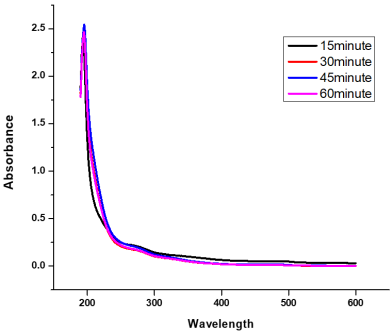
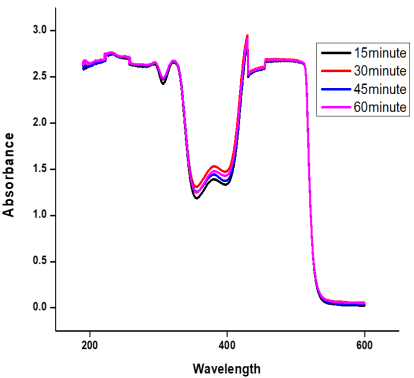
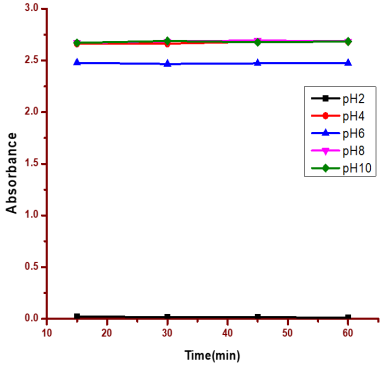
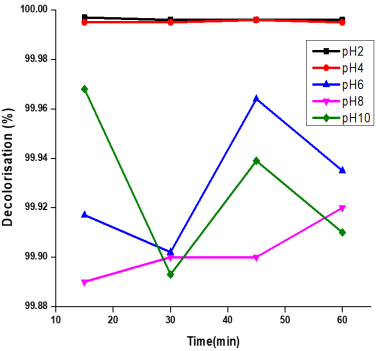
This research look over the application of adsorbent as bentonite. Bentonite, aluminum phyllosilicate clay made up of montmorillonite. Montmorillonite known for enormous water absorption and high surface area. Dyeing industries are crucial ecological hazards donating upto twenty percent of industrial water pollution. These industries discharge toxic sewer water containing heavy metals, mutagenic substances, carcinogenic amines, and non-biodegradable chemicals, affects human health and aquatic ecosystems. The contamination of water with toxic dyes poses serious threats to surrounding. Therefore it is mandatory to overcome the environmental challenges with reliable and ability of component and environmental impact. Bentonite having capability to detoxified the harmful substances. It has the dormant for sorption the pesticide endrin possibly due to a combination of hydrophobic and charge-dipole. This study examined the potential of bentonite as adsorbent techniques for treating fluorescein sodium dyes from aqueous solutions. Experiment is done on the particular concentration of 200 ppm and at fixed pH of 2, 4 6, 8 and 10. Results recorded by the systronics spectrophotometer for absorbance Vs wavelength at pH 2 and 10 for fixed interval of time, Absorbance Vs Time, and decolorisation of dye. The performance of bentonite regarding color removal was optimum when the initial pH was 10 for 15 minutes and under ideal circumstances, decolorisation was shown to be 99.97% at alkaline pH. At pH 2 and 4 constant absorbance is achieved by 99.99% for a time intervals of 15 minutes. At an acidic pH the absorbance gradually decreased with respect to time. The spectrophotometric data at a wavelength of 490 nm is 2.683 at pH 10, shows the absorbance of toxic substances. As the wavelength is gradually increased the absorbance is also increased. The response of adsorbent as bentonite for the removal of fluorescein dyes from aqueous solution as well as for healthy environment is excellent and verified.
| Published in | Modern Chemistry (Volume 14, Issue 2) |
| DOI | 10.11648/j.mc.20261402.12 |
| Page(s) | 58-70 |
| Creative Commons |
This is an Open Access article, distributed under the terms of the Creative Commons Attribution 4.0 International License (http://creativecommons.org/licenses/by/4.0/), which permits unrestricted use, distribution and reproduction in any medium or format, provided the original work is properly cited. |
| Copyright |
Copyright © The Author(s), 2026. Published by Science Publishing Group |
Fluorescein Sodium, Bentonite, Adsorbent, Decolorisation, Absorbance, Dye
Wavelength (nm) | Absorbance |
|---|---|
500.0 | 2.675 |
499.8 | 2.675 |
499.6 | 2.677 |
499.4 | 2.676 |
499.2 | 2.678 |
499.0 | 2.678 |
498.8 | 2.679 |
498.6 | 2.679 |
498.4 | 2.679 |
498.2 | 2.680 |
498.0 | 2.680 |
497.8 | 2.681 |
497.6 | 2.681 |
497.4 | 2.682 |
497.2 | 2.681 |
497.0 | 2.681 |
496.8 | 2.681 |
496.6 | 2.682 |
496.4 | 2.684 |
496.2 | 2.685 |
496.0 | 2.685 |
495.8 | 2.684 |
495.6 | 2.683 |
495.4 | 2.681 |
495.2 | 2.681 |
495.0 | 2.681 |
494.8 | 2.682 |
494.6 | 2.683 |
494.4 | 2.684 |
494.2 | 2.683 |
494.0 | 2.681 |
493.8 | 2.679 |
493.6 | 2.678 |
493.4 | 2.679 |
493.2 | 2.682 |
493.0 | 2.683 |
492.8 | 2.683 |
492.6 | 2.683 |
492.4 | 2.683 |
492.2 | 2.684 |
492.0 | 2.682 |
491.8 | 2.681 |
491.6 | 2.681 |
491.4 | 2.684 |
491.2 | 2.685 |
491.0 | 2.685 |
490.8 | 2.684 |
490.6 | 2.684 |
490.4 | 2.683 |
490.2 | 2.683 |
490.0 | 2.683 |
489.8 | 2.684 |
489.6 | 2.685 |
489.4 | 2.686 |
489.2 | 2.684 |
489.0 | 2.684 |
488.8 | 2.683 |
488.6 | 2.684 |
488.4 | 2.684 |
488.2 | 2.685 |
488.0 | 2.684 |
487.8 | 2.683 |
487.6 | 2.683 |
487.4 | 2.683 |
487.2 | 2.684 |
487.0 | 2.686 |
486.8 | 2.687 |
486.6 | 2.688 |
486.4 | 2.687 |
486.2 | 2.687 |
486.0 | 2.686 |
485.8 | 2.686 |
485.6 | 2.685 |
485.4 | 2.684 |
485.2 | 2.684 |
485.0 | 2.683 |
484.8 | 2.684 |
484.6 | 2.684 |
484.4 | 2.685 |
484.2 | 2.684 |
484.0 | 2.683 |
483.8 | 2.683 |
483.6 | 2.682 |
483.4 | 2.683 |
483.2 | 2.684 |
483.0 | 2.685 |
482.8 | 2.686 |
482.6 | 2.686 |
482.4 | 2.686 |
482.2 | 2.687 |
482.0 | 2.686 |
481.8 | 2.685 |
481.6 | 2.685 |
481.4 | 2.684 |
481.2 | 2.684 |
481.0 | 2.686 |
480.8 | 2.687 |
480.6 | 2.687 |
480.4 | 2.687 |
480.2 | 2.686 |
480.0 | 2.686 |
479.8 | 2.685 |
479.6 | 2.684 |
479.4 | 2.685 |
479.2 | 2.686 |
479.0 | 2.688 |
478.8 | 2.689 |
478.6 | 2.690 |
478.4 | 2.689 |
478.2 | 2.688 |
478.0 | 2.687 |
477.8 | 2.687 |
477.6 | 2.686 |
477.4 | 2.686 |
477.2 | 2.685 |
477.0 | 2.684 |
476.8 | 2.685 |
476.6 | 2.685 |
476.4 | 2.686 |
476.2 | 2.683 |
476.0 | 2.683 |
475.8 | 2.682 |
475.6 | 2.684 |
475.4 | 2.684 |
475.2 | 2.686 |
475.0 | 2.686 |
474.8 | 2.686 |
474.6 | 2.685 |
474.4 | 2.684 |
474.2 | 2.684 |
474.0 | 2.683 |
473.8 | 2.684 |
473.6 | 2.685 |
473.4 | 2.687 |
473.2 | 2.688 |
473.0 | 2.689 |
472.8 | 2.688 |
472.6 | 2.687 |
472.4 | 2.687 |
472.2 | 2.686 |
472.0 | 2.686 |
471.8 | 2.686 |
471.6 | 2.687 |
471.4 | 2.685 |
471.2 | 2.685 |
471.0 | 2.685 |
470.8 | 2.687 |
470.6 | 2.688 |
470.4 | 2.688 |
470.2 | 2.688 |
470.0 | 2.687 |
469.8 | 2.686 |
469.6 | 2.686 |
469.4 | 2.687 |
469.2 | 2.690 |
469.0 | 2.691 |
468.8 | 2.691 |
468.6 | 2.690 |
468.4 | 2.690 |
468.2 | 2.689 |
468.0 | 2.688 |
467.8 | 2.687 |
467.6 | 2.687 |
467.4 | 2.686 |
467.2 | 2.685 |
467.0 | 2.685 |
466.8 | 2.684 |
466.6 | 2.683 |
466.4 | 2.682 |
466.2 | 2.683 |
466.0 | 2.682 |
465.8 | 2.684 |
465.6 | 2.683 |
465.4 | 2.685 |
465.2 | 2.686 |
465.0 | 2.687 |
464.8 | 2.688 |
464.6 | 2.686 |
464.4 | 2.687 |
464.2 | 2.687 |
464.0 | 2.686 |
463.8 | 2.684 |
463.6 | 2.683 |
463.4 | 2.685 |
463.2 | 2.685 |
463.0 | 2.685 |
462.8 | 2.685 |
462.6 | 2.686 |
462.4 | 2.689 |
462.2 | 2.688 |
462.0 | 2.688 |
461.8 | 2.684 |
461.6 | 2.683 |
461.4 | 2.680 |
461.2 | 2.681 |
461.0 | 2.682 |
460.8 | 2.683 |
460.6 | 2.683 |
460.4 | 2.682 |
460.2 | 2.681 |
460.0 | 2.681 |
459.8 | 2.681 |
459.6 | 2.684 |
459.4 | 2.685 |
459.2 | 2.685 |
459.0 | 2.684 |
458.8 | 2.684 |
458.6 | 2.685 |
458.4 | 2.687 |
458.2 | 2.687 |
458.0 | 2.686 |
457.8 | 2.683 |
457.6 | 2.683 |
457.4 | 2.683 |
457.2 | 2.683 |
457.0 | 2.682 |
456.8 | 2.682 |
456.6 | 2.683 |
456.4 | 2.684 |
456.2 | 2.684 |
456.0 | 2.681 |
455.8 | 2.681 |
455.6 | 2.678 |
455.4 | 2.680 |
455.2 | 2.669 |
455.0 | 2.655 |
454.8 | 2.626 |
454.6 | 2.612 |
454.4 | 2.604 |
454.2 | 2.603 |
454.0 | 2.603 |
453.8 | 2.601 |
453.6 | 2.600 |
453.4 | 2.600 |
453.2 | 2.601 |
453.0 | 2.602 |
452.8 | 2.602 |
452.6 | 2.601 |
452.4 | 2.601 |
452.2 | 2.600 |
452.0 | 2.600 |
451.8 | 2.599 |
451.6 | 2.599 |
451.4 | 2.598 |
451.2 | 2.598 |
451.0 | 2.597 |
450.8 | 2.598 |
450.6 | 2.598 |
450.4 | 2.598 |
450.2 | 2.597 |
450.0 | 2.598 |
449.8 | 2.598 |
449.6 | 2.597 |
449.4 | 2.597 |
449.2 | 2.596 |
449.0 | 2.596 |
448.8 | 2.595 |
448.6 | 2.594 |
448.4 | 2.594 |
448.2 | 2.594 |
448.0 | 2.594 |
447.8 | 2.594 |
447.6 | 2.594 |
447.4 | 2.593 |
447.2 | 2.592 |
447.0 | 2.591 |
446.8 | 2.591 |
446.6 | 2.591 |
446.4 | 2.591 |
446.2 | 2.590 |
446.0 | 2.589 |
445.8 | 2.588 |
445.6 | 2.589 |
445.4 | 2.589 |
445.2 | 2.589 |
445.0 | 2.589 |
444.8 | 2.588 |
444.6 | 2.588 |
444.4 | 2.587 |
444.2 | 2.586 |
444.0 | 2.587 |
443.8 | 2.586 |
443.6 | 2.585 |
443.4 | 2.584 |
443.2 | 2.583 |
443.0 | 2.583 |
442.8 | 2.583 |
442.6 | 2.582 |
442.4 | 2.581 |
442.2 | 2.581 |
442.0 | 2.581 |
441.8 | 2.580 |
441.6 | 2.579 |
441.4 | 2.579 |
441.2 | 2.579 |
441.0 | 2.578 |
440.8 | 2.577 |
440.6 | 2.576 |
440.4 | 2.577 |
440.2 | 2.575 |
440.0 | 2.575 |
439.8 | 2.574 |
439.6 | 2.574 |
439.4 | 2.572 |
439.2 | 2.571 |
439.0 | 2.570 |
438.8 | 2.569 |
438.6 | 2.568 |
438.4 | 2.568 |
438.2 | 2.569 |
438.0 | 2.569 |
437.8 | 2.568 |
437.6 | 2.567 |
437.4 | 2.566 |
437.2 | 2.565 |
437.0 | 2.564 |
436.8 | 2.563 |
436.6 | 2.562 |
436.4 | 2.561 |
436.2 | 2.560 |
436.0 | 2.560 |
435.8 | 2.560 |
435.6 | 2.558 |
435.4 | 2.558 |
435.2 | 2.558 |
435.0 | 2.557 |
434.8 | 2.555 |
434.6 | 2.553 |
434.4 | 2.552 |
434.2 | 2.552 |
434.0 | 2.551 |
433.8 | 2.551 |
433.6 | 2.550 |
433.4 | 2.550 |
433.2 | 2.549 |
433.0 | 2.546 |
432.8 | 2.545 |
432.6 | 2.542 |
432.4 | 2.542 |
432.2 | 2.541 |
432.0 | 2.540 |
431.8 | 2.539 |
431.6 | 2.537 |
431.4 | 2.534 |
431.2 | 2.531 |
431.0 | 2.529 |
430.8 | 2.526 |
430.6 | 2.524 |
430.4 | 2.521 |
430.2 | 2.554 |
430.0 | 2.611 |
429.8 | 2.753 |
429.6 | 2.848 |
429.4 | 2.920 |
429.2 | 2.918 |
429.0 | 2.911 |
428.8 | 2.903 |
428.6 | 2.893 |
428.4 | 2.886 |
428.2 | 2.877 |
428.0 | 2.870 |
427.8 | 2.859 |
427.6 | 2.850 |
427.4 | 2.839 |
427.2 | 2.833 |
427.0 | 2.825 |
426.8 | 2.819 |
426.6 | 2.809 |
426.4 | 2.798 |
426.2 | 2.787 |
426.0 | 2.775 |
425.8 | 2.764 |
425.6 | 2.755 |
425.4 | 2.745 |
425.2 | 2.737 |
425.0 | 2.724 |
424.8 | 2.712 |
424.6 | 2.696 |
424.4 | 2.684 |
424.2 | 2.669 |
424.0 | 2.657 |
423.8 | 2.644 |
423.6 | 2.632 |
423.4 | 2.620 |
423.2 | 2.608 |
423.0 | 2.594 |
422.8 | 2.580 |
422.6 | 2.564 |
422.4 | 2.548 |
422.2 | 2.533 |
422.0 | 2.518 |
421.8 | 2.502 |
421.6 | 2.487 |
421.4 | 2.471 |
421.2 | 2.456 |
421.0 | 2.440 |
420.8 | 2.425 |
420.6 | 2.409 |
420.4 | 2.393 |
420.2 | 2.377 |
420.0 | 2.361 |
419.8 | 2.345 |
419.6 | 2.328 |
419.4 | 2.312 |
419.2 | 2.295 |
419.0 | 2.280 |
418.8 | 2.264 |
418.6 | 2.247 |
418.4 | 2.231 |
418.2 | 2.214 |
418.0 | 2.198 |
417.8 | 2.182 |
417.6 | 2.166 |
417.4 | 2.149 |
417.2 | 2.133 |
417.0 | 2.117 |
416.8 | 2.101 |
416.6 | 2.085 |
416.4 | 2.067 |
416.2 | 2.051 |
416.0 | 2.034 |
415.8 | 2.019 |
415.6 | 2.003 |
415.4 | 1.988 |
415.2 | 1.973 |
415.0 | 1.958 |
414.8 | 1.943 |
414.6 | 1.929 |
414.4 | 1.915 |
414.2 | 1.901 |
414.0 | 1.887 |
413.8 | 1.874 |
413.6 | 1.861 |
413.4 | 1.849 |
413.2 | 1.836 |
413.0 | 1.824 |
412.8 | 1.812 |
412.6 | 1.800 |
412.4 | 1.788 |
412.2 | 1.776 |
412.0 | 1.764 |
411.8 | 1.753 |
411.6 | 1.742 |
411.4 | 1.732 |
411.2 | 1.721 |
411.0 | 1.711 |
410.8 | 1.701 |
410.6 | 1.691 |
410.4 | 1.681 |
410.2 | 1.672 |
410.0 | 1.663 |
409.8 | 1.654 |
409.6 | 1.645 |
409.4 | 1.636 |
409.2 | 1.628 |
409.0 | 1.620 |
408.8 | 1.611 |
408.6 | 1.604 |
408.4 | 1.596 |
408.2 | 1.589 |
408.0 | 1.583 |
407.8 | 1.576 |
407.6 | 1.570 |
407.4 | 1.563 |
407.2 | 1.557 |
407.0 | 1.551 |
406.8 | 1.545 |
406.6 | 1.540 |
406.4 | 1.534 |
406.2 | 1.529 |
406.0 | 1.524 |
405.8 | 1.519 |
405.6 | 1.515 |
405.4 | 1.510 |
405.2 | 1.505 |
405.0 | 1.499 |
404.8 | 1.493 |
404.6 | 1.489 |
404.4 | 1.484 |
404.2 | 1.481 |
404.0 | 1.477 |
403.8 | 1.474 |
403.6 | 1.471 |
403.4 | 1.468 |
403.2 | 1.465 |
403.0 | 1.462 |
402.8 | 1.460 |
402.6 | 1.457 |
402.4 | 1.455 |
402.2 | 1.453 |
402.0 | 1.451 |
401.8 | 1.449 |
401.6 | 1.447 |
401.4 | 1.446 |
401.2 | 1.444 |
401.0 | 1.442 |
400.8 | 1.441 |
400.6 | 1.440 |
400.4 | 1.439 |
400.2 | 1.437 |
400.0 | 1.437 |
MB | Methylene Blue |
RhB | Rhodamine B |
CR | Congo Red |
OPD | Orthophenylenediamine |
PPD | Paraphenylenediamine |
DV | Disperse Violet |
MR | Methyl Red |
CV | Crystal Violet |
| [1] | Joshi, M., Bansal, R., & Purwar, R. (2004). Colour removal from textile effluents. Indian Journal of Fiber & Textile Research, 29, 239-259. |
| [2] | Mohammed, W. T., Farhood, H. F., & Al-Mas' udi, A. H. B. (2007). Removal of Dyes from Wastewater of Textile Industries Using Activated Carbon and Activated Alumina. Technical Paper, Chemical Engineering Department-College of Engineering-University of Baghdad–Iraq. |
| [3] | Ramaraju, B., Manoj Kumar Reddy, P., & Subrahmanyam, C. (2013). Low cost adsorbents from agricultural waste for removal of dyes. Environmental Progress & Sustainable Energy, 33(1), 38-46. |
| [4] | Chamargore, J. J., Bharad, J. V., Madje, B. R., & Ubale, M. B. (2010). The removal of dye from aqueous solution by adsorption on low cost adsorbents. Journal of Chemistry, 7(3), 1003-1007. |
| [5] | Velmurugan, P., Kumar, R. V., & Dhinakaran, G. (2011). Dye removal from aqueous solution using low cost adsorbent. International journal of environmental sciences, 1(7), 1492. |
| [6] | Oyelude, E. O., & Appiah-Takyi, F. (2012). Removal of methylene blue from aqueous solution using alkali-modified malted sorghum mash. Turkish Journal of Engineering and Environmental Sciences, 36(2), 161-169. |
| [7] | Nabhani, Az & Hasan, Zahidah & Herawati, Heti & Zulti, Fifia. (2024). Assessment of Natural Bentonite Efficacy for Dye Removal in Textile Wastewater Treatment: Implication for Mitigating River Citarum Pollution. LIMNOTEK Perairan Darat Tropis di Indonesia. 30. 38-47. |
| [8] | Anand, A., and Jha, A. K. (2025). Adsorptive decoloration of o-Phenylenediamine using bentonite mineral. Rasayan Journal of Chemistry, 18(4), 2203-2208. |
| [9] | Anand, A., Jha, A. K., and Thakur, R. (2025). A Comparative study of removal of Paraphenylene diamine using bentonite and activated charcoal. Current world Environment, 20(2), 692-697. |
| [10] | Anand, A., and Jha, A. K. (2026). Spectrophotometric Analysis and Removal of Fluorescein Sodium Dye from Aqueous Solution using Activated Charcoal & Bentonite. Journal of Emerging Technologies and Innovative Research. 13(1), a515-a522. |
| [11] | Anand, A. (2026). Effect of Operational Parameters for Removal of Fluorescein Sodium Dyes by Bentonite. International Journal of Advanced Research in Science, Communication and Technology, 6(1), 167-172. |
| [12] | Anand, A. (2023). Application and Effect of P-Phenylenediamine on Hair Dye. Journal of Regional Studies, 33-34(65-68), 164-166. |
| [13] | Y. M. Slokar and A. M. L. Marechal. (1998). Methods of decoloration of textile wastewaters. Dyes Pigments, 37(4), 335–356. |
| [14] | Moosavi, S., Lai, C. W., Gan, S., Zamiri, G., Pivehzhani, O. A., & Johan, M. R. (2020). Application of Efficient Magnetic Particles and Activated Carbon for Dye Removal from Wastewater. ACS Omega, 5(33), 20684– 20697. |
| [15] | Wang C-T, Hu J-L, Chou W-L, Kuo Y-M. (2008). Removal of color from real dyeing wastewater by Electro-Fenton technology using a three-dimensional graphite cathode. J Hazard Mater. 152(2), 601–606. |
| [16] | Parsa J. B, Shojaat R. (2007), Removal of organic dye pollutants from wastewater by electrochemical oxidation. Physics and Chemistry of Liquids. 45(4), 479–485. |
| [17] | Anirudhan, T. S., Chandran, R. (2015). Adsorptive removal of basic dyes from aqueous solutions by surfactant modified bentonite clay (organoclay): kinetic and competitive adsorption isotherm. Process Safety and Environmental Protection. 95, 215–225. |
| [18] | Bhatt, A. S., Sakaria, P. L., Vasudevan, M., Pawar, R. R., Sudheesh, N., Bajaj, H. C., Mody, H. M. (2012). Adsorption of an anionic dye from aqueous medium by organo clays: equilibrium modeling, kinetic and thermodynamic exploration. RSC Advances, 2, 8663–8671. |
| [19] | Ddani, M., Meunier, A., Zahraoui, M., Beaufort, D., El Wartiti, M., Fontaine, C., Boukili, B., El Mahi, B. (2005). Clay mineralogy and chemical composition of bentonites from the Gourougou volcanic massif (northeast Morocco). Clays and Clay Minerals, 53(3), 250–267. |
| [20] | Mingzhong Zhou, Taiyi Luo, Warren D. Huff, Shirong Liu. (2014). Prominent Lower Cambrian K-Bentonites In South China: Distribution, Mineralogy, and Geochemistry. Journal of Sedimentary Research. 84(10), 842–853. |
APA Style
Anand, A. (2026). An Ultraviolet-visible Spectrophotometric Approach to Establish a Method for Determining the Presence of Fluorescein Sodium Dye. Modern Chemistry, 14(2), 58-70. https://doi.org/10.11648/j.mc.20261402.12
ACS Style
Anand, A. An Ultraviolet-visible Spectrophotometric Approach to Establish a Method for Determining the Presence of Fluorescein Sodium Dye. Mod. Chem. 2026, 14(2), 58-70. doi: 10.11648/j.mc.20261402.12
@article{10.11648/j.mc.20261402.12,
  author = {Amit Anand},
  title = {An Ultraviolet-visible Spectrophotometric Approach to Establish a Method for Determining the Presence of Fluorescein Sodium Dye},
  journal = {Modern Chemistry},
  volume = {14},
  number = {2},
  pages = {58-70},
  doi = {10.11648/j.mc.20261402.12},
  url = {https://doi.org/10.11648/j.mc.20261402.12},
  eprint = {https://article.sciencepublishinggroup.com/pdf/10.11648.j.mc.20261402.12},
  abstract = {This research look over the application of adsorbent as bentonite. Bentonite, aluminum phyllosilicate clay made up of montmorillonite. Montmorillonite known for enormous water absorption and high surface area. Dyeing industries are crucial ecological hazards donating upto twenty percent of industrial water pollution. These industries discharge toxic sewer water containing heavy metals, mutagenic substances, carcinogenic amines, and non-biodegradable chemicals, affects human health and aquatic ecosystems. The contamination of water with toxic dyes poses serious threats to surrounding. Therefore it is mandatory to overcome the environmental challenges with reliable and ability of component and environmental impact. Bentonite having capability to detoxified the harmful substances. It has the dormant for sorption the pesticide endrin possibly due to a combination of hydrophobic and charge-dipole. This study examined the potential of bentonite as adsorbent techniques for treating fluorescein sodium dyes from aqueous solutions. Experiment is done on the particular concentration of 200 ppm and at fixed pH of 2, 4 6, 8 and 10. Results recorded by the systronics spectrophotometer for absorbance Vs wavelength at pH 2 and 10 for fixed interval of time, Absorbance Vs Time, and decolorisation of dye. The performance of bentonite regarding color removal was optimum when the initial pH was 10 for 15 minutes and under ideal circumstances, decolorisation was shown to be 99.97% at alkaline pH. At pH 2 and 4 constant absorbance is achieved by 99.99% for a time intervals of 15 minutes. At an acidic pH the absorbance gradually decreased with respect to time. The spectrophotometric data at a wavelength of 490 nm is 2.683 at pH 10, shows the absorbance of toxic substances. As the wavelength is gradually increased the absorbance is also increased. The response of adsorbent as bentonite for the removal of fluorescein dyes from aqueous solution as well as for healthy environment is excellent and verified.},
 year = {2026}
}
TY  - JOUR
T1  - An Ultraviolet-visible Spectrophotometric Approach to Establish a Method for Determining the Presence of Fluorescein Sodium Dye
AU  - Amit Anand
Y1  - 2026/05/14
PY  - 2026
N1  - https://doi.org/10.11648/j.mc.20261402.12
DO  - 10.11648/j.mc.20261402.12
T2  - Modern Chemistry
JF  - Modern Chemistry
JO  - Modern Chemistry
SP  - 58
EP  - 70
PB  - Science Publishing Group
SN  - 2329-180X
UR  - https://doi.org/10.11648/j.mc.20261402.12
AB  - This research look over the application of adsorbent as bentonite. Bentonite, aluminum phyllosilicate clay made up of montmorillonite. Montmorillonite known for enormous water absorption and high surface area. Dyeing industries are crucial ecological hazards donating upto twenty percent of industrial water pollution. These industries discharge toxic sewer water containing heavy metals, mutagenic substances, carcinogenic amines, and non-biodegradable chemicals, affects human health and aquatic ecosystems. The contamination of water with toxic dyes poses serious threats to surrounding. Therefore it is mandatory to overcome the environmental challenges with reliable and ability of component and environmental impact. Bentonite having capability to detoxified the harmful substances. It has the dormant for sorption the pesticide endrin possibly due to a combination of hydrophobic and charge-dipole. This study examined the potential of bentonite as adsorbent techniques for treating fluorescein sodium dyes from aqueous solutions. Experiment is done on the particular concentration of 200 ppm and at fixed pH of 2, 4 6, 8 and 10. Results recorded by the systronics spectrophotometer for absorbance Vs wavelength at pH 2 and 10 for fixed interval of time, Absorbance Vs Time, and decolorisation of dye. The performance of bentonite regarding color removal was optimum when the initial pH was 10 for 15 minutes and under ideal circumstances, decolorisation was shown to be 99.97% at alkaline pH. At pH 2 and 4 constant absorbance is achieved by 99.99% for a time intervals of 15 minutes. At an acidic pH the absorbance gradually decreased with respect to time. The spectrophotometric data at a wavelength of 490 nm is 2.683 at pH 10, shows the absorbance of toxic substances. As the wavelength is gradually increased the absorbance is also increased. The response of adsorbent as bentonite for the removal of fluorescein dyes from aqueous solution as well as for healthy environment is excellent and verified.
VL  - 14
IS  - 2
ER  -
University Department of Chemistry, Tilka Manjhi Bhagalpur University, Bhagalpur, India
Biography: Amit Anand, Research Scholar Tilka Manjhi Bhagalpur University, Bhagalpur, India. My research work is based on dyes and water pollution. My Five research articles are published in different peer reviewed and scopus journals. I am honoured with various prestigious awards such as best paper presentation (2026) by Ixora Research Association, Jharkhand, India; Best Young Researcher Award-2023 by Global Leader Foundation, Delhi, India and Indian Icon Awards (2024) by Kiteskraft Productions LPP, Punjab, India. I believes that “learning is not about remembering facts, it’s about thinking and investigating how things work.”


Information



 Share This Article
 Twitter
 Linked In
 Facebook
 Copy
Copy Download