Abstract
Education plays a vital role in national development by promoting human capital, social cohesion, and economic growth. However, Afghanistan’s higher education sector continues to face persistent socio-economic, cultural, institutional, and structural challenges that undermine student motivation, engagement, and academic achievement. Despite existing research on access to education and the effects of conflict, limited attention has been given to understanding university students’ lived experiences of academic disengagement and low motivation. Therefore, this study aimed to explore the underlying factors contributing to students’ disinterest, low motivation, and academic struggles in Afghan higher education institutions. A qualitative research design was employed using semi-structured interviews and focus group discussions with 30 university students selected through purposive sampling from different academic levels and socio-economic backgrounds. Data were collected between May and July 2025 and analyzed using Braun and Clarke’s six-phase thematic analysis to identify recurring patterns and themes. The findings revealed six interconnected themes influencing students’ academic experiences: ineffective teaching methods and outdated curricula, socio-economic hardship, cultural and gender-based barriers, inadequate university infrastructure and teacher support, limited career prospects due to nepotism and weak labor market opportunities, and insufficient parental and community support. These challenges collectively reduced students’ academic engagement, weakened intrinsic motivation, and limited their educational aspirations. The findings further demonstrate that student disengagement in Afghanistan is a systemic issue shaped by the interaction of institutional, socio-cultural, and economic constraints rather than isolated individual factors. The study concludes that improving student motivation and academic performance requires comprehensive educational reforms, including modernizing teaching practices, strengthening teacher capacity, improving institutional support and infrastructure, expanding financial assistance, promoting gender-inclusive education, and creating stronger links between higher education and employment opportunities. The study contributes context-specific qualitative evidence that can assist policymakers, educators, and international development organizations in designing more effective and student-centered educational policies to enhance higher education outcomes in Afghanistan.
|
Published in
|
Reports (Volume 6, Issue 2)
|
|
DOI
|
10.11648/j.reports.20260602.11
|
|
Page(s)
|
19-32 |
|
Creative Commons
|

This is an Open Access article, distributed under the terms of the Creative Commons Attribution 4.0 International License (http://creativecommons.org/licenses/by/4.0/), which permits unrestricted use, distribution and reproduction in any medium or format, provided the original work is properly cited.
|
|
Copyright
|
Copyright © The Author(s), 2026. Published by Science Publishing Group
|
Keywords
Education System, Student Engagement, Academic Performance, Inclusive Learning, Higher Education
1. Introduction
Education is key to sustainable development and is a fundamental human right. Considerable progress has been made in making access to education more available in developing countries like Afghanistan
| [15] | Snilstveit, B., Gallagher, E., Phillips, D., Vojtkova, M., Eyers, J., Skaldiou, D., & Davies, P. (2017). Protocol: Interventions for improving learning outcomes and access to education in low‐ and middle‐ income countries. Campbell Systematic Reviews, 13(1), 1-82. https://doi.org/10.1002/CL2.1 |
[15]
. The journey of Afghanistan towards a modern education system began towards the end of the 19th century and then developed incrementally throughout the 20th century under various Afghan administrations
. Some of the principal milestones involved the formation of a Board of Education in 1909, the establishment of girls' schools, adult education centers, and vocational schools during the 1920s, which were all the cornerstones of contemporary education in the nation
. The creation of the Ministry of Education in 1922 and subsequently the Ministry of Higher Education in 1977 was a move to consolidate and develop the education sector throughout the nation
| [7] | Kamgar, G. A. (2008). Modern History of Afghanistan. Kabul: Bongah-E-Intesharat-E-Maiwand. |
| [13] | Sherzad, A. R. (2017). Education in Afghanistan: Challenges and Suggestions for Improvement. ZiiK-Report Nr. 45. |
[7, 13]
. While tremendous achievements have been recorded, the education sector in Afghanistan has experienced significant setbacks over the past decades. Contrary to what had been expected, cultural beliefs, gender discrimination, socio-economic issues, and political instability have been major impediments to success, largely targeting female teachers and students
. Between 2001 and 2021, there were impressive gains in access to education with increasing numbers of young people going to school and university, and gaining more qualifications. These gains, however, were not uniformly spread around the nation because of security problems and structural issues. For instance, the era of relative stability from 2002 to 2014 rendered the epochal advancements possible while the deteriorating security situation after 2014 resulted in school closures and increased threats to the education sector, particularly in the southwestern and southern provinces
.
When civil and military schools were established for the royal family in 1875, modern education in Afghanistan started to shift. A systematic educational system was once again adopted with the establishment of Habibiya School, which provided instruction from elementary to upper secondary levels. The Ministry of Education and vocational schools also opened at this time in 1922, laying the foundation for a centralized educational system. However, problems with the system continue to erode the sector's potential to assist national growth despite decades of reforms and attempts
| [13] | Sherzad, A. R. (2017). Education in Afghanistan: Challenges and Suggestions for Improvement. ZiiK-Report Nr. 45. |
[13]
.
Afghanistan's educational system still faces a number of difficulties that negatively affect student enrollment and academic achievement. Access to education has been hampered by political turbulence, prolonged conflict, and socioeconomic inequality, which has led to widespread indifference, demotivation, and low academic performance among many kids
. Among the cultural elements that significantly contribute to these problems, especially for girls, are gender bias and underage marriage
. The incapacity to address deeply ingrained systemic issues is further demonstrated by the reliance on foreign aid
. Previous studies on Afghan education have primarily focused on access, enrollment trends, and the impact of conflict on educational facilities. However, little research has been done on university students' everyday academic experiences, particularly with regard to their motivation, disengagement, and ensuing learning outcomes. This gap hinders a comprehensive understanding of how students manage higher education in a demanding and often constrained atmosphere. The current study contributes uniquely to filling this gap by employing a qualitative technique to capture the complex, lived experiences of university students. It looks at the subtle but persistent challenges they encounter, like a lack of institutional support, gender-based restrictions, ineffective teaching strategies, and uncertainty about employment opportunities. By elevating student perspectives through focus groups and interviews, the study provides a better understanding of how bigger structural concerns are internalized and manifest in individual academic struggles. Additionally, by analyzing how socio-cultural, institutional, and economic factors interact to shape student outcomes, the study increases contextually grounded theoretical understanding. By doing this, it closes a significant gap in the literature and emphasizes the need for more context-sensitive and student-centered policy solutions. Afghan universities still struggle with poor levels of student involvement, motivation, and academic achievement despite significant advances in access to higher education. Therefore, by concentrating on students' perspectives on indifference, motivation, and academic hurdles within the Afghan higher education context, this study aims to increase awareness of these concerns.
1.1. Research Questions
1) What classroom-related factors contribute to students’ disinterest in their academic studies in Afghan universities?
2) How do socio-economic challenges affect students’ motivation and ability to perform academically?
3) In what ways do gender norms and cultural expectations impact students’ participation and academic engagement, especially among female students?
4) How do students perceive the support and resources provided by their universities and instructors, and how does this influence their academic experience?
5) How do students view their future career opportunities, and how do these perceptions influence their academic motivation and commitment?
1.2. Research Objectives
1) To identify key classroom and instructional factors contributing to students’ disinterest in higher education institutions in Afghanistan.
2) To examine socio-economic challenges that affect students’ ability to stay motivated and engaged in their academic pursuits.
3) To explore gender-based and cultural constraints that impact student participation and academic performance, particularly among female students.
4) To analyze the role of institutional infrastructure and teacher support in shaping students’ academic experiences.
5) To investigate the perceived, disconnect between academic effort and career opportunities, and how this affects students’ motivation and educational goals.
2. Literature Review
Afghanistan's education system has pursued a long and complex course of evolution with progress and disruption. Modern formal education began in 1875, during the reign of Amir Shir Ali Khan with the establishment of two schools in Kabul
| [13] | Sherzad, A. R. (2017). Education in Afghanistan: Challenges and Suggestions for Improvement. ZiiK-Report Nr. 45. |
[13]
and expanded considerably under King Amanullah Khan's regime (1919-29), who initiated compulsory primary education, established more than 322 schools, and initiated scholarship for study abroad
| [7] | Kamgar, G. A. (2008). Modern History of Afghanistan. Kabul: Bongah-E-Intesharat-E-Maiwand. |
[7]
. However, decades of war and political instability consistently thwarted progress. Soviet occupation in 1979 severely restricted access to education, particularly in rural rebel-held provinces
. During the early 1990s, intensified internal conflict inflicted widespread destruction on educational infrastructure, such as up to 70% of provincial schools
| [16] | Spink, J. (2006). Education, reconstruction, and state building in Afghanistan. Forced Migration Review (FMR), Education Supplement. |
[16]
. Access to education, particularly for girls, severely declined between 1996 and 2001 under oppressive socio-political conditions
| [10] | Panjsheeri, H. (2017). A Study of the Historical Course of Education in Afghanistan. Kabul: Entesharat-E-Saeid. |
[10]
. Following the political transition in 2001, reconstruction, assisted by international donors, focused on expanding access, rebuilding infrastructure, and promoting equity in education. Over 4 million students were enrolled in schools by 2002, with constitutional guarantees of free education to the bachelor's level
| [11] | Pherali, T., & Sahar, A. (2018). Learning in the chaos: A political economy analysis of education in Afghanistan. Research in Comparative and International Education, 13(2), 239-258.
https://doi.org/10.1177/1745499918781 |
[11]
. Between 2001-2018, more than 16,000 schools were built or rebuilt, and university attendance surged from 6,000 to more than 300,000 by 2020
| [1] | Berger, J. B., & Thoma, H. S. (2015). The challenges of developing an autonomous higher education system in Afghanistan. International Higher Education, 81, 20-21.
https://doi.org/10.6017/ihe.2015.81.8738 |
| [3] | Hayward, F. M., & Babury, M. O. (2015). The struggle to rebuild and transform higher education in Afghanistan. International Higher Education, 81, 18-20.
https://doi.org/10.6017/ihe.2015.81.8737 |
[1, 3]
. Despite these advancements, deeply entrenched issues of socio-economic inequality, inadequate infrastructure, and political instability continue to undermine student enthusiasm and academic performance
| [13] | Sherzad, A. R. (2017). Education in Afghanistan: Challenges and Suggestions for Improvement. ZiiK-Report Nr. 45. |
| [16] | Spink, J. (2006). Education, reconstruction, and state building in Afghanistan. Forced Migration Review (FMR), Education Supplement. |
[13, 16]
.
Cultural matters, more specifically gender discrimination, also impede development. Girls face significant barriers in their access to education, as early marriage and social norms limit their prospects
| [10] | Panjsheeri, H. (2017). A Study of the Historical Course of Education in Afghanistan. Kabul: Entesharat-E-Saeid. |
[10]
. These barriers keep female literacy rates low, trapping women in cycles of exclusion. To this is added the lack of professional educators. Many educators lack proper training and qualifications, resulting in substandard instruction that fails to inspire students or equip them with essential skills. This inadequacy directly impacts academic performance, with students struggling to engage in meaningful learning experiences
| [13] | Sherzad, A. R. (2017). Education in Afghanistan: Challenges and Suggestions for Improvement. ZiiK-Report Nr. 45. |
[13]
. Efforts to address these challenges have included targeted interventions to reduce gender disparities and improve educational infrastructure. Efforts to return older girls to school and curriculum and textbook reform with an emphasis on inclusivity have been especially successful
. The Ministry of Higher Education has also been interested in expanding opportunities for higher education, which has seen both rapid growth in student numbers and the creation of new universities
| [1] | Berger, J. B., & Thoma, H. S. (2015). The challenges of developing an autonomous higher education system in Afghanistan. International Higher Education, 81, 20-21.
https://doi.org/10.6017/ihe.2015.81.8738 |
[1]
.
Addressing students’ disinterest and weak academic performance requires responses that are both structural and long-term rather than short-term or surface-level fixes. Meaningful improvement depends on sustained investment in teacher training to enhance instructional quality, the development of public-private partnerships to expand educational opportunities in underserved and economically disadvantaged communities, and targeted community engagement initiatives to challenge and gradually transform cultural resistance to education. By confronting these systemic constraints, Afghanistan can move toward a more inclusive, responsive, and effective higher education system capable of empowering its youth and supporting broader national development. The importance of service quality in shaping user satisfaction has been emphasized in recent studies
| [35] | Zaheer, A., Sadiq, A., & Safi, N. (2025). AI in Service Industries: Effects on Customer Satisfaction, Mediated by Service Quality, and Moderated by Customer Trust. Journal of Social Sciences and Humanities, 2(3), 51-73.
https://doi.org/10.62810/jssh.v2i3.82 |
| [36] | Zaheer, A., & Surobi, A. (2025). Factors Contributing to Brain Drain and Strategies for Retaining Skilled Professionals in Afghanistan: A Multisectoral Approach. Salam International Academic Journal, 10(17), 873-897. |
[35, 36]
, suggesting that improving the quality of educational services and learning experiences can significantly enhance student engagement and motivation.
This study is grounded in established motivational and socio-cultural frameworks that help explain student engagement within such a context. In particular, Self-Determination Theory
| [31] | Deci, E. L., & Ryan, R. M. (1985). Intrinsic motivation and self-determination in human behavior. Plenum. |
| [32] | Ryan, R. M., & Deci, E. L. (2000). Intrinsic and extrinsic motivations: Classic definitions and new directions. Contemporary Educational Psychology, 25(1), 54-67.
https://doi.org/10.1006/ceps.1999.1020 |
[31, 32]
highlights the importance of autonomy, competence, and relatedness in fostering intrinsic motivation among learners. Complementing this, socio-cultural theory
| [33] | Vygotsky, L. S. (1978). Mind in society: The development of higher psychological processes. Harvard University Press. |
[33]
emphasizes the role of social interaction, cultural norms, and environmental conditions in shaping learning behaviors. Together, these perspectives provide a coherent analytical lens through which the findings are interpreted, linking broader structural and contextual challenges with individual levels of student motivation, participation, and academic performance.
2.1. Educational Challenges
2.1.1. Poverty and Its Impact on Education
In Afghanistan, poverty continues to be a barrier to education because children often have to perform household and external labor after school
| [19] | Whitsel, C. M., & Mehran, W. (2010). School, work and community-level differences in Afghanistan and Tajikistan: divergence in secondary school enrolment of youth. Central Asian Survey, 29(4), 501-519. |
[19]
. The financial difficulties faced by many homes are exemplified by the fact that families frequently rely on sons who attend college to cover household expenses over the holidays. Students go to private universities after failing the public university entrance exam. However, many households are unable to afford private school, which limits their access to higher education
| [22] | Baharustani, R. (2012). Comprehensive study of higher education in Afghanistan. Kabul: Afghanistan Investment Support Agency, Research and Planning Department. |
[22]
.
2.1.2. Infrastructure and Equipment Barriers
Inadequate facilities and resources are among the major infrastructure issues that Afghan schools and universities must deal with. Only 5% of high schools have scientific labs, and access to computers and the internet is essentially nonexistent, according to research by
| [23] | Sallah, A. (2016). Re-reading the narrative of the informal economy in the context of economic development in sub-Saharan Africa. International Journal of Social Economics, 43(10), 1063-1078.
https://doi.org/10.1108/IJSE-04-2015-0091 |
[23]
. According to reports, certain classes at Kabul University have more than 100 students, which highlights the problem of huge class numbers
. The challenges faced by both children and teachers are made worse by other issues like a shortage of classrooms, transportation, clean water, and competent teachers.
2.1.3. Gender Disparities in Education
One of the biggest problems facing Afghanistan's educational system is gender imbalance. Particularly in more conservative areas, discrimination and violence against girls are deeply rooted due to cultural influence. For instance, since there are no separate classrooms, families do not support girls' education, or there is concern for their safety, girls make up less than 15% of all enrolled students in the southern provinces
. These circumstances resulted in women's prolonged lack of education or low literacy, which severely restricted their access to chances for greater personal and professional growth
| [24] | Mashwani, H. U. (2017). Female education in Afghanistan: Opportunities and challenges. International Journal for Innovative Research in Multidisciplinary Field, 3(11). |
[24]
.
2.1.4. Security and Violence
In Afghanistan, security concerns remain a significant obstacle to education. Attacks by various armed groups on educational facilities in rural areas have led to school closures, teacher threats, and discouragement of girls from attending or finishing their education
| [19] | Whitsel, C. M., & Mehran, W. (2010). School, work and community-level differences in Afghanistan and Tajikistan: divergence in secondary school enrolment of youth. Central Asian Survey, 29(4), 501-519. |
| [23] | Sallah, A. (2016). Re-reading the narrative of the informal economy in the context of economic development in sub-Saharan Africa. International Journal of Social Economics, 43(10), 1063-1078.
https://doi.org/10.1108/IJSE-04-2015-0091 |
[19, 23]
. Six percent of schools were torched or forced to close by rebel groups between October 2005 and March 2007
| [14] | Sigsgaard, M. (Ed.). (2011). On the road to resilience: Capacity development with the Ministry of Education in Afghanistan. UNESCO, International Institute for Educational Planning. |
[14]
. Many communities lack access to education due to ongoing instability, especially in places where student attendance is hampered by safety and distance from the school.
2.2. Why Students Lose Interest, Motivation, and Perform Poorly
2.2.1. Intrinsic and Extrinsic Motivation
Numerous internal (intrinsic) and external (extrinsic) factors have been found to have an impact on students' motivation. While extrinsic motivation depends on external variables, such as grades or other prizes, intrinsic motivation can develop innate predispositions that spontaneously motivate children to learn
| [25] | Vallerand, R. J., Pelletier, L. G., Blais, M. R., Brière, N. M., Senecal, C., & Vallières, É. F. (1993). On the assessment of intrinsic, extrinsic, and amotivation in education: Evidence on the concurrent and construct validity of the Academic Motivation Scale. Educational and Psychological Measurement, 53(1), 159-172. https://doi.org/10.1177/0013164493053001018 |
[25]
. Students frequently become disengaged for extended lengths of time and do poorly when they just rely on outside stimulation.
2.2.2. Social Factors
Students' motivation levels are also significantly impacted by social circumstances. Students' attention span and academic engagement have also been proven to be adversely affected by excessive screen usage and social media use
| [34] | Zaheer, A., Nael, A., & Sadiq, A. (2026). Evaluating the Effects of Screen Time, Social Media Use, and Sleep Duration on Attention Span: A Quantitative Study of Employees in Private Firms. Cureus Journals, 3(1).
https://doi.org/10.7759/s44404-026-00039-7 |
[34]
. Students may experience dissatisfaction, worry, and stress as a result of academic pressure, peer competition, and social expectations from their parents and teachers, all of which can have a detrimental impact on their academic performance. According to a study by
| [26] | Mulyadi, P., & Saraswati, K. D. (2020, December). Social Support and Students’ Academic Engagement. In The 2nd Tarumanagara International Conference on the Applications of Social Sciences and Humanities (TICASH 2020) (pp. 443-450). Atlantis Press. |
[26]
social support, goal orientation, achievement anxiety, and self-efficacy can all have an impact on students' motivation.
2.2.3. Classroom Environment and Teaching Methods
Student participation is greatly influenced by both the classroom setting and the instructional strategies. Students' attention and participation are positively impacted by teachers who can establish a stimulating and encouraging learning environment. According to a qualitative study by
| [27] | Bardach, L., & Klassen, R. M. (2020). Smart teachers, successful students? A systematic review of the literature on teachers’ cognitive abilities and teacher effectiveness. Educational Research Review, 30, 100312. |
[27]
, inadequate education and a lack of personalized attention commonly cause pupils to become disengaged and less motivated.
2.2.4. Insufficient Educational Resources
The issue is made worse by other elements like the scarcity of educational resources, big class sizes, and out-of-date curriculum
| [21] | Amiri, F. (2016). Curriculum Matters: An Analysis of Primary Schools' National Curriculum in Afghanistan Post 9/11. Lehigh University. |
[21]
. According to
| [23] | Sallah, A. (2016). Re-reading the narrative of the informal economy in the context of economic development in sub-Saharan Africa. International Journal of Social Economics, 43(10), 1063-1078.
https://doi.org/10.1108/IJSE-04-2015-0091 |
[23]
inadequate facilities and resources, like science labs and suitable internet, result in low student engagement and subpar performance.
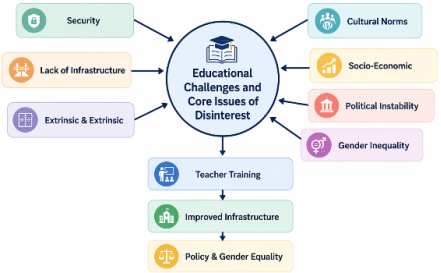
Figure 1. Key Challenges in Education and Pathways to equity.
2.3. Theoretical Model
This study is based on the model's constructs, which are derived from the literature review. The goal of this research is to look into the root causes of Afghan students' poor academic performance, lack of interest, and low motivation that go beyond the effects of violence. These issues include cultural opposition, inadequate teacher preparation, bad infrastructure, socioeconomic disparity, and gender inequality. By examining these supplementary factors, the study seeks to provide a comprehensive understanding of the structural problems endangering Afghanistan's education sector.
3. Methodology
This study used a qualitative approach to look at the reasons behind Afghan students' low motivation, lack of interest, and academic difficulties. The study employed a qualitative methodology to fully comprehend the perspectives and experiences of the pupils. The primary techniques for collecting data were semi-structured interviews and focus groups, which provided the freedom to address crucial concerns and look into novel problems. The main research questions for interviews were: 1. What challenges do students face in their education? 2. Why do students lose interest or feel less motivated to study in Afghanistan? 3. What factors contribute to students' low academic performance? Questions for focus groups were: 1. What do you think are the biggest challenges students face in their education? 2. What do you all think are the main reasons students lose interest or feel less motivated to study in their studies here? The focus group and structured interview guides enabled exploratory discussions or open-ended dialogue to enable follow-up questions based on participants' responses and access to richer and more extensive data to obtain insight into the educational concerns raised by students.
3.1. Rationale for Thematic Analysis
Thematic analysis was the primary qualitative method in this study, according to
| [28] | Clarke, V., Braun, V., & Hayfield, N. (2015). Thematic analysis. Qualitative psychology: A practical guide to research methods, 222-248. |
[28]
methodology. Thematic analysis was chosen because the study's objective was not to develop a new theory (i.e., grounded theory) or to reflect on lived experience in a phenomenological way, but rather to explore and understand the patterns and themes that recurred across students' perspectives regarding academic challenges, motivation, and disinterest in Afghanistan's higher education system. Thematic analysis is a flexible and popular method of analysis in education and social science education that helps academics identify and examine meaning—thick, intricate patterns throughout qualitative data. Thematic analysis was particularly useful for this study because it allowed the researcher to investigate a variety of topics, including instructional strategies, socioeconomic obstacles, and institutional support, all while staying true to the language and settings used by the students.
3.2. Application of the Method
Semi-structured interviews and focus groups were used to gather data. Using the six-phase methodology of Braun and Clarke, the analysis comprised:
1) Familiarization with the data through repeated reading of transcripts;
2) Initial coding of meaningful units across the dataset;
3) Generating initial themes by grouping codes into larger categories;
4) Reviewing and refining themes to ensure internal coherence and distinctiveness;
5) Defining and naming themes to capture the core meaning of each;
6) Producing the final analysis by integrating themes into a coherent narrative supported by direct participant quotes.
3.3. Data Collection Process
Interviews and focus groups with students from several Afghan colleges were conducted in Kabul province between May 07 and July 06, 2025. The in-person interviews at the institution gave participants a more comfortable setting. The duration of interviews ranged from 20 to 50 minutes, with an average duration of 25 minutes. Focus groups lasted about 60 minutes in order to cover a greater variety of viewpoints. The participants gave permission for all focus groups and interviews to be audio recorded. The interviews were then verbatim transcribed to guarantee data accuracy. The transcripts were then reviewed, and after the coding procedure was verified by two qualitative research specialists, reliability and credibility could be ascertained. The conditions of the focus group discussions and interviews provided many sources of data from different sources. Participants consequently provided rich, thorough data for the study by honestly sharing their actual experiences and thoughts regarding the obstacles to their education, especially as they relate to their motivation, interest, and academic achievement. The investigation was conducted with rigorous adherence to ethical considerations. Before any data was collected, participants were made aware of the research's goal and gave their informed consent. Participants' identities were kept private to maintain confidentiality and anonymity, and all information was used only for academic research.
3.4. Sampling Strategy and Sample Size
Purposive sampling was used in this study to find individuals who could offer detailed, comprehensive accounts of students' academic experiences. The research team continued to generate data until thematic saturation was achieved, despite the fact that qualitative researchers usually recommend a minimum of 8-12 participants per study in homogeneous groups
| [28] | Clarke, V., Braun, V., & Hayfield, N. (2015). Thematic analysis. Qualitative psychology: A practical guide to research methods, 222-248. |
| [29] | Sandelowski, M. (1995). Sample size in qualitative research. Research in nursing & health, 18(2), 179-183. |
[28, 29]
. The point at which no new topics surfaced from follow-up focus groups or individual participant interviews was referred to as saturation. In the end, thirty individuals from various universities, academic levels, socioeconomic backgrounds, and geographic areas provided the data. Subsequent interviews verified preexisting themes and patterns, and no new topics surfaced after the first 25 transcripts were independently categorized. This verified that the data had achieved saturation. In order to confirm the classification and ensure that more data collection would not produce new or richer information, two qualitative specialists were also consulted to examine this process. This gave the data and conclusions more authority and nuance.
3.5. Trustworthiness and Rigor
These criteria were applied to determine the validity and reliability of the study's results
| [30] | Guba, E. G., & Lincoln, Y. S. (1994). Competing paradigms in qualitative research. In N. K. Denzin & Y. S. Lincoln (Eds.), Handbook of qualitative research (pp. 105-117). SAGE Publications. |
[30]
. Rigorous member checks during the data analysis process (where the researcher explained and engaged to ensure that the findings accurately reflected participants' perspectives) and excellent peer reviews (to substantiate that the findings reflected participants' perspectives) all contributed to the findings' fullest credibility. To improve reliability, facilitate replication, and support the study's credibility, a thorough audit trail recorded every step of the research procedure. Transferability was attained by providing a thorough explanation of the research procedure and then contextualizing the research experience so that supportive educational stakeholders in situations comparable to Afghanistan may assess resonance and relevant. A peer and/or external auditor examined the coding and analytic procedure to certify the study's validity and rigor. The study and its conclusions may be regarded as reliable and unquestionably led to a deep understanding of bringing about change in the education of kids in Afghanistan after this exhaustive and triangulated process of inquiry.
3.6. Data Analysis
The data analysis followed a methodical six-step process and applied the theme analysis method described in
| [28] | Clarke, V., Braun, V., & Hayfield, N. (2015). Thematic analysis. Qualitative psychology: A practical guide to research methods, 222-248. |
[28]
. In order to better comprehend the participant narratives, the researcher first immersed herself in the data by reading the texts of the focus groups and interviews and listening to all of the audio recordings several times. Second, the researcher identified important and noteworthy data and developed a methodical coding system for it. Third, the researcher categorized the data using themes that reflected those noteworthy recurrent patterns that encapsulated the difficulties and experiences that the individuals described. Fourth, the researcher went over the themes to make sure they were consistent, cohesive, and easy to differentiate from one another. Fifth, the names of each theme were established and polished by the researcher to appropriately convey their intended meaning. Ultimately, the topics were combined to create a coherent story that gives the reader a deep comprehension of the difficulties Afghan adolescents endure in school.
3.7. Demographic Analysis of Respondents
1) Gender: 70% male, 30% female, reflecting gender disparities in higher education, where female students face cultural restrictions and safety concerns.
2) Educational Level: Majority in third (30%) and fourth (23%) years, indicating that academic challenges and motivation issues increase over time.
3) Socio-Economic Background: 53% low-income, highlighting financial struggles as a major barrier. Many students must work to support their families, affecting their academic performance.
4) Geographical Representation: 57% urban, 43% rural. Rural students face infrastructure issues, long travel distances, and security concerns, making education less accessible.
5) Age Group: Majority (47%) aged 21-23 years, aligning with students in later university years who face increasing academic and financial pressures.
6) Family Support: 63% had supportive families, while 37% lacked family encouragement, particularly impacting female students’ ability to continue education.
Table 1. Summarizing the demographic Data.
Demographic Characteristic | Category | Number of Respondents (N=30) | Percentage (%) |
Gender | Male | 18 | 70% |
| Female | 12 | 30% |
Educational Level | 1st Year | 6 | 20% |
| 2nd Year | 8 | 27% |
| 3rd Year | 9 | 30% |
| 4th Year | 7 | 23% |
Socio-Economic Background | Low-income | 16 | 53% |
| Middle-income | 10 | 33% |
| High-income | 4 | 14% |
Geographical Representation | Urban | 17 | 57% |
| Rural | 13 | 43% |
Age Group | 18-20 years | 9 | 30% |
| 21-23 years | 14 | 47% |
| 24-25 years | 7 | 23% |
Family Support for Education | Supportive | 19 | 63% |
| Not supportive | 11 | 37% |
4. Findings
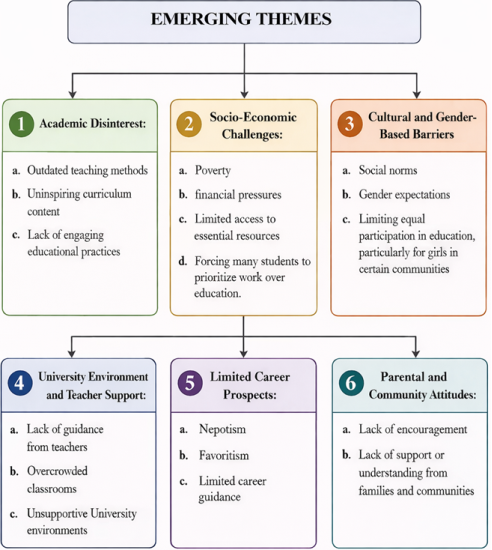
The analysis found six main themes that show the tough challenges students face in their education:
Figure 2. Conceptual Framework of Emerging Themes Influencing Students’ Educational Challenges in Afghanistan.
These insights helped us understand the complex challenges Afghan students face and lay the groundwork for strategies to improve educational outcomes.
4.1. Academic Disinterest
Some of the participants linked students' learning challenges and waning excitement to antiquated teaching strategies, dull course materials, and inadequate interactive pedagogical methods. Their perspectives highlight the situation faced by Afghan students. Participant 1 (2025): "The instruction of subjects is completely outdated. Teachers still employ memorization instead of encouraging critical thinking.". We’re just expected to repeat information without understanding it, which makes learning feel pointless.” Participant 2 (2025): “Our curriculum hasn’t changed in years, and most of the content doesn’t relate to the real world. We’re forced to study outdated material that doesn’t prepare us for modern careers, so students lose interest quickly.” Participant 3 (2025): “There’s no effort to make learning engaging. Lectures are so dull, and we never get a chance for interactive classes or practical exposure. If there are no interactive ways, it's difficult to remain motivated.” Participant 4 (2025): "There are no resources or training for teachers to make classes exciting. They just talk for hours, and we are expected to learn everything. How can students remain attentive when there is no innovation in teaching?" These are challenges that cumulatively contribute to students' academic problems, hence their inability to be interested and perform well. Unless there are more sophisticated education systems as well as more engaging learning processes, Afghan students are still vulnerable to success-inhibiting factors.
4.2. Socio-Economic Challenges
Upon questioning about the difficulties faced by students while learning, the majority of the participants stated financial hardship, poverty, and lacking minimal resources. These economic challenges have a tendency to push the students toward work and away from learning, making their academic success even more difficult in Afghanistan. Participant 1 (2025): "My family is not wealthy, so I have to work in advance to help out. Sometimes I am too exhausted to study or even attend class.". Education is a luxury when survival is the priority. Participant 2 (2025): "Well! University provisions, tuition fee, transport, and even basic needs are out of reach for many families. Some of my friends withdrew because they couldn't afford.". Students cannot focus on learning if they don't even receive food.” Participant 3 (2025): "We don't have good schools, university or books in my village. Some pupils have to trek for hours just to reach a class. Inadequate materials make it very difficult to learn, and many drop out." Participant 4 (2025): "The economic burden is intolerable.". Some of the students have no choice but to work full-time and have no time for studying. When you're left with a choice between your education and supporting your family, education becomes second class." Participant 5 (2025): "There are days when I have to make a choice between getting food or buying school supplies.". It's unfortunate since I want to learn, but my financial situation makes it nearly hard to stay motivated and concentrated. Students are burdened by these socioeconomic problems, making it challenging for them to pursue their education. Most students are compelled to give up on their academic aspirations and adjust to life in the absence of financial aid and improved resource availability.
4.3. Cultural and Gender-Based Barriers
Participants mentioned gender and cultural barriers as a role when talking about the obstacles and lack of motivation kids face in school. Particularly for females in some areas, social norms and gender roles frequently prohibit equitable involvement, which limits girls' access to and completion of their education. Participant 1 (2025): "As a girl, I am not prioritized in education. My family thinks a woman's role is to stay home, so I have to continuously fight just to be able to attend university. I know many other girls that didn't even have that option." Participant 2 (2025): "In our culture, boys are encouraged to go to school and pursue a career while girls are expected to marry young. Even if a girl is successful in school, she may be forced out of education because education is not considered valuable for her future." Participant 3 (2025): "Some families think it is unsafe for girls to travel to university, so they stop girls from going. In rural communities, there are very few girls' schools, and even if there are school options for girls, the social pressure keeps many girls from the learning." These cultural and gender-based hurdles continue to limit many students' access to education, particularly for girls. Without a shift in public attitudes and more support for equitable education, these barriers will persist and prevent many people from reaching their full potential.
4.4. University Environment and Teacher Support
Many respondents in interviews and focus groups on lost motivation, academic underachievement, lack of interest, and the challenges experienced by students in higher education emphasized the lack of supervision from professors, huge classes, and an uncomfortable university environment. These greatly increase pupils' academic frustration and make learning more challenging. Participant 1 (2025): "Our lecturers rarely have time for us.". If we're struggling with something, we're largely on our own. There's no direction or mentorship, per se, so it's hard to stay motivated." Participant 2 (2025): "well! Classrooms are so crowded that we don't even get a seat sometimes. As there are too many students, it's not possible to get personal attention, and studies become impersonal." Participant 3 (2025): "Universities here do not provide a supportive environment. There are hardly any extracurricular activities, research opportunities, or student support systems. It feels like we’re just there to pass exams, not actually grow.” Participant 4 (2025): “Some teachers don’t even show up regularly. When they do, they just read from old notes and leave. There’s no real engagement or effort to help students understand the material.” Participant 5 (2025): "The facilities are dilapidated. Libraries don't have new books, internet is not easily accessible, and classrooms are overcrowded. In my view, students can't do well if the overall learning environment is that bad." Participant 6 (2025): "There is no counseling or mental health service for students. University life is stressful, but no one cares. If you're not doing well, you just have to grit it out by yourself." These problems create an unfavorable academic environment that impedes student achievement. Students will continue to have academic failures if they do not receive adequate supervision, better facilities, and increased dedication from their teachers.
4.5. Limited Career Prospects
The majority of respondents listed nepotism, favoritism, and career guidance as the primary problems that students face after completing their school. These issues exacerbate issues seen in the educational system, such as disinterest, low motivation, and subpar performance, by having a detrimental impact on graduates' career advancement and entry into the workforce. Participant 1 (2025): "No matter how you study, employment is all about having connections and not capability here. Without having a good family name or a person you know who works in government and non-government offices with a high rank, chances are very slim." Participant 2 (2025): "Favoritism is widespread. I see other people who have lower grades and lack experience obtaining employment solely because they have relatives and connections who work in government and non-government offices.". It's just discouraging for students who genuinely work hard." Participant 3 (2025): "There's no proper career guidance in universities. We graduate without knowing what to do or how to prepare for that. Most of us are left behind." Participant 4 (2025): "Even internship opportunities are given to people with contacts. It's not about potential and skills, about whom you know." This makes the young professionals believe that there is no point in trying. Participant 5 (2025): "Graduates spend many years in school, and then they are jobless or make little money. The job market is seen to be tainted with nepotism, and without equal opportunities, students lose faith in their future." These barriers make it challenging for students to make a seamless transition from school to the workforce, which frequently forces them to either go overseas in quest of a better life or look for work that is much below their qualifications. These problems will persist in the absence of measures that can maintain equity and offer appropriate career guidance, further exacerbating the disparity in Afghanistan's students' lack of desire, lack of interest, and subpar academic performance. To ensure success, comprehensive solutions that address problems beyond graduation as well as the educational sector are crucial.
4.6. Parental and Community Attitudes
A number of participants stated that the inability of families and communities to offer sufficient support, understanding, or encouragement is a major reason why students face scholastic difficulties. It is challenging for students to maintain their interest in their studies and/or accomplish their academic objectives in the absence of a suitable support structure. Participant 1 (2025): "My parents don’t believe education is important, they think I should focus on working instead of wasting time with my education. It is hard to stay motivated when even your parents are not behind your goals." Participant 2 (2025): "Some people, in our community, do not take education seriously, especially for girls. If a girl wants to study, she has to fight the community social pressure and family expectations. So many just quit eventually because the pressure is too much." Participant 3 (2025): "There is not any encouragement at home. Even when I do well in university, they don't acknowledge it; they always remind me that having a degree does not ensure a career anyway, so what is the point?" Participant 4 (2025): "Parents and elders don't realize the struggles of modern education. They expect us to succeed at school but do not encourage us at home, and when we do struggle they blame the student instead of supporting them." Students find it extremely difficult to stay involved in their studies when their family and communities do not support and understand them. A shift in views regarding education is essential to creating a more encouraging atmosphere for pupils to thrive.
5. Discussion
This study looked at the root causes of students' low academic performance, lack of enthusiasm, and apathy in Afghanistan's higher education system. The study used qualitative analysis to identify six themes: ineffective teaching strategies, socioeconomic difficulty, gender-related concerns, a lack of university support, limited job options, and unfavorable community attitudes. The themes are intended to give more richness to the current understanding in this sector and intersect with the literature on education in Afghanistan. Participants frequently criticized the conventional lecture-based teaching methodology that places a strong focus on rote memorization. This supports research showing that conventional management and leadership techniques can have a detrimental impact on performance outcomes and employee happiness
, underscoring the necessity for more flexible and interesting methods in learning environments. This result is in line with the claims made by
| [27] | Bardach, L., & Klassen, R. M. (2020). Smart teachers, successful students? A systematic review of the literature on teachers’ cognitive abilities and teacher effectiveness. Educational Research Review, 30, 100312. |
[27]
that poor teaching methods lower student engagement and performance scores. Since instruction does not currently generate genuine interest in learning, students' requests for applied and interactive learning are related to Vallerand et al.'s (1993) difference between intrinsic and extrinsic motivation. This result is consistent with the findings of
| [20] | Zaheer, A., & Barakzai, A. (2026). Effect of Transformational and Transactional Leadership and Emotional Intelligence on Employee Productivity: The Mediating Role of Employee Motivation. Journal of Social Sciences and Humanities, 3(2), 358-383. https://doi.org/10.62810/jssh.v3i2.269 |
[20]
, who discovered that emotional intelligence and supportive leadership improve motivation and output. Similarly, students' academic engagement and learning outcomes may be enhanced by good teacher assistance.
Another recurring subject was socioeconomic hardship. In line with the findings
| [19] | Whitsel, C. M., & Mehran, W. (2010). School, work and community-level differences in Afghanistan and Tajikistan: divergence in secondary school enrolment of youth. Central Asian Survey, 29(4), 501-519. |
[19]
who discovered that Afghan youth are forced to work and skip school due to financial difficulties, several students reported having to work in order to support their family. This category may also be related to
| [22] | Baharustani, R. (2012). Comprehensive study of higher education in Afghanistan. Kabul: Afghanistan Investment Support Agency, Research and Planning Department. |
[22]
findings that middle-class and lower-class families were unable to pay for their children's private education, especially after they were denied admission to public universities.
This finding is consistent with
and
| [10] | Panjsheeri, H. (2017). A Study of the Historical Course of Education in Afghanistan. Kabul: Entesharat-E-Saeid. |
[10],
which highlighted gender-based barriers faced by female students, including early marriage, family restrictions, and unsafe learning environments. The participants' expressed experiences show that gender inequality is a daily problem for many students as well as a policy concern. Overcrowding in classrooms, out-of-date materials, and low faculty engagement were among the infrastructure-related concerns mentioned by participants. These issues seem to support the findings of
| [27] | Bardach, L., & Klassen, R. M. (2020). Smart teachers, successful students? A systematic review of the literature on teachers’ cognitive abilities and teacher effectiveness. Educational Research Review, 30, 100312. |
[27]
research, which emphasized restricted access to science labs, digital access, and basic classroom supplies. According to
crowded classrooms hinder students' ability to learn in Afghanistan, and the study's participants had similar difficulties.
Similar to
| [24] | Mashwani, H. U. (2017). Female education in Afghanistan: Opportunities and challenges. International Journal for Innovative Research in Multidisciplinary Field, 3(11). |
[24]
and
| [13] | Sherzad, A. R. (2017). Education in Afghanistan: Challenges and Suggestions for Improvement. ZiiK-Report Nr. 45. |
[13]
claims that job market corruption discouraged students from making the same academic effort, students said that nepotism and a dearth of possibilities were significant demotivators when it came to doubts about future employment. The experiences of the participants demonstrate that they were unable to trust the education-employment pipeline due to a lack of opportunities. This pattern is in line with more general data on skilled migration from Afghanistan, where educated people are driven to look for better possibilities overseas due to a lack of home options
| [36] | Zaheer, A., & Surobi, A. (2025). Factors Contributing to Brain Drain and Strategies for Retaining Skilled Professionals in Afghanistan: A Multisectoral Approach. Salam International Academic Journal, 10(17), 873-897. |
[36]
.
Similar to
, who discovered that societal resistance, especially with regard to girls' education, continues to limit access and retention through deeply ingrained belief systems, family and community attitudes toward education further support patterns of disengagement. Numerous survey participants reported similar experiences, indicating how feelings of loneliness and low self-worth were exacerbated by unsupportive family circumstances. By including various viewpoints, the study not only complements previous research but also adds context-specific, experience-based data from Afghan university students. These first-hand reports highlight the continual discrepancy between policy goals and lived realities, showing how systemic issues are internalized at the individual level and show up as chronic obstacles to education.
The findings highlight the fact that student disengagement in Afghanistan is a systemic phenomenon influenced by institutional restraints, structural disparities, and sociocultural limits rather than just an individual-level problem. This study emphasizes these characteristics' interconnectedness and cumulative impact on student outcomes, in contrast to the majority of the literature currently in publication, which frequently looks at them separately. Because of this interdependence, treatments that are fragmented or single-focused are unlikely to produce long-lasting gains. Rather, the evidence suggests that a comprehensive and integrated policy strategy is required in order to effectively address these deeply ingrained and overlapping issues.
6. Conclusion
Afghanistan's educational system has many obstacles that affect students' motivation, engagement, and academic achievement. Six major factors are identified in this study as contributing to these difficulties: antiquated teaching practices, socioeconomic challenges, gender-based hurdles, inadequate university infrastructure, few job opportunities, and unfavorable community attitudes.
First of all, out-of-date curriculum that prioritize rote memory over critical thinking frequently cause pupils to find lessons boring. Instructors are not equipped with the tools and training necessary to offer engaging, student-centered learning opportunities. Second, many kids are forced to put job ahead of school due to socioeconomic challenges. High dropout rates result from lower-income families finding it difficult to pay for their children's education due to the high costs of tuition, transportation, and study materials. Thirdly, girls' access to school is restricted by cultural conventions, early marriages, and security concerns. Gender disparity in education is reinforced in rural areas where many households discourage or completely prohibit girls from attending school and universities. Fourth, pupils are further demotivated by inadequate instructor support and poor university infrastructure. A depressing university atmosphere is caused by overcrowded classrooms, a lack of mentorship, and inadequate learning resources. Numerous students complain about a lack of possibilities for research, career counseling, and individualized support. Fifth, talented graduates find it challenging to get work due to a lack of professional opportunities and pervasive nepotism in the workforce. When they learn that employment success is frequently determined by personal ties rather than academic achievement, many students become demotivated.
Finally, students are greatly impacted by a lack of community and parental support. Communities and families frequently overlook how important education is, especially for females. When pursuing higher education, many students encounter hostility from their families and receive minimal encouragement. In addition to being crucial for raising educational standards, addressing these issues is also vital for Afghanistan's long-term stability and socioeconomic growth. The cycle of student disengagement and underachievement is likely to continue in the absence of prompt and concerted adjustments.
6.1. Contribution of the Study
This study examined the fundamental causes of students' indifference, low motivation, and subpar academic performance in order to identify the major issues facing Afghanistan's higher education system. Six main themes emerged from the analysis, which was based on focus groups and interviews with thirty university students from a variety of academic and socioeconomic backgrounds: outdated teaching methods, socioeconomic constraints, gender-based barriers, inadequate university infrastructure and limited academic support, poor career prospects, and unsupportive family and community attitudes.
The findings show that rote memorization is still a major component of instructional practices, with little focus on interactive, critical, or applied learning strategies. Participants frequently complained that lectures were boring and that the curriculum were out of date, which drastically decreased academic interest and classroom participation. Furthermore, over 50% of the participants reported experiencing financial difficulties, and many of them had to juggle work and school, which had a detrimental impact on their focus and academic achievement. Gender differences were especially noticeable among female participants, who reported limited access to safe and supportive learning spaces as well as limitations imposed by families and communities. These issues were made worse by institutional issues, such as packed classes, a lack of mentorship, inadequate learning materials, and a dearth of academic support services. Students also expressed concern over teachers’ limited availability and inadequate preparedness, which often left them without necessary academic guidance.
Uncertainty regarding work prospects after graduation and perceptions of favoritism and opaque recruiting practices also contributed to declining motivation and a sense of academic futility. Many interviewees also mentioned how a lack of parental encouragement and community support made their disengagement from academic pursuits worse.
The findings indicate that comprehensive, multi-level programs are required to enhance Afghanistan's educational system. These include modernizing curricula, reforming teaching methods, expanding financial support systems, improving institutional infrastructure, implementing inclusive educational policies, and establishing stronger links between education and employment possibilities. If these interconnected structural obstacles are not resolved, student disengagement is likely to persist, hurting broader national development objectives.
6.2. Theoretical Contribution
This study extends motivation and socio-cultural theoretical methods by illustrating how structural, institutional, and cultural constraints jointly affect student engagement in a precarious and resource-constrained higher education context like Afghanistan.
6.3. Practical Contribution
The evidence-based insights from the research can be used by educators, university administrators, and policymakers to enhance pedagogical practices, strengthen institutional support systems, and establish more stimulating and student-centered learning environments.
6.4. Societal Contribution
The importance of inclusive and equitable education as a basis for long-term social and economic development in Afghanistan is highlighted by this research, which also emphasizes the urgent need to address gender inequity, socioeconomic disparities, and restrictive community attitudes.
6.5. Limitations of the Study
This study had a number of drawbacks. First of all, participant availability, academic obligations, and confidentiality considerations made recruitment difficult. The number of participants and the range of insights obtained were both impacted by these limitations. Future research could benefit from a bigger and more representative sample, even though the study included students from a variety of backgrounds. Second, in-depth viewpoints on students' lack of interest, low motivation, and poor academic performance were captured through the use of a qualitative study approach. Nevertheless, this method restricts the findings' applicability to Afghanistan's larger student body. A mixed-methods strategy that combines qualitative and quantitative methodologies could be beneficial for future study. This would provide a more comprehensive analysis and an unbiased perspective of Afghanistan's educational challenges by fusing in-depth firsthand testimonies with statistically significant data.
Additionally, it was difficult to reach some areas of Afghanistan and interact with children who faced significant educational challenges due to security issues and sociopolitical unrest. These restrictions made it more difficult for the study to accurately represent the experiences of children from rural or conflict-affected areas, where educational difficulties are frequently more severe. Future studies could improve the results by filling in these gaps by using different data collection techniques and a wider geographic scope.
6.6. Recommendations
The following suggestions are put forth to address Afghanistan's most urgent educational issues in light of the study's empirical findings. The most pressing and significant areas for reform among these were updating instructional strategies and raising the caliber of teachers.
1. Modernize Teaching Methods and Improve Teacher Training (Most Urgent)
Students’ dissatisfaction with outdated lecture-based teaching strategies that mostly rely on memorization was the data's most prominent theme. In order to solve this, it is crucial to:
1) Offer university instructors thorough training programs that emphasize interactive, student-centered instruction.
2) Promote the use of contemporary teaching methods, such as technology-assisted learning, case studies, and group projects.
3) Review and revise curricula on a regular basis to reflect the demands of the labor market and practical skills.
2. Enhance Educational Infrastructure
1) Enhance instructional resources, internet connectivity, library access, and classroom amenities, particularly in rural areas.
2) Increase physical infrastructure and hire additional faculty to lessen classroom overcrowding.
3. Address Socio-Economic Barriers
1) To assist low-income students, implement targeted financial aid, scholarships, and flexible tuition payment plans.
2) Offer work-study opportunities that enable students to manage their academic obligations with cash generation.
4. Promote Gender Equality in Education
1) Where culturally acceptable, increase access to secure, gender-segregated learning environments.
2) Start community engagement initiatives to alter public perceptions about female education.
5. Improve University Support Systems
1) Create student support centers that include career assistance, mental health services, and academic counseling.
2) To keep students interested, encourage research opportunities, extracurricular activities, and mentorship initiatives.
6. Create Fair and Transparent Employment Pathways
1) Establish collaborations between academic institutions and business to provide job placement and internship opportunities.
2) To lessen the effects of nepotism and favoritism, use merit-based hiring procedures.
6.7. Future Directions
To achieve more representative results, future research should take a wider approach by incorporating more varied student populations, especially those from rural and conflict-affected areas. The reliability and depth of the results can be improved by using a mixed-methods strategy that incorporates both qualitative and quantitative methodologies. Longitudinal studies are also advised to monitor developments in education over time and more accurately evaluate current improvements and new issues. In order to assess the efficacy of current educational policies and pinpoint areas for development, future research should also concentrate on policy impact analysis. A more thorough knowledge of educational results can be obtained by taking into account psychological and social aspects, such as student stress, motivation, and mental health. Finding excellent practices that can be implemented locally may be aided by comparative research with comparable educational systems. Lastly, in order to enhance access to education and encourage creative teaching and learning approaches, more focus should be placed on technology integration, especially the investigation of digital learning solutions.
Abbreviations
UNICEF | United Nations Children's Fund |
Acknowledgments
The authors sincerely thank all the university students who voluntarily participated in this study and generously shared their experiences and perspectives. The authors also express their appreciation to the university administrators and faculty members who facilitated the data collection process. This research did not receive any specific grant from funding agencies in the public, commercial, or not-for-profit sectors.
Author Contributions
Azatullah Zaheer: Conceptualization, Methodology, Formal analysis, Visualization, Project administration
Abdullah Sadiq: Supervision, Investigation, Validation, Resources
Hedayatullah Qazi: Data curation, Validation, Resources, Writing – review & editing
Data Availability Statement
Upon reasonable request, the corresponding author will provide the qualitative data that supports the study's conclusions. Focus group records and interview transcripts are not made public due to ethical and confidentiality concerns.
Conflicts of Interest
The authors declare no conflicts of interest.
References
| [1] |
Berger, J. B., & Thoma, H. S. (2015). The challenges of developing an autonomous higher education system in Afghanistan. International Higher Education, 81, 20-21.
https://doi.org/10.6017/ihe.2015.81.8738
|
| [2] |
Georgescu, D. (2007). Primary and secondary curriculum development in Afghanistan. Prospects, 37(4), 427-448.
https://doi.org/10.1007/s11125-008-9058-x
|
| [3] |
Hayward, F. M., & Babury, M. O. (2015). The struggle to rebuild and transform higher education in Afghanistan. International Higher Education, 81, 18-20.
https://doi.org/10.6017/ihe.2015.81.8737
|
| [4] |
Human Rights Watch. (2017). I won’t be a doctor, and one day you’ll be sick: Girls' access to education in Afghanistan.
https://www.hrw.org/report/2017/10/17/i-wont-be-doctor-and-one-day-youll-be-sick/girls-access-education-afghanistan
|
| [5] |
Jones, A. M. (2007). Muslim and western influences on school curriculum in post-war Afghanistan. Asia Pacific Journal of Education, 27(1), 27-40.
https://doi.org/10.1080/02188790601142900
|
| [6] |
Jones, A. M. (2008). Afghanistan on the educational road to access and equity. Asia Pacific Journal of Education, 28(3), 277-290.
https://doi.org/10.1080/02188790802267423
|
| [7] |
Kamgar, G. A. (2008). Modern History of Afghanistan. Kabul: Bongah-E-Intesharat-E-Maiwand.
|
| [8] |
Khwajamir, M. (2016). History and problems of education in Afghanistan. SHS Web of Conferences, 26, 01124.
https://doi.org/10.1051/shsconf/20162601124
|
| [9] |
Naqawi, G. H., & Rajath, D. V. (2022). Educational opportunities and challenges in Afghanistan. Asian Journal of Research in Social Sciences and Humanities, 12(8), 31-44.
https://doi.org/10.5958/2249-7315.2022.00372.0
|
| [10] |
Panjsheeri, H. (2017). A Study of the Historical Course of Education in Afghanistan. Kabul: Entesharat-E-Saeid.
|
| [11] |
Pherali, T., & Sahar, A. (2018). Learning in the chaos: A political economy analysis of education in Afghanistan. Research in Comparative and International Education, 13(2), 239-258.
https://doi.org/10.1177/1745499918781
|
| [12] |
Samady, S. R. (2001). Modern education in Afghanistan. Prospects, 31(4), 587-602.
https://doi.org/10.1007/BF03220042
|
| [13] |
Sherzad, A. R. (2017). Education in Afghanistan: Challenges and Suggestions for Improvement. ZiiK-Report Nr. 45.
|
| [14] |
Sigsgaard, M. (Ed.). (2011). On the road to resilience: Capacity development with the Ministry of Education in Afghanistan. UNESCO, International Institute for Educational Planning.
|
| [15] |
Snilstveit, B., Gallagher, E., Phillips, D., Vojtkova, M., Eyers, J., Skaldiou, D., & Davies, P. (2017). Protocol: Interventions for improving learning outcomes and access to education in low‐ and middle‐ income countries. Campbell Systematic Reviews, 13(1), 1-82.
https://doi.org/10.1002/CL2.1
|
| [16] |
Spink, J. (2006). Education, reconstruction, and state building in Afghanistan. Forced Migration Review (FMR), Education Supplement.
|
| [17] |
UNICEF. (2021). Education in Afghanistan: Key challenges and opportunities. Retrieved from
https://www.unicef.org/afghanistan/education
|
| [18] |
World Bank. (2018). Afghanistan: Building an education system that can withstand massive shocks. Retrieved from
https://www.worldbank.org/en/news/feature/2018/04/12/afghanistan-building-an-education-system-that-can-withstand-massive-shocks
|
| [19] |
Whitsel, C. M., & Mehran, W. (2010). School, work and community-level differences in Afghanistan and Tajikistan: divergence in secondary school enrolment of youth. Central Asian Survey, 29(4), 501-519.
|
| [20] |
Zaheer, A., & Barakzai, A. (2026). Effect of Transformational and Transactional Leadership and Emotional Intelligence on Employee Productivity: The Mediating Role of Employee Motivation. Journal of Social Sciences and Humanities, 3(2), 358-383.
https://doi.org/10.62810/jssh.v3i2.269
|
| [21] |
Amiri, F. (2016). Curriculum Matters: An Analysis of Primary Schools' National Curriculum in Afghanistan Post 9/11. Lehigh University.
|
| [22] |
Baharustani, R. (2012). Comprehensive study of higher education in Afghanistan. Kabul: Afghanistan Investment Support Agency, Research and Planning Department.
|
| [23] |
Sallah, A. (2016). Re-reading the narrative of the informal economy in the context of economic development in sub-Saharan Africa. International Journal of Social Economics, 43(10), 1063-1078.
https://doi.org/10.1108/IJSE-04-2015-0091
|
| [24] |
Mashwani, H. U. (2017). Female education in Afghanistan: Opportunities and challenges. International Journal for Innovative Research in Multidisciplinary Field, 3(11).
|
| [25] |
Vallerand, R. J., Pelletier, L. G., Blais, M. R., Brière, N. M., Senecal, C., & Vallières, É. F. (1993). On the assessment of intrinsic, extrinsic, and amotivation in education: Evidence on the concurrent and construct validity of the Academic Motivation Scale. Educational and Psychological Measurement, 53(1), 159-172.
https://doi.org/10.1177/0013164493053001018
|
| [26] |
Mulyadi, P., & Saraswati, K. D. (2020, December). Social Support and Students’ Academic Engagement. In The 2nd Tarumanagara International Conference on the Applications of Social Sciences and Humanities (TICASH 2020) (pp. 443-450). Atlantis Press.
|
| [27] |
Bardach, L., & Klassen, R. M. (2020). Smart teachers, successful students? A systematic review of the literature on teachers’ cognitive abilities and teacher effectiveness. Educational Research Review, 30, 100312.
|
| [28] |
Clarke, V., Braun, V., & Hayfield, N. (2015). Thematic analysis. Qualitative psychology: A practical guide to research methods, 222-248.
|
| [29] |
Sandelowski, M. (1995). Sample size in qualitative research. Research in nursing & health, 18(2), 179-183.
|
| [30] |
Guba, E. G., & Lincoln, Y. S. (1994). Competing paradigms in qualitative research. In N. K. Denzin & Y. S. Lincoln (Eds.), Handbook of qualitative research (pp. 105-117). SAGE Publications.
|
| [31] |
Deci, E. L., & Ryan, R. M. (1985). Intrinsic motivation and self-determination in human behavior. Plenum.
|
| [32] |
Ryan, R. M., & Deci, E. L. (2000). Intrinsic and extrinsic motivations: Classic definitions and new directions. Contemporary Educational Psychology, 25(1), 54-67.
https://doi.org/10.1006/ceps.1999.1020
|
| [33] |
Vygotsky, L. S. (1978). Mind in society: The development of higher psychological processes. Harvard University Press.
|
| [34] |
Zaheer, A., Nael, A., & Sadiq, A. (2026). Evaluating the Effects of Screen Time, Social Media Use, and Sleep Duration on Attention Span: A Quantitative Study of Employees in Private Firms. Cureus Journals, 3(1).
https://doi.org/10.7759/s44404-026-00039-7
|
| [35] |
Zaheer, A., Sadiq, A., & Safi, N. (2025). AI in Service Industries: Effects on Customer Satisfaction, Mediated by Service Quality, and Moderated by Customer Trust. Journal of Social Sciences and Humanities, 2(3), 51-73.
https://doi.org/10.62810/jssh.v2i3.82
|
| [36] |
Zaheer, A., & Surobi, A. (2025). Factors Contributing to Brain Drain and Strategies for Retaining Skilled Professionals in Afghanistan: A Multisectoral Approach. Salam International Academic Journal, 10(17), 873-897.
|
| [37] |
Zaheer, A., & Sadiq, A. (2025). The Influence of Traditional Management Practices on Employee Satisfaction, Turnover Intention, and Perceived Organizational Profitability. Khurasan University Business Administration Journal, 2(1).
https://krj.khurasan.edu.af/index.php/files/article/view/46
|
| [38] |
Roof, D. J. (2014). Day-by-day: Higher education in Afghanistan. FIRE: Forum for International Research in Education, 1(3), 64-80.
https://doi.org/10.18275/fire201401031034
|
Cite This Article
-
APA Style
Zaheer, A., Sadiq, A., Qazi, H. (2026). Understanding Students’ Disinterest, Low Motivation, and Academic Struggles in Afghanistan: A Qualitative Inquiry. Reports, 6(2), 19-32. https://doi.org/10.11648/j.reports.20260602.11
 Copy
|
Copy
|
 Download
ACS Style
Zaheer, A.; Sadiq, A.; Qazi, H. Understanding Students’ Disinterest, Low Motivation, and Academic Struggles in Afghanistan: A Qualitative Inquiry. Reports. 2026, 6(2), 19-32. doi: 10.11648/j.reports.20260602.11
Copy
|
Download
AMA Style
Zaheer A, Sadiq A, Qazi H. Understanding Students’ Disinterest, Low Motivation, and Academic Struggles in Afghanistan: A Qualitative Inquiry. Reports. 2026;6(2):19-32. doi: 10.11648/j.reports.20260602.11
Copy
|
Download
-
@article{10.11648/j.reports.20260602.11,
  author = {Azatullah Zaheer and Abdullah Sadiq and Hedayatullah Qazi},
  title = {Understanding Students’ Disinterest, Low Motivation, and Academic Struggles in Afghanistan: A Qualitative Inquiry},
  journal = {Reports},
  volume = {6},
  number = {2},
  pages = {19-32},
  doi = {10.11648/j.reports.20260602.11},
  url = {https://doi.org/10.11648/j.reports.20260602.11},
  eprint = {https://article.sciencepublishinggroup.com/pdf/10.11648.j.reports.20260602.11},
  abstract = {Education plays a vital role in national development by promoting human capital, social cohesion, and economic growth. However, Afghanistan’s higher education sector continues to face persistent socio-economic, cultural, institutional, and structural challenges that undermine student motivation, engagement, and academic achievement. Despite existing research on access to education and the effects of conflict, limited attention has been given to understanding university students’ lived experiences of academic disengagement and low motivation. Therefore, this study aimed to explore the underlying factors contributing to students’ disinterest, low motivation, and academic struggles in Afghan higher education institutions. A qualitative research design was employed using semi-structured interviews and focus group discussions with 30 university students selected through purposive sampling from different academic levels and socio-economic backgrounds. Data were collected between May and July 2025 and analyzed using Braun and Clarke’s six-phase thematic analysis to identify recurring patterns and themes. The findings revealed six interconnected themes influencing students’ academic experiences: ineffective teaching methods and outdated curricula, socio-economic hardship, cultural and gender-based barriers, inadequate university infrastructure and teacher support, limited career prospects due to nepotism and weak labor market opportunities, and insufficient parental and community support. These challenges collectively reduced students’ academic engagement, weakened intrinsic motivation, and limited their educational aspirations. The findings further demonstrate that student disengagement in Afghanistan is a systemic issue shaped by the interaction of institutional, socio-cultural, and economic constraints rather than isolated individual factors. The study concludes that improving student motivation and academic performance requires comprehensive educational reforms, including modernizing teaching practices, strengthening teacher capacity, improving institutional support and infrastructure, expanding financial assistance, promoting gender-inclusive education, and creating stronger links between higher education and employment opportunities. The study contributes context-specific qualitative evidence that can assist policymakers, educators, and international development organizations in designing more effective and student-centered educational policies to enhance higher education outcomes in Afghanistan.},
 year = {2026}
}
Copy
|
Download
-
TY  - JOUR
T1  - Understanding Students’ Disinterest, Low Motivation, and Academic Struggles in Afghanistan: A Qualitative Inquiry
AU  - Azatullah Zaheer
AU  - Abdullah Sadiq
AU  - Hedayatullah Qazi
Y1  - 2026/07/22
PY  - 2026
N1  - https://doi.org/10.11648/j.reports.20260602.11
DO  - 10.11648/j.reports.20260602.11
T2  - Reports
JF  - Reports
JO  - Reports
SP  - 19
EP  - 32
PB  - Science Publishing Group
SN  - 2994-7146
UR  - https://doi.org/10.11648/j.reports.20260602.11
AB  - Education plays a vital role in national development by promoting human capital, social cohesion, and economic growth. However, Afghanistan’s higher education sector continues to face persistent socio-economic, cultural, institutional, and structural challenges that undermine student motivation, engagement, and academic achievement. Despite existing research on access to education and the effects of conflict, limited attention has been given to understanding university students’ lived experiences of academic disengagement and low motivation. Therefore, this study aimed to explore the underlying factors contributing to students’ disinterest, low motivation, and academic struggles in Afghan higher education institutions. A qualitative research design was employed using semi-structured interviews and focus group discussions with 30 university students selected through purposive sampling from different academic levels and socio-economic backgrounds. Data were collected between May and July 2025 and analyzed using Braun and Clarke’s six-phase thematic analysis to identify recurring patterns and themes. The findings revealed six interconnected themes influencing students’ academic experiences: ineffective teaching methods and outdated curricula, socio-economic hardship, cultural and gender-based barriers, inadequate university infrastructure and teacher support, limited career prospects due to nepotism and weak labor market opportunities, and insufficient parental and community support. These challenges collectively reduced students’ academic engagement, weakened intrinsic motivation, and limited their educational aspirations. The findings further demonstrate that student disengagement in Afghanistan is a systemic issue shaped by the interaction of institutional, socio-cultural, and economic constraints rather than isolated individual factors. The study concludes that improving student motivation and academic performance requires comprehensive educational reforms, including modernizing teaching practices, strengthening teacher capacity, improving institutional support and infrastructure, expanding financial assistance, promoting gender-inclusive education, and creating stronger links between higher education and employment opportunities. The study contributes context-specific qualitative evidence that can assist policymakers, educators, and international development organizations in designing more effective and student-centered educational policies to enhance higher education outcomes in Afghanistan.
VL  - 6
IS  - 2
ER  -
Copy
|
Download





 Share This Article
 Twitter
 Linked In
 Facebook