Abstract
Introduction: While the health status of the global population is certainly influenced by a wide range of factors such as economic, social and political conditions it also depends heavily on the availability of pharmaceutical products. With this in mind, we undertook this study to examine the health product distribution system, from the point of entry into the country to the "last mile" of the supply chain. Methodology: This was an analytical and evaluative study involving all stakeholders within the healthcare system hierarchy, spanning the 10 regions of Cameroon who are involved in the logistics management of medicine supplies and service delivery to the population; the study was conducted over a 14-month period from January 10, 2021, to March 30, 2022. The objective was to evaluate the medicine security chain in Cameroon by conducting a situational analysis of medicine supply logistics management and an analysis of the strategy for population access to medicines, followed by a diagnosis of pharmaceutical distribution challenges and, finally, the development of an appropriate distribution strategy. Data collection was carried out using a questionnaire designed based on the Logistics System Assessment Tool (LSAT) and guidelines for assessing health systems and their essential functions. The collected data were analyzed using several quality management tools, namely Strengths, Weaknesses, Opportunities and Threats (SWOT) analysis, the 5M method, the Pareto principle and FMEA (Failure Mode and Effects Analysis). Results: This analysis highlights several strengths and weaknesses of the distribution system, the root causes of the various challenges encountered, and certain risks identified within the proposed improvement processes. While the population has easy access to health facilities, dissatisfaction with medicine prices persists, driving people to turn to street vendors and traditional healers. Seventeen major problems were identified, including several high-impact causes. The proposed models similar to the National Medicines Supply System (NMSS) offer advantages but also reveal structural and organizational shortcomings. Conclusion: This conceptual framework highlights the shortcomings of the pharmaceutical logistics system in Cameroon and proposes an innovative, tailored distribution strategy. This approach aims to strengthen medicine security, improve accessibility and contribute to increasing the population's life expectancy.
Keywords
Medicines, Distribution, Analysis, Logistics System
1. Introduction
A well-functioning health care system responds in a balanced way to the needs and expectations of the population by improving the health of individuals, families, and communities; by safeguarding the population against threats to their health; by protecting people from the financial consequences of illness; by ensuring equitable access to person-centered care; and by empowering people to participate in decisions that affect their health and the health care system
| [1] | Sybille G, Camille M, Therese. Health project planning: health promotion and humanitarian action. Doctors of the World, 2022, 384p. |
[1]
. Indeed, while the health status of the global population is certainly influenced by a wide range of factors such as economic, social, and political conditions it also depends heavily on the availability of pharmaceuticals. Pharmaceuticals are recognized as a means of achieving a socially and economically productive life and are essential to the development of every individual. Access to medicines is a public health issue that involves the principles of equality and social justice
| [2] | Valerie G, Jean-Michel H. Access to medicines: a challenge for the pharmaceutical industry. Humanism and Business. 2008/1, n° 286. pp. 13 - 28. |
[2]
. Unfortunately, the healthcare system continues to face numerous problems related to drug shortages and expired medications, which have a clear impact on public health. These problems stem from several causes, one of which is the quality of pharmaceutical distribution. However, two major obstacles stand in the way of the equitable distribution of essential medicines: the issue of drug availability and that of drug accessibility
| [2] | Valerie G, Jean-Michel H. Access to medicines: a challenge for the pharmaceutical industry. Humanism and Business. 2008/1, n° 286. pp. 13 - 28. |
[2]
. Therefore, the mere existence of a pharmaceutical product is not enough; it must also be accessible
| [2] | Valerie G, Jean-Michel H. Access to medicines: a challenge for the pharmaceutical industry. Humanism and Business. 2008/1, n° 286. pp. 13 - 28. |
[2]
. The frequent lack of adequate infrastructure, standardized processes, trained personnel, and coordination among stakeholders regularly results in an alarming shortage of high-quality, affordable medicines for patients
| [3] | Ministry of Public Health of Cameroon. Strategic plan for strengthening the public supply chain for health products in Cameroon 2022-2026.2022, pp. 1- 86. |
[3]
.
Based on these findings, we launched this study to examine the distribution system for healthcare products from the point of entry into the country through to the last mile and to propose solutions to address the issues identified; our goal is to ensure that patients have better access to their medications when and where they need them.
1.1. Research Question
Given the epidemiological challenges and the difficulties facing the healthcare system in Cameroon, to what extent do pharmaceutical distribution mechanisms and medication safety contribute to the low life expectancy of the population?
1.2. Research Hypotheses
Despite the effectiveness of a national system for the supply of essential medicines, which aims to ensure the availability and accessibility of health products at all levels, Cameroon’s pharmaceutical distribution and medication safety systems still need improvement.
1.3. General Objective
To evaluate the pharmaceutical safety supply chain in Cameroon.
1.4. Specifics Objectives
1) Conduct a situational analysis of the logistics management of drug supplies.
2) Analyze the strategy for ensuring public access to medicines.
3) Identify the challenges in the distribution of pharmaceutical products.
4) Develop an appropriate distribution strategy.
1.5. Significance of the Research
This study is significant in that it prompts reflection on the concept of health product distribution by highlighting the strengths and weaknesses of Cameroon’s pharmaceutical logistics system. It also examines the impact of these strengths and weaknesses on the population’s access to health products and proposes an appropriate pharmaceutical distribution strategy.
2. Materials and Methods
This is an evaluative and analytical study conducted over a 14-month period across the three levels of the healthcare system involved in the supply of medicines in Cameroon. Data collection was conducted through semi-structured interviews using a self-administered questionnaire based on the LSAT, a data collection tool developed to evaluate a logistics system and its environment in terms of its various components. This study is based on the principle of continuous quality improvement, which involves several steps planification, implementation and evaluation.
It is in this third stage that our research is situated. This involves verifying what is being done or what should be done. Our study involves three main components that lead to the development of a new distribution strategy for health products. This strategy must minimize risks, adhere to the principles of an effective quality management system, and align with the strategic vision of the health system in Cameroon.
This assessment is structured around three main areas:
2.1. Situational Analysis of the Logistics System
This was an analytical and evaluative study involving all stakeholders within the healthcare system hierarchy, who are involved in the logistics management of medicine supplies and service delivery to the population.
This analysis is based on the 11 components of a logistics system, which are:
1) Organization and personnel
2) Logistics management information system
3) Product selection
4) Forecasting
5) Medicine procurement
6) Inventory control procedures
7) Warehousing and storage
8) Transportation and distribution
9) Organizational support for logistics
10) Product utilization
11) Funding, donor coordination, and product safety planning
Data collection was carried out using a questionnaire designed based on the Logistics System Assessment Tool and guidelines for assessing health systems and their essential functions. The collected data were analyzed using the SWOT analysis tool. The purpose of this analysis was to identify the strengths, weaknesses, opportunities and threats of the various components within the selected health facilities in the health care system.
2.2. Public Access to Health Products
Following the situational analysis of the logistics system, the next step was to identify strategies for improving public access to medicines, focusing on several key points:
1) Geographical accessibility
2) Affordability
3) Product availability
4) Public satisfaction with product availability
5) Use of health facilities and reliance on the black market
The study was conducted among men and women across Cameroon’s 10 regions. The selection of health districts was based on specific criteria, including the district furthest from the Regional Fund for Health Promotion (RFHP), the one closest to the RFHP, the most populous, the one with the highest number of health facilities, and the most inaccessible. Cochran’s formula (n = z2 x p (1 - p) / m2) was used to determine the sample size. Data were collected via questionnaires administered during semi-structured interviews. Data analysis was performed using IBM/SPSS statistical software (version 24.0) and the study variables were geographical accessibility, level of satisfaction, and the extent of utilization of formal and informal healthcare systems.
2.3. Challenges in the Distribution of Healthcare Products
This section highlights the various pathways taken by healthcare products and consequently, the related information (data). The analysis of distribution challenges is conducted using three key quality tools:
1) The Ishikawa diagram or 5M
Also known as a “cause-and-effect diagram” or “fishbone diagram,” the Ishikawa diagram is a visual tool used to represent a problem and its causes.
2) Pareto's Law or the 80/20 Rule
| [5] | Laurent G. Principle and application of the Pareto principle (80/20). Manager GO, 2023. |
[5]
This tool enables us to answer the question: "What are the 20% of causes that account for 80% of the impact or effects on the product distribution system?"
3) The FMEA method
| [6] | HEC Schools. FMEA: The FMEA method. 1998, pp. 1-18. |
[6]
FMEA analysis allow to identify the potential failure modes of this strategy, as well as their causes and consequences. This allows for the assessment of the criticality of each potential failure, enabling the prioritization of preventive actions and facilitating their effective implementation.
The study variables were the medication workflow, data flow, issues related to medication transport, major logistics system problems, root causes, and new distribution designs.
2.4. Relationship Between the Different Stages
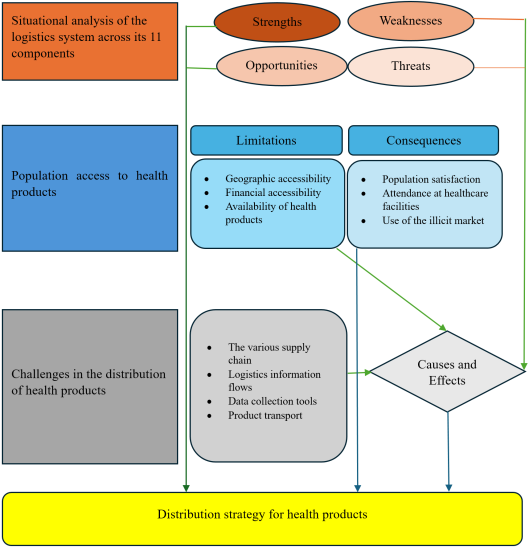
Figure 1. Conceptual framework of the study.
We observe here that each stage is linked to the next through a relationship of causality and feedback: the situational analysis informs reflection on accessibility for the population; findings regarding accessibility reveal distribution challenges; distribution strategies directly influence expected outcomes; and the results obtained, in turn, reshape the situational analysis within a framework of continuous improvement.
3. Results
3.1. Situational Analysis of the Logistics System
A total of 160 pharmaceutical products were identified, comprising: 105 molecules and medical devices used for cancer diagnosis and treatment; 7 molecules for addiction management; 11 vaccines for national immunization coverage; two molecules for the National Onchocerciasis Control Programme (NOCP); 9 labile blood products and reagents; 17 medicines and medical devices for reproductive health; and 9 medicines for managing the Coronavirus 2019 (COVID-19) pandemic. Of these medicines, 66.42% are included in the National List of Essential Medicines (NLEM), and 52.57% are registered in Cameroon. The LMIS (Logistics Management Information System) component involves the highest number of technical and financial partners (TFPs). Reproductive health, the National Committee for the Fight against AIDS (NCFA), the Expanded Vaccination Program (EPI), and the National Malaria Control Programme (NMCP) are the most supported programs, each with four TFPs. The Centre Region receives the most support for supply chain activities. Full-time logistics officers are in place for 37.5% of health programs and 60% of health facilities. 75% of health programs have a well-defined, computerized LMIS. 40.9% of facilities use the National List of Essential Medicines for product selection. Pharmaceutical products are primarily procured through a competitive bidding process. Poor service quality in health facilities, high medicine prices, and the existence of parallel distribution channels each account for 22.22% of the barriers to accessing medicines.
3.2. Public Access to Health Products
The study population consisted of 48.15% men and 51.85% women. The 20-29 age group was the most represented, accounting for 38.40% of the population. The informal sector was the most represented employment category at 27.68% (comprising 11.47% women and 16.21% men). 42.23% of the population traveled a distance of 3 km or less to reach the nearest health facility. 51.59% of the roads used by the population to reach health facilities were paved. Among the modes of transport used to get to the hospital, motorcycles ranked first at 60.85%. Only 30.76% of the population were satisfied with the price of medicines at the hospital. 24.99% of the population turned to street vendors and traditional healers for every illness, while 25% did so when they had no other choice.
3.3. Challenges in the Distribution of Healthcare Products
CENAME distributes medicines for health programs and essential medicines to regional funds, public health facilities of all categories, private health facilities, NGOs, and private wholesalers. Private wholesalers distribute their products to all levels of the healthcare system. Since most health programs lack their own warehouses, they store their products at National Central Medical Stores for Essential Medicines (CENAME). However, some TFPs deliver certain products directly to health facilities on an ad hoc basis. Information flow does not always follow the same path as the flow of pharmaceutical products. Seventeen major problems within the medicine distribution system were identified. Twenty-one root causes were listed; of these, ten had a significant impact on medicine distribution, according to the Pareto principle. Two distribution models were proposed, each with various advantages and disadvantages. An FMEA of the medicine distribution system, conducted on the different models, revealed a range of failures; the most significant was the delay in payment for medicines by health facilities, with a criticality score of 350 out of 1000. These structural and organizational failures can undermine the system's efficiency and reliability.
4. Discussion
Regarding the situational analysis, these results can be explained by the varying mandates, objectives, or terms of reference of each Technical and Financial Partner (TFP), as well as by the high mortality rates associated with malaria, HIV, and maternal health issues, and the mounting challenges facing vaccination efforts. The strengths identified here were also cited in the *Strategic Plan for Strengthening the Public Health Product Supply Chain in Cameroon (2022-2026)
| [3] | Ministry of Public Health of Cameroon. Strategic plan for strengthening the public supply chain for health products in Cameroon 2022-2026.2022, pp. 1- 86. |
[3]
. Pharmaceutical products are primarily procured through a competitive bidding process, in accordance with the Ministry of Finance circular on the execution of finance laws
| [7] | Ministry of Finance of Cameroon. Circular No. 00000456/C/MINFI of December 30, 2021, Issuing Instructions Regarding the Implementation of Finance Laws and the Monitoring and Control of Budget Execution for the State and Other Public Entities for the 2022 Fiscal Year. 2021. |
[7]
.
Regarding the study population, these results align with those of Essomba N. et al.
| [8] | Essomba NE, Adiogo D, Essome Mbole JB, Lehman Lg, Coppieters Y. Medication procurement habits of populations in a semi-rural town in Cameroon. Health Sci. Dis. Nov 2014. 15(4): 3-7p. |
[8]
, who found that 60.7% of their participants were women; this reflects the fact that the Cameroonian population is predominantly female
. The findings concerning age groups corroborate those of Essomba N. et al.
| [8] | Essomba NE, Adiogo D, Essome Mbole JB, Lehman Lg, Coppieters Y. Medication procurement habits of populations in a semi-rural town in Cameroon. Health Sci. Dis. Nov 2014. 15(4): 3-7p. |
[8]
, who also found that the largest segment of their study population fell within the 25-35 age range. The results regarding distances traveled support those of Azonhe T. et al.
| [10] | Thierry Herve AZONHE. Spatial disparities in health infrastructure and access to care in the commune of Zogbodomey, Benin. Rev. Ivoir. Sci. Technol. June 2019. 34(3): 311 - 327p. |
[10]
who found that surveyed households generally travel between 1 and 5 km (47.7%) and can be explained by the extensive healthcare coverage across various regions and the steadily increasing number of health facilities, which significantly reduces the distance required to travel from home to a healthcare center. Regarding the modes of transport used by the population, these results differ from those of Lourdes D. et al., who identified public transport as the primary means of getting to the health center
| [11] | Lourdes Diaz Olvera, Didier Plat, Pascal Pochet. The role of transport in access to healthcare in Conakry and Douala. HAL open science. 2008. 15 p. |
[11]
. The population's satisfaction level regarding hospital medication prices may be explained by issues affecting drug availability such as taxes, storage costs, and a lack of effective communication regarding the actual costs of essential medicines or the policies implemented to improve access to them. Regarding the use of street vendors and traditional healers, these results differ from those of Moussa S. et al., who found that 99% of consumers purchased medicines from the parallel market as a first resort
| [12] | Moussa Samake. Assessment of the risk of contracting diseases due to the use of street medicines in Bamako. Thesis at the Faculty of Medicine, Pharmacy, and Odonto-Stomatology of Bamako. 2010, 127 p. |
[12]
; this discrepancy may be explained by crowded living conditions, easy access to street medicines without prescriptions or oversight, low prices, the population's lack of financial means to visit health centers, average education levels, cultural factors, family habits, the unavailability of health personnel at certain facilities, and the unavailability or inaccessibility of medicines within health facilities. Indeed, a study by Mbella M. et al. found that 34% of households turned to traditional medicine due to the frequent absence of health personnel, 33% due to the lack of a health center in the village, 17% due to long travel distances, and 14% due to the high cost of modern healthcare
| [13] | Mbella Mbong R. Recourse to traditional therapeutic pathways in rural areas of the Mélong district: A multidimensional analysis of the diversity of care. Moroccan Geographical and Social Space. 2021. 1(52): 139 p. |
[13]
.
CENAME’s distribution channel is defined by Order No. 3827/MINSANTE of December 5, 2018, regarding the supply of essential medicines and other pharmaceutical products to health facilities
| [14] | Ministry of Public Health of Cameroon. Order No. 3827 of December 5, 2018, defining the procedures for supplying health facilities with essential medicines and other pharmaceutical products. Official Journal, No. 54 of December 7, 2018, 3p. |
[14]
. This order stipulates that public health facilities in categories two through seven, as well as private health facilities participating in performance-based financing, must first submit their orders to CENAME or its regional branches. It is noted that no regulatory text supports CENAME sourcing supplies from private wholesalers. The distribution channel used by private wholesalers partially conflicts with Circular Letter D36-58 LC/MINSANTE/SG/DPML of June 29, 2022, concerning the supply of public health facilities
| [15] | Ministry of Public Health of Cameroon. Circular Letter D36-58 LC/MINSANTE/SG/DPML of June 29, 2022, regarding the supply of public health facilities. Official Journal. June 2022, 1p. |
[15]
. This circular stipulates that wholesale distributors of medicines and medical devices provided they hold valid authorization and a certificate of Good Distribution Practices are permitted to supply non-profit private procurement agencies, private health facility pharmacies, community pharmacies, and, where applicable, Regional Funds for Health Promotion; consequently, they are strictly prohibited from supplying pharmacies within public sector health facilities. The storage of medicines for health programs complies with Circular Letter D36-03 LC/MINSANTE/SG/DPML dated January 10, 2020, regarding the inventory management of Public Health Program supplies
| [16] | Ministry of Public Health of Cameroon. Circular Letter D36-03 LC/MINSANTE/SG/DPML of January 10, 2020, regarding inventory management of supplies for Public Health Programs. Official Journal. January 2020, 1p. |
[16]
, which stipulates that all imports of supplies provided to the country by technical and financial partners must be routed through CENAME. The flow of information does not always follow the same path as that of pharmaceutical products; this can be attributed to the multiplicity of stakeholders involved in managing logistics data. The seventeen major problems identified within the medicine distribution system are nearly identical to those highlighted by U.S. Agency for International Development (USAID)
| [17] | USAID. Improving last-mile distribution in Ivory Coast IHSC-TA: Supply chain assessment. 2017, 102 p. |
[17]
in its assessment of the supply chain in Ivory Coast. The root causes identified align with those found by USAID
| [17] | USAID. Improving last-mile distribution in Ivory Coast IHSC-TA: Supply chain assessment. 2017, 102 p. |
[17]
in its supply chain assessment in Ivory Coast, as well as those presented in the Strategic Plan for Strengthening the Public Health Product Supply Chain in Cameroon (2022-2026)
| [3] | Ministry of Public Health of Cameroon. Strategic plan for strengthening the public supply chain for health products in Cameroon 2022-2026.2022, pp. 1- 86. |
[3]
. Among the proposed distribution models, the first aligned with the one presented in the Yeksi Naa project
| [18] | Ministry of Health and Social Action of Senegal. New distribution model for essential medicines and products down to the service delivery point level « YEKSI NAA ». 2016. |
[18]
in Senegal and shares similar advantages and disadvantages with the model evaluated by VillageReach
| [19] | VillageReach. Outsourcing pharmaceutical transport to improve population health at the last mile – A case study. 2016, 12 p. |
[19]
regarding the outsourcing of medicine transport in Mozambique to improve last-mile healthcare. The second proposed model is partly based on the current system but introduces a health district hub and eliminates the involvement of private wholesalers, TFPs, and health programs at all levels; this model also offers several advantages and one disadvantage.
5. Conclusion
This conceptual framework highlights the shortcomings of the pharmaceutical logistics system in Cameroon and proposes an innovative, tailored distribution strategy. The approach aims to strengthen medicine security, improve accessibility, and contribute to increasing life expectancy among the population.
Abbreviations
LSAT | Logistic System Assessment Tool |
SWOT | Strengths, Weaknesses, Opportunities and Threats |
TFPs | Technical and Financial Partners |
USAID | U.S. Agency for International Development |
CENAME | National Central Medical Stores for Essential Medicines |
MINSANTE | Ministry of Public Health |
DPML | Directorate of Pharmacy, Medicines and Laboratories |
FMEA | Failure Mode and Effects Analysis |
NGOs | Non-Governmental Organization |
LMIS | Logistic Management Information System |
NCFA | National Committee for the Fight Against AIDS |
COVID-19 | Coronavirus 2019 |
NLEM | National List of Essential Medicines |
EPI | Expanded Vaccination Program |
NOCP | National Onchocerciasis Control Programme |
NMCP | National Malaria Control Programme |
RFHP | Regional Fund for Health Promotion |
NMSS | National Medicines Supply System |
Acknowledgments
I would like to thank Professor NNANGA NGA, Professor Marie José ESSI, Professor BISSECK and Professor NKO’O AMVENE for your availability, support, encouragement, and participation in bringing this work to fruition. We express our deepest gratitude and appreciation to you.
Author Contributions
Mbole Mvondo Jeanne Mauricette: Conceptualization, Formal Analysis, Investigation, Methodology, Writing – original draft, Writing – review & editing
Essi Marie Jose: Methodology, Supervision, Validation
Bissek Anne Cecile: Methodology, Supervision, Validation
Nnanga Nga: Methodology, Supervision, Validation
Conflicts of Interest
The authors declare no conflicts of interest.
References
| [1] |
Sybille G, Camille M, Therese. Health project planning: health promotion and humanitarian action. Doctors of the World, 2022, 384p.
|
| [2] |
Valerie G, Jean-Michel H. Access to medicines: a challenge for the pharmaceutical industry. Humanism and Business. 2008/1, n° 286. pp. 13 - 28.
|
| [3] |
Ministry of Public Health of Cameroon. Strategic plan for strengthening the public supply chain for health products in Cameroon 2022-2026.2022, pp. 1- 86.
|
| [4] |
AFREQEN. How to use the Ishikawa diagram. 2019, 4 pp. Available at:
https://www.manager-go.com/project-management/methods-and-guides/ishikawa-5m
|
| [5] |
Laurent G. Principle and application of the Pareto principle (80/20). Manager GO, 2023.
|
| [6] |
HEC Schools. FMEA: The FMEA method. 1998, pp. 1-18.
|
| [7] |
Ministry of Finance of Cameroon. Circular No. 00000456/C/MINFI of December 30, 2021, Issuing Instructions Regarding the Implementation of Finance Laws and the Monitoring and Control of Budget Execution for the State and Other Public Entities for the 2022 Fiscal Year. 2021.
|
| [8] |
Essomba NE, Adiogo D, Essome Mbole JB, Lehman Lg, Coppieters Y. Medication procurement habits of populations in a semi-rural town in Cameroon. Health Sci. Dis. Nov 2014. 15(4): 3-7p.
|
| [9] |
World Bank Group. Total population - Cameroon | Data. (Accessed 19/09/2023). Available at:
https://data.bankworld.org/indicator/SP.POP.TOTL?locations=CM
|
| [10] |
Thierry Herve AZONHE. Spatial disparities in health infrastructure and access to care in the commune of Zogbodomey, Benin. Rev. Ivoir. Sci. Technol. June 2019. 34(3): 311 - 327p.
|
| [11] |
Lourdes Diaz Olvera, Didier Plat, Pascal Pochet. The role of transport in access to healthcare in Conakry and Douala. HAL open science. 2008. 15 p.
|
| [12] |
Moussa Samake. Assessment of the risk of contracting diseases due to the use of street medicines in Bamako. Thesis at the Faculty of Medicine, Pharmacy, and Odonto-Stomatology of Bamako. 2010, 127 p.
|
| [13] |
Mbella Mbong R. Recourse to traditional therapeutic pathways in rural areas of the Mélong district: A multidimensional analysis of the diversity of care. Moroccan Geographical and Social Space. 2021. 1(52): 139 p.
|
| [14] |
Ministry of Public Health of Cameroon. Order No. 3827 of December 5, 2018, defining the procedures for supplying health facilities with essential medicines and other pharmaceutical products. Official Journal, No. 54 of December 7, 2018, 3p.
|
| [15] |
Ministry of Public Health of Cameroon. Circular Letter D36-58 LC/MINSANTE/SG/DPML of June 29, 2022, regarding the supply of public health facilities. Official Journal. June 2022, 1p.
|
| [16] |
Ministry of Public Health of Cameroon. Circular Letter D36-03 LC/MINSANTE/SG/DPML of January 10, 2020, regarding inventory management of supplies for Public Health Programs. Official Journal. January 2020, 1p.
|
| [17] |
USAID. Improving last-mile distribution in Ivory Coast IHSC-TA: Supply chain assessment. 2017, 102 p.
|
| [18] |
Ministry of Health and Social Action of Senegal. New distribution model for essential medicines and products down to the service delivery point level « YEKSI NAA ». 2016.
|
| [19] |
VillageReach. Outsourcing pharmaceutical transport to improve population health at the last mile – A case study. 2016, 12 p.
|
Cite This Article
-
APA Style
Mauricette, M. M. J., Jose, E. M., Cecile, B. A., Nga, N. (2026). Conceptual Framework of Pharmaceutical Distribution in Cameroon. International Journal of Pharmacy and Chemistry, 12(3), 29-34. https://doi.org/10.11648/j.ijpc.20261203.11
 Copy
|
Copy
|
 Download
ACS Style
Mauricette, M. M. J.; Jose, E. M.; Cecile, B. A.; Nga, N. Conceptual Framework of Pharmaceutical Distribution in Cameroon. Int. J. Pharm. Chem. 2026, 12(3), 29-34. doi: 10.11648/j.ijpc.20261203.11
Copy
|
Download
AMA Style
Mauricette MMJ, Jose EM, Cecile BA, Nga N. Conceptual Framework of Pharmaceutical Distribution in Cameroon. Int J Pharm Chem. 2026;12(3):29-34. doi: 10.11648/j.ijpc.20261203.11
Copy
|
Download
-
@article{10.11648/j.ijpc.20261203.11,
  author = {Mbole Mvondo Jeanne Mauricette and Essi Marie Jose and Bissek Anne Cecile and Nnanga Nga},
  title = {Conceptual Framework of Pharmaceutical Distribution in Cameroon},
  journal = {International Journal of Pharmacy and Chemistry},
  volume = {12},
  number = {3},
  pages = {29-34},
  doi = {10.11648/j.ijpc.20261203.11},
  url = {https://doi.org/10.11648/j.ijpc.20261203.11},
  eprint = {https://article.sciencepublishinggroup.com/pdf/10.11648.j.ijpc.20261203.11},
  abstract = {Introduction: While the health status of the global population is certainly influenced by a wide range of factors such as economic, social and political conditions it also depends heavily on the availability of pharmaceutical products. With this in mind, we undertook this study to examine the health product distribution system, from the point of entry into the country to the "last mile" of the supply chain. Methodology: This was an analytical and evaluative study involving all stakeholders within the healthcare system hierarchy, spanning the 10 regions of Cameroon who are involved in the logistics management of medicine supplies and service delivery to the population; the study was conducted over a 14-month period from January 10, 2021, to March 30, 2022. The objective was to evaluate the medicine security chain in Cameroon by conducting a situational analysis of medicine supply logistics management and an analysis of the strategy for population access to medicines, followed by a diagnosis of pharmaceutical distribution challenges and, finally, the development of an appropriate distribution strategy. Data collection was carried out using a questionnaire designed based on the Logistics System Assessment Tool (LSAT) and guidelines for assessing health systems and their essential functions. The collected data were analyzed using several quality management tools, namely Strengths, Weaknesses, Opportunities and Threats (SWOT) analysis, the 5M method, the Pareto principle and FMEA (Failure Mode and Effects Analysis). Results: This analysis highlights several strengths and weaknesses of the distribution system, the root causes of the various challenges encountered, and certain risks identified within the proposed improvement processes. While the population has easy access to health facilities, dissatisfaction with medicine prices persists, driving people to turn to street vendors and traditional healers. Seventeen major problems were identified, including several high-impact causes. The proposed models similar to the National Medicines Supply System (NMSS) offer advantages but also reveal structural and organizational shortcomings. Conclusion: This conceptual framework highlights the shortcomings of the pharmaceutical logistics system in Cameroon and proposes an innovative, tailored distribution strategy. This approach aims to strengthen medicine security, improve accessibility and contribute to increasing the population's life expectancy.},
 year = {2026}
}
Copy
|
Download
-
TY  - JOUR
T1  - Conceptual Framework of Pharmaceutical Distribution in Cameroon
AU  - Mbole Mvondo Jeanne Mauricette
AU  - Essi Marie Jose
AU  - Bissek Anne Cecile
AU  - Nnanga Nga
Y1  - 2026/07/28
PY  - 2026
N1  - https://doi.org/10.11648/j.ijpc.20261203.11
DO  - 10.11648/j.ijpc.20261203.11
T2  - International Journal of Pharmacy and Chemistry
JF  - International Journal of Pharmacy and Chemistry
JO  - International Journal of Pharmacy and Chemistry
SP  - 29
EP  - 34
PB  - Science Publishing Group
SN  - 2575-5749
UR  - https://doi.org/10.11648/j.ijpc.20261203.11
AB  - Introduction: While the health status of the global population is certainly influenced by a wide range of factors such as economic, social and political conditions it also depends heavily on the availability of pharmaceutical products. With this in mind, we undertook this study to examine the health product distribution system, from the point of entry into the country to the "last mile" of the supply chain. Methodology: This was an analytical and evaluative study involving all stakeholders within the healthcare system hierarchy, spanning the 10 regions of Cameroon who are involved in the logistics management of medicine supplies and service delivery to the population; the study was conducted over a 14-month period from January 10, 2021, to March 30, 2022. The objective was to evaluate the medicine security chain in Cameroon by conducting a situational analysis of medicine supply logistics management and an analysis of the strategy for population access to medicines, followed by a diagnosis of pharmaceutical distribution challenges and, finally, the development of an appropriate distribution strategy. Data collection was carried out using a questionnaire designed based on the Logistics System Assessment Tool (LSAT) and guidelines for assessing health systems and their essential functions. The collected data were analyzed using several quality management tools, namely Strengths, Weaknesses, Opportunities and Threats (SWOT) analysis, the 5M method, the Pareto principle and FMEA (Failure Mode and Effects Analysis). Results: This analysis highlights several strengths and weaknesses of the distribution system, the root causes of the various challenges encountered, and certain risks identified within the proposed improvement processes. While the population has easy access to health facilities, dissatisfaction with medicine prices persists, driving people to turn to street vendors and traditional healers. Seventeen major problems were identified, including several high-impact causes. The proposed models similar to the National Medicines Supply System (NMSS) offer advantages but also reveal structural and organizational shortcomings. Conclusion: This conceptual framework highlights the shortcomings of the pharmaceutical logistics system in Cameroon and proposes an innovative, tailored distribution strategy. This approach aims to strengthen medicine security, improve accessibility and contribute to increasing the population's life expectancy.
VL  - 12
IS  - 3
ER  -
Copy
|
Download





 Share This Article
 Twitter
 Linked In
 Facebook