1. Introduction
Examining the role of visionary leadership in unveiling the ‘Singapore dream’ for economic transformation reveals how strategic foresight, innovation-driven policies, and pragmatic governance collectively act as powerful catalysts for rapid and sustained national development
. Singapore’s leadership exemplifies a remarkable capacity to assimilate global best practices while thoughtfully adapting them to fit the nation’s unique socioeconomic and cultural contexts
. This tailored approach has enabled Singapore to emerge as a global exemplar of economic resilience, modernization, and inclusive growth
. In contrast, contexts characterized by political expediency often witness leadership decisions driven by short-term political gains or the imperative of maintaining power, which can undermine long-term economic progress and social stability
| [10] | Edward, T. C. (2018). The Development Trajectory in Singapore: The Role of the State and Political Leadership. Wilberforce Journal of the Social Sciences, 3(1), 48-66.
https://doi.org/10.36108/wjss/8102.30.0140 |
[10]
. The Singaporean experience underscores the indispensable role of visionary leadership in pursuing ambitious economic objectives and ensuring political stability and institutional integrity. This balance fosters an environment conducive to innovation, investment, and equitable development
. Globally, Singapore’s model offers critical insights for emerging economies grappling with complex political landscapes, highlighting that transformative economic growth is achievable when leadership combines strategic vision with adaptive governance and a commitment to inclusive and sustainable progress
.
The examination of visionary leadership in Africa's economic transformation and political expediency reveals a landscape of challenges and opportunities for Africa’s development
| [1] | Akoto, E. O., Akoto, E. V., & Bawole, J. N. (2023). Leadership Capabilities for the 21st Century Development of Africa: A Paradigm Shift in Political Leadership for Economic Emancipation (pp. 9-26). Emerald.
https://doi.org/10.1108/978-1-80117-045-120231003 |
[1]
. African leaders navigate intricate sociopolitical environments by balancing entrenched interests, limited institutional capacities, and diverse stakeholder demands. Unlike Singapore’s model of strategic planning and innovation, some African leadership prioritizes short-term survival or patronage, which hinders economic reforms and inclusive development
| [23] | Poncian, J., & Mgaya, E. S. (2015). Africa’s Leadership Challenges in the 21st Century: What Can Leaders Learn from Africa’s Pre-Colonial Leadership and Governance? International Journal of Social Science Studies, 3(3).
https://doi.org/10.11114/ijsss.v3i3.710 |
[23]
. However, there is a growing recognition of the need for visionary leadership that embraces adaptive policies that promote inclusive growth and balance political dynamics with developmental goals. This paradigm reconciles immediate political considerations with long-term socioeconomic aspirations, fostering innovation, investment, and progress
| [5] | Bonsu, O. (2019). Leadership: The Missing Variable in the Economic Development of Sub-Saharan Africa. ODU Digital Commons (Old Dominion University).
https://doi.org/10.25777/5bcg-gn73 |
| [13] | Jeko, V. O. (2016). Dynamism of African leadership structure: towards developmental strategies and transformation. Idea. Studia Nad Strukturą i Rozwojem Pojęć Filozoficznych, 28(1), 333-352. https://doi.org/10.15290/idea.2016.28.1.17 |
[5, 13]
. African leaders increasingly look to global exemplars, such as Singapore, not for replication but for adapting best practices to local contexts. This involves learning from Singapore’s strategic vision and pragmatic governance while addressing Africa’s unique governance challenges and diversity
| [9] | Dibie, R., & Dibie, J. (2025). Development Administration in Africa: A Critical Analysis of the Predicament of Lack of Visionary Leadership. Journal of Public Administration and Governance, 15(2), 172.
https://doi.org/10.5296/jpag.v15i2.23474 |
[9]
. By cultivating visionary, context-sensitive leadership, African nations can unlock their developmental potential and chart sustainable pathways toward economic transformation, resilient to political expediency.
Kenya's leadership often struggles to balance ambitious economic goals with political pressures, prioritizing short-term survival over long-term development. This undermines the consistent and visionary economic reforms needed for sustainable growth
. Unlike Singapore’s strategic, innovation-driven governance, Kenya's leadership faces challenges from patronage networks and complex power dynamics that hinder economic progress and institutional strengthening. However, there is a growing recognition of the need to move beyond political expediency by adopting adaptive and inclusive policies
. This perspective aims to align political realities with economic transformation, social equity, and institutional integrity
| [21] | Onyango, M. A. (2020). Role Of Transformative Leadership In Dealing With Challenges Faced Kenyan Public Service. Advances in Social Sciences Research Journal, 7(7), 732-738. https://doi.org/10.14738/assrj.77.8643 |
[21]
. By fostering visionary and responsive leadership, Kenya seeks to create an environment conducive to innovation, investment, and equitable growth
| [31] | Wanyonyi, W., Muliro, W., House, C., Cheeseman, N., Lynch, G., Willis, J., Chitere, P., Ngundo, M., Dechurch, L., Hiller, N., Murase, T., Doty, D., Salas, E., Hassan, M., Muna, W., Iivonen, M., Huotari, M., Ilesanmi, O., Kaplan, R., … Yamane, T. (2025). Innovative Governance Models and Legal Reforms for Sustainable Development in Western Kenya. Journal of Research Innovation and Implications in Education.
https://doi.org/10.59765/jriie.9.3.30 |
[31]
. This shift involves reforming governance to reduce patronage and promote participatory decision making. Through this inclusive lens, Kenyan leadership can better align policies with the population’s needs, ensuring broadly shared developmental benefits
. Ultimately, Kenya’s path to transformation relies on visionary leaders navigating political complexities while pursuing sustainable and inclusive progress.
1.1. Statement of the Problem
Visionary leadership in unveiling the ‘Singapore dream’ for economic transformation involves leaders combining strategic foresight with adaptive governance to ensure sustainable development. This leadership embraces innovation-driven policies suited to the socioeconomic context while maintaining political stability. This balance ensures that economic goals are met without sacrificing social equity, thereby fostering investment, innovation, and growth. Visionary leaders prioritize reforms that strengthen institutions and promote participatory decision-making, enabling ambitious economic transformation while safeguarding democratic principles and fostering resilient progress, as exemplified by Singapore’s model, which is adaptable to complex political landscapes.
While Singapore’s leadership exemplifies strategic foresight, innovation-driven policies, and political stability, driving sustained economic growth, Kenya faces challenges that are rooted in political expediency and instability. Kenyan leadership often prioritizes short-term political survival and patronage networks over coherent and long-term economic reforms, leading to fragmented policy implementation and weakened institutions. Despite Kenya’s GDP growth averaging 5.7% annually before COVID-19, this growth has been uneven and insufficient to significantly reduce poverty, with nearly 36% of the population living below the national poverty line. Political pressure and complex power dynamics often result in policy reversals and delays, undermining efforts to establish a stable environment for innovation and investment in the industry. Governance weaknesses contribute to Kenya’s ranking of 124th out of 180 countries on the Corruption Perceptions Index, reflecting institutional fragility that impedes transparent and efficient economic management. This environment perpetuates a cycle in which economic transformation is compromised by political interests, limiting Kenya’s capacity to adopt adaptive and innovation-oriented policies that are essential for equitable growth and institutional integrity. Consequently, Kenya struggles to emulate the strategic and pragmatic governance model underpinning Singapore’s success, in which political stability and visionary leadership foster inclusive, sustainable development.
Research on visionary leadership in economic transformation often highlights Singapore's strategic foresight, innovation-driven policies, and political stability as the keys to its success. However, comparative studies on how these leadership traits can be adapted to politically sensitive environments such as Kenya are lacking. Edward
| [10] | Edward, T. C. (2018). The Development Trajectory in Singapore: The Role of the State and Political Leadership. Wilberforce Journal of the Social Sciences, 3(1), 48-66.
https://doi.org/10.36108/wjss/8102.30.0140 |
[10]
emphasized the role of political leadership in Singapore's development, noting that state involvement remains crucial, especially in emerging states. Khan
found that Singapore's interventionist measures maintained market efficiency due to quality leadership and pragmatism. Dibie and Dibie
| [9] | Dibie, R., & Dibie, J. (2025). Development Administration in Africa: A Critical Analysis of the Predicament of Lack of Visionary Leadership. Journal of Public Administration and Governance, 15(2), 172.
https://doi.org/10.5296/jpag.v15i2.23474 |
[9]
noted the negative impact of authoritarian leadership on African economic growth, suggesting an egalitarian ideology. Wanyonyi
et al.
| [31] | Wanyonyi, W., Muliro, W., House, C., Cheeseman, N., Lynch, G., Willis, J., Chitere, P., Ngundo, M., Dechurch, L., Hiller, N., Murase, T., Doty, D., Salas, E., Hassan, M., Muna, W., Iivonen, M., Huotari, M., Ilesanmi, O., Kaplan, R., … Yamane, T. (2025). Innovative Governance Models and Legal Reforms for Sustainable Development in Western Kenya. Journal of Research Innovation and Implications in Education.
https://doi.org/10.59765/jriie.9.3.30 |
[31]
identified governance challenges in Kenya despite decentralization efforts. Although Kenya faces issues such as patronage networks and institutional weaknesses, research rarely explores frameworks for shifting towards visionary governance. There is a need to study leadership models that apply Singapore's lessons to Kenya's unique sociopolitical context. This review aims to examine the role of visionary leadership in adapting the 'Singapore Dream ' for Kenya's economic transformation.
1.2. Objectives of the Study
1.2.1. Main Objective
This study critically examines the role of visionary leadership in adapting the ‘Singapore dream’ model for economic transformation within the politically expedient context of Kenya, identifying the leadership traits, governance strategies, and policy frameworks that can foster sustainable and inclusive economic growth in Kenya.
1.2.2. Specific Objectives
1) To analyze the key elements of visionary leadership that contributed to Singapore’s economic transformation, including strategic foresight, innovation-driven policies, and political stability.
2) To evaluate the impact of political expediency and patronage networks on Kenya’s economic reforms and institutional development.
3) To compare the governance and leadership approaches between Singapore and Kenya, highlighting the challenges and opportunities for Kenya’s economic transformation.
4) To explore adaptive leadership frameworks that reconcile Kenya’s political realities with long-term economic and social development goals.
1.3. Research Questions for the Study
1) What are the key elements of visionary leadership, such as strategic foresight, innovation-driven policies, and political stability, that contributed to Singapore’s economic transformation?
2) How do political expediency and the presence of patronage networks impact economic reforms and institutional development in Kenya?
3) In what ways do the governance and leadership approaches of Singapore and Kenya differ, and what challenges and opportunities do these differences present for Kenya’s economic transformation?
4) What adaptive leadership frameworks can reconcile Kenya’s political realities with the pursuit of long-term economic and social development goals?
2. Literature Review
2.1. Theoretical Review
2.1.1. Adaptive Cognitive Reframing Theory
Adaptive cognitive reframing theory posits that leaders can reinterpret and modify their cognitive frameworks in response to intricate sociopolitical contexts. This underscores the ability of adaptive leaders to reframe challenges by altering perspectives, thereby enhancing their strategic foresight and fostering innovative problem solving
. Through the application of adaptive cognitive reframing, visionary leadership can effectively navigate Kenya's patronage systems and political expediency while drawing lessons from Singapore's governance to promote policies that align political realities with sustainable economic transformation
| [1] | Akoto, E. O., Akoto, E. V., & Bawole, J. N. (2023). Leadership Capabilities for the 21st Century Development of Africa: A Paradigm Shift in Political Leadership for Economic Emancipation (pp. 9-26). Emerald.
https://doi.org/10.1108/978-1-80117-045-120231003 |
[1]
.
Adaptive Cognitive Reframing Theory makes a substantial contribution to the field by offering a conceptual framework that elucidates how leaders can mentally adjust to and reinterpret challenges within intricate sociopolitical environments
. This theory underscores the ability of visionary leaders to balance immediate political pressures, such as Kenya’s patronage networks and political expediency, with long-term developmental goals, as exemplified by Singapore’s strategic governance
| [11] | Güntner, A. V., Heimann, A. L., Ingold, P., & Kleinmann, M. (2022). Training Adaptive Leadership: The Role of Leader Cognitions and Behaviors. Academy of Management Proceedings, 2022(1). https://doi.org/10.5465/ambpp.2022.12310 |
[11]
. By emphasizing cognitive flexibility and adaptive problem-solving, the theory supports the proposition that Kenyan leaders can draw lessons from Singapore’s model by reframing their governance approach. This facilitates the development of policies that align Kenya’s political realities with sustainable economic transformation, promoting innovation, institutional strengthening, and inclusive growth, despite prevailing political complexities
. Consequently, the Adaptive Cognitive Reframing Theory underpins the study’s emphasis on adaptive leadership as a crucial mechanism for reconciling political expediency with visionary economic reforms.
Critics contend that the Adaptive Cognitive Reframing Theory, when applied to visionary leadership and economic transformation, potentially underestimates structural constraints such as entrenched patronage networks and institutional weaknesses in Kenya. These elements may not be sufficiently addressed through cognitive reframing alone
| [11] | Güntner, A. V., Heimann, A. L., Ingold, P., & Kleinmann, M. (2022). Training Adaptive Leadership: The Role of Leader Cognitions and Behaviors. Academy of Management Proceedings, 2022(1). https://doi.org/10.5465/ambpp.2022.12310 |
[11]
. Although the theory emphasizes individual cognitive adaptability, it may inadequately account for the broader political economy and power dynamics that limit leadership effectiveness in politically expedient contexts. Critics argue that the theory’s focus on mental reframing might oversimplify the practical challenges of implementing adaptive policies in environments resistant to change and characterized by competing vested interests
. Consequently, although Adaptive Cognitive Reframing Theory offers a valuable framework for understanding leadership adaptability, its application to the Kenyan context requires integration with frameworks that explicitly address institutional reform and political power structures to facilitate sustainable economic transformation.
The Adaptive Cognitive Reframing Theory makes a substantial contribution to this study by offering a conceptual framework that underscores the significance of mental flexibility and adaptive problem solving in leadership. The theory elucidates how visionary leaders can reinterpret and adjust their cognitive frameworks to navigate complex socio-political environments, such as Kenya’s patronage networks and political expediency, while pursuing long-term developmental goals inspired by Singapore’s model of strategic governance. This supports the notion that Kenyan leadership can adopt adaptive cognitive reframing to reconcile immediate political pressures with sustainable economic transformation, thereby fostering innovation, strengthening institutions, and promoting inclusive growth. However, the study also acknowledges the theory’s limitation in potentially underestimating structural constraints, emphasizing the need to integrate it with frameworks addressing institutional reform and political power dynamics to effectively promote visionary leadership and economic progress in politically sensitive contexts. This dual perspective underscores the pivotal role of the theory in framing adaptive leadership as a mechanism to balance political realities with visionary economic reform within the scope of this study.
2.1.2. Political Economy Theory
Political economy theory examines how political forces and economic structures interact to shape economic outcomes through power relations, institutional frameworks, and resource distribution. It shows how political expediency, patronage, and governance influence policy, often hindering the development of visionary leadership and long-term transformation
| [26] | Serbina, N., Daineko, V., Tsyrfa, I., Rozhkova, M., & Lytvynenko, N. (2025). The Influence of Political Factors on Economic Growth: A Study of the Interconnection Between Governance Spheres in a Global Context. Journal of Lifestyle and SDGs Review, 5(1), e03926.
https://doi.org/10.47172/2965-730x.sdgsreview.v5.n01.pe03926 |
[26]
. The theory highlights that economic development is rooted in political contexts, where leadership faces competing interests and institutional weaknesses. In Kenya, entrenched political interests and fragmented institutions hinder reforms, unlike in Singapore, where stability and strategic governance align with the political and economic goals of inclusive growth. Thus, the theory supports exploring how adaptive leadership navigates political and economic structures to achieve sustainable transformation despite political expediency
.
Political economy theory significantly contributes to this study by providing a framework for understanding how the interplay between political forces and economic structures shapes the developmental outcomes. It elucidates the impact of power relations, institutional frameworks, and resource distribution on economic policies, highlighting how political expediency and patronage networks can obstruct visionary leadership and transform the economy in the long term
| [26] | Serbina, N., Daineko, V., Tsyrfa, I., Rozhkova, M., & Lytvynenko, N. (2025). The Influence of Political Factors on Economic Growth: A Study of the Interconnection Between Governance Spheres in a Global Context. Journal of Lifestyle and SDGs Review, 5(1), e03926.
https://doi.org/10.47172/2965-730x.sdgsreview.v5.n01.pe03926 |
[26]
. In the Kenyan context, this theory explains the challenges posed by entrenched political interests and fragmented institutions that hinder reforms. Conversely, Singapore’s success is attributed to its political stability and strategic governance, which align political and economic objectives to foster inclusive growth. Thus, political economy theory supports the examination of how adaptive leadership can navigate complex political-economic environments to achieve sustainable economic transformation despite prevailing political constraints, underscoring the necessity of reconciling political realities with visionary governance
.
This study criticizes political economy theory for its potential to overemphasize structural constraints at the expense of recognizing individual leadership agency. The theory primarily focuses on power relations, institutional frameworks, and resource distribution, which can portray political expediency and patronage networks as insurmountable barriers to economic transformation
. This deterministic perspective may understate visionary leadership’s capacity to enact adaptive governance and strategic reforms within complex political economies, such as Kenya’s. Additionally, political economy theory may insufficiently address the nuances of leadership adaptability and cognitive reframing that enable leaders to navigate and potentially transform entrenched political-economic structures
. Therefore, while the theory provides a critical macro-level understanding of political and economic dynamics, its application to the study of visionary leadership requires integration with frameworks that highlight leadership flexibility and innovation to fully capture the pathways to sustainable economic transformation.
Political economy theory offers a critical framework for analyzing the interaction between political forces and economic structures, which shape the trajectory of economic transformation in both Singapore and Kenya. It elucidates how political expediency and patronage networks in Kenya create institutional weaknesses and fragmented governance, thereby obstructing coherent economic reforms and sustainable development. In contrast, Singapore’s political stability and strategic governance illustrate how aligning political and economic objectives can foster inclusive growth and long-term transformation. This theory highlights the constraints imposed by power relations and resource distribution, emphasizing the necessity of adaptive leadership capable of navigating and reforming entrenched political-economic systems. Thus, the political economy theory supports this study’s exploration of how visionary leadership can reconcile Kenya’s complex political realities with the pursuit of economic modernization inspired by the 'Singapore dream,' despite prevailing political challenges.
2.1.3. Transformational Leadership Theory
Transformational Leadership Theory focuses on leaders who inspire followers to exceed expectations through a shared vision, innovation, and commitment to long-term goals. In studying visionary leadership and the ‘Singapore dream’ for economic transformation, Gupta and Verma
highlight leaders' ability to articulate a vision aligned with national development goals, driving strategic foresight and adaptive governance. These leaders encourage intellectual engagement, challenge paradigms, and create an environment for institutional strengthening and inclusive growth in the country. The theory emphasizes visionary leaders' role in managing political complexities while inspiring collective efforts toward sustainable economic progress, serving as a framework for analyzing how leadership in Kenya might evolve to embrace transformative economic reforms modeled on Singapore’s experience
| [22] | Percy, P. (2021). Developing Business Leaders for a Better Tomorrow: A Power and Transformational Leadership Perspective. The Transnational Journal of Business, 6(1).
https://doi.org/10.64010/cmef2508 |
[22]
.
Transformational Leadership Theory contributes significantly to the study by providing a framework to understand how visionary leaders can inspire and mobilize collective efforts toward ambitious economic transformation, as exemplified by Singapore’s ‘dream.’ This theory emphasizes leaders’ ability to articulate a compelling vision that aligns with national development goals, fostering innovation, strategic foresight, and adaptive governance
| [12] | Gupta, R., & Verma, R. (2024). Transformational Leadership in Strategic Management: Catalyzing Change and Innovation. Nanotechnology Perceptions, 1143-1154.
https://doi.org/10.62441/nano-ntp.vi.3790 |
| [16] | Lalhakim, M., Nugroho, B., & Fitriani, R. (2024, January 1). The Public Sector’s Research on Transformational Leadership: A Literature Review.
https://doi.org/10.4108/eai.29-11-2023.2347818 |
[12, 16]
. It highlights the role of leaders in challenging existing paradigms, encouraging intellectual engagement, and strengthening institutions to create an environment conducive to inclusive growth and sustainable development. Within the context of Kenya’s political expediency, Transformational Leadership Theory offers insights into how leadership can evolve to manage political complexities effectively while driving long-term economic reforms and promoting visionary governance that balances political realities with developmental aspirations
.
Transformational Leadership Theory has been critiqued for potentially neglecting the intricate political realities that limit leadership efficacy in contexts such as Kenya. Although the theory emphasizes leaders' capacity to inspire and galvanize collective efforts toward long-term objectives, it may underestimate the structural challenges posed by entrenched patronage networks and political expediency
| [25] | Sabbah, M. (2024). Transformational Leadership and Business Continuity: A systematic review of empirical studies. Management Research Quarterly, 1(2), 4-24.
https://doi.org/10.63029/kyzckn37 |
[25]
. Critics contend that the theory’s emphasis on visionary inspiration and institutional strengthening can be overly idealistic, inadequately addressing the pragmatic compromises and power dynamics that leaders must navigate in politically volatile environments. Therefore, its application to the Kenyan context necessitates integration with frameworks that explicitly consider political constraints and adaptive governance strategies to promote a realistic sustainable economic transformation
| [22] | Percy, P. (2021). Developing Business Leaders for a Better Tomorrow: A Power and Transformational Leadership Perspective. The Transnational Journal of Business, 6(1).
https://doi.org/10.64010/cmef2508 |
[22]
.
Transformational Leadership Theory is pertinent to this study as it offers a framework for analyzing how visionary leaders can inspire and mobilize collective efforts toward ambitious economic transformation, exemplified by Singapore’s developmental 'dream.' The theory emphasizes the role of leaders in articulating a compelling vision that aligns with national development goals, fostering innovation, strategic foresight and adaptive governance. This underscores leaders’ ability to challenge existing paradigms, encourage intellectual engagement, and strengthen institutions, thereby creating an environment conducive to inclusive growth and sustainable development. In the Kenyan context, the theory provides insights into how leadership might evolve to navigate the political complexities inherent in political expediency and promote transformative reforms that balance the immediate political realities with the long-term developmental aspirations of the people. However, this study also acknowledges the necessity of integrating this theory with frameworks that address political constraints to realistically foster sustainable economic transformation within Kenya’s unique socio-political environment.
Figure 1. Integrated Conceptual Framework for the Study.
Explanation:
The framework integrates three core theories:
1) Adaptive Cognitive Reframing Theory addresses leadership mental flexibility to reinterpret political and economic challenges.
2) Political economy theory situates leadership within the constraints of political forces, patronage networks, and institutional dynamics.
3) Transformational Leadership Theory focuses on visionary articulation, inspiring collective action, and institutional strengthening.
These theories converge into an Adaptive Leadership Framework tailored for Kenya’s context, emphasizing the following:
1) Cognitive flexibility in navigating political expediency.
2) Strategic engagement to align political realities with economic goals is necessary to achieve this.
3) Mobilization of collective action for reform.
4) Institutional strengthening and reduction of patronage.
The framework aims to guide Kenya’s economic transformation toward inclusive growth, innovation, and sustainable development, inspired by Singapore's model but adapted to local political realities.
2.2. Empirical Literature Review
Edward
| [10] | Edward, T. C. (2018). The Development Trajectory in Singapore: The Role of the State and Political Leadership. Wilberforce Journal of the Social Sciences, 3(1), 48-66.
https://doi.org/10.36108/wjss/8102.30.0140 |
[10]
examines Singapore's development, emphasizing political leadership and state involvement in socio-economic progress. This study challenges liberal views favoring minimal state intervention and highlights the crucial role of the state, especially in emerging economies. By analyzing Singapore’s transformation, Edward shows how leadership and state participation were key to its success. This supports the view that the Singaporean government fosters innovation, investment, and inclusive growth, underpinning economic transformation. Edward’s findings underscore the necessity of a proactive state and leaders in emerging contexts. However, this study is mostly descriptive, focusing on Singapore, with limited comparative insights into complex environments such as Kenya. While Edward draws lessons for Nigeria, the applicability of Singapore’s model to African settings with distinct political dynamics remains unexplored. This study does not adequately address how political expediency in many African states complicates long-term leadership. Edward’s work highlights a research gap: the need to move beyond single case studies to analyze how leadership reconciles goals with political challenges. There is little research on how Kenya’s leadership might apply Singapore’s lessons to its sociopolitical landscape. Edward’s emphasis on state involvement and leadership vision provides a foundational understanding but lacks integration with theories of political economy constraints and leadership adaptability issues. The current study fills this gap by evaluating the interplay between leadership and political expediency in Kenya and exploring adaptive reframing and political economy frameworks to understand how Kenyan leaders navigate and transform political realities. This approach advances the discourse by developing leadership models that balance immediate pressures with sustainable transformation, a dimension that is not sufficiently addressed in Edwards’ analysis.
Khan
analyzed Singapore’s economic success, crediting it to a balance between market mechanisms and government intervention, described as the “governed market” theory. This balance maintains market efficiency owing to pragmatic and meritocratic leadership. The study emphasizes that Singapore’s future economic prospects rely on education, training programs, recruitment standards, sustaining governance, and innovation. It highlights the role of competent governance in aligning state intervention with market dynamics, arguing that visionary leadership involves embedding structures that ensure policy coherence and stability for growth. However, Khan’s study does not compare contexts such as Kenya, where political expediency and patronage affect governance. It does not address how Singapore’s model might adapt to volatile environments with institutional weaknesses. This gap is significant given Kenya’s political economy, where short-term survival overrides planning, leading to fragmented reforms. Khan’s focus on Singapore’s governance underplays the complexity of applying such models to different sociopolitical realities. The assumption that government intervention with quality leadership yields positive outcomes may not hold when leadership is constrained. This highlights the need for frameworks that incorporate adaptive leadership to navigate constraints, which was unexplored in Khan’s study. The current study examines how Singapore’s leadership model can be adapted through cognitive reframing and political economy perspectives to fit Kenya’s context, developing practical frameworks that reconcile Kenya’s political pressures with economic goals, thus filling Khan’s analysis gap by integrating adaptability and reform strategies for sustainable development.
Quah
analyzes Singapore’s success, attributing it to pragmatic leadership under Lee Kuan Yew, effective bureaucracy, anti-corruption measures, human capital investment, and adapting international practices. This framework explains Singapore's post-independence economic transformation. The focus on leadership aligns with the economic development discourse, highlighting governance, institutional integrity, and innovation. However, Quah primarily describes internal policy evolution in a stable political environment and does not address the challenges in politically volatile contexts such as Kenya. Quah’s framework lacks discussion on how leadership and political challenges, such as patronage, affect economic transformation in unstable environments. This study examines the adaptation of Quah’s leadership traits and governance strategies to Kenya, where political expediency undermines reform. Unlike Singapore’s stable governance, Kenya has fragmented institutions and patronage networks that disrupt policy continuity. This highlights a research gap in comparing Singapore’s leadership model with African states’ political realities. Quah’s emphasis on learning from others is unidirectional. This study proposes a bidirectional, context-sensitive leadership model, acknowledging that Kenyan leaders must reframe the challenges posed by political expediency to foster innovation and growth.
Vasoo and Singh
highlight Singapore’s socio-political stability and leadership as key drivers of its economic transformation, emphasizing governance principles grounded in asset building. Their work documents how policies that promote multiculturalism, housing access, social mobility, and resource management empower citizens and fuel development. This aligns with the discourse on leadership combining strategic foresight with inclusive governance for sustainable progress, exemplified by Singapore’s ‘dream.’ However, their analysis focused on internal growth factors without a comparative evaluation of external factors. In Kenya, where political expediency complicates governance, their findings reveal a research gap. The emphasis on stable conditions and integrity-driven leadership contrasts with Kenyan leadership challenges, which prioritize political survival over reforms. The lack of exploration of adapting Singapore’s model to Kenya underscores the need for comparative frameworks, given Kenya’s institutional fragility and corruption. Vasoo and Singh’s work does not address how visionary leadership can overcome political interests, which are central to Kenya. Their focus on policy outcomes in stable environments overlooks the adaptations required for volatile settings. This omission complements literature gaps, such as the limited comparative analysis of leadership adaptability and the lack of frameworks integrating political economy constraints with governance in Africa. Therefore, this study examines how visionary leadership, inspired by Singapore’s ‘dream,’ can be adapted using adaptive cognitive reframing and political economy theories to navigate the political challenges in Kenya. It moves beyond descriptions to interrogate leadership vision, governance strategies, and political realities, aiming to develop models that reconcile political pressure with economic transformation. This approach addresses the limitations of Vasoo and Singh’s work by situating Singapore’s governance lessons within the complexities of Kenya, advancing the understanding of how adaptive, inclusive leadership can foster progress amid challenges.
Akoto
et al.
| [1] | Akoto, E. O., Akoto, E. V., & Bawole, J. N. (2023). Leadership Capabilities for the 21st Century Development of Africa: A Paradigm Shift in Political Leadership for Economic Emancipation (pp. 9-26). Emerald.
https://doi.org/10.1108/978-1-80117-045-120231003 |
[1]
emphasize the urgent need for a shift in African leadership to address complex environments hindering economic growth despite independence. They critique traditional models and advocate for integrating organizational science and corporate leadership for effectiveness, preparing leaders for Africa’s challenges and economic advancement. Their findings align with the broader discussions on leadership adaptability and innovative governance. While Singapore’s success stems from strategic leadership under stable conditions, Kenya and other African states struggle with political issues that hinder reforms. The current literature identifies research gaps contextualized by Akoto et al. but not fully addressed, such as adapting visionary leadership to volatile contexts. Their work proposes a leadership shift but does not deeply explore the reconciliation of political interests with transformation. Existing studies focus on Singapore’s success while neglecting the complexities of applying similar models in unstable environments. They underexplore adaptive cognitive reframing and transformational leadership in contexts with patronage and fragmented institutions, limiting the application of Singapore’s model to Kenya. Critiques of Adaptive Cognitive Reframing and Political Economy Theory highlight the need to integrate leadership adaptability with structural reforms. Akoto et al.’s integration of organizational science and corporate leadership shows promise but requires more interaction with political economy constraints and cognitive adaptability for sustainable outcomes in Africa. This study examines how visionary leadership, inspired by the ‘Singapore dream,’ adapts to Kenya’s needs through cognitive reframing, political economy insights, and transformational leadership. It proposes a context-sensitive model that balances political pressures with development goals, aligning with Akoto et al.’s call for leadership readiness in complex environments and advancing it by focusing on economic transformation in politically expedient contexts, addressing the limitations of African leadership literature and Singapore-focused studies.
Simon
| [27] | Simon, N. (2022). Effective Leadership: Panacea to Africa’s Economic Growth and Sustainable Development. Zenodo (CERN European Organization for Nuclear Research). https://doi.org/10.5281/zenodo.7318825 |
[27]
discusses the crucial role of leadership in Africa's economic growth, focusing on Nigeria's challenges, such as ineffective leadership, poor policies, instability, and divisions that hinder progress. Simon advocates for transformational leadership to address issues such as infrastructure decay, poverty, insecurity, and resource mismanagement. While emphasizing visionary leadership for sustainable growth, the paper is descriptive and lacks comparison with successful models such as Singapore’s transformation, which used strategic foresight and stability for development. This study integrates theories such as Adaptive Cognitive Reframing, Political Economy, and Transformational Leadership to show how adaptability and strategic governance reconcile political pressures with economic goals. This highlights the limitations of existing theories in volatile environments and stresses the need for context-sensitive leadership for Kenya’s realities. Simon’s analysis lacks exploration of implementing transformational leadership in complex settings such as Kenya. This study proposes an approach that combines Singapore’s leadership lessons with cognitive reframing and the political economy of Kenya, advancing the understanding of actionable frameworks that address the interplay between political and economic transformation.
Okunola
et al. | [20] | Okunola, M. O., Sowore, O. J., & Balla, K. L. (2025). Interrogating The Paradox and Conjectures of Political Leadership and Governance Deficit in Africa. Gusau Journal of Sociology, 4(4), 179-191. https://doi.org/10.57233/gujos.v4i4.12 |
[20]
critically examine leadership and governance crises in Africa, showing how leadership failure has impeded development since Africa’s independence. This study highlights the lack of transformative leadership as central to governance deficits, with ineffective leaders perpetuating such negative outcomes. It links political leadership to good governance and advocates for recruitment reforms, accountability, and responsive governance. This aligns with broader discussions on the role of visionary leadership in economic transformation, particularly in complex environments such as Kenya. Okunola et al. used elite theory and secondary data to offer a macro diagnosis without deeply engaging with adaptive leadership models or the nuanced dynamics that affect leadership in volatile settings. Unlike Okunola et al., this study contrasts Kenya's political expediency with Singapore's governance and explores adaptive leadership to reconcile Kenya’s political pressures with its long-term goals. It addresses the gaps identified by Okunola et al. by focusing on leadership adaptability and reconciling political realities with economic reforms. However, Okunola et al. did not address how cognitive flexibility or strategic governance can be applied to Africa's complex economies. Their reliance on elite theory limits their engagement with practical mechanisms for navigating patronage systems. This study proposes an integrative framework that combines cognitive reframing, political economy insights, and transformational leadership to develop models of economic transformation for Kenya. It addresses the tension between expediency and governance, offering pathways to strengthen institutions and promote growth, moving beyond the recommendations of Okunola et al.
Poncian and Mgaya
| [23] | Poncian, J., & Mgaya, E. S. (2015). Africa’s Leadership Challenges in the 21st Century: What Can Leaders Learn from Africa’s Pre-Colonial Leadership and Governance? International Journal of Social Science Studies, 3(3).
https://doi.org/10.11114/ijsss.v3i3.710 |
[23]
critically addressed Africa’s development challenges, emphasizing leadership and governance as key impediments to sustainable progress. They argue that Africa’s underdevelopment stems more from conditions shaped by its leaders than from external forces, such as historical global economic integration. Advocating for pre-colonial leadership models, they highlight the limitations of Western governance frameworks in Africa’s unique contexts. This perspective reveals a critical research gap relevant to the study on visionary leadership in Kenya’s economic transformation vis-à-vis the ‘Singapore dream.’ While literature on Singapore and Kenya emphasizes strategic foresight and innovation-driven policies as drivers of success, it often underplays culturally rooted leadership paradigms highlighted by Poncian and Mgaya. The study’s focus on adaptive cognitive reframing and transformational leadership theories aligns with this gap, acknowledging the need for context-sensitive leadership models. Moreover, Poncian and Mgaya’s critique of Western model adoption complements the study’s identification of political expediency and patronage as Kenya-specific constraints. Their argument suggests that ignoring indigenous leadership lessons contributes to governance weaknesses. This insight underscores a gap in research comparing Kenya’s political economy with Singapore’s governance without exploring how Kenya’s leadership legacies might inform adaptive frameworks. Thus, the study’s framework could be enriched by incorporating indigenous leadership principles alongside adaptive and transformational theories. Additionally, Poncian and Mgaya’s emphasis on leadership conditions as a root cause of poverty highlights a research gap: existing frameworks often inadequately address how social and political norms influence leadership and reform capacity. The study’s recognition of institutional fragility and patronage as barriers aligns with this but could engage more with how indigenous governance models might offer alternative pathways.
Dibie and Dibie
| [9] | Dibie, R., & Dibie, J. (2025). Development Administration in Africa: A Critical Analysis of the Predicament of Lack of Visionary Leadership. Journal of Public Administration and Governance, 15(2), 172.
https://doi.org/10.5296/jpag.v15i2.23474 |
[9]
analyzed the challenges of development administration in African countries, highlighting the impact of the lack of visionary leadership on sustainable development. They assert that development administration requires inclusive political leadership that promotes reciprocity and stewardship. Authoritarian leadership is linked to poor economic growth and advocates egalitarian ideology, participatory governance, and shared decision-making. They stress capacity building to transition African economies from consumer to production-oriented, emphasizing self-reliance and participatory sustainable development for progress over 25 years. This aligns with the discourse on visionary leadership’s role in economic transformation, especially in complex environments like Kenya, emphasizing adaptive leadership to overcome such political barriers. Dibie and Dibie focus on the macro-level relationship between leadership style and economic growth but lack engagement with cognitive and political economy frameworks explaining leadership navigation of complex realities. Their use of frustration-aggression theory and shared governance lacks integration with theories such as Adaptive Cognitive Reframing and Transformational Leadership, offering insights into mental flexibility and strategic foresight. Their emphasis on authoritarian leadership as a barrier aligns with critiques of Kenya’s patronage networks fragmenting policy and weakening institutions. However, their recommendations are broad, focusing on ideological shifts and capacity building without detailing frameworks for Kenya’s sociopolitical context. The text proposes an adaptive leadership framework combining cognitive reframing, political economy awareness, and transformational principles to reconcile Kenya’s political realities with economic transformation inspired by Singapore. A research gap in their study is the lack of exploration of operationalizing visionary leadership in volatile environments with patronage and institutional fragility. While advocating for inclusive democracy, the mechanisms for leaders to adapt to constraints are underdeveloped. This study fills this gap by incorporating theories addressing leadership adaptability and systemic structures, offering a comprehensive approach to visionary governance in Kenya. Additionally, Dibie and Dibie do not address innovation-driven policies, meritocratic governance, and institutional integrity, which are key elements of the Singapore model that are critical for economic resilience. Their focus on shifting to a production orientation is important but insufficient without governance reforms that ensure policy continuity and anti-corruption measures.
Minja’s
study on ethical leadership in Kenya addresses entrenched corruption in developing countries with quid-pro-quo governance systems. His work confronts corruption by linking classical and contemporary leadership theories to transformative change. This ethical leadership focus is crucial for understanding Kenya's leadership challenges, where political expediency and patronage networks undermine governance and economic progress. However, Minja’s analysis focused on ethical leadership reform without fully integrating visionary leadership for economic transformation. His emphasis on the theory-practice connection to combat corruption is essential but insufficiently linked to strategic foresight and innovation-driven policies, as exemplified by Singapore. The current literature, including Minja’s, lacks a comprehensive framework situating ethical leadership within Kenya's political expediency and the complexities of economic development. There is a gap in adapting visionary leadership models to reconcile Kenya’s political pressures with its developmental goals. Furthermore, Minja’s work does not engage with cognitive adaptability or leadership frameworks addressing the structural and political economy constraints highlighted in Adaptive Cognitive Reframing Theory and Political Economy Theory. These theories stress the need for leaders to uphold ethical standards while reframing challenges and navigating political interests to achieve sustainable economic transformation. This absence reveals a research gap in understanding how ethical leadership intersects with adaptive and transformational leadership in politically complex environments.
Kagema
| [14] | Kagema, D. (2018). Responsible Leadership and Sustainable Development in Post-Independent Africa: A Kenyan Experience. Journal of Values-Based Leadership, 11(1).
https://doi.org/10.22543/0733.111.1207 |
[14]
examined post-independent Africa's underdevelopment, focusing on Kenya, and attributed its stagnation to irresponsible leadership in the country. This study notes a disconnect between natural resources and socioeconomic issues such as poverty. Kagema highlights a leadership culture focused on self-interest that hinders sustainable development due to weak accountability. Empathetic and competent leaders are crucial for sustainable development, aligning with the broader discourse on visionary leadership. Kagema contrasts Kenya's politics with Singapore's governance model and identifies challenges, such as patronage networks undermining reforms. Leadership accountability complements theories such as Adaptive Cognitive Reframing and Political Economy's focus on institutional weaknesses. However, Kagema's work lacks integration with adaptive leadership frameworks in the political context of Kenya. A research gap exists in the operationalization of responsible leadership in Kenya's sociopolitical environment. While advocating for responsible leaders, this study does not address the mechanisms for reconciling political pressure with the transformation goals. This gap leaves unanswered the question of how Kenyan leaders might adopt governance strategies inspired by Singapore’s. Additionally, Kagema's study does not address the cognitive and structural dimensions of leadership transformation, lacking integration with theories such as Adaptive Cognitive Reframing or Transformational Leadership. However, these recommendations remain broad and less actionable. This study aims to fill these gaps by examining visionary leadership models that combine foresight and innovation, as seen in Singapore, with adaptive frameworks in Kenya. It seeks context-sensitive leadership approaches that balance political realities with developmental aspirations, integrate cognitive adaptability, political economy insights, and transformational leadership principles, and offer practical pathways for Kenyan leadership to foster sustainable growth despite the challenges faced.
Egwu and Mshelia
| [34] | Egwu, G., & Mshelia, I. H. (2024). Leadership Failure as a Drawback to Africa’s Socio-Economic Development: Analysis of the Challenges and the way forward. Lapai Journal of Economics, 8(1), 310–320. https://doi.org/10.4314/lje.v8i1.22 |
[34]
analyze leadership failure as a key impediment to Africa’s socio-economic development, placing it within the continent’s historical and political context. They trace leadership crises to the colonial balkanization of Africa, which fragmented ethnoreligious groups and entrenched divisions that undermine political stability. Combined with the uncritical adoption of Western democratic models ill-suited to Africa’s socio-political fabric, this fragmentation has perpetuated military coups, insecurity, and governance failures, reflected in low rankings on indices such as the UNDP’s Human Development Index. The authors argue that these challenges cannot be addressed without reimagining leadership frameworks to incorporate African values and promote inclusive governance. They advocate a home-grown democratic model aligned with 21st-century universal leadership principles but distinctly African in cultural and political orientation. Their study also reveals gaps for research on visionary leadership. Although it stresses culturally grounded models, it does not explain how visionary leadership can drive economic transformation, reconcile political expediency with sustainable development, or assess paradigms such as Singapore’s. The current study can address these gaps by examining how Singapore’s example can inform Kenya’s political and economic strategies. It can explore how visionary leadership moves beyond political expediency to drive inclusive, sustainable development while addressing limitations in existing leadership models identified by Egwu and Mshelia across the African continent.
Achuti’s
| [35] | Achuti, E. O. (2026). Entrenching Strategic Collaborations and Visionary Leadership at Kisii University, Kenya: A Systematic Review. East African Journal of Business and Economics, 9(1), 364–385. https://doi.org/10.37284/eajbe.9.1.4635 |
[35]
systematic review of strategic collaborations and visionary leadership at Kisii University critically examines institutional dynamics in an African higher education context, aligning with broader themes of economic transformation and political expediency seen in comparative studies such as the Singapore model. The study applies Transformational Leadership Theory, Resource Dependence Theory, and the Collaborative Advantage Framework, offering a multidimensional understanding of how leadership and partnerships shape institutional growth and regional development. The findings reveal fragmentation in Kisii University’s collaborative culture, with less than 30% stakeholder engagement and weak inter-departmental communication, correlating with declines in joint research initiatives and underutilization of partner funding. This evidence highlights operational inefficiencies and governance challenges that undermine the university’s capacity to leverage external resources. Faculty and staff resistance, framing collaboration as bureaucratic rather than beneficial, exposes a cultural barrier to institutional change that visionary leadership has yet to overcome. This disconnect between leadership vision and grassroots acceptance impedes alignment with national agendas, such as Kenya’s Vision 2030. The study’s contribution lies in integrating diverse theoretical frameworks with empirical data to diagnose institutional inertia and propose a tailored framework for reform. However, although it addresses context-specific challenges in Kenyan higher education, it underexplores how visionary leadership could be operationalized to overcome resistance and embed a collaborative culture. Moreover, its focus on Kisii University limits generalizability across Kenyan institutions facing different socio-political dynamics or resource environments. It also lacks comparative analysis with models like Singapore’s ‘dream’, suggesting future research should bridge the institutional and macro-levels.
Hermawan et al.
| [36] | Hermawan, R., Anggraeni, R. D., Amar, M. Y., Kadir, A. R., & Hamid, N. (2024). The Influence of Visionary Leadership on The Success of Organizational Transformation. An-Nuha: Jurnal Sosial & Humaniora, 2(2), 100–108.
https://doi.org/10.63005/annuha.v2i2.2.3 |
[36]
offer a nuanced examination of visionary leadership as a critical catalyst for effective organizational transformation, particularly in navigating complex and uncertain environments. Through their qualitative case study of Indonesia’s National Defense Institute (LEMHANAS), they demonstrate how visionary leadership drives structural decentralization, nurtures a culture of collaboration and innovation, and ensures alignment with long-term strategic objectives. Their findings highlight the broad-ranging influence of visionary leaders in enhancing operational efficiency, fostering robust cross-sector partnerships, and cultivating a culture grounded in transparency and accountability. This work not only advances theoretical insights but also provides actionable strategies for organizations aiming to achieve sustainable transformation. While Hermawan et al.’s study delivers valuable micro-level evidence of visionary leadership’s capacity to promote agility and inter-organizational cooperation, its setting within an Indonesian defense institution presents a context markedly different from Kenya’s political and economic landscape. In Kenya, visionary leadership must contend with entrenched institutional inertia, fragmented stakeholder engagement, and complex socio-political challenges. This divergence exposes a critical gap in the application of existing visionary leadership frameworks to the broader national development ambitions that intertwine economic transformation with political expediency, as encapsulated in Kenya’s Vision 2030 and its aspiration to replicate Singapore’s developmental success. The present study is strategically positioned to address these gaps by integrating micro-level organizational insights with Kenya’s unique macro-level institutional and political dynamics. It aims to explore operational strategies through which visionary leaders can overcome cultural resistance and foster collaborative institutional cultures within Kenyan higher education and governance structures. Furthermore, the study will undertake comparative analyses between Kenya’s developmental trajectory and Singapore’s ‘dream,’ identifying transferable leadership practices alongside necessary contextual adaptations. By broadening the focus beyond individual institutions to encompass diverse socio-political environments across Kenya, the research enhances the generalizability and policy relevance of its findings.
Nesbitt
challenges the view of visionary leadership as the domain of a charismatic figure by emphasizing leadership teams in driving innovation. This shift from individual-centric to team-based visionary leadership enriches discourse on collaborative strategies, showing how collective vision creation, maintenance, and execution can sustain innovation and organizational culture change. The study’s interdisciplinary approach, drawing from leadership theory, organizational psychology, and sector case studies, offers insights for leaders and policymakers seeking leadership systems capable of disruption and adaptation. However, Nesbitt’s focus on industry transformation through leadership teams addresses micro-level organizational dynamics without engaging broader socio-political contexts relevant to national agendas, such as Kenya’s Vision 2030. While the study elucidates traits and tactics that foster visionary leadership teams, it does not explore how such models can be operationalized to navigate political expediency or economic transformation at a macro-institutional level. This gap is significant given the interplay between visionary leadership, institutional culture, and policy frameworks in contexts marked by governance challenges and fragmented stakeholder engagement. Moreover, Nesbitt’s work does not address how visionary leadership teams might bridge divergent interests within politically charged environments, a critical factor in realizing developmental models such as the ‘Singapore dream’ in Kenya. The absence of comparative perspectives integrating institutional and political dimensions limits the applicability of Nesbitt’s findings where visionary leadership must contend with resistance and socio-political complexities. The study is thus poised to fill these gaps by examining how visionary leadership teams can drive organizational innovation and operationalize Kenya’s developmental ambitions modeled on Singapore’s experience.
3. Materials & Methods
3.1. Search Strategy
A comprehensive and systematic literature search was conducted to identify studies exploring the role of visionary leadership in economic transformation, with particular emphasis on Singapore’s developmental model and its relevance to Kenya’s political landscape. This search spanned multiple reputable electronic databases, including Scopus, Web of Science, JSTOR, and Google Scholar, ensuring an extensive collection of peer-reviewed articles, scholarly books and policy reports. The search strategy incorporated carefully selected keywords and Boolean operators to capture the intersection of leadership and economic development in politically complex contexts such as Africa. Specifically, the terms (“visionary leadership” OR “transformational leadership”) were combined with (“economic transformation” OR “economic development”) and further refined by references to (“Singapore dream” OR “Singapore model”) alongside political factors such as (“political expediency” OR “patronage networks” OR “political stability”). To maintain relevance and reflect contemporary discourse, the search was confined to publications between 2015 and 2026. Additionally, the reference lists of pivotal articles were meticulously examined to identify further pertinent sources, enhancing the breadth and depth of the review.
3.2. Inclusion and Exclusion Criteria
The inclusion criteria prioritized research on the role of leadership in economic transformation, ensuring a focused literature review. Studies were selected for empirical or theoretical insights into leadership driving economic change, emphasizing Singapore, Kenya, and other emerging economies with challenges similar to Kenya. Eligible studies addressed political factors such as expediency, patronage networks, and governance obstacles that affect leadership and economic outcomes. To ensure relevance and rigor, only peer-reviewed articles, book chapters, and policy reports published in English between 2015 and 2026 were included. Studies lacking direct relevance to leadership or economic transformation were excluded to maintain focus. Publications solely centered on technical economic analyses without political or leadership integration were omitted to ensure the consistency of the results. Non-English works were excluded for accessibility and consistency purposes. Conference abstracts, editorials, and opinion pieces were excluded because of their limited depth and lack of peer review. Studies outside this timeframe were excluded to focus on recent developments. This selection framework ensured that the literature review encompassed robust, relevant, and analytically rich sources, facilitating a comprehensive exploration of visionary leadership in economic transformation in politically complex environments.
Table 1. Inclusion/exclusion criteria.
Criteria | Inclusion | Exclusion |
Focus | Studies on leadership's role in economic transformation, especially relating to Singapore, Kenya, and similar emerging economies | Studies unrelated to leadership or economic transformation |
Content | Empirical or theoretical insights on leadership, political factors (expediency, patronage, governance) affecting economic outcomes | Technical economic analyses without integration of political or leadership aspects |
Publication Type | Peer-reviewed articles, book chapters, policy reports | Conference abstracts, editorials, opinion pieces |
Language | English | Non-English publications |
Timeframe | Publications from 2016 to 2026 | Publications outside 2015-2026 |
Source: Research data, (2026)
3.3. Study Selection Process
The initial search results were consolidated using reference management software to systematically eliminate duplicate data from the search results. Subsequently, two independent reviewers thoroughly screened the titles and abstracts according to the predefined inclusion criteria. Any disagreements or inconsistencies encountered during this process were addressed through collaborative discussions to reach a consensus and ensure objectivity. In cases where consensus could not be attained, a third reviewer provided an impartial resolution. Articles that met the initial screening requirements underwent a comprehensive full-text evaluation by the same reviewers using a standardized checklist that was meticulously aligned with the established inclusion and exclusion criteria. This rigorous dual-review methodology enhanced the reliability of the selection process and minimized potential selection bias, thereby strengthening the validity and credibility of this review.
3.4. Data Extraction
A comprehensive and systematically designed data extraction form was used to capture the essential characteristics of each study. This included details such as the author(s), publication year, study design, geographic focus, and leadership theories used. Additionally, the form documents the governance and political contexts addressed, key findings related to visionary leadership and economic transformation, and any policy or practical recommendations. To ensure rigor and minimize bias, two independent reviewers conducted the data extraction process separately, followed by a cross-validation step to verify the accuracy and completeness of the collected data. This methodological approach enhanced the reliability and depth of the literature synthesis.
3.5. Quality Assessment
The methodological quality of the included studies was rigorously evaluated using assessment tools tailored to each study's design to ensure the review’s robustness and credibility. Empirical research was scrutinized using the Critical Appraisal Skills Program (CASP) checklist, which systematically examined key criteria such as validity, reliability, and relevance to the study objectives. This process ensured that only studies demonstrating sound methodological rigor and trustworthy findings were included in this review. Simultaneously, theoretical and conceptual papers underwent a thorough appraisal, focusing on the clarity and coherence of their argumentation, the depth and rigor of their theoretical frameworks, and their direct applicability to research aims. Studies that did not meet the established quality standards were excluded, thereby safeguarding the integrity and analytical strength of the literature synthesis. This comprehensive quality appraisal process reinforced the review’s foundation, enabling a well-substantiated and authoritative examination of visionary leadership in economic transformation in politically complex contexts.
3.6. Data Synthesis and Justification
A narrative synthesis approach was used to cohesively integrate the findings from a broad spectrum of study designs and contexts, enabling comprehensive thematic exploration of leadership characteristics, governance mechanisms, and political dynamics. This approach facilitated the systematic identification of both convergences and divergences between Singapore’s visionary leadership paradigm and the political expediency that characterizes Kenya’s governance. Central to the synthesis was an emphasis on adaptive leadership frameworks, which demonstrate the capacity to harmonize complex political realities with the imperatives of economic transformation. By foregrounding these adaptive strategies, the synthesis aligns closely with the study’s overarching objective of elucidating leadership models that can effectively navigate and reconcile the tensions between political constraints and sustainable development goals in diverse, politically sensitive environments.
3.7. Alignment with PRISMA
The review process rigorously followed the Preferred Reporting Items for Systematic Reviews and Meta-Analyses (PRISMA) guidelines to ensure transparency, replicability and methodological precision. Each phase, comprising literature identification, screening, eligibility evaluation, data extraction, and synthesis, was systematically documented to ensure clarity and consistency of the process. A PRISMA flow diagram was employed to visually represent the progression and decisions made during the study selection, which not only enhanced the review’s credibility but also facilitated future replication, updates, and critical appraisal by other researchers.
Figure 2. PRISMA Flow Diagram for Systematic Review of the ‘Singapore dream’ for economic transformation and Political expediency in Kenya.
4. Results and Discussion
This section presents a comprehensive analysis of visionary leadership’s role in economic transformation by critically examining Singapore’s ‘dream’ model and its applicability to Kenya’s politically expedient context. The discussion is organized around the study’s objectives, integrating theoretical and empirical insights to elucidate the leadership traits, governance strategies, and policy frameworks that foster sustainable and inclusive growth.
4.1. Key Elements of Visionary Leadership in Singapore’s Economic Transformation
Singapore’s economic success is fundamentally anchored in visionary leadership characterized by strategic foresight, innovation-driven policies, and political stability. The findings reveal that Singapore’s leadership, notably under Lee Kuan Yew, demonstrated an exceptional capacity to assimilate global best practices while tailoring them to the nation’s unique socioeconomic and cultural contexts
. This adaptive governance approach fosters institutional integrity, anti-corruption measures, and human capital investment, which collectively create a conducive environment for innovation and sustained economic growth
. Strategic foresight has enabled Singapore’s leaders to anticipate future challenges and opportunities and align national development goals with pragmatic policy interventions. Innovation-driven policies emphasize education, R&D, and infrastructure, underpinning a ‘governed market’ that balances state intervention with market efficiency
. Political stability and meritocratic governance ensure policy continuity and institutional strengthening, mitigating the risks associated with political volatility
. These elements combine to produce inclusive growth and resilience, exemplifying a leadership model that integrates vision and practical governance.
4.2. Impact of Political Expediency and Patronage Networks on Kenya’s Economic Reforms
In contrast, Kenya’s leadership landscape is marked by political expediency, patronage networks, and institutional fragility, undermining long-term economic reforms and inclusive development
. The study found that Kenyan leadership often prioritizes short-term political survival over strategic planning, resulting in fragmented policy implementation, frequent reversals, and weakened institutions
. Patronage systems perpetuate governance deficits, eroding transparency and accountability, as reflected in Kenya’s low ranking on the Corruption Perception Index
| [31] | Wanyonyi, W., Muliro, W., House, C., Cheeseman, N., Lynch, G., Willis, J., Chitere, P., Ngundo, M., Dechurch, L., Hiller, N., Murase, T., Doty, D., Salas, E., Hassan, M., Muna, W., Iivonen, M., Huotari, M., Ilesanmi, O., Kaplan, R., … Yamane, T. (2025). Innovative Governance Models and Legal Reforms for Sustainable Development in Western Kenya. Journal of Research Innovation and Implications in Education.
https://doi.org/10.59765/jriie.9.3.30 |
[31]
. These political dynamics create an unstable environment that discourages innovation and investment, hindering Kenya’s capacity to adopt adaptive and innovation-oriented policies that are essential for equitable growth
| [13] | Jeko, V. O. (2016). Dynamism of African leadership structure: towards developmental strategies and transformation. Idea. Studia Nad Strukturą i Rozwojem Pojęć Filozoficznych, 28(1), 333-352. https://doi.org/10.15290/idea.2016.28.1.17 |
| [18] | Minja, D. (2017). Rethinking Ethical Leadership in Kenya: Adopting a New Paradigm. Journal of Values-Based Leadership, 10(1). https://doi.org/10.22543/0733.101.1175 |
[13, 18]
. The persistence of political expediency disrupts the coherence needed for sustained economic transformation, limiting the effectiveness of reforms and institutional development
| [10] | Edward, T. C. (2018). The Development Trajectory in Singapore: The Role of the State and Political Leadership. Wilberforce Journal of the Social Sciences, 3(1), 48-66.
https://doi.org/10.36108/wjss/8102.30.0140 |
| [20] | Okunola, M. O., Sowore, O. J., & Balla, K. L. (2025). Interrogating The Paradox and Conjectures of Political Leadership and Governance Deficit in Africa. Gusau Journal of Sociology, 4(4), 179-191. https://doi.org/10.57233/gujos.v4i4.12 |
[10, 20]
.
4.3. Comparative Governance and Leadership Approaches: Challenges and Opportunities for Kenya
The comparative analysis highlights stark differences between Singapore’s strategic, innovation-driven governance and Kenya’s politically fragmented leadership. Singapore’s model is characterized by centralized, meritocratic leadership with a clear developmental vision that enables effective policy coordination and institutional strength
. Conversely, Kenya’s governance suffers from decentralization challenges, patronage-driven politics, and institutional weaknesses that hamper policy consistency and reform implementation
| [14] | Kagema, D. (2018). Responsible Leadership and Sustainable Development in Post-Independent Africa: A Kenyan Experience. Journal of Values-Based Leadership, 11(1).
https://doi.org/10.22543/0733.111.1207 |
| [31] | Wanyonyi, W., Muliro, W., House, C., Cheeseman, N., Lynch, G., Willis, J., Chitere, P., Ngundo, M., Dechurch, L., Hiller, N., Murase, T., Doty, D., Salas, E., Hassan, M., Muna, W., Iivonen, M., Huotari, M., Ilesanmi, O., Kaplan, R., … Yamane, T. (2025). Innovative Governance Models and Legal Reforms for Sustainable Development in Western Kenya. Journal of Research Innovation and Implications in Education.
https://doi.org/10.59765/jriie.9.3.30 |
[14, 31]
. Despite these challenges, opportunities exist for Kenya to adapt Singapore’s leadership traits using context-sensitive frameworks. This study identifies a growing recognition among Kenyan policymakers of the need to transcend political expediency by fostering inclusive and participatory decision-making processes that align political realities with economic transformation goals
. This shift involves reforming governance structures to reduce patronage influence and enhance institutional integrity, thereby creating an environment conducive to innovation and investment
| [18] | Minja, D. (2017). Rethinking Ethical Leadership in Kenya: Adopting a New Paradigm. Journal of Values-Based Leadership, 10(1). https://doi.org/10.22543/0733.101.1175 |
| [34] | Egwu, G., & Mshelia, I. H. (2024). Leadership Failure as a Drawback to Africa’s Socio-Economic Development: Analysis of the Challenges and the way forward. Lapai Journal of Economics, 8(1), 310–320. https://doi.org/10.4314/lje.v8i1.22 |
[18, 34]
.
4.4. Adaptive Leadership Frameworks Reconciling Kenya’s Political Realities with Developmental Goals
The integration of adaptive cognitive reframing, political economy, and transformational leadership theories provides a robust conceptual foundation for understanding how Kenyan leaders can navigate political complexities while pursuing sustainable economic progress. Adaptive Cognitive Reframing Theory emphasizes leaders’ mental flexibility to reinterpret challenges within complex socio-political environments, enabling them to balance immediate political pressures with long-term developmental objectives
. This cognitive adaptability supports reframing Kenya’s patronage and political expediency as obstacles that can be addressed through innovative governance strategies inspired by the Singaporean model
. However, critics of this theory note that it may underestimate structural constraints, necessitating complementary institutional reforms
| [11] | Güntner, A. V., Heimann, A. L., Ingold, P., & Kleinmann, M. (2022). Training Adaptive Leadership: The Role of Leader Cognitions and Behaviors. Academy of Management Proceedings, 2022(1). https://doi.org/10.5465/ambpp.2022.12310 |
| [35] | Achuti, E. O. (2026). Entrenching Strategic Collaborations and Visionary Leadership at Kisii University, Kenya: A Systematic Review. East African Journal of Business and Economics, 9(1), 364–385. https://doi.org/10.37284/eajbe.9.1.4635 |
[11, 35]
. Political economy theory elucidates how entrenched power relations and resource distribution shape Kenya’s political and economic landscape, often constraining visionary leadership and reform efforts
| [4] | Besley, T., & Persson, T. (2018). Political Institutions, Economic Approaches To. In The New Palgrave Dictionary of Economics (pp. 10440-10446). Palgrave Macmillan Uk.
https://doi.org/10.1057/978-1-349-95189-5_2096 |
| [26] | Serbina, N., Daineko, V., Tsyrfa, I., Rozhkova, M., & Lytvynenko, N. (2025). The Influence of Political Factors on Economic Growth: A Study of the Interconnection Between Governance Spheres in a Global Context. Journal of Lifestyle and SDGs Review, 5(1), e03926.
https://doi.org/10.47172/2965-730x.sdgsreview.v5.n01.pe03926 |
[4, 26]
. This underscores the necessity of adaptive leadership capable of navigating and transforming political and economic structures to foster inclusive growth
. Nevertheless, its deterministic tendencies require integration with leadership adaptability frameworks to capture the agency of visionary leaders
.
Transformational Leadership Theory highlights leaders’ capacity to inspire collective action toward shared visions, fostering strategic foresight, innovation, and institutional strengthening
| [12] | Gupta, R., & Verma, R. (2024). Transformational Leadership in Strategic Management: Catalyzing Change and Innovation. Nanotechnology Perceptions, 1143-1154.
https://doi.org/10.62441/nano-ntp.vi.3790 |
| [22] | Percy, P. (2021). Developing Business Leaders for a Better Tomorrow: A Power and Transformational Leadership Perspective. The Transnational Journal of Business, 6(1).
https://doi.org/10.64010/cmef2508 |
[12, 22]
. This theory is particularly pertinent to Kenya, where leadership must manage political complexities while promoting adaptive reforms that align with developmental aspirations
. Critics caution that this theory may overlook the pragmatic compromises inherent in volatile political contexts, reinforcing the need for an integrative approach
| [25] | Sabbah, M. (2024). Transformational Leadership and Business Continuity: A systematic review of empirical studies. Management Research Quarterly, 1(2), 4-24.
https://doi.org/10.63029/kyzckn37 |
[25]
. Synthesizing these theories, this study proposes a context-sensitive, adaptive leadership framework for Kenya that balances political expediency and visionary governance. This framework advocates cognitive reframing to reinterpret political challenges, strategic navigation of political economy constraints, and transformational leadership to mobilize inclusive reforms. This approach aligns with calls for leadership readiness in complex environments and offers practical pathways to foster innovation, strengthen institutions and promote equitable economic transformation
| [1] | Akoto, E. O., Akoto, E. V., & Bawole, J. N. (2023). Leadership Capabilities for the 21st Century Development of Africa: A Paradigm Shift in Political Leadership for Economic Emancipation (pp. 9-26). Emerald.
https://doi.org/10.1108/978-1-80117-045-120231003 |
| [20] | Okunola, M. O., Sowore, O. J., & Balla, K. L. (2025). Interrogating The Paradox and Conjectures of Political Leadership and Governance Deficit in Africa. Gusau Journal of Sociology, 4(4), 179-191. https://doi.org/10.57233/gujos.v4i4.12 |
| [37] | Nesbitt, B. L. (2025). Visionary Leadership Teams as Strategies for Industry Transformation (pp. 299–344). Igi Global Scientific. https://doi.org/10.4018/979-8-3373-2392-3.ch011 |
[1, 20, 37]
.
4.5. Implications for Policy and Practice
These findings underscore the critical importance of cultivating visionary leadership attuned to Kenya’s unique political realities while drawing lessons from Singapore’s model of governance. Policymakers should prioritize reforms that enhance institutional integrity, reduce patronage influence, and promote participatory governance to create stable environments that are conducive to innovation and investment
. Leadership development programs must emphasize cognitive flexibility, strategic foresight, and transformational capabilities to equip leaders with the tools to reconcile immediate political pressures with long-term economic goals
. Moreover, cross-sector collaboration and knowledge exchange between Kenyan and Singaporean institutions can facilitate the contextual adaptation of best practices, fostering governance innovation tailored to Kenya’s socio-political dynamics
| [9] | Dibie, R., & Dibie, J. (2025). Development Administration in Africa: A Critical Analysis of the Predicament of Lack of Visionary Leadership. Journal of Public Administration and Governance, 15(2), 172.
https://doi.org/10.5296/jpag.v15i2.23474 |
[9]
. Ultimately, sustainable economic transformation in Kenya depends on embedding adaptive and visionary leadership within governance structures that balance political expediency and developmental imperatives.
Table 2. Summary of key findings.
Key Finding | Description | Supporting Evidence |
Visionary Leadership Elements in Singapore’s Economic Transformation | Singapore’s success is driven by strategic foresight, innovation-driven policies, political stability, meritocratic governance, anti-corruption measures, institutional integrity, and adaptive governance. These elements foster policy continuity, innovation, investment and inclusive growth. | Quah , Khan , Edward | [10] | Edward, T. C. (2018). The Development Trajectory in Singapore: The Role of the State and Political Leadership. Wilberforce Journal of the Social Sciences, 3(1), 48-66.
https://doi.org/10.36108/wjss/8102.30.0140 |
[10] |
Impact of Political Expediency and Patronage in Kenya | Kenya’s leadership is marked by political expediency, patronage networks, and institutional fragility, resulting in fragmented policy implementation, frequent reversals, weakened institutions, high corruption, and an unstable environment that discouraging innovation and investment. | According to Kagema | [14] | Kagema, D. (2018). Responsible Leadership and Sustainable Development in Post-Independent Africa: A Kenyan Experience. Journal of Values-Based Leadership, 11(1).
https://doi.org/10.22543/0733.111.1207 |
[14] | [31] | Wanyonyi, W., Muliro, W., House, C., Cheeseman, N., Lynch, G., Willis, J., Chitere, P., Ngundo, M., Dechurch, L., Hiller, N., Murase, T., Doty, D., Salas, E., Hassan, M., Muna, W., Iivonen, M., Huotari, M., Ilesanmi, O., Kaplan, R., … Yamane, T. (2025). Innovative Governance Models and Legal Reforms for Sustainable Development in Western Kenya. Journal of Research Innovation and Implications in Education.
https://doi.org/10.59765/jriie.9.3.30 |
[31] |
Comparative Governance and Leadership Approaches | Singapore’s centralized, meritocratic leadership with a clear developmental vision contrasts with Kenya’s decentralized, patronage-driven, and fragmented governance. Kenya faces challenges in terms of policy consistency and institutional robustness but is increasingly recognizing the need for inclusive governance reform. | Comparative analyses were conducted by Quah , Kagema | [14] | Kagema, D. (2018). Responsible Leadership and Sustainable Development in Post-Independent Africa: A Kenyan Experience. Journal of Values-Based Leadership, 11(1).
https://doi.org/10.22543/0733.111.1207 |
[14] | [21] | Onyango, M. A. (2020). Role Of Transformative Leadership In Dealing With Challenges Faced Kenyan Public Service. Advances in Social Sciences Research Journal, 7(7), 732-738. https://doi.org/10.14738/assrj.77.8643 |
[21] |
Adaptive Leadership Framework for Kenya | The proposed framework synthesizes Adaptive Cognitive Reframing Theory, Political Economy Theory, and Transformational Leadership Theory, emphasizing cognitive flexibility, strategic navigation of political-economic constraints, and transformational leadership to foster inclusive reforms and reconcile political expediency with visionary governance. | Theoretical integration from Werner & Yawson , Akoto et al. | [1] | Akoto, E. O., Akoto, E. V., & Bawole, J. N. (2023). Leadership Capabilities for the 21st Century Development of Africa: A Paradigm Shift in Political Leadership for Economic Emancipation (pp. 9-26). Emerald.
https://doi.org/10.1108/978-1-80117-045-120231003 |
[1] |
Policy and Practice Implications | This emphasizes leadership development focused on cognitive flexibility, strategic foresight, and transformational capabilities; calls for reforms to enhance institutional integrity, reduce patronage, and promote participatory governance; and encourages cross-sector collaboration and knowledge exchange between Kenya and Singapore for contextual adaptation. | Policy recommendations were supported by Minja , Dibie and Dibie | [9] | Dibie, R., & Dibie, J. (2025). Development Administration in Africa: A Critical Analysis of the Predicament of Lack of Visionary Leadership. Journal of Public Administration and Governance, 15(2), 172.
https://doi.org/10.5296/jpag.v15i2.23474 |
[9] |
Source: Research Data, (2026)





 Share This Article
 Twitter
 Linked In
 Facebook
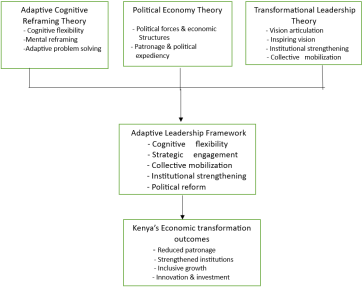
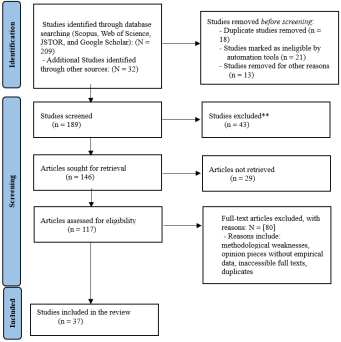
 Copy
Copy Download